01 Why it’s unique
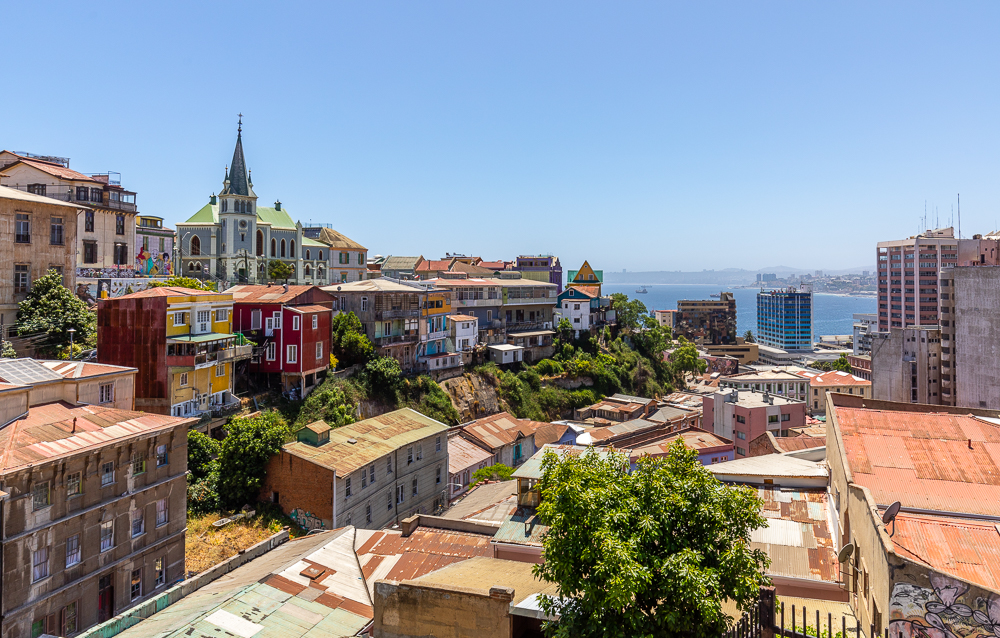
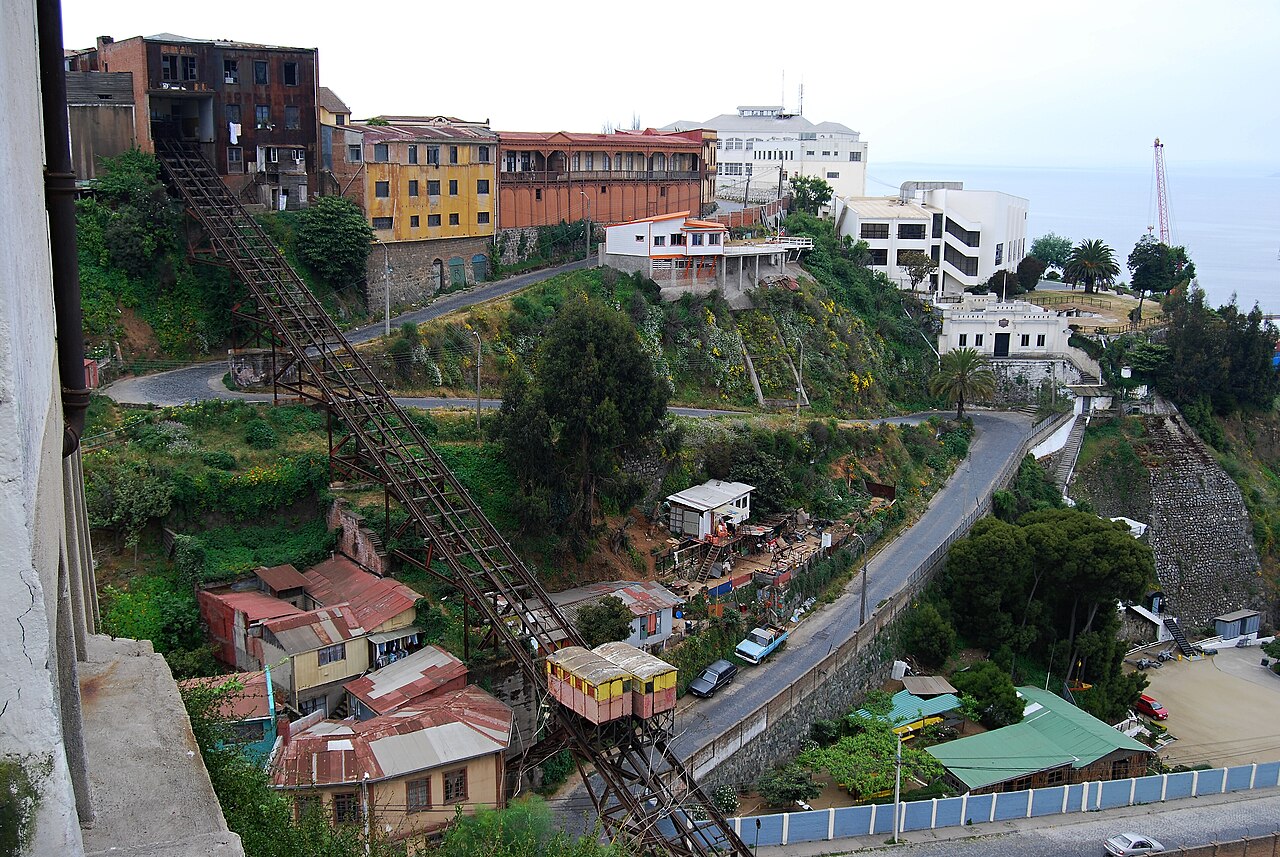
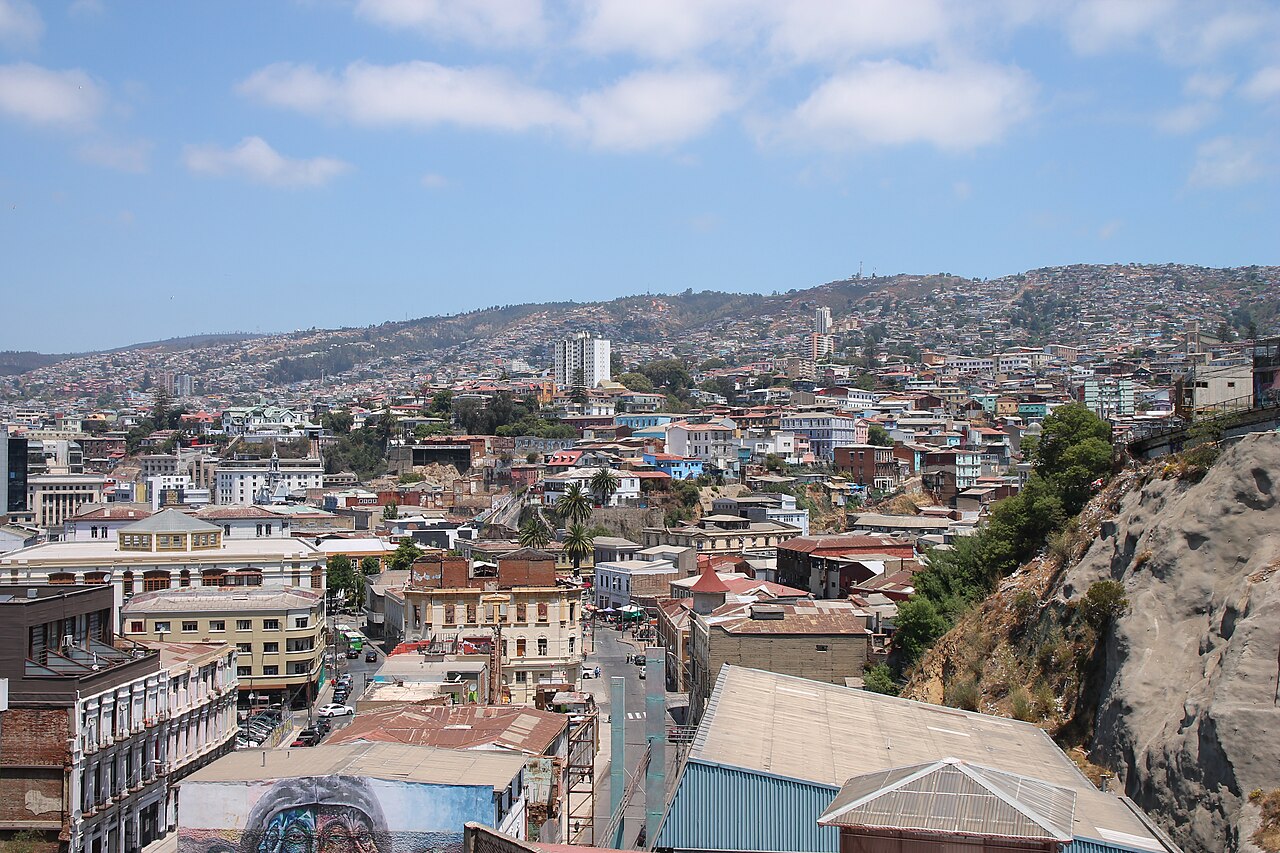
A port city spread over about 40 hills around a bay, linked by funiculars and stairways (UNESCO, 2003). Before the Panama Canal opened, it was the main port of the South Pacific.
02 Culture and history
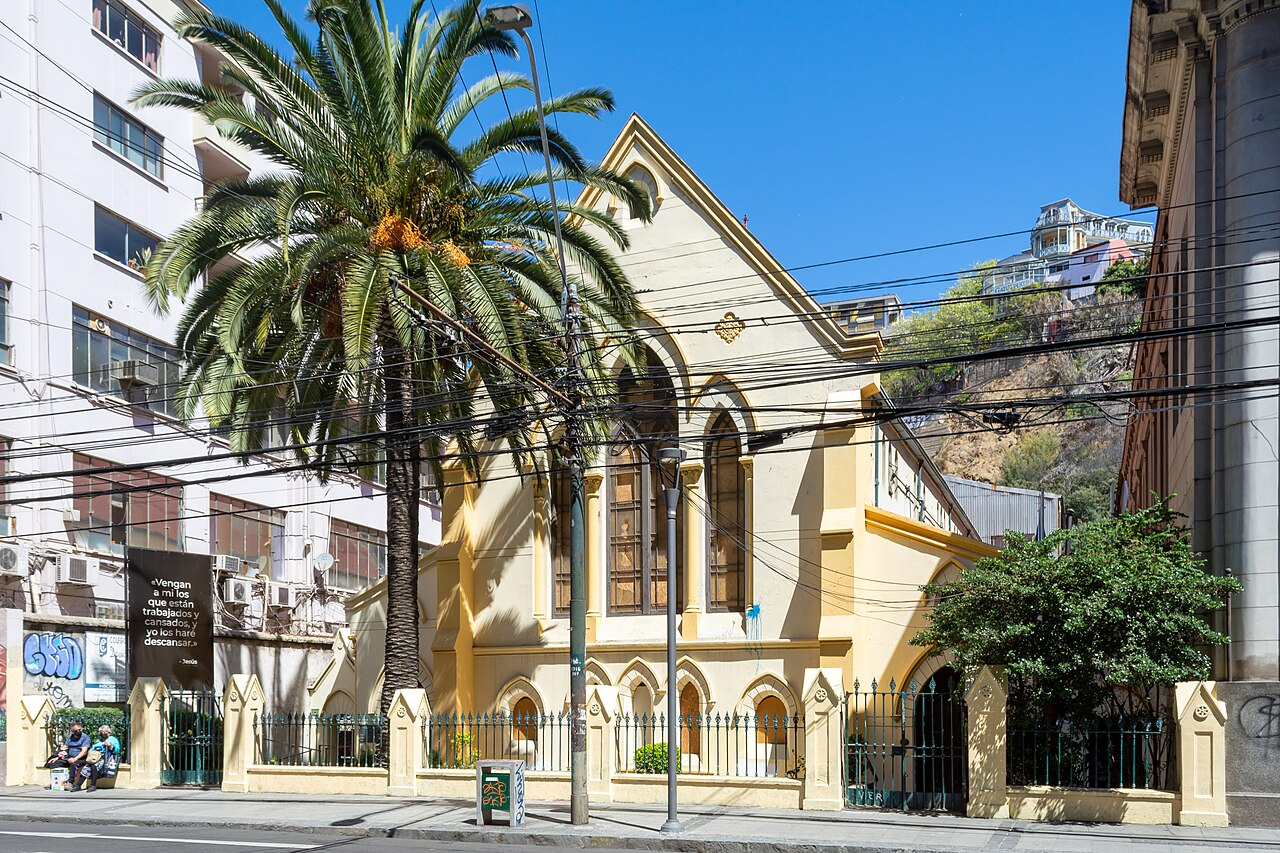
British and German merchants built the Cerro Alegre and Cerro Concepción neighbourhoods in the 19th century, with their churches and balconied houses. Pablo Neruda’s house La Sebastiana overlooks the bay. Chile’s National Congress moved here in 1990. The city’s bohemian life, street art and music make it Chile’s cultural port, and its New Year’s Eve fireworks are among the largest in South America.
03 Placemaking
The ascensores (funiculars), the first from 1883, are public infrastructure that makes the hills liveable; several still run. The Museo a Cielo Abierto (1992) placed murals by leading Chilean artists, including Roberto Matta, along a hillside route. Valparaíso also shows the risks of informal hillside growth: the great fire of 2014 destroyed thousands of homes on the upper hills.
04 Diving and water
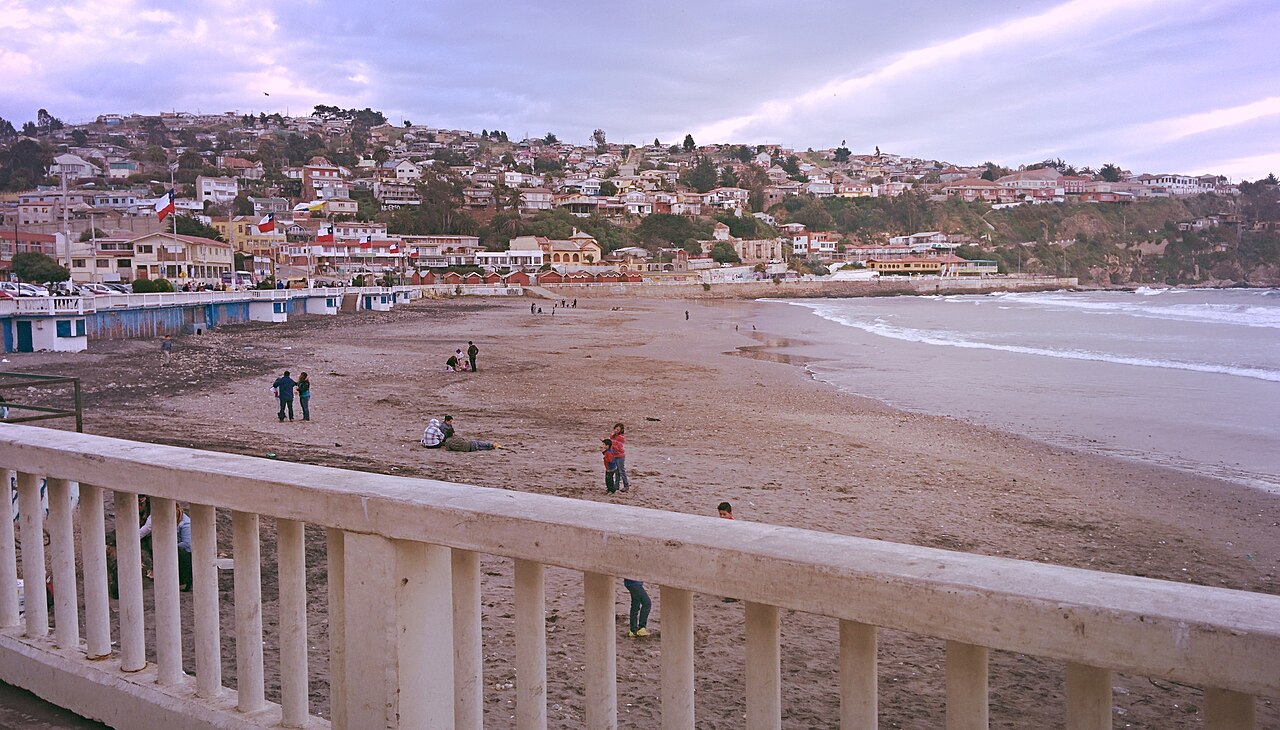
Cold water; little diving.
05 Photography
The coloured houses from the harbour or from Paseo Gervasoni; street art in every alley; the ascensores climbing at dusk.