01 Why it’s unique
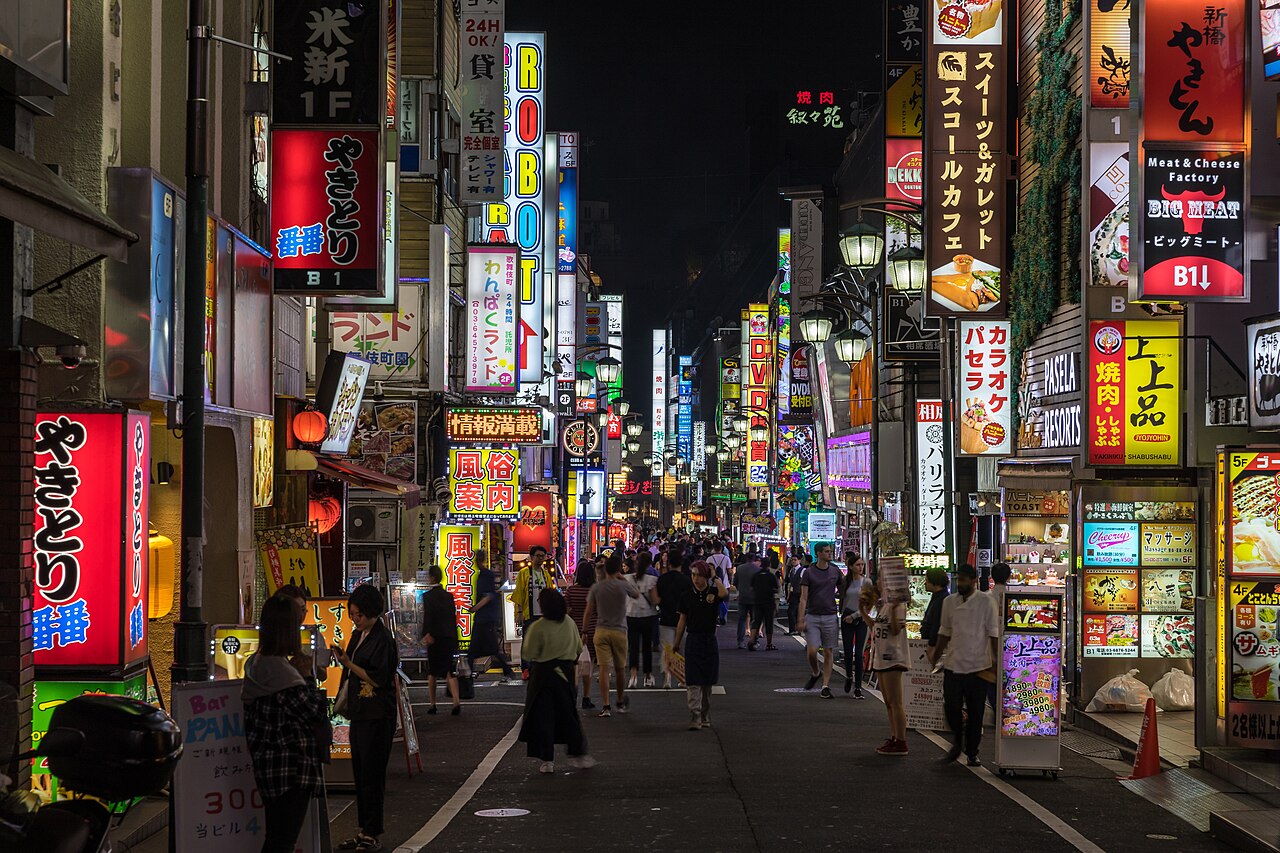
Greater Tokyo, with about 37 million people, is the largest metropolitan area in the world, yet much of it is built at the scale of small streets and neighbourhoods.
02 Culture and history
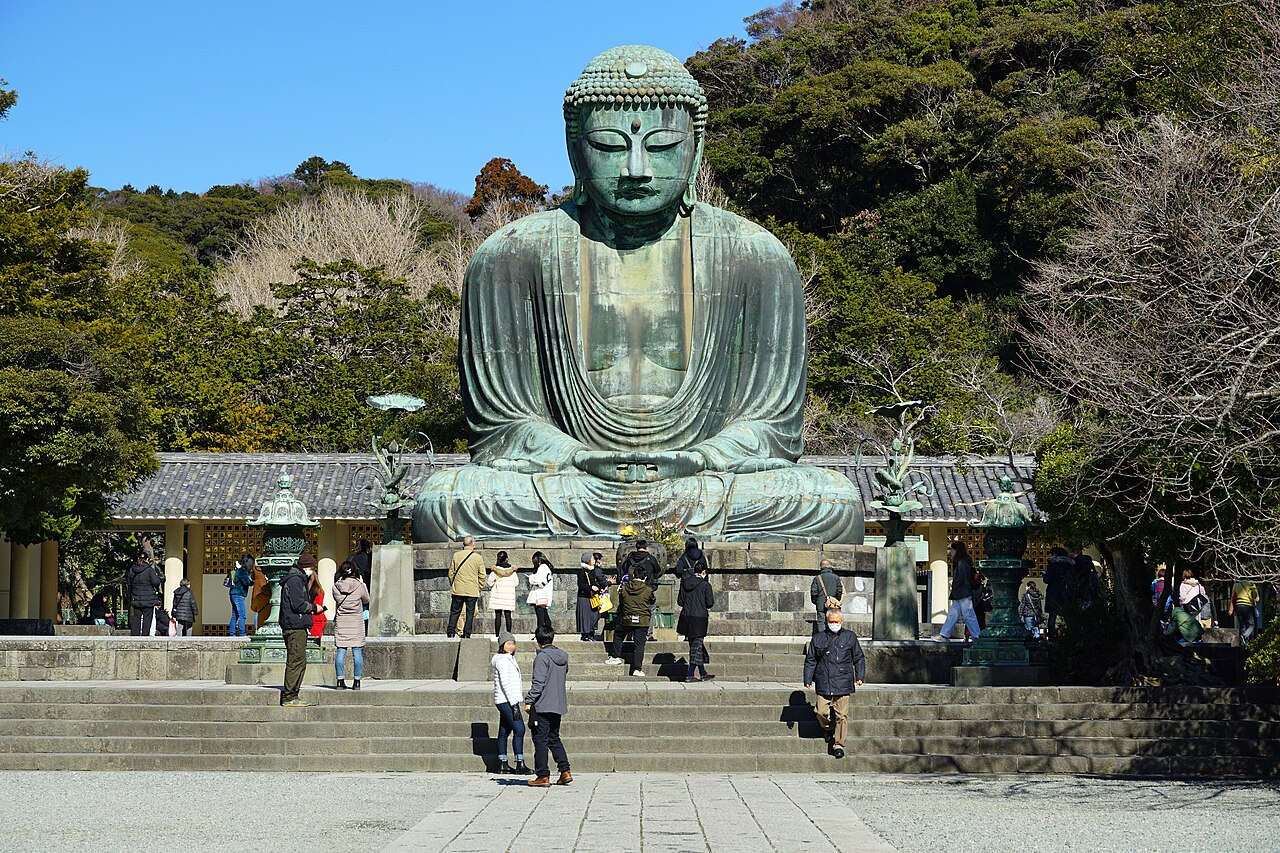
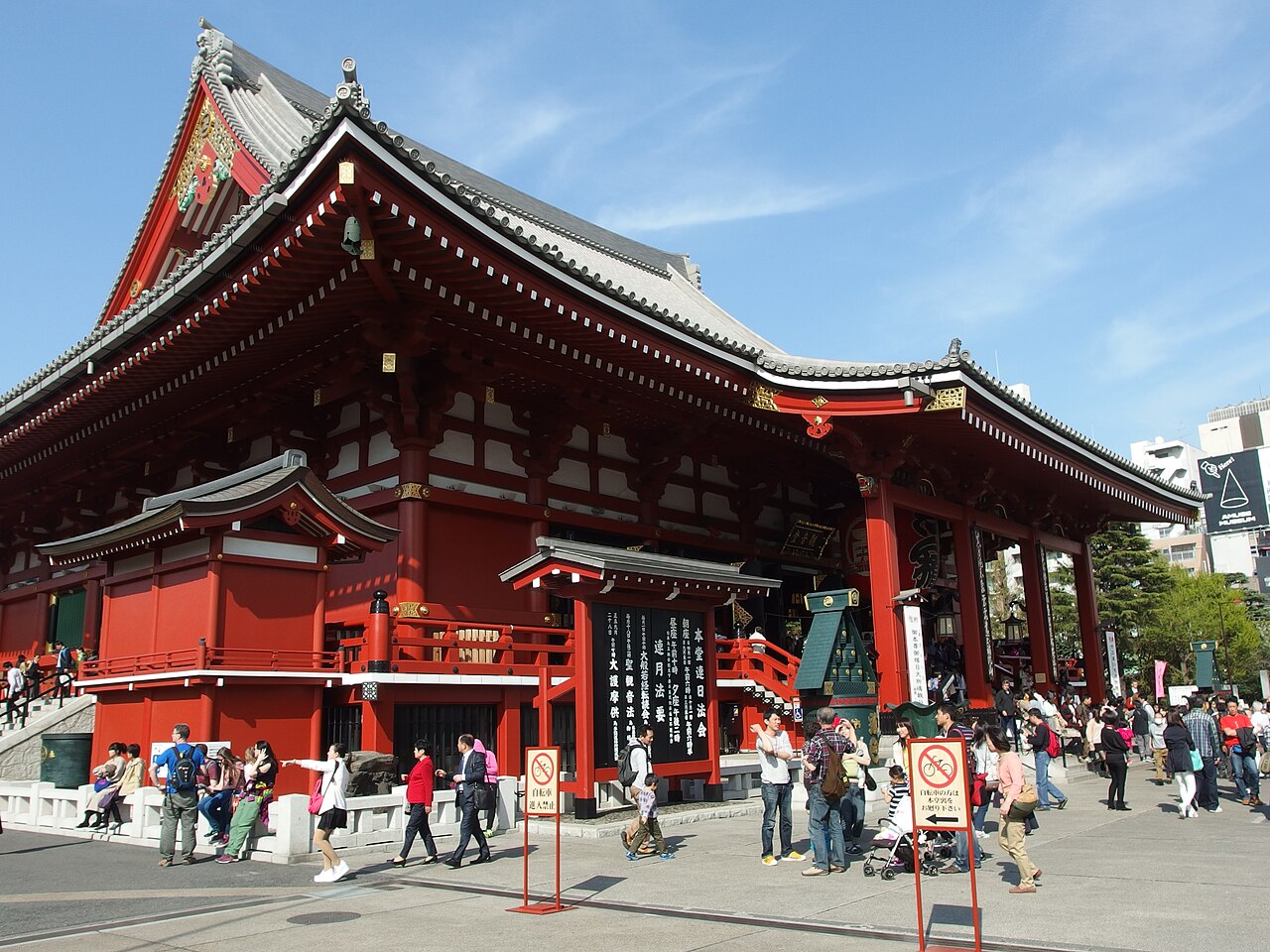
Kamakura was the seat of Japan’s first shogunate (1185–1333). Its bronze Great Buddha, cast in 1252, sits in the open air, and its Zen temples (Engaku-ji, Kencho-ji) are among the oldest in Japan. In Tokyo, Asakusa’s Senso-ji is the city’s oldest temple; Yanaka survived both the 1923 earthquake and wartime bombing with its wooden houses and temples intact; the Tsukiji outer market still thrives beside the old fish market site.
03 Placemaking
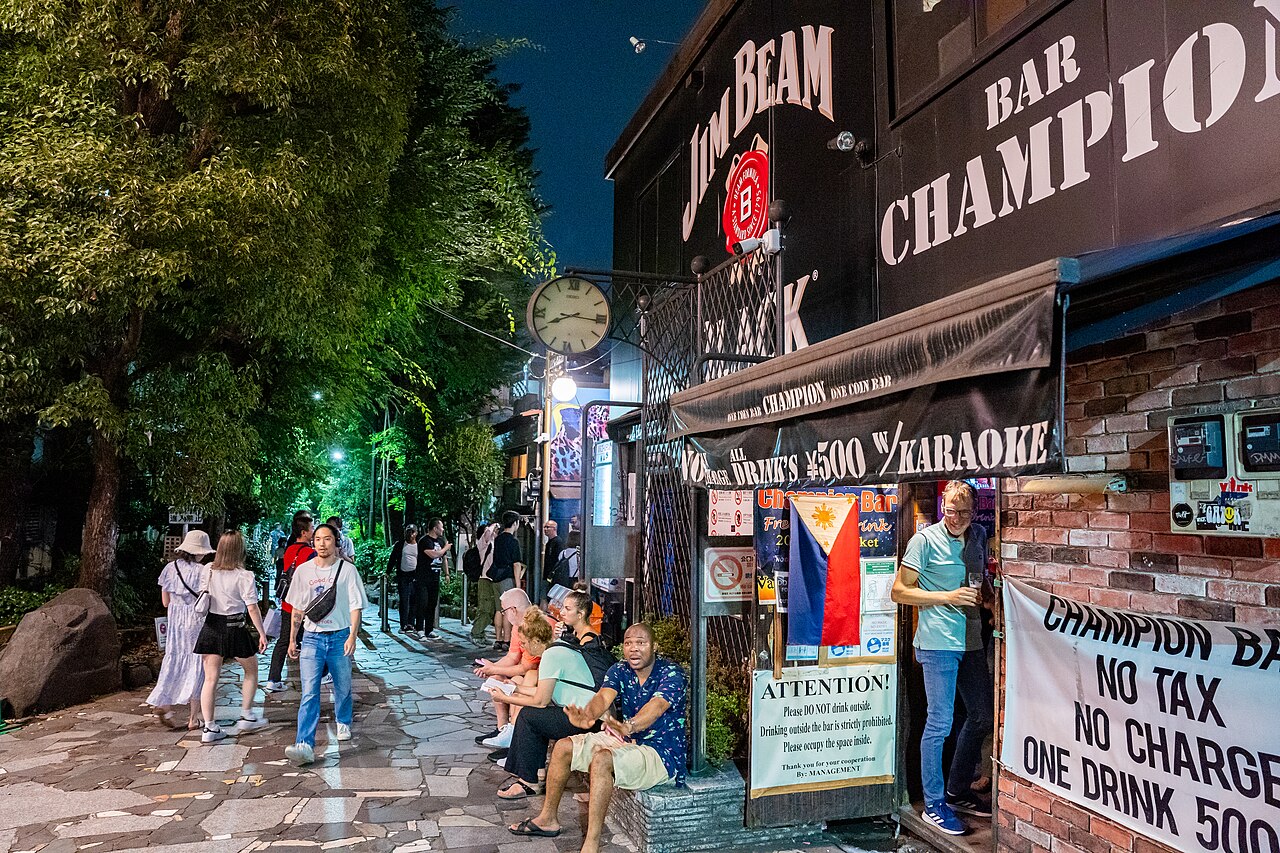
Tokyo is a lesson in fine-grained urbanism. Yokocho alleys such as Golden Gai pack about 200 tiny bars into a few lanes; shotengai (neighbourhood shopping streets) give every district a centre. Japan’s permissive zoning lets small shops and homes mix almost everywhere. Recent projects include Shimokitazawa’s Shimokita Senrozai (2022), a 1.7 km linear park with shops built over a buried rail line, and Miyashita Park (2020), a public park on the roof of a shopping centre.
04 Diving and water
The Izu Peninsula, south of Tokyo, has good diving with soft corals and, on clear days, views of Mount Fuji from the water.
05 Photography
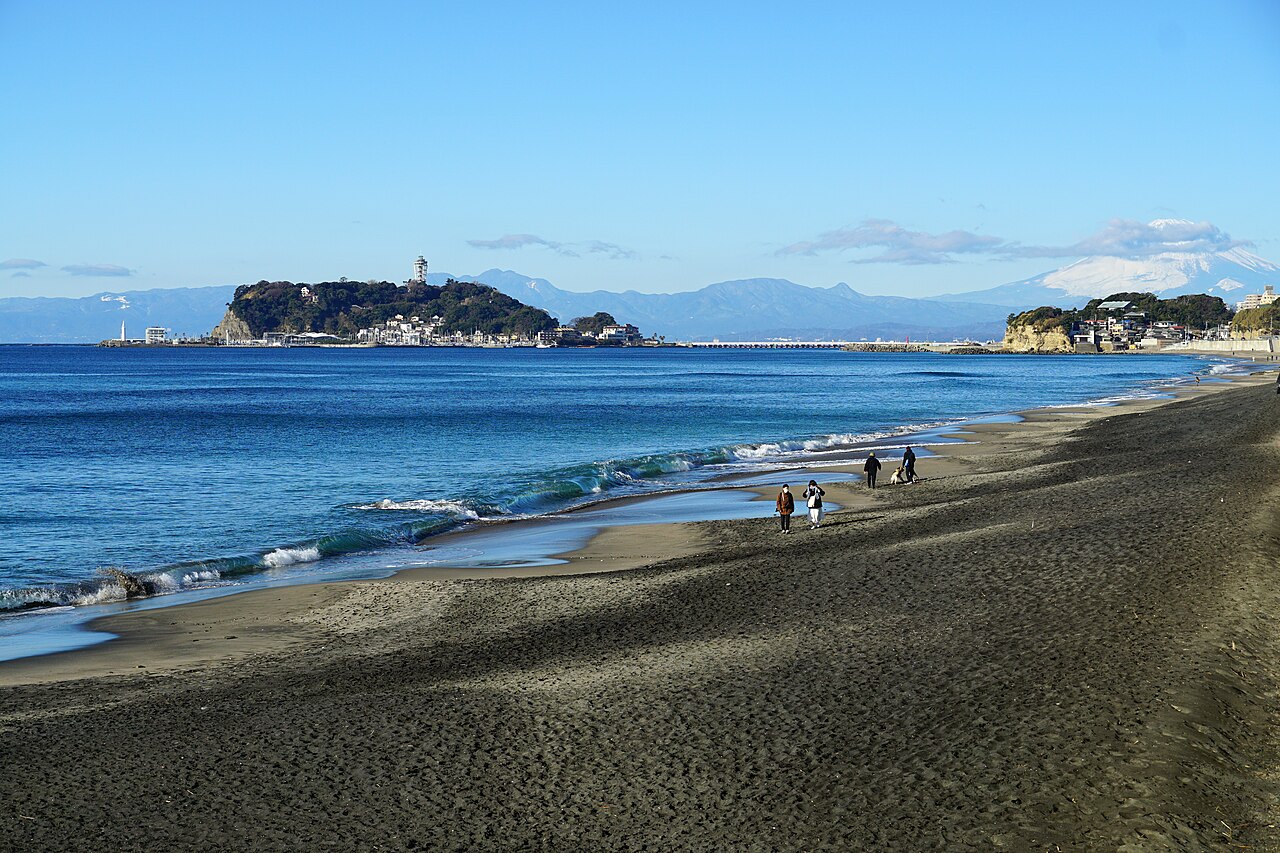
Shibuya crossing from above; Golden Gai at night; Mount Fuji from Shichirigahama beach in Kamakura; morning rush-hour stations.