01 Why it’s unique
More than 330 islands, about a third of them inhabited, where village protocol still governs how a visitor arrives. Fiji is also two cultures side by side: iTaukei (Indigenous Fijians) and Indo-Fijians.
02 Culture and history
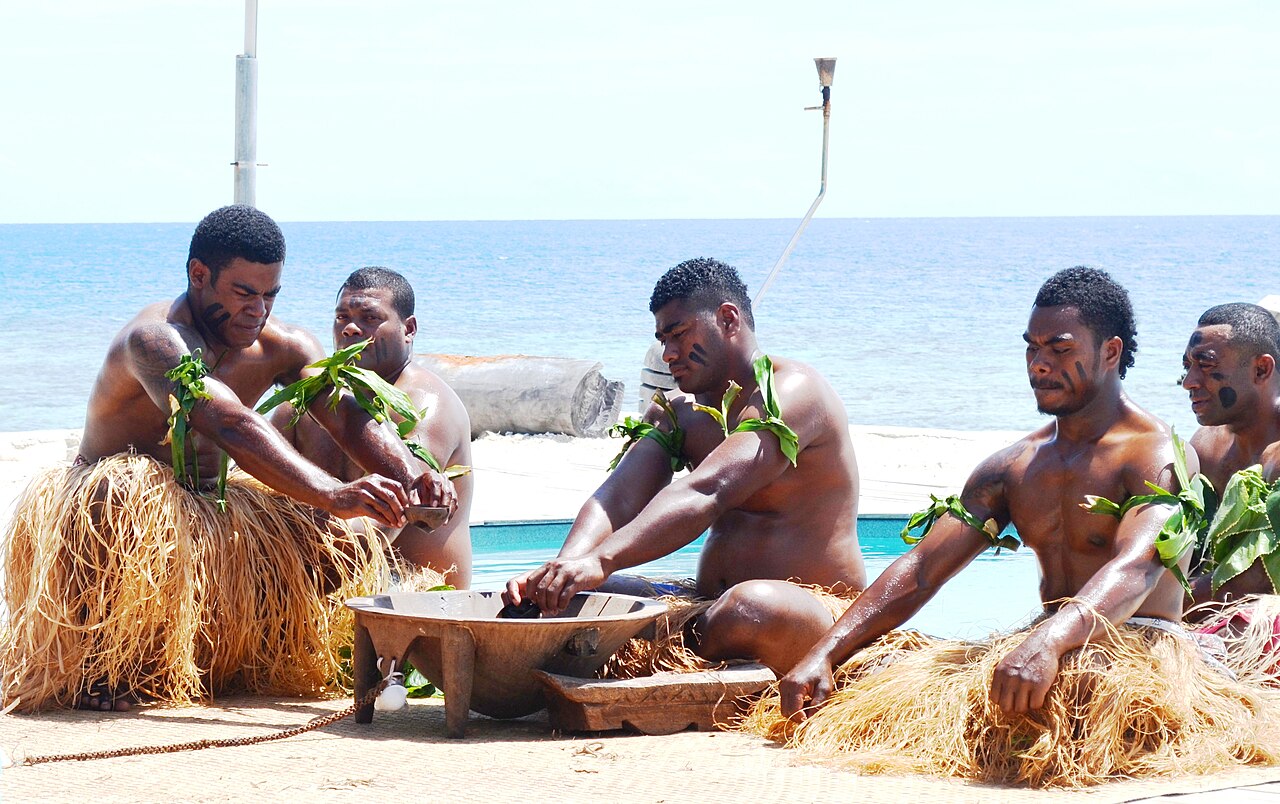
The islands were settled about 3,000 years ago by the Lapita people, known for their stamped pottery. Chiefs ceded Fiji to Britain at Levuka in 1874, and from 1879 to 1916 the colonial government brought some 60,000 indentured labourers from India to work the sugar fields; their descendants give Fiji its temples, curry houses and Diwali lights. Fiji became independent in 1970. Village life turns around yaqona (kava): visitors present a bundle of the root to the chief in a ceremony called sevusevu, after which they are welcomed as guests. Other traditions include tabua (whale-tooth gifts at important occasions), masi (bark cloth), meke dance, and the firewalkers of Beqa island. The Lau Group in the east shows strong Tongan influence, and Kabara island is famous for carved kava bowls.
03 Placemaking
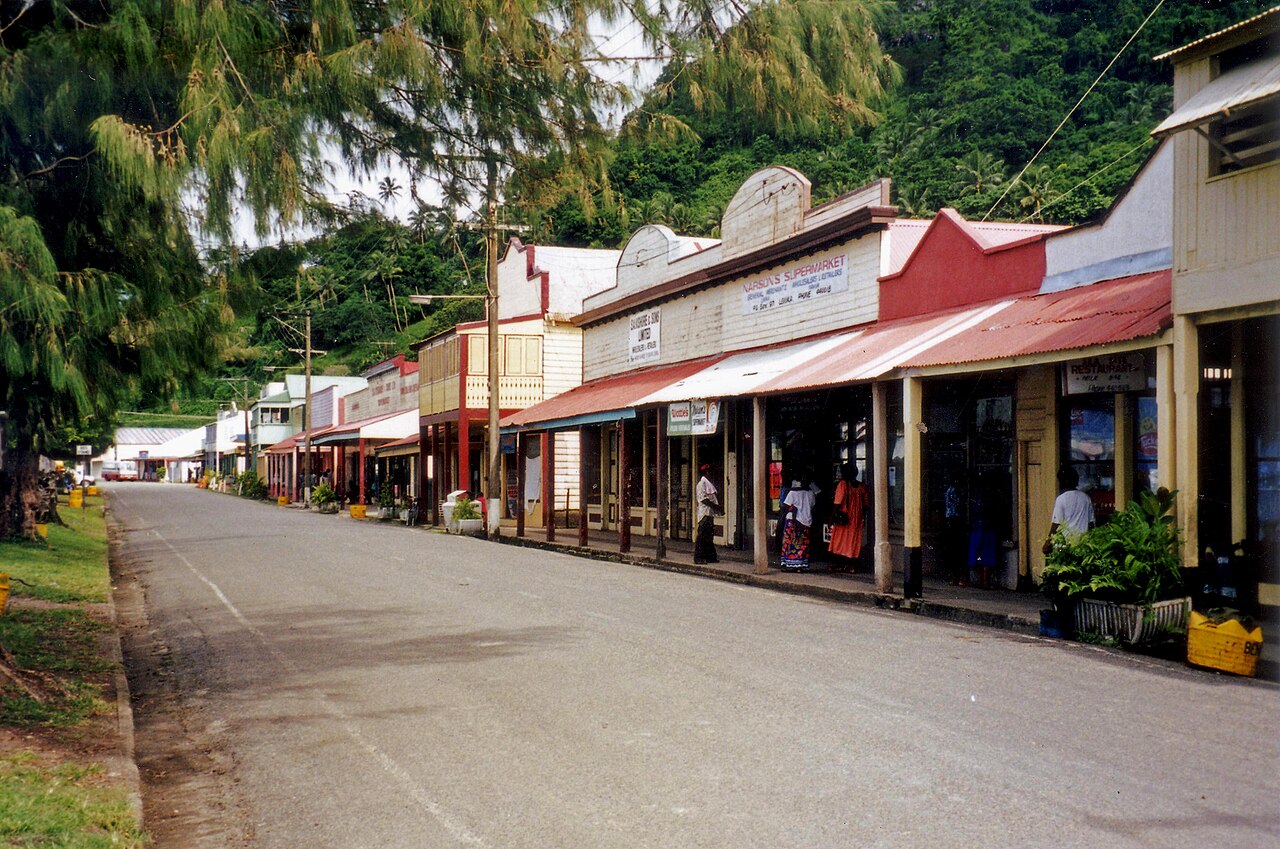
A Fijian village is organised around the rara, an open green used for ceremonies and games, with the church, the community hall and the chief’s house facing onto it. Visitors wear a sulu (wrap) below the knee and take off hats in villages. Levuka (UNESCO, 2013), Fiji’s first colonial capital, is a single street of 19th-century timber shopfronts between the mountain and the sea, one of the best-preserved colonial port towns in the Pacific. In Savusavu, the Copra Shed, a former copra warehouse, has been reused as a marina, café and meeting point.
04 Diving and water
The Somosomo Strait between Taveuni and Vanua Levu holds Rainbow Reef and the Great White Wall, where strong currents feed some of the world’s richest soft-coral growth; Fiji calls itself the soft-coral capital of the world. Namena Marine Reserve lies off Savusavu, and in the Yasawas manta rays gather in the Drawaqa channel between May and October.
05 Photography
Bouma’s waterfalls and the 180° meridian marker on Taveuni; village life once sevusevu has been made; the limestone Sawa-i-Lau caves in the Yasawas; Sunday church choirs (always ask first).