01 Why it’s unique
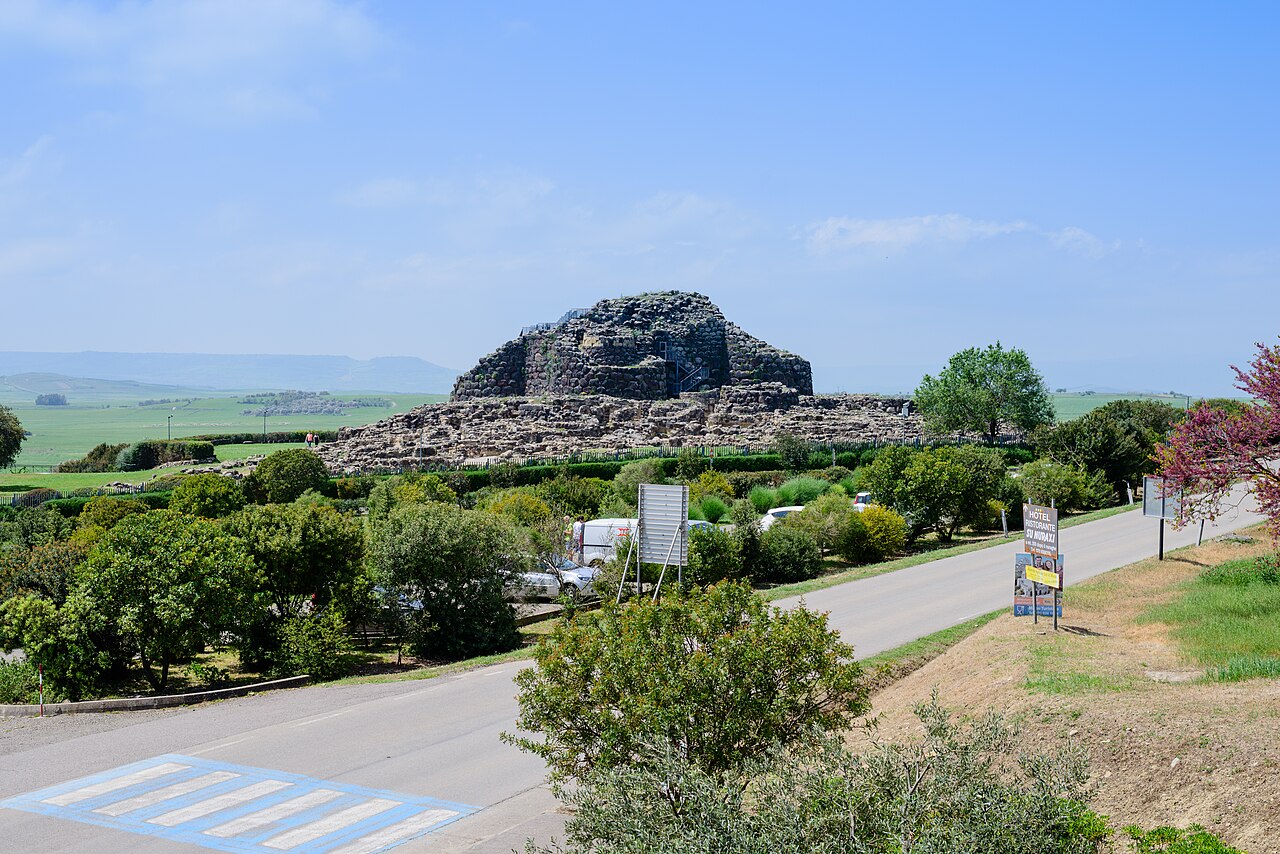
About 7,000 nuraghi, Bronze Age stone towers, cover the island. Su Nuraxi at Barumini is a UNESCO site, and the mountain villages of Ogliastra form one of the world’s “Blue Zones” of longevity.
02 Culture and history
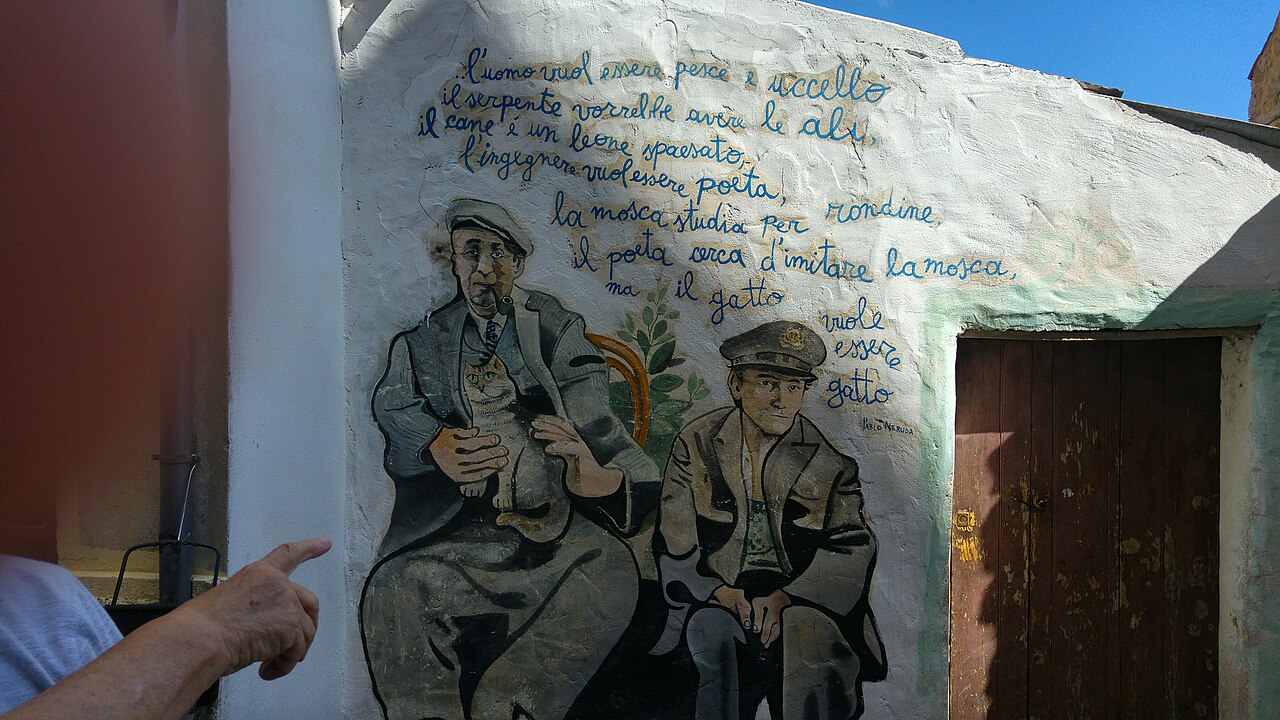
The Nuragic civilisation flourished from around 1800 BC and left the giant stone warriors of Mont’e Prama. Phoenicians, Carthaginians, Romans, Pisans and Aragonese followed. Sardinians kept their own language, the polyphonic canto a tenore singing (UNESCO) and fierce carnival masks such as the Mamuthones of Mamoiada. Since the late 1960s, the village of Orgosolo has covered its walls with political murals.
03 Placemaking
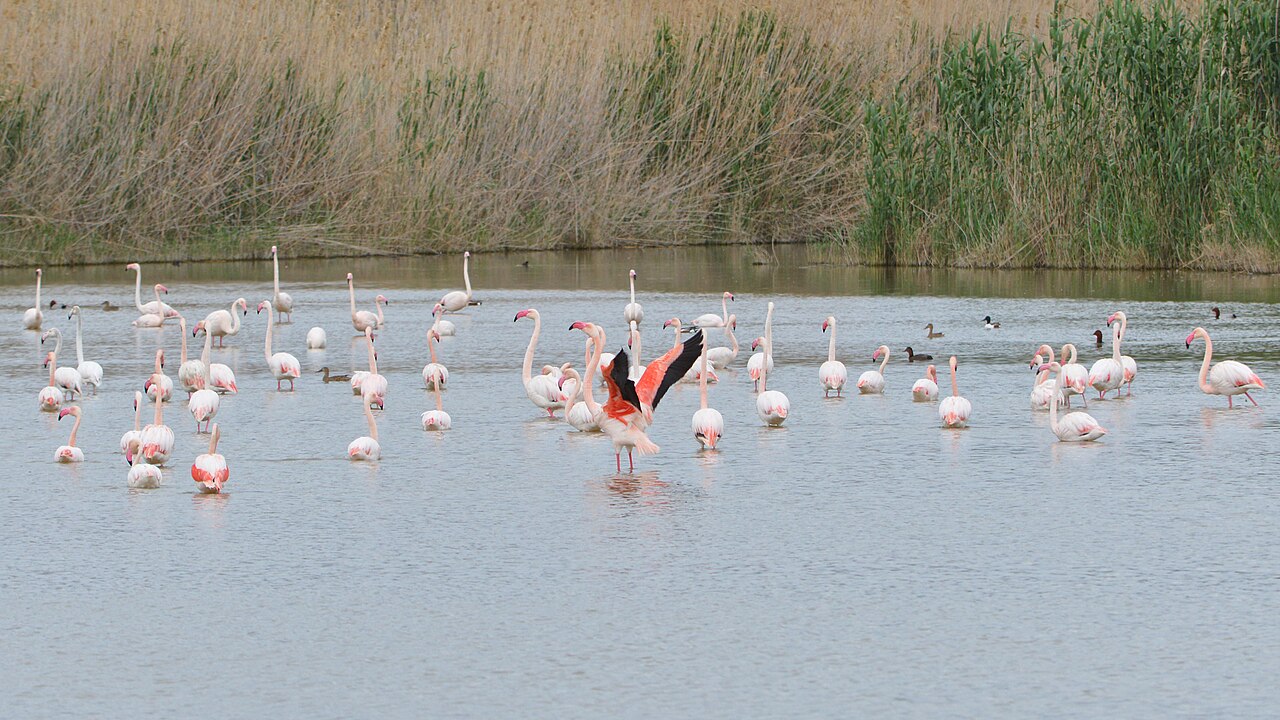
Orgosolo’s hundreds of murals turned a mountain village into an open-air gallery about social struggle and local identity. In Cagliari, the Castello quarter sits behind bastions, with the terrace of the Bastione di Saint Remy as a public balcony over the city, and flamingos feed in the Molentargius lagoons inside the city limits.
04 Diving and water
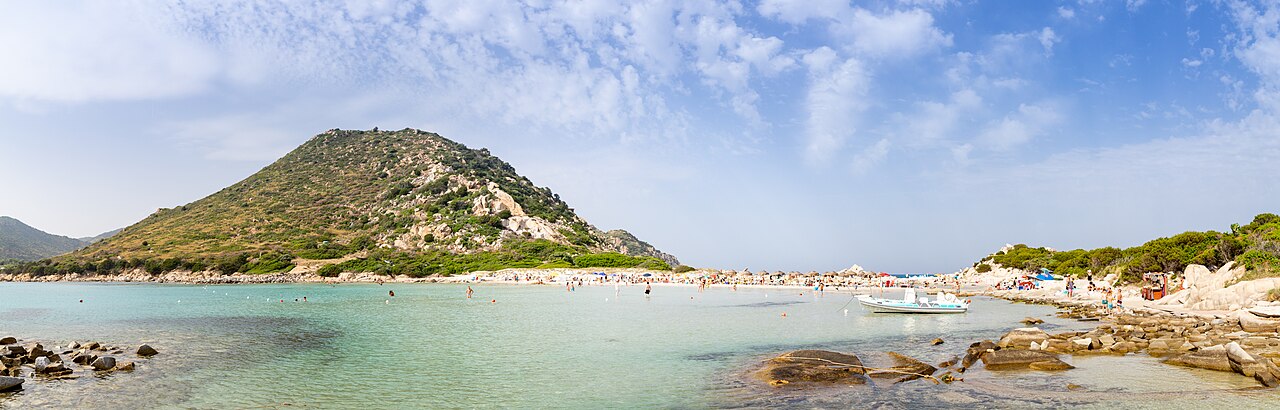
The Capo Carbonara marine reserve near Villasimius has wrecks, groupers and seagrass meadows; Tavolara in the north is another fine reserve.
05 Photography
Orgosolo’s murals; flamingos at Molentargius; nuraghi at dusk.