
01 Why it’s unique
The city of tango (UNESCO, shared with Montevideo), shaped by waves of European immigration, and one of the world’s great café and bookshop cities.
02 Culture and history
Buenos Aires was founded in 1536 and again in 1580. The Teatro Colón (1908) is famous for having some of the best acoustics in the world. Recoleta Cemetery is a city of marble tombs, including Eva Perón’s. On Plaza de Mayo, the Mothers of the Plaza de Mayo began marching every Thursday in 1977 to demand news of children disappeared under the military dictatorship. San Telmo’s Sunday fair and its milongas (tango dance halls) keep the old city alive.
03 Placemaking
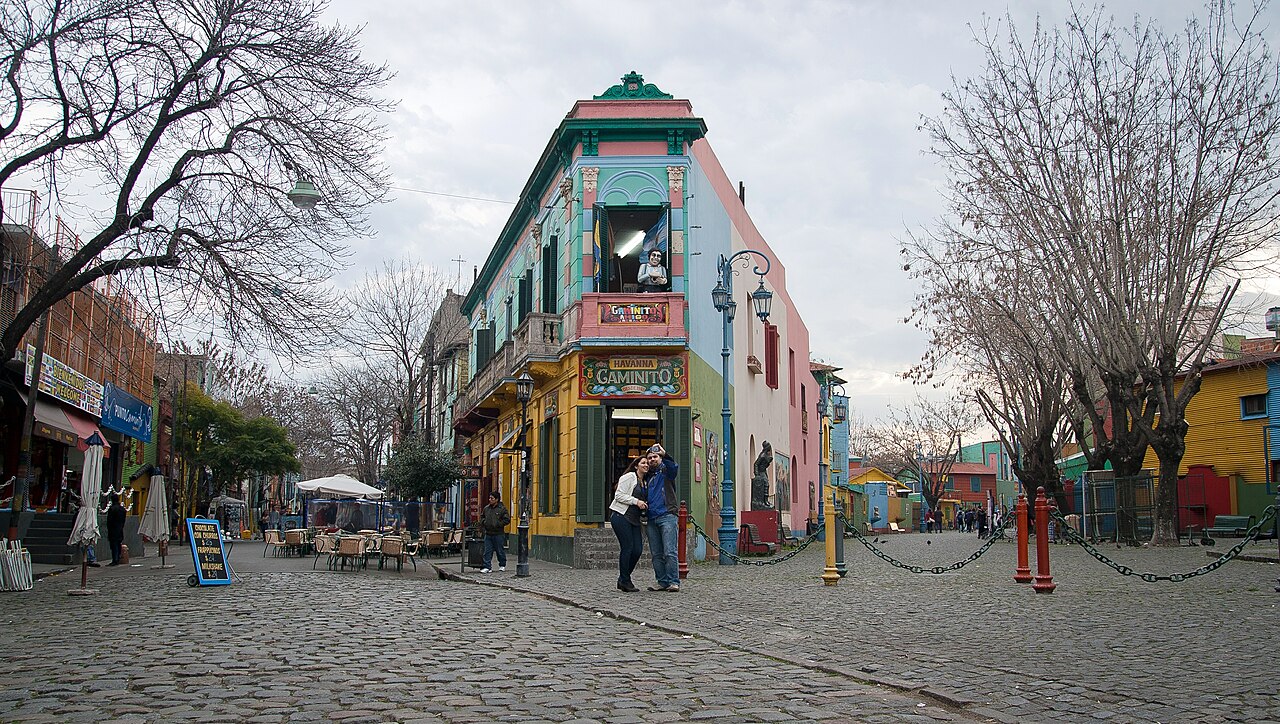
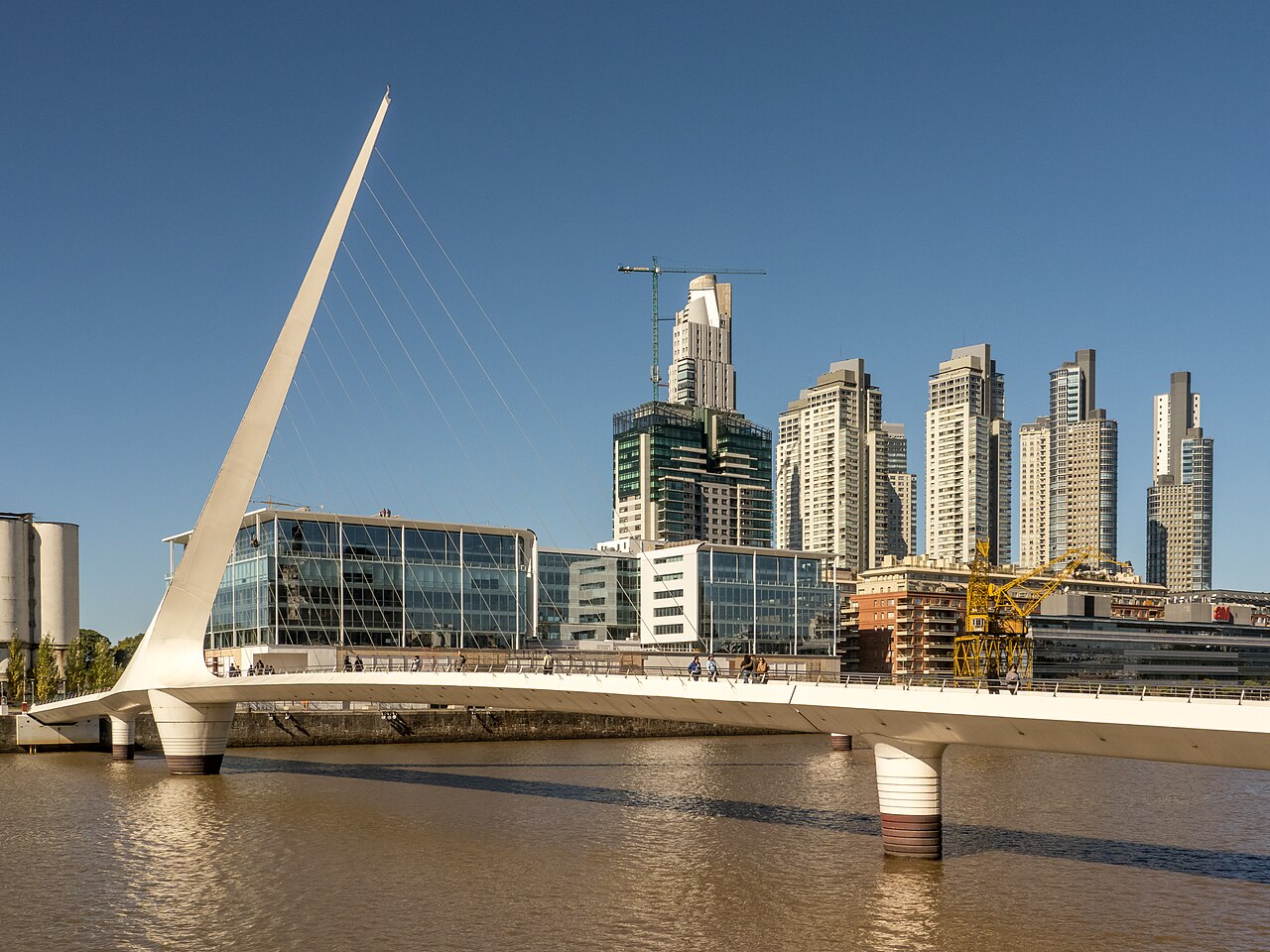
La Boca’s Caminito was created in 1959 by the painter Benito Quinquela Martín, who turned a disused railway path into a street of painted houses, a pioneering artist-led placemaking project. Plaza de Mayo shows how one square can be the stage of a nation’s political life. Puerto Madero, the old docks, was redeveloped in the 1990s, with Santiago Calatrava’s Puente de la Mujer. El Ateneo Grand Splendid, a theatre converted into a bookshop, keeps its stage and boxes as reading spaces.
04 Diving and water
None; the River Plate is brown and shallow.
05 Photography
Tango dancers in San Telmo’s Plaza Dorrego; La Boca’s colours; Recoleta’s sculptures; the readers in El Ateneo.