Julia
Skipper
Artist, fashion designer and placemaker. Thirty-five years in fashion as one of Lithuania’s most prominent and accomplished designers, from the Vilnius Fashion House in Lithuania to her own label, sold in sixty countries and dressing Lithuania’s presidents; today painting, installation and placemaking in Vilnius Old Town.
01Overview
Biography
I turn space into the place.
Julia
Julia is an artist, fashion designer and placemaker, born in 1970 in Vilnius, Lithuania, and one of Lithuania’s most prominent and accomplished fashion designers. She studied costume design at the Vilnius Academy of Arts and fashion design at the Academy of Art and Music in Arnhem, the Netherlands, later took the executive master’s programme at ISM University of Management and Economics, and in 2021 completed the curators’ course at the Victoria and Albert Museum in London. She has held recognised artist status since 2005 and is a member of the Lithuanian Designers’ Union, the Lithuanian Artists’ Association and the Baltic Fashion Designers’ Union.
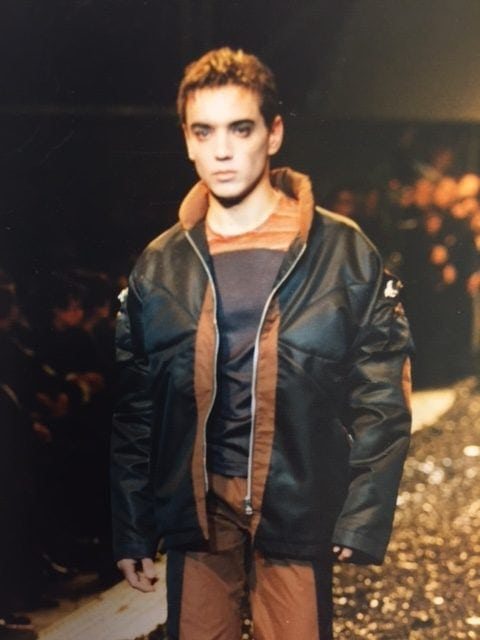
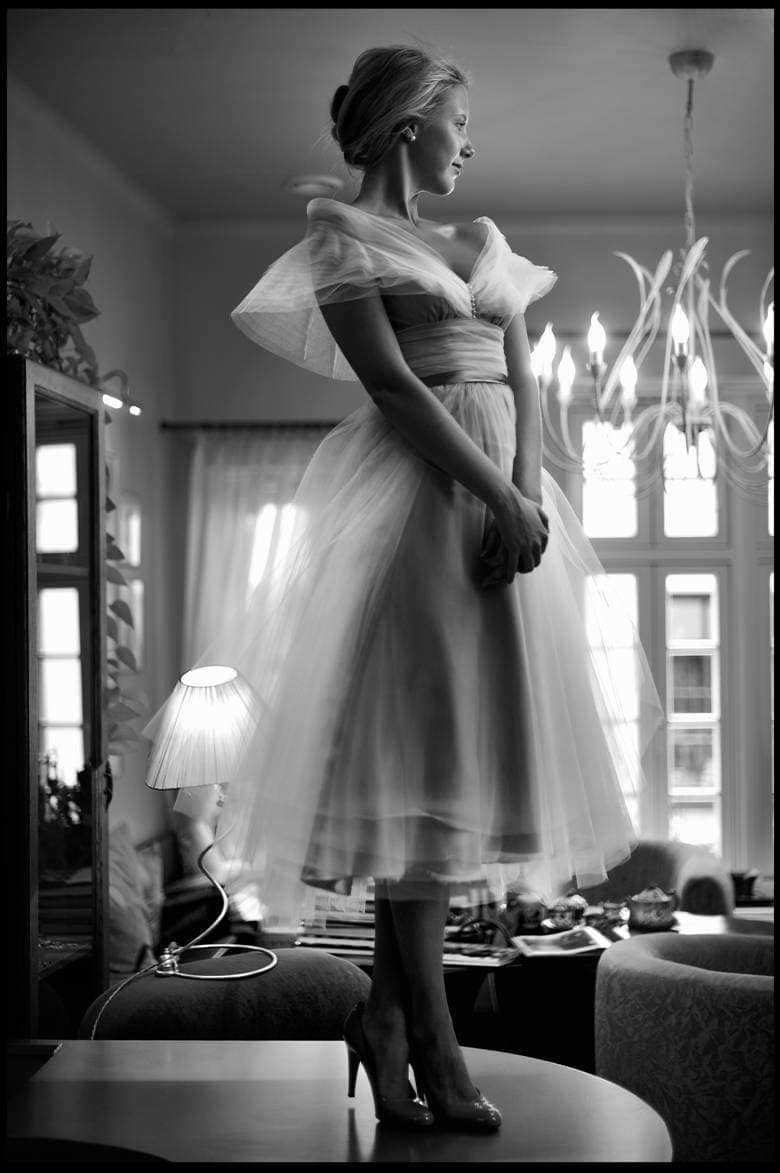
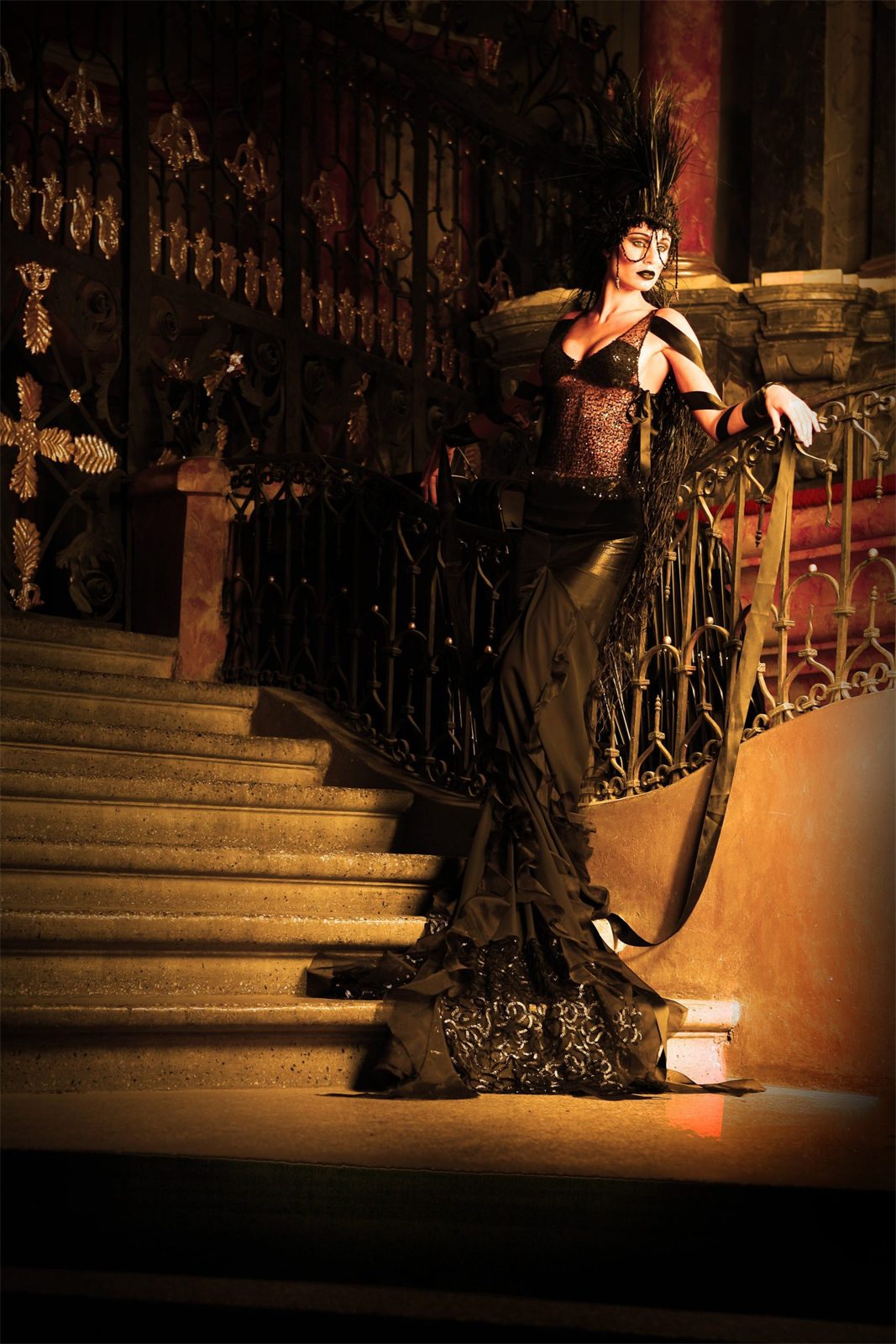
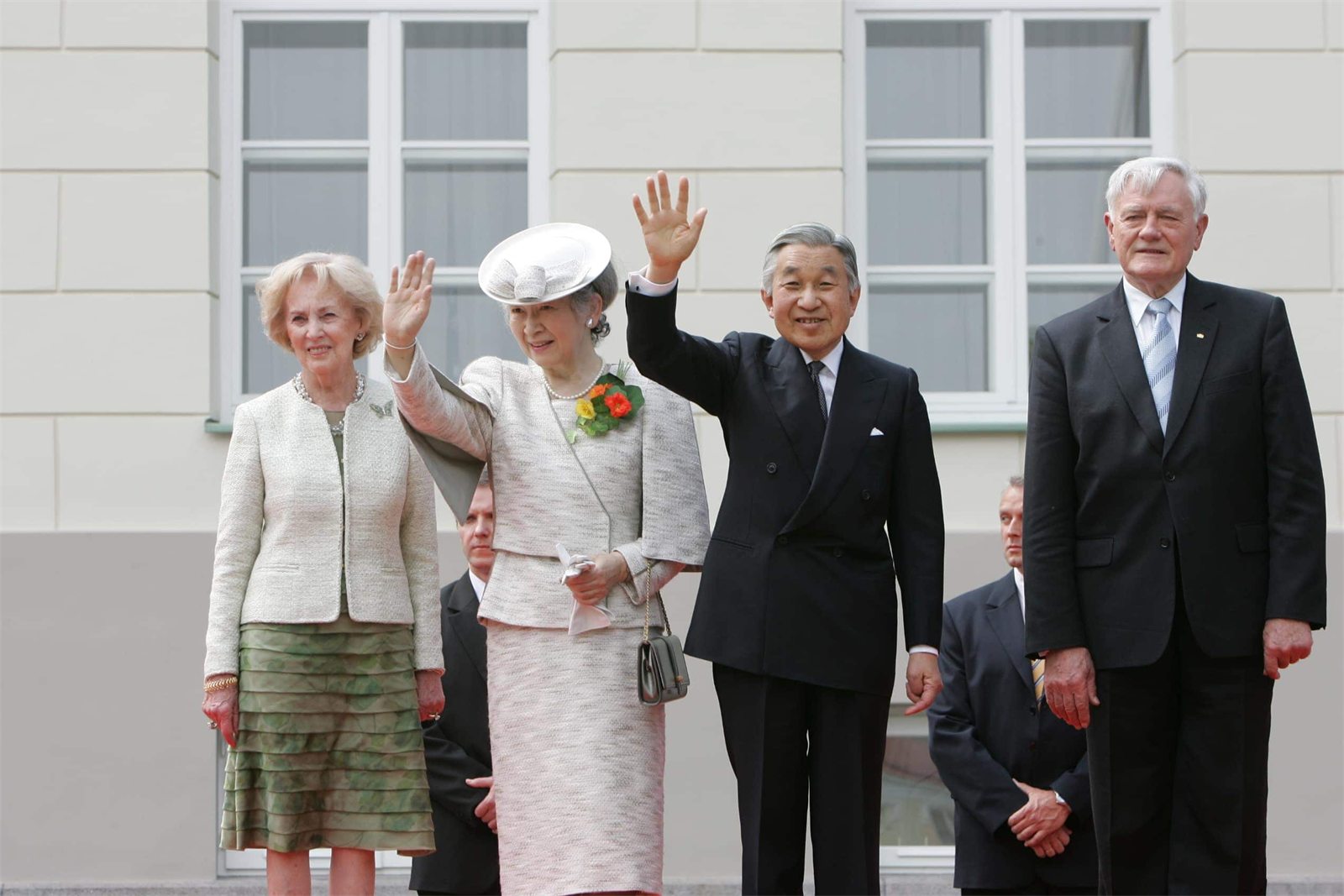
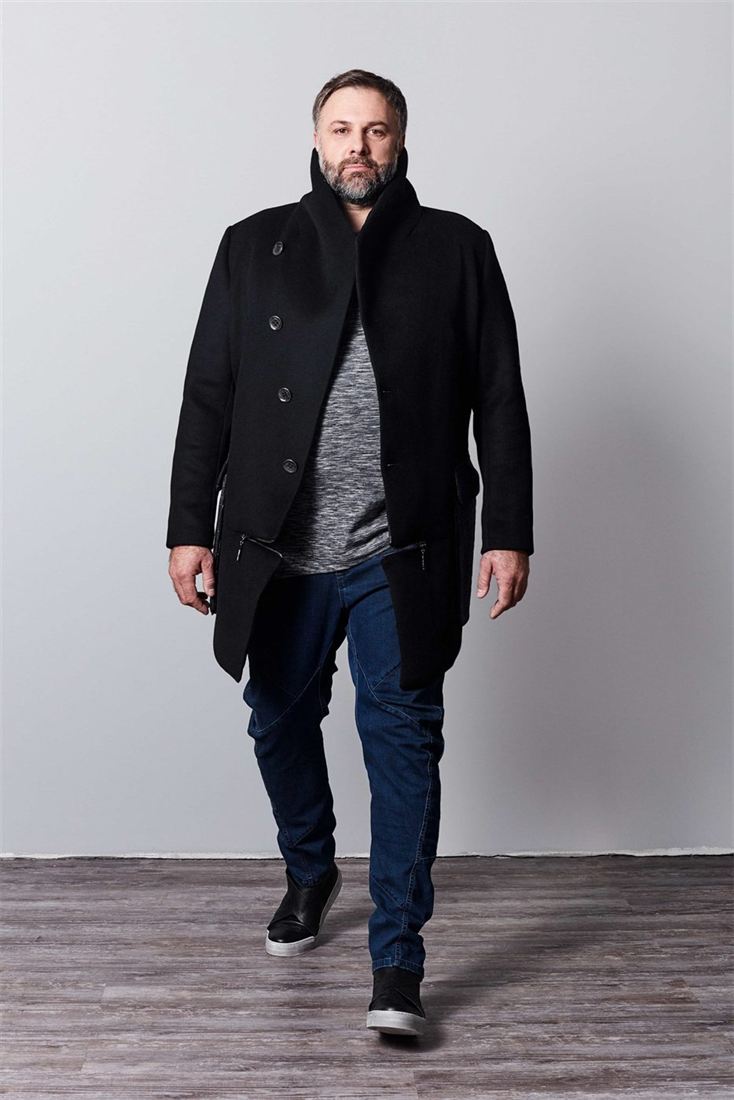
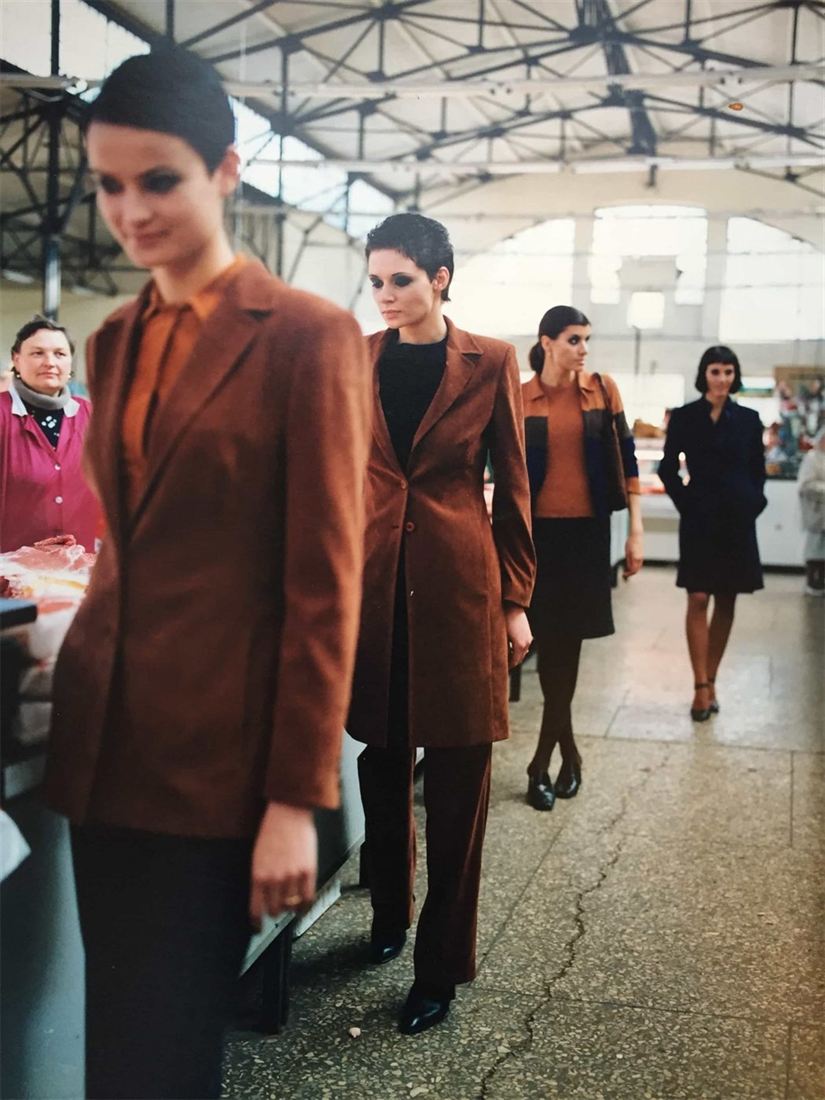
Her path in fashion runs from seamstress at the Vilnius Fashion House in Lithuania in 1988 to the owner of a business trading in sixty countries. What always set her apart was the person inside the clothes: she dressed people of every build, large, medium and slight, and made each of them look wonderful; for her, a garment began with the one who would wear it. She founded her own house in 1997 and over two decades built a whole series of labels: bespoke suits for the country’s leading politicians, an everyday line, a rave-era street label worn by Lithuania’s best-known musicians and, from 2008 to 2018, the label that bears her name, one of the most visible phenomena in Lithuanian fashion, with stores in Vilnius, Kaunas, Klaipėda, Riga and Kyiv and collections shown at Who’s Next in Paris and Tranoi in New York. She dressed Lithuania’s presidents and first ladies, and in 2007 the readers of Cosmopolitan named her designer of the year.
Her work has always reached beyond clothes: jewellery made with goldsmiths, furniture of local wood inlaid with crystal, signature dinnerware and candles, a Baltic soundtrack built from the ships, birds and bells of the coast, and Fashion & Food, four books in which leading chefs of the Baltic states answered her clothes with dishes. Since 2020 she has worked mainly as an artist, in painting, textile sculpture and installation, and in small art-and-fashion capsules made to order, a slower and more sustainable way of making.
She describes herself as a door: someone who brings people together so that a place can change. In 2018 she founded the Glass Quarter in the Old Town of Vilnius, Lithuania, leads its business and culture community, and curates ARTerija, an open-air street gallery whose installations change every six months and then travel to other towns. Her cultural start-up Secret Love builds a network of Lithuanian products and experiences around the sixteenth-century love story of Barbara Radziwiłł and Sigismund Augustus, together with more than a dozen partner brands. In 2021 the Mayor of Vilnius honoured her for her contribution to the city’s placemaking. She lives in Užupis, was stylist to President Dalia Grybauskaitė, and works with brands such as Rūta, DecoFlux and the Radisson Blu Astorija; today she designs placemaking strategies for the old towns of Northern Europe, curates interdisciplinary exhibitions of history, art and design, and makes artworks, sculptures and installations for sale and for hire.
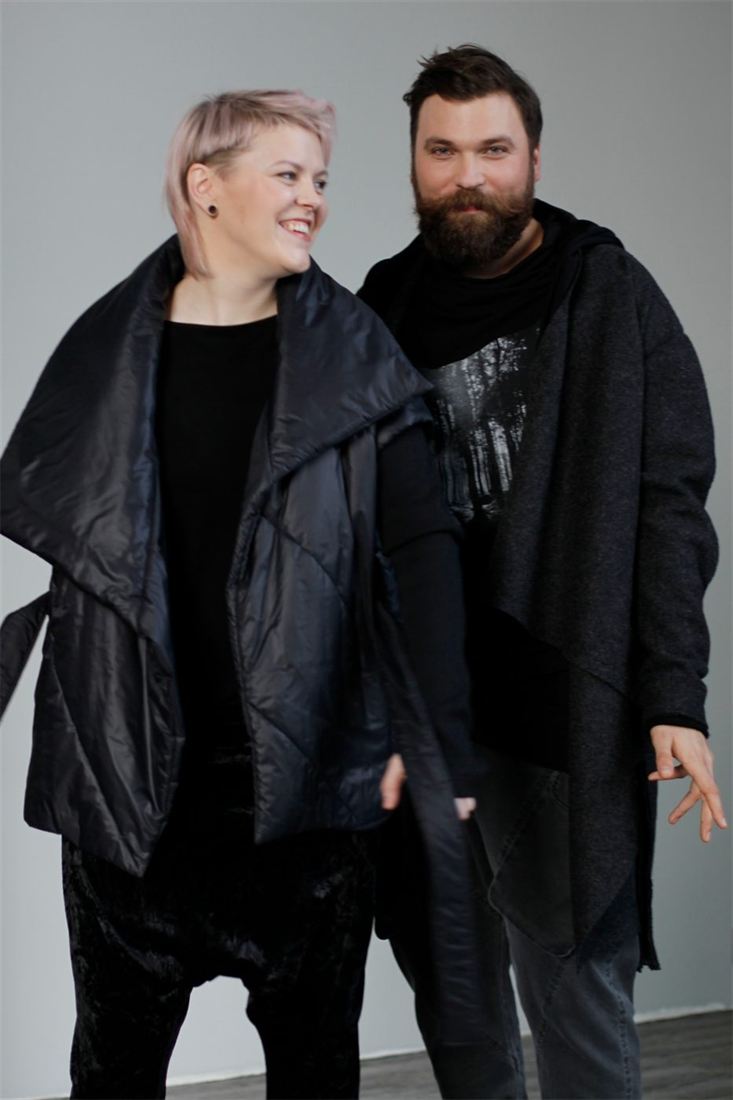
With Petras she works as an artist duo, at times hiding behind the invented name Sije Verski. On RAW she is skipper and the voyage’s designer and storyteller, reading each place through its history, the signs of its cultural heritage, its materials, colours, crafts and people.
02Highlights3
The Invisible Hand
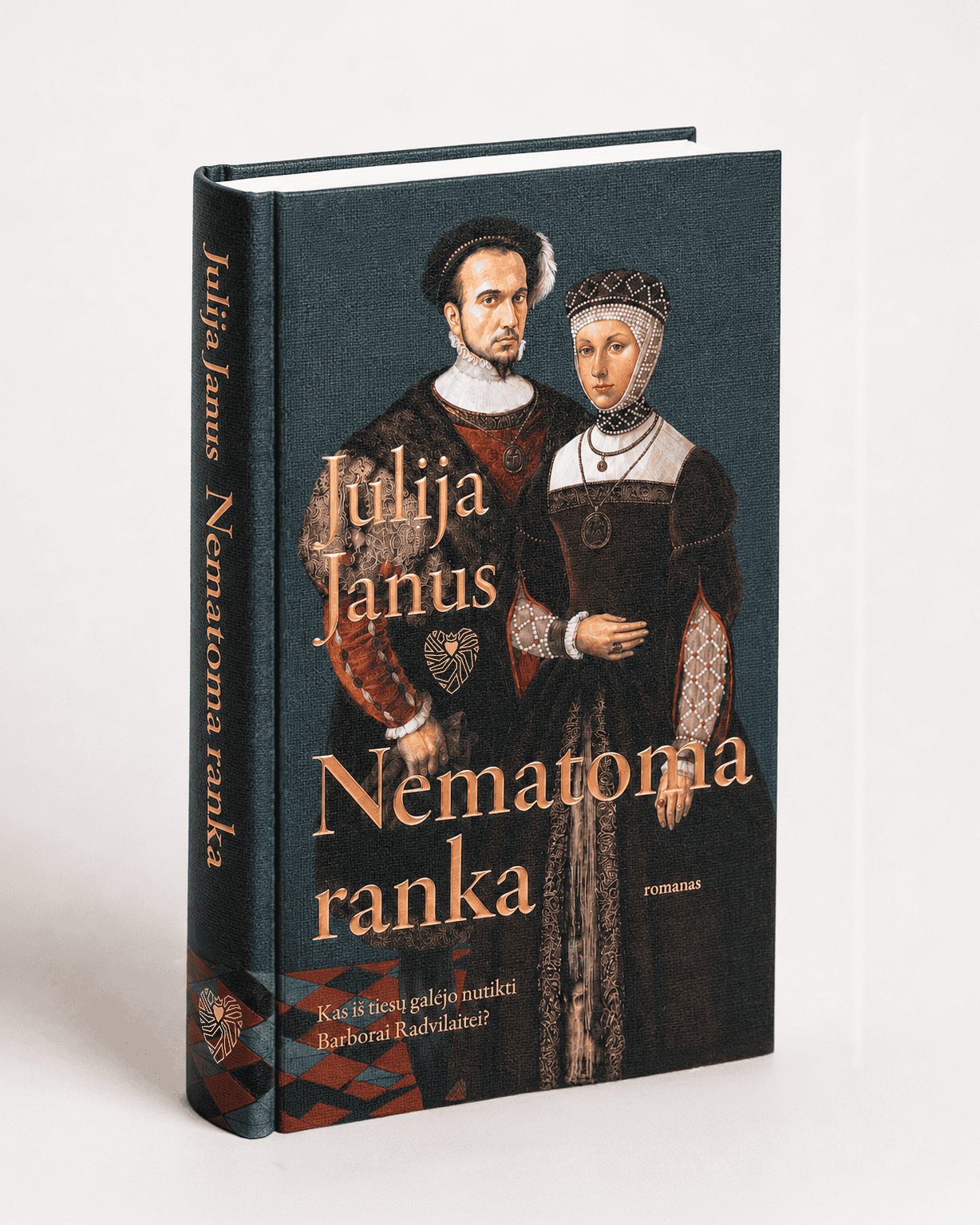
Julia’s newest work is a book. Her first novel, Nematoma ranka (The Invisible Hand), came out on 25 September 2026: a historical detective story about Barbara Radziwiłł, the legendary sixteenth-century woman. It runs to 288 pages in hardback, was published by Secret Love itself and at once became the best-seller of its shop. It is the fruit of seven years spent with the sixteenth century of the Grand Duchy of Lithuania, its Renaissance and, above all, the story of Sigismund Augustus and Barbara Radziwiłł, which she believes can become a legend for the whole world.
The novel opens in 1542 in Kraków and Vilnius, where court life is ruled by smiles and poison. Barbara, married at fourteen to Count Stanislovas Goštautas, spends five empty years at Geranainiai castle before he dies; Queen Bona Sforza and the young heir send the courtier Stanislovas Davaina to find out how. While he follows the traces of an invisible hand across a decade, the widow becomes Sigismund Augustus’s secret lover, and a whim becomes a passion, a royal marriage and a legend. Who wanted Barbara dead most: Queen Bona, the Church, or a heart poisoned by revenge and jealousy? The book puts forward a new and, to its first readers, convincing version of her death.
Julia worked from letters and sources, and estimates that ninety per cent of the book holds to the historical facts, with freedom only in dialogue, motive and small shifts of time. The first draft read like a screenplay, and she would like it to become one. What she wanted most, she says, was a clear and vivid Barbara: Grand Duchess of Lithuania and Queen of Poland, a woman who resisted the norms of her time and wanted to be happy.
Secret Love
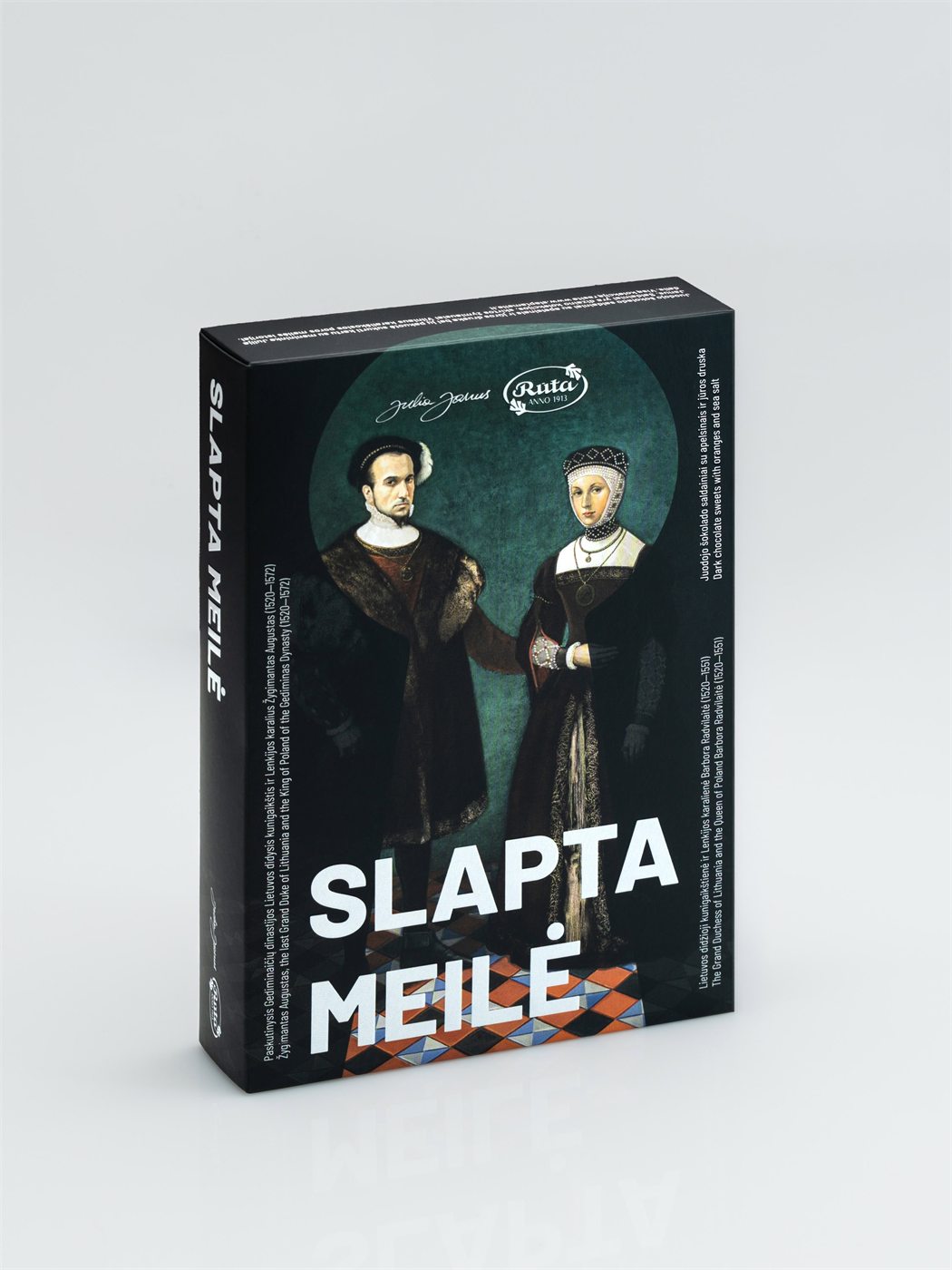
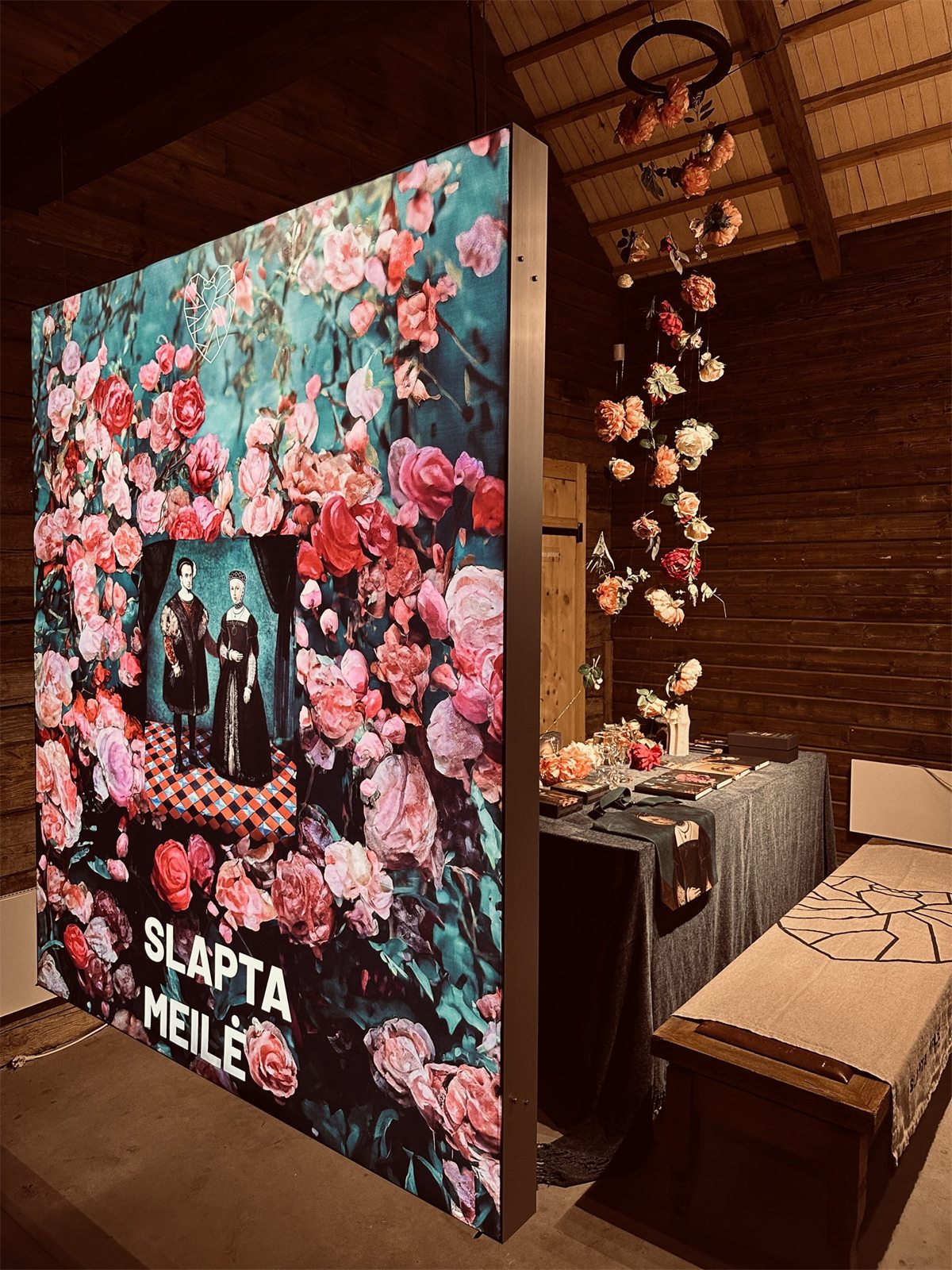
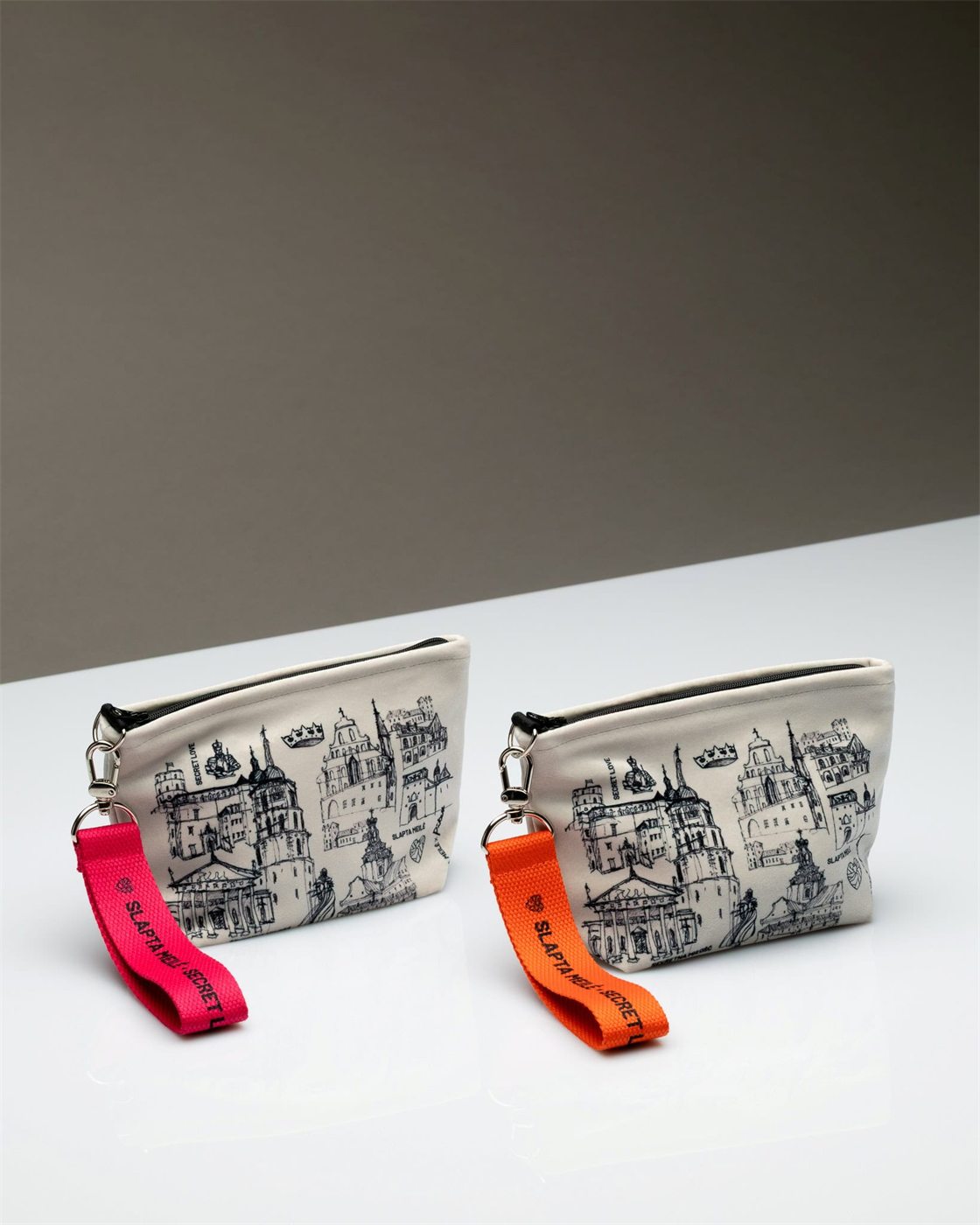
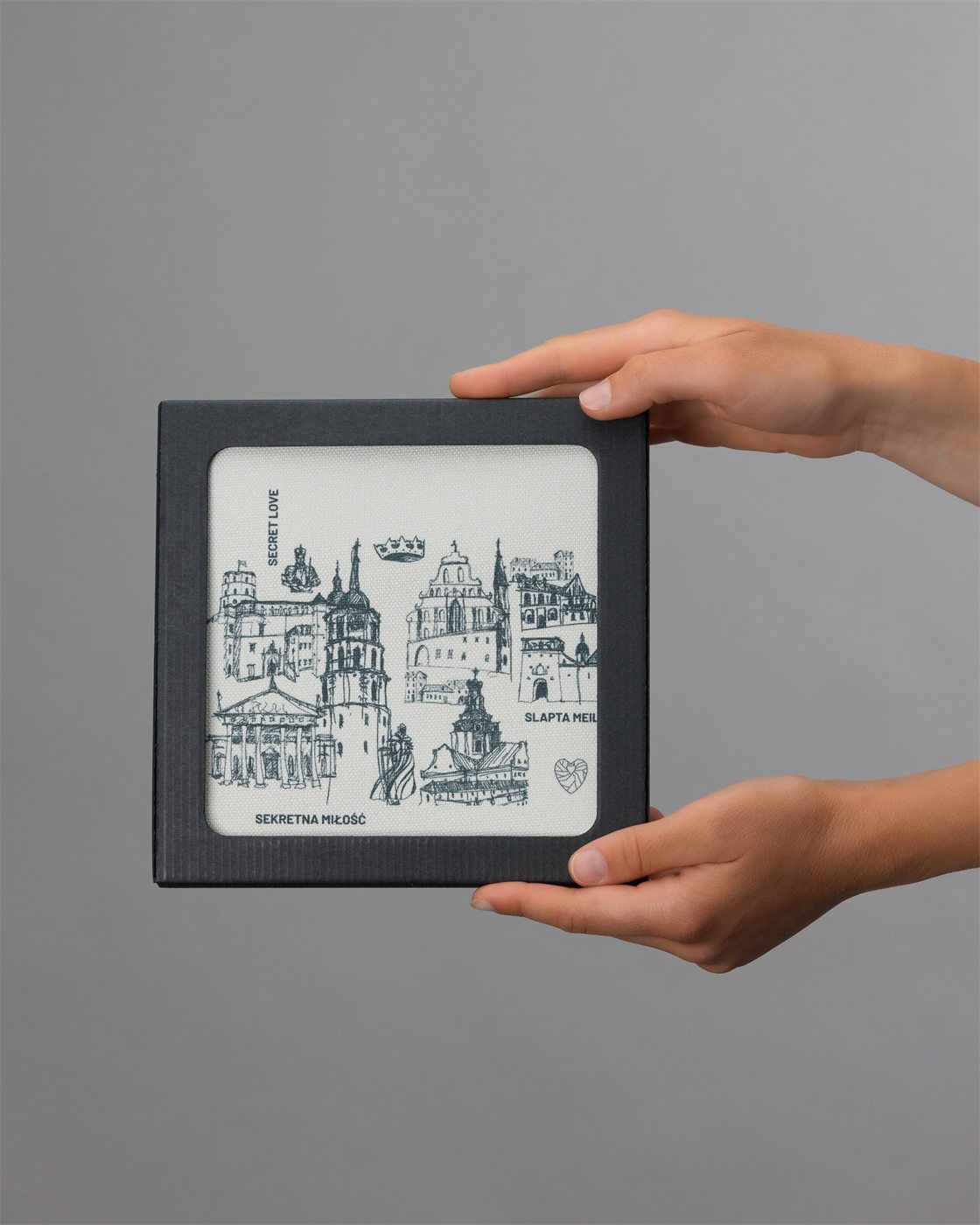
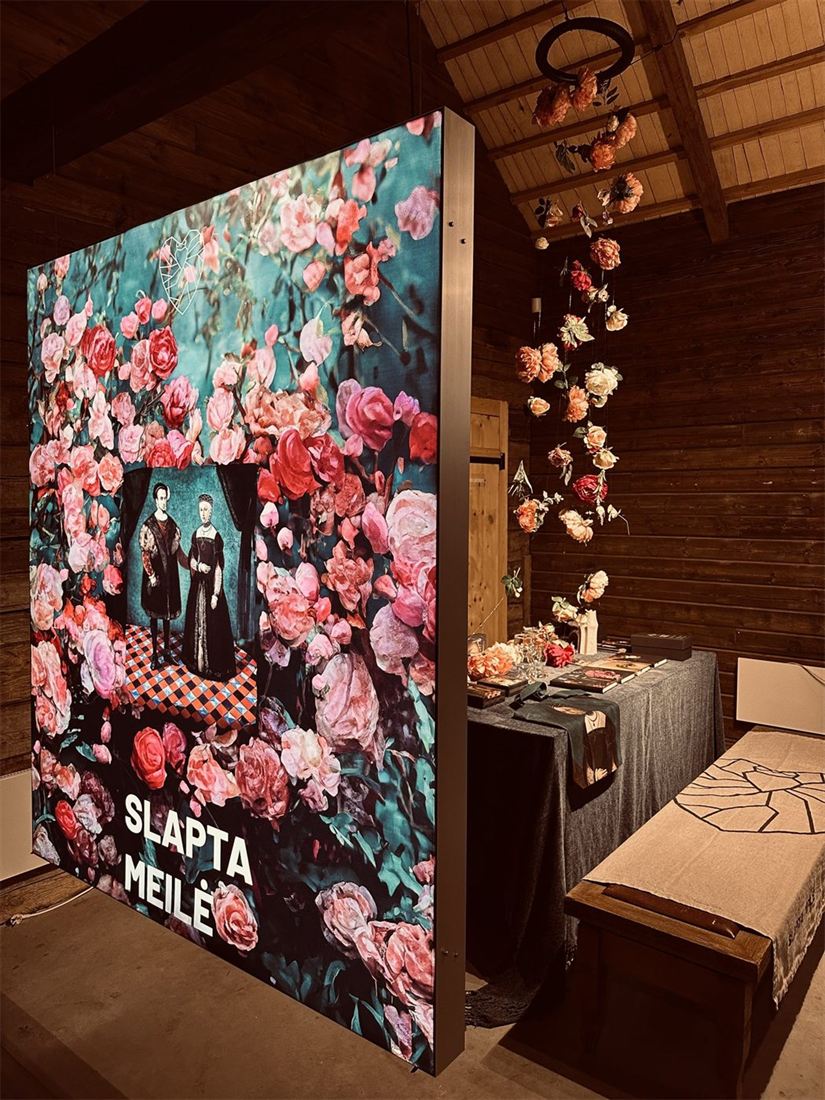
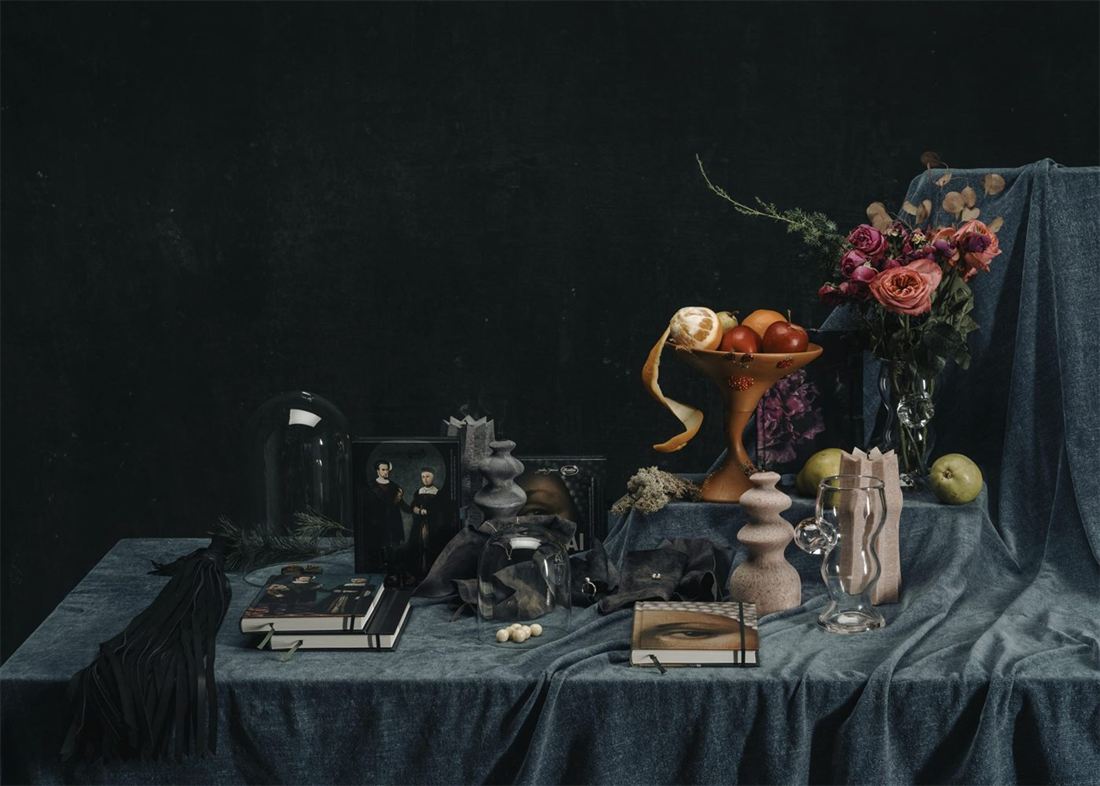
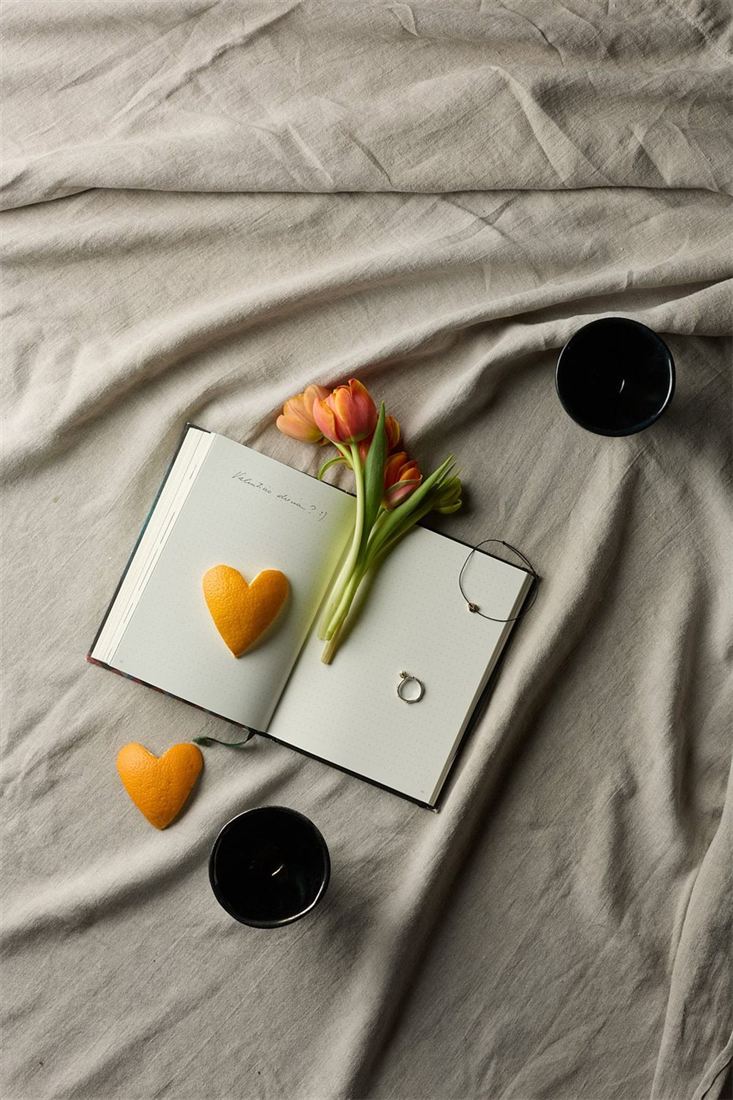
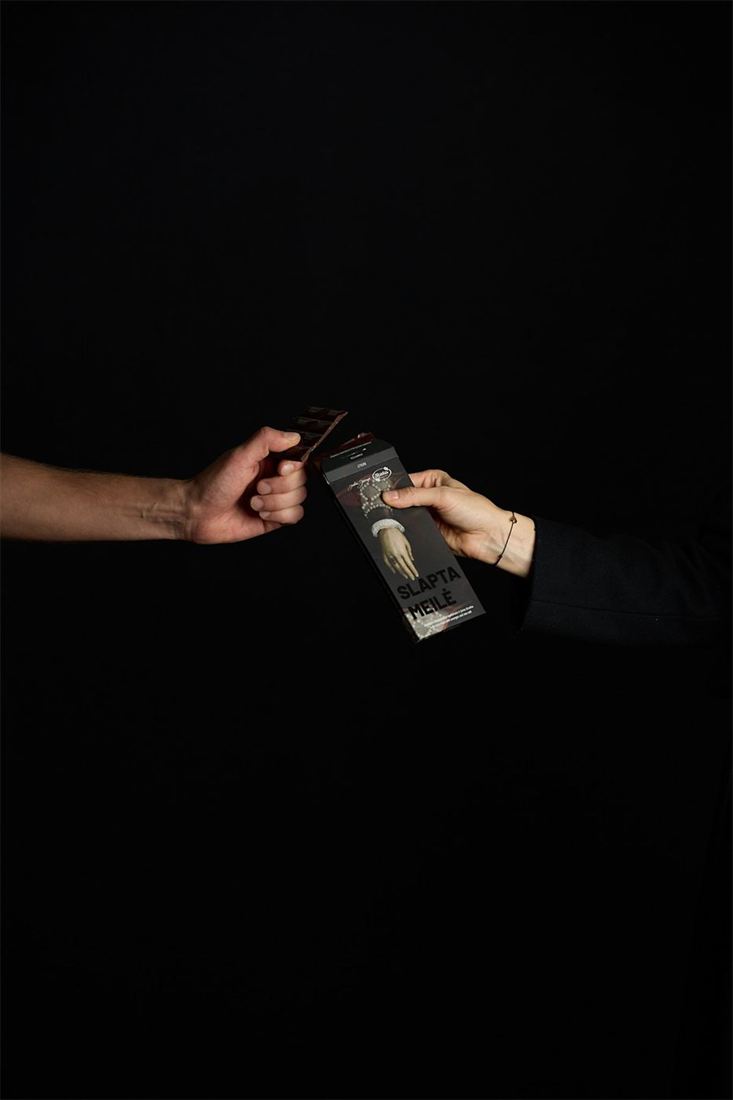
Secret Love is Julia’s idea and, for five years now, her and Petras’s shared life’s work. It began in 2018 with a placemaker’s question about Vilnius: does the city have a story strong enough to become its superpower? Verona in Italy lives on a love story that never happened; Vilnius in Lithuania has one that did. In Barbara Radziwiłł Julia saw not a pale martyr but a rock star, an “it girl” without Instagram who danced, hunted and ate oranges, and in Sigismund Augustus a ruler who for love defied his parents, the Diet, the Church and his own budget. She founded Secret Love as a cultural start-up, gave it an emblem, a portrait by the painter Miglė Kosinskaitė, and a free audio guide, and set out to make the old legend speak through new means.
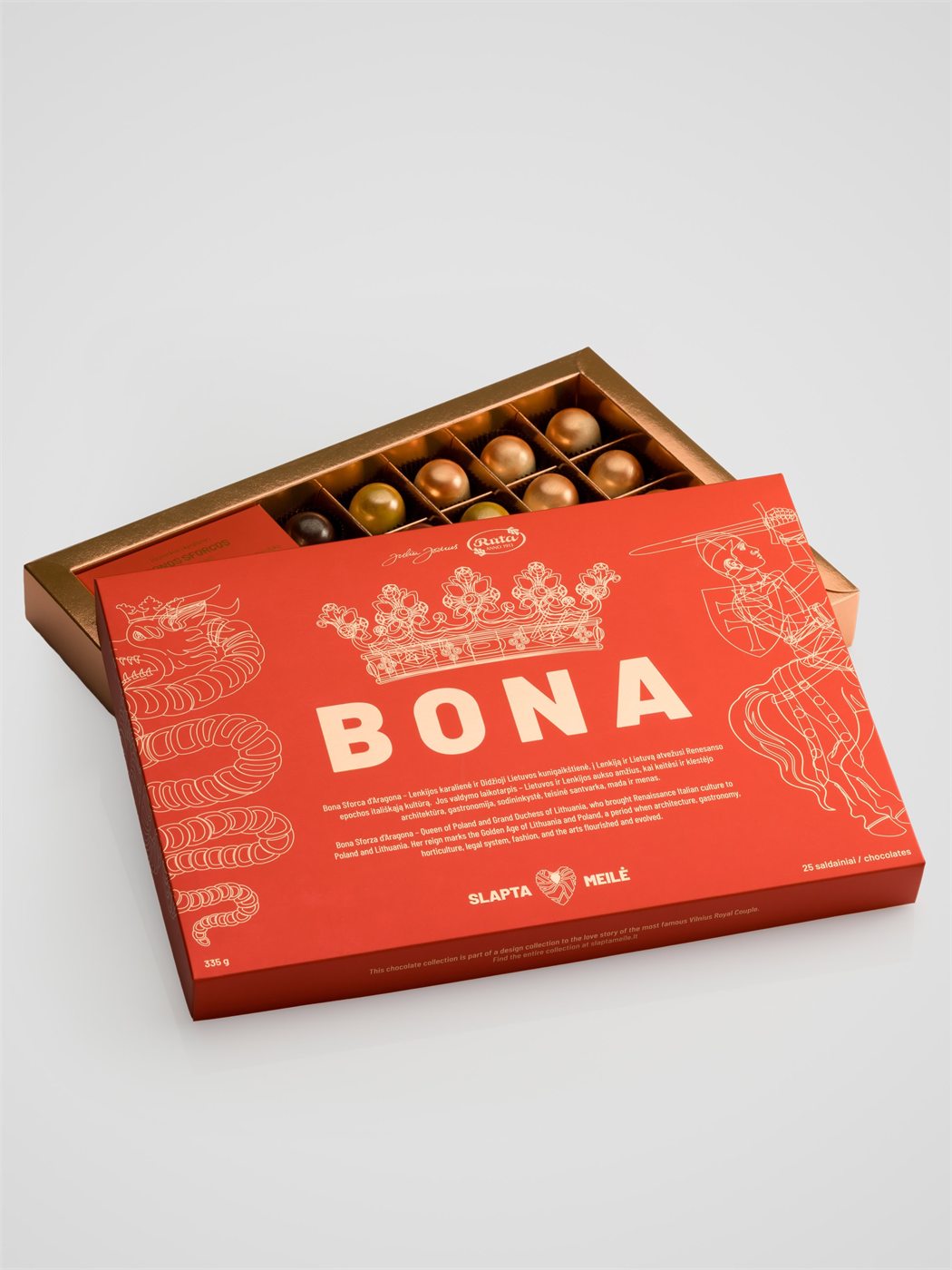
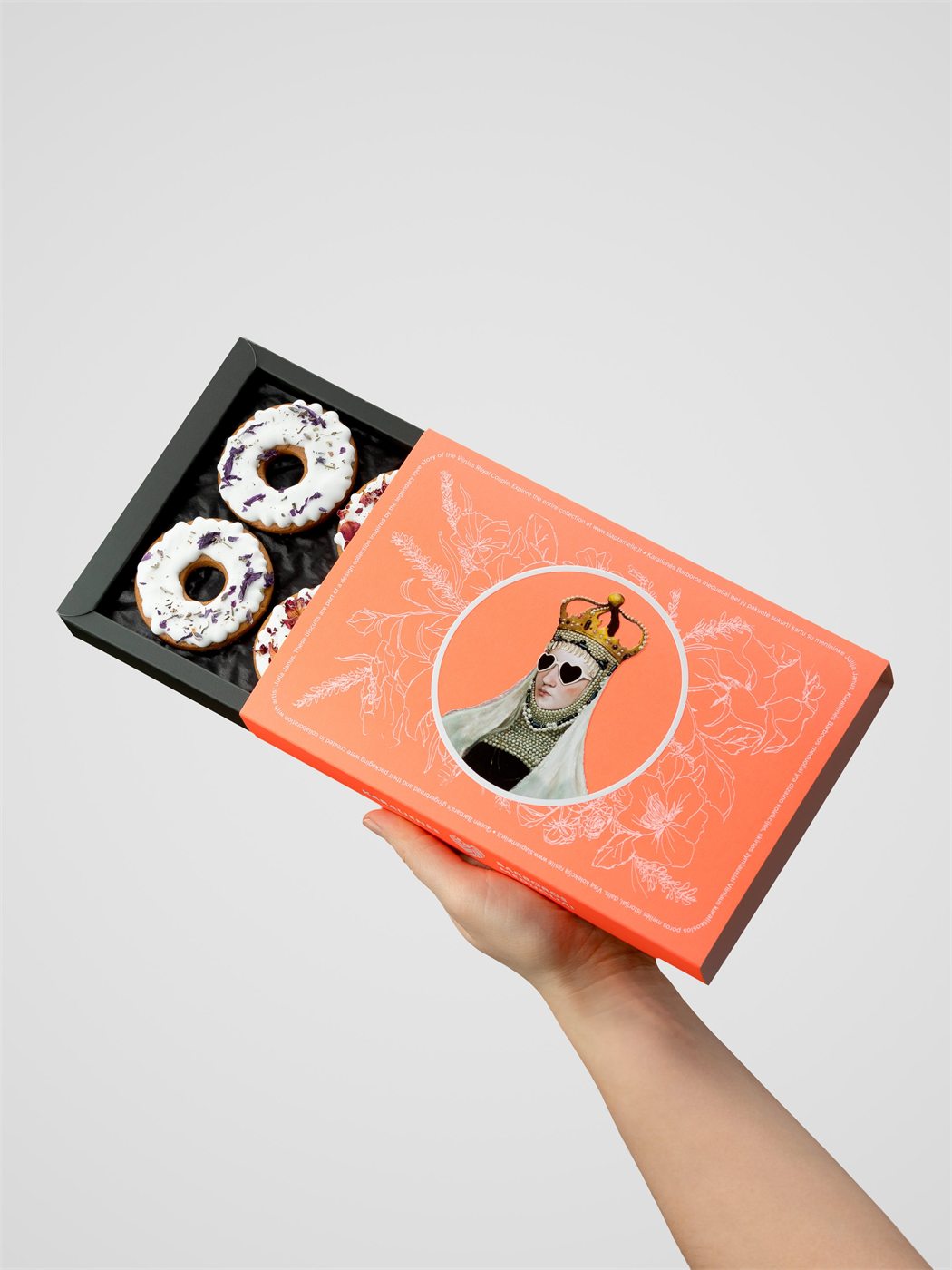
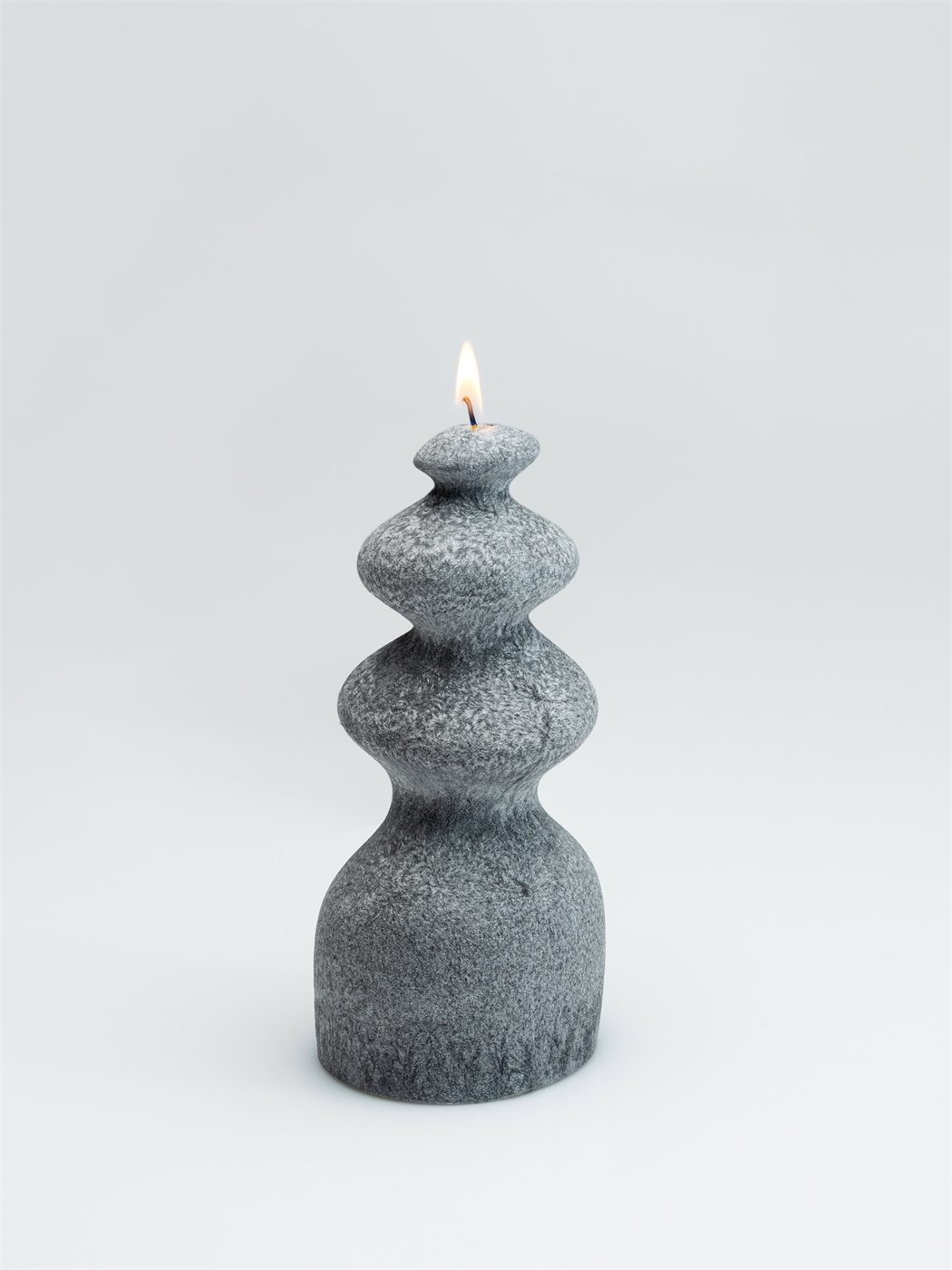
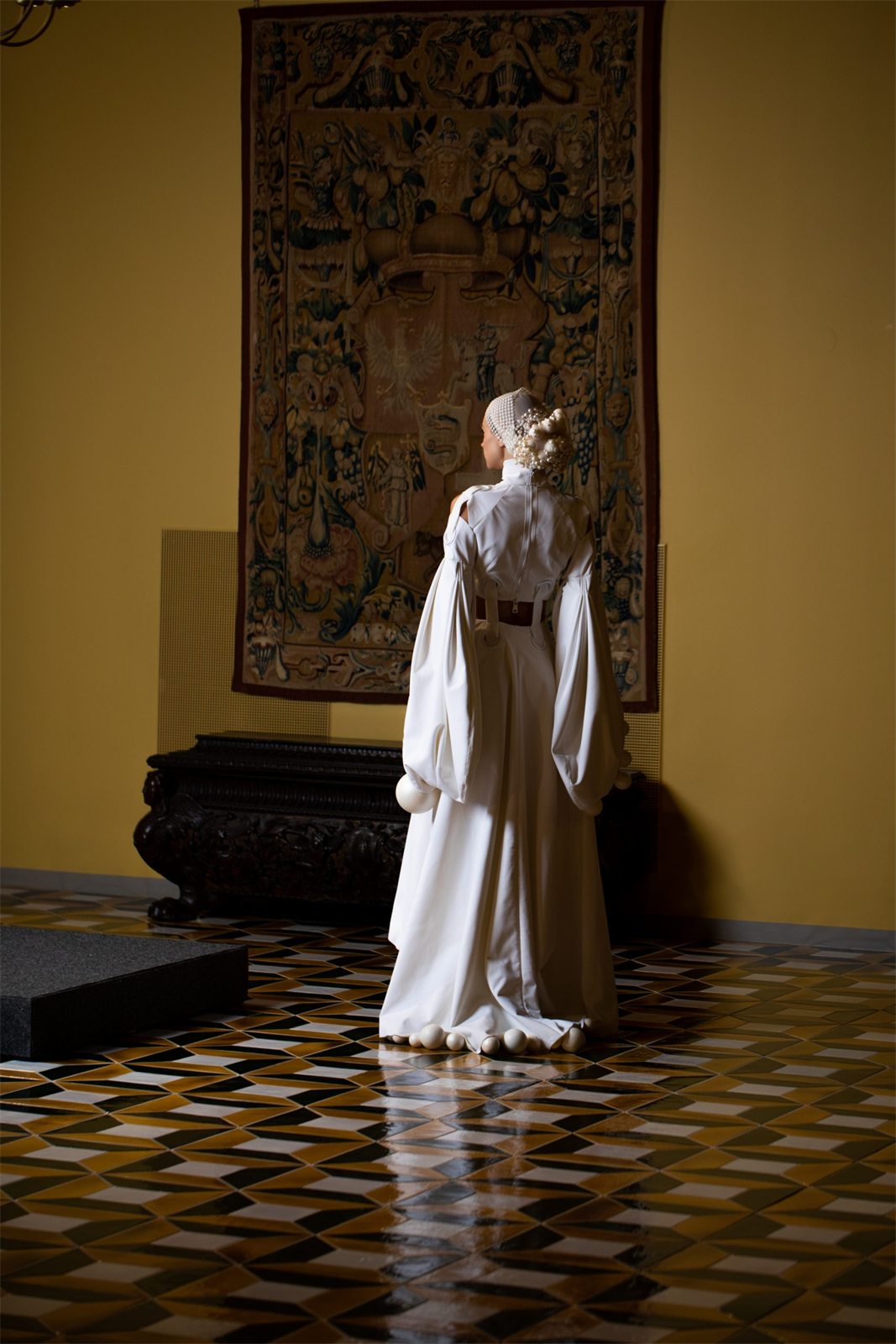
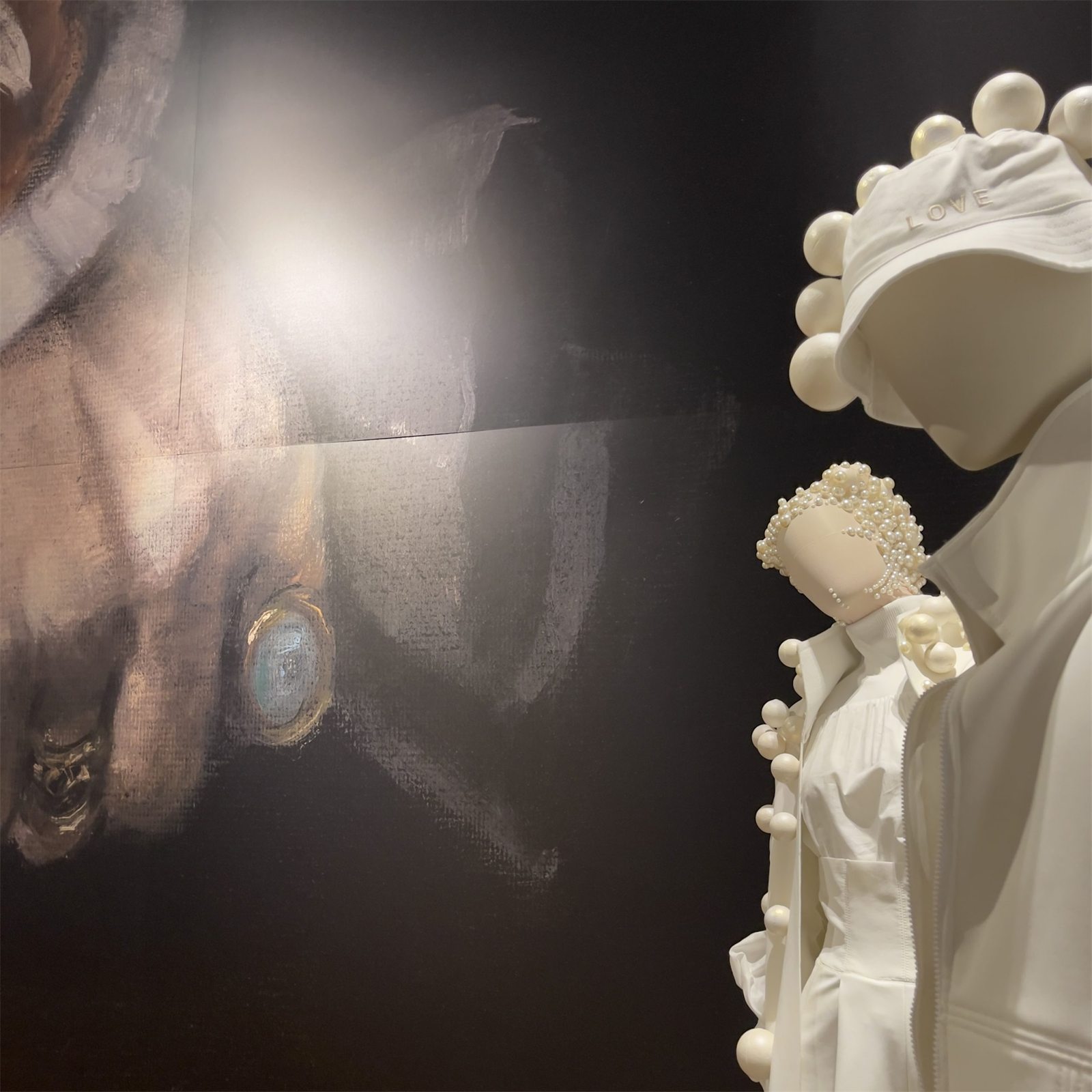
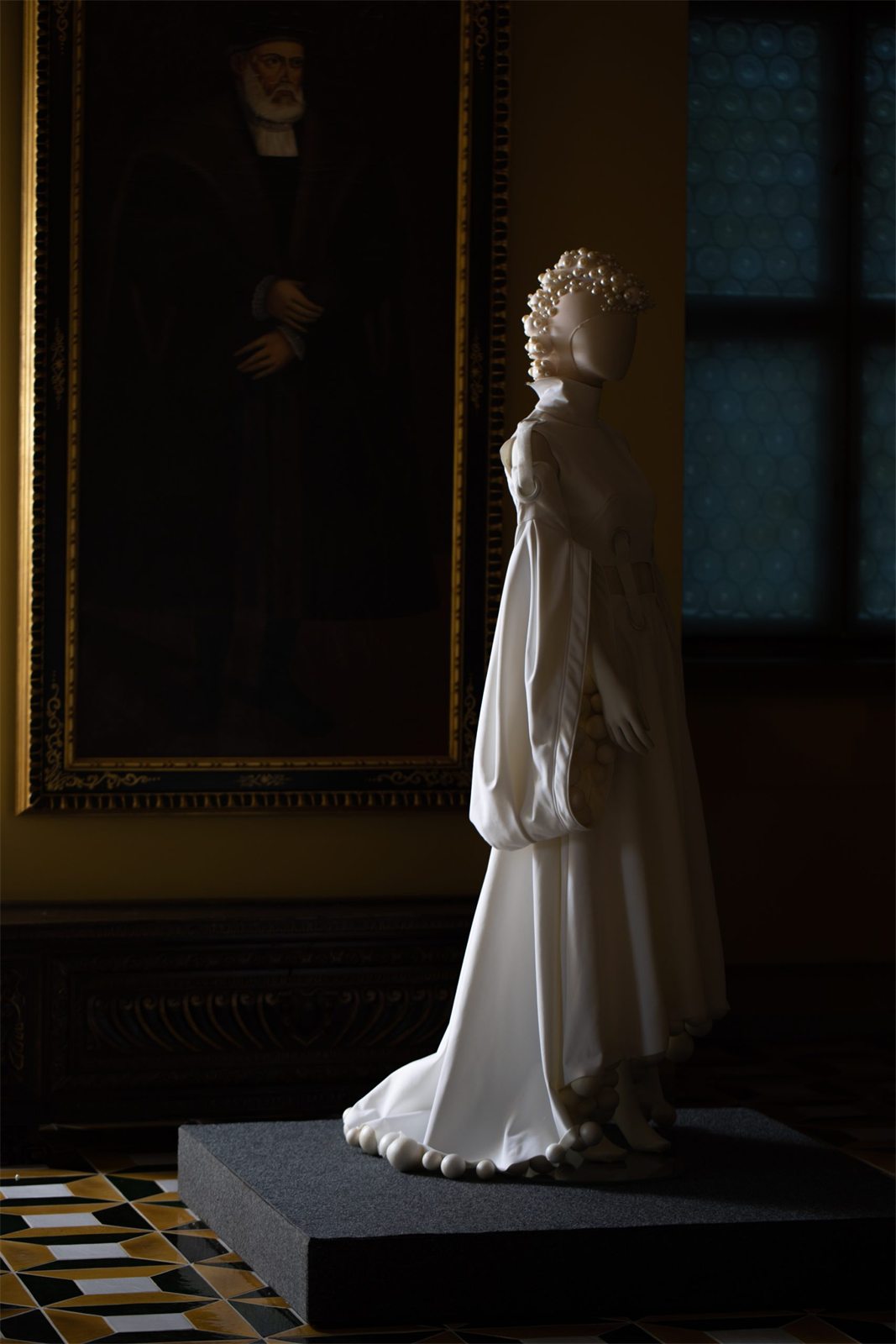
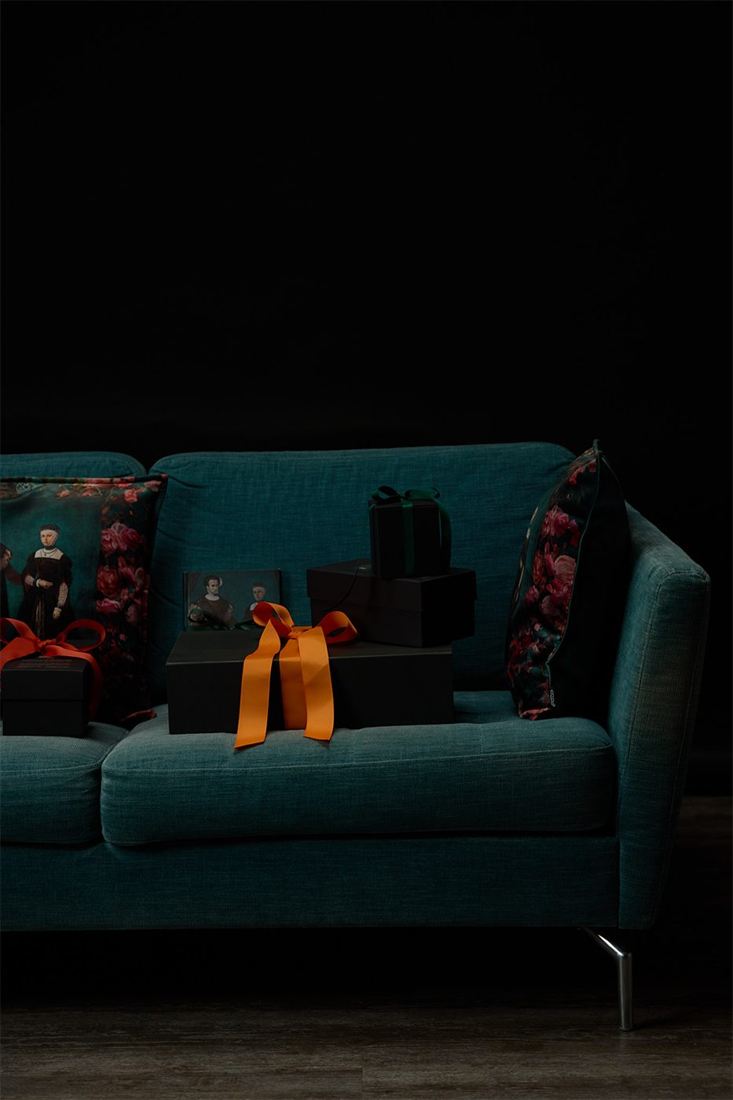
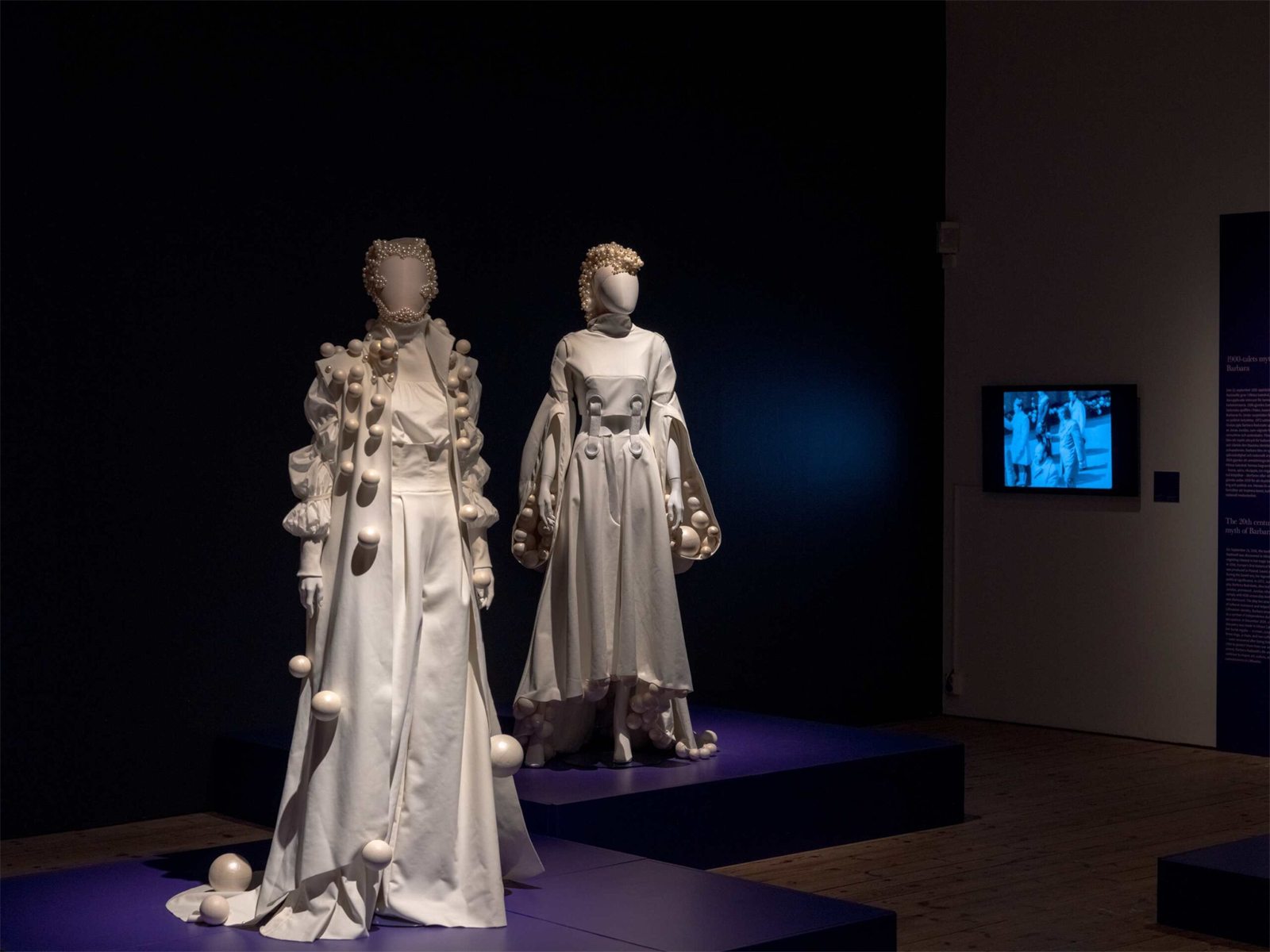
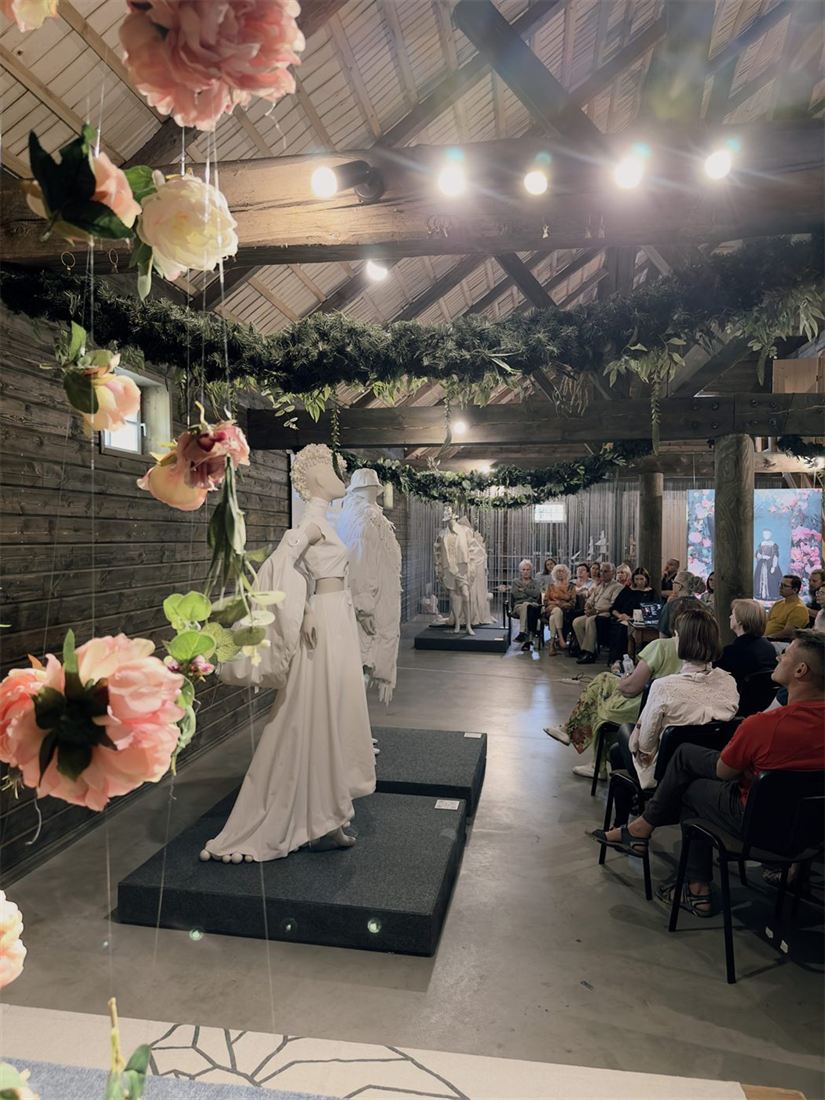
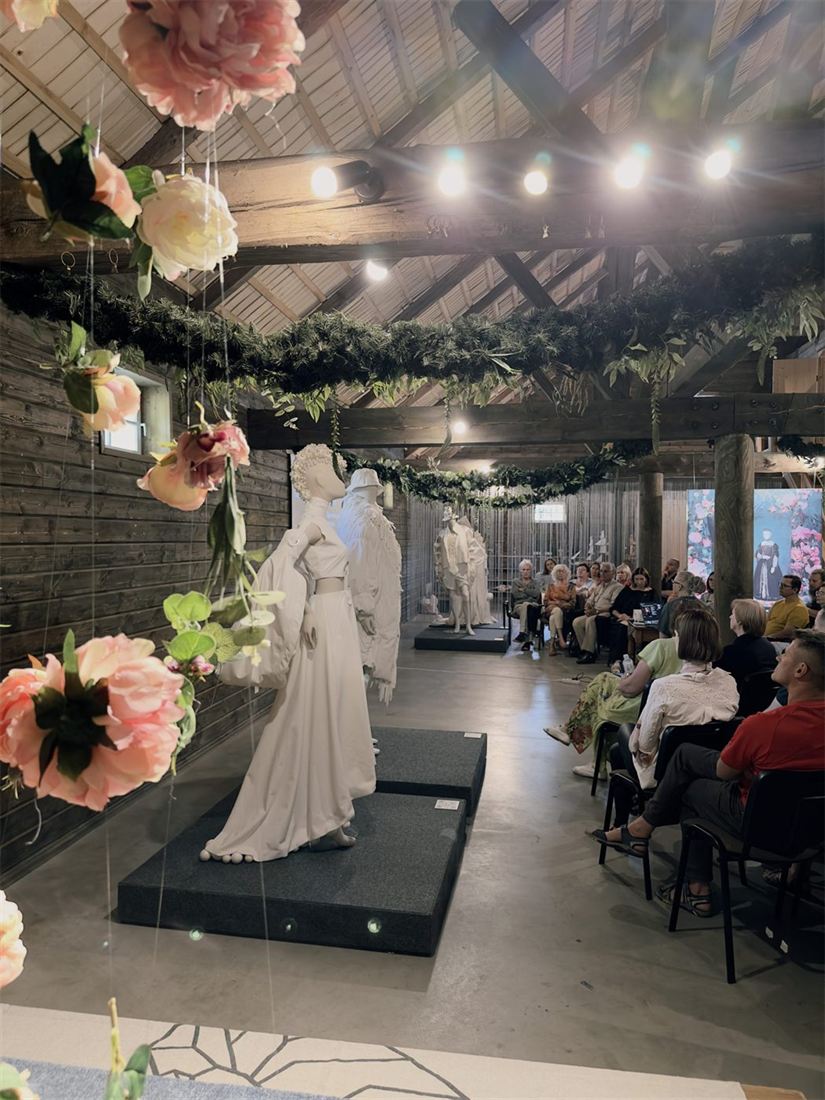
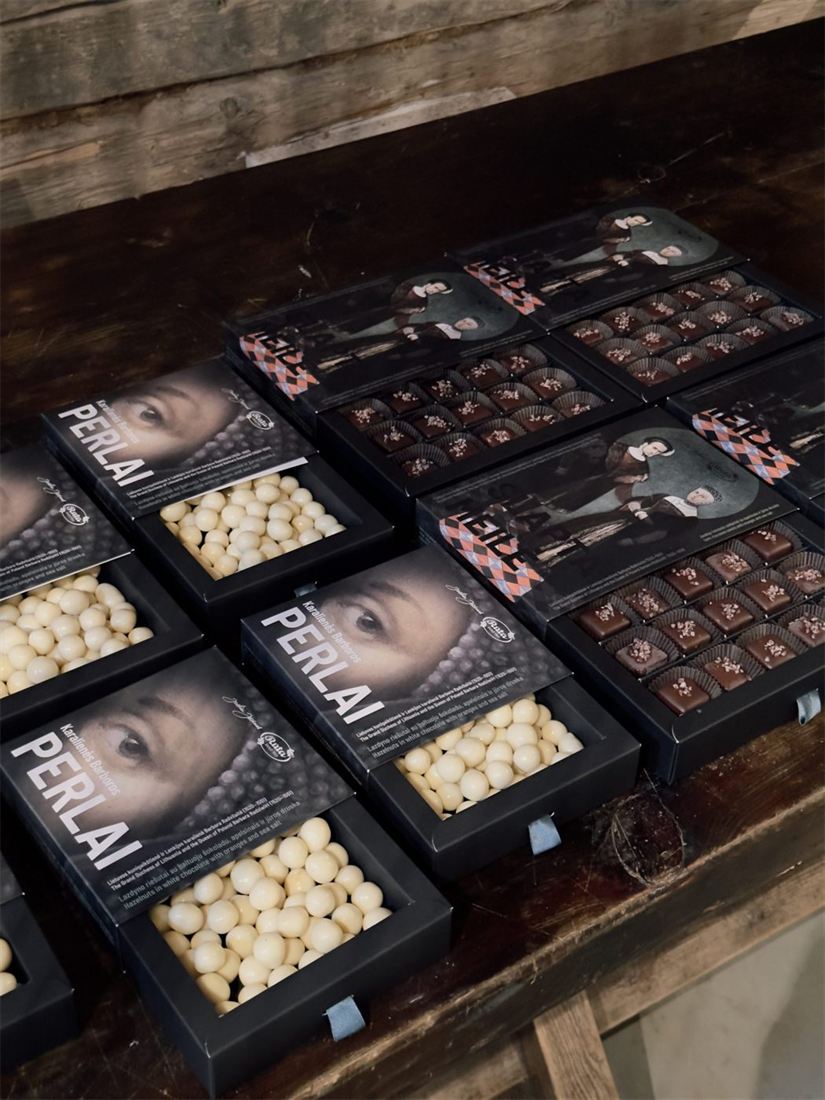
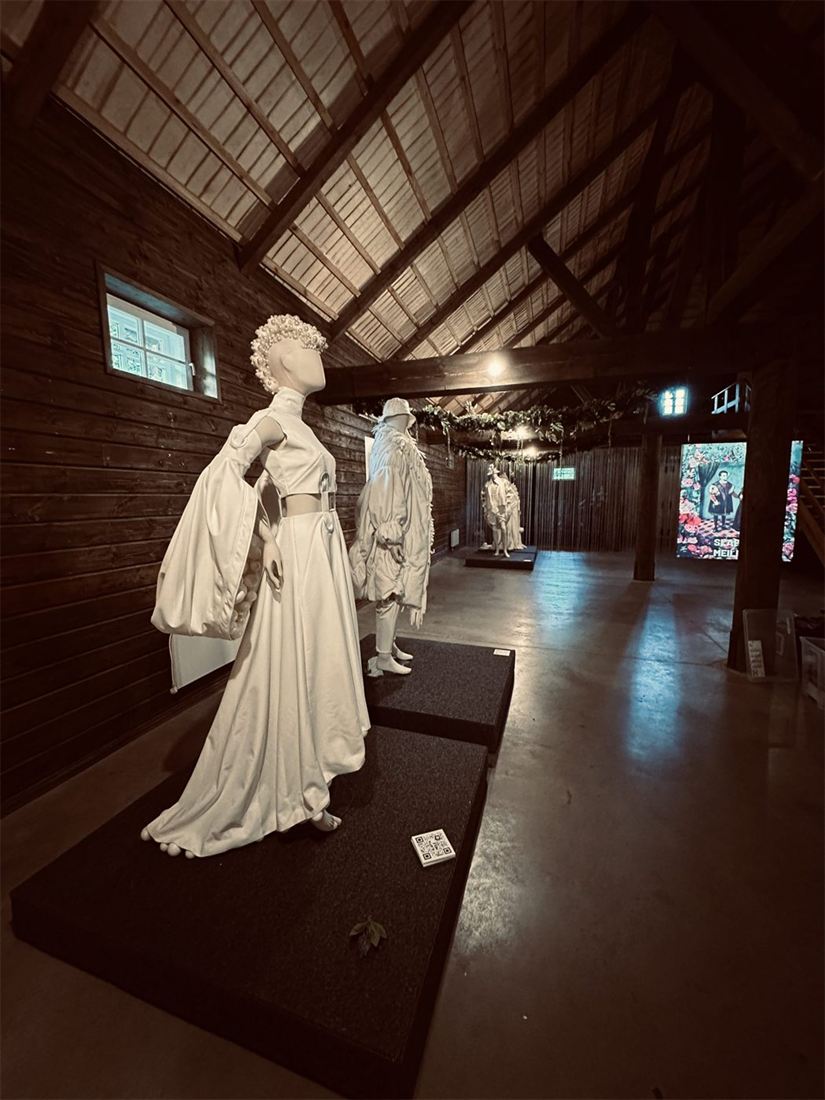
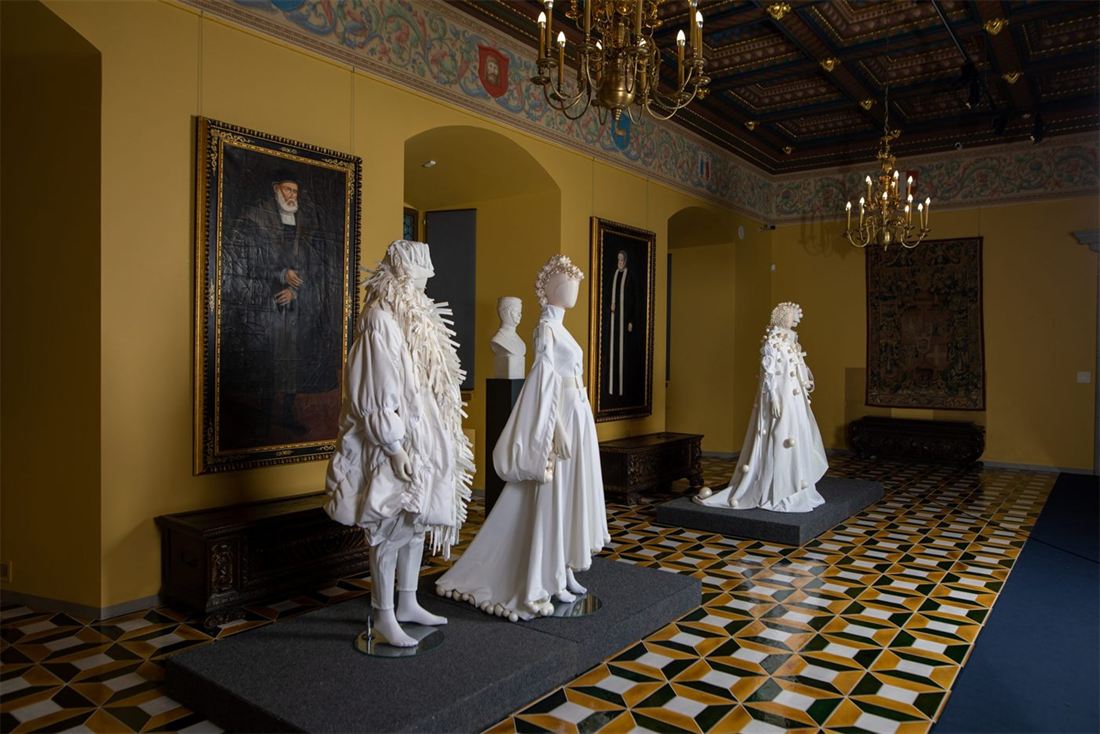
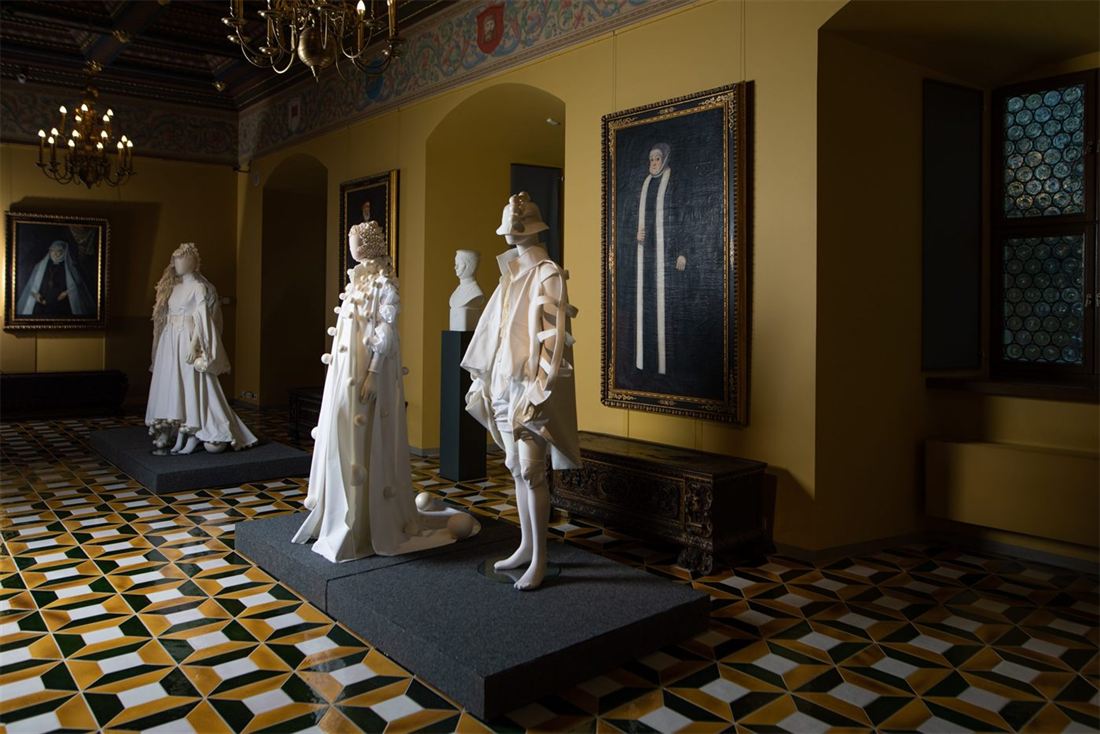
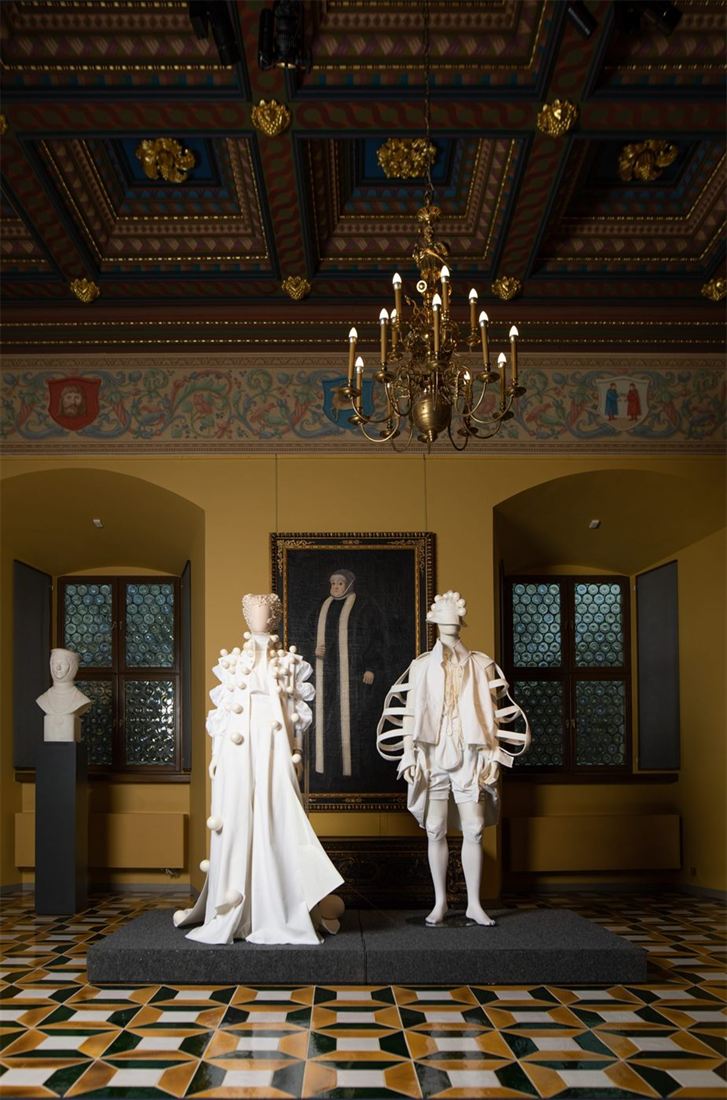
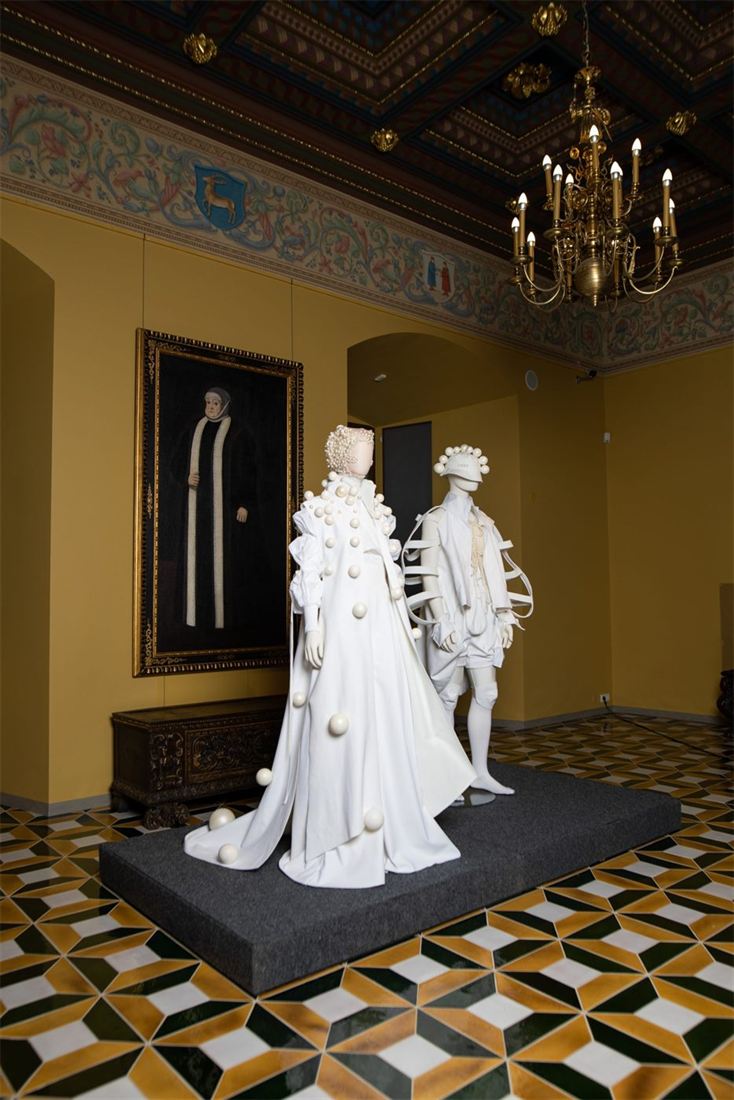
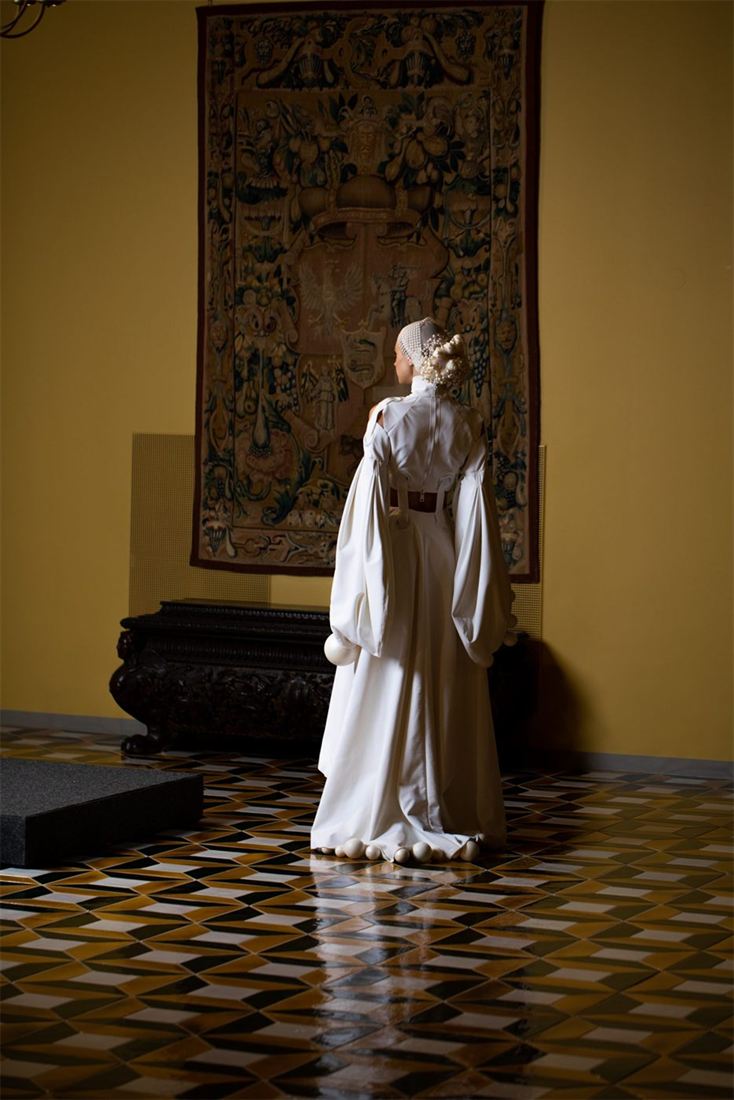
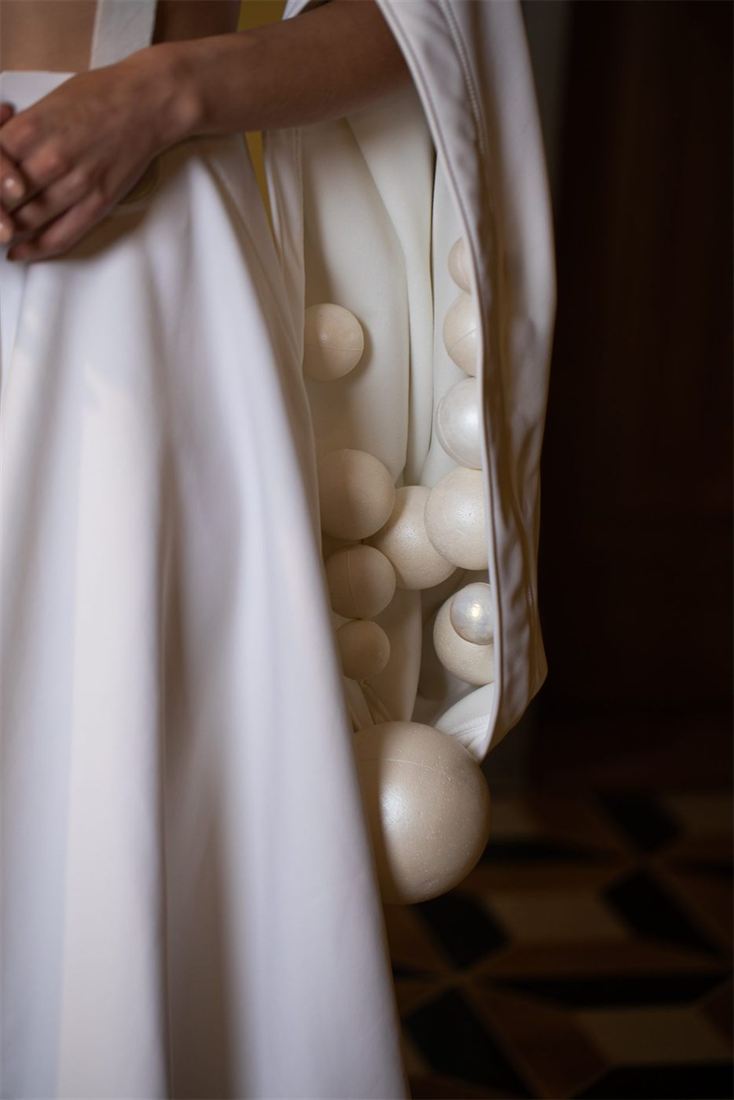
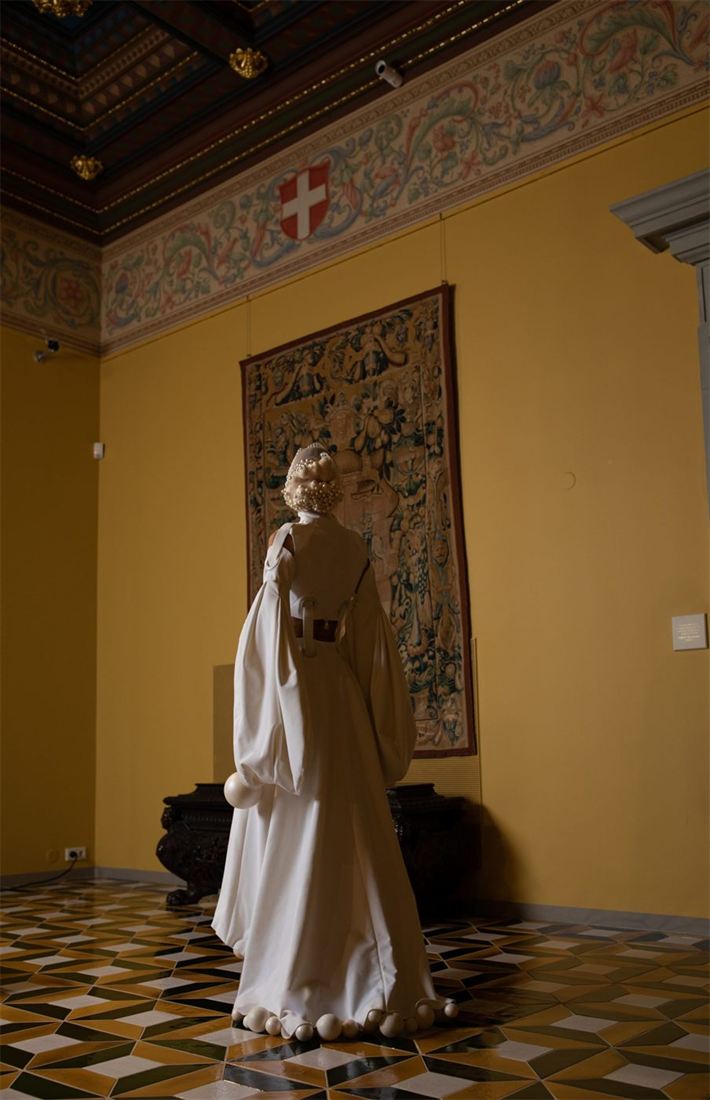
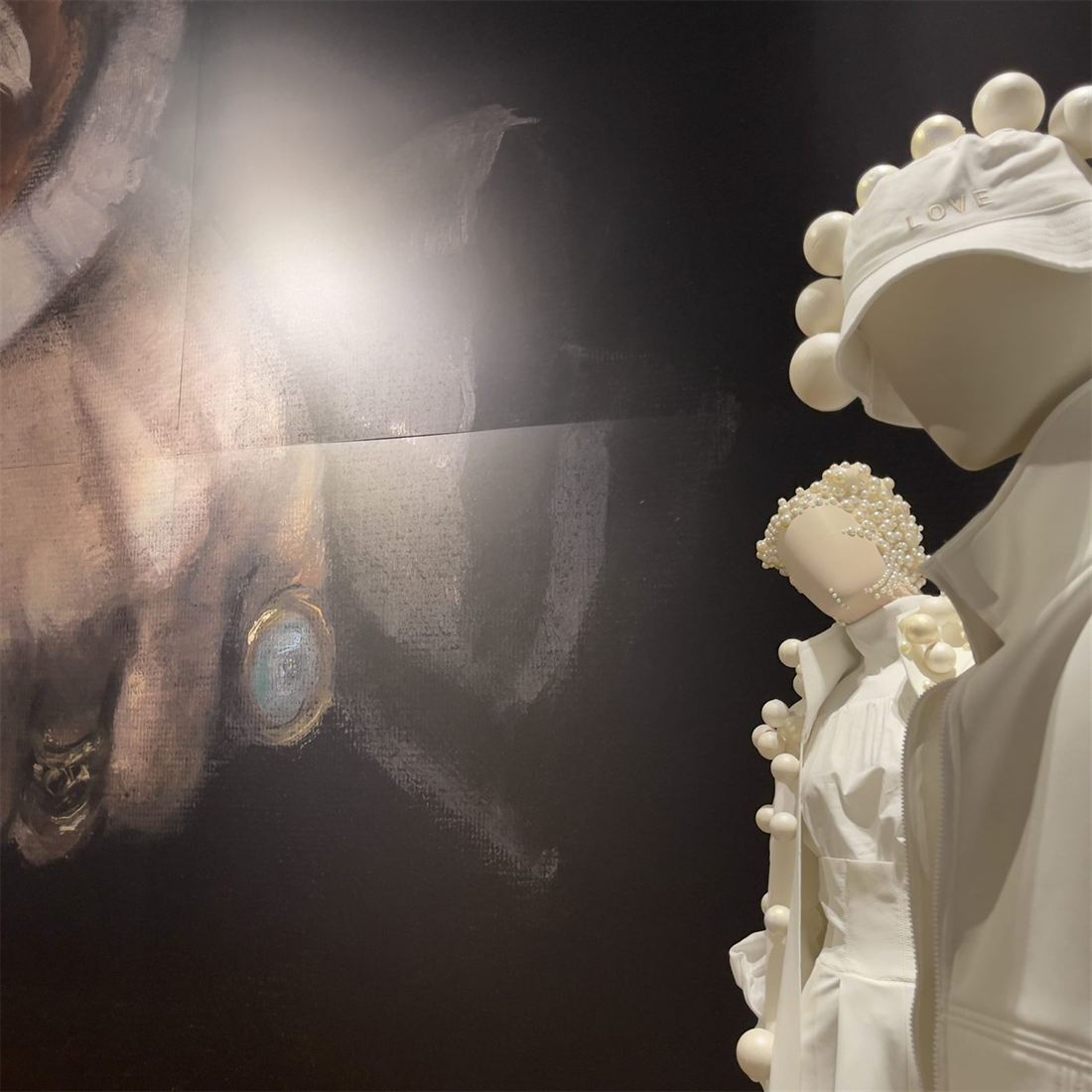
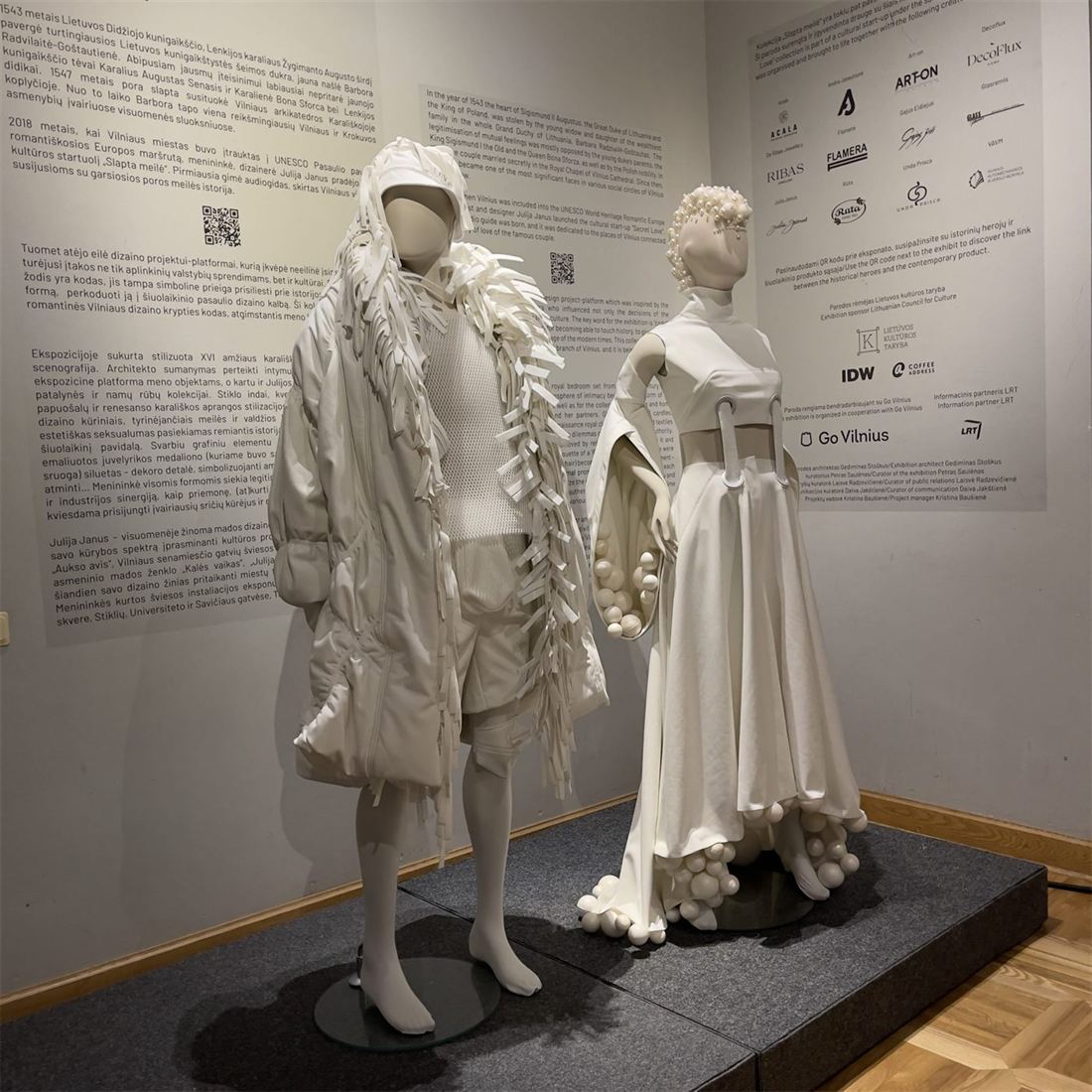
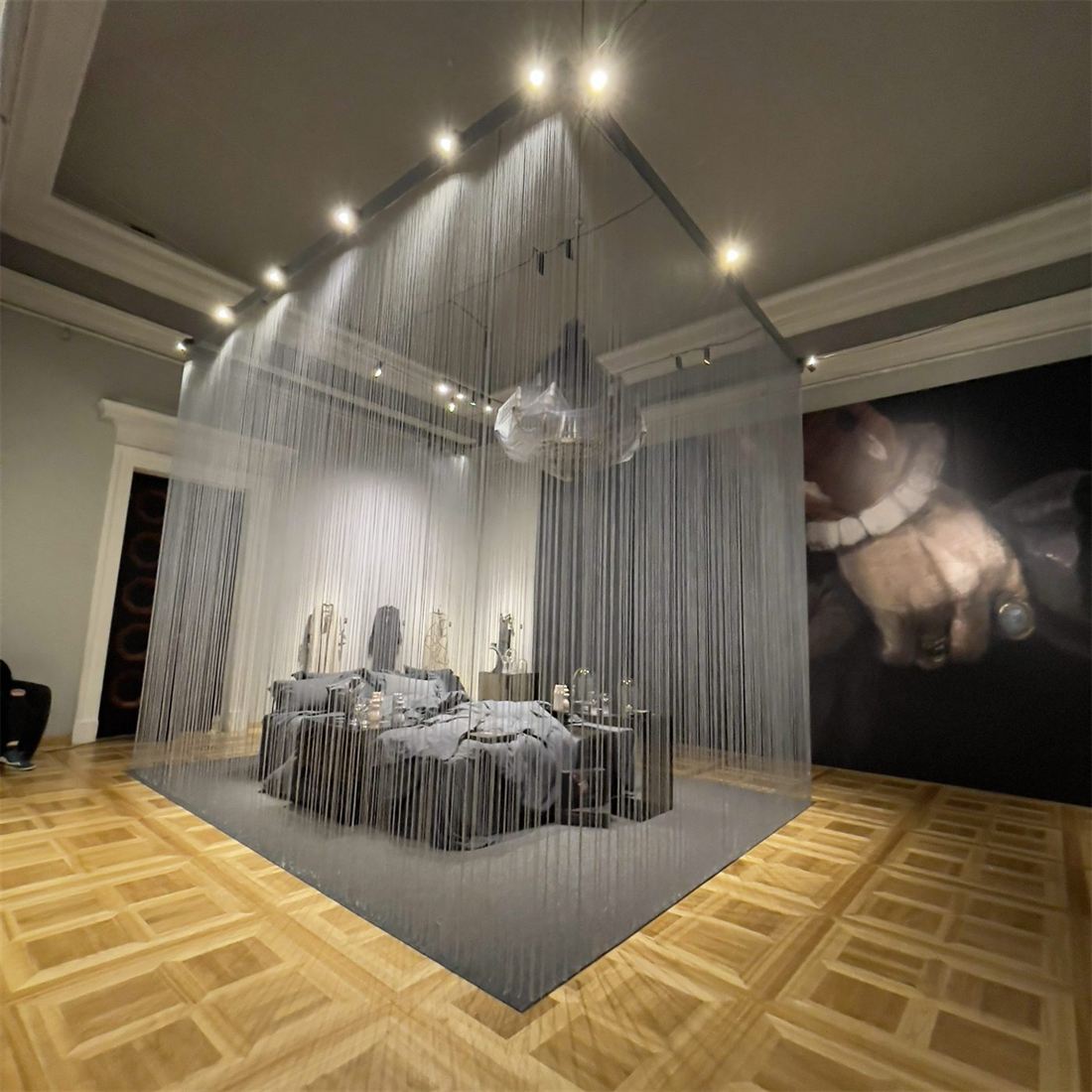
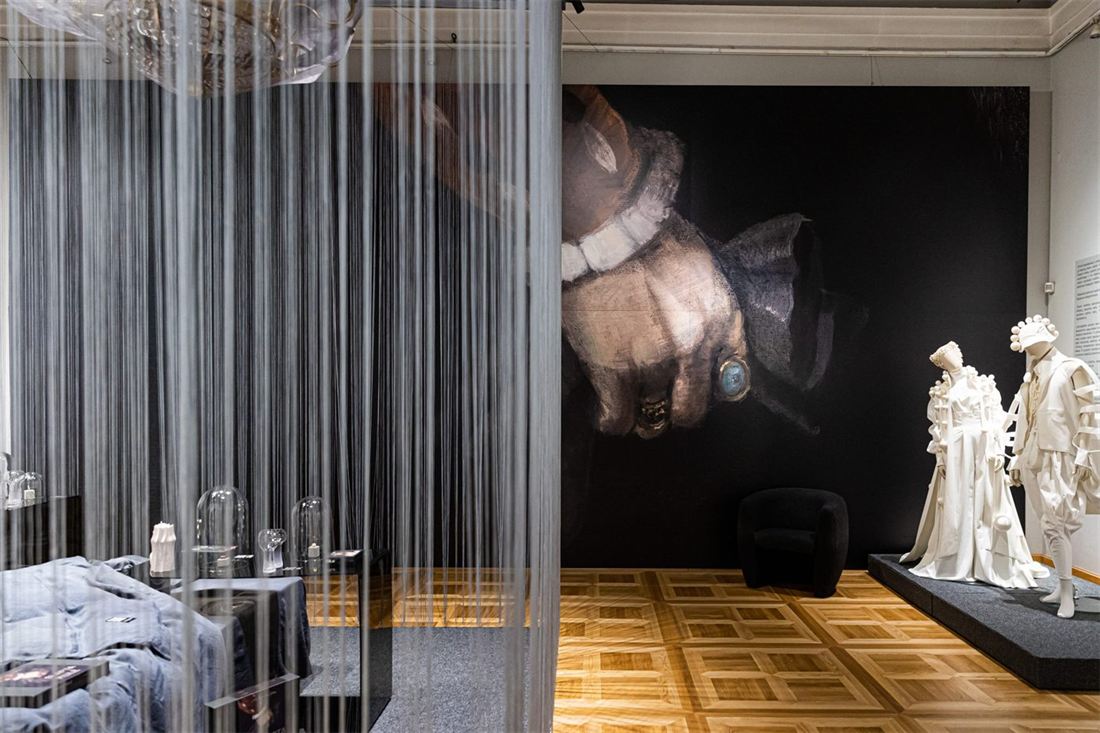
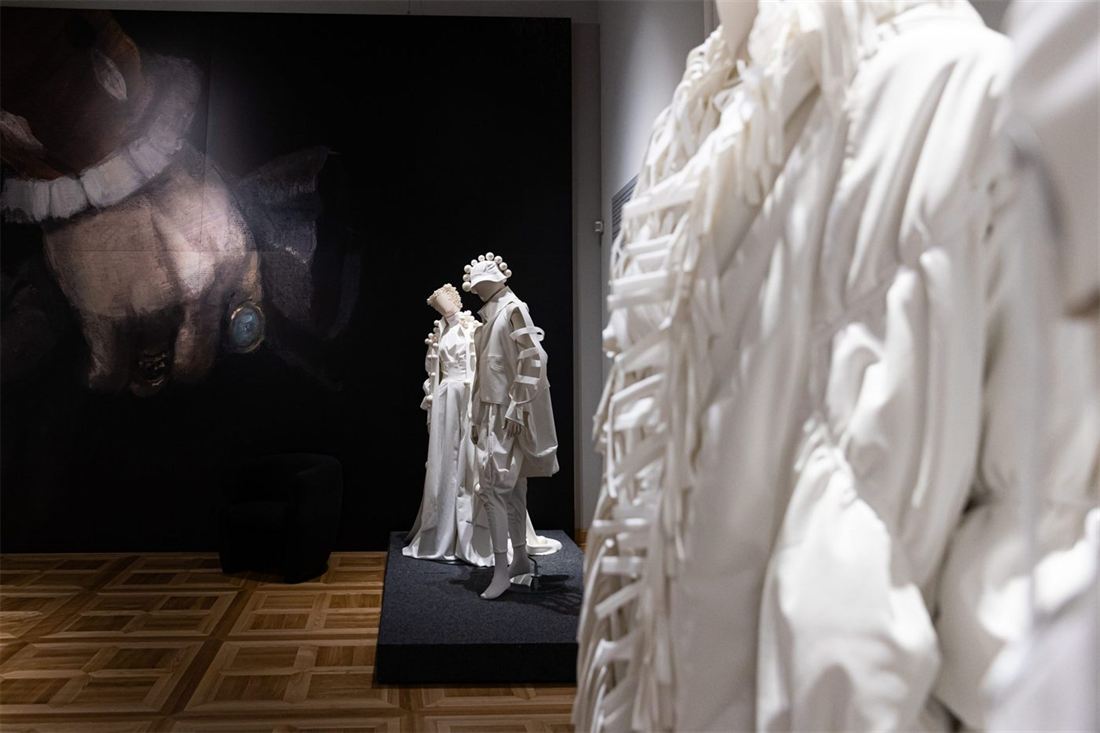
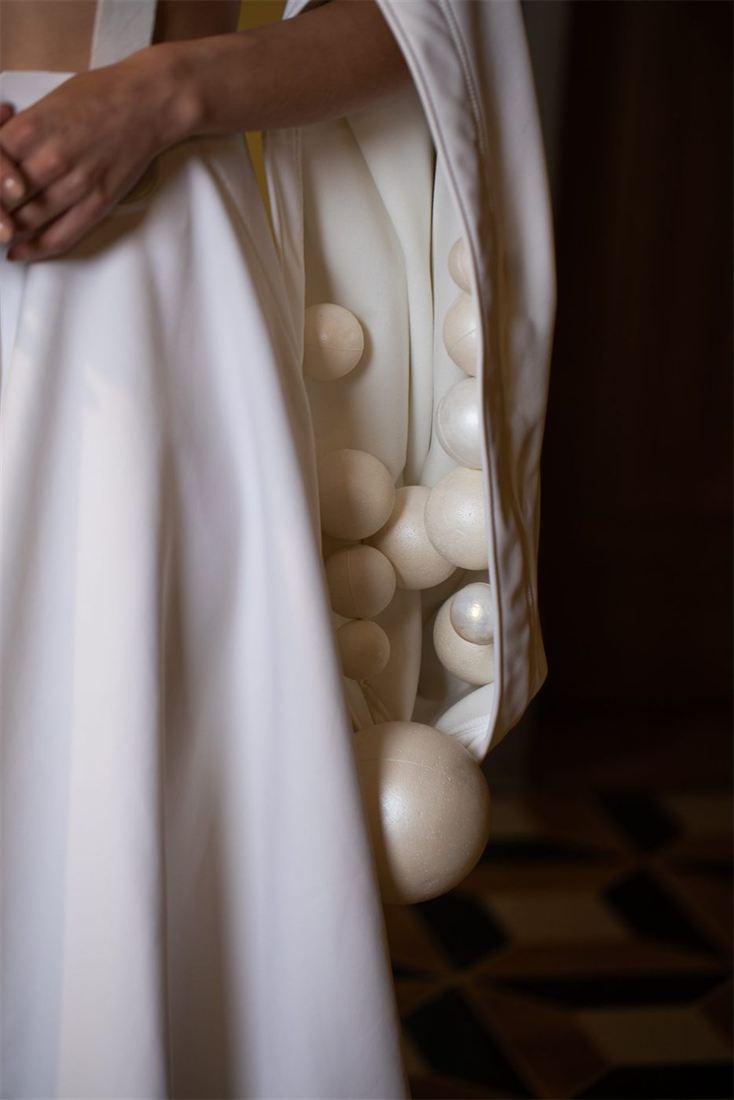
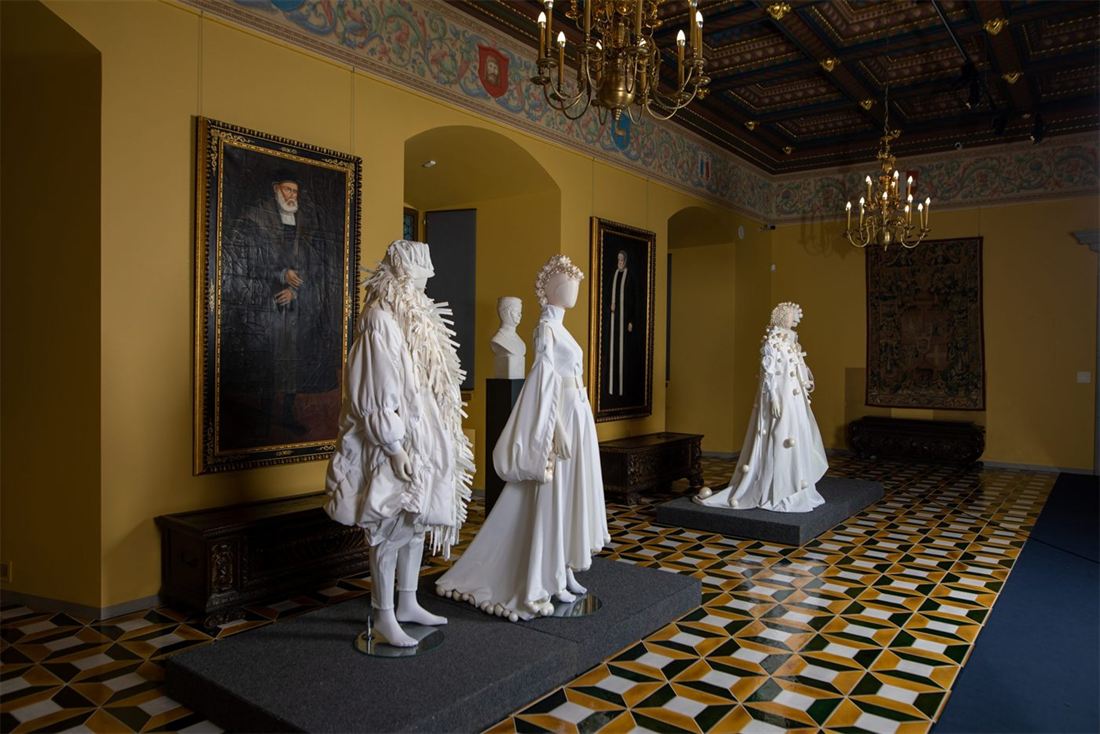
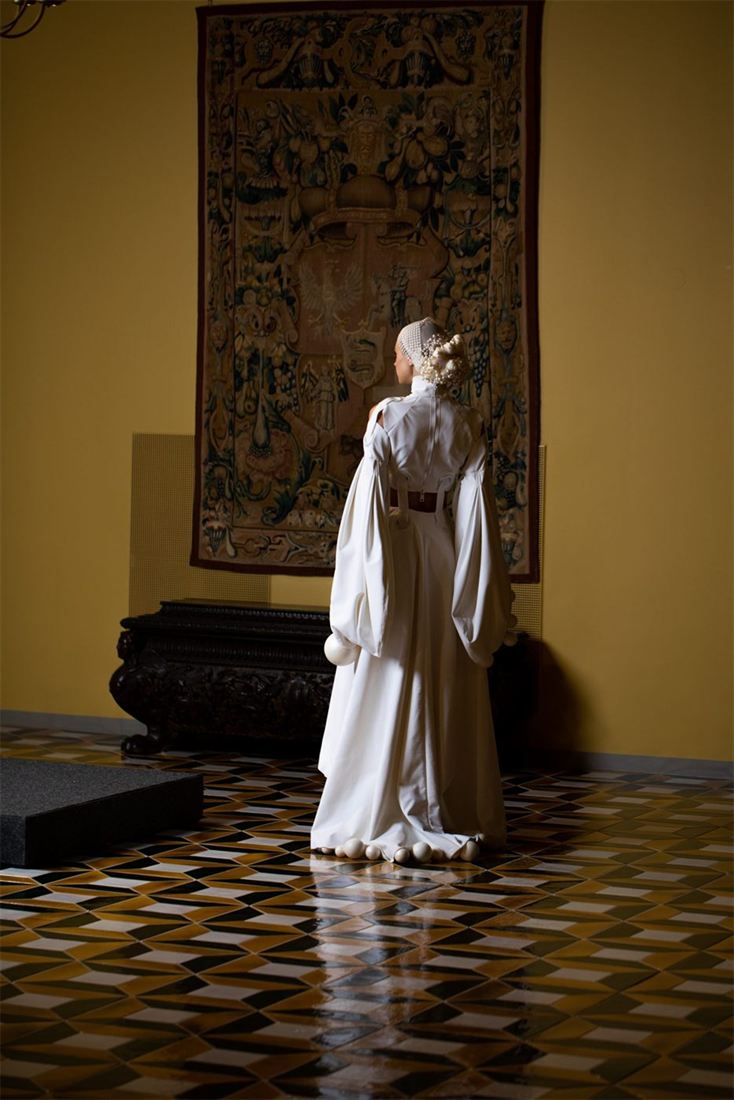
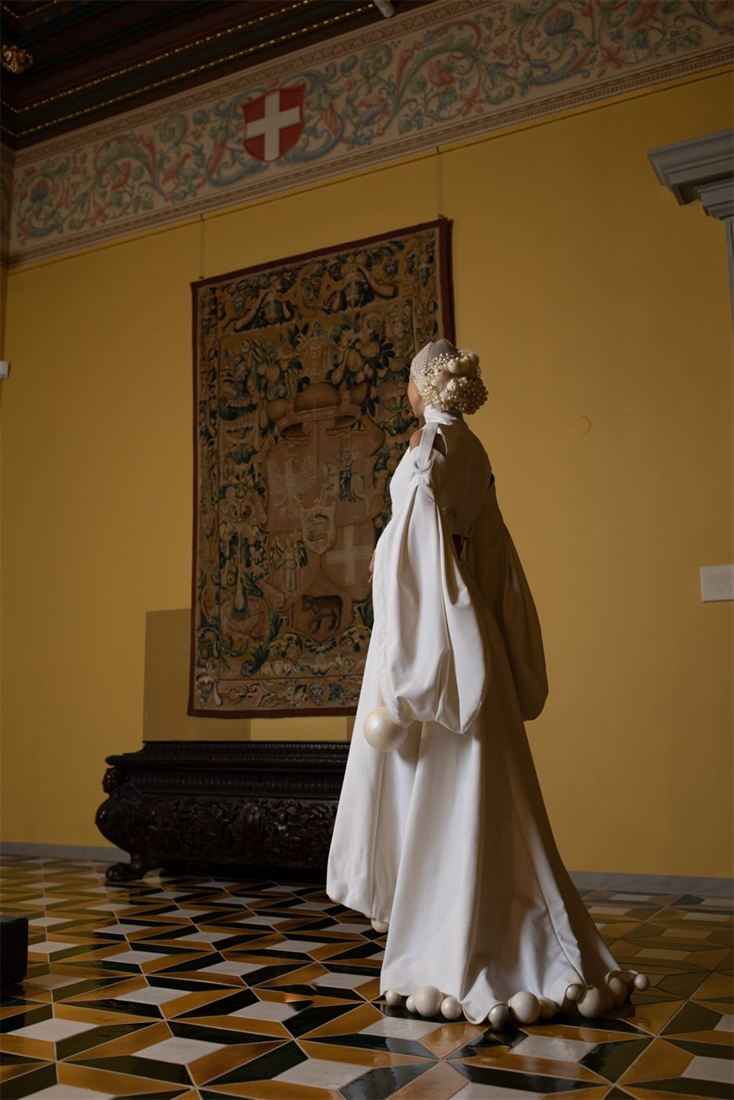
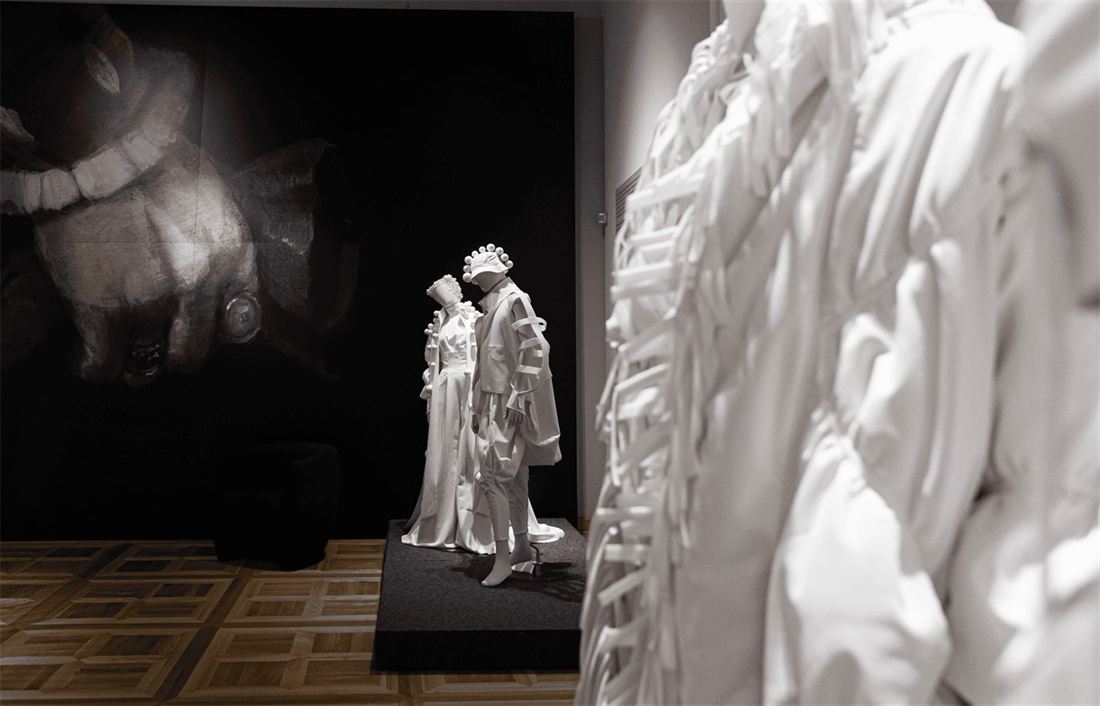
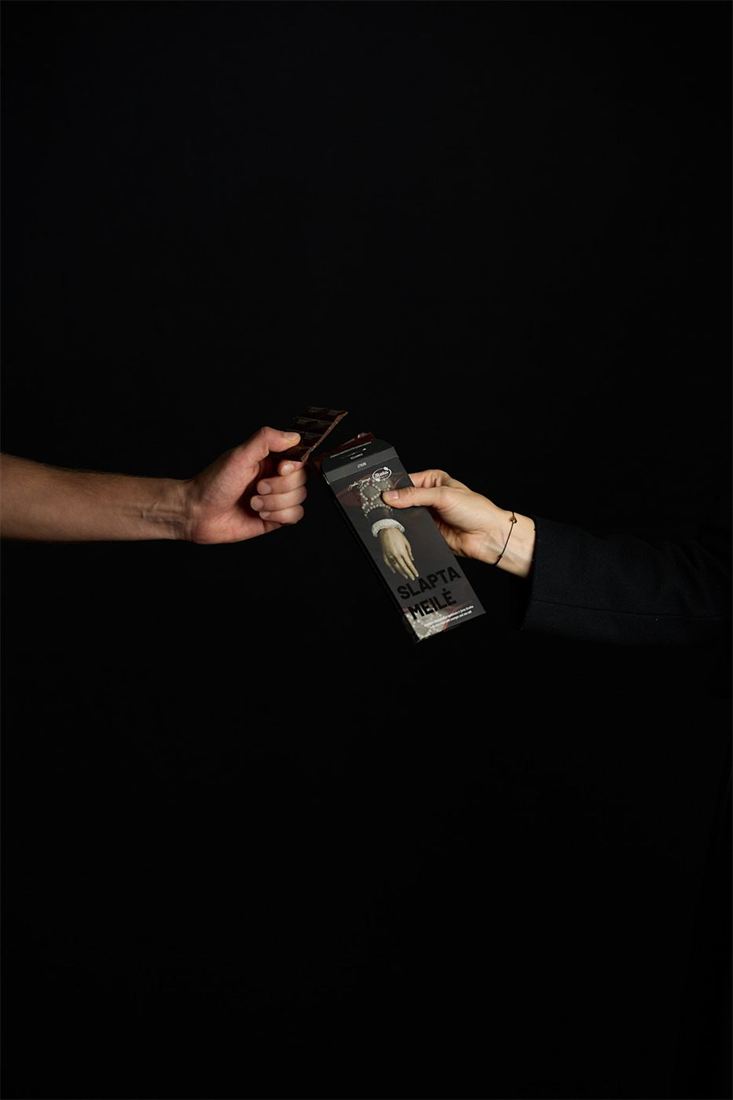
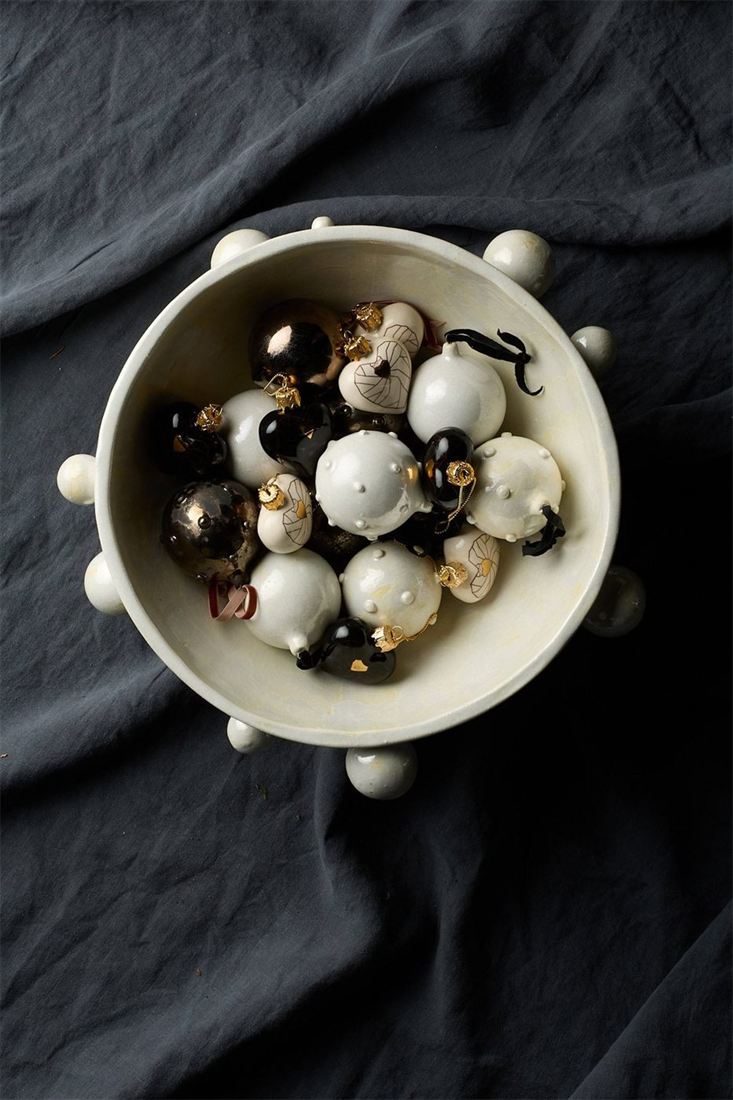
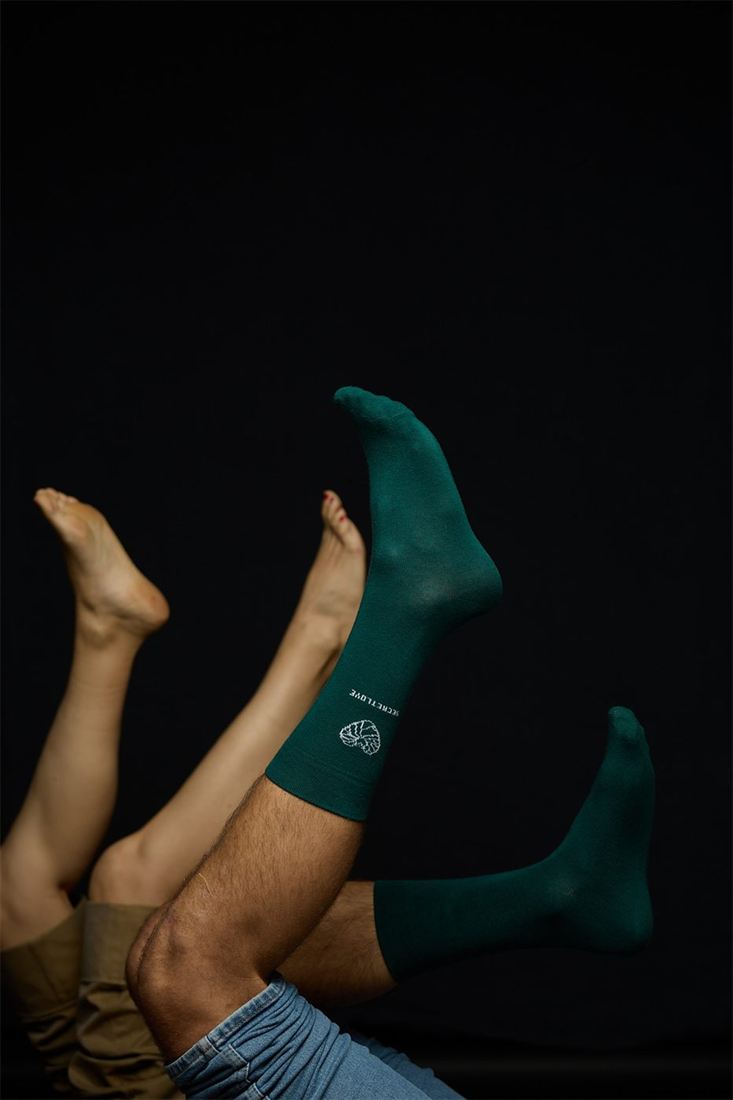
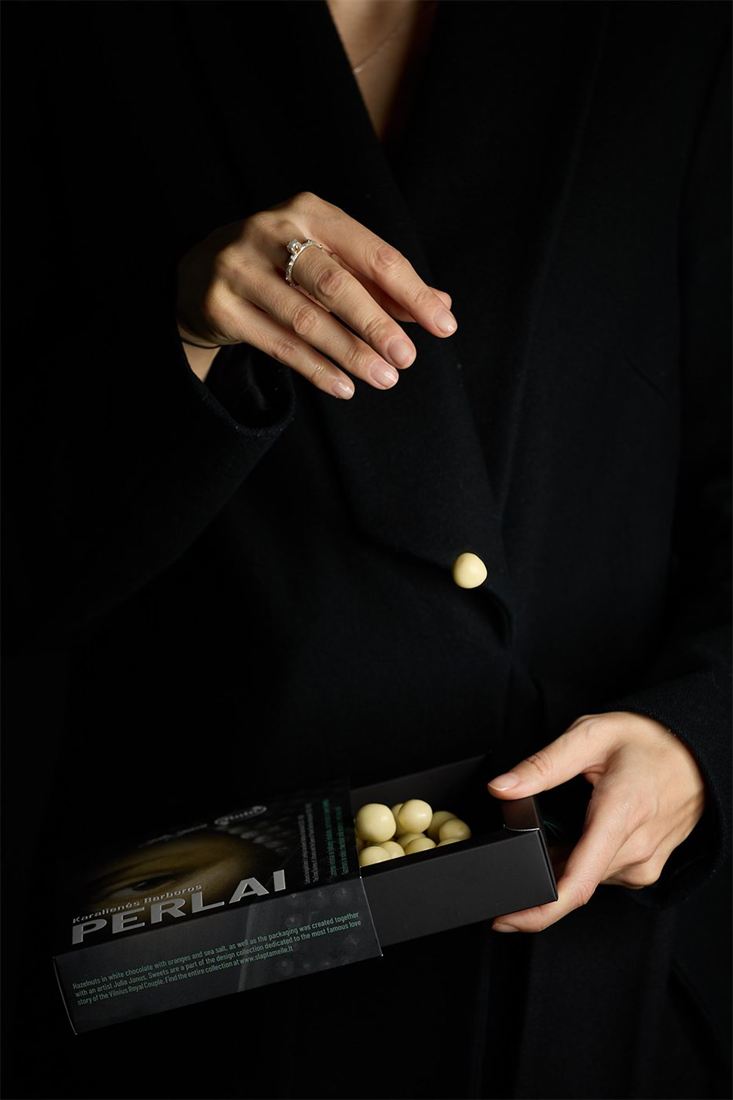
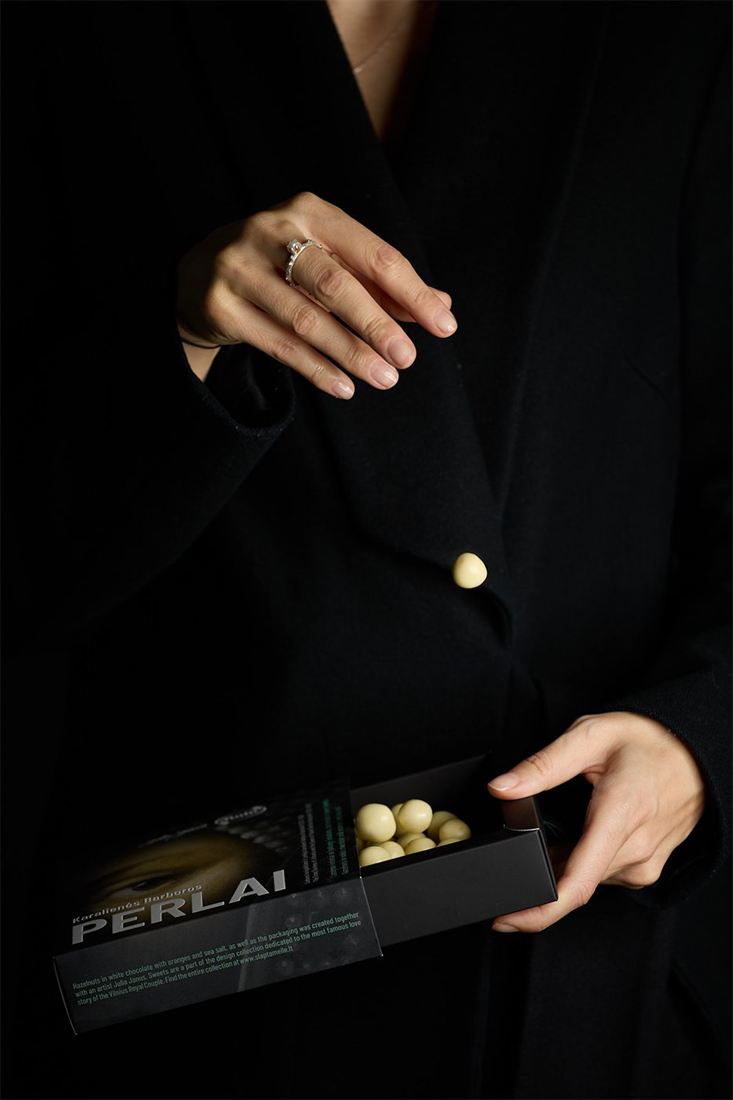
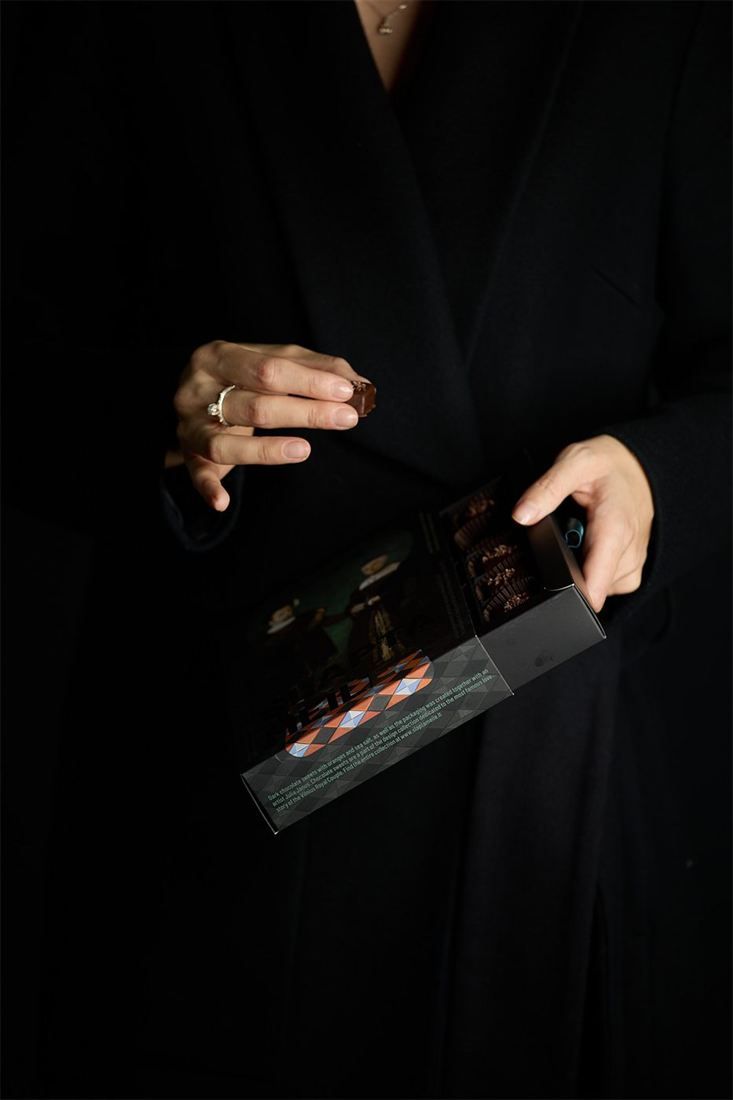
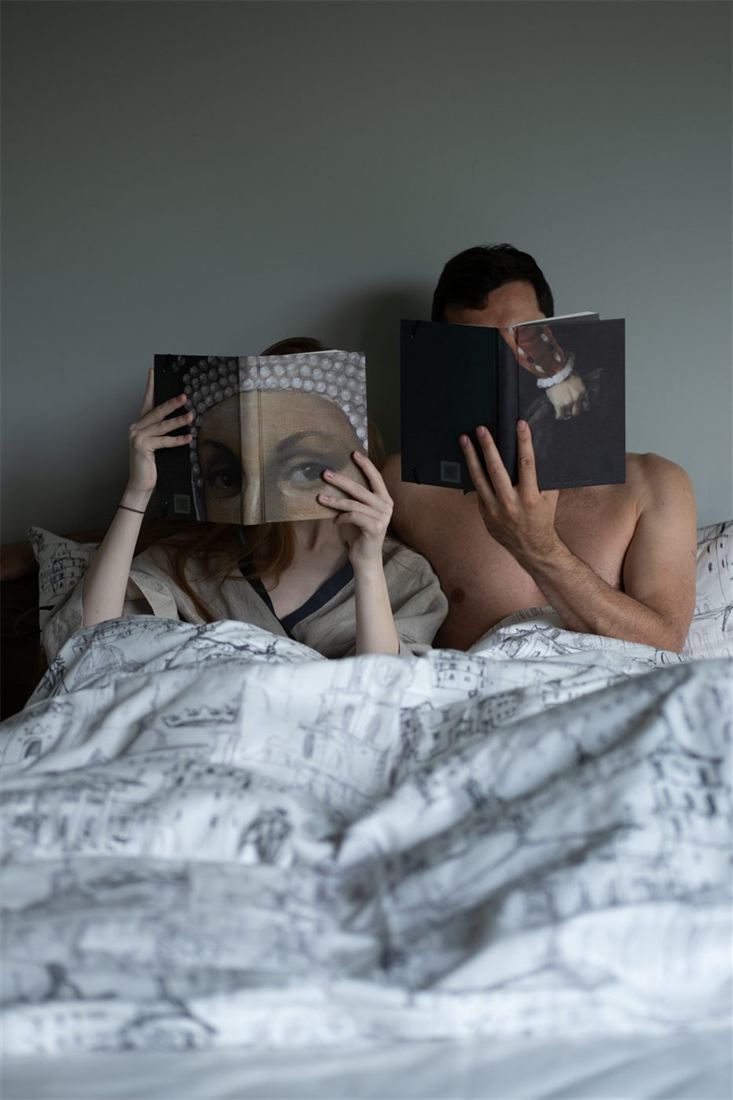
From there the project grew exhibition by exhibition: Secret Love at Vilnius Town Hall in Lithuania in 2022, which she curated with Petras, with her reinterpretations of Renaissance court costume; Secret Love at the Palace of the Grand Dukes for Barbara’s five-hundredth birthday, where she also dressed the palace historian as a modern Barbara, “an eccentric hip-hop star”; and the costumes in Dubingiai, Lithuania, the land of the Radziwiłłs, the most powerful nobles of the fifteenth to seventeenth centuries, in 2023. With the publisher VAGA she made four bilingual notebooks; with Rūta, DecoFlux, Candle Family, the ceramicists of Ceramic Heart and Mr Bowl, Meduolių namai and Pitex, some hundred and fifty products in five collections; with the Bokštas SPA and the Lokys restaurant, royal rituals and a hunting dinner; and with guides, walks in Vilnius and Kaunas and an audio guide of twenty-one stops in the voice of the legendary Queen Barbara herself.
She calls it a story-design laboratory, a curated platform and a community: old legends shake off their dust and become contemporary design, tastes and experiences, because good stories are never made alone. Today the project reaches beyond Lithuania, gathering fifteen of Europe’s great secret loves around the one that happened in Vilnius. The method helps the city shape its image, and lets makers, souvenir producers and the hospitality trade use the legend to make the historic centre more attractive.
Two queens
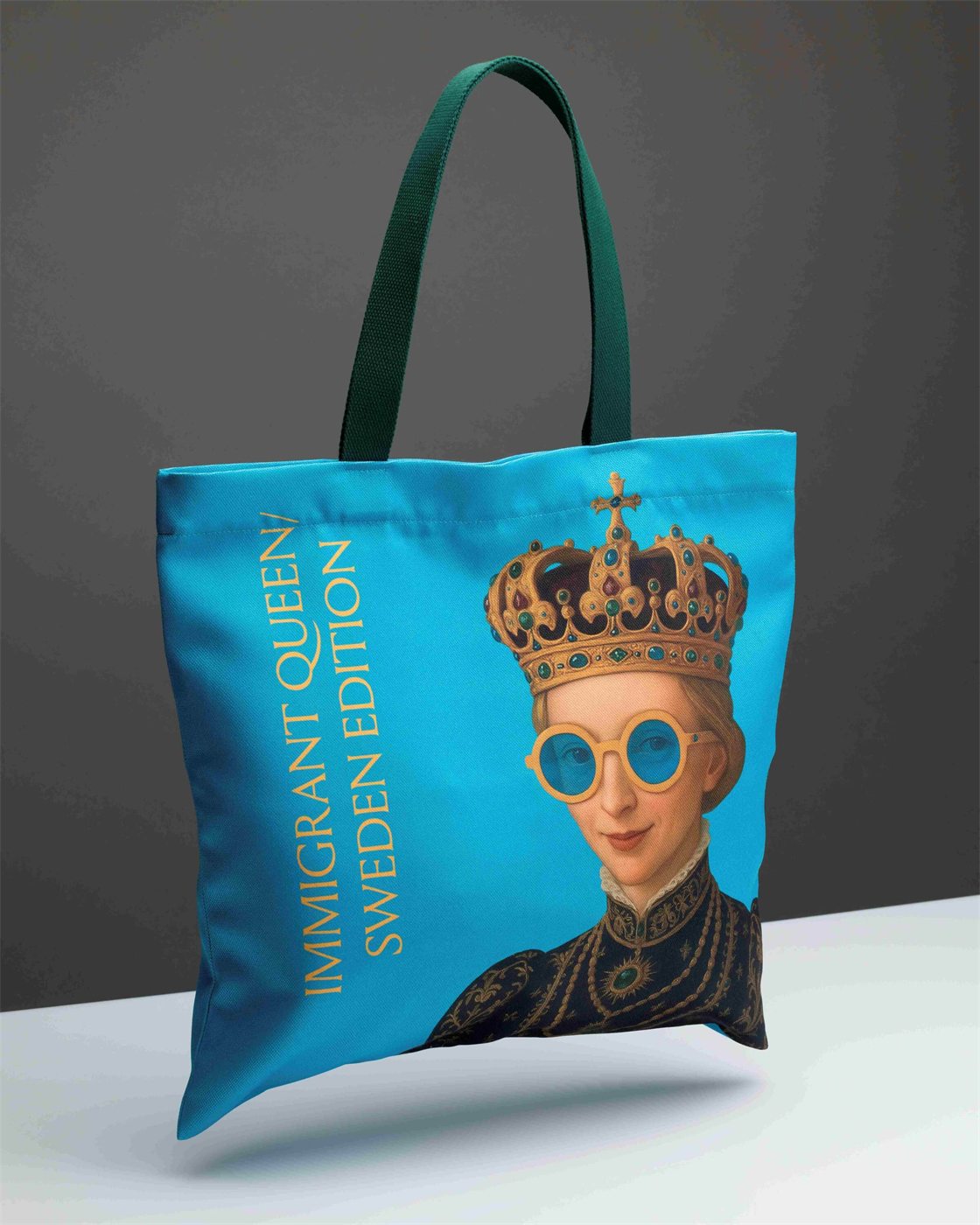
Both exhibitions began as Julia’s idea. The National Museum of Lithuania names her the author of the idea of Queen, Kingdom and Feelings; the City of Uppsala in Sweden names her the initiator and conceptual curator of Queens. Her ambitious idea of an inclusive, travelling exhibition, the museum writes, became an international reality once the National Museum of Lithuania took on its realisation: Julia researches and creates interpretations of the Lithuanian Renaissance through exhibitions and educational experiences, turning historical fact into contemporary experiences of high value. The full story of both exhibitions, with their lenders, teams, programmes and photographs, is told under About › Together.
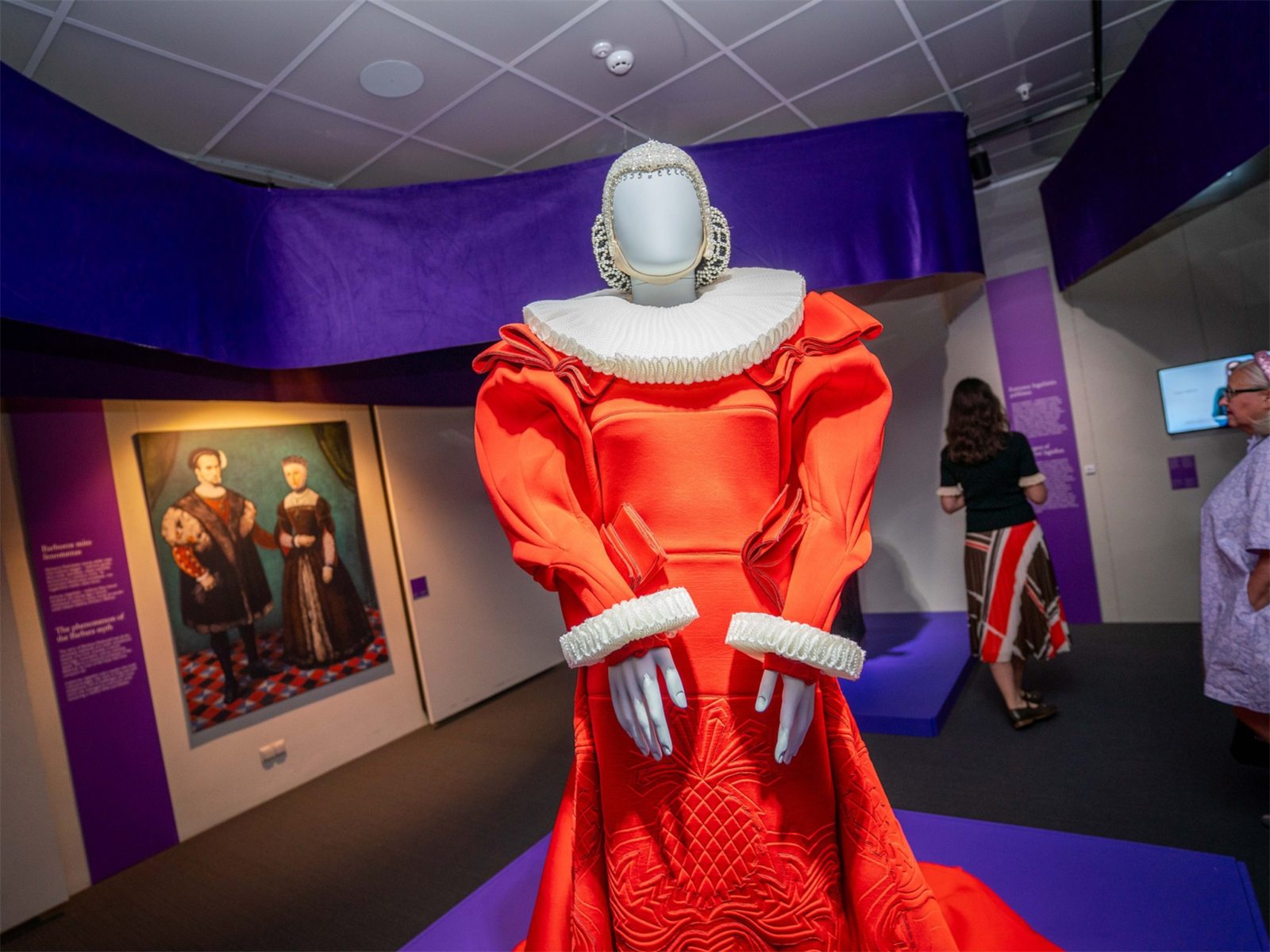
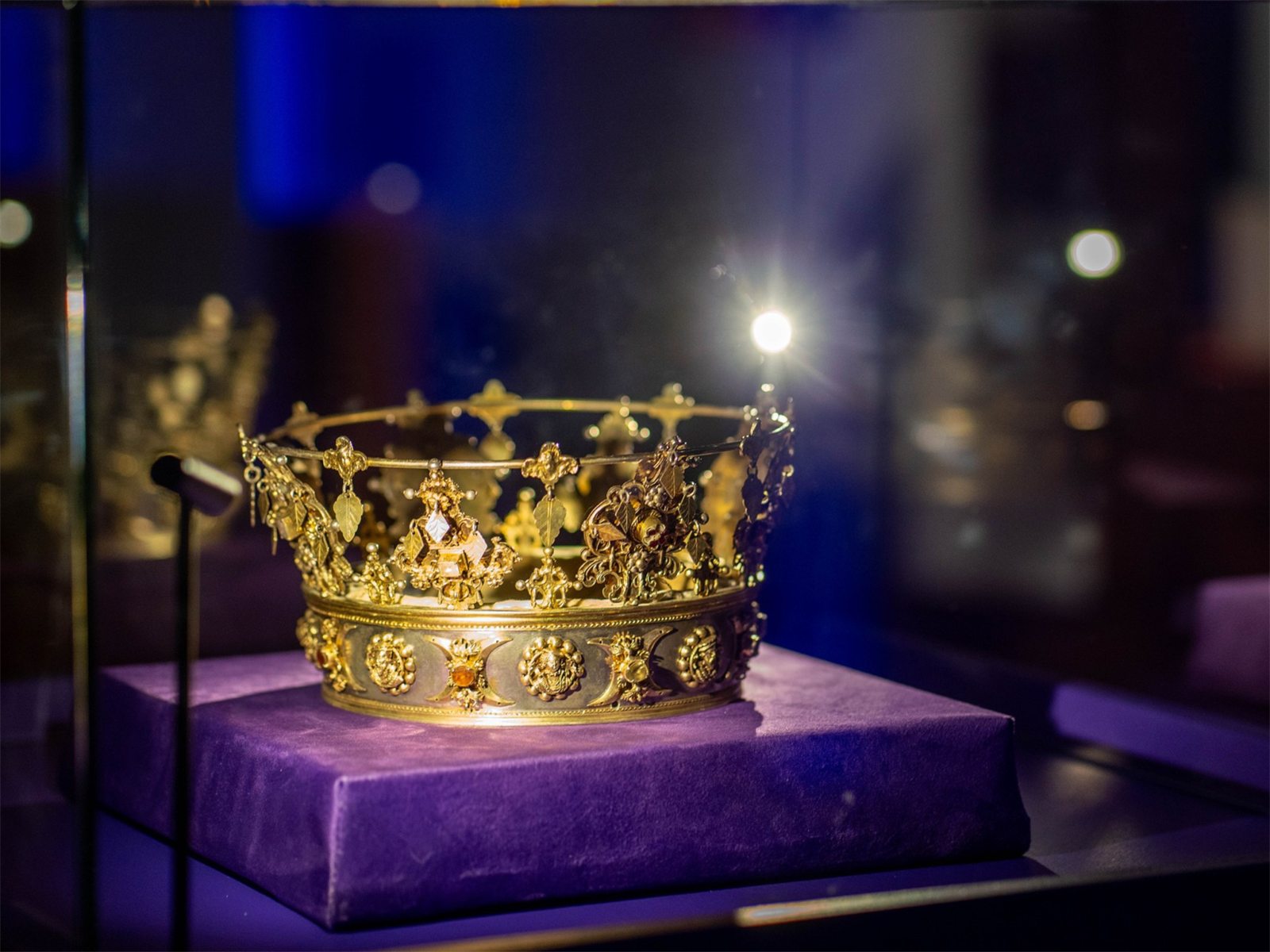
In 2025 Julia brought two queens born in Vilnius, Lithuania, into the National Museum of Lithuania. Queen, Kingdom and Feelings, which she conceived and curated with the historian Dr Milda Kvizikevičiūtė and the art historian Dr Vaida Ragėnaitė, told the lives of Barbara Radziwiłł, Queen of Poland, and Catherine Jagiellon, Queen of Sweden, as Lithuania’s first hybrid exhibition of history, art and design. Other institutions called the idea superficial and the Lithuanian Ministry of Culture gave it no funding; it was carried by the Ambassadors’ Club of influential Lithuanian women, under the patronage of President Dalia Grybauskaitė. It opened during Design Week on 4 June 2025 in the House of Histories and ran until 4 January 2026, with loans from Sweden, Hungary and Poland: the painting of the Battle of Orsha from the National Museum in Warsaw, Barbara’s sceptre from the crypts of Vilnius Cathedral and Catherine’s crown from Sweden.
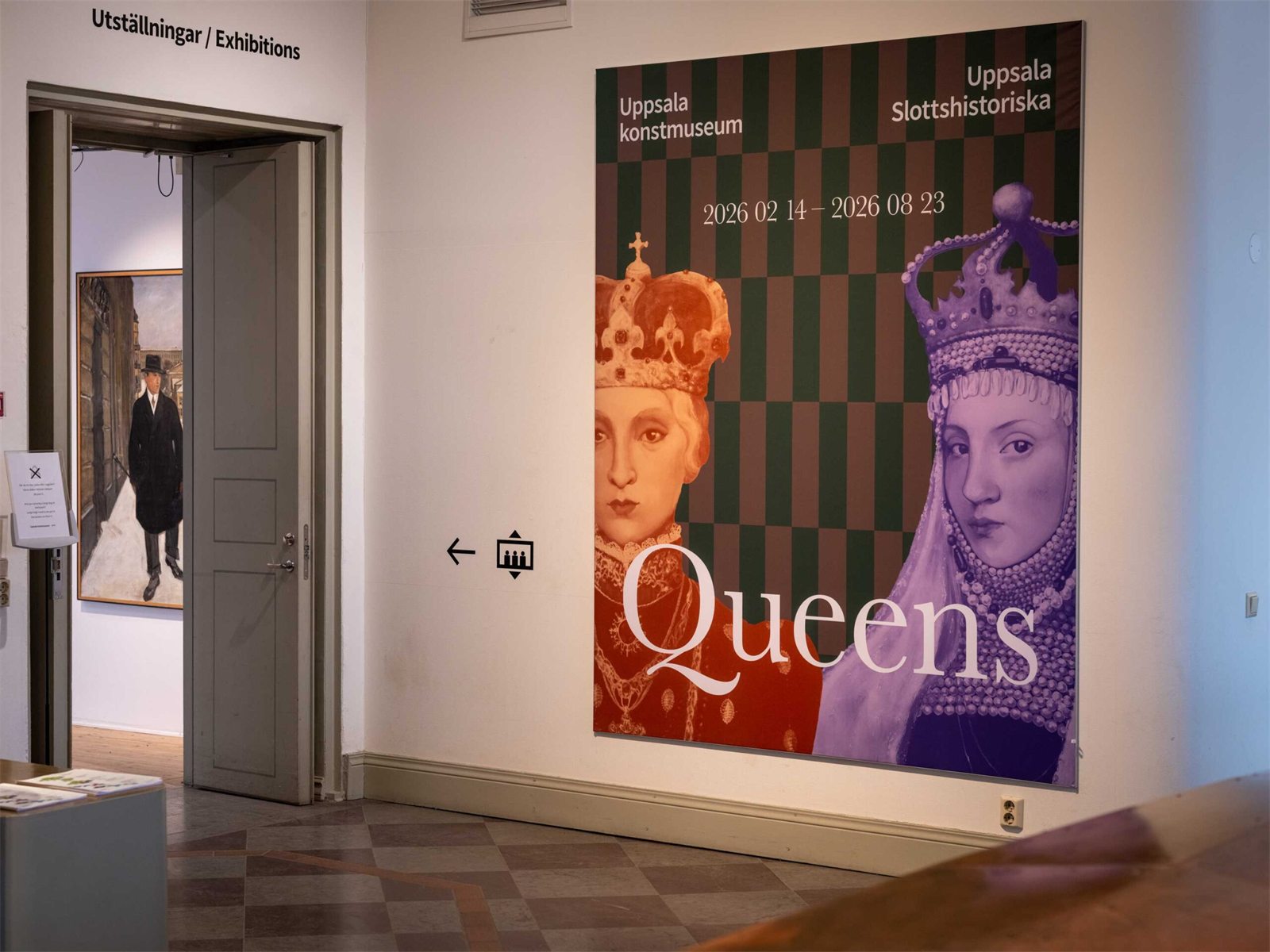
On 14 February 2026 it opened again as Queens at Uppsala Castle in Sweden, near the place where Queen Catherine Jagiellon of Sweden was crowned and buried, together with the Uppsala Art Museum and the embassies and cultural institutes of Lithuania and Poland; more than two thousand people came on the first day. Its subject, Julia says, is how women were seen in history, and how women today can change things.
03Works45
Works
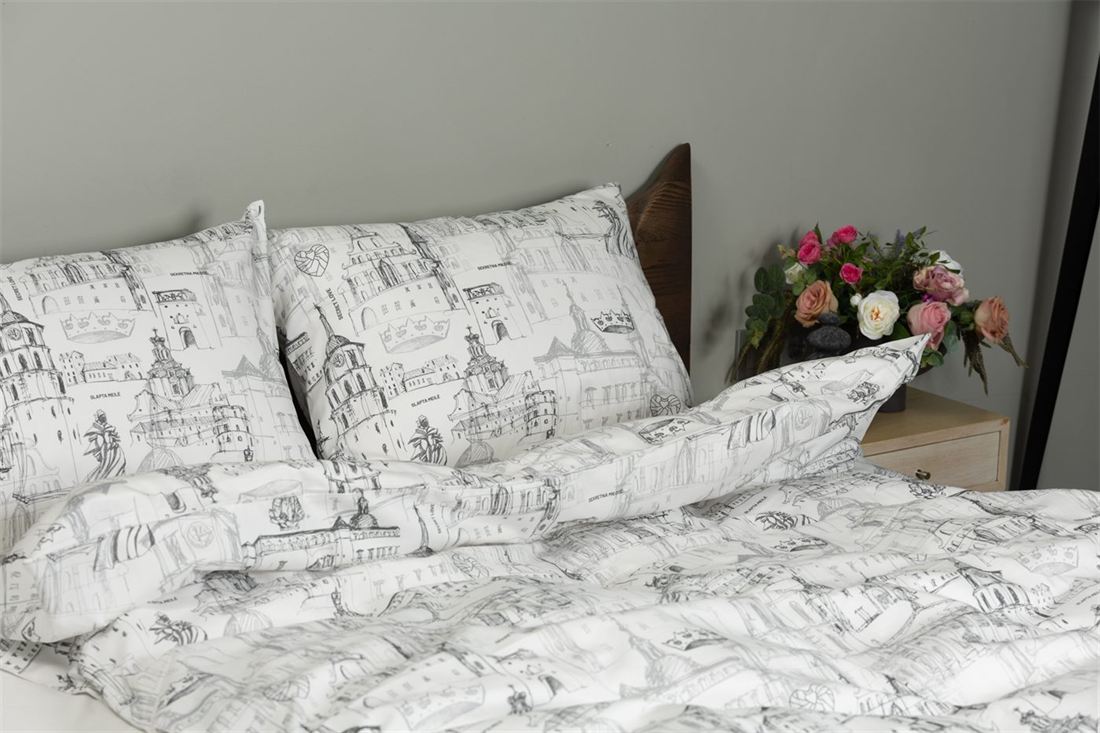
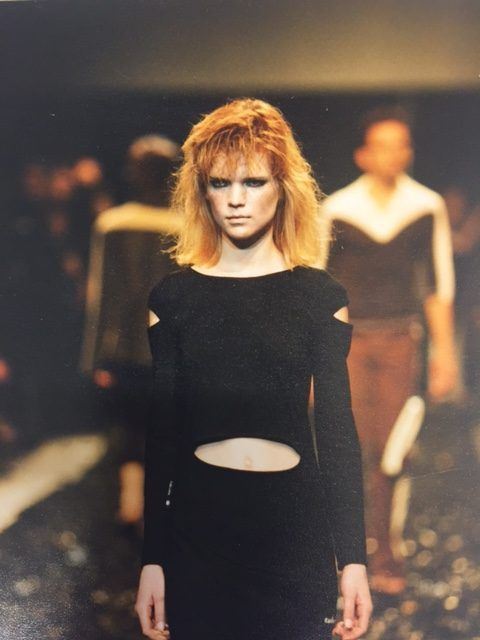
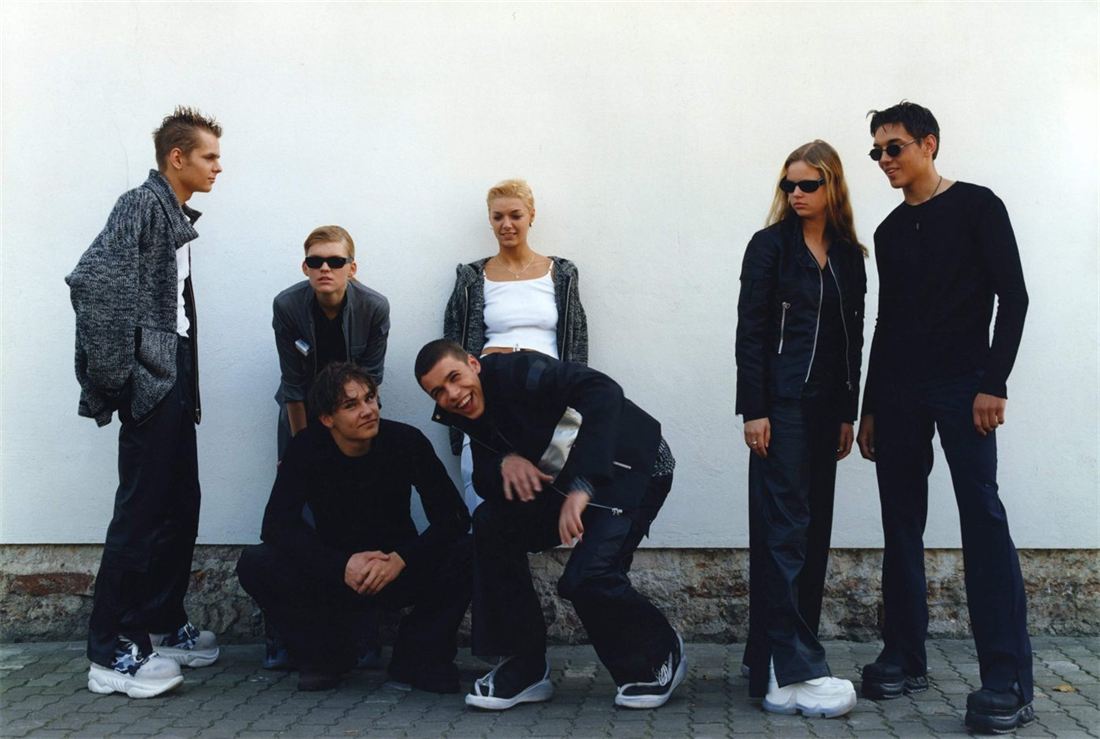
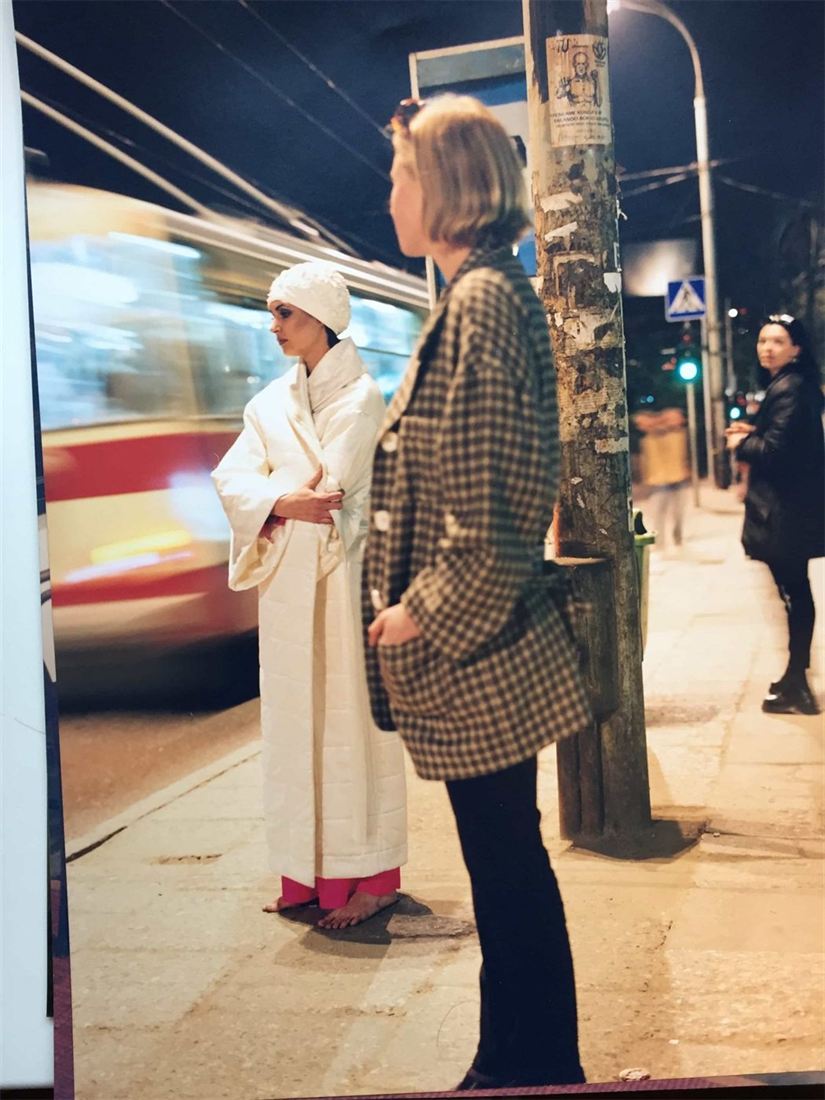
04Texts6
How she works
Julia does not separate art from use. A painting becomes the print on a dress, the dress becomes a costume for a story, the story becomes a dinner, a candle, a walk through the old town. She works by gathering people, goldsmiths and ceramicists, chefs and architects, a composer, chocolate makers, and finding the place where each of them can add something no one else could. Her own word for it is a door: something you pass through to reach somewhere new.
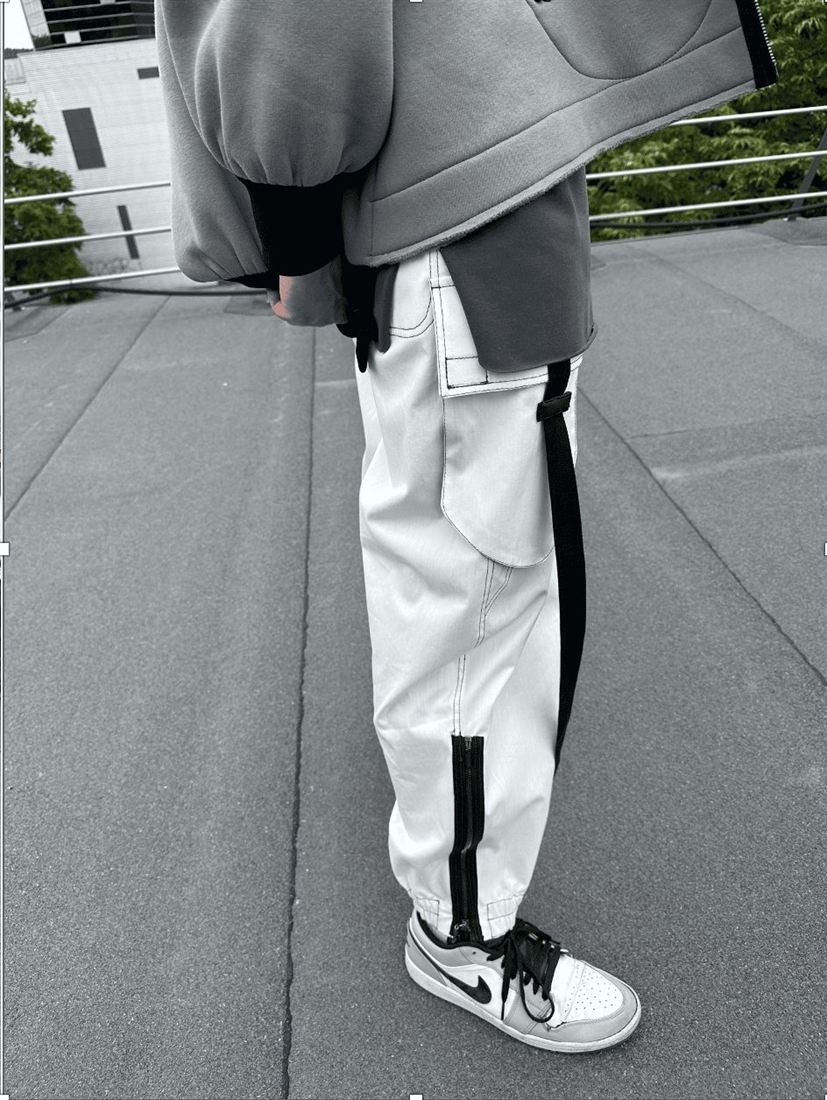
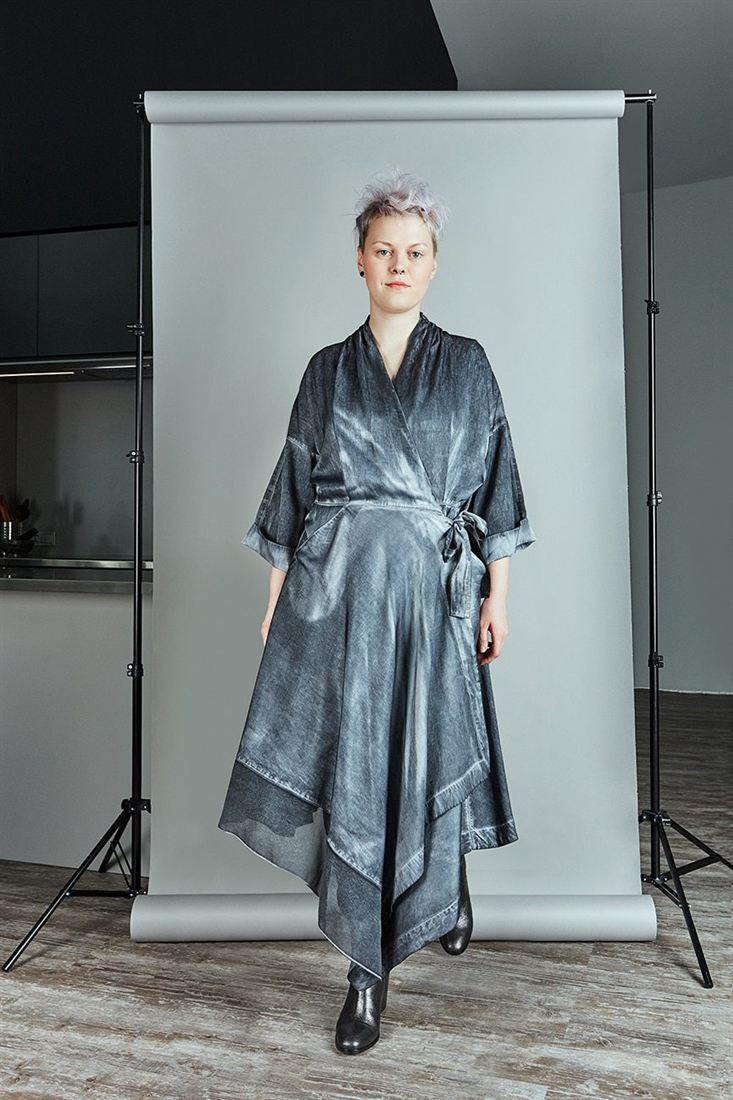
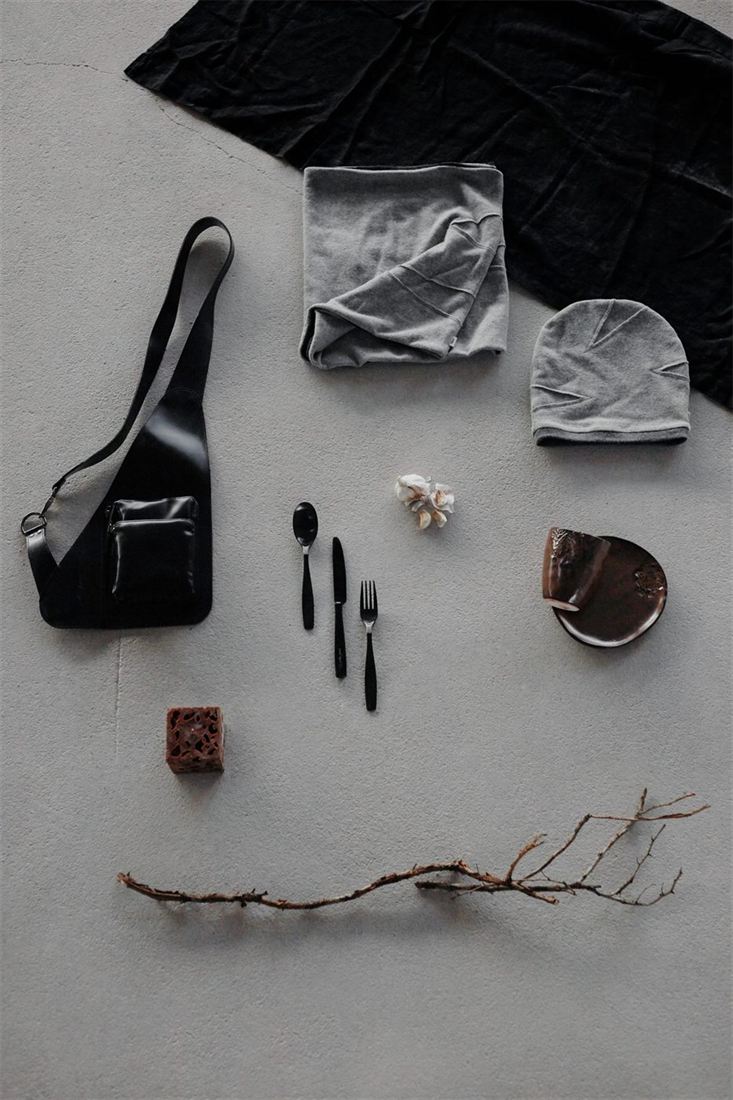
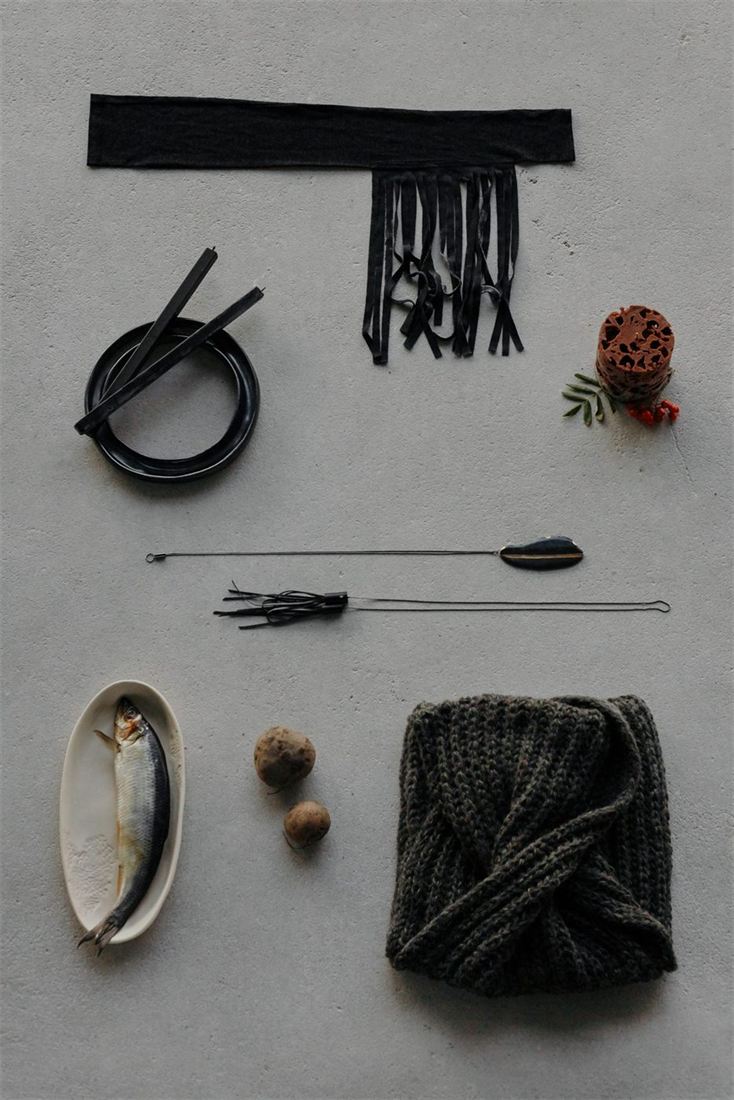
From 2008 to 2018 her label Julia Janus was one of the most visible phenomena in Lithuanian fashion, and it set its own direction rather than following trends. Its clothes were meant to be a second skin: to give their wearer wings and go unnoticed, so that life could flow on. When the shops closed she did not start another label. She began to make far less, only to order, in small capsules drawn from her own paintings, and turned her attention from the body to the historic centres of Lithuania’s towns.
Places
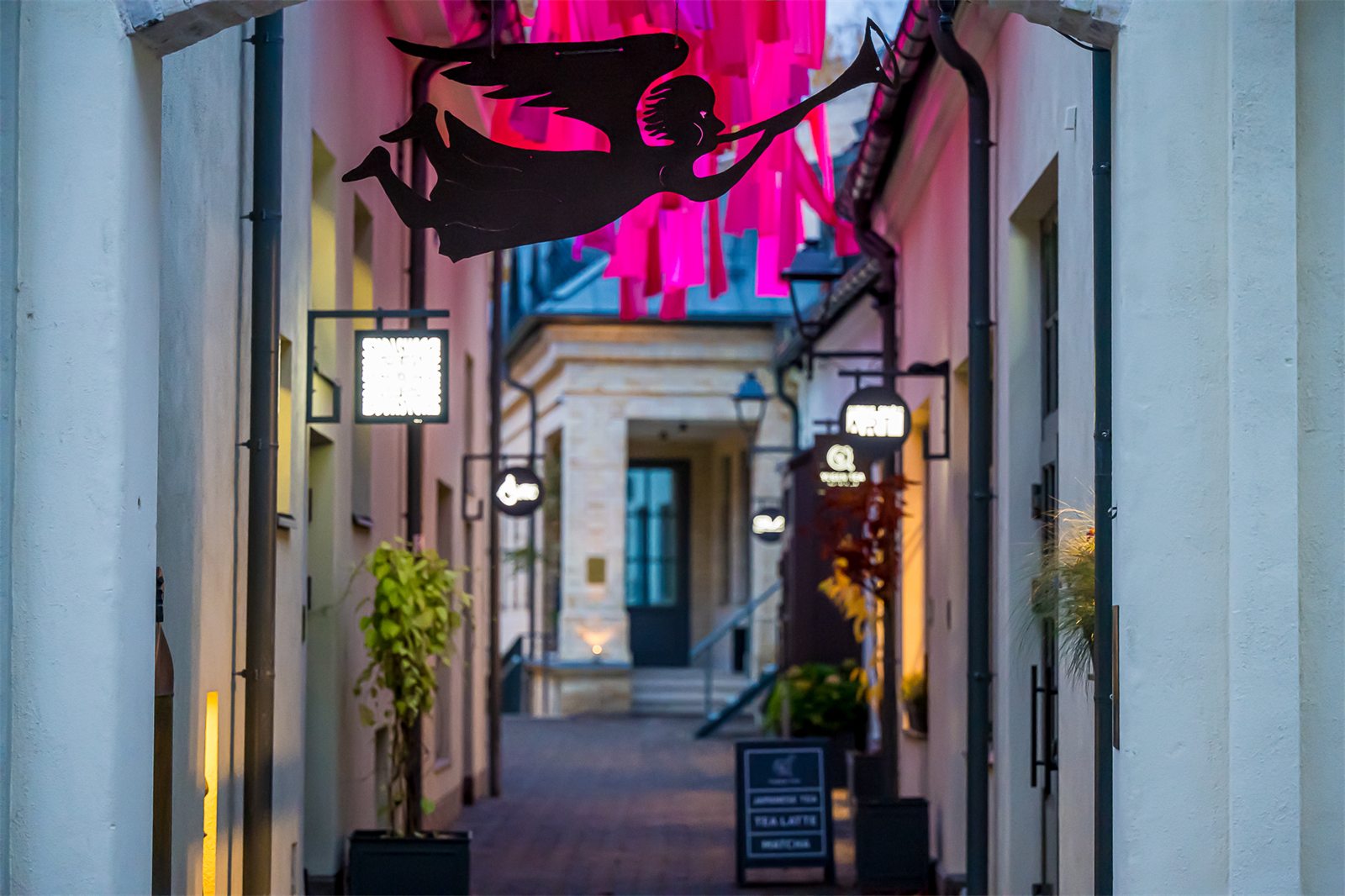
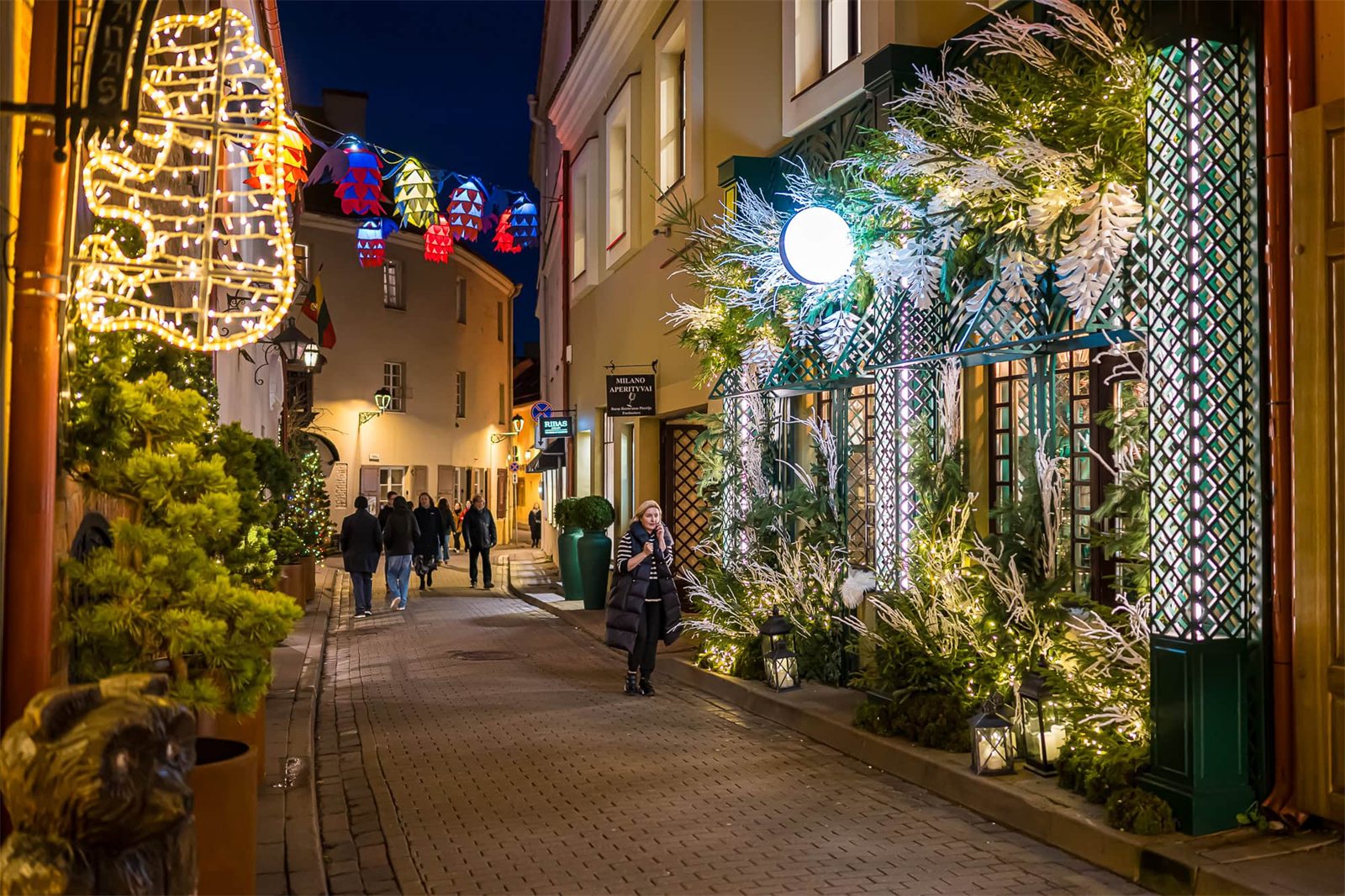
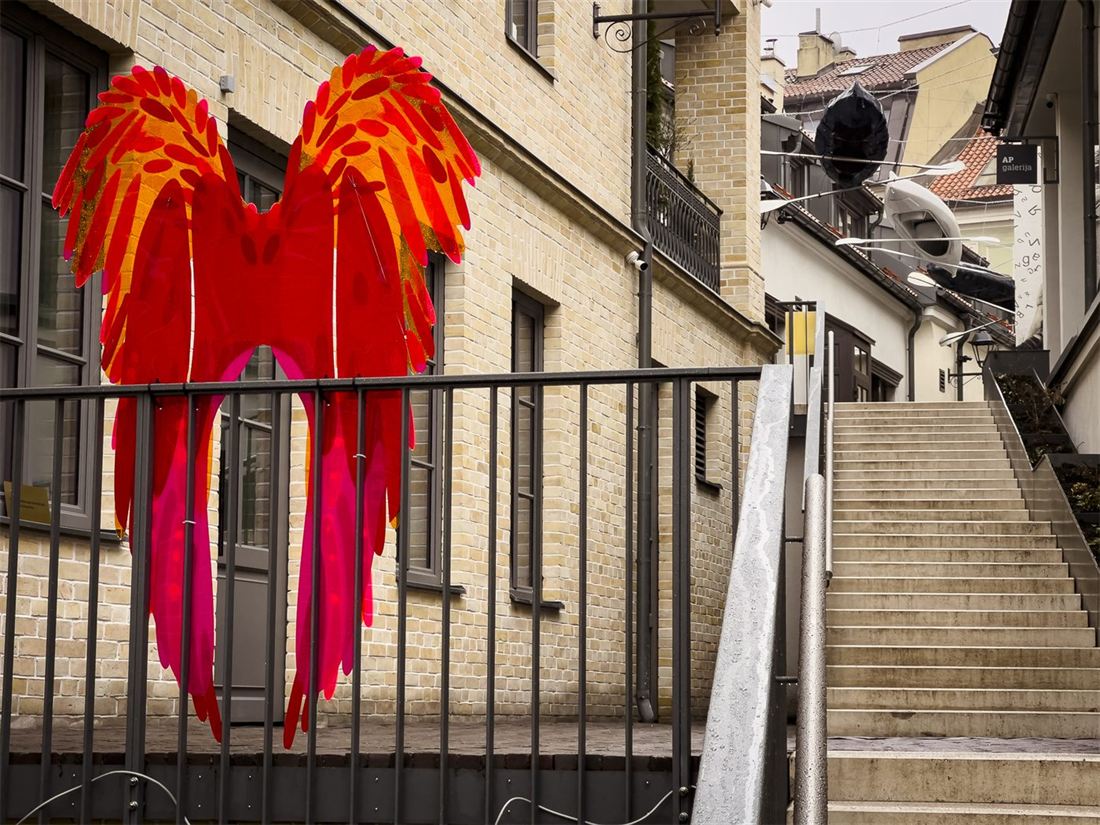
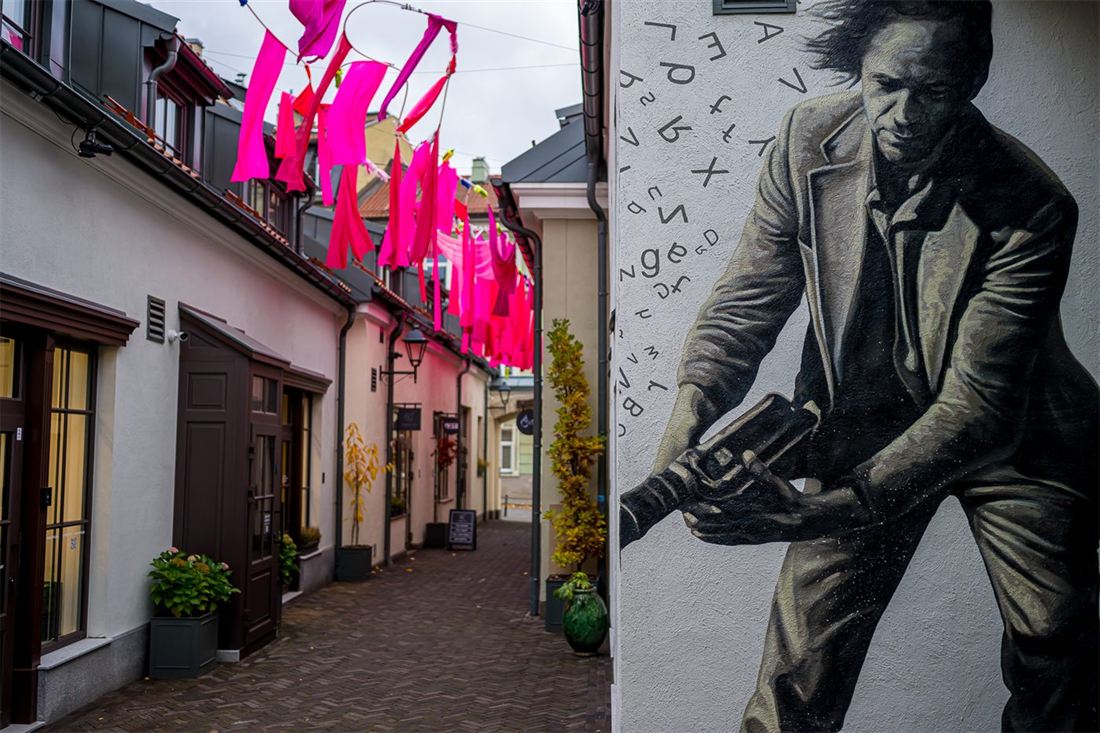
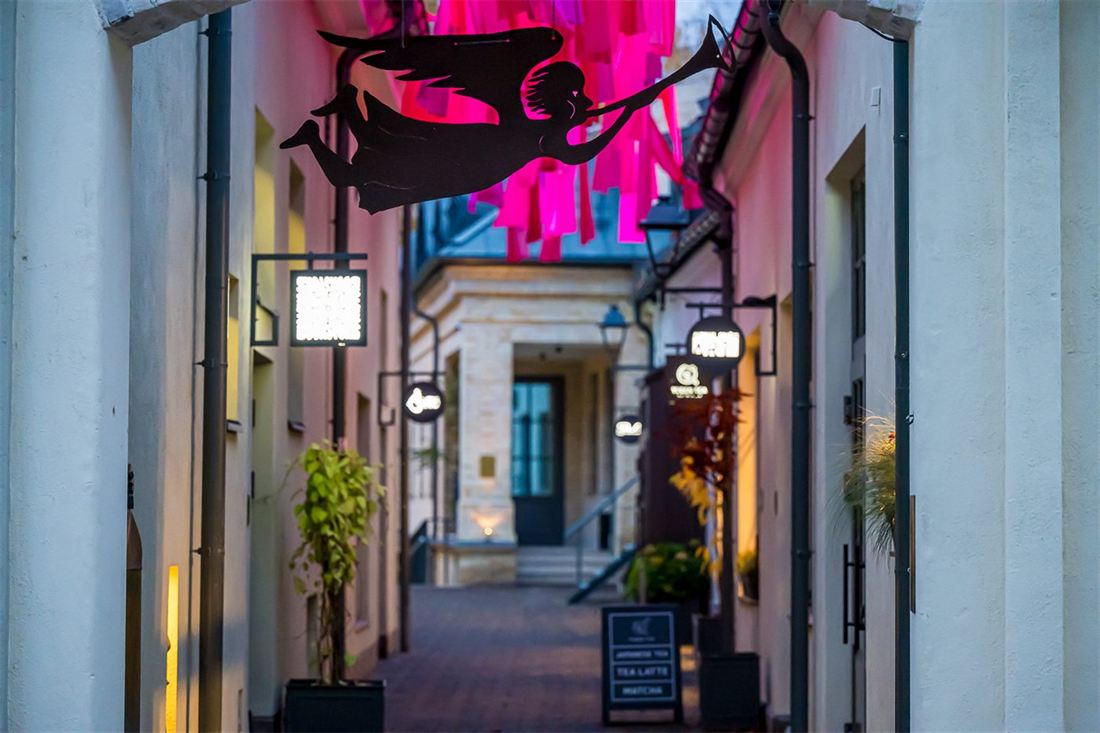
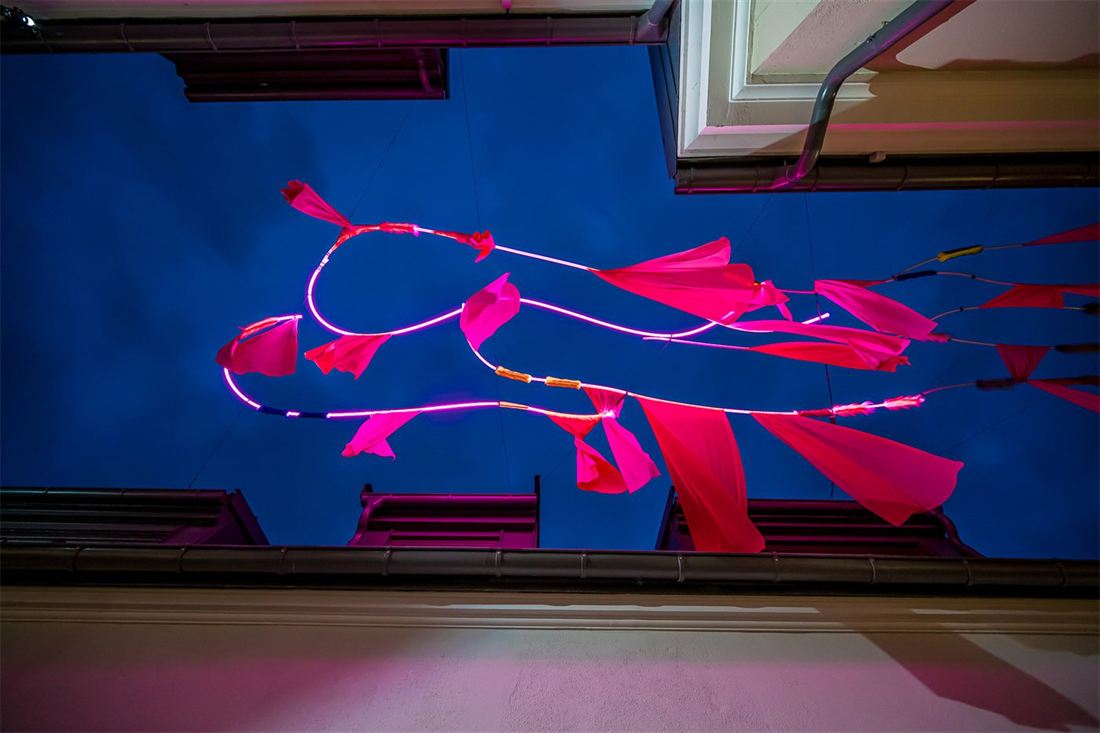
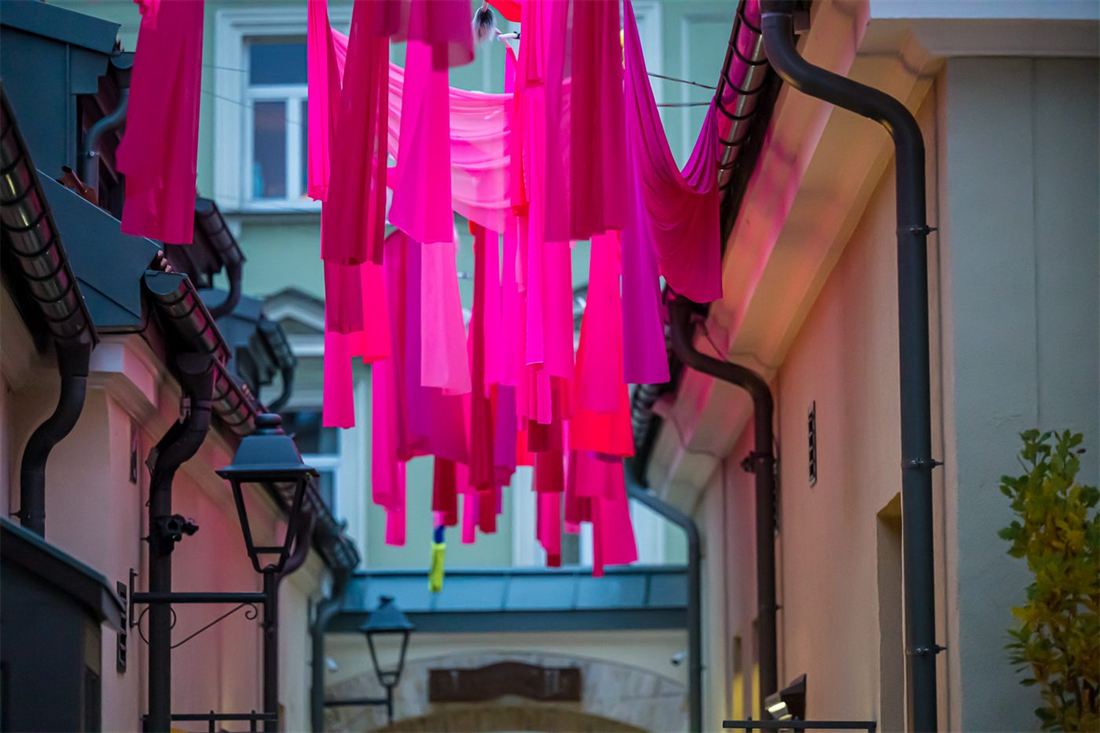
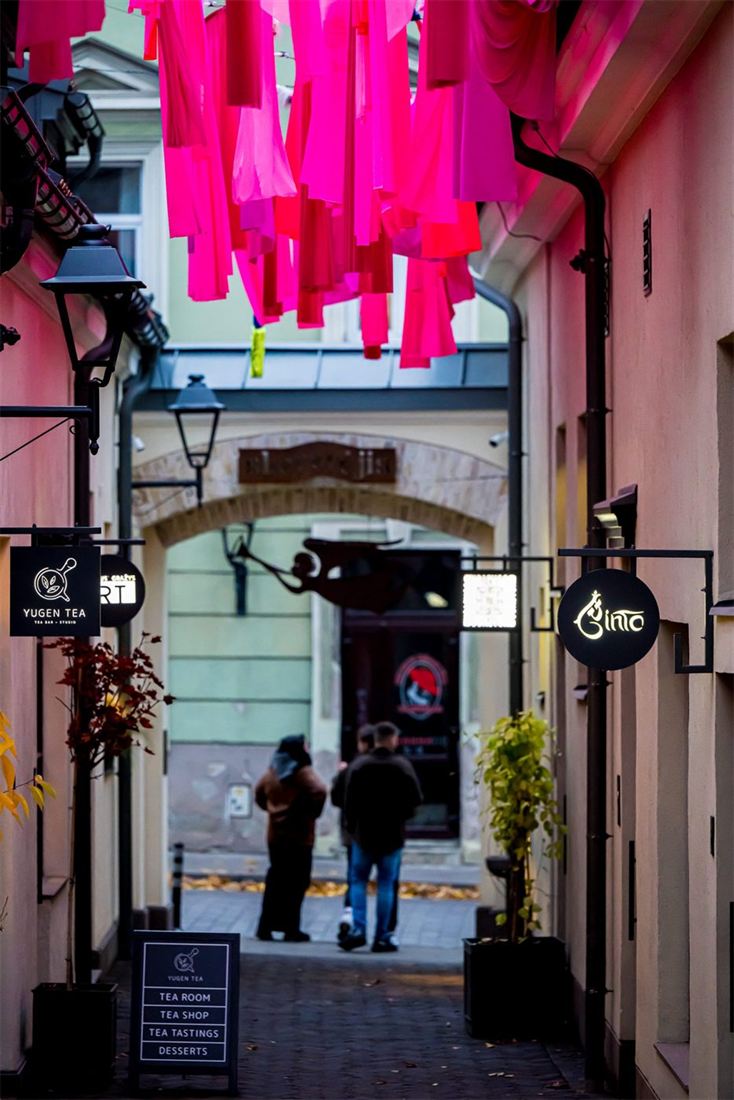
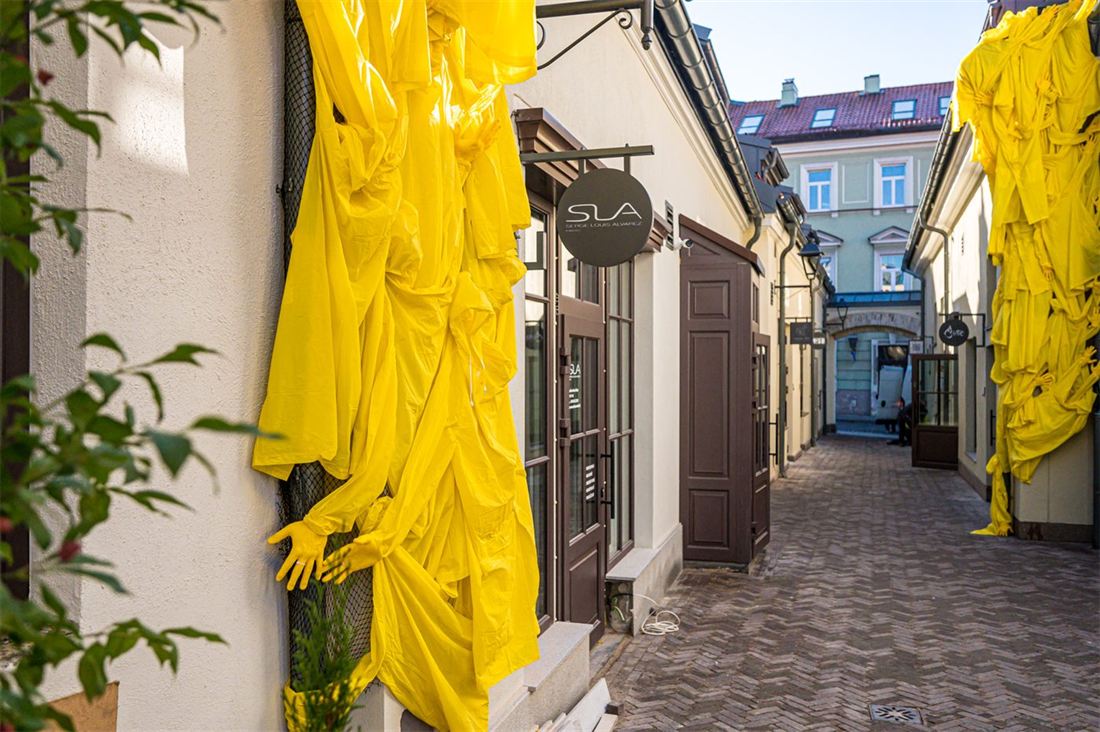
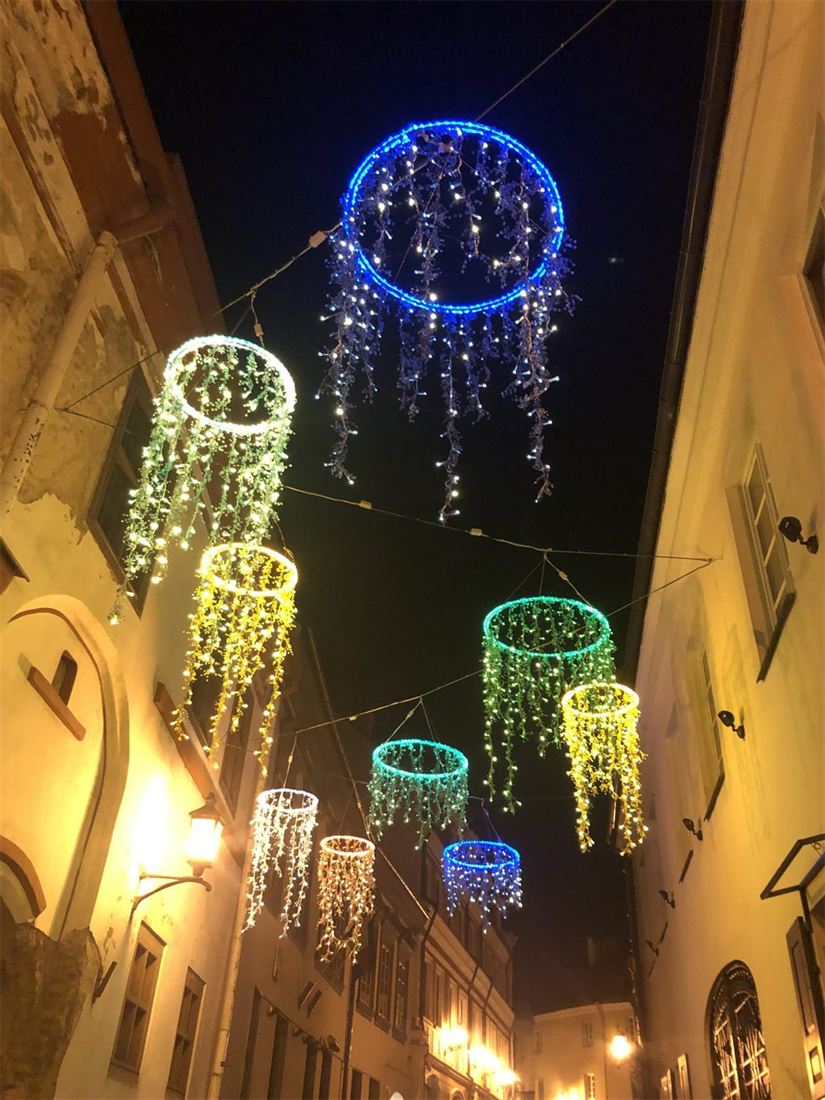
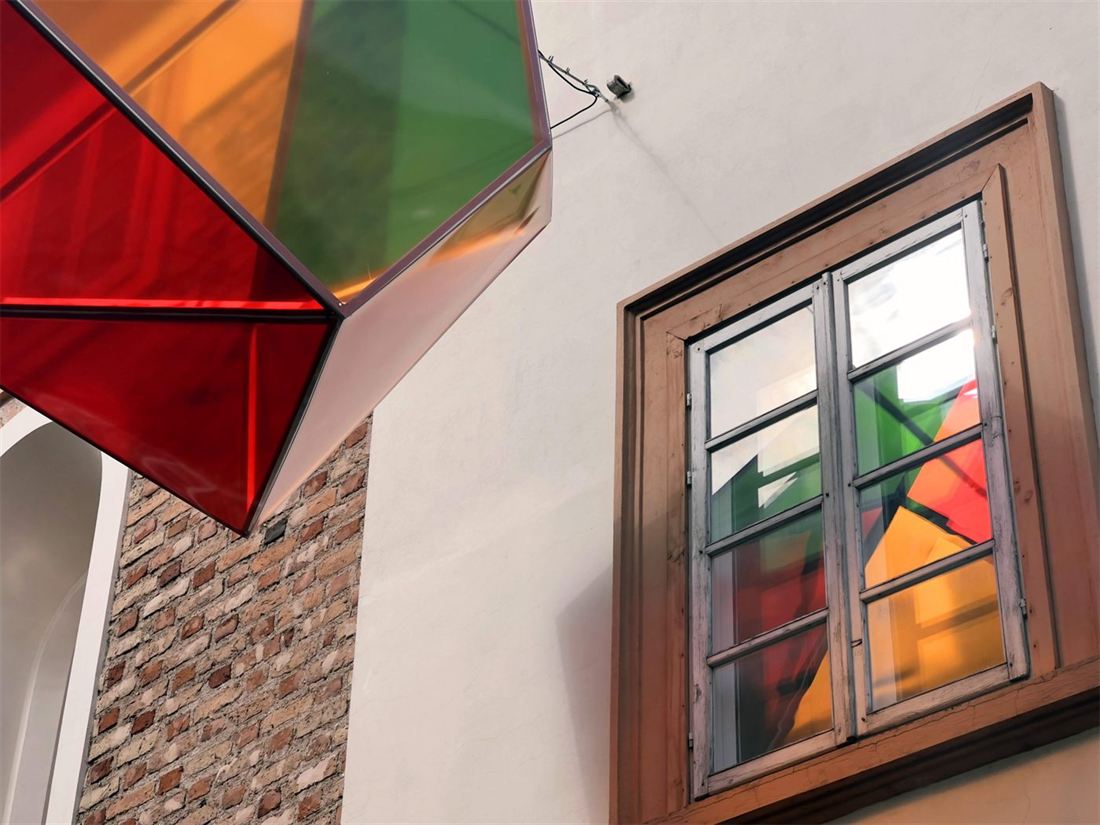
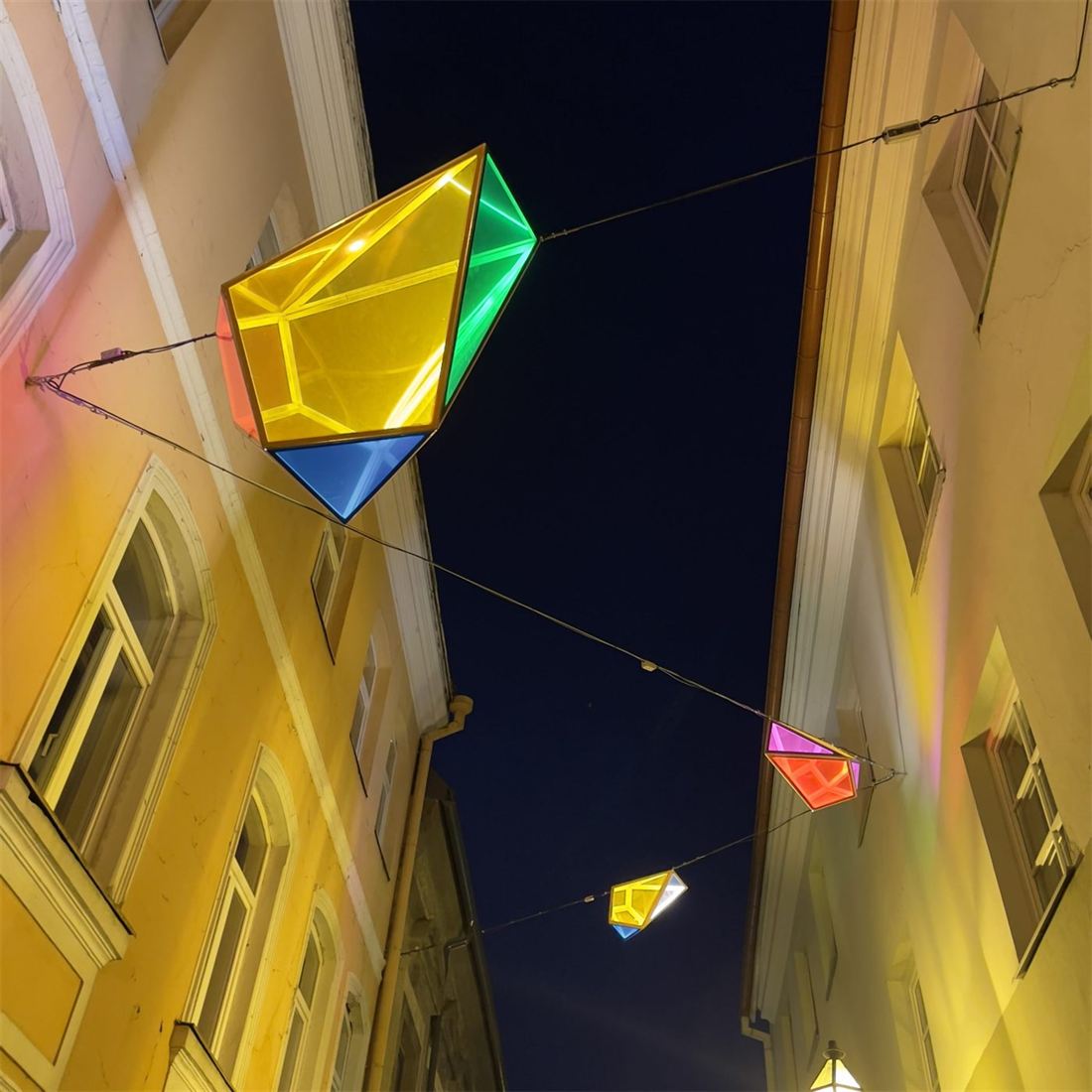
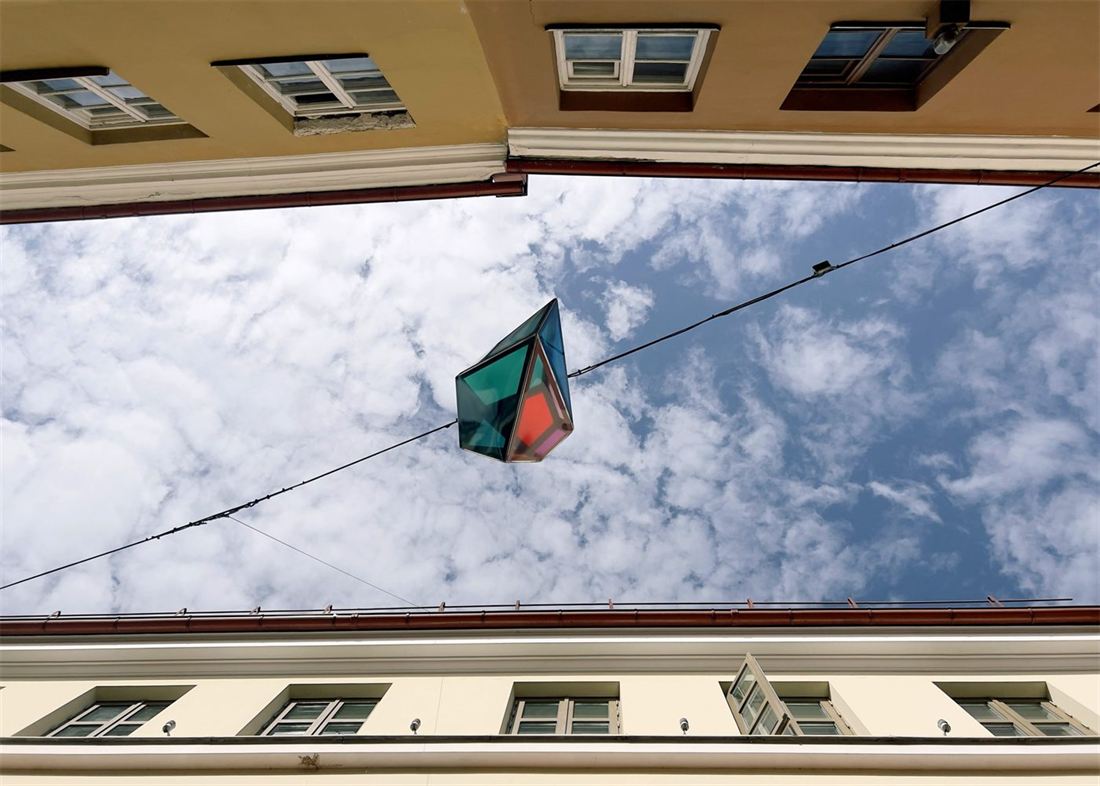
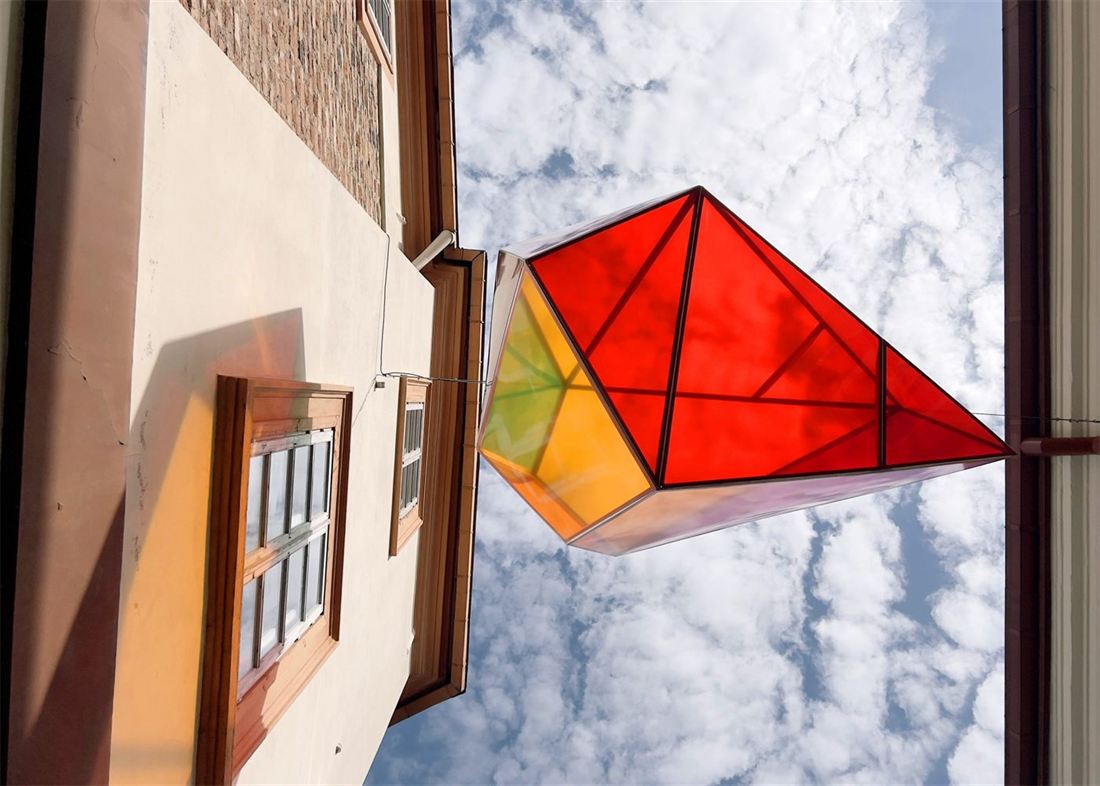
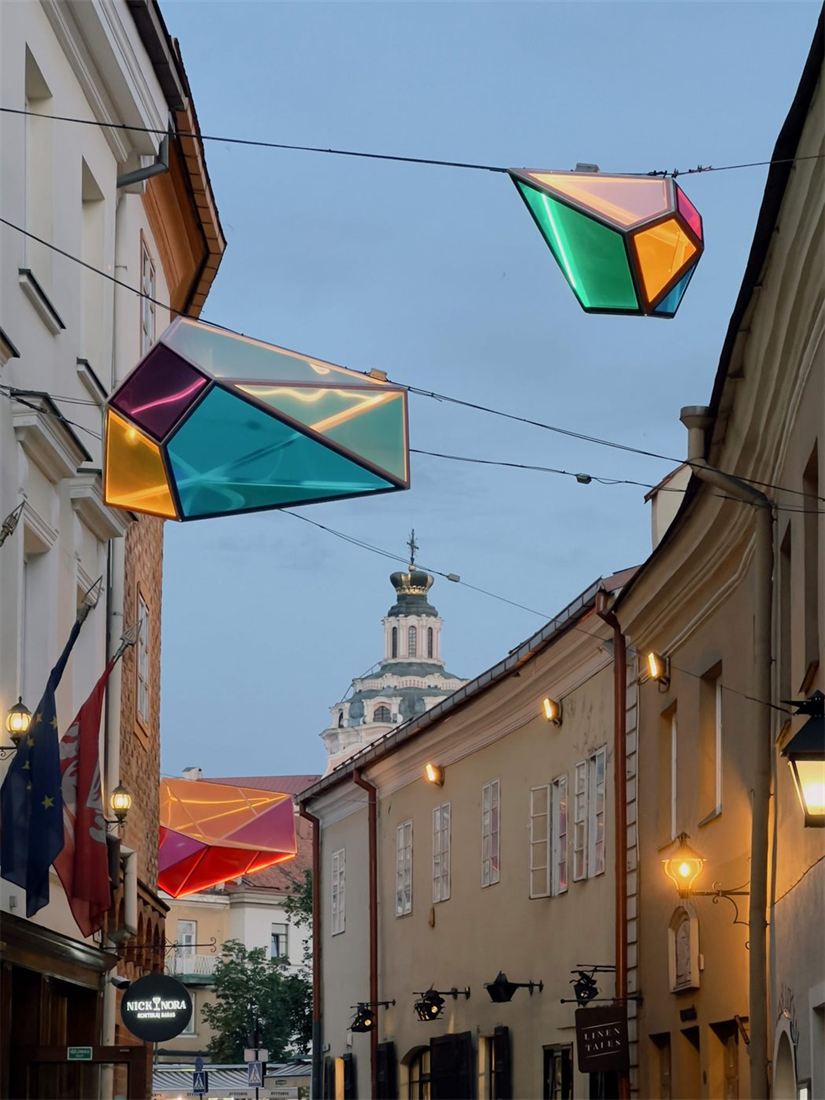
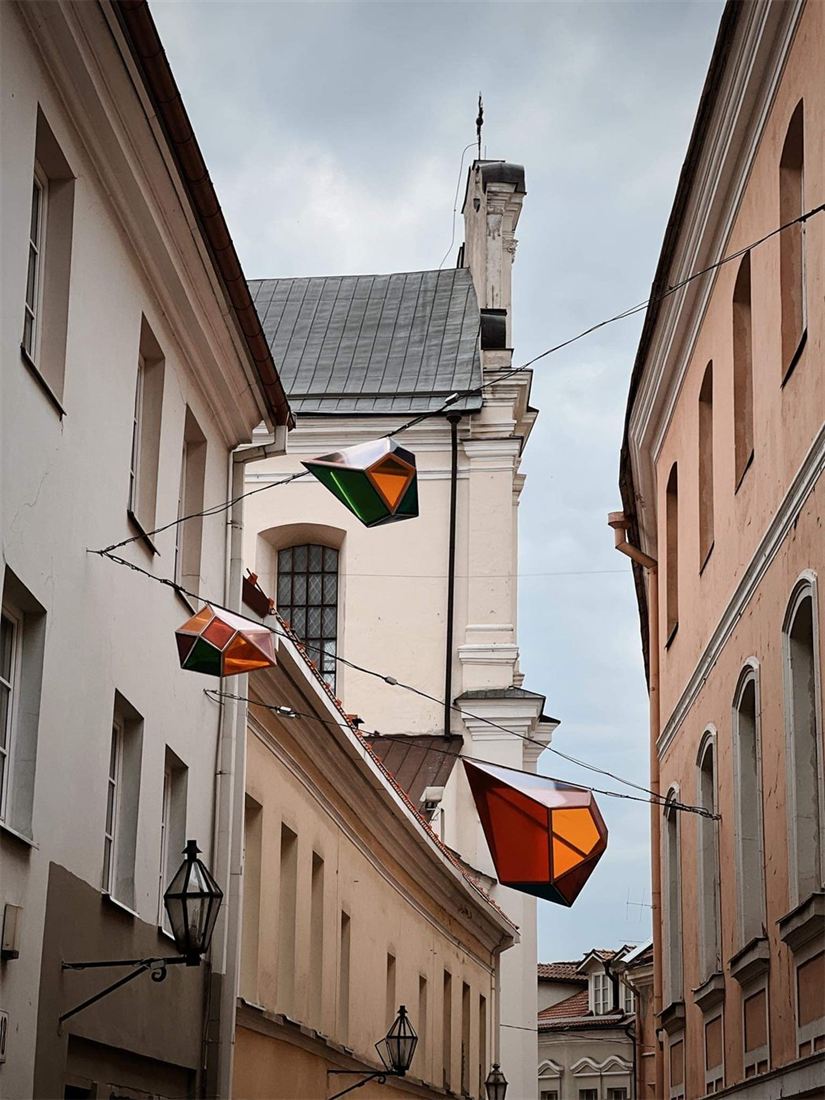
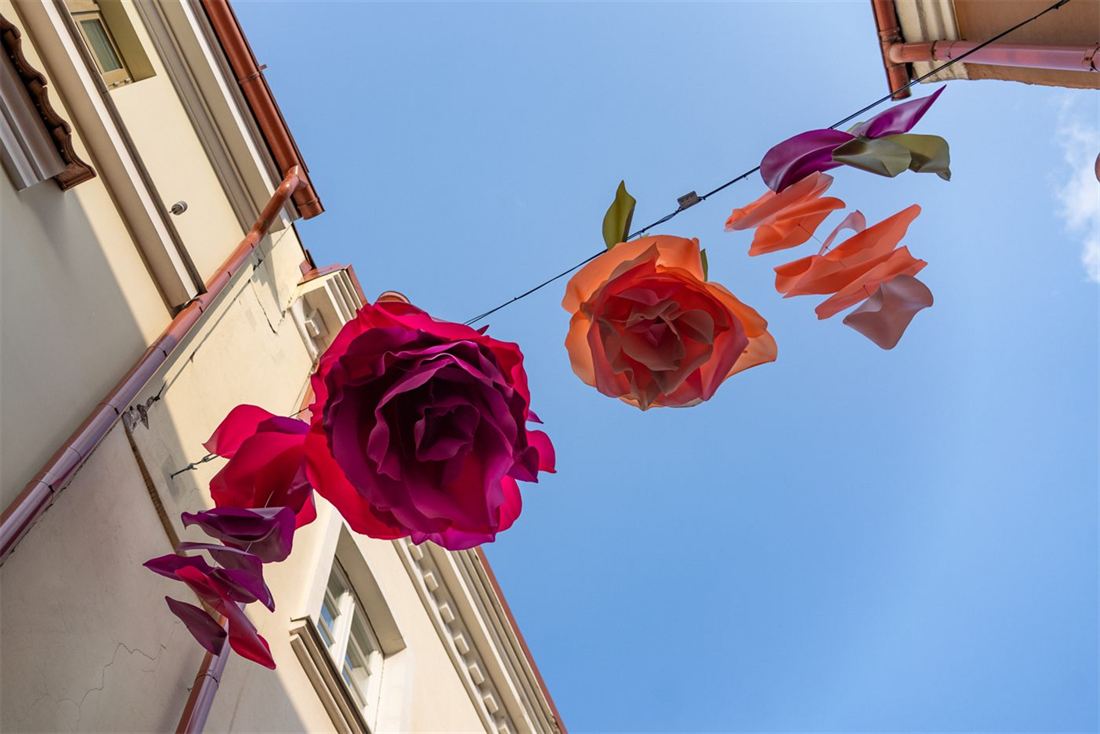
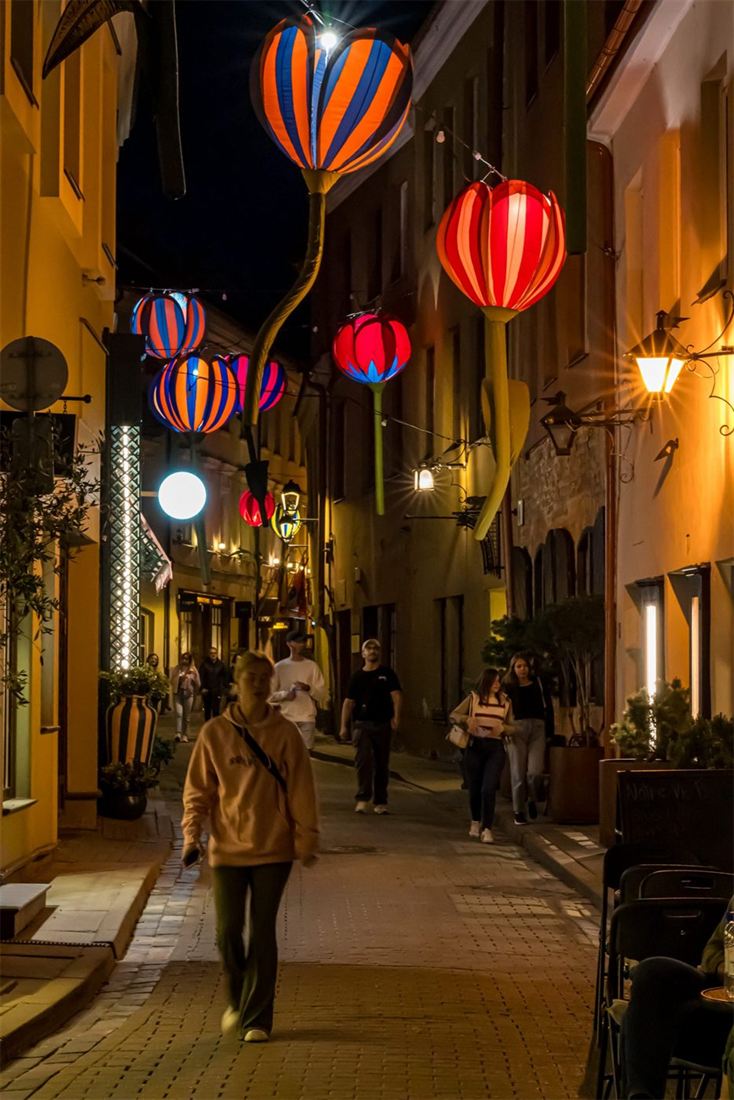
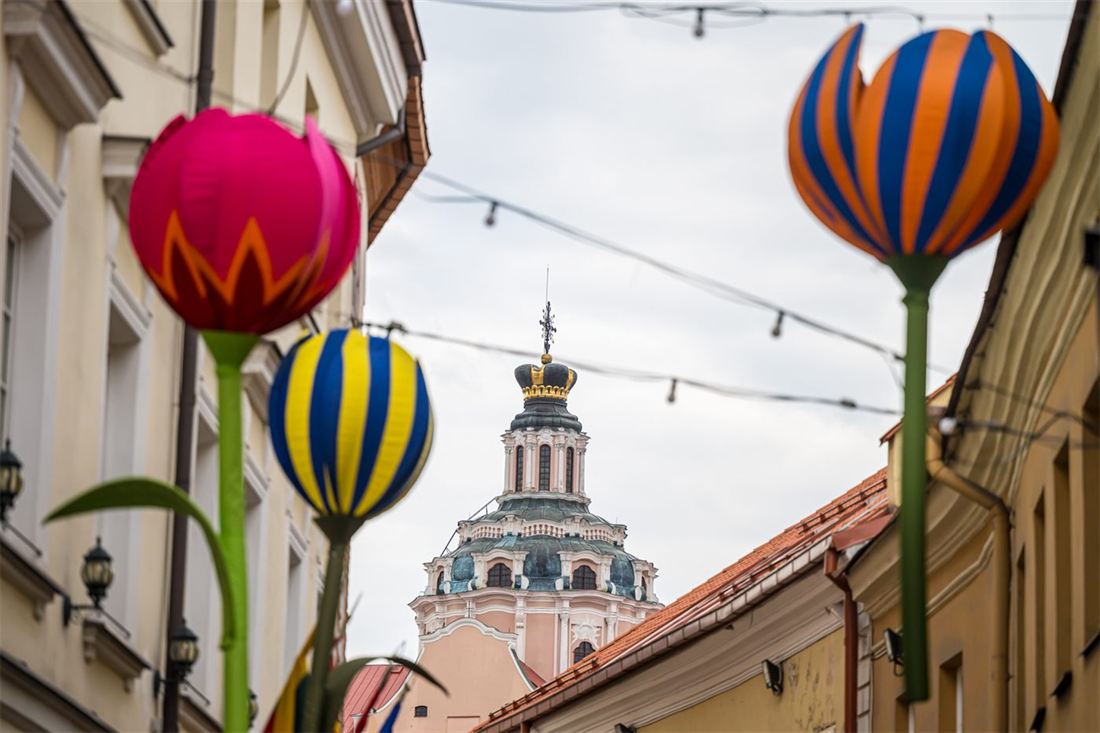
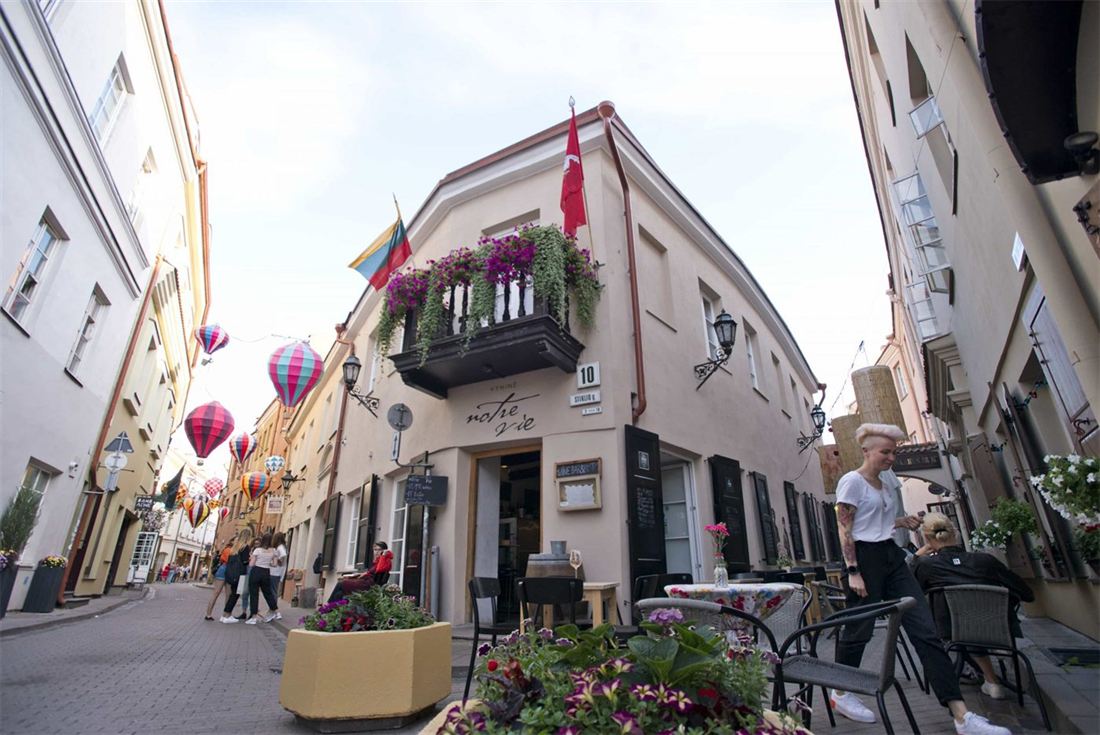
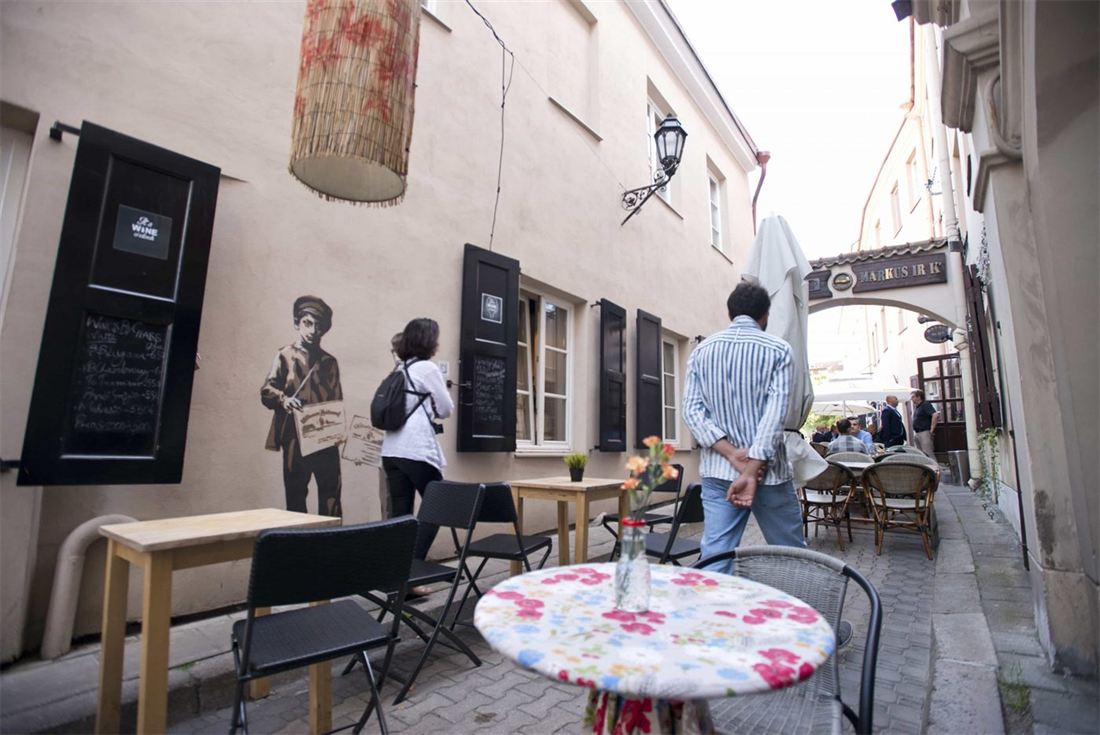
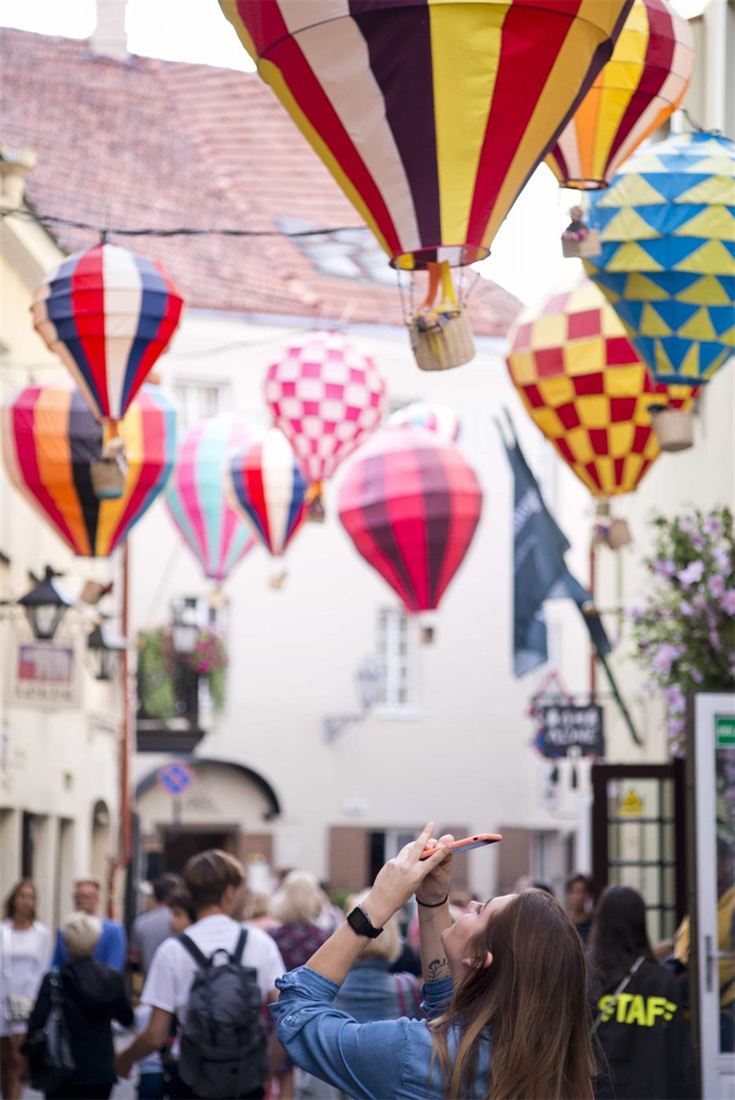
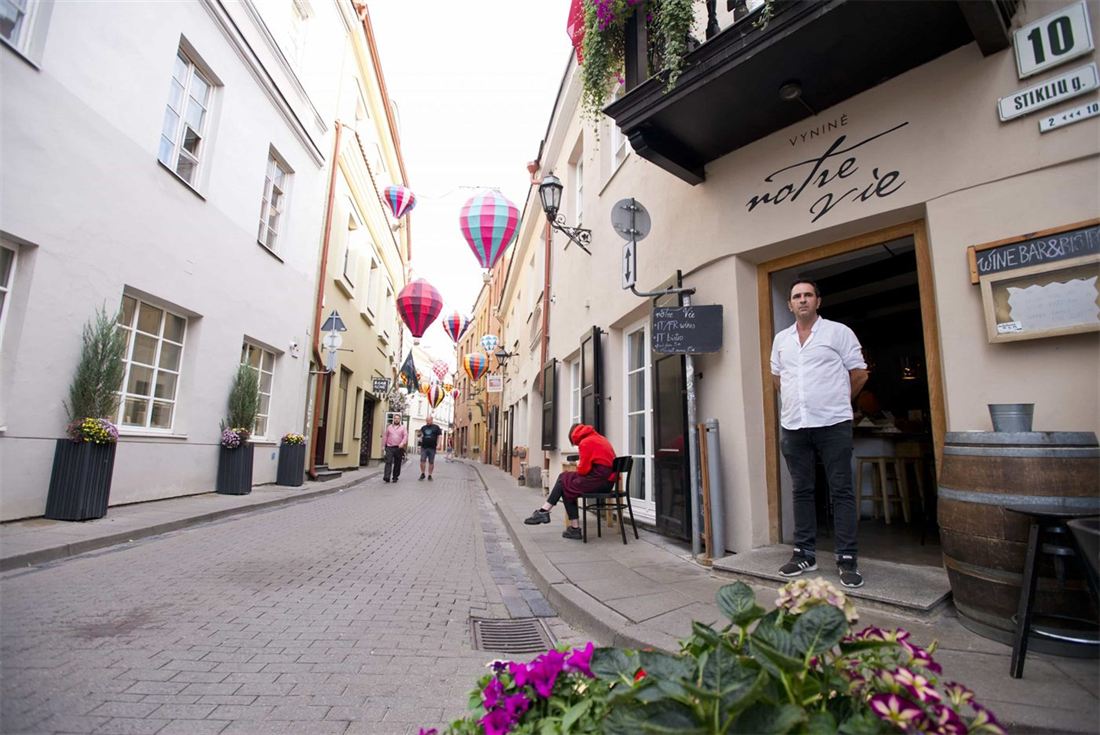
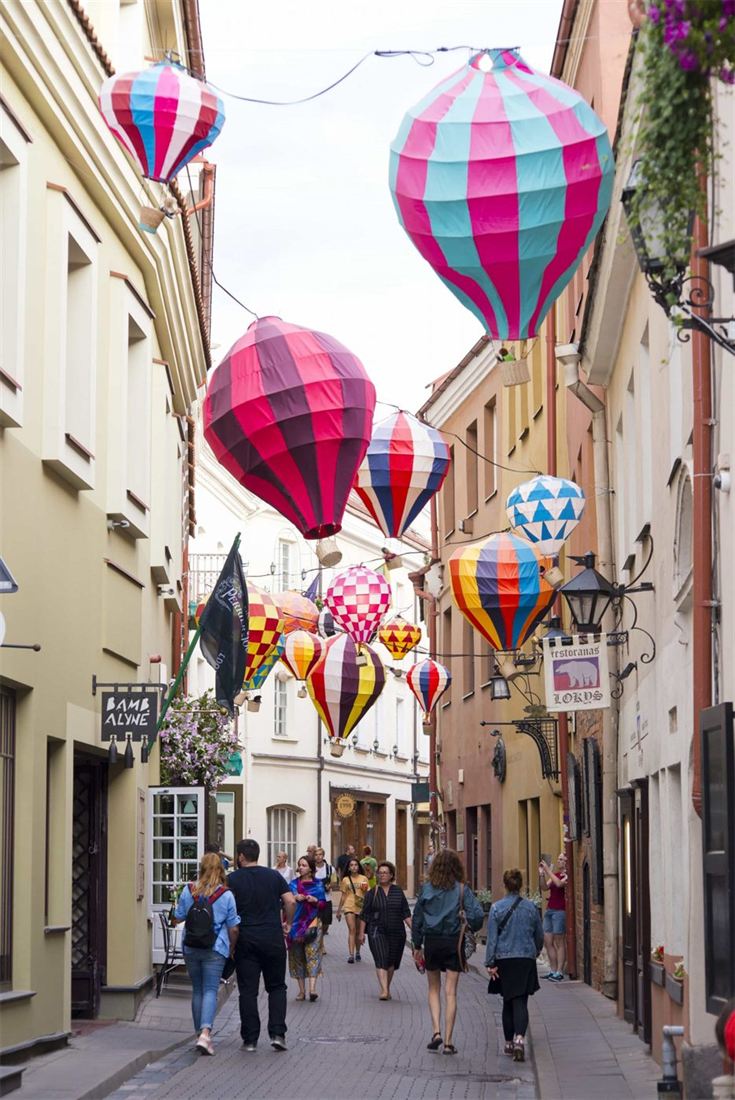
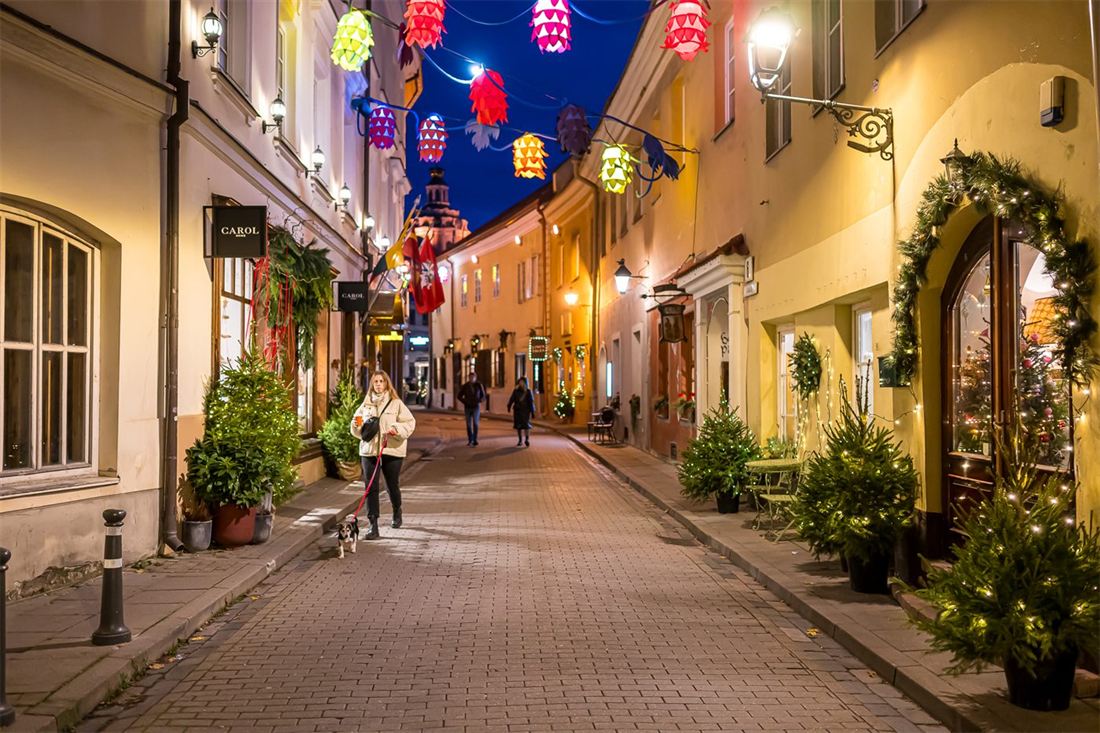
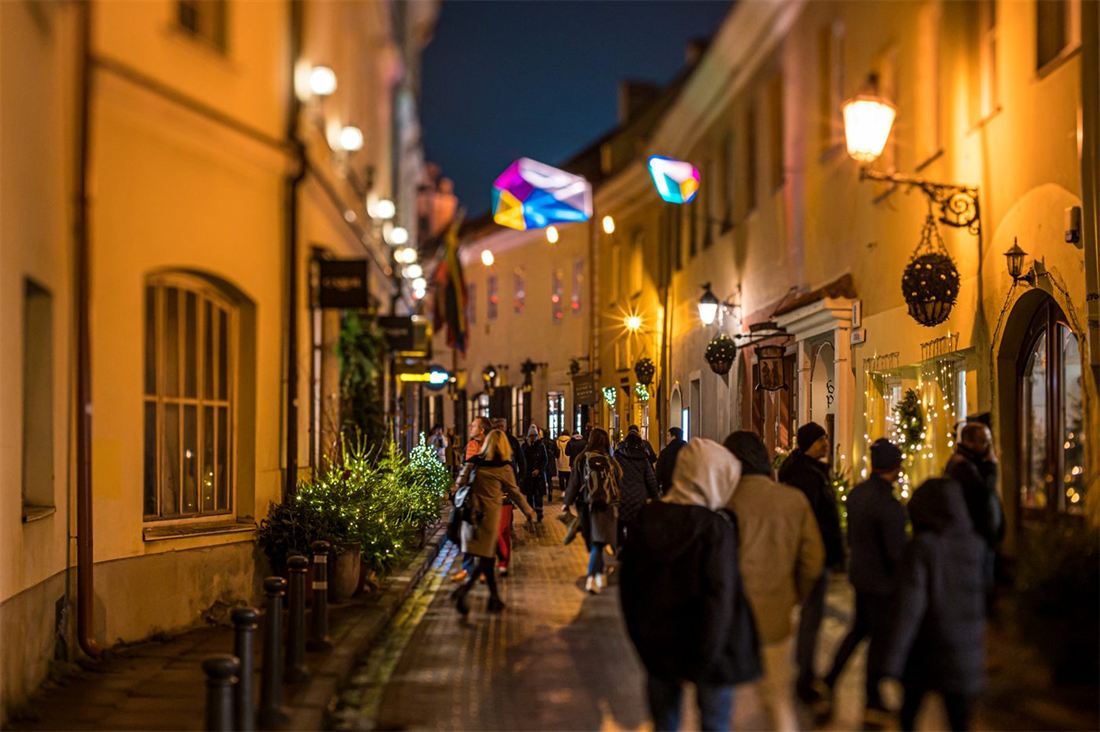
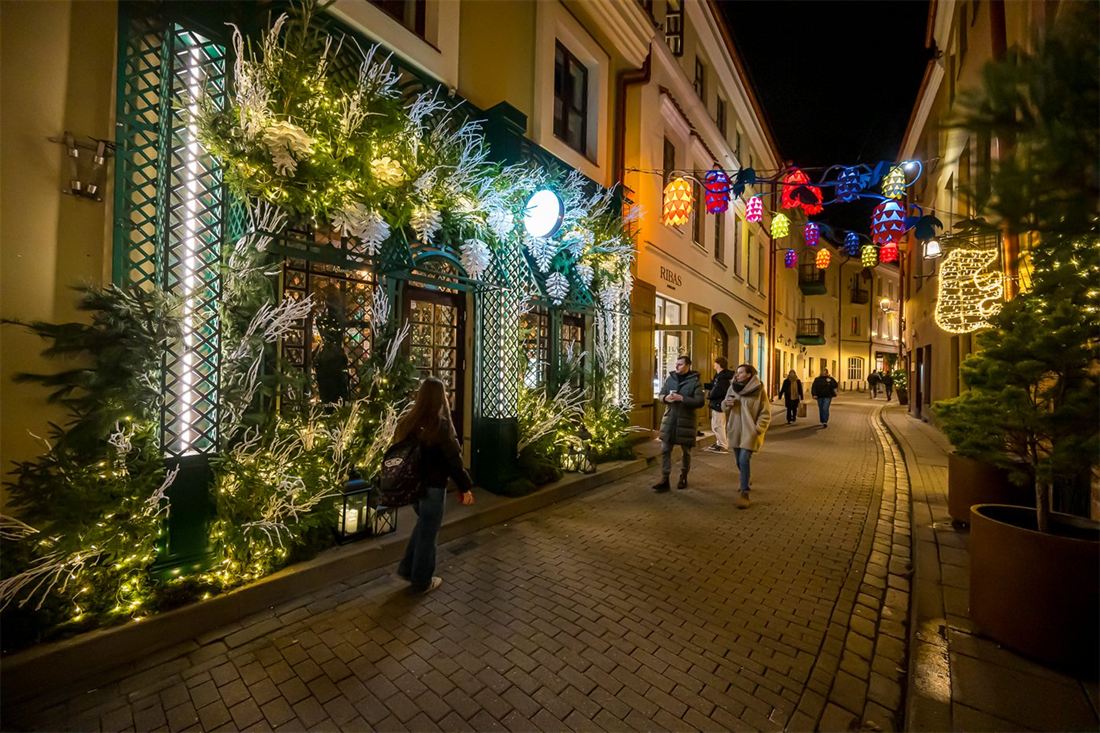
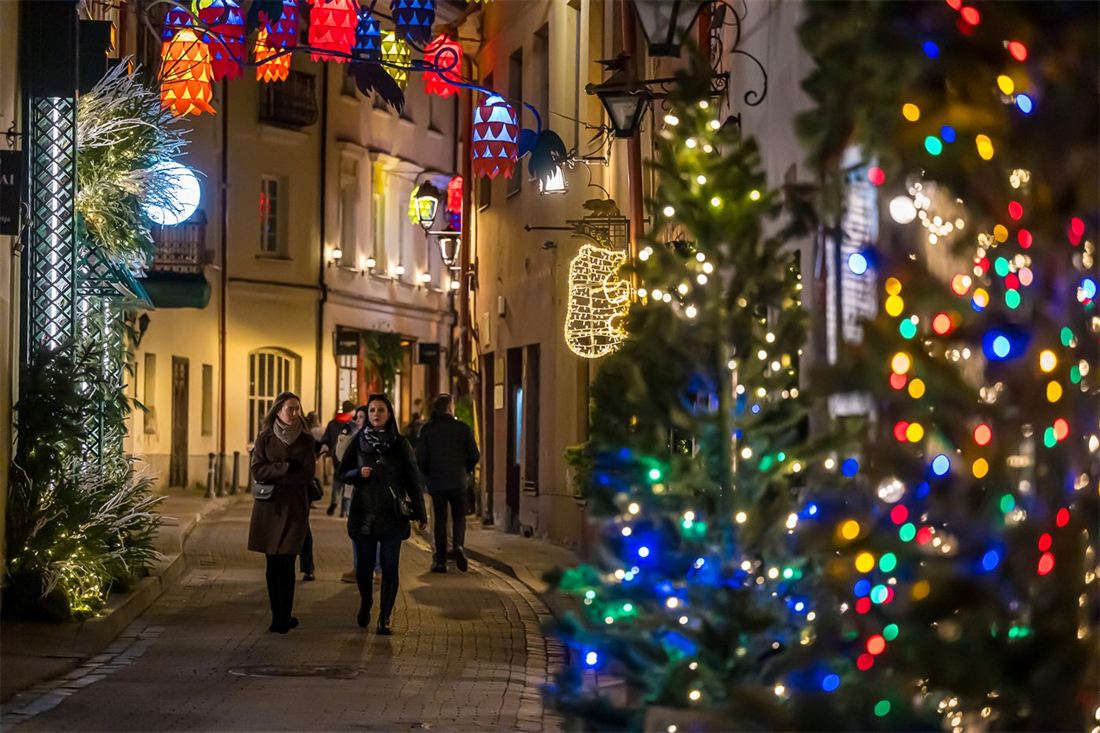
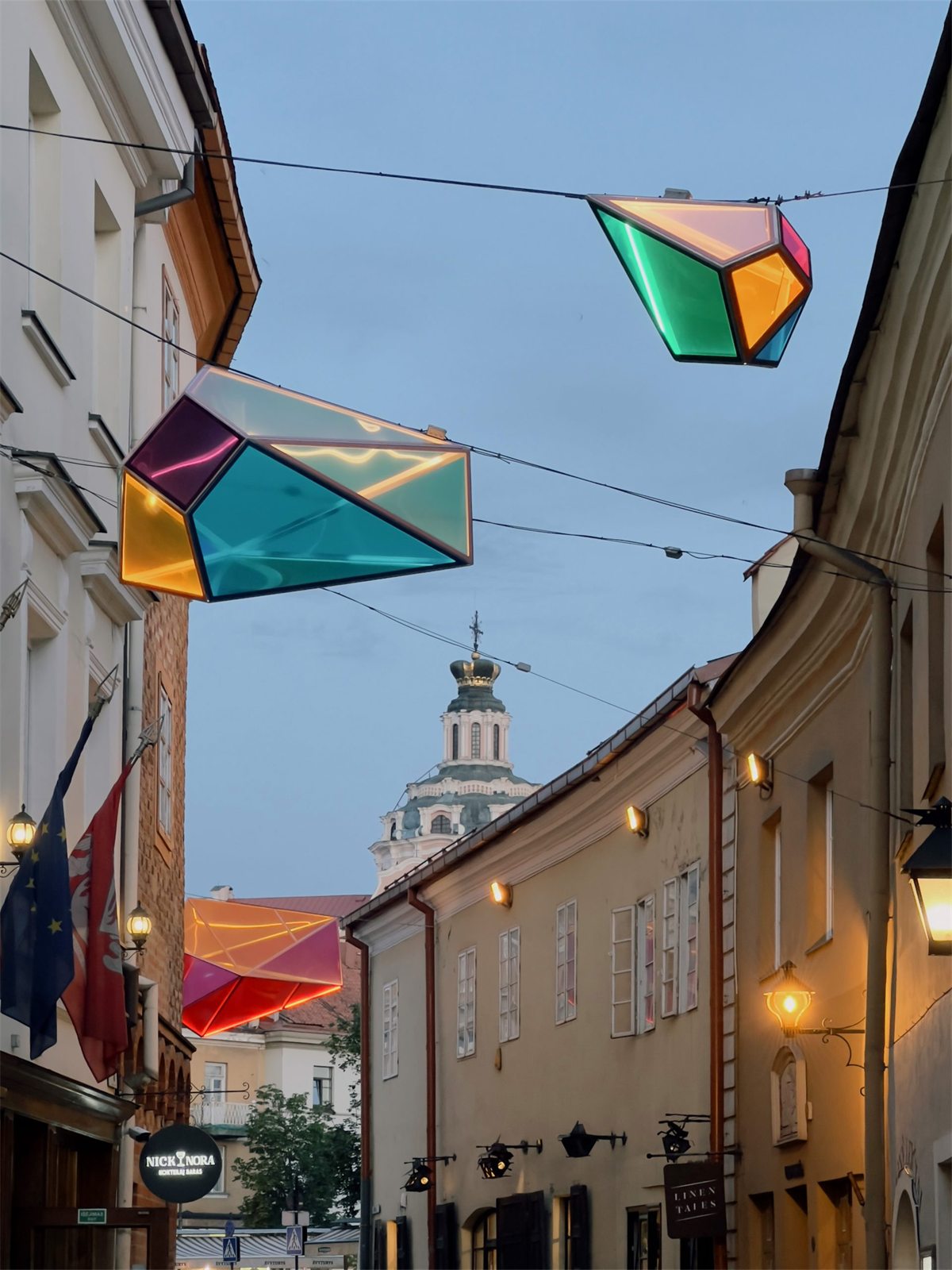
In 2018, together with the business community, she gave a name to four streets of the Old Town of Vilnius, Lithuania, that tour groups walked through without stopping: the Glass Quarter, once a goldsmiths’ village, then home to the city’s glass manufactories and later to its first Jewish ghetto. She gathered the businesses there into a community, hung art over the streets and invented reasons to linger, from a glass festival to St Martin’s Day. ARTerija, the open-air gallery she curates, changes its installations every six months and sends them on to other towns, so that the street becomes worth visiting and its shops can live.
The label Secret Love, conceived by Julia and Petras, grew out of the same work: the conviction that a place is made of its stories, and that a good story, told well, can carry a whole city. In 2021 the Mayor of Vilnius, Lithuania, recognised her contribution to placemaking; in 2025 she brought two queens born in Vilnius into the National Museum, and in 2026 she brought Barbara into a novel.
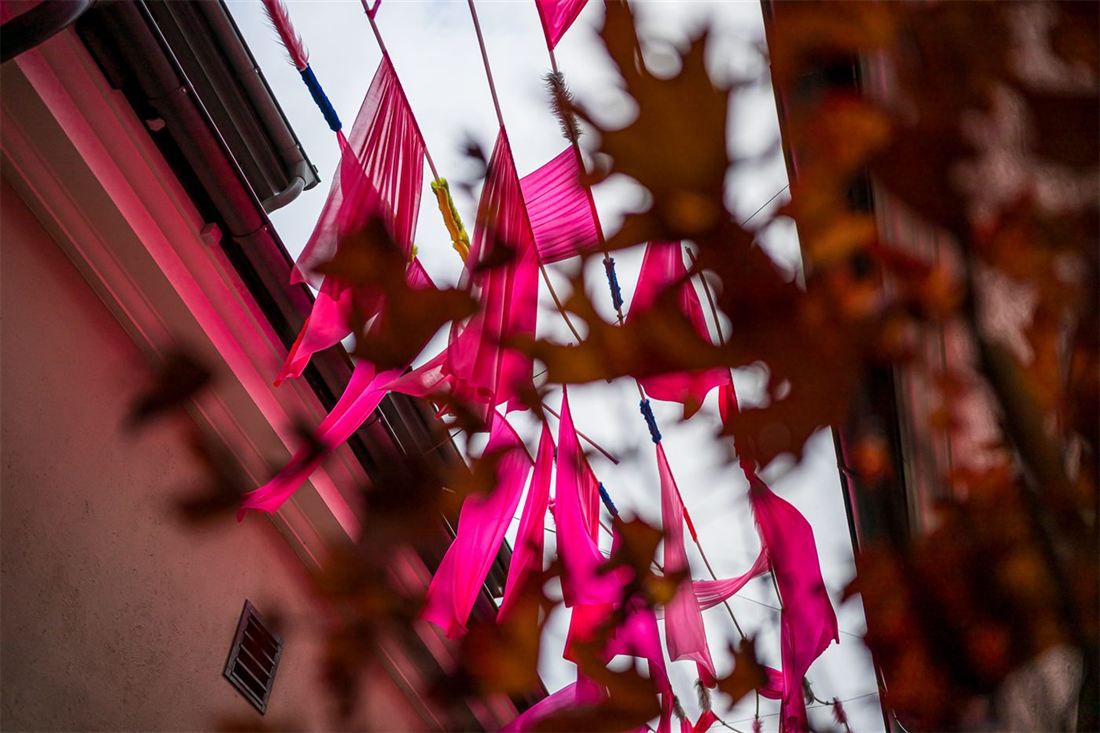
Her own account of the Glass Quarter is precise. The four streets, Stiklių, Gaono, Žydų and Antokolskio, were in the fifteenth century a goldsmiths’ village, in the sixteenth the home of the glass manufactories and in the seventeenth the first Jewish ghetto, and for two hundred years the busiest trading place in the city; yet their layered stories had gone untold as cultures changed. In 2018 the quarter’s business and culture community gave it its name. Stiklių Street had only a passing flow of people, shortcuts from Town Hall Square to Dominikonų Street and tour groups doing three Baltic countries in three days, who never stopped to spend in the local shops. Her design answer was ARTerija: a gallery without walls whose installations change every six months, chosen to resonate with the local heritage, and then move on to other towns, Dubingiai, Anykščiai and Rokiškis, so that art runs through the streets like blood through veins and the places where it hangs become must-sees. It works with municipalities and local businesses, and its exhibitions can be hired and restaged elsewhere.
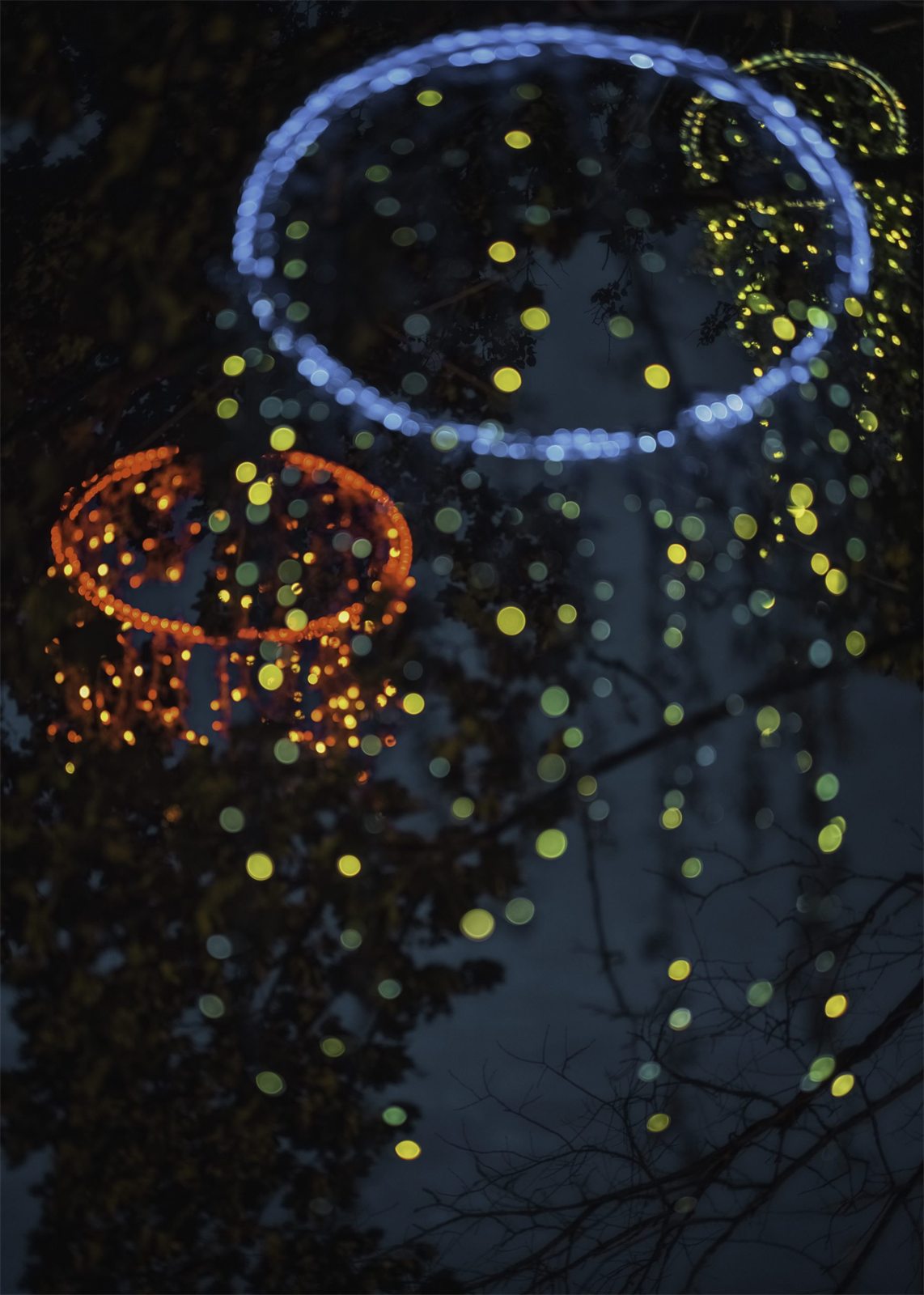
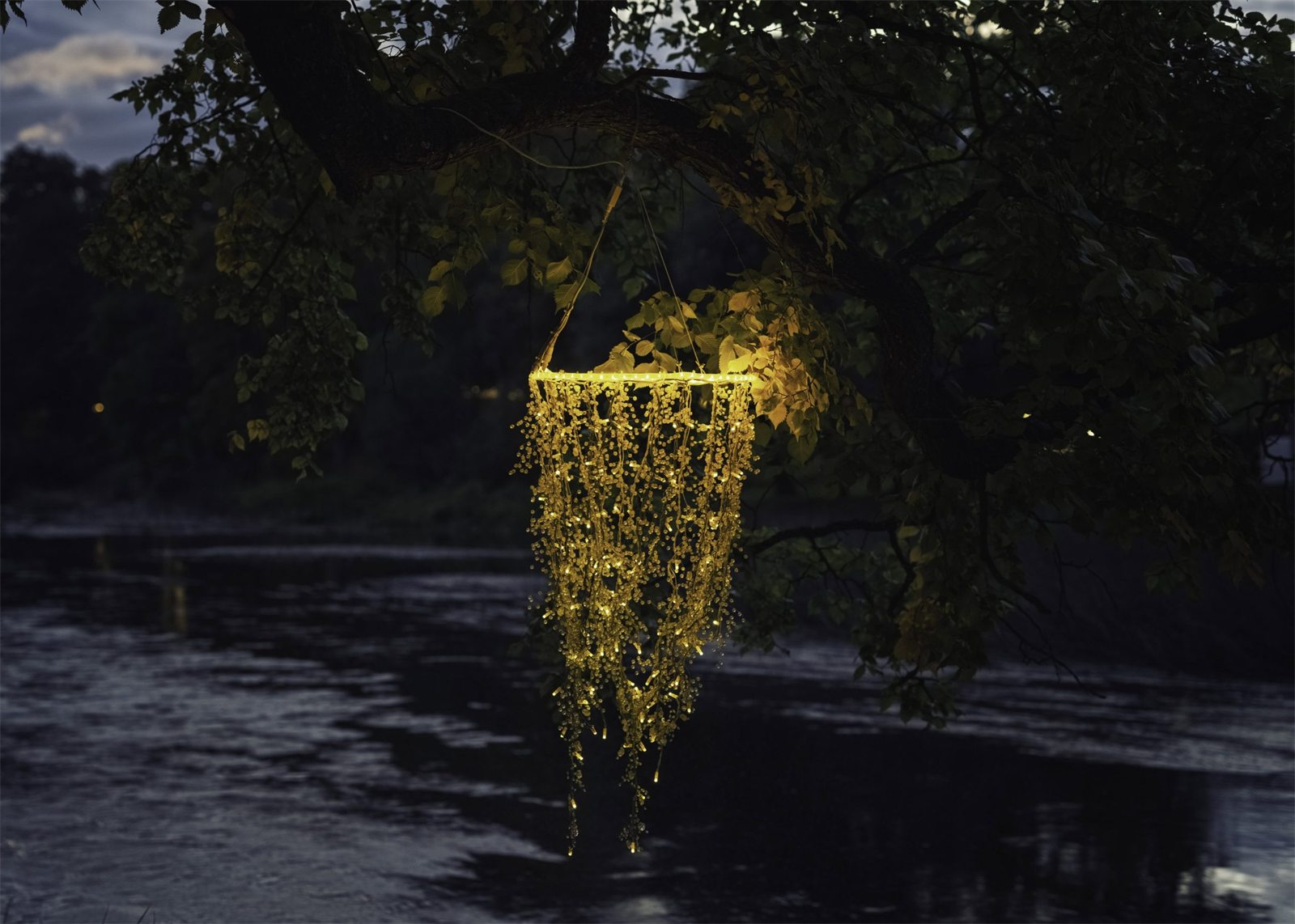
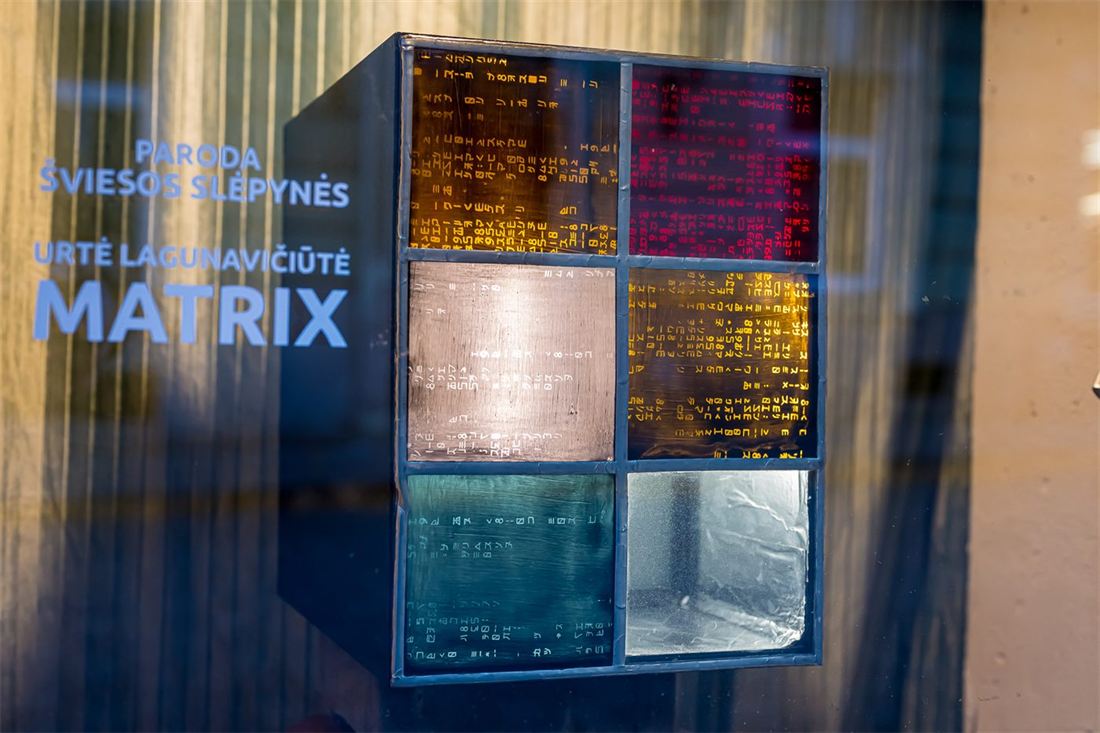
Around it she invented reasons to linger: the Glass Design and Art Festival, where Petras’s Vitrum hung over the street; St Martin’s Day; a donut festival in the Senators’ Passage; the Vilnius Academy of Arts students’ exhibition Hide and Seek with Light in the Jonas Mekas passage in 2023 and 2024; and Mistletoe Wreaths, twenty-five glass-bead compositions to kiss under at Christmas, later shown in Trakai and Anykščiai. She describes herself as a door: someone who brings people together to make cultural, social, visual and economic change, and she now designs placemaking strategies for the old towns of Northern Europe.
Art: painting, sculpture, installation
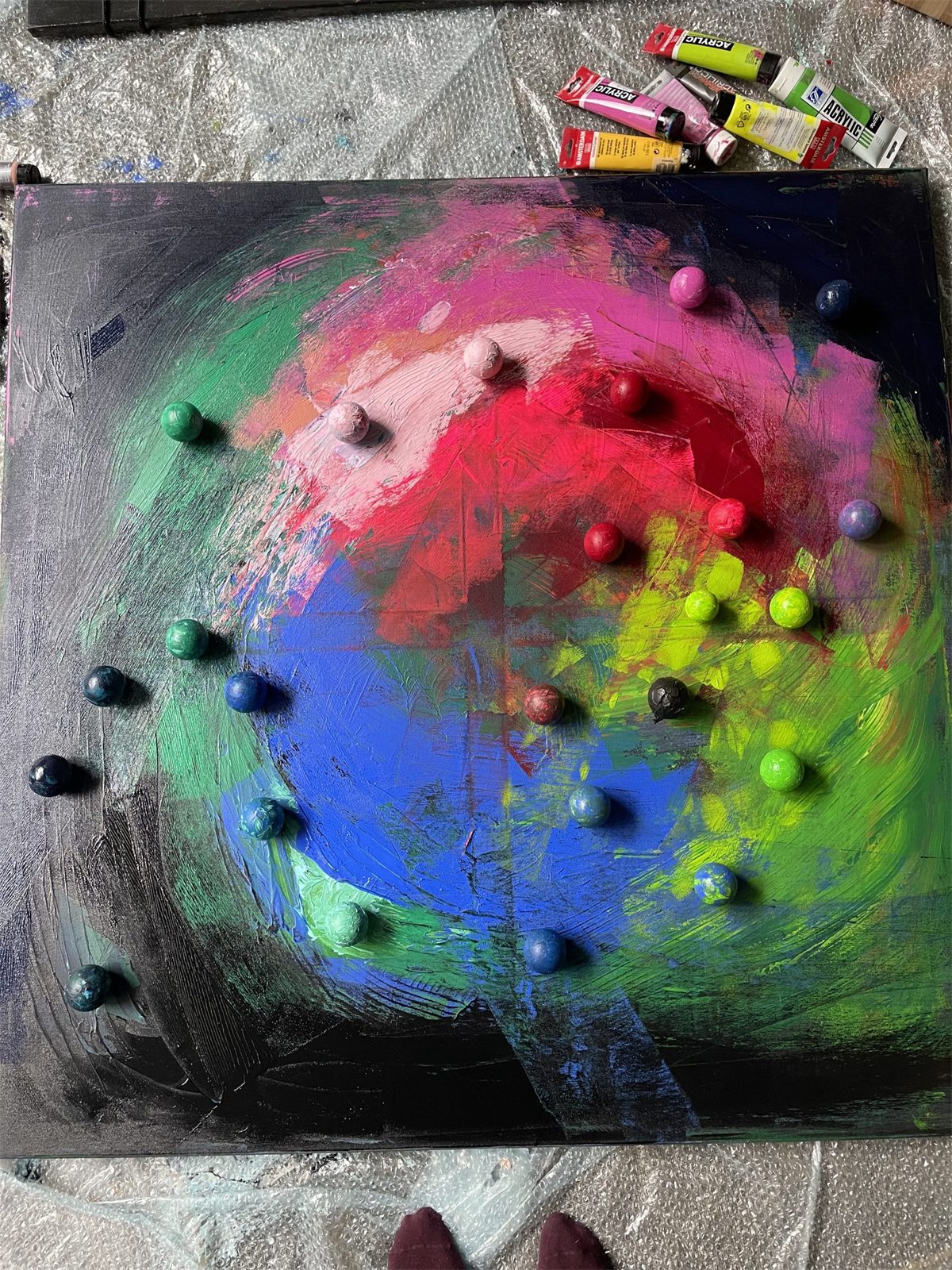
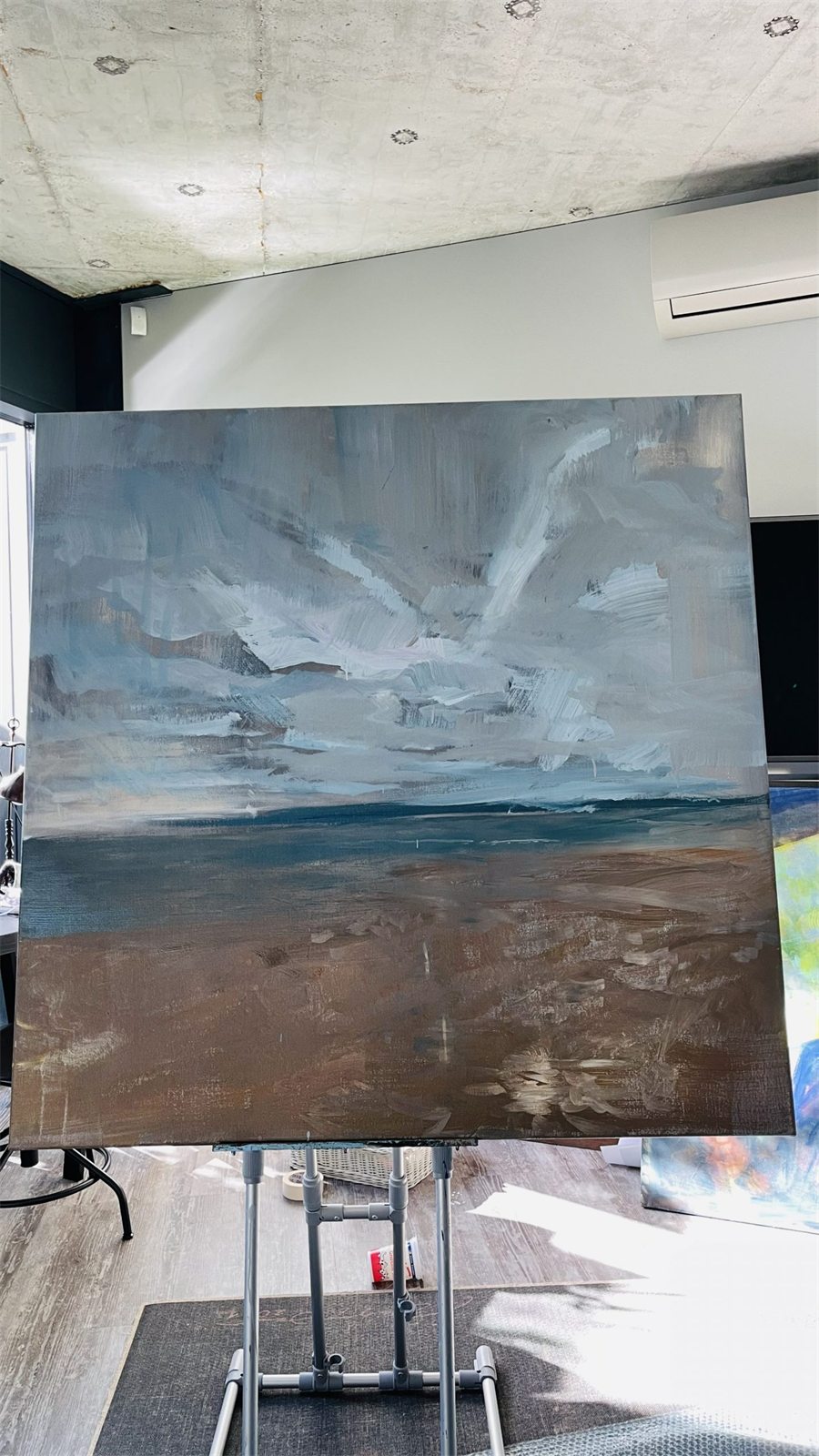
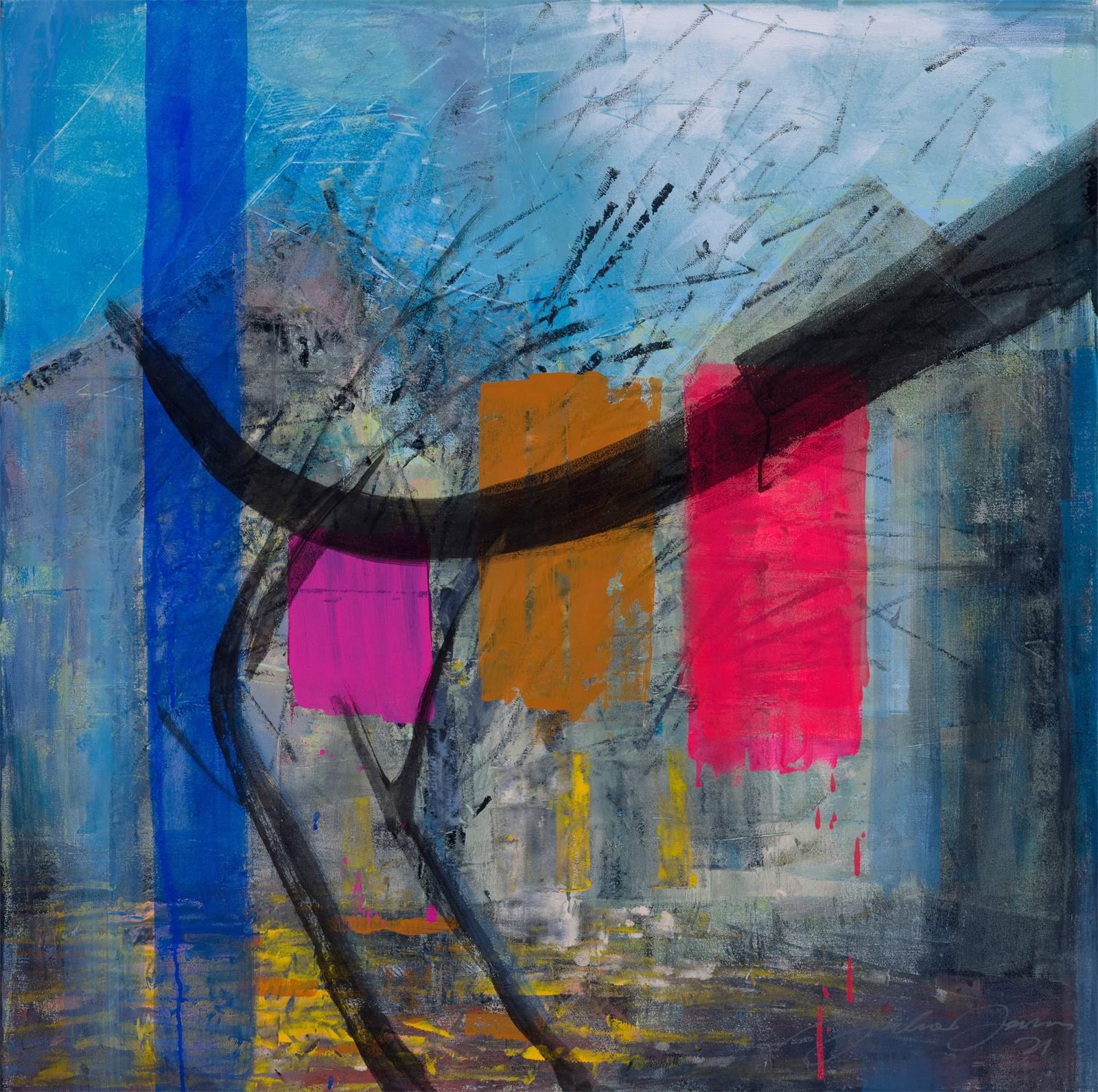
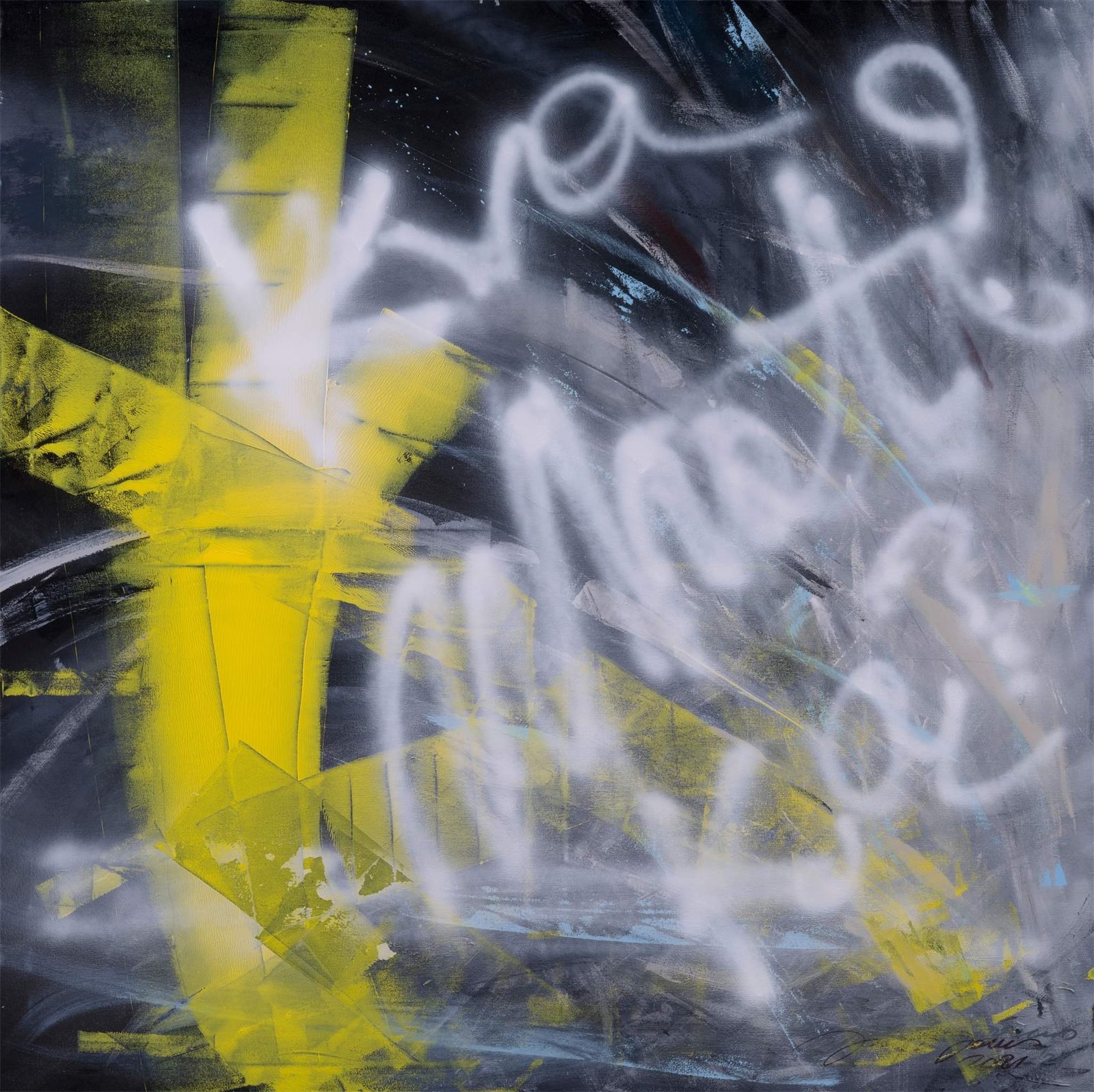
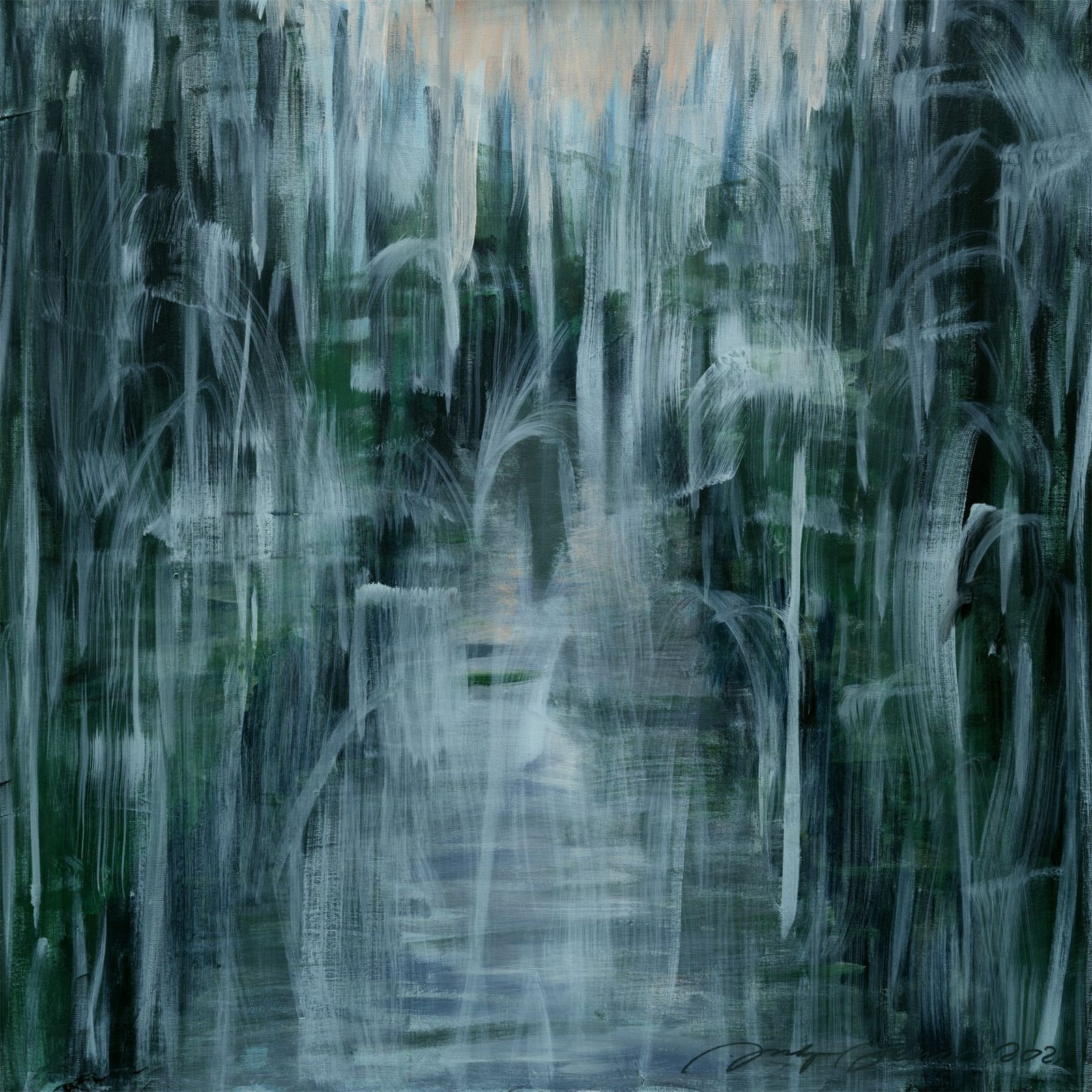
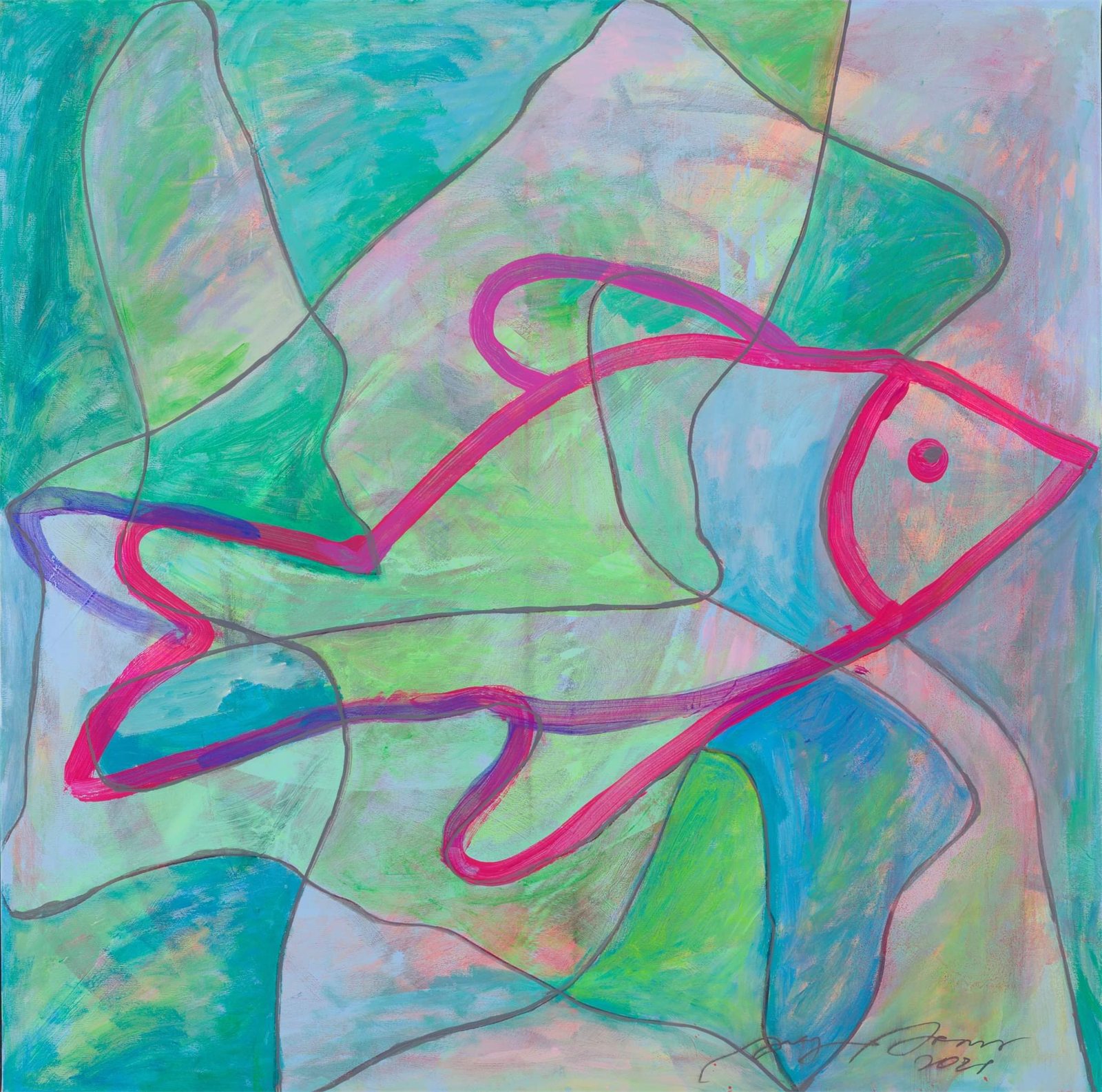
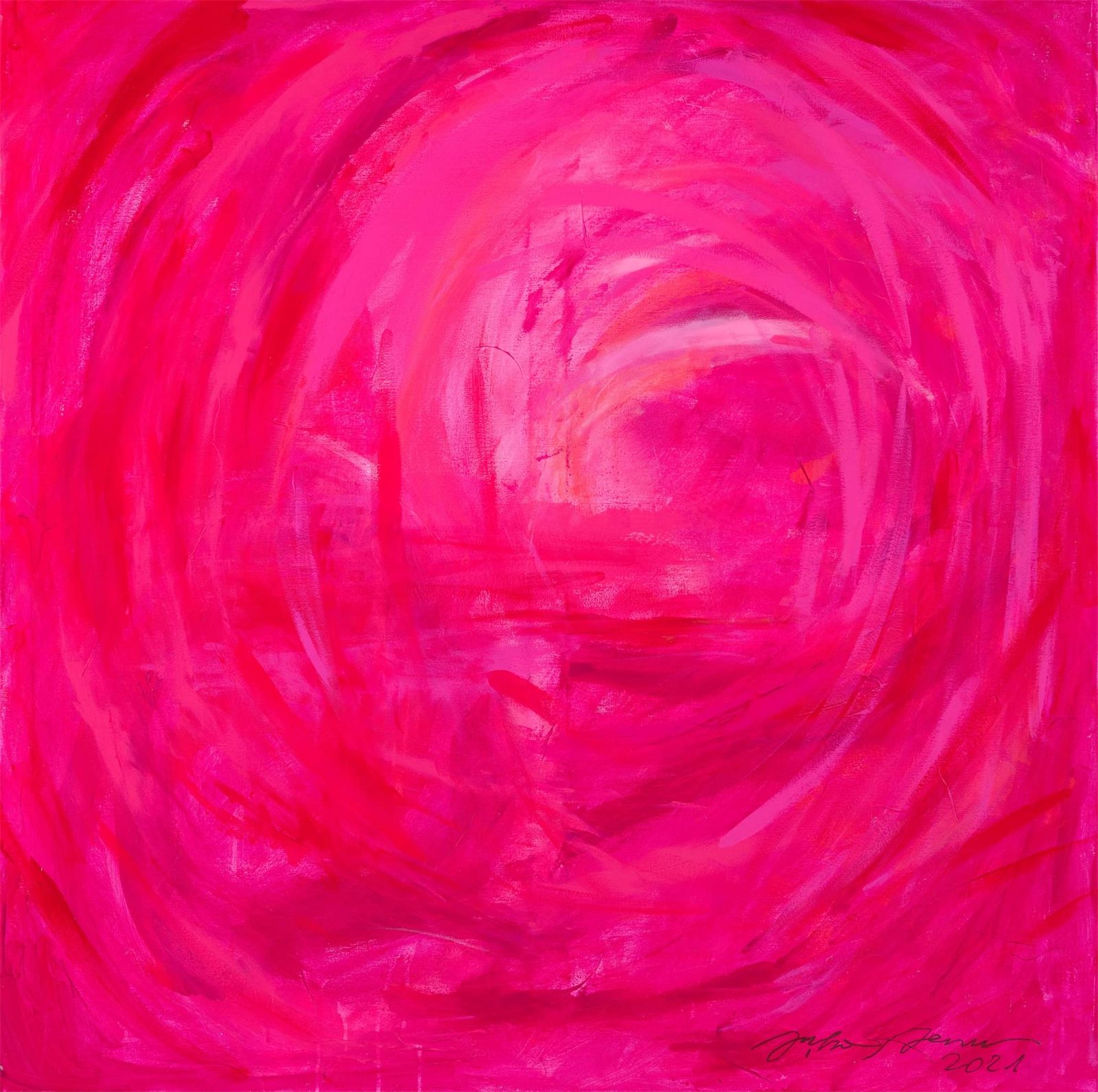
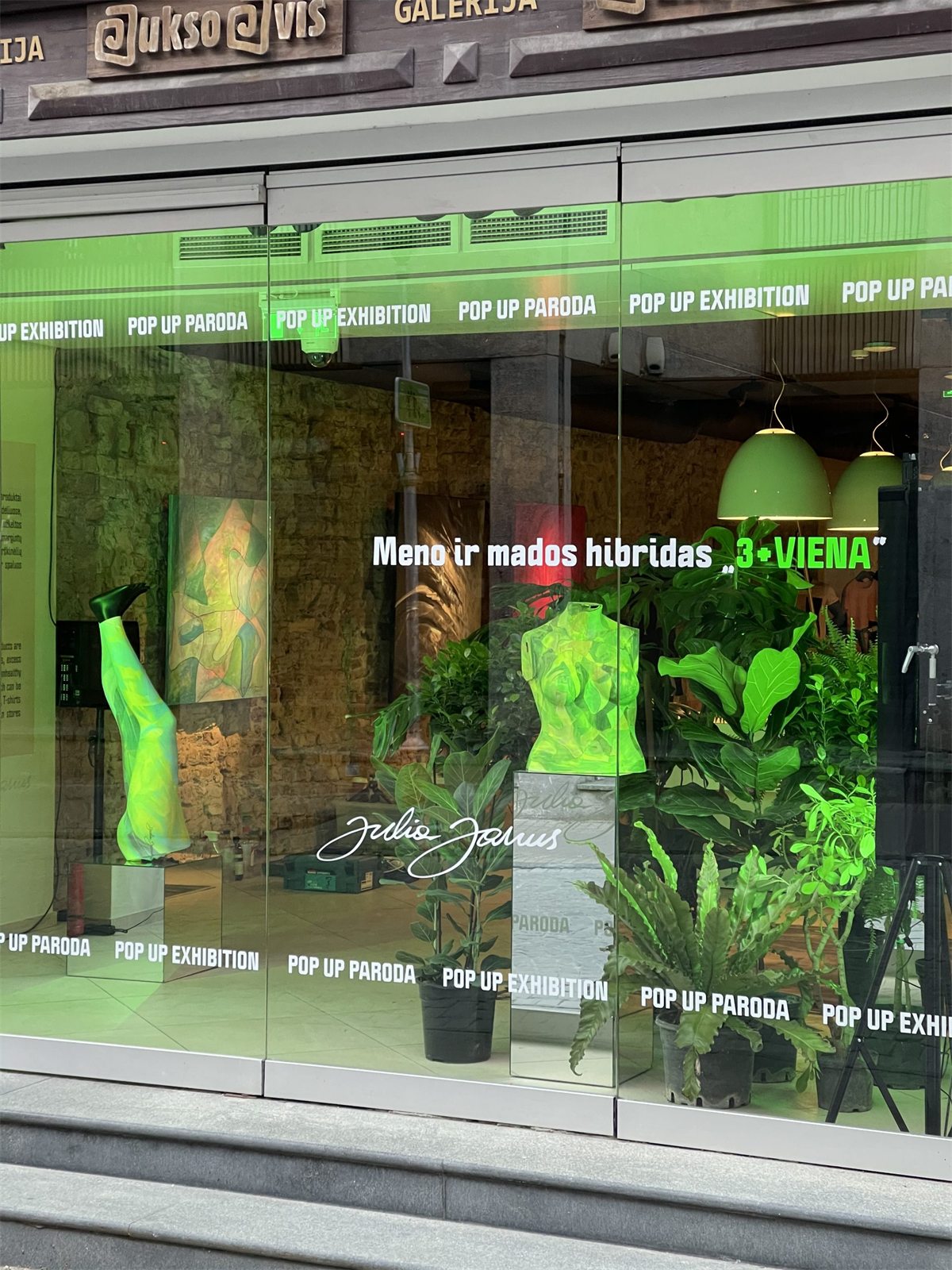
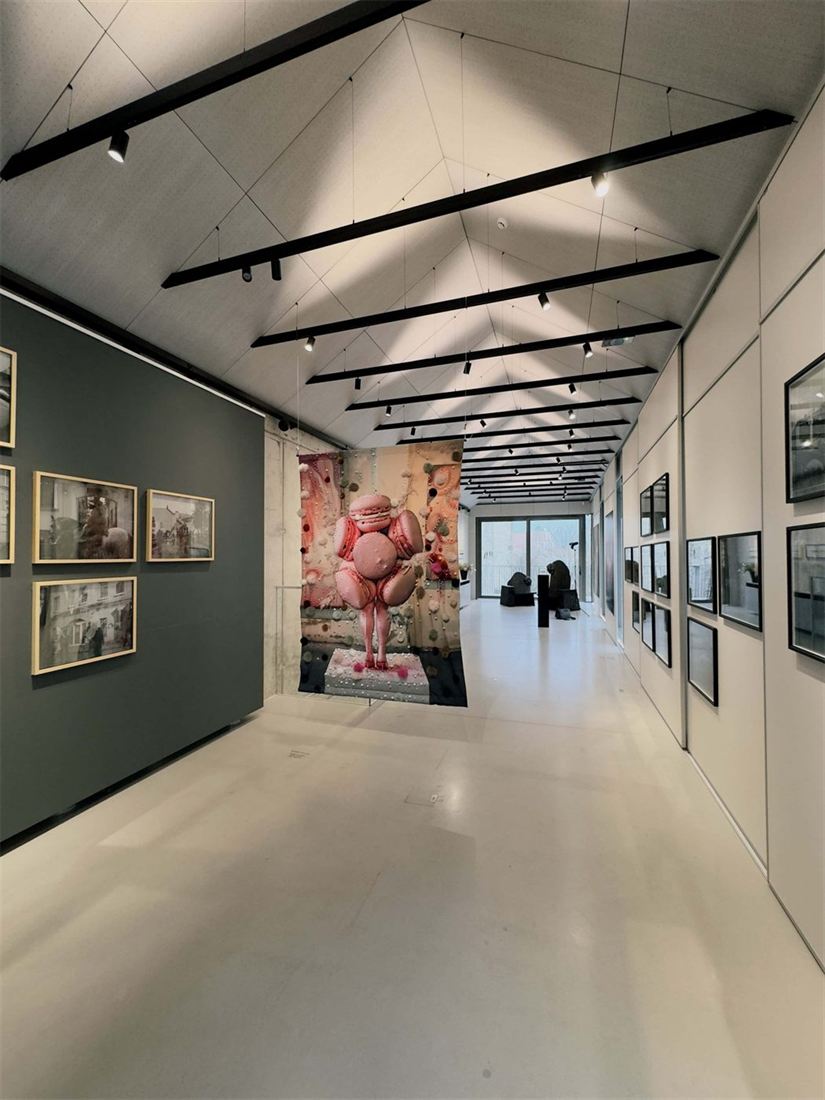
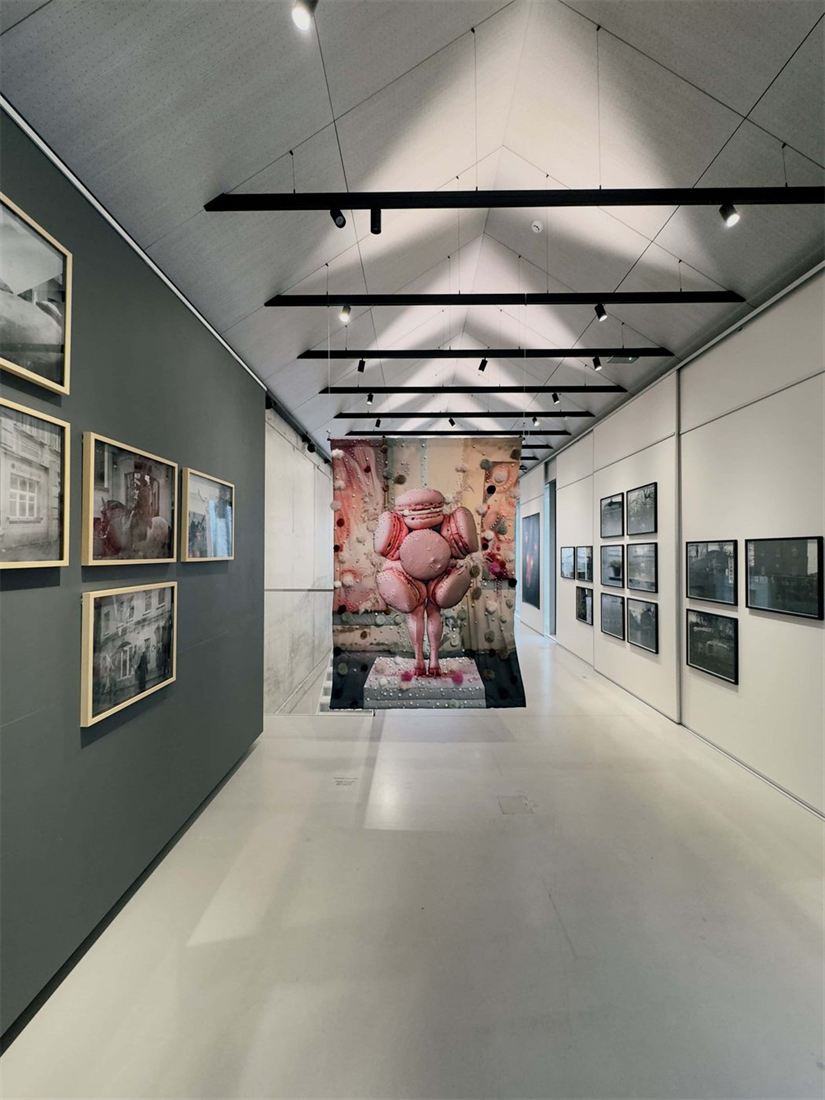
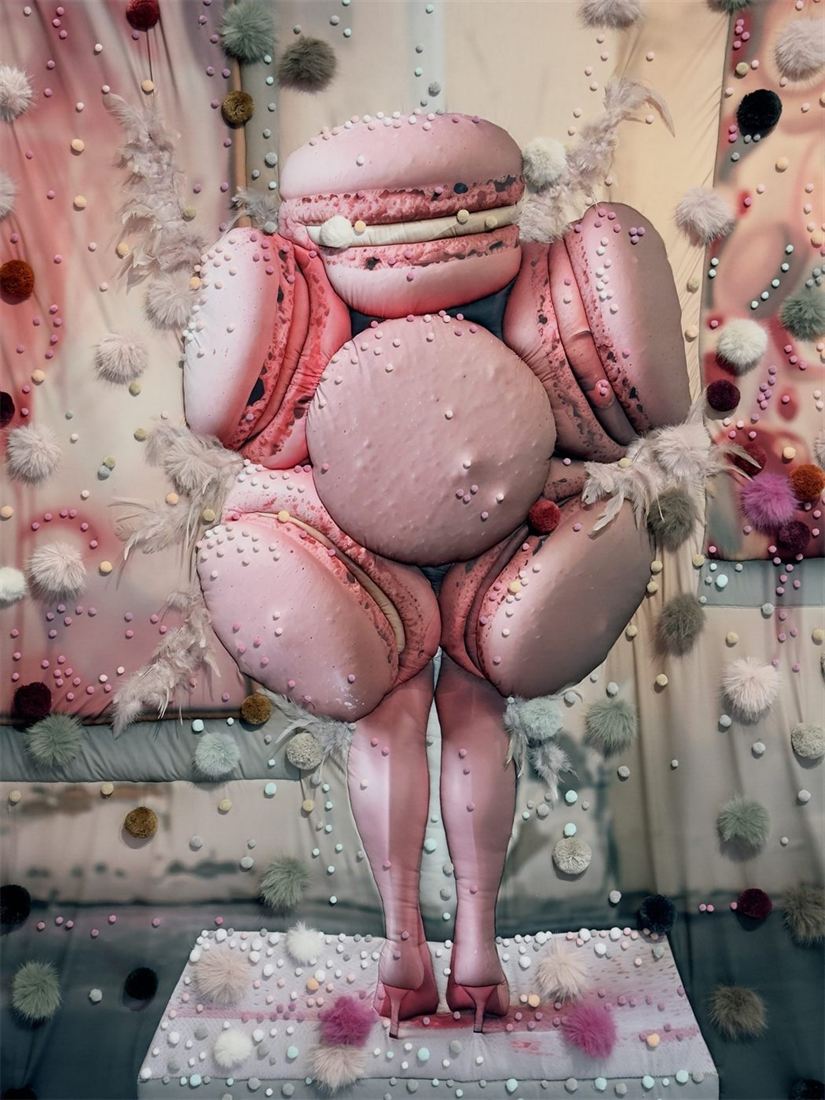
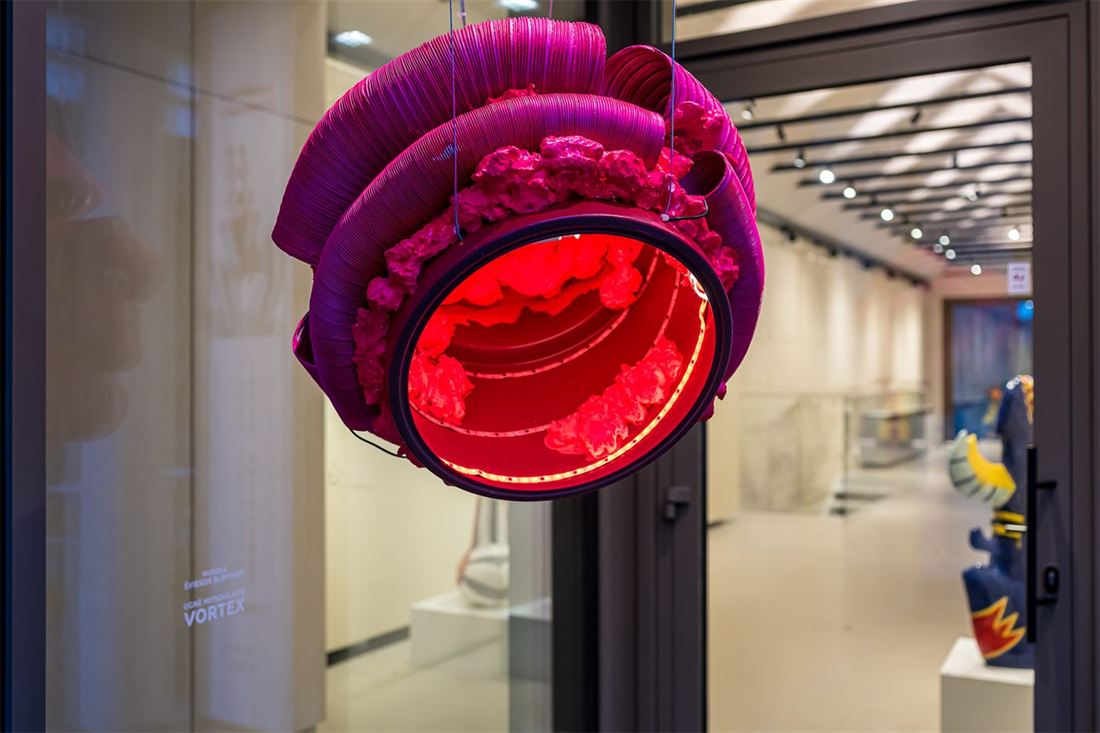
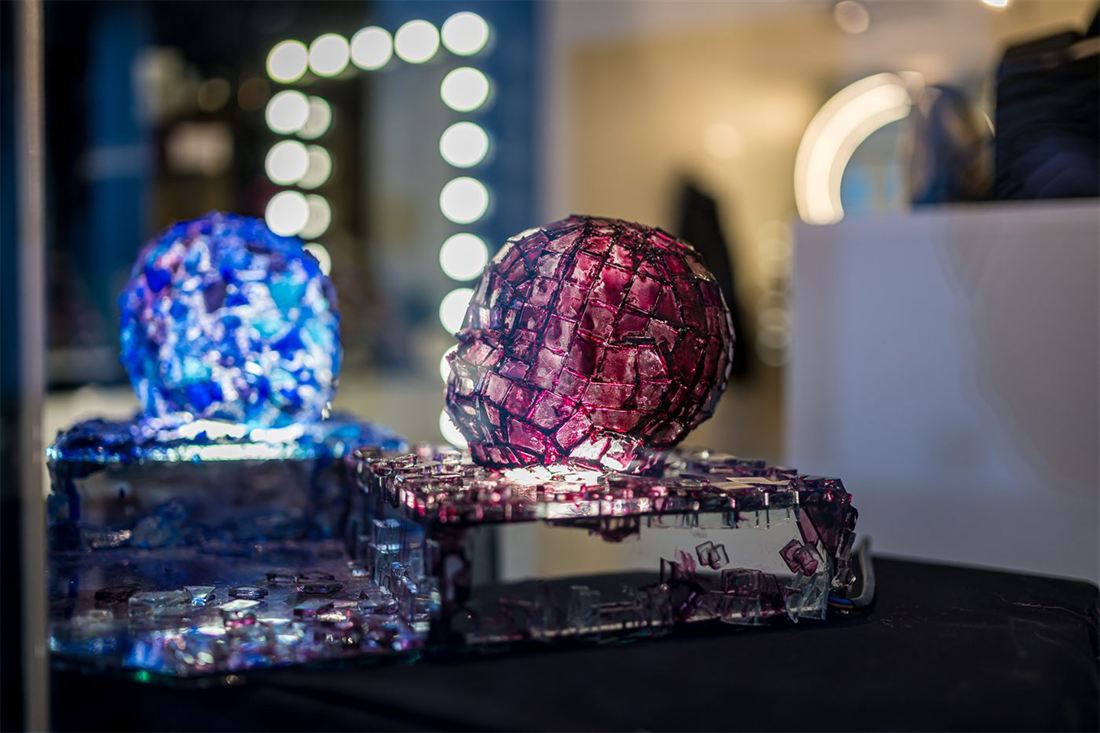
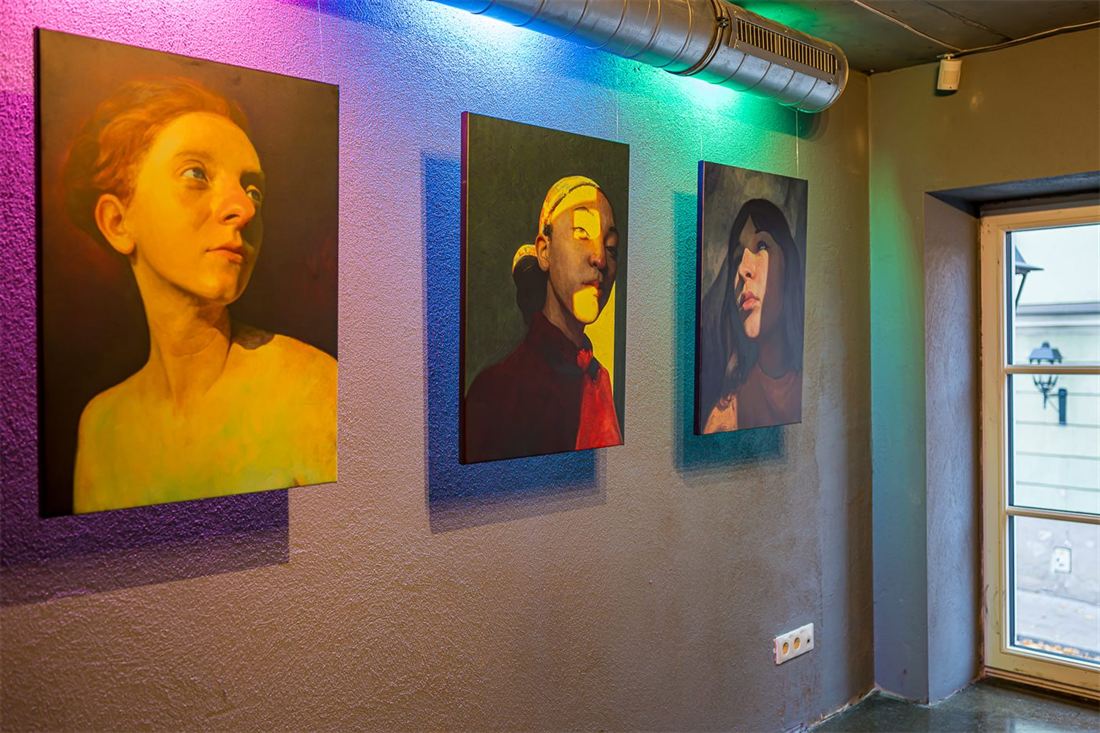
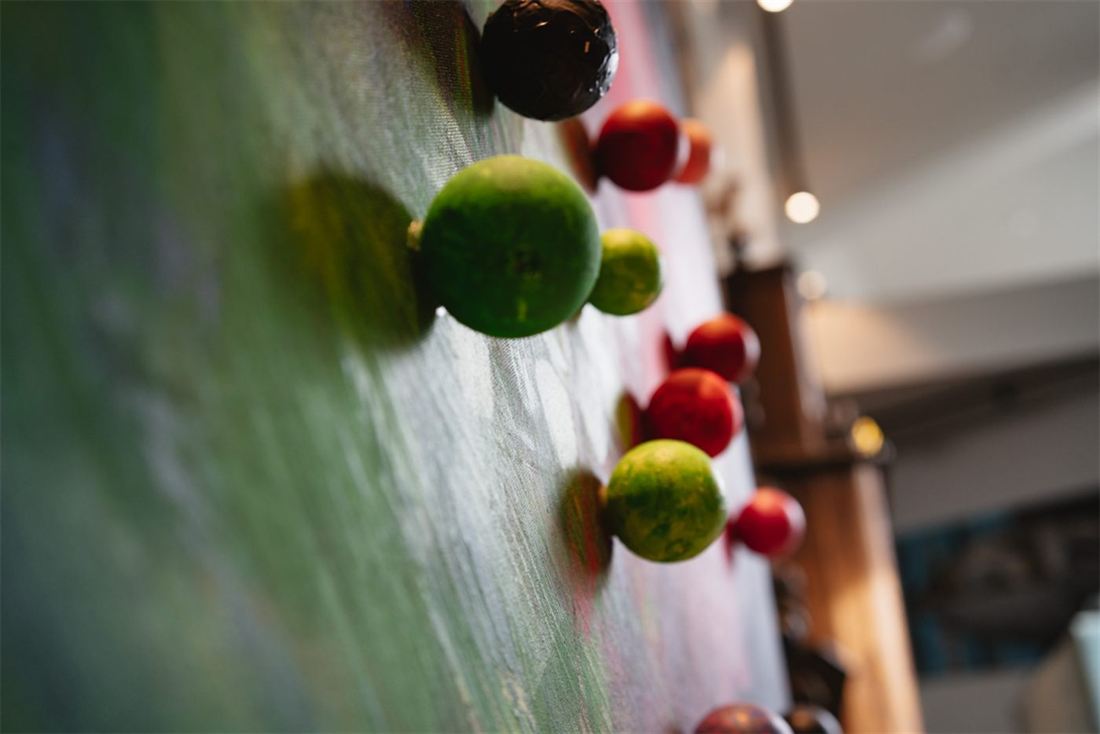
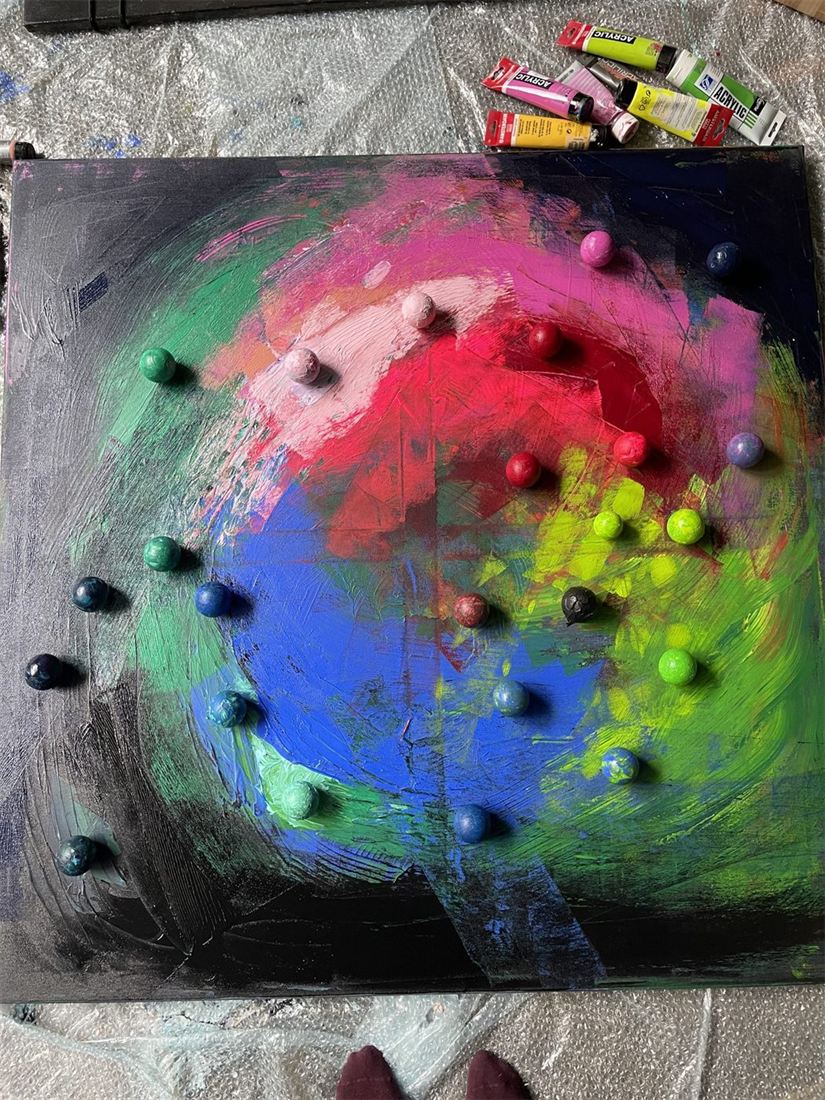
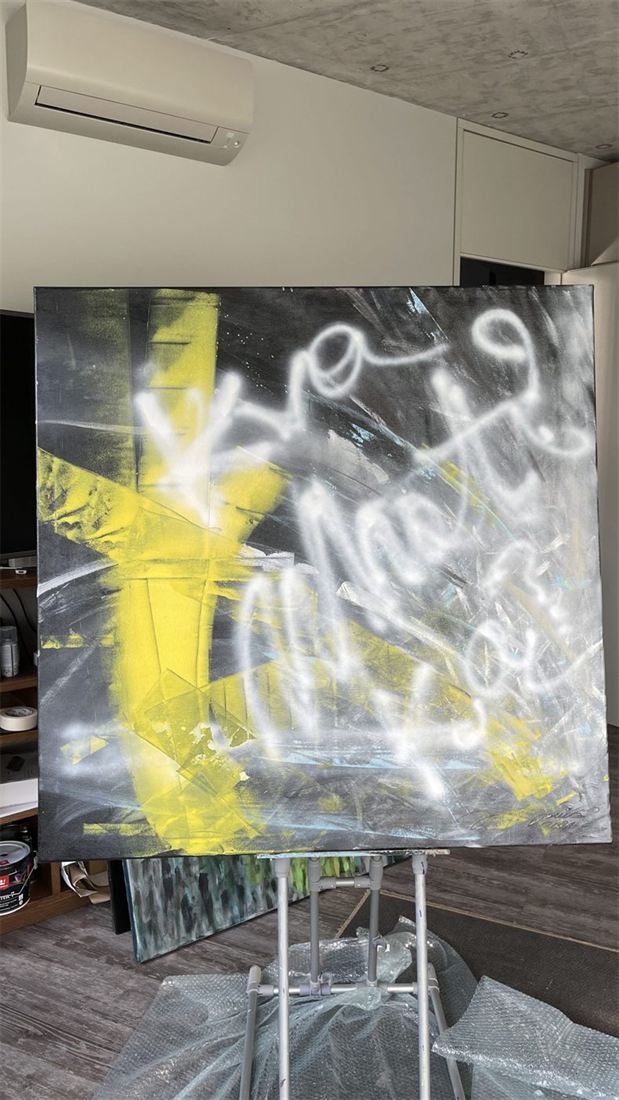
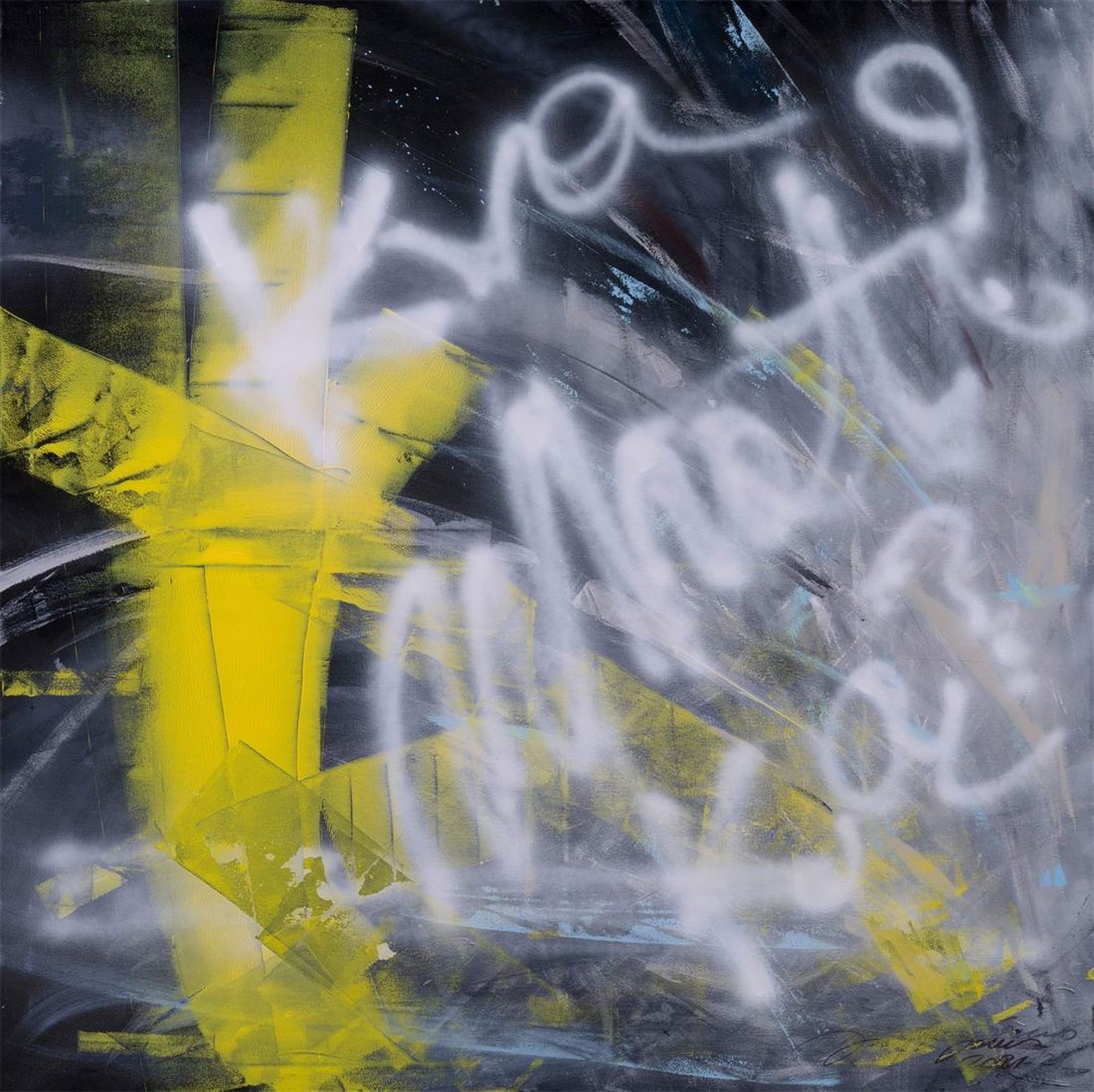
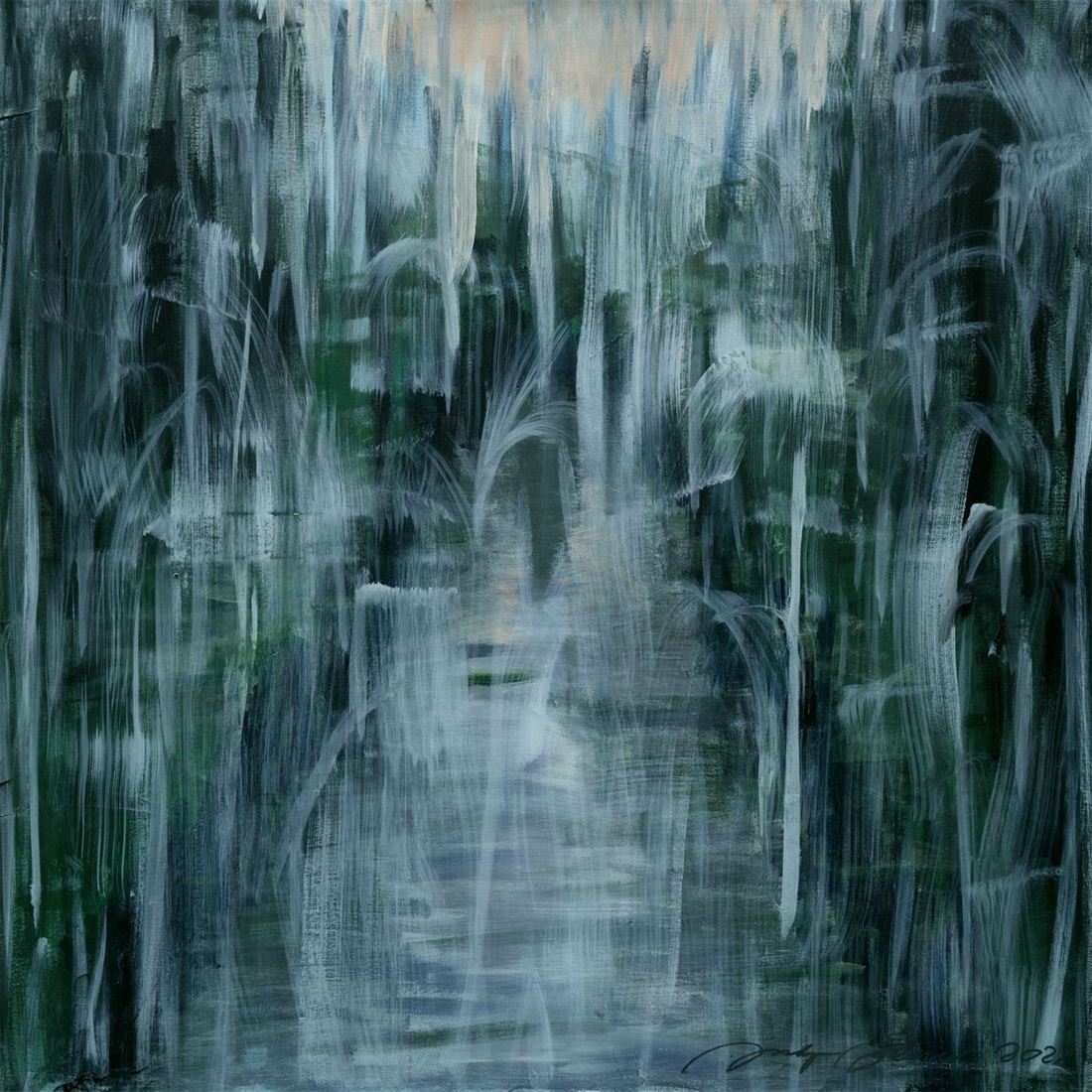
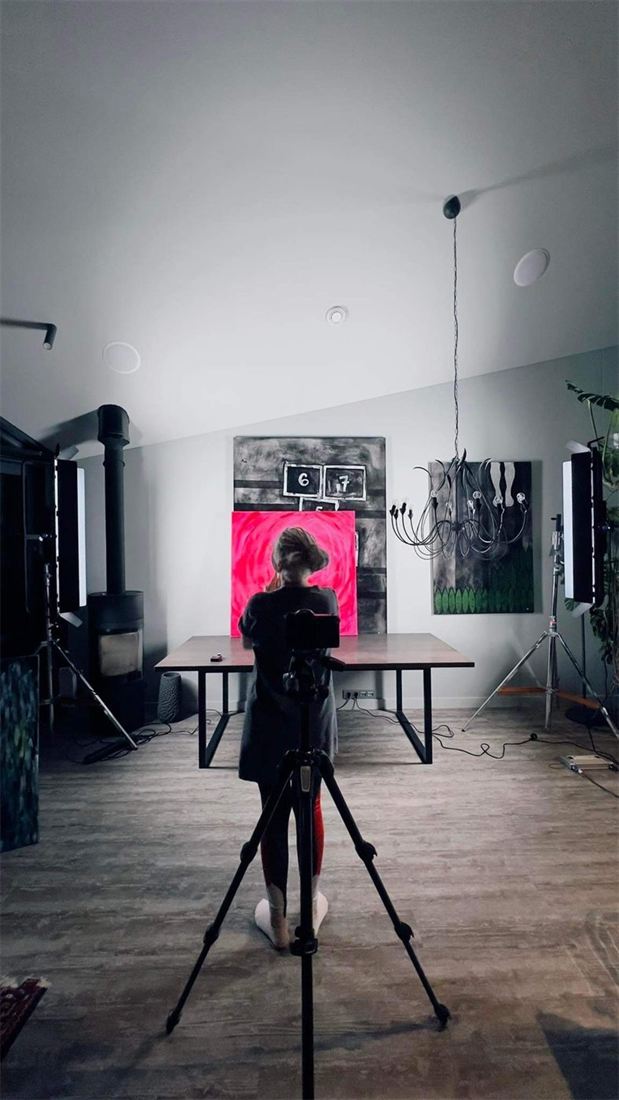
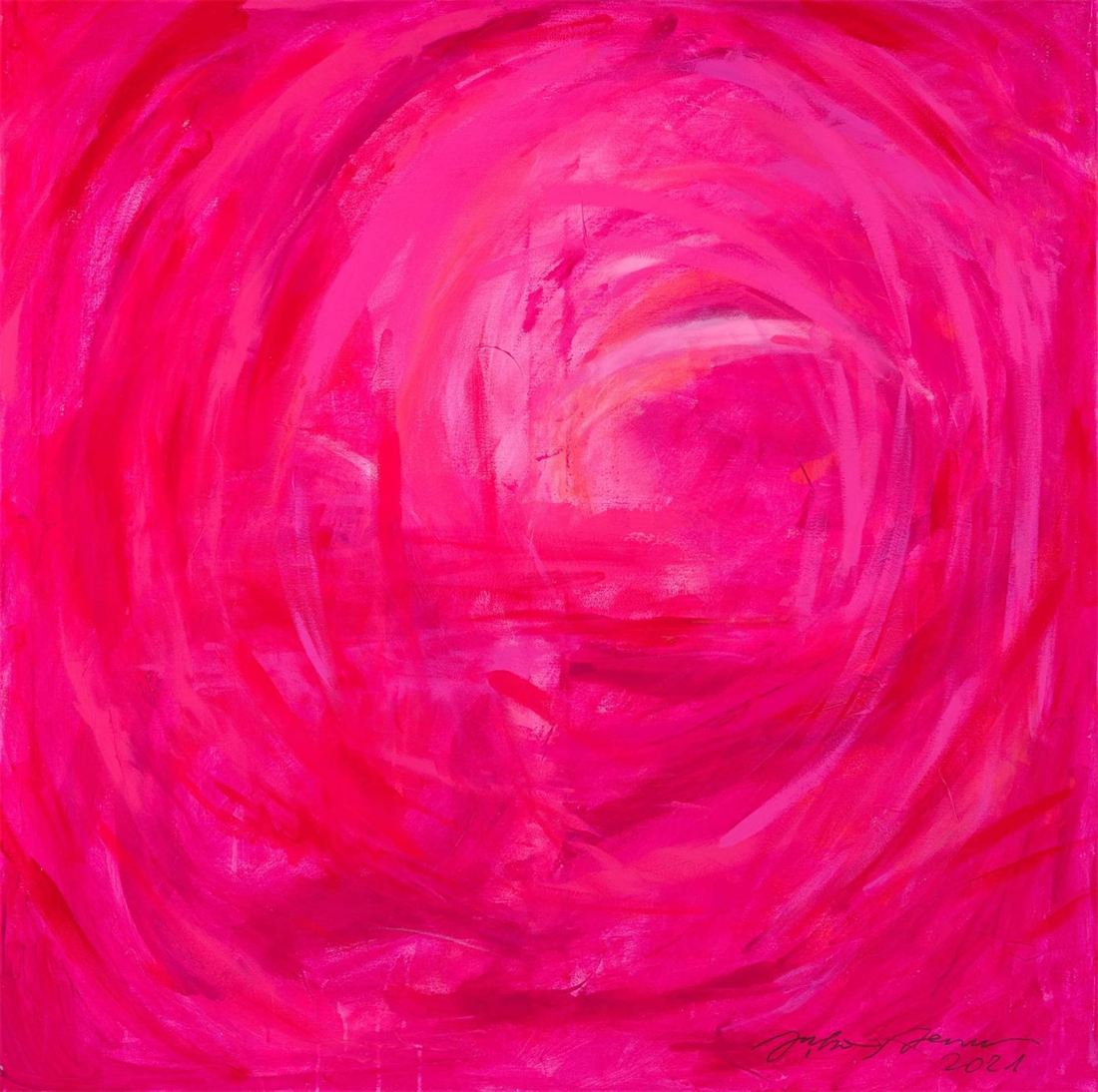
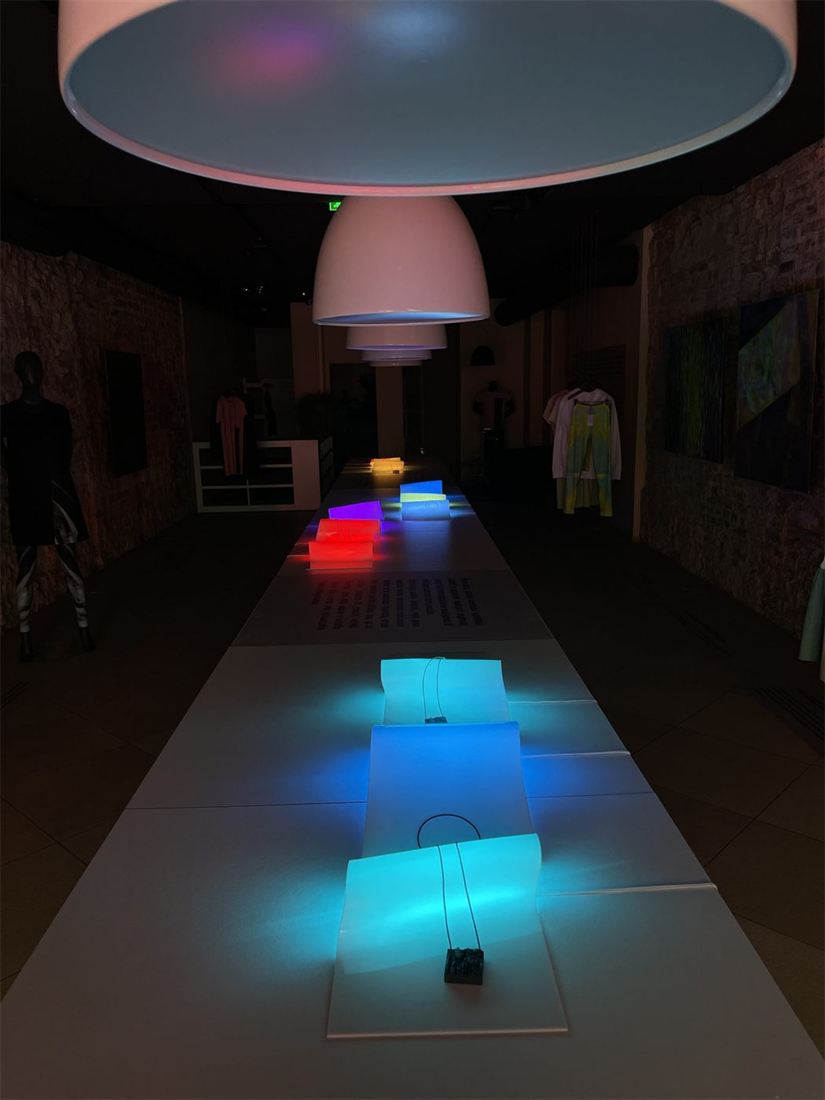
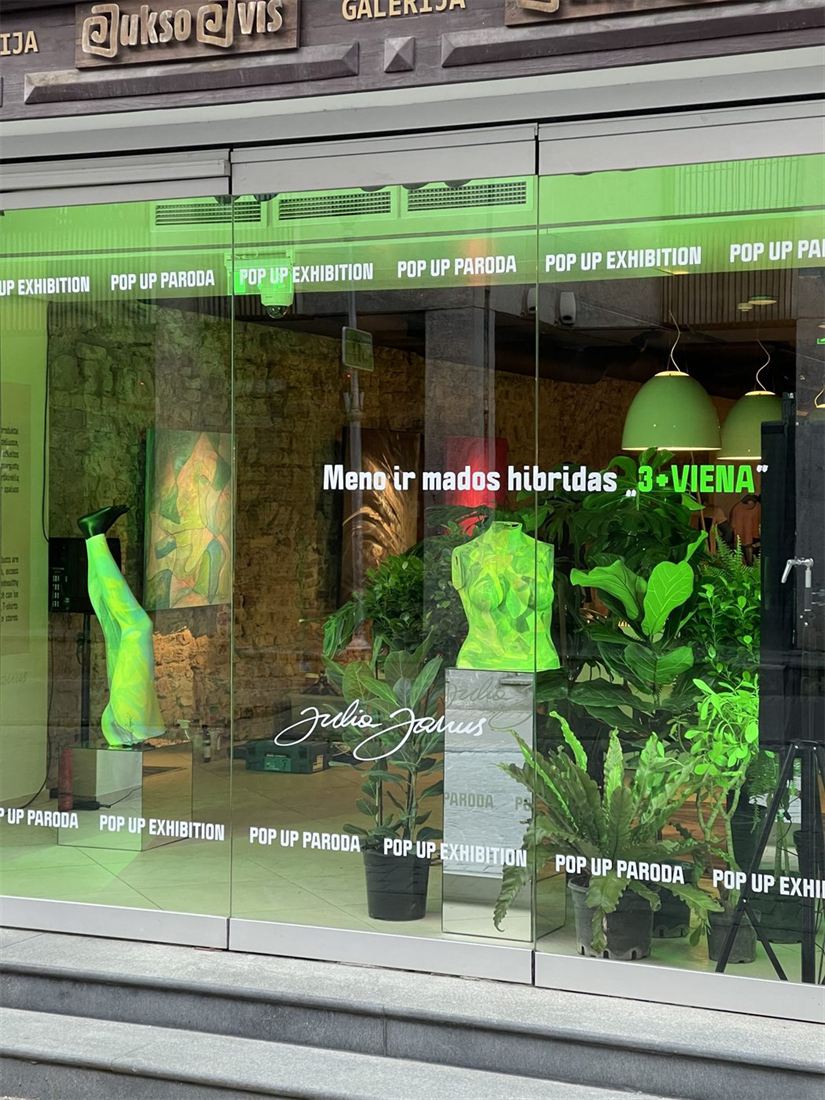
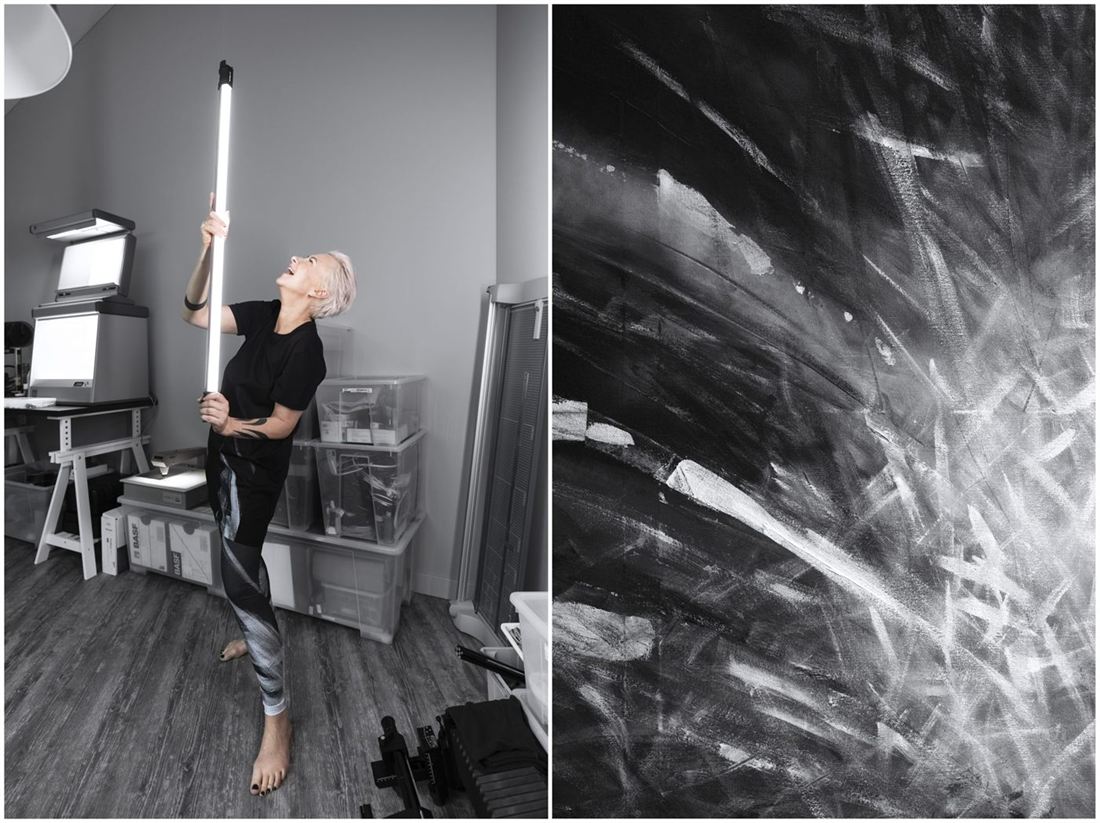
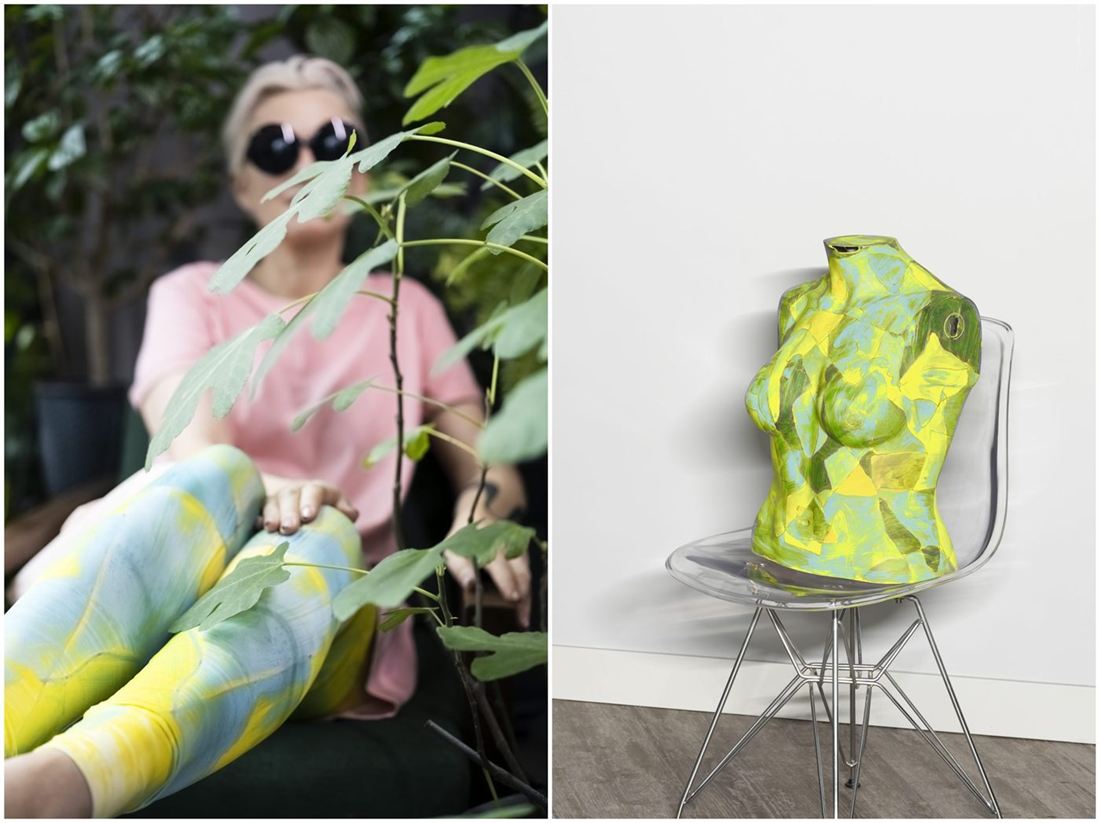
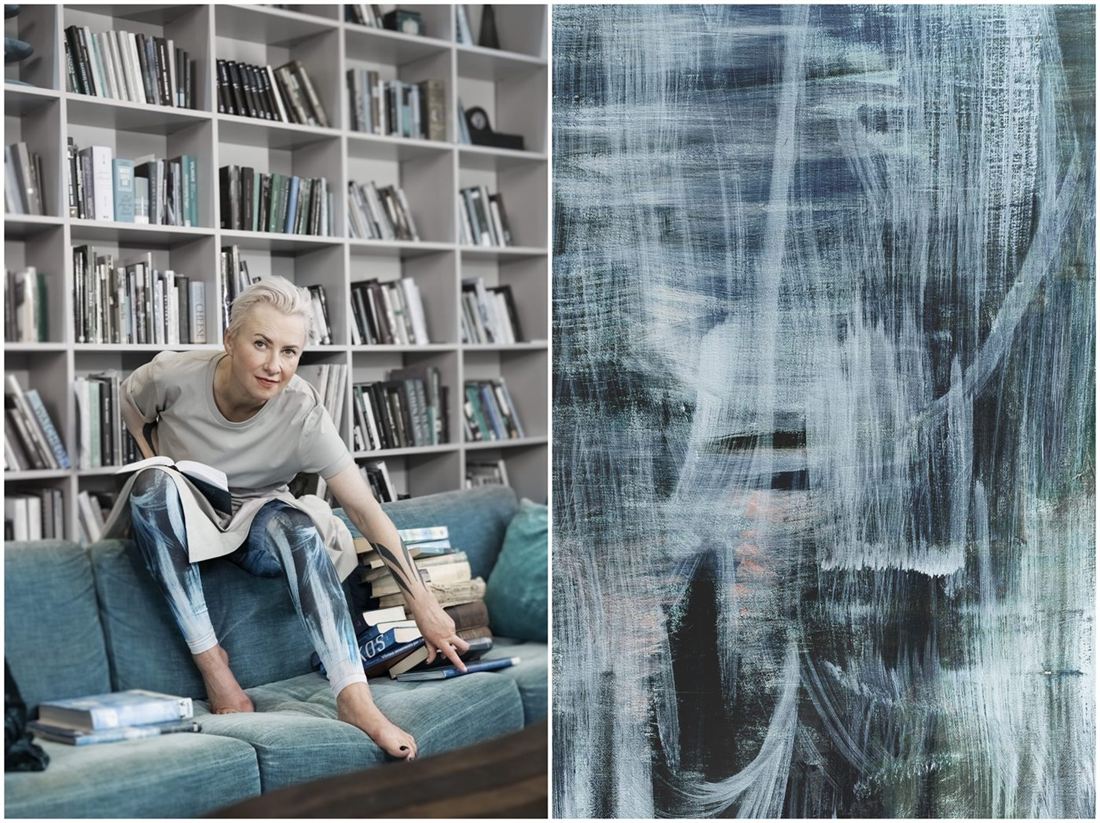
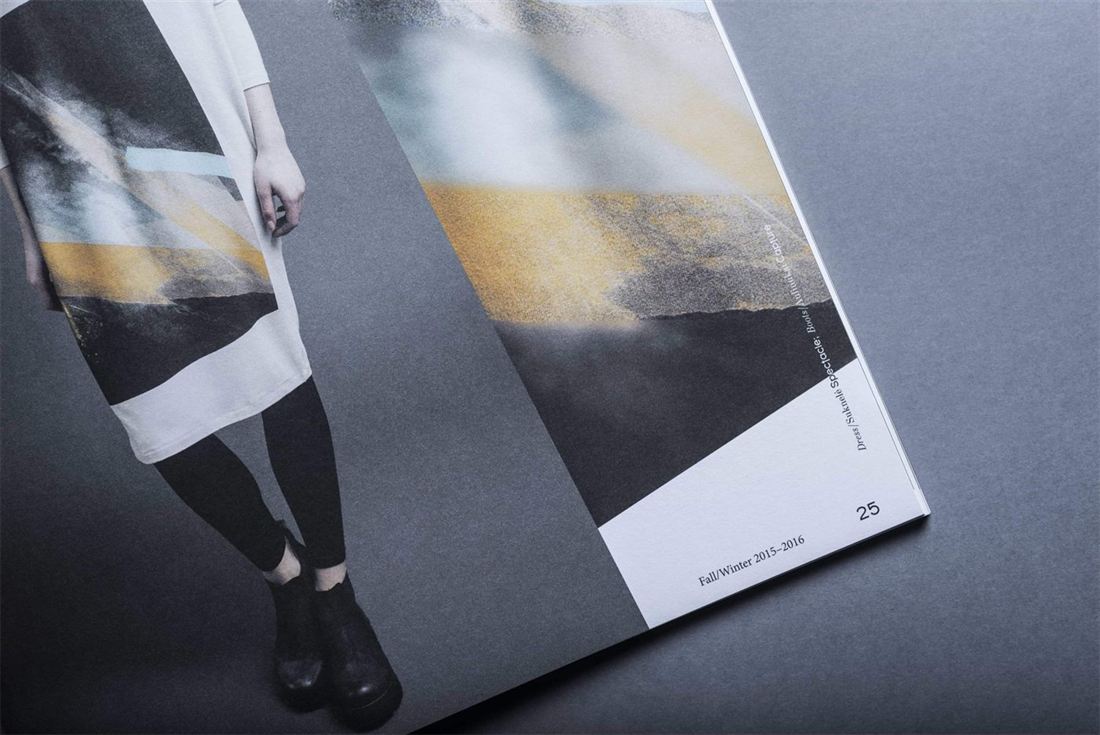
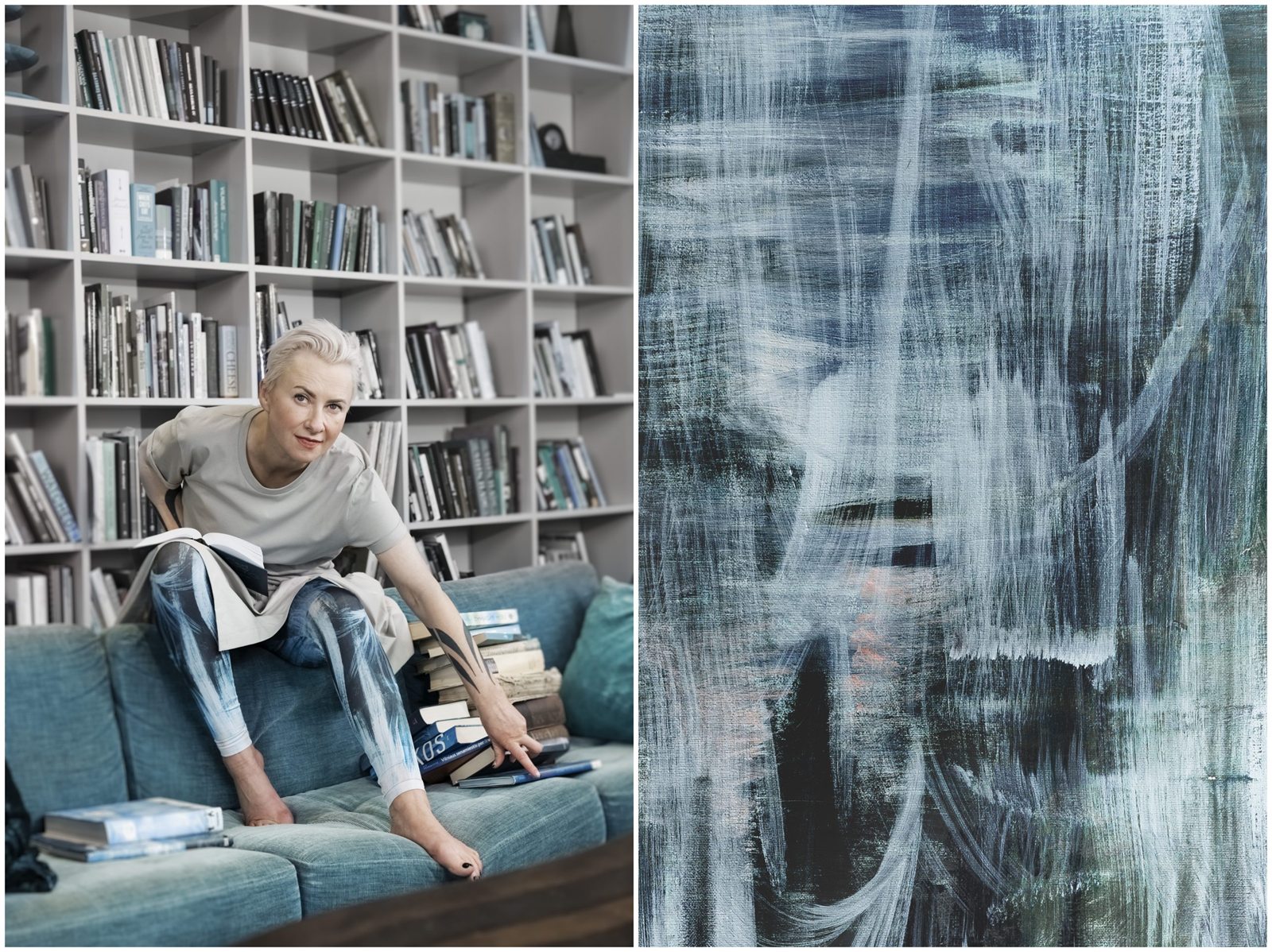
Since 2020 Julia has worked first of all as an artist. Her paintings are large square canvases in acrylic, 100 or 120 centimetres a side, sometimes built up with foam and textile: Living Water, Fish and Fuchsia (2021), Baltic Sea, Paupys and Self-expression (2022), Tak tak tak (2023), Egg and Tights. They feed her design directly: in Three + One (2021), painted at home during the pandemic, fragments of three paintings, And Only Sparks Will Fly, Living Water and Secret Thought, and of one sculpture, Green Light, an old mannequin torso from the label’s first shops left unsold because of a broken neck, became the prints of a capsule collection made with the brands Art-on and Due.; she was her own model for the lookbook, shot in her home.
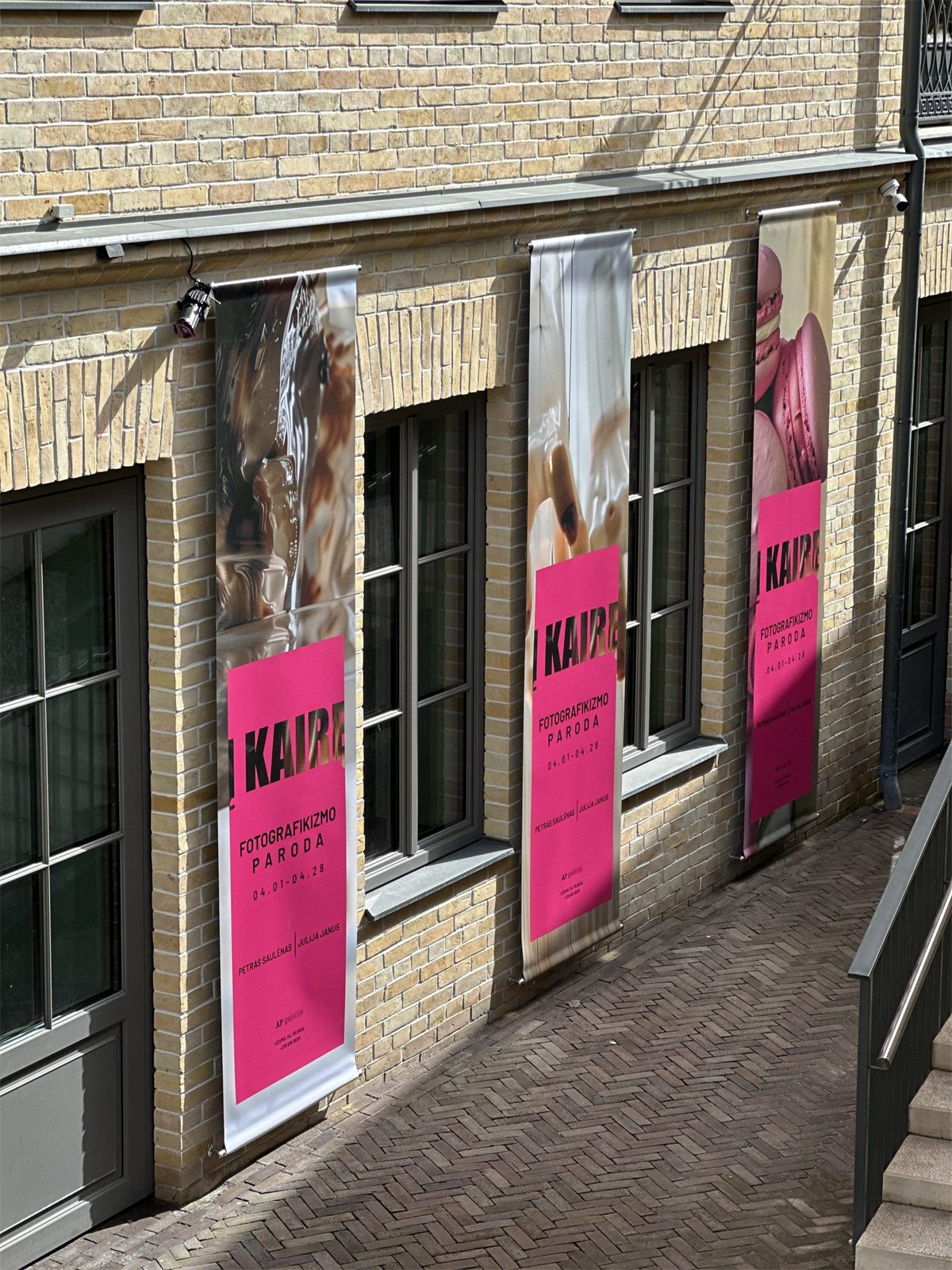
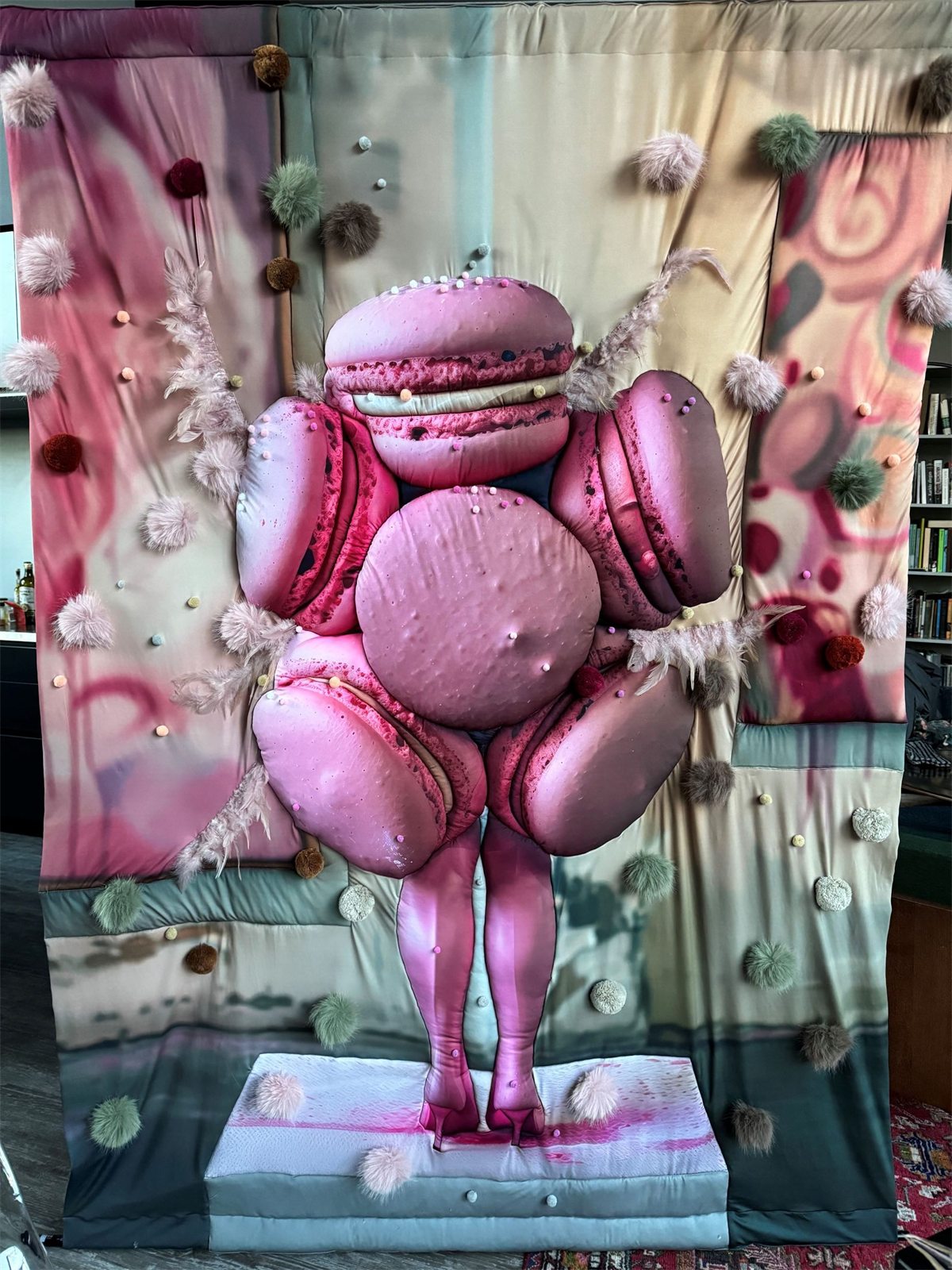
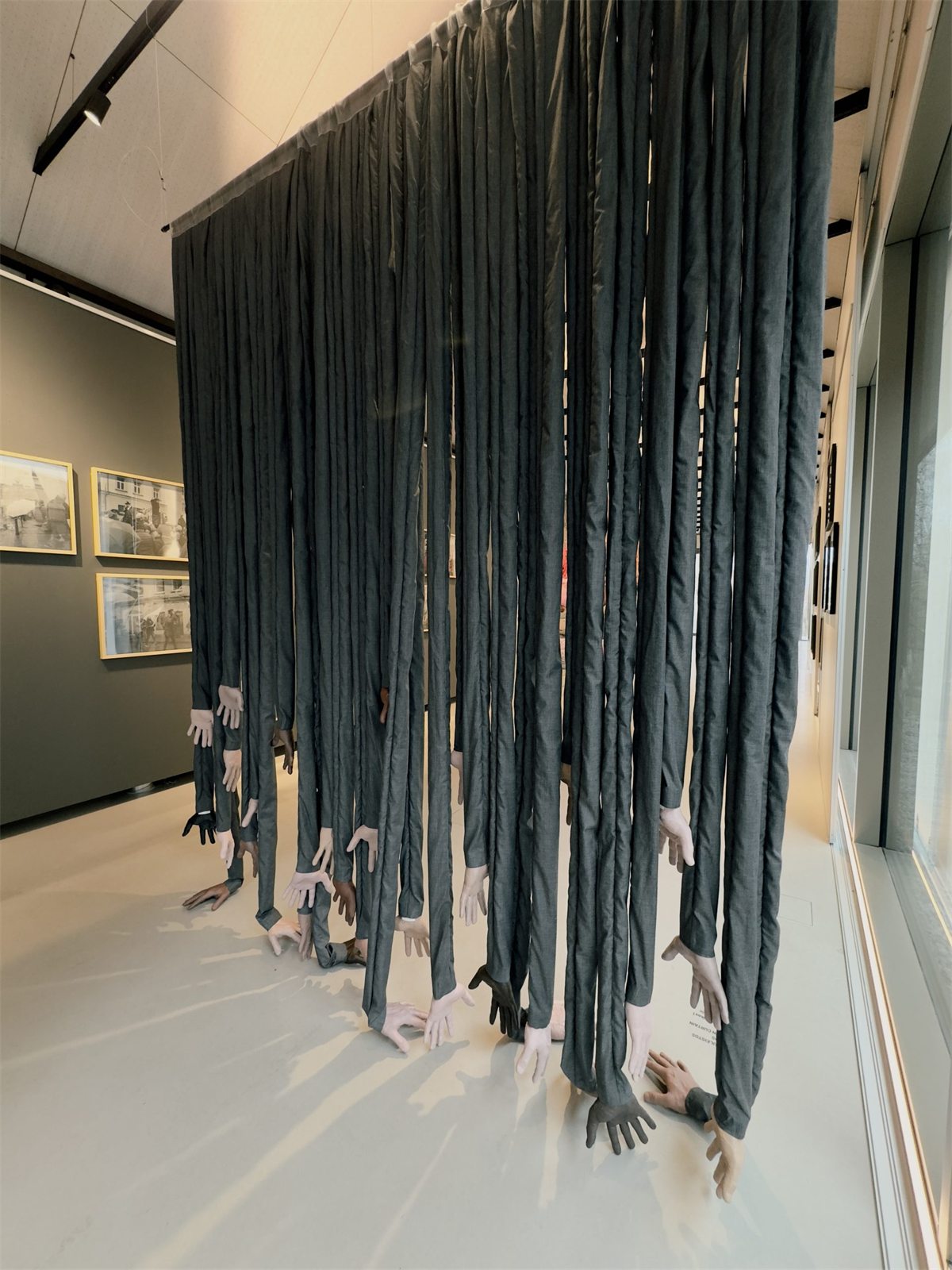
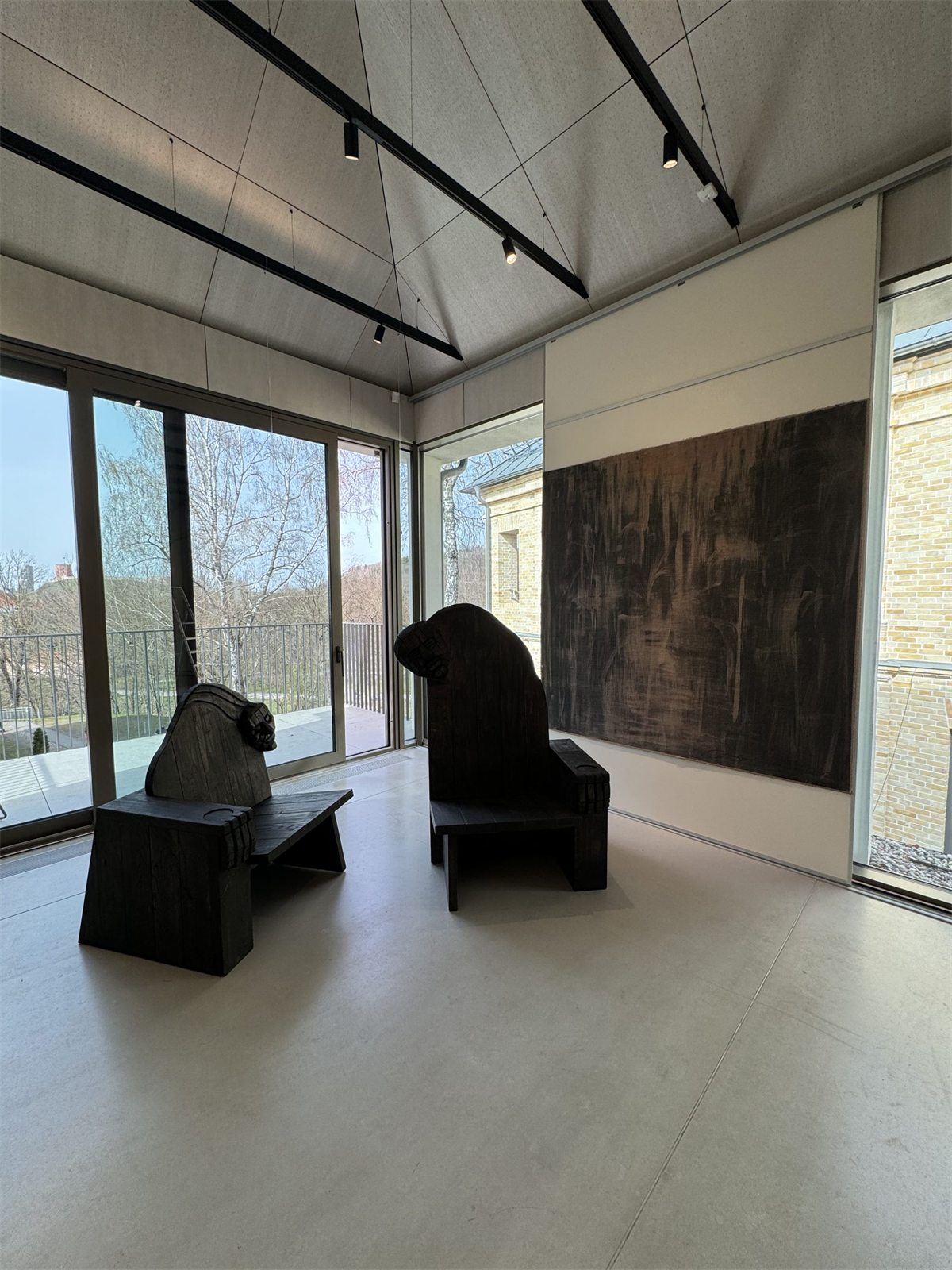
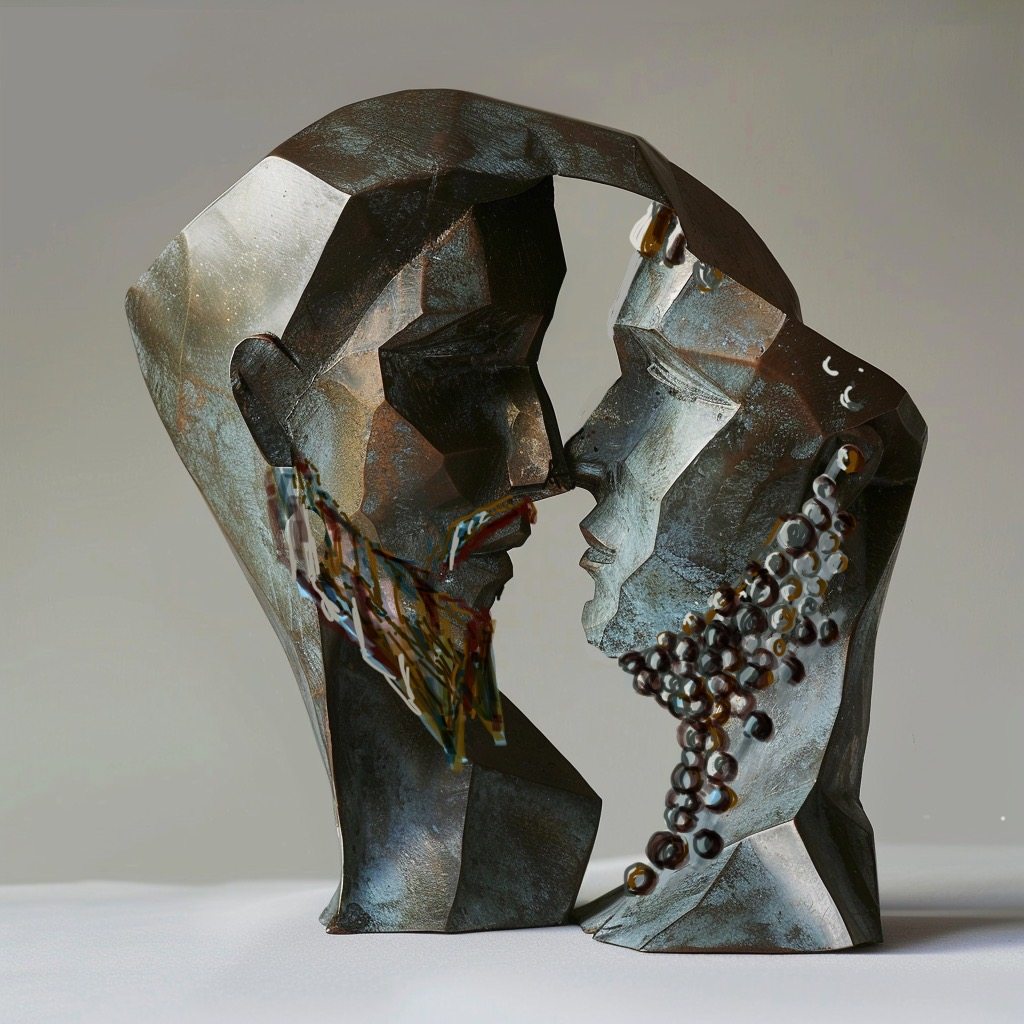
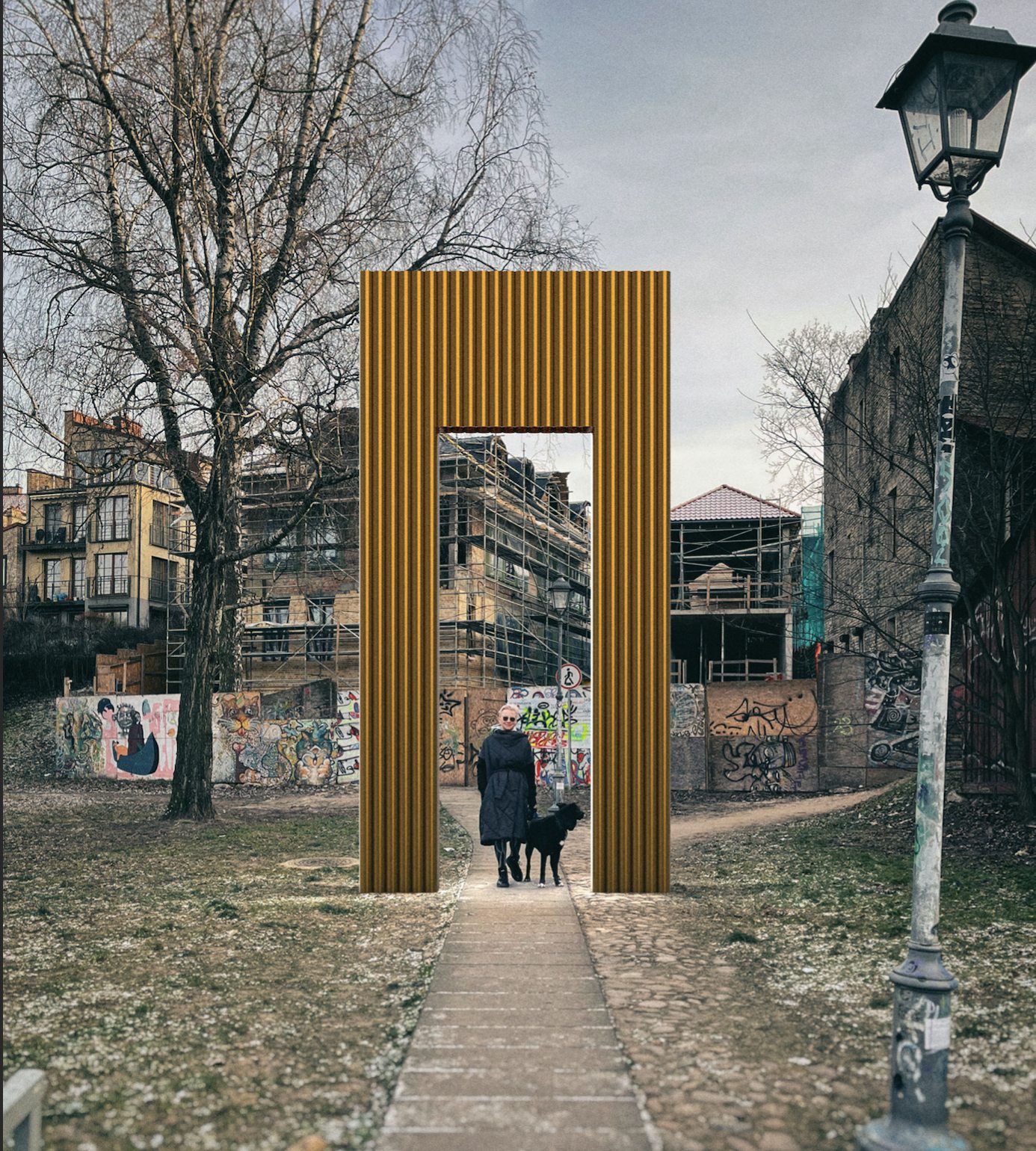
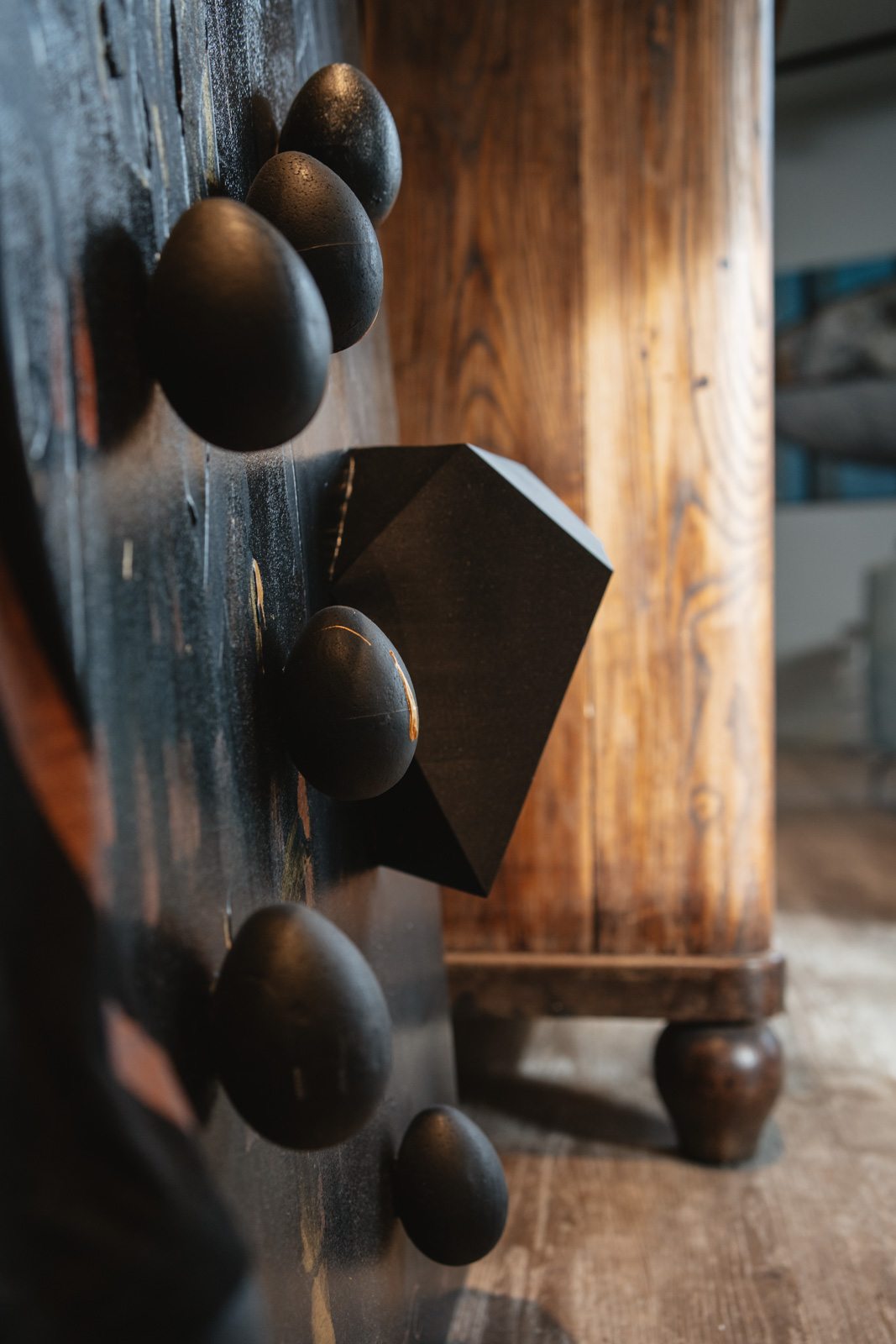
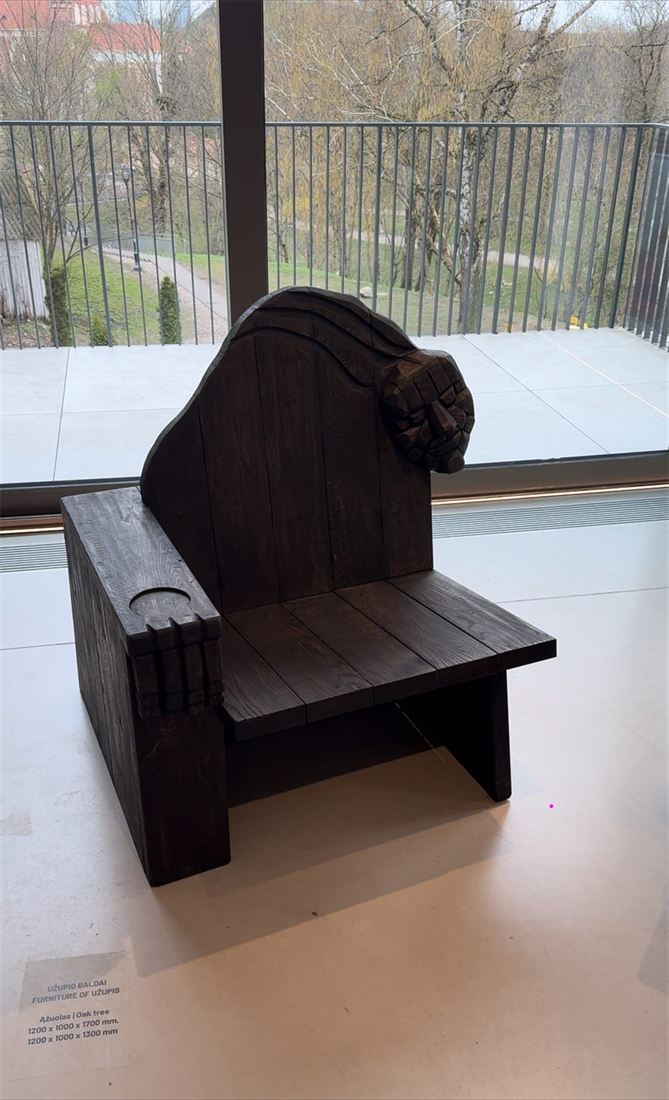
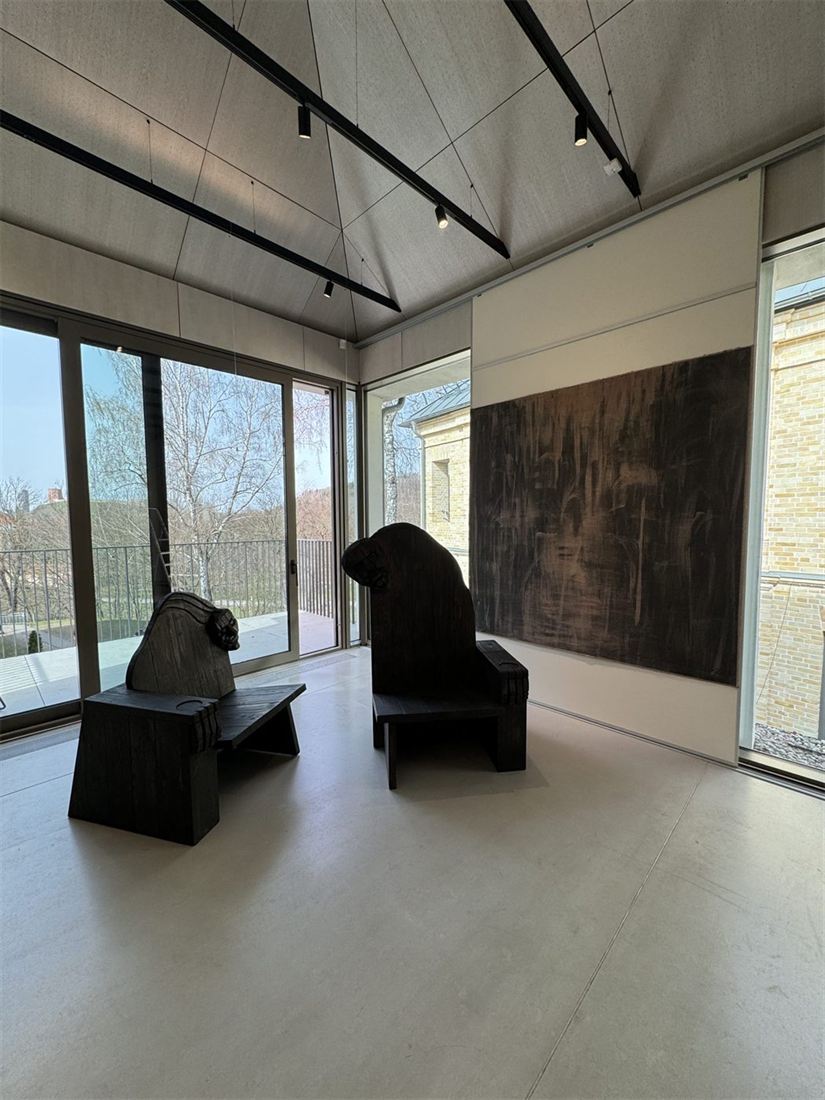
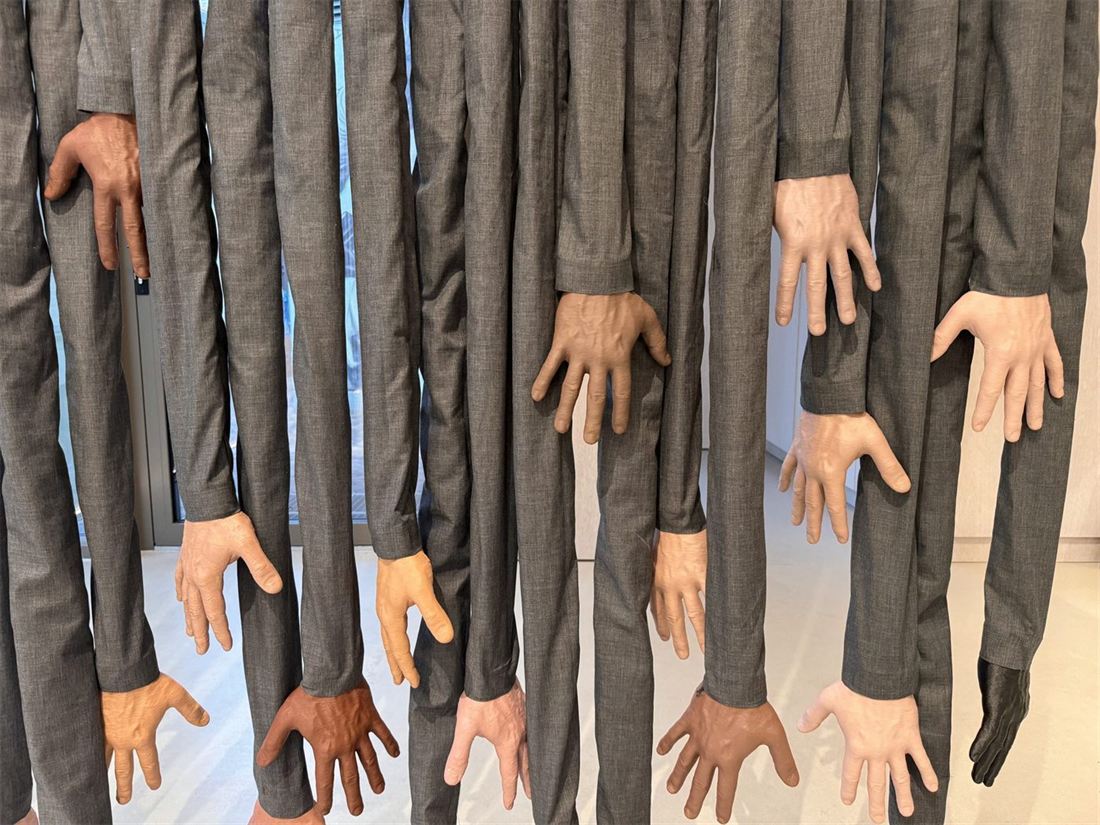
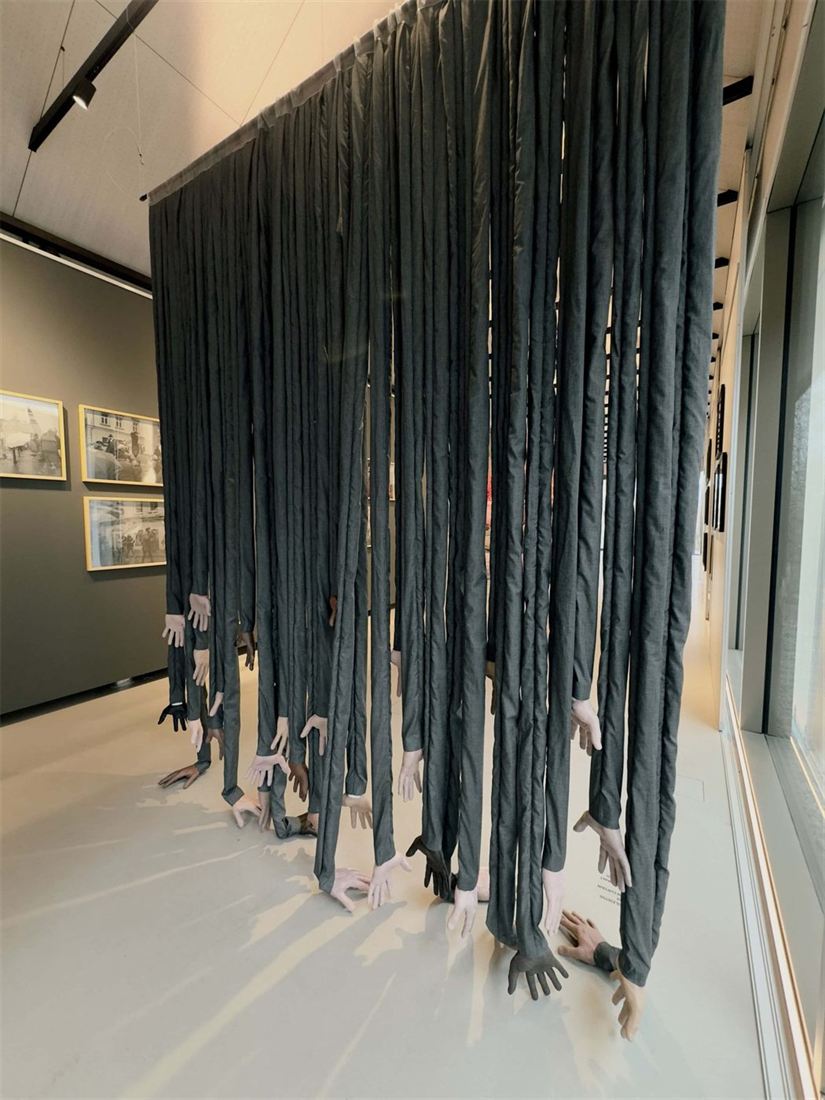
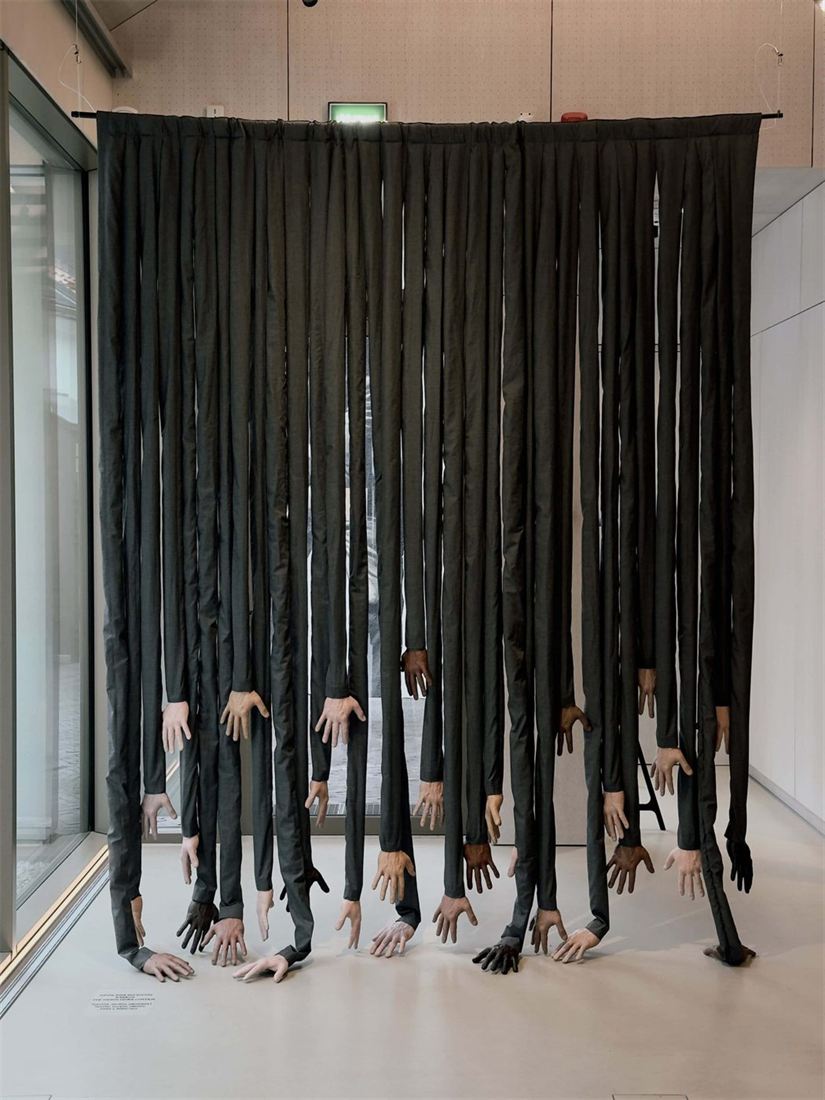
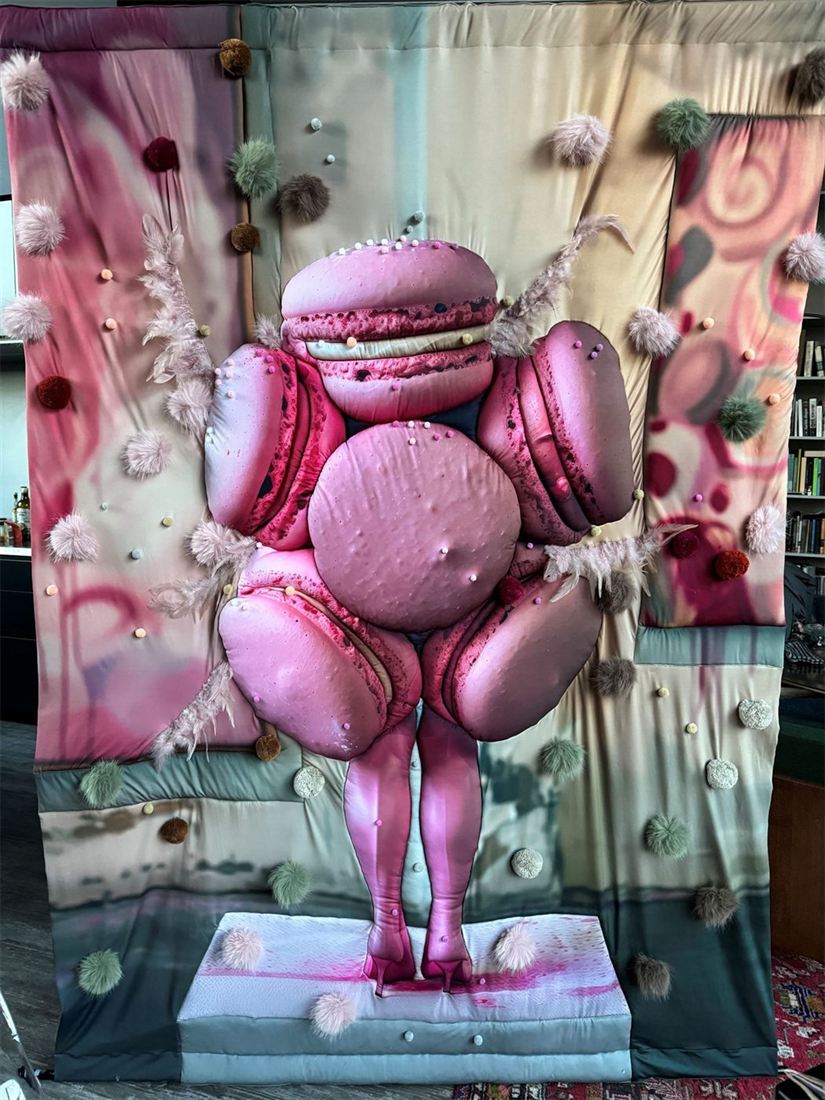
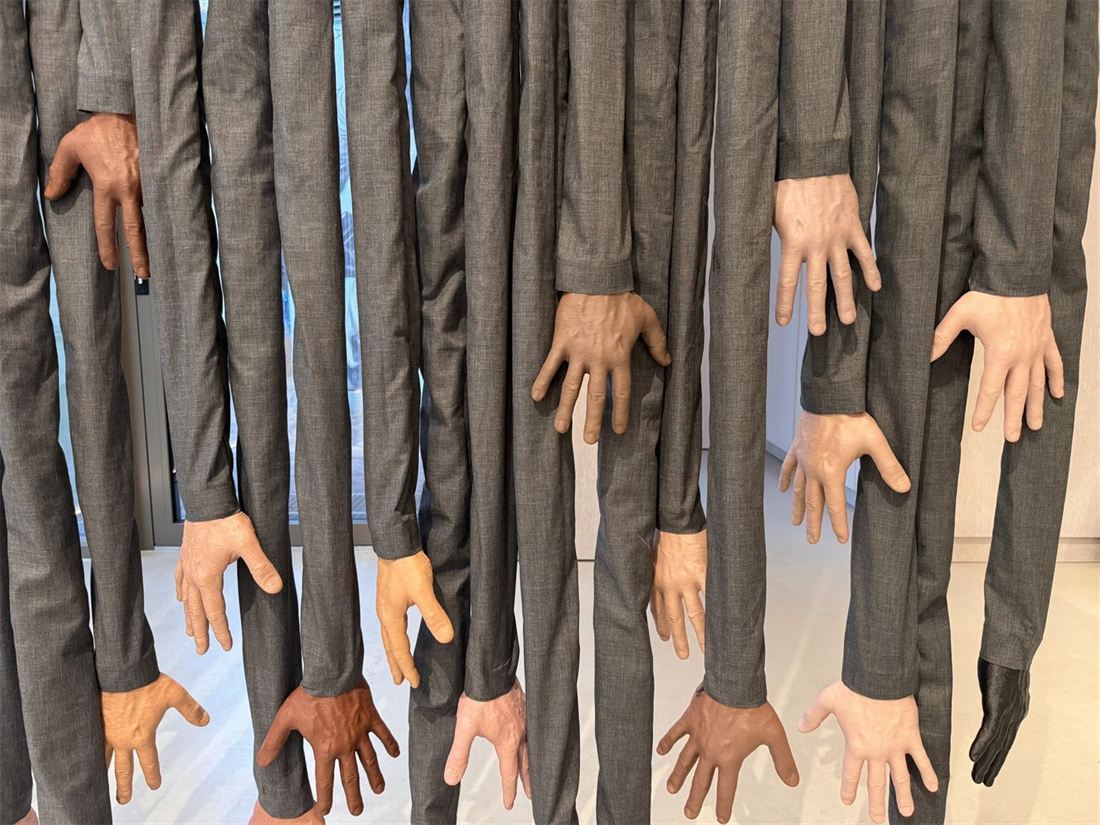
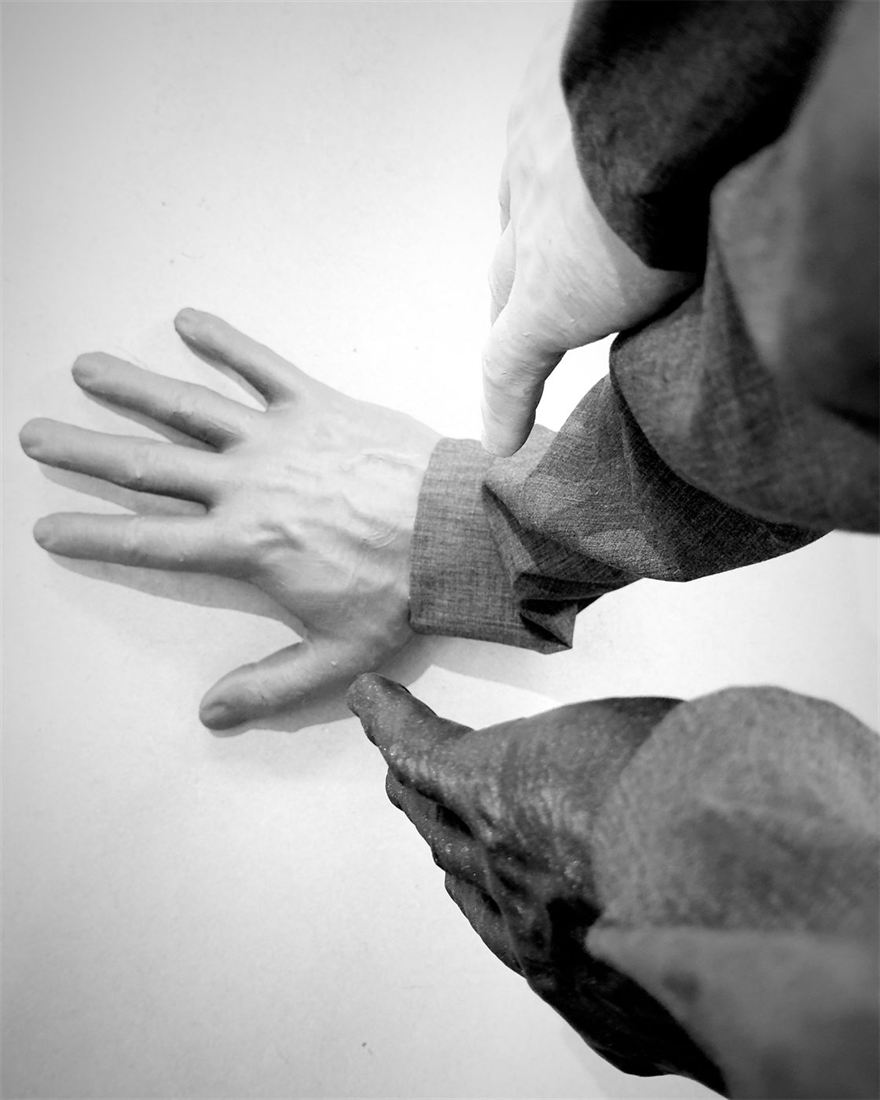
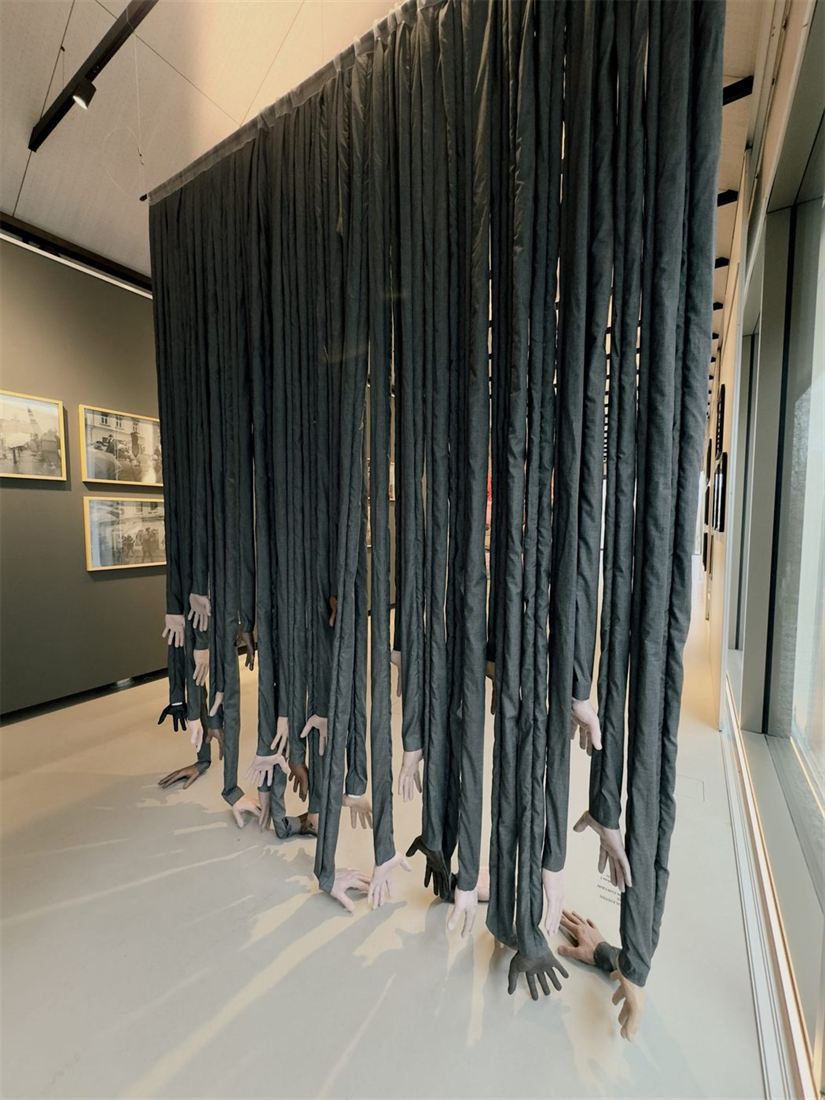
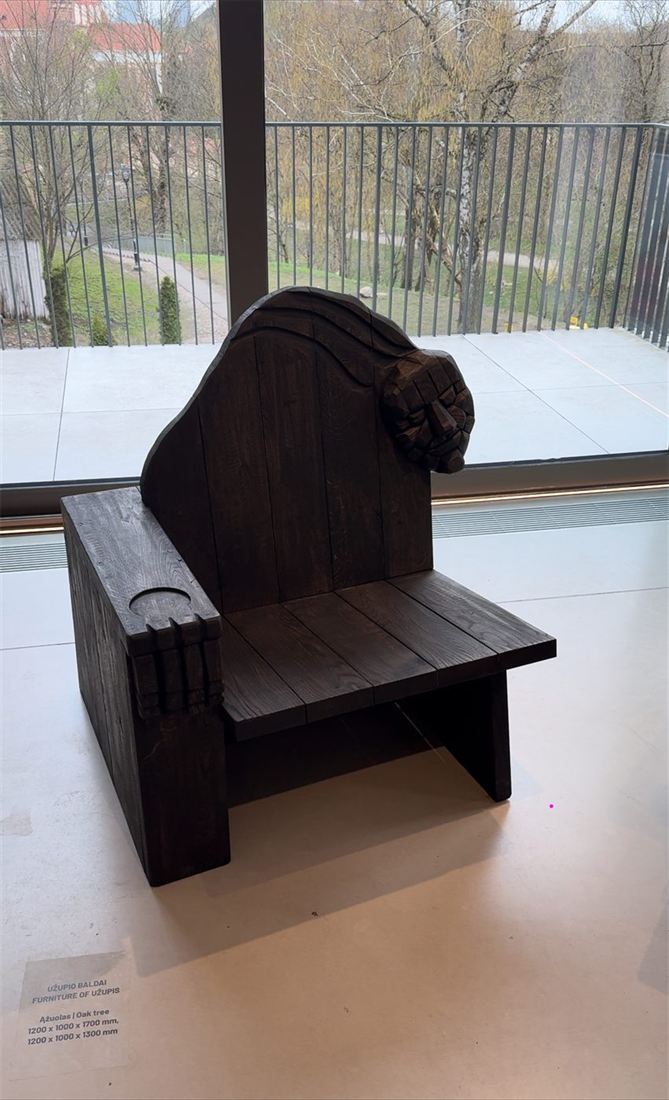
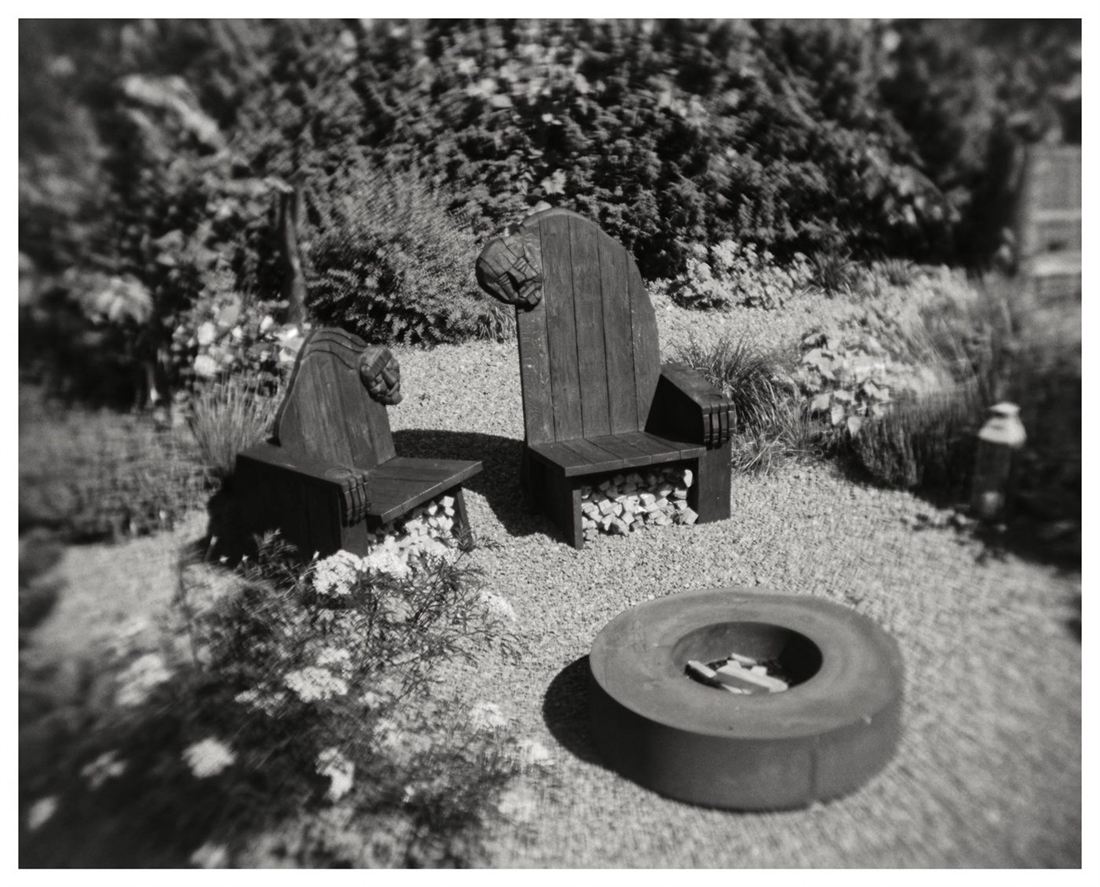
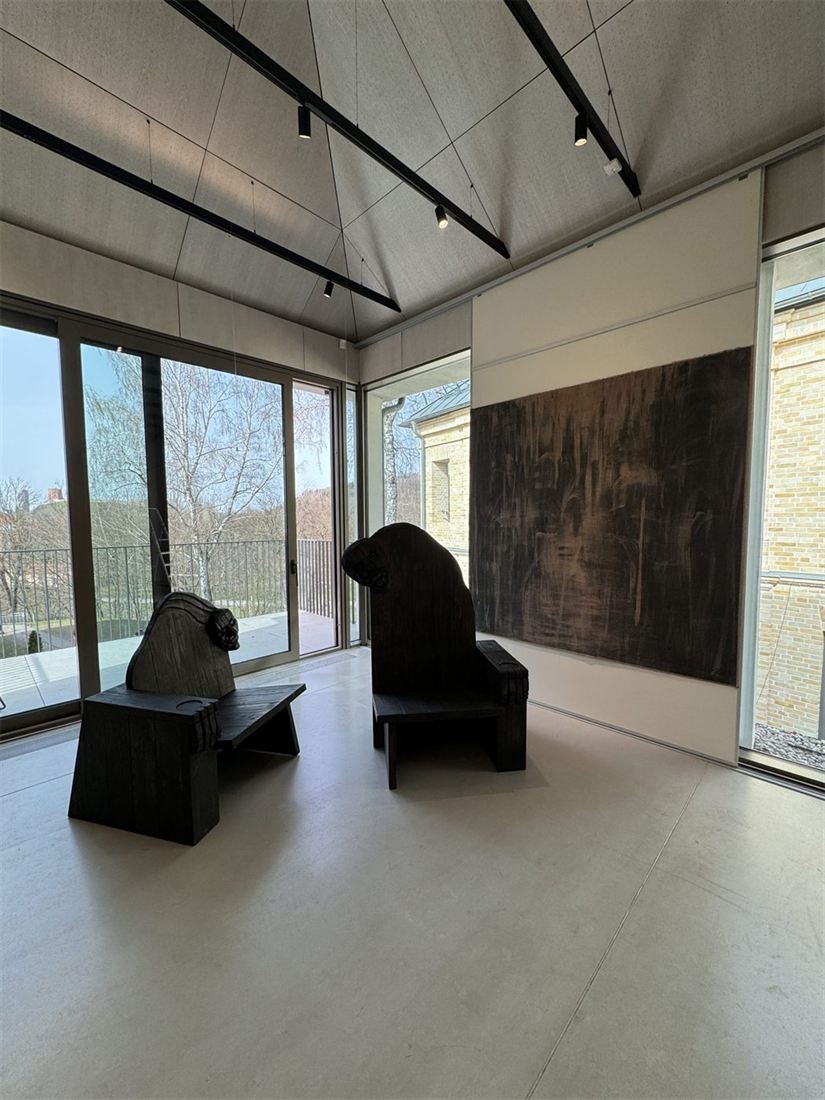
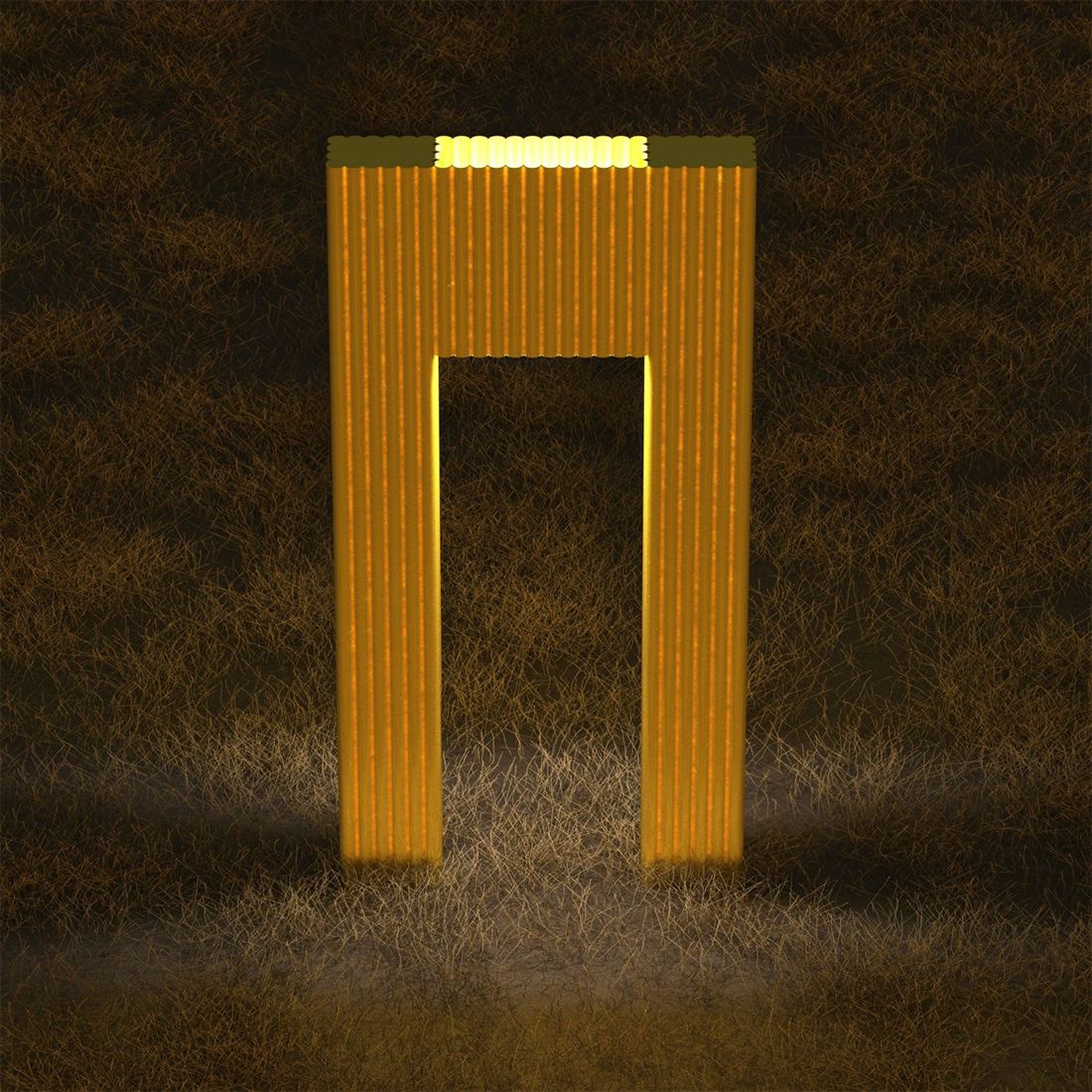
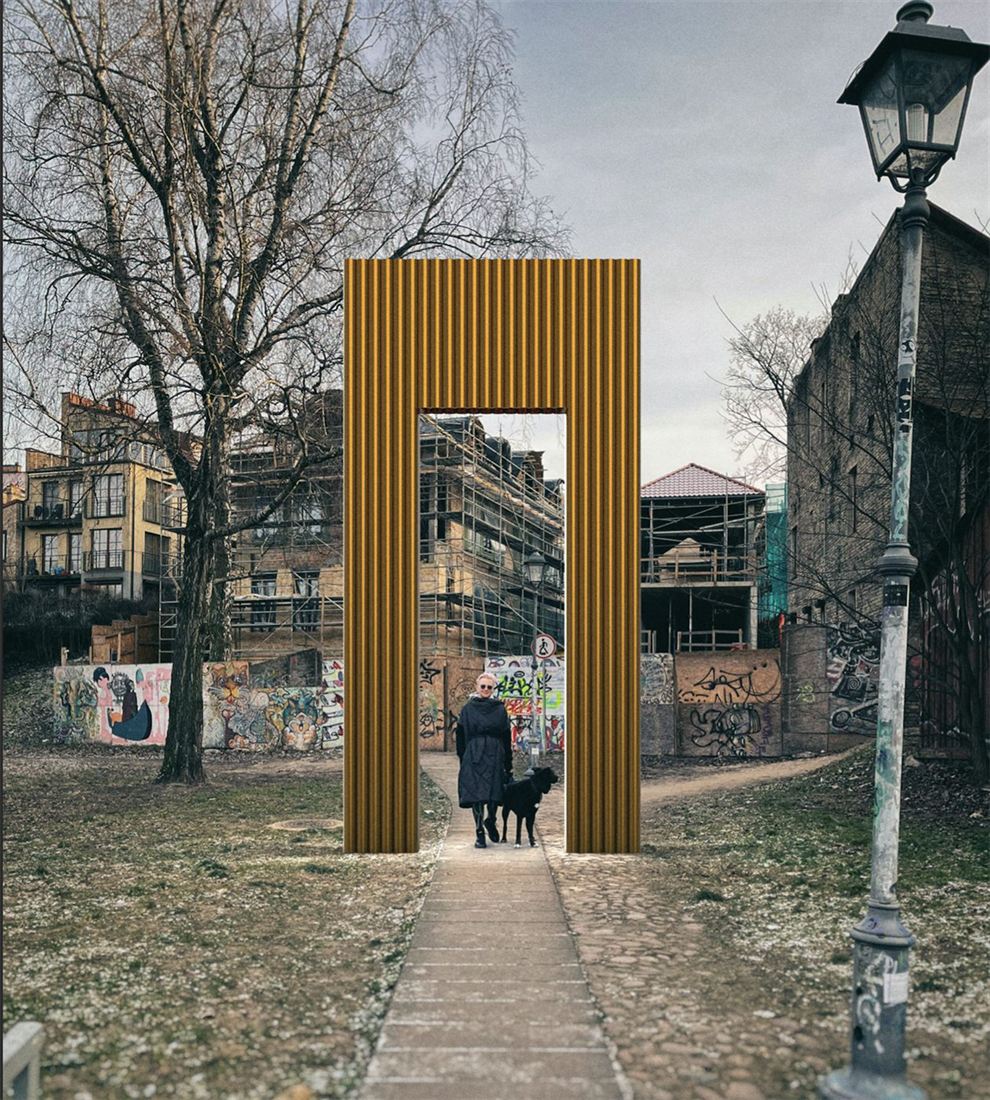
Her sculpture and installations belong to the street. Skersvėjis Arch (2022), a golden steel arch with a light inside, honours the painter Ferdynand Ruszczyc and his Golden Room, painted while he lived in Užupis, and marks the passage between the Old Town and Užupis, a reminder that the city is an open fabric with room for everyone and for what they make. Užupis Furniture (2024) portrays the regulars of a legendary pocket-sized pub, intellectuals and teachers from the Academy of Arts whose conversations spill out into Angel Square and whom the neighbours affectionately call “the furniture”. For the exhibition To the Left with Petras she made Sugarbaby, the soft, fluffy, deceptively sweet face of today’s Užupis, and Lowered Arms, a textile curtain-sculpture five metres wide. With Petras she also made Golden Content and the project for a bronze sculpture of Barbara and Sigismund Augustus (2024), meant to mark the best-known legend of Lithuania’s capital, Vilnius, born in the sixteenth century.
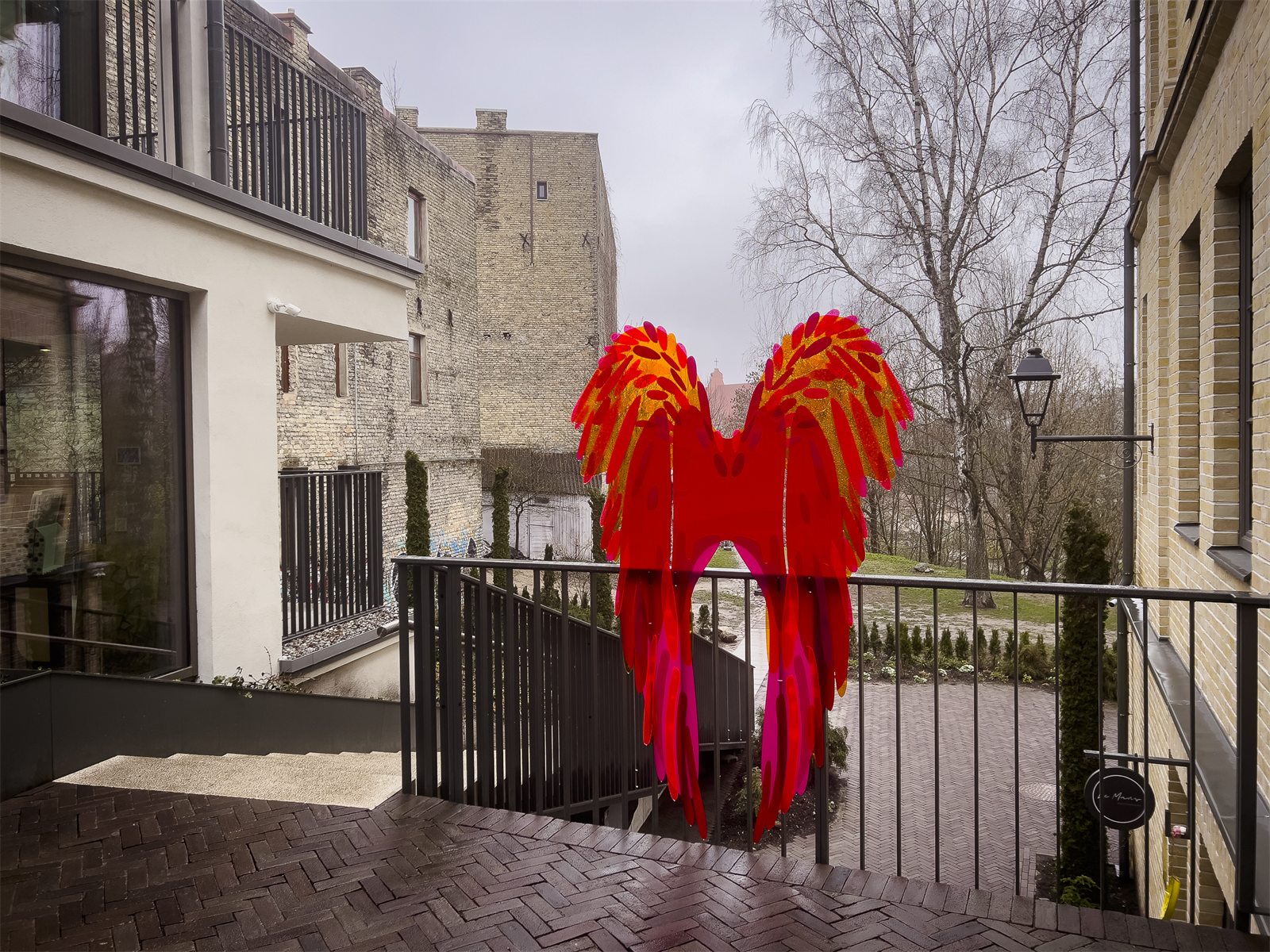
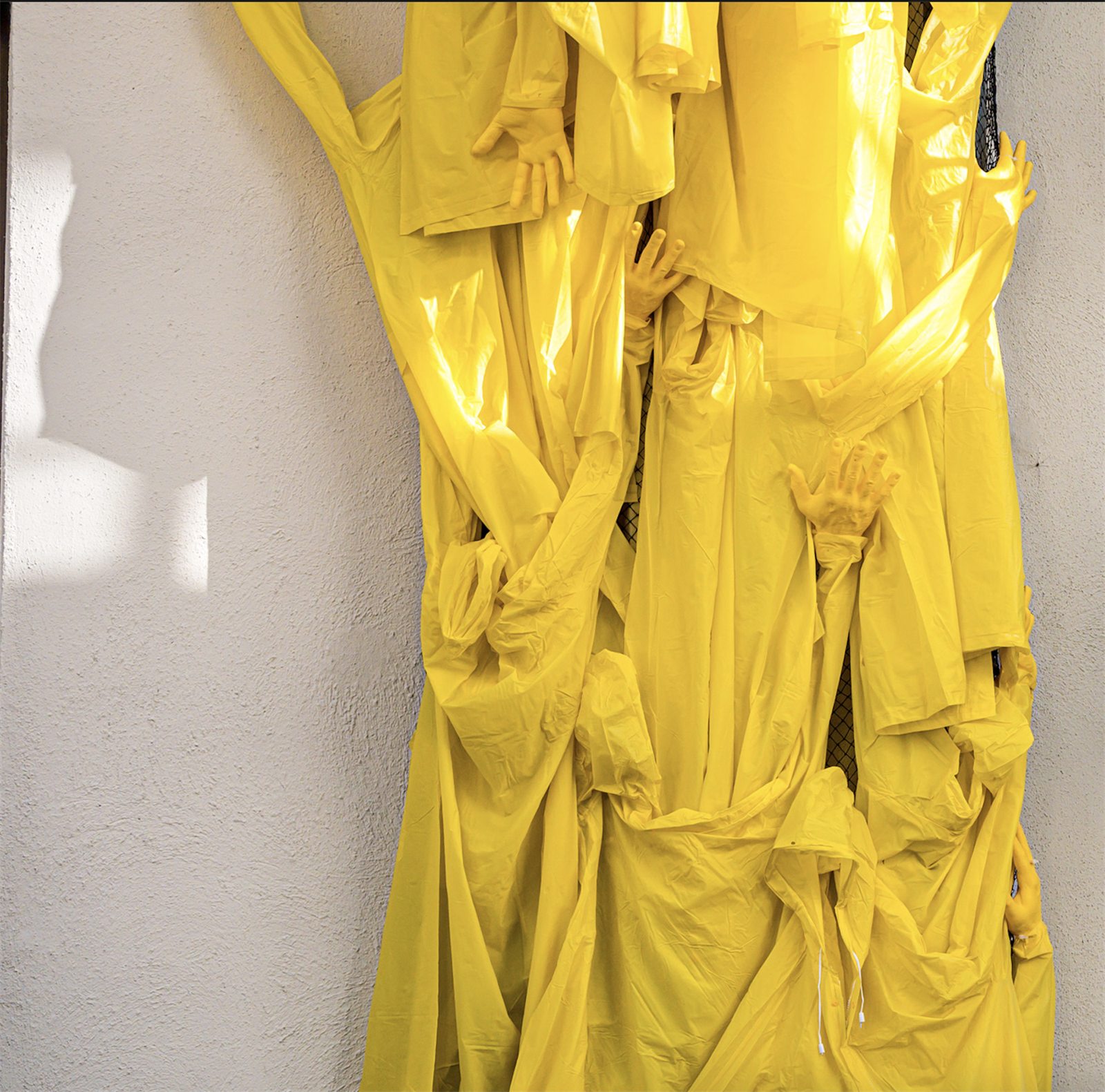
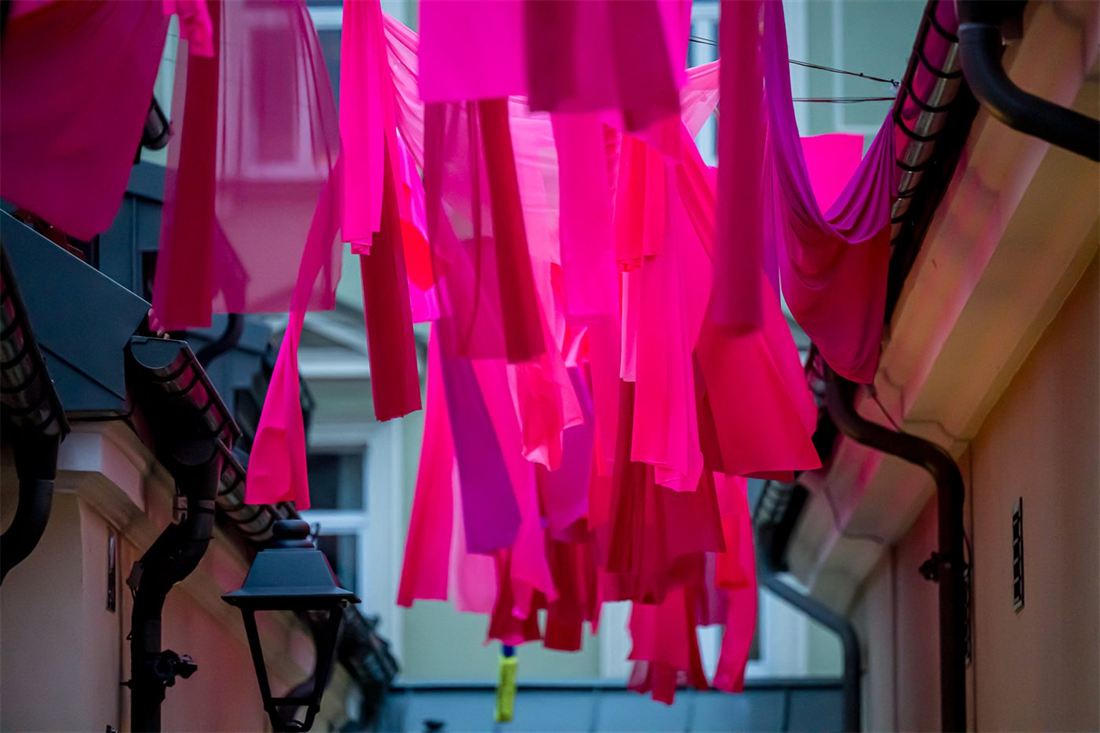
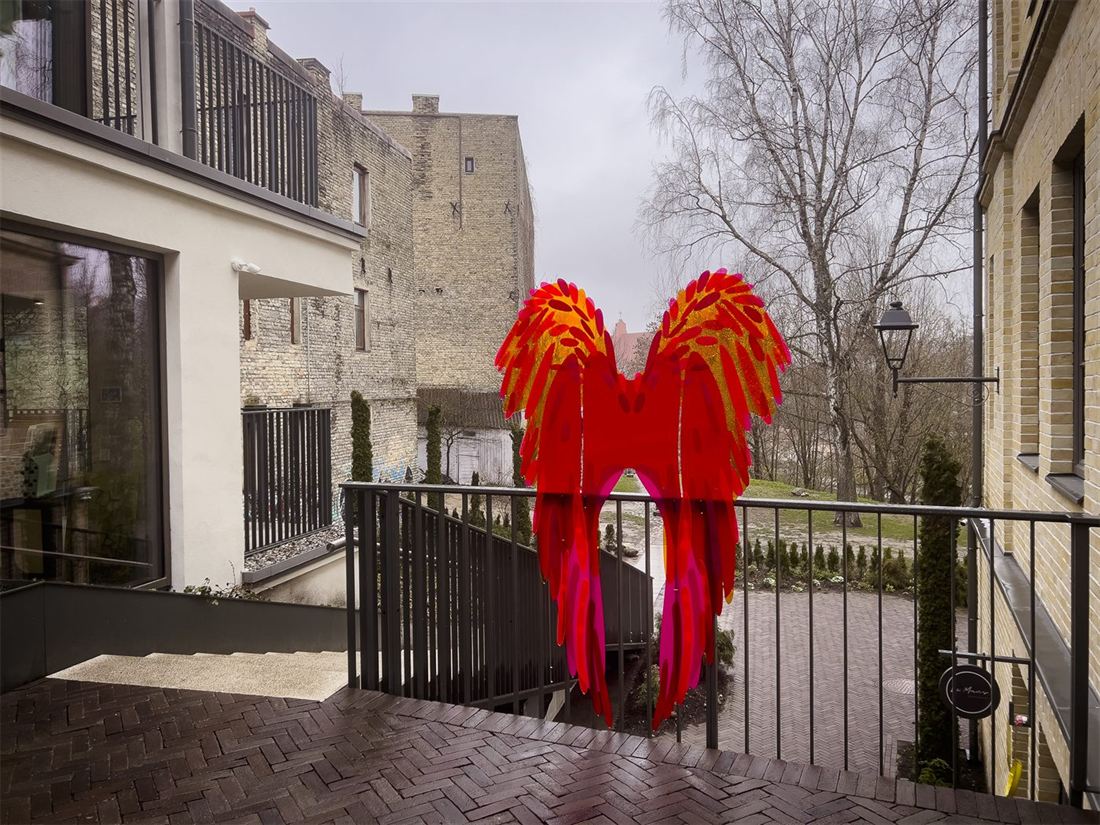
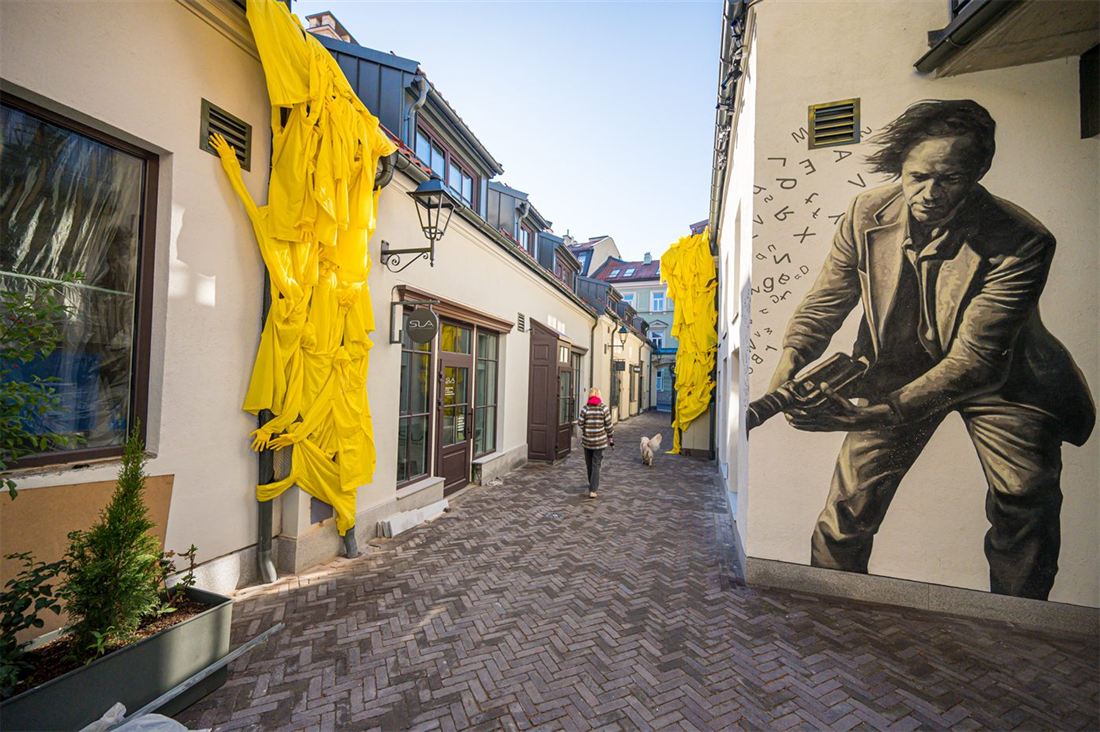
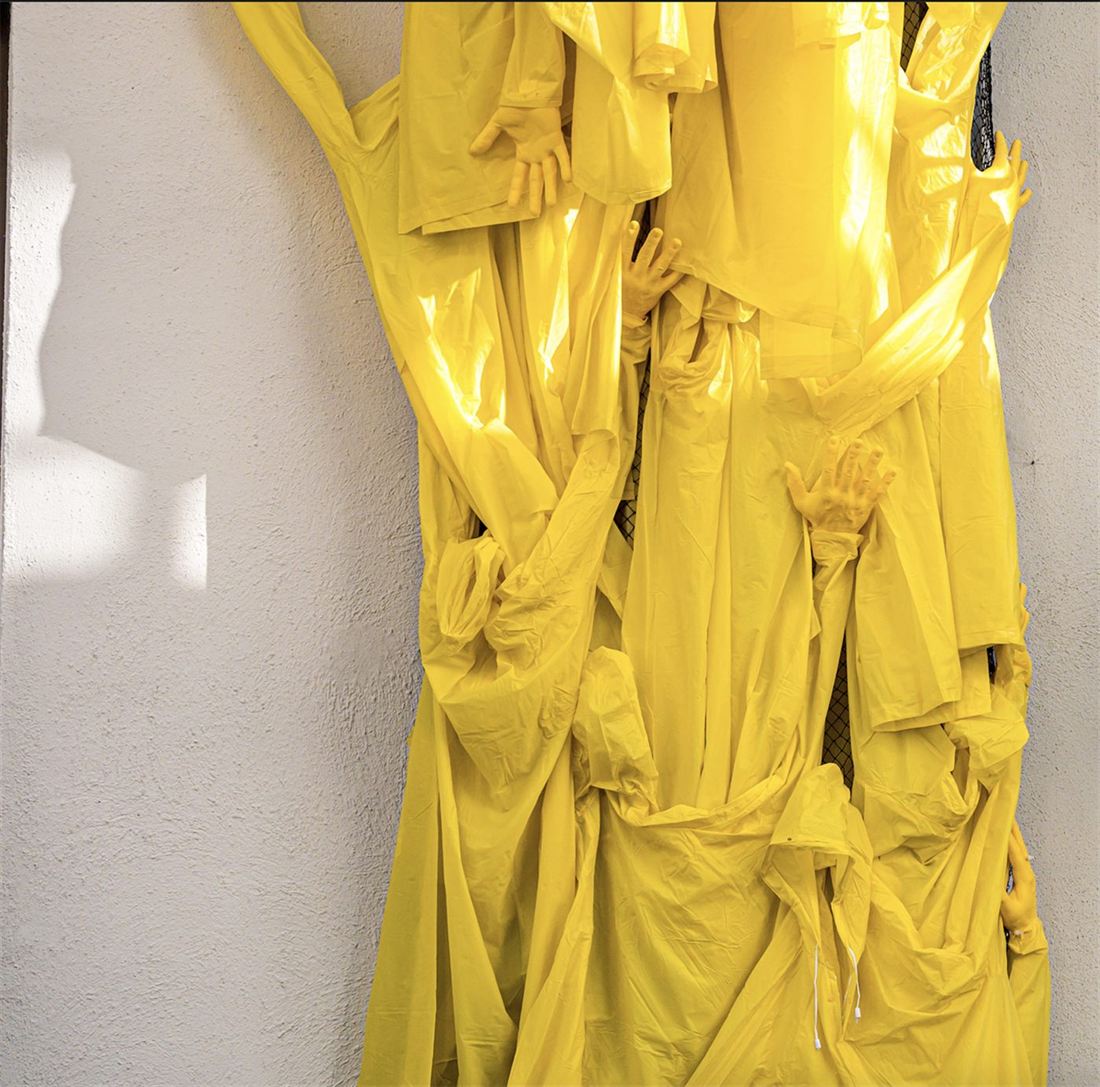
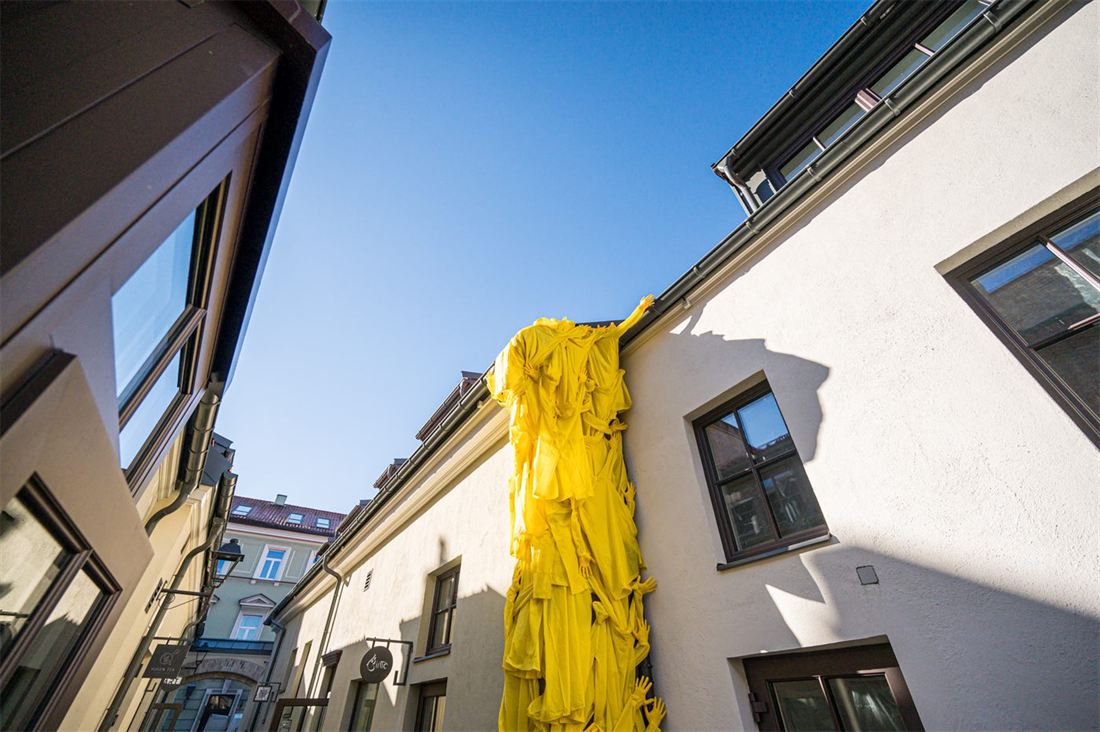
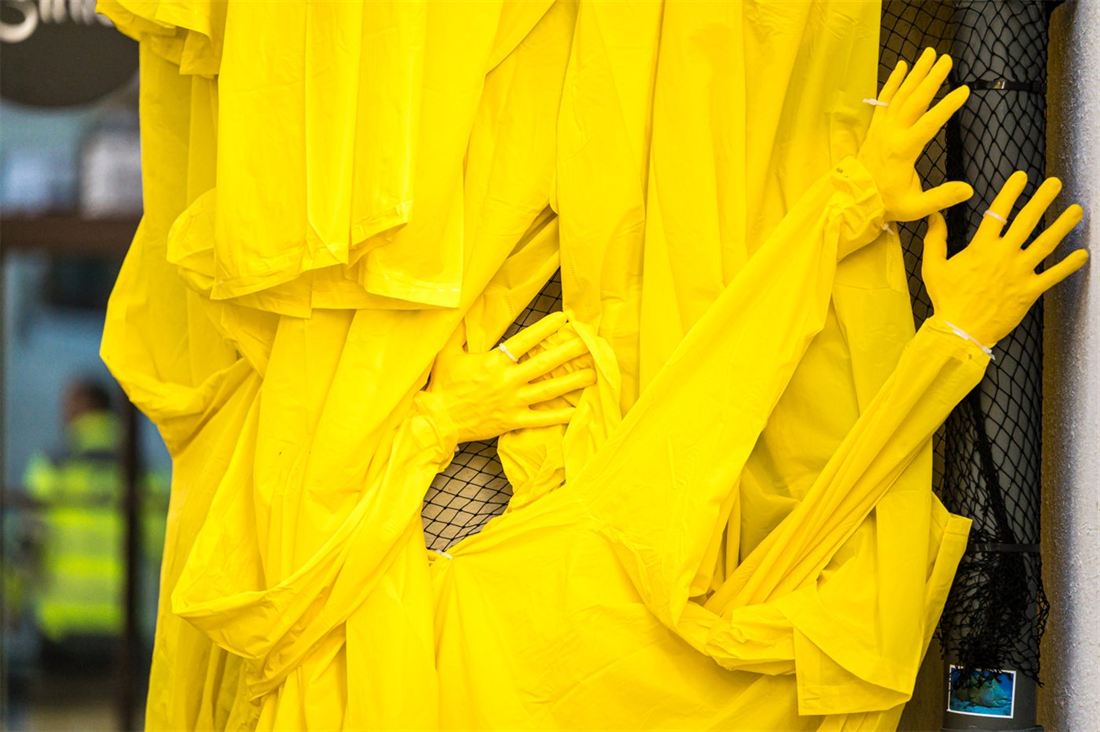
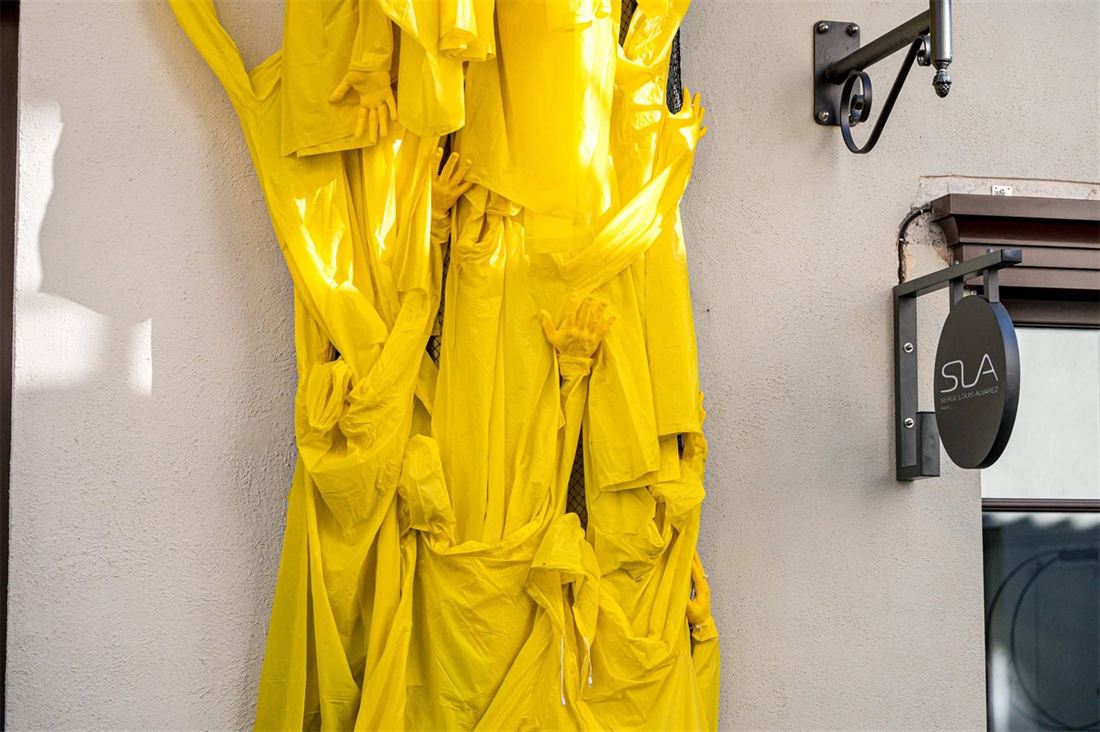
As Sije Verski, a fictional Dutch artist with Lithuanian roots whom she and Petras invented in 2022, she hung World Goes Bananas, a replica of Maurizio Cattelan’s Comedian made of yellow raincoats and work clothes, in the Jonas Mekas passage in Vilnius, Lithuania; then The Tail of the Draft (2023), laundry over the students’ exhibition, whose English title also means the tail of a sketch; and Gabriel Took Off His Wings and Went to the Shower (2023), a guardian angel’s red wings hung up to dry: “My guardian angel painted his lips red after the shower.” Her works can be bought, hired or commissioned.
Fashion, 1988–2018
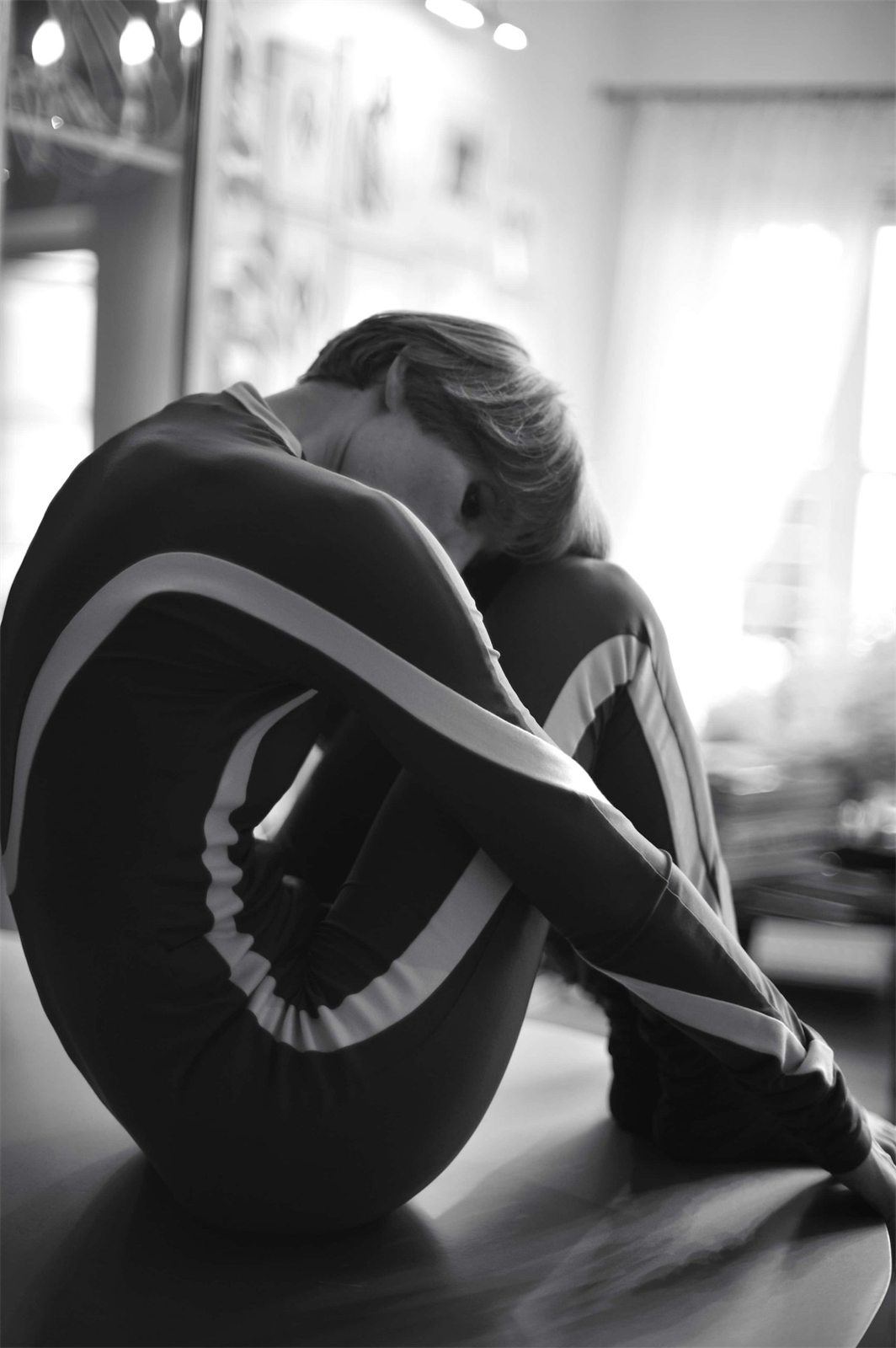
Julia began in 1988 as a seamstress’s assistant at the Vilnius Fashion House in Lithuania and became the owner of the Julia Janus label, which traded in sixty countries. Her first label, bespoke tailoring made to each client’s needs, dressed the country’s most prominent politicians: first ladies, presidents, ministers and ambassadors, people whose clothes must help them do their work and present the country in a modern, authentic way. She was later stylist to the President of Lithuania, Dalia Grybauskaitė.
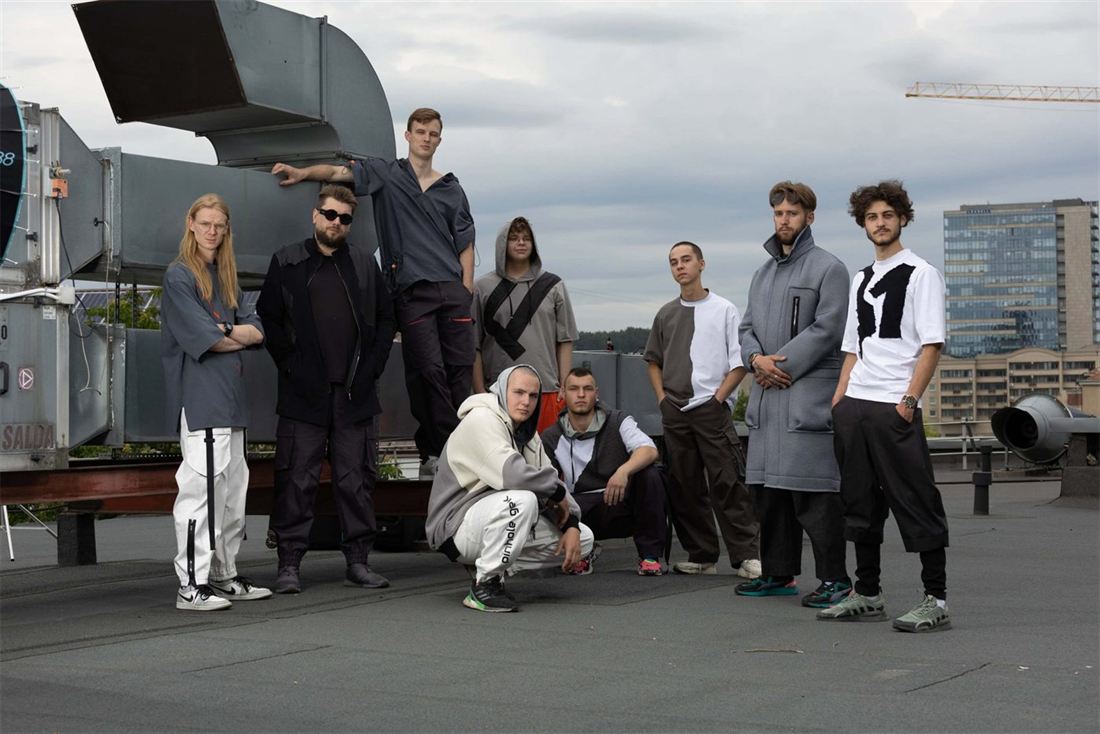
Street fashion did not escape her influence either. The label Kalės vaikas (Son of a Bitch), made with the designers Antanas Miežanskas and Ruslanas Rybakovas, began as clothes for young hipsters and grew into capsules for rebellious men and women; its beginning was also the beginning of the rave era in Lithuania, and it was worn by Lemon Joy, Marijonas Mikutavičius, Martynas Starkus, Samas of Tangomania, Alanas Chosnau and Aras Veberis of Naktinės personos and Linas Ezopas Karalius of ZAS: a badge of rebellion, alternative expression and authenticity.
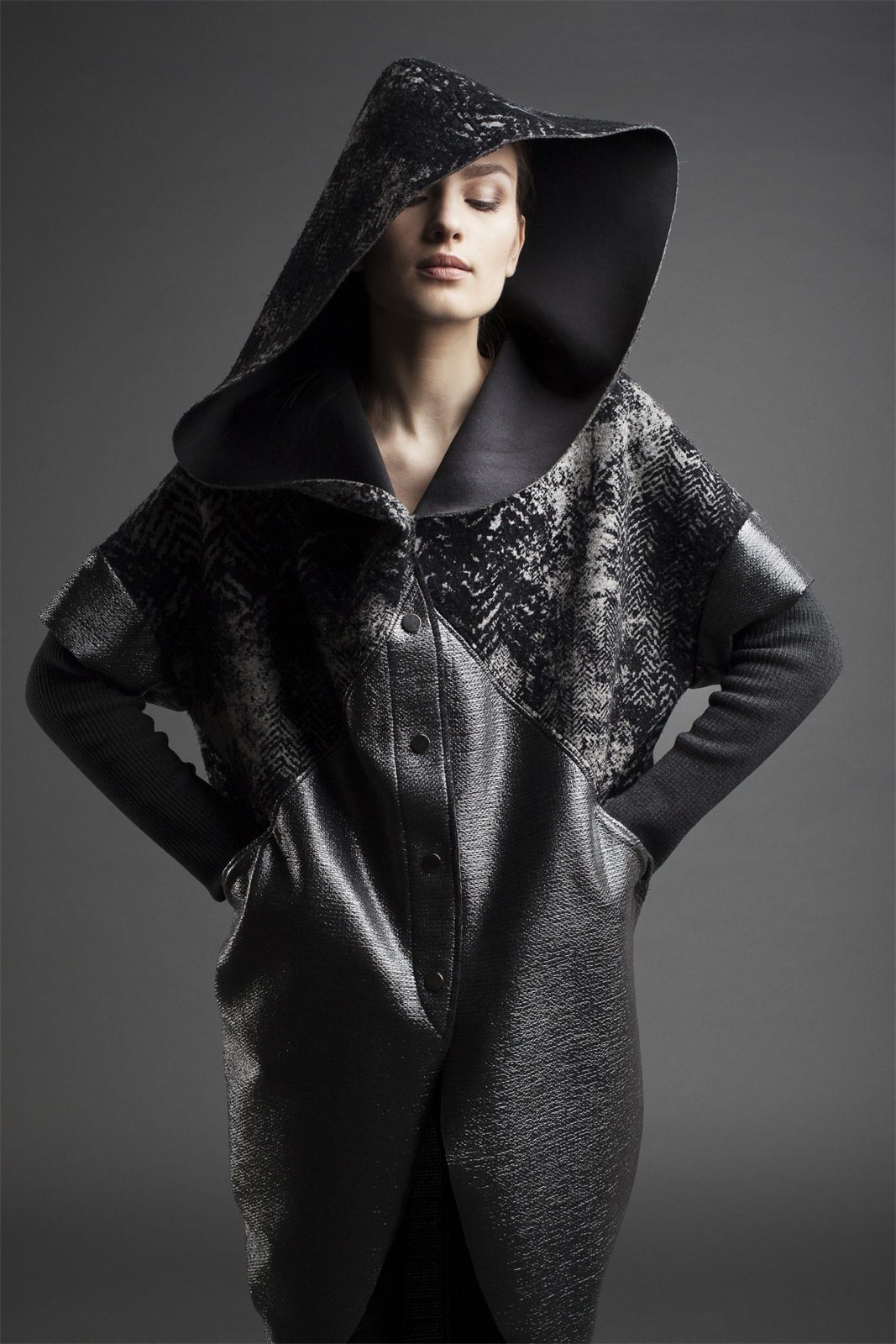
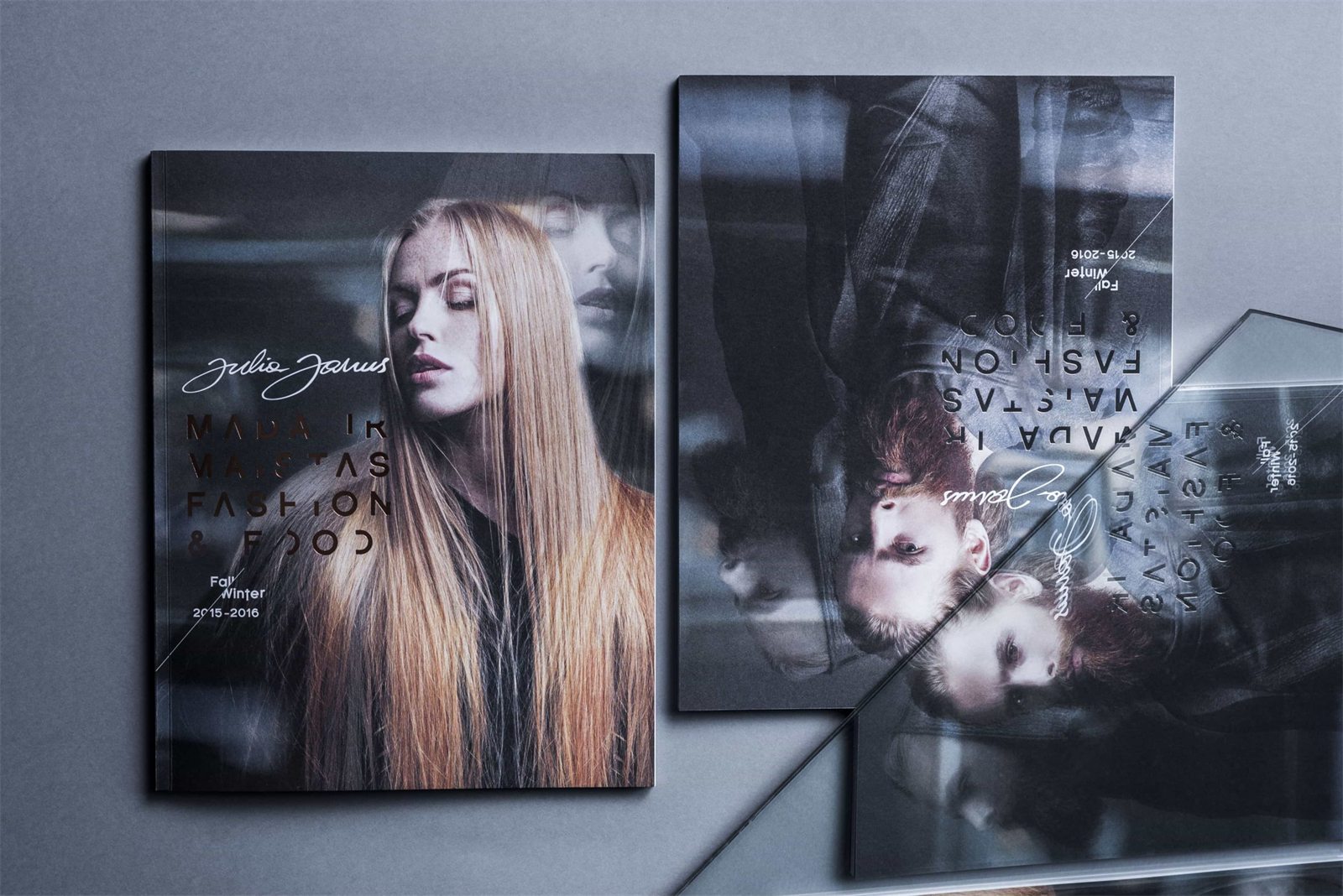
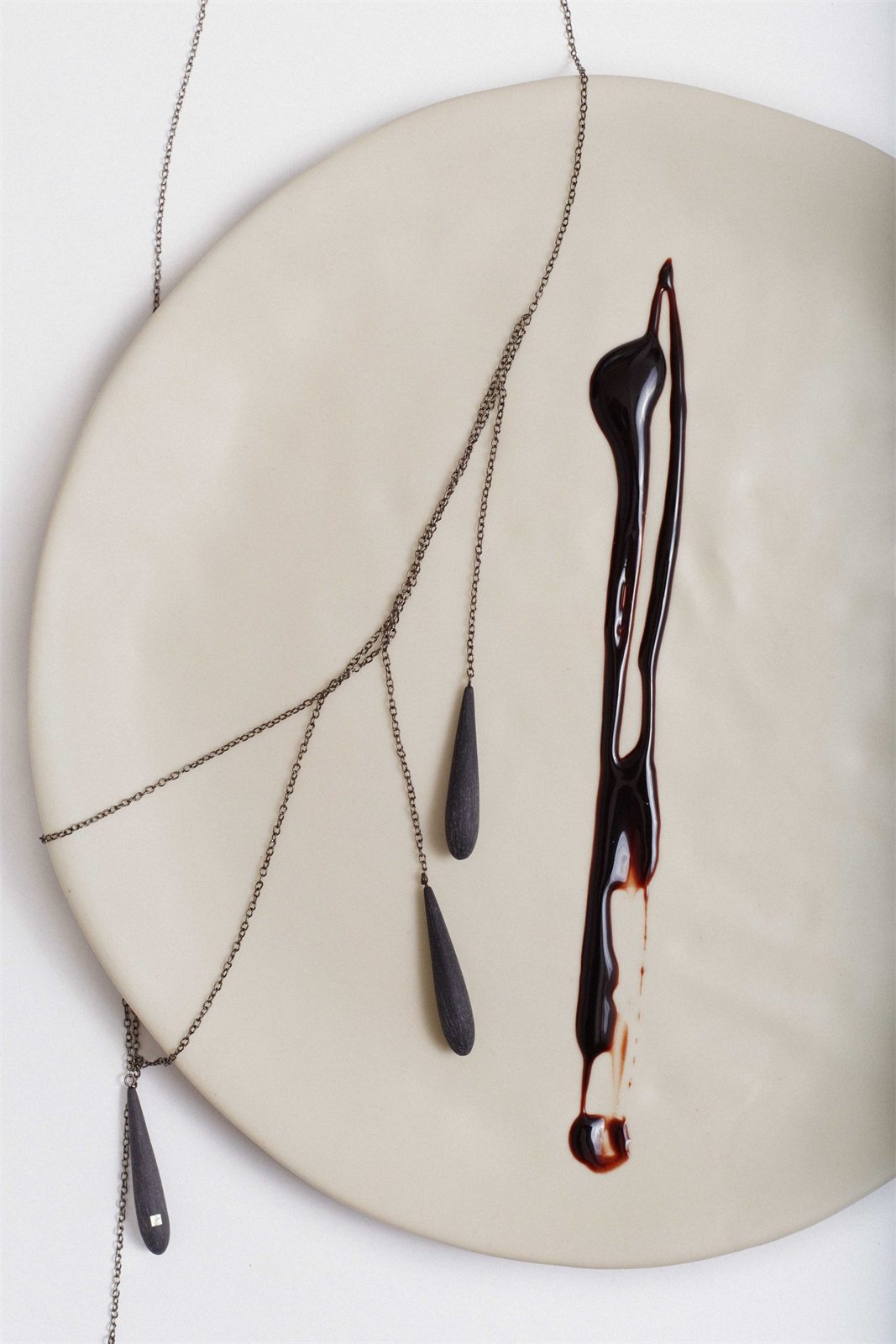
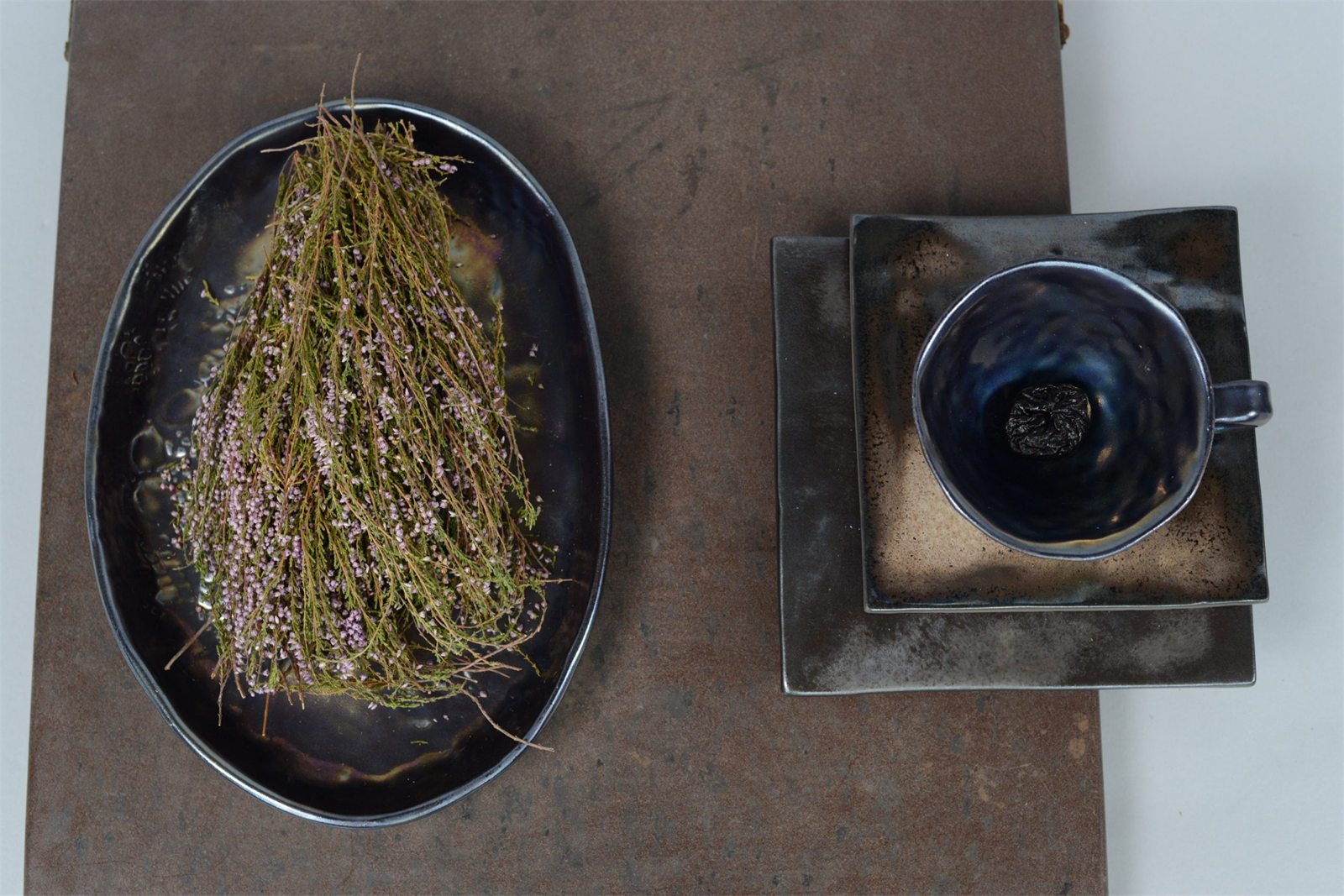
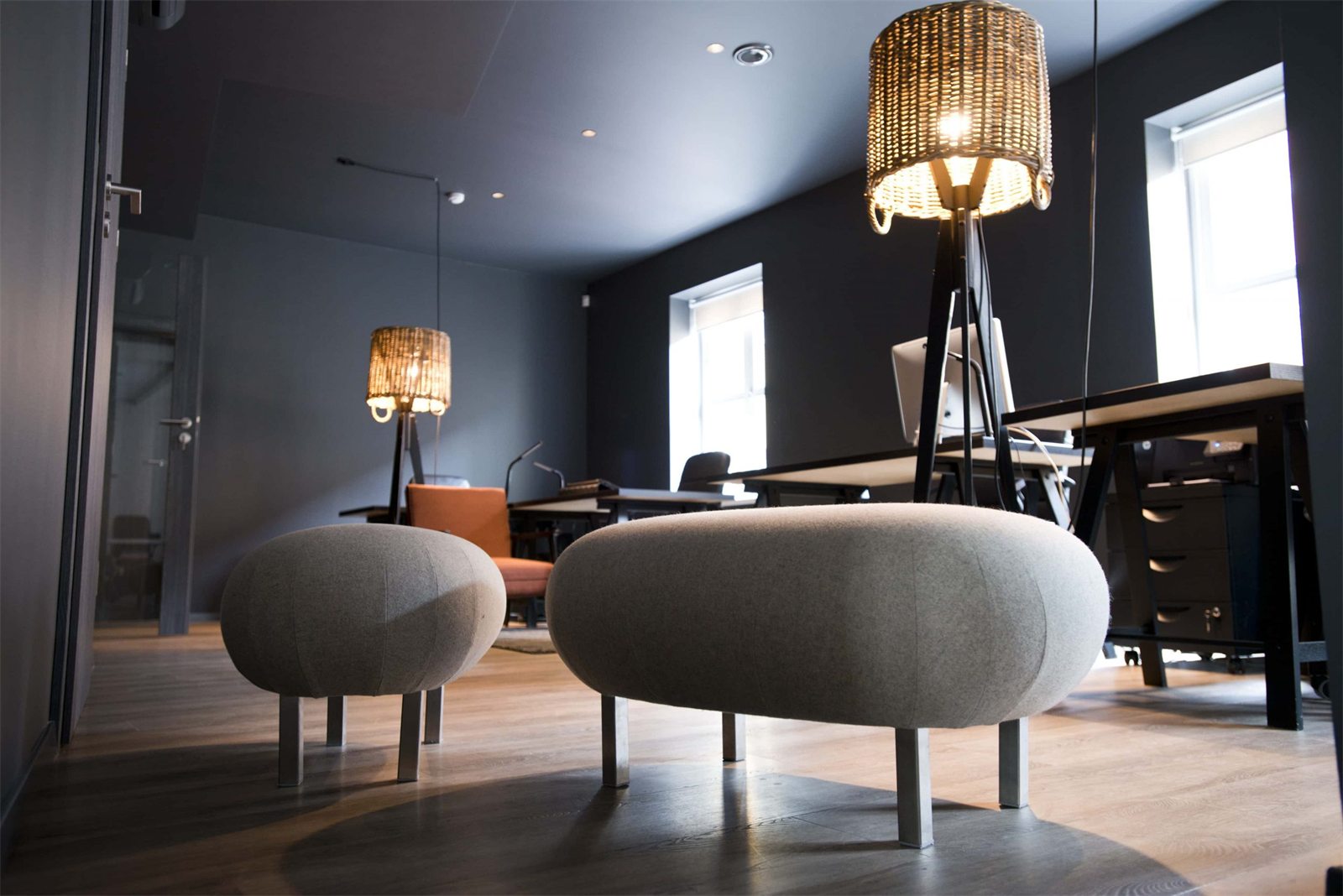
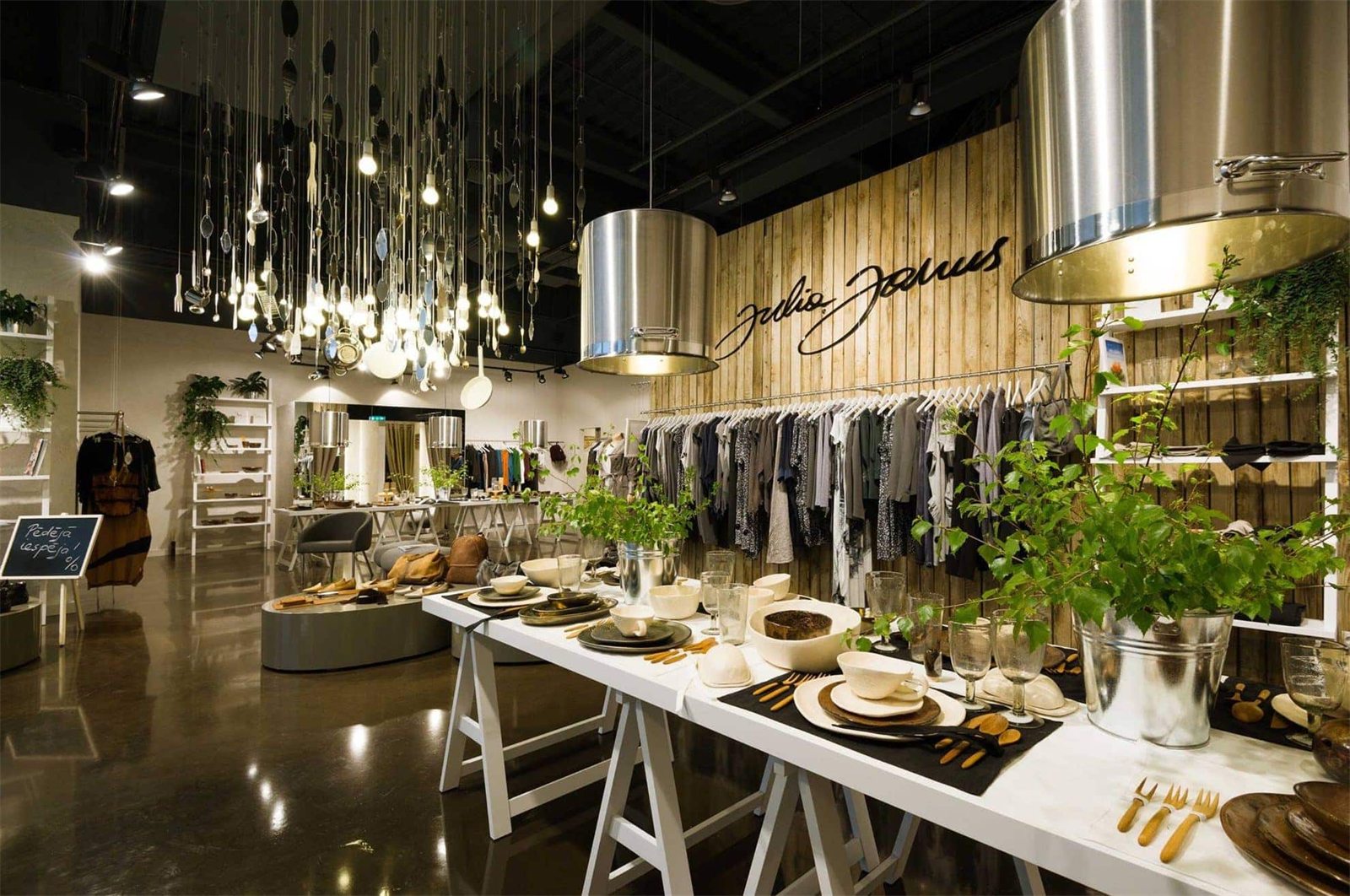
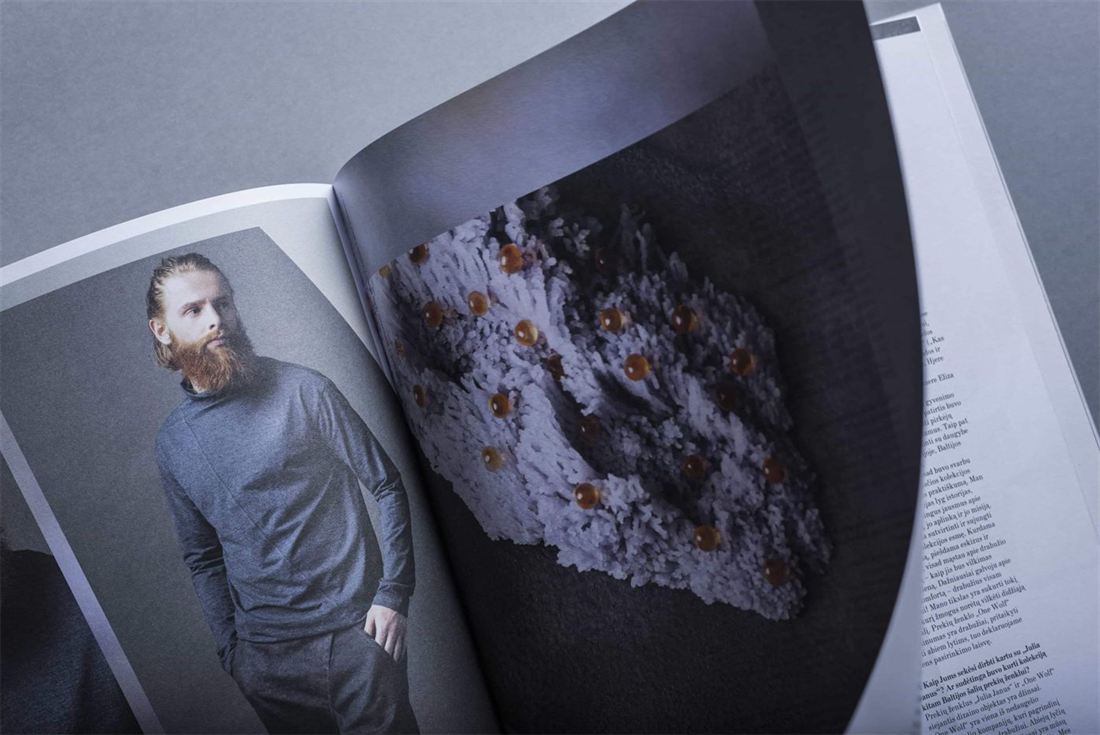
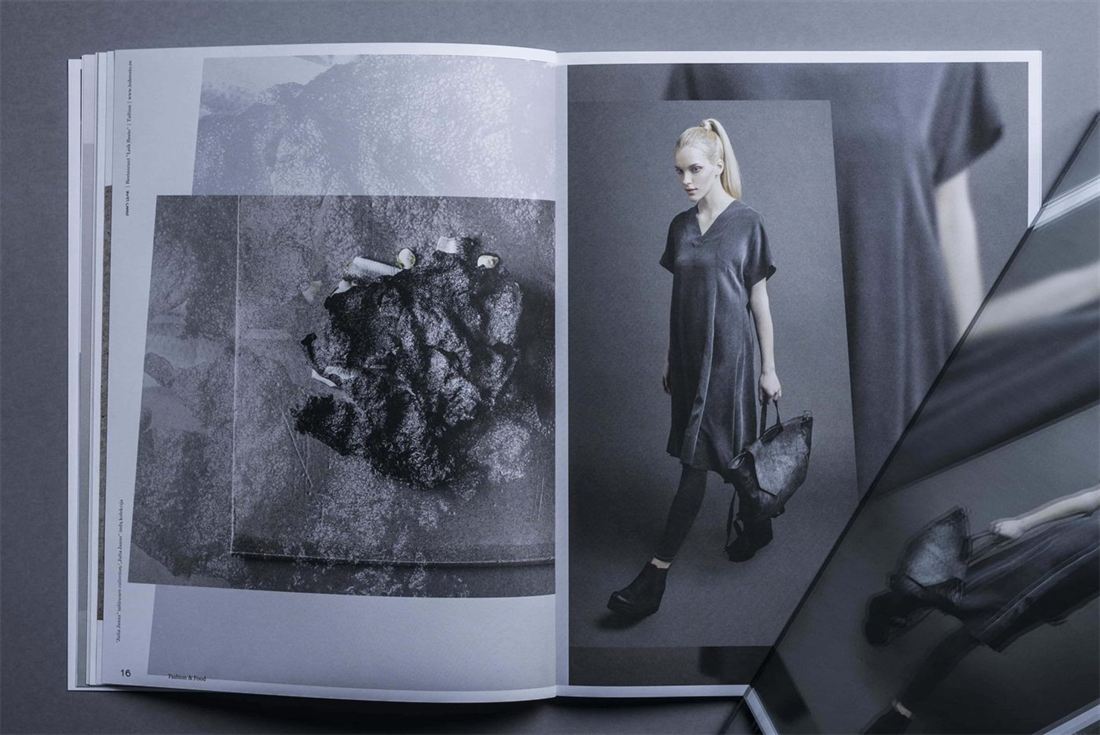
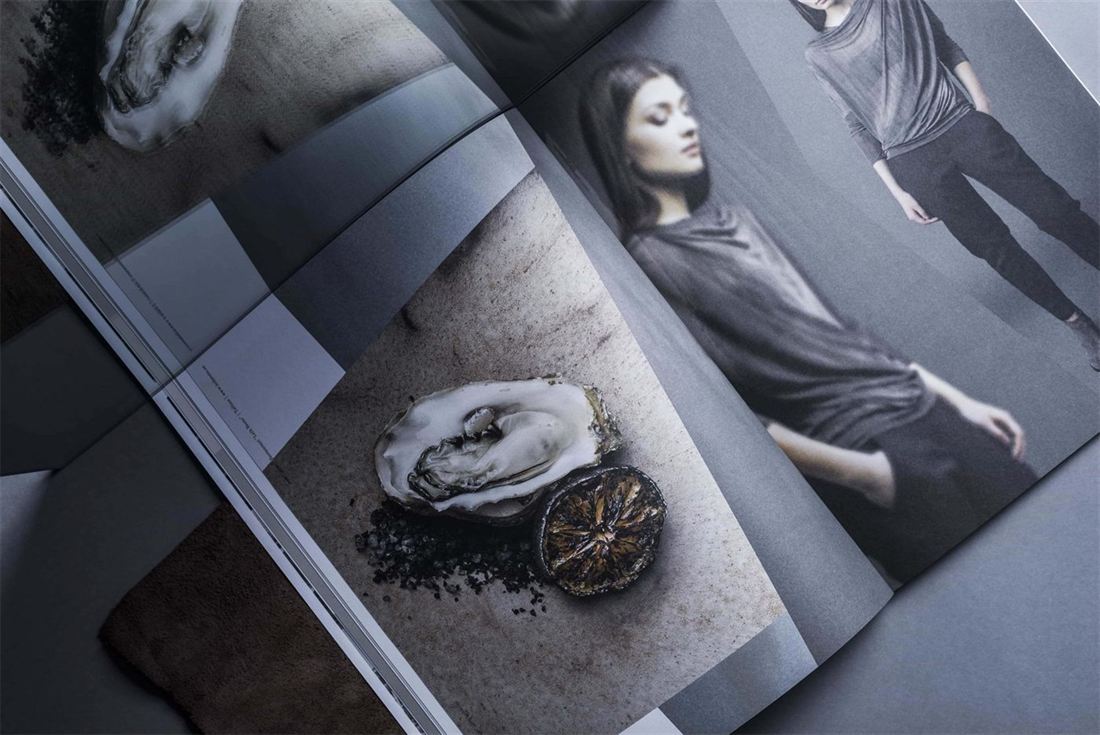
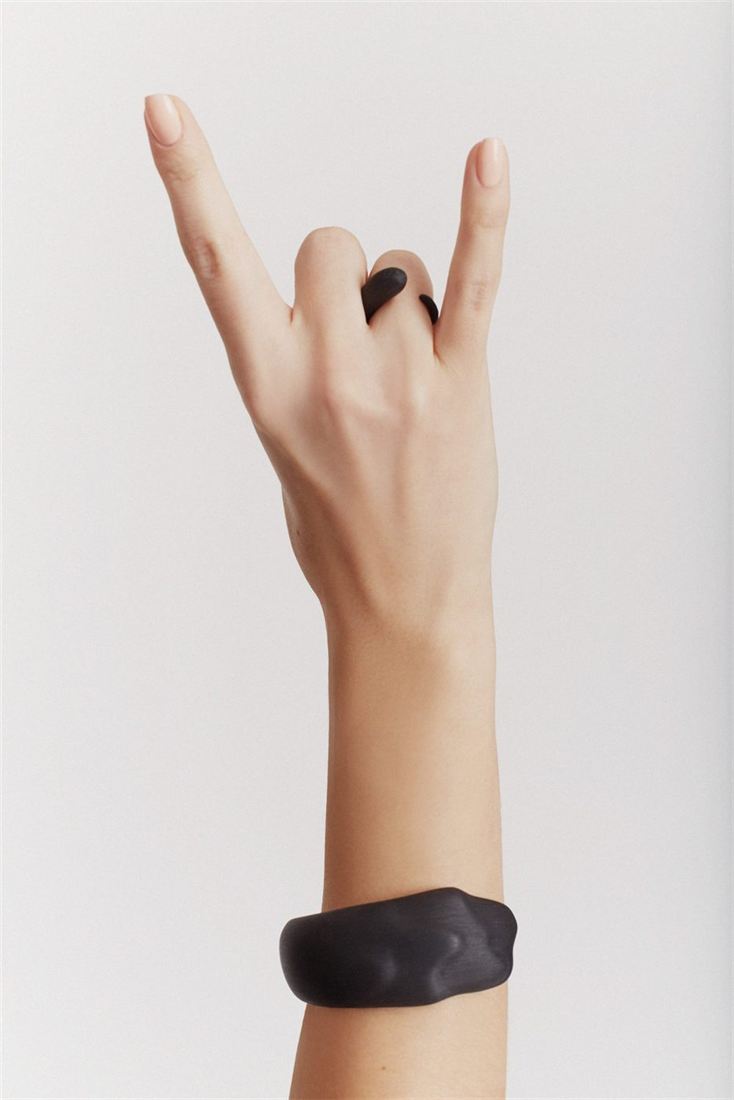
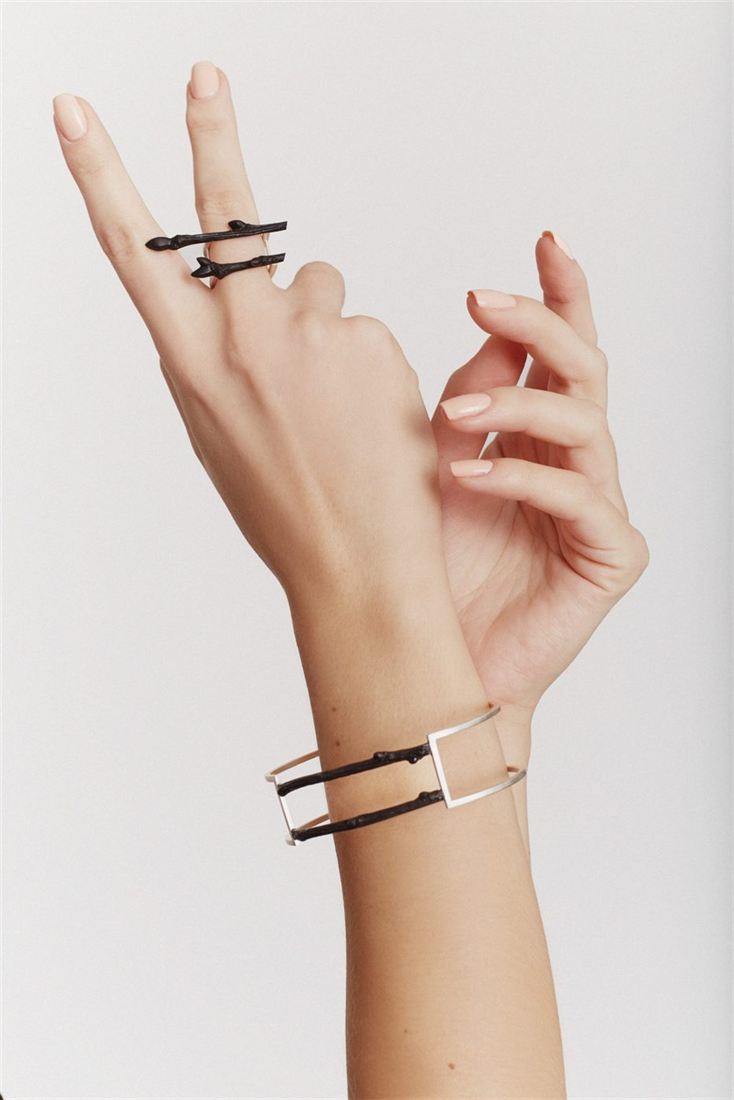
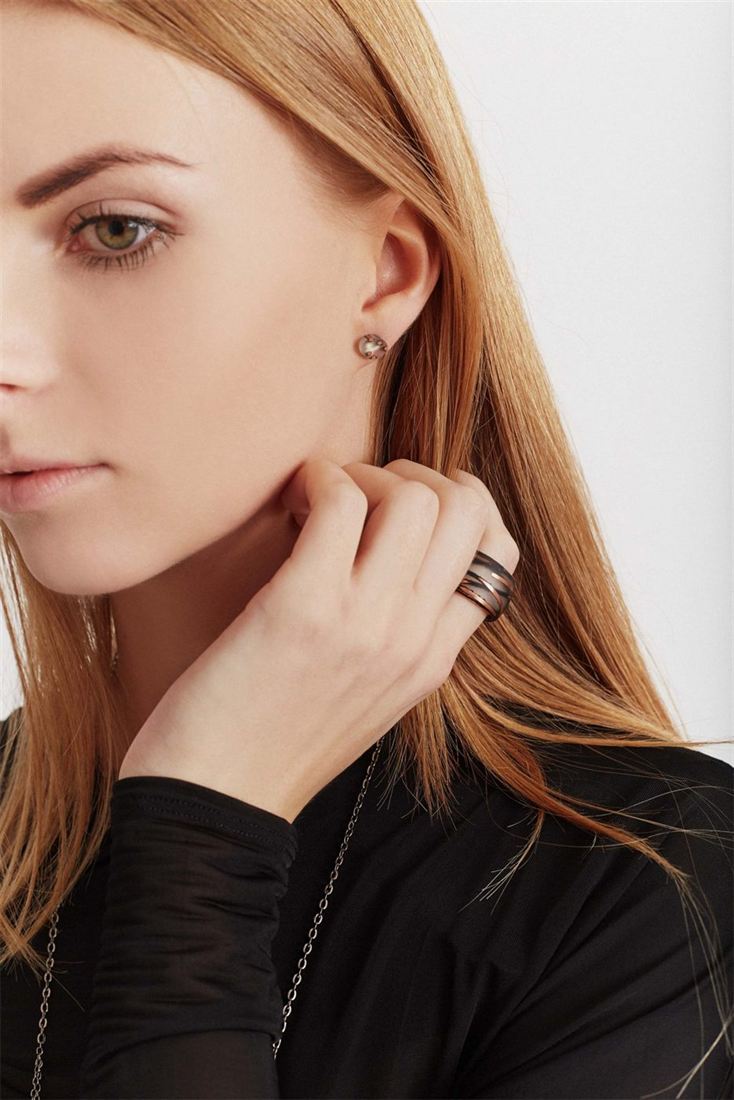
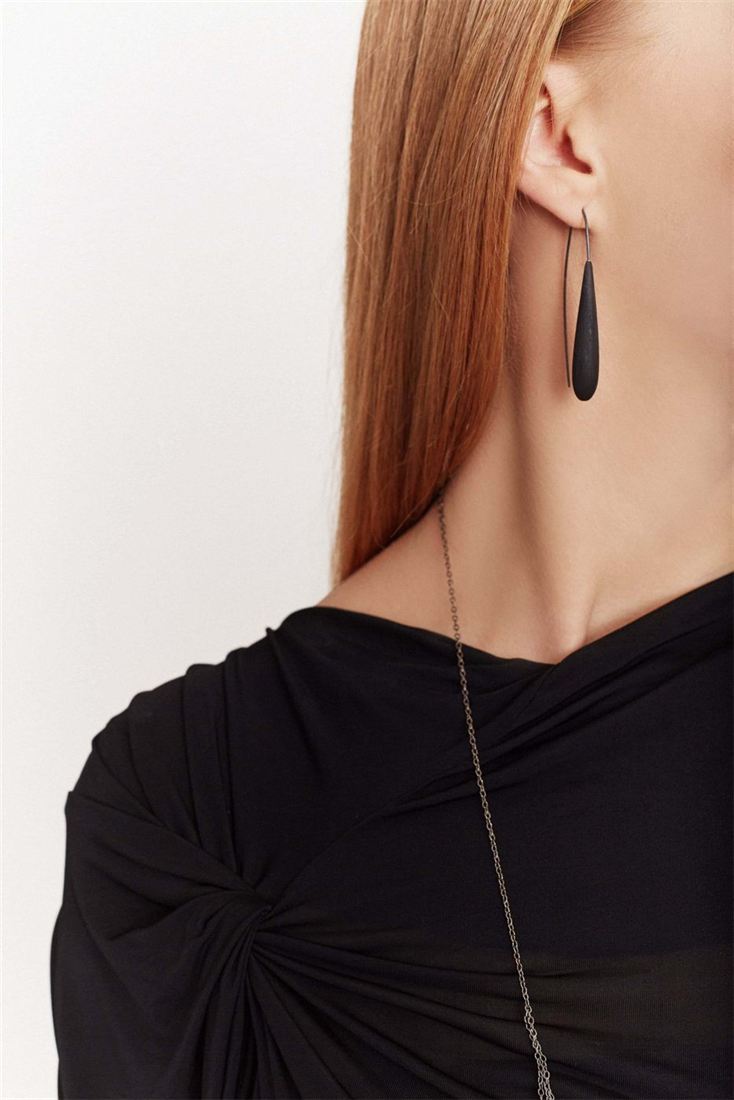
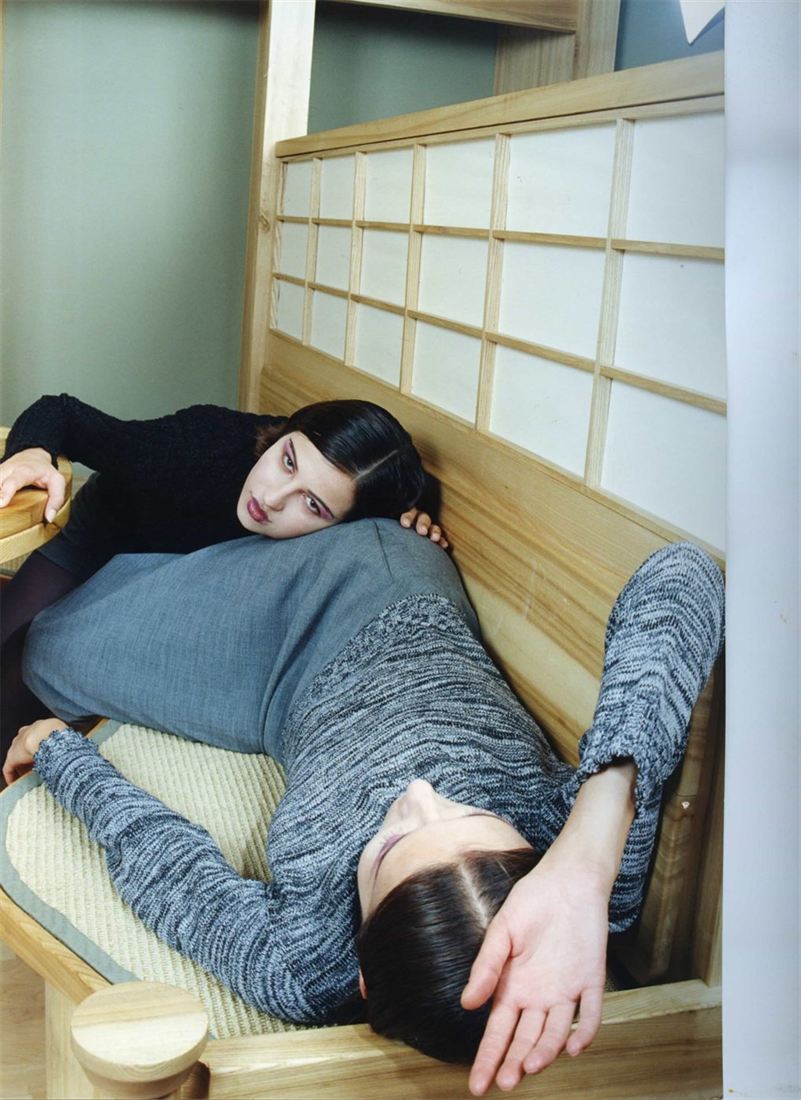
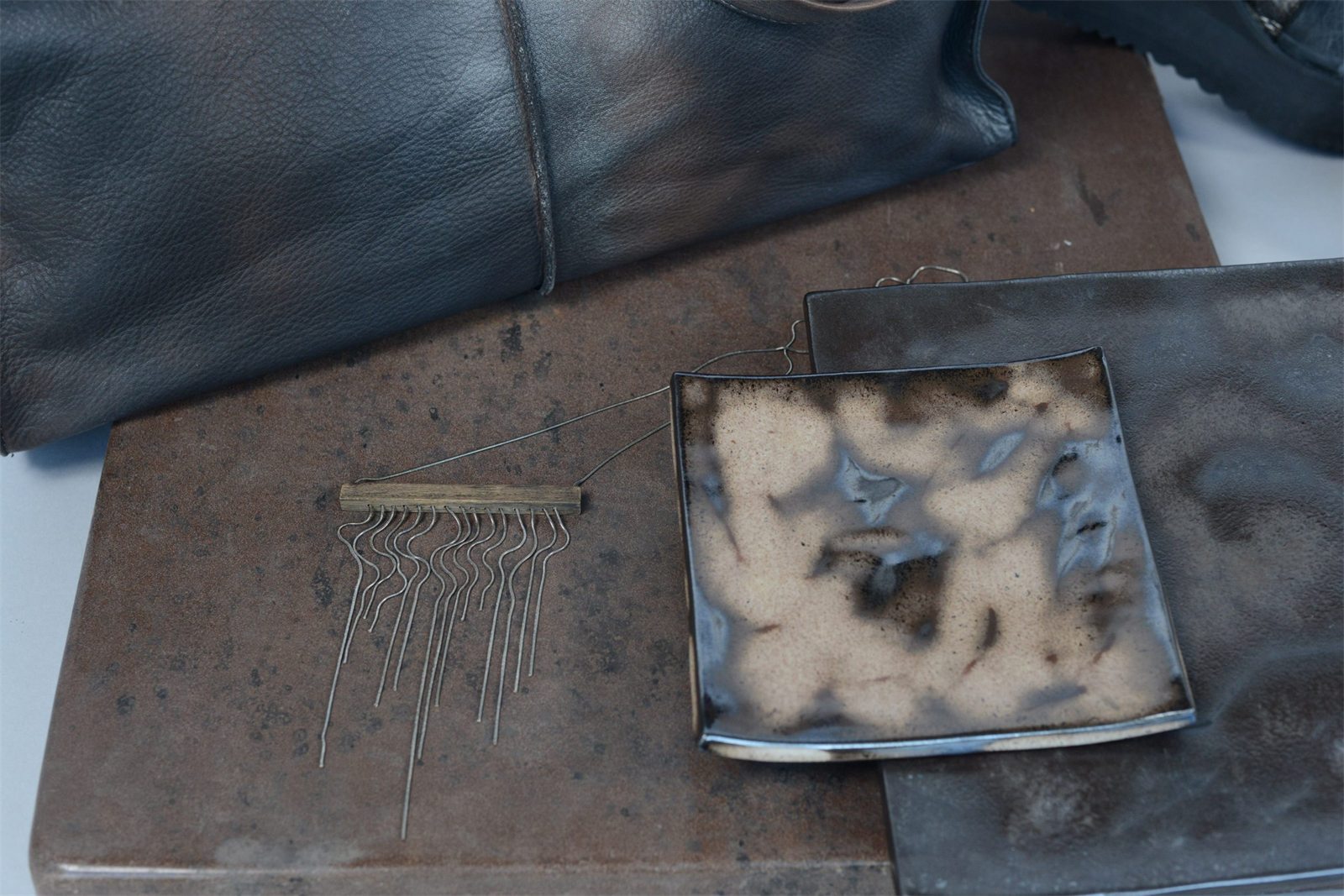
From 2008 to 2018 the label that bears her name was among the most visible phenomena in Lithuanian fashion: a holistic clothing and lifestyle concept of Baltic identity for women and men, which did not follow trends but set them, so that its designs have not dated. It reached into everything around the body: jewellery as lucky charms, made with the jewellers Renate Pukis, Warwa, Viltė Žilėnaitė and Solveiga Gutautė from wood, silver, gold, diamond, ruby, copper and pine needles as well as rubber, glass and clay; signature dinnerware with the ceramicists Rokas Dovydėnas and Agnė Kondrataitė, and candles whose wax brings the scent of the Baltic into a home; Stones, pouffes and armchairs shaped as stones for the concept stores, and Wood and Crystals, furniture of local wood inlaid with crystal at the Swarovski works, made with the wood sculptor Rytis Zaveckas; concept stores designed with the architect Gediminas Stoškus as an experience of the northern Baltic; a soundtrack by the composer Vilius Tamošaitis (GeraiGerai), built from the ships, birds, bells and voices she recorded on the coast; and Fashion & Food, four albums with the branding expert Victoria Diaz and the graphic designer Paulius Budrikis, in which the Baltic’s best chefs answered her clothes with dishes.
She has dressed performers, television personalities and contestants of international competitions, made costumes for the theatre director Arvydas Lebeliūnas and worked on a film with the painter and director Arūnas Rutkus. Today her teaching draws on all of it: her lecture on the label’s history and lessons is offered to anyone building a design brand that wants to go international.
Teaching and lectures
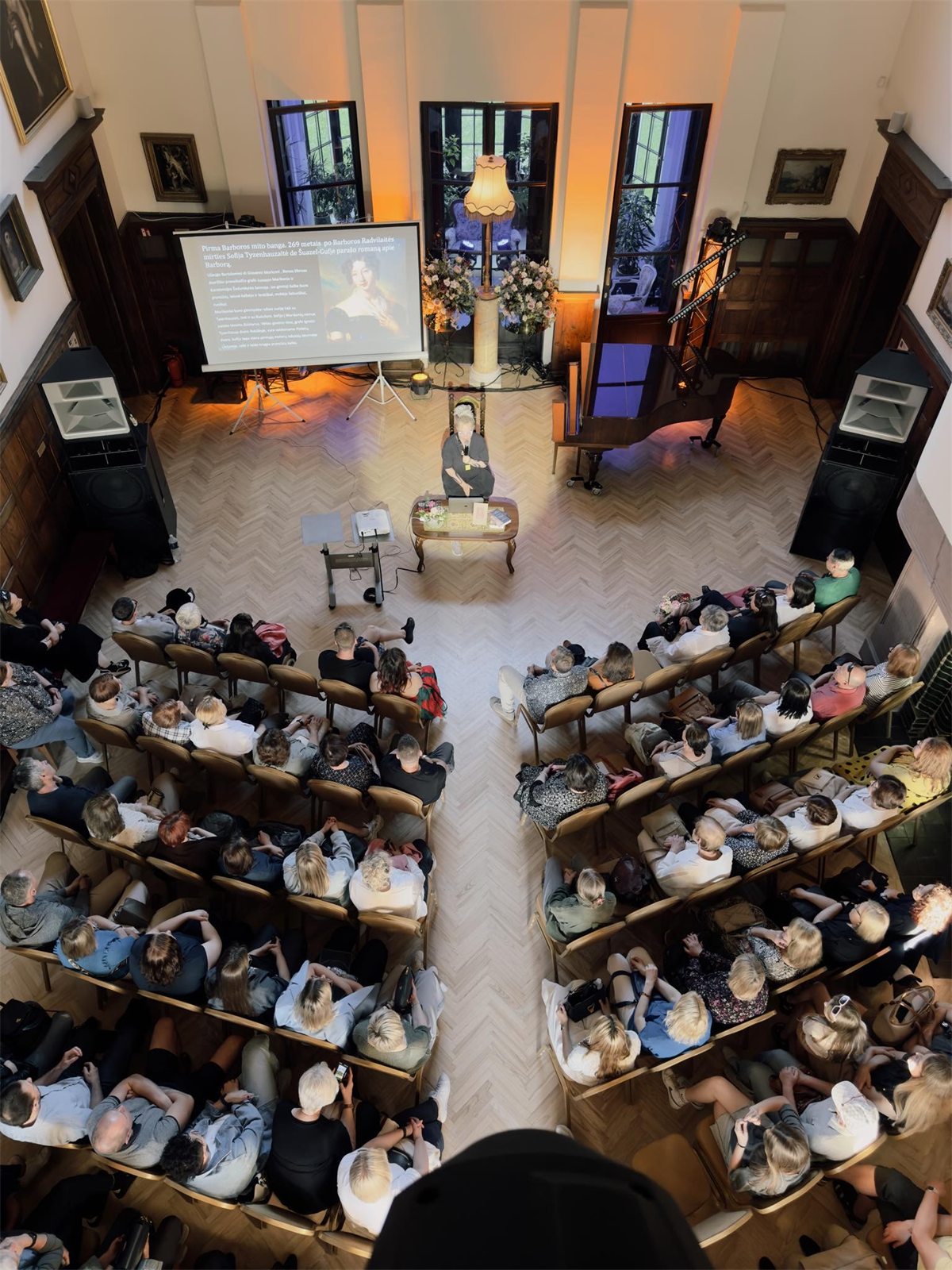
Julia has three lectures she calls mature: the history and lessons of the label that bears her name, for anyone starting or growing a design brand (two to three hours); The City at Eye Level, creative placemaking workshops for municipalities, communities and developers who want to find a place’s identity and a strategy to turn space into a place that draws investors, visitors and residents (three to six hours); and Secret Love, on what the story of Barbara Radziwiłł and Sigismund Augustus can do for Lithuanian tourism, with comparisons to the best practice in the world.
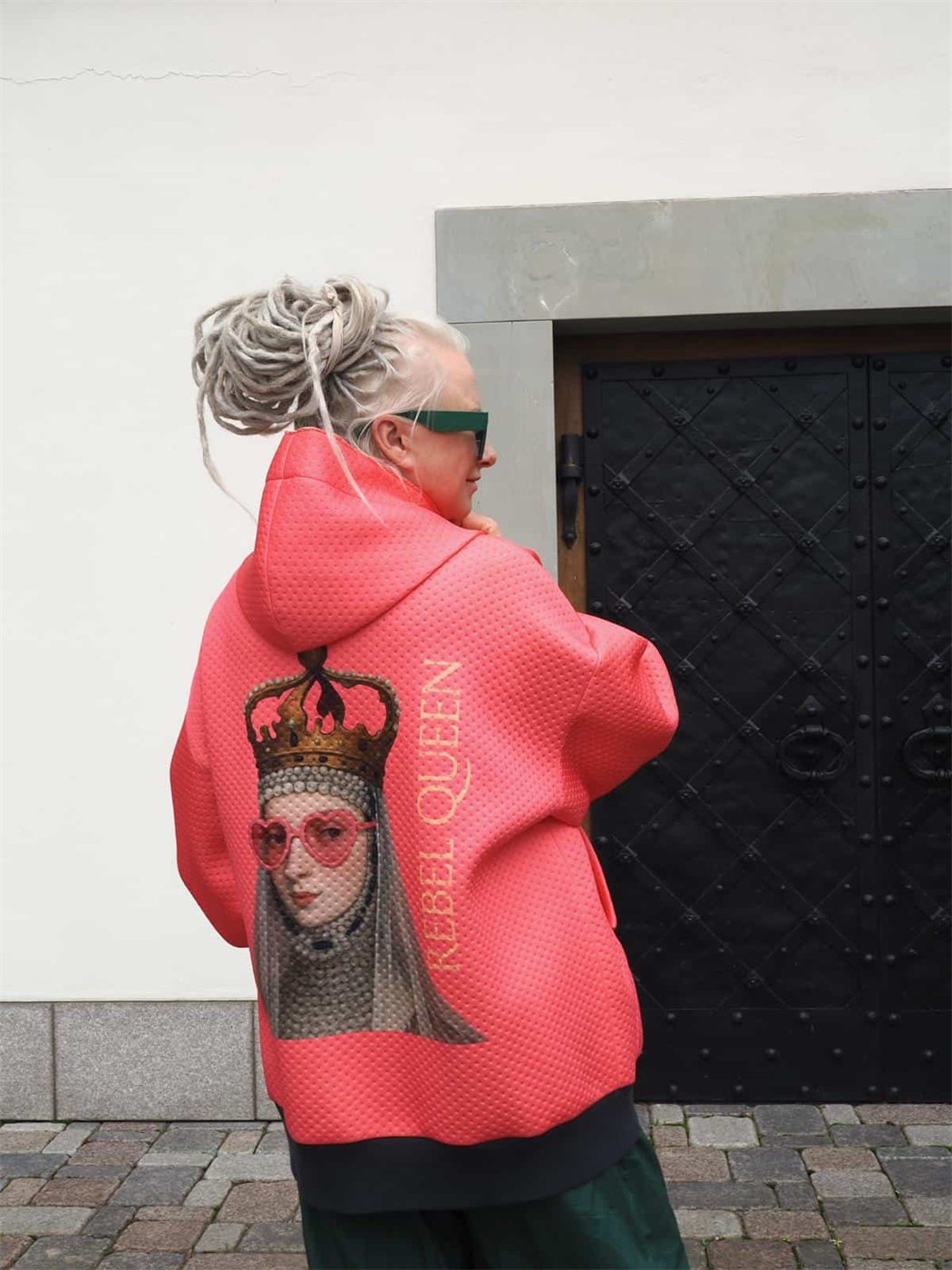
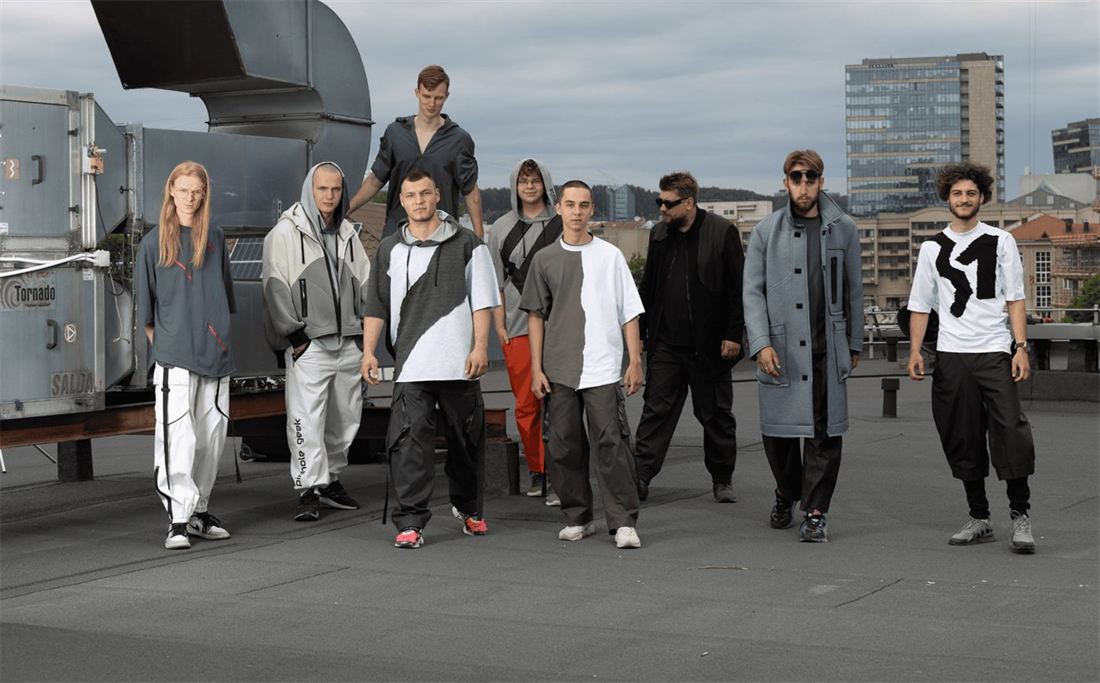
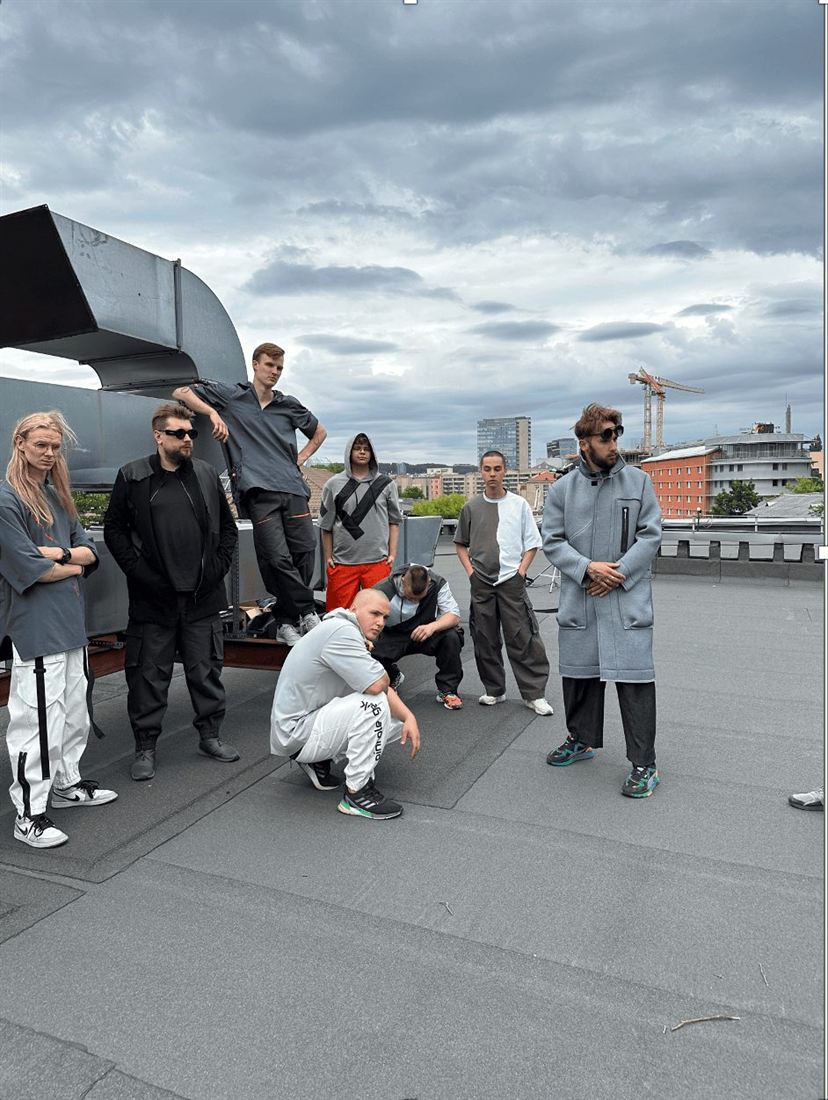
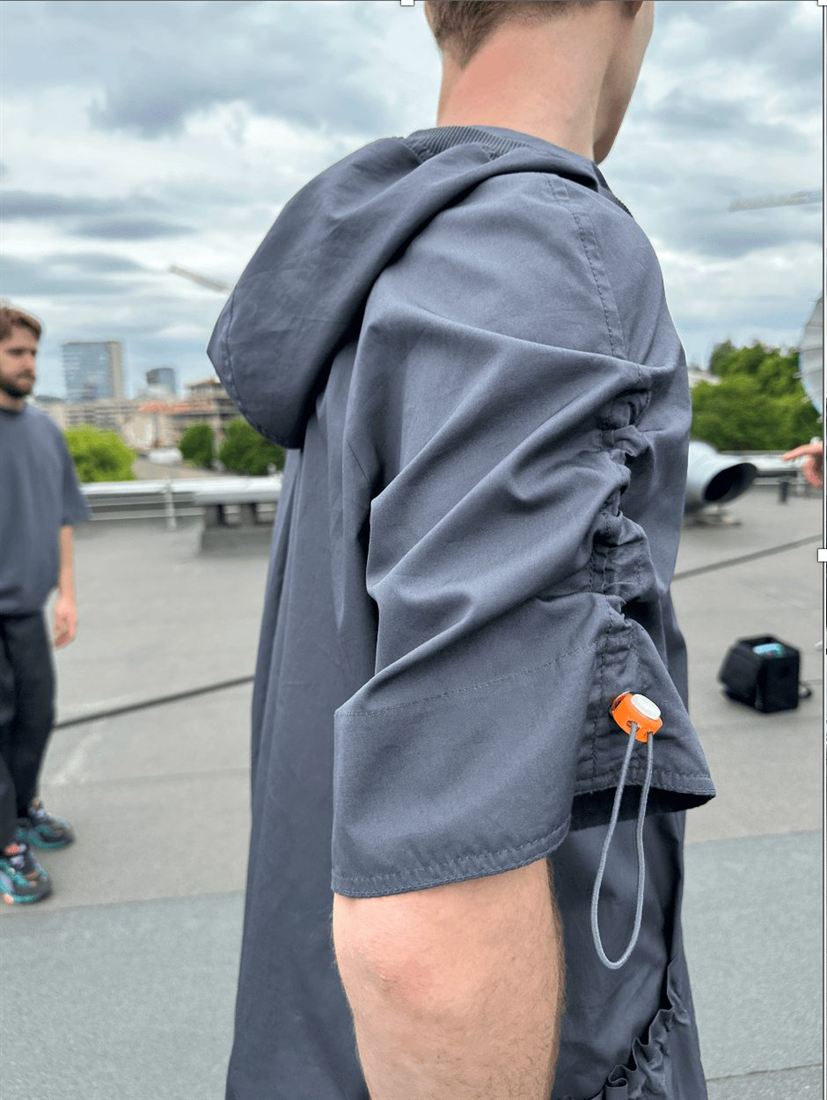
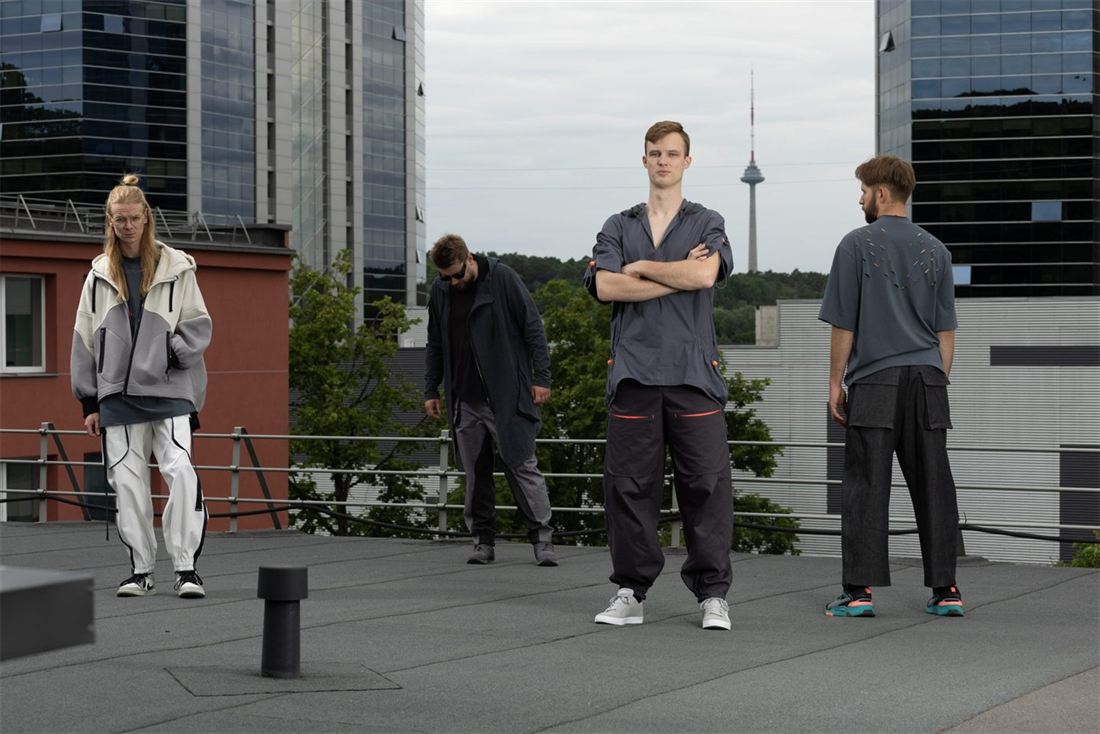
Every couple of years she takes interns for at least three months, students of marketing, design, business, art management, art history, communication or politics, to work on visions of a northern old town in placemaking, marketing, design, curating, gallery management and community work, and she often keeps working with them afterwards; she also runs workshops in universities for design and technology students, making a work together on a chosen theme, as with Pinhole Geek, or the Rebel Queen collections for men and women, made with the students and teachers of one of Lithuania’s oldest tailoring schools.

On board
On RAW Julia will read each place through its spirit: the cultural signs, identity, crafts and colours of the islands, coasts and harbour towns on the route, and the way their history is marked and brought to life. She will turn this into research and, where local stakeholders agree, into placemaking workshops that help a place find the synergy between its own culture and its setting, and ways to attract visitors. Where it is needed she will make installations, wherever possible together with the people who keep the crafts and the signs of a place’s DNA alive, and she will keep the voyage’s stories: the legends, love stories and people met along the way, written down and told as the boat moves, as she has done for Vilnius.
05CV62
Now: Secret Love
Selected works
Exhibitions
Fashion and design
Placemaking and curating
Social projects
Education, memberships and awards
Working with partners
06Gallery193
Gallery
Letters from aboard
We write when there is something to tell: from Vilnius now, later from aboard and from sea. On the day we leave, you hear first.