01 Why it’s unique
Malta’s megalithic temples, such as Ġgantija on Gozo (around 3600 BC), are older than Stonehenge and the pyramids. The Hypogeum, an underground burial complex cut into rock, admits only small groups each day.
02 Culture and history
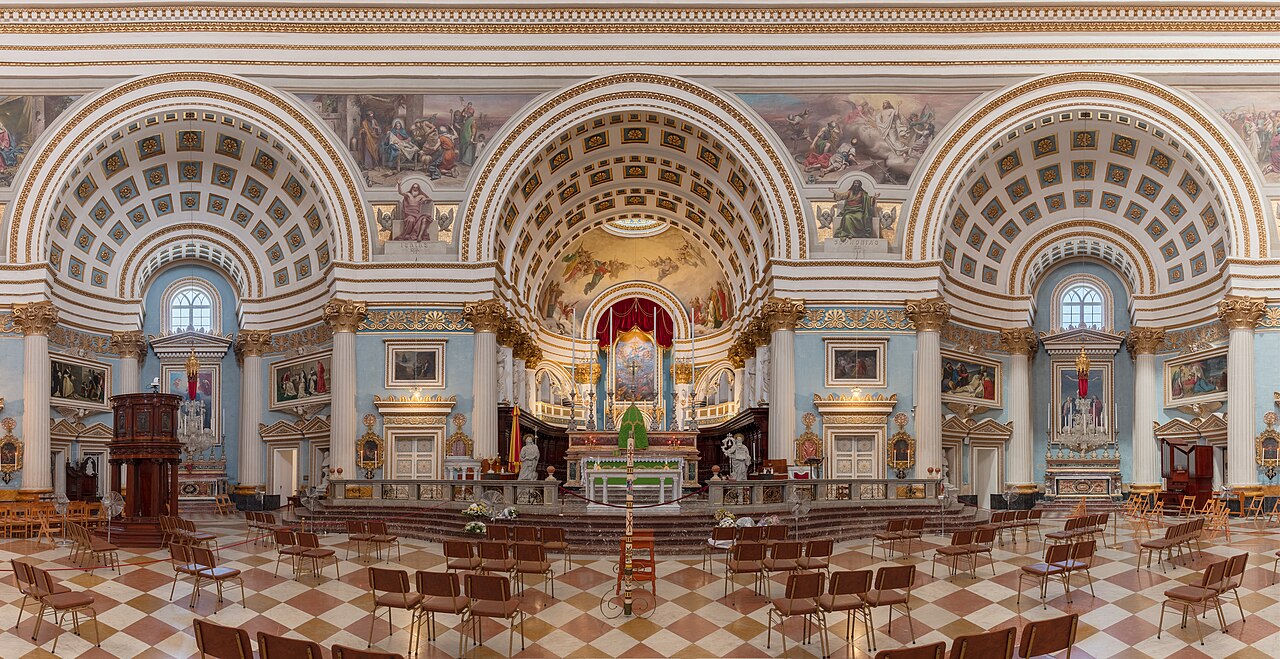
The Knights of St John ruled Malta from 1530. After resisting the Great Siege of 1565, they founded Valletta in 1566. St John’s Co-Cathedral holds Caravaggio’s Beheading of St John the Baptist, his largest painting and the only one he signed. In the Second World War the island endured heavy bombing and was awarded the George Cross in 1942. Maltese is a Semitic language written in the Latin alphabet. From June to September, villages celebrate their patron saints with festas, processions and fireworks; RAW’s September visit comes at the end of the season.
03 Placemaking
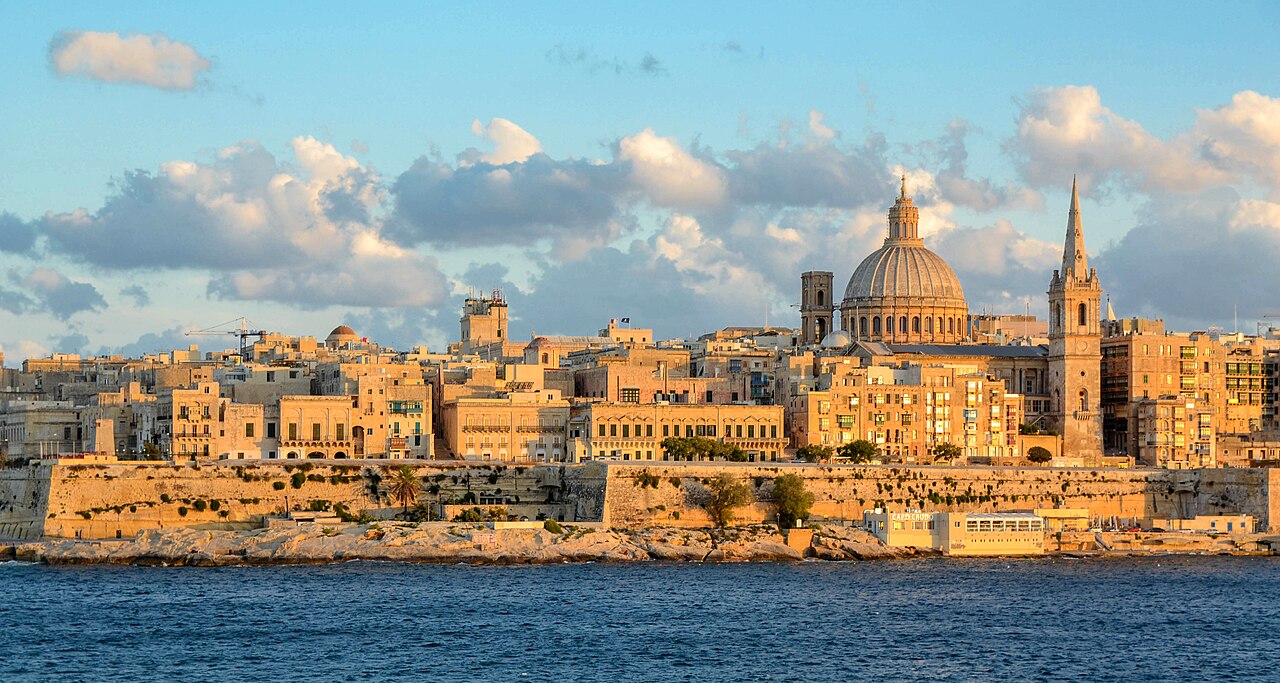
Valletta was planned as a grid by Francesco Laparelli, with streets designed to channel sea breezes, and its houses wear enclosed wooden balconies (gallarija). Renzo Piano’s City Gate project (2015) rebuilt the city entrance, raised a new parliament and turned the bombed opera house into an open-air theatre. Valletta was European Capital of Culture in 2018.
04 Diving and water
Some of the best diving in the Mediterranean: the Um El Faroud tanker and the destroyer HMS Maori, Gozo’s Blue Hole and Inland Sea, and caves around Comino.
05 Photography
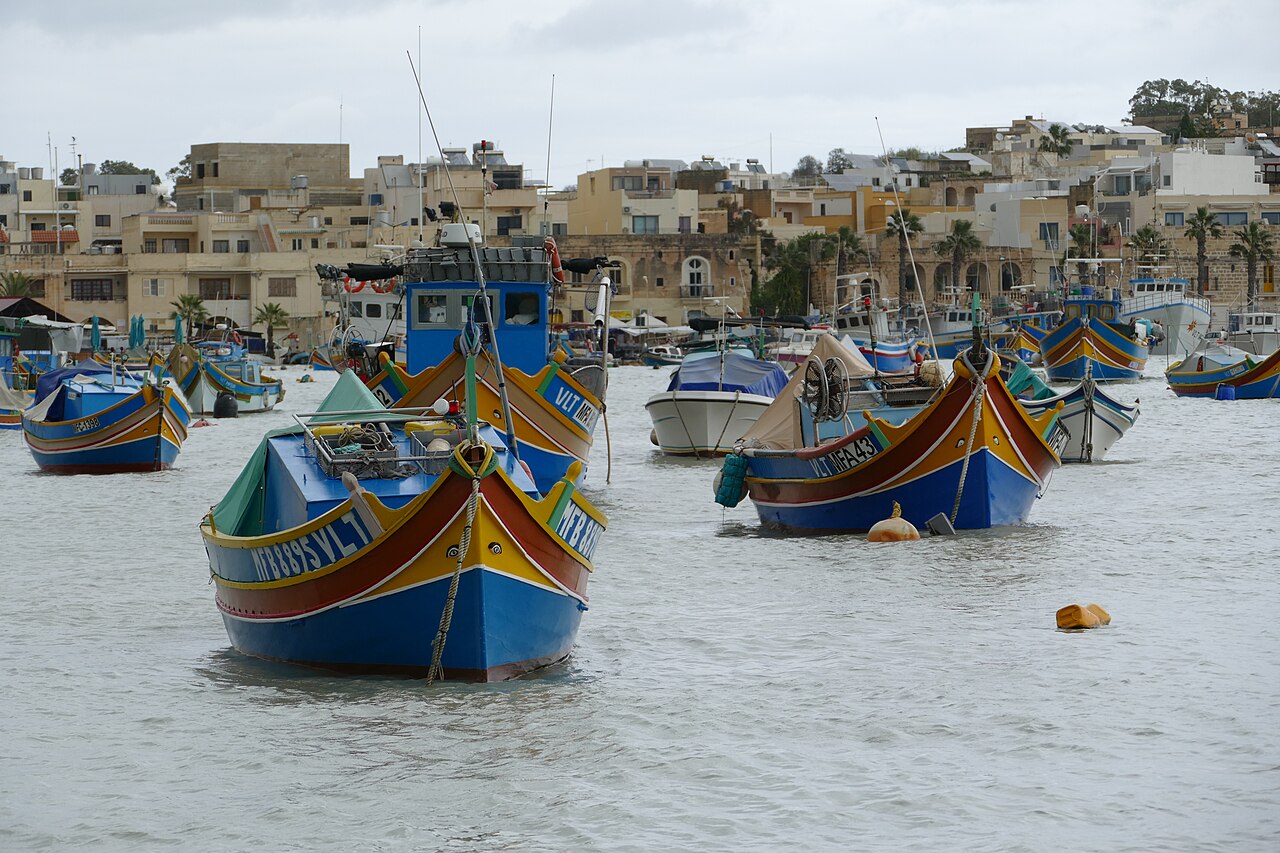
The Grand Harbour from Upper Barrakka, with the noon gun; painted luzzu boats with the Eye of Osiris at Marsaxlokk; festa fireworks.