01 Why it’s unique
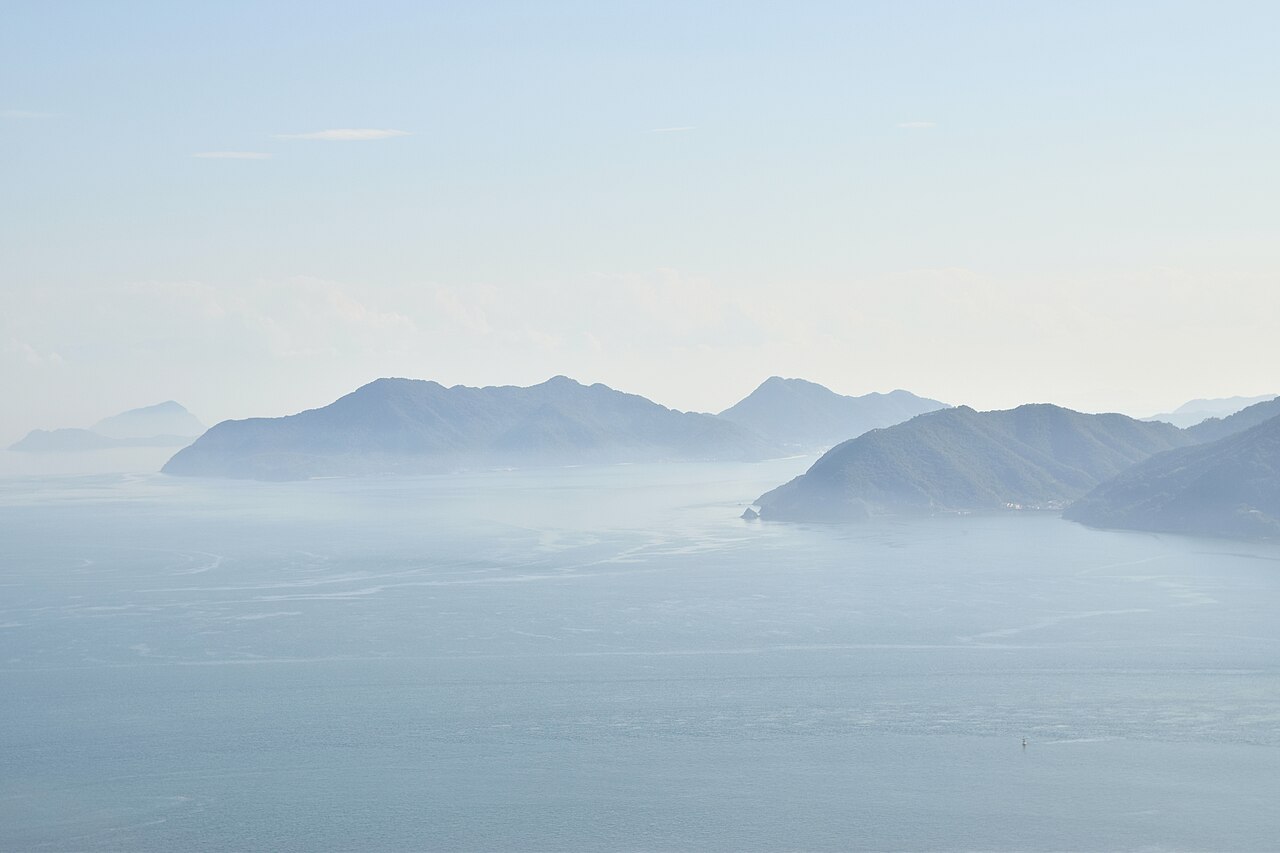
More than 700 islands in a calm inland sea that became one of Japan’s first national parks in 1934. In recent decades it has also become the world’s leading example of art-led revival of shrinking island communities. The Setouchi Triennale art festival, held every three years since 2010, is expected to hold its spring session around April–May 2028 (dates to be confirmed), exactly when RAW passes.
02 Culture and history
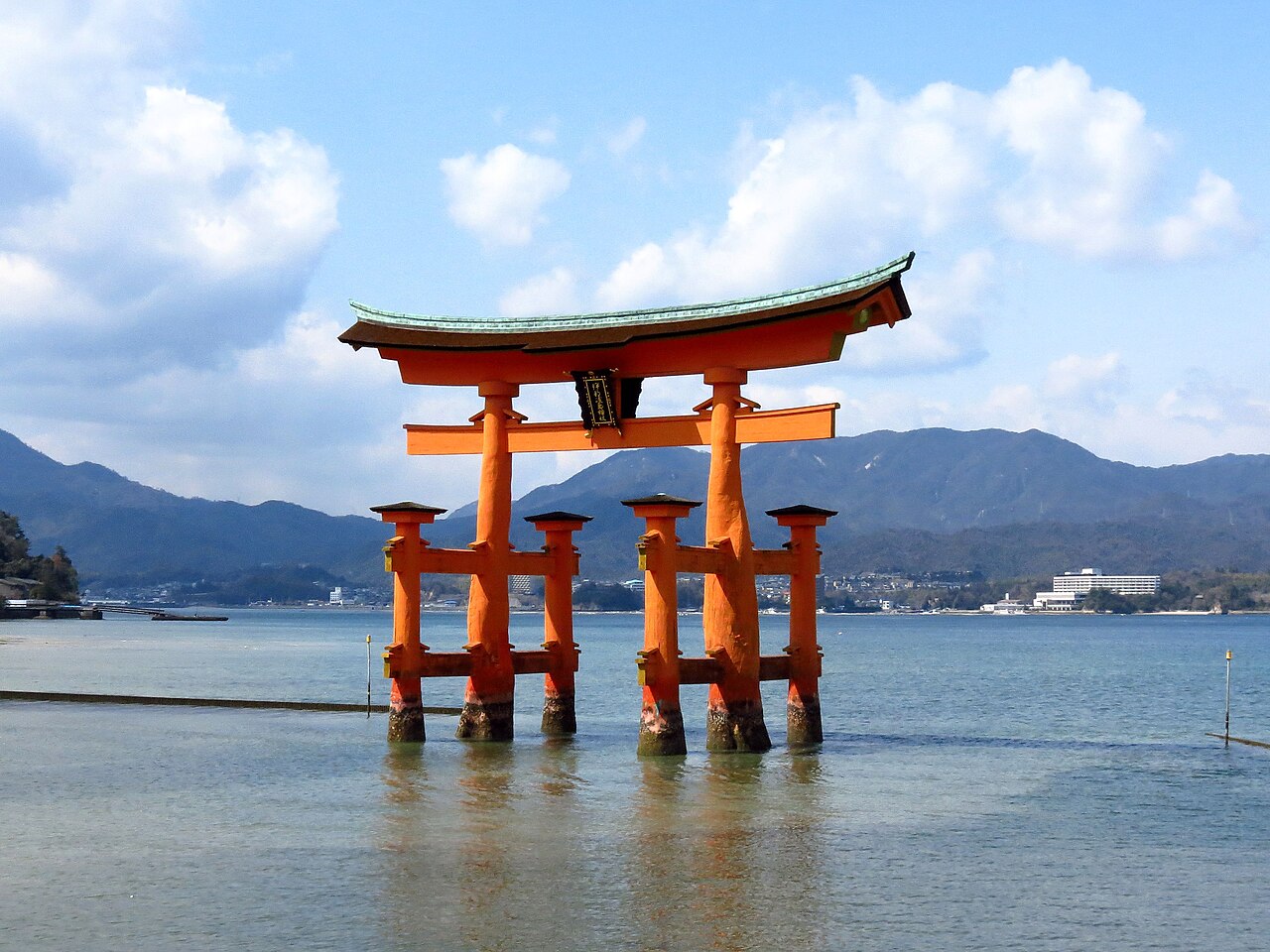
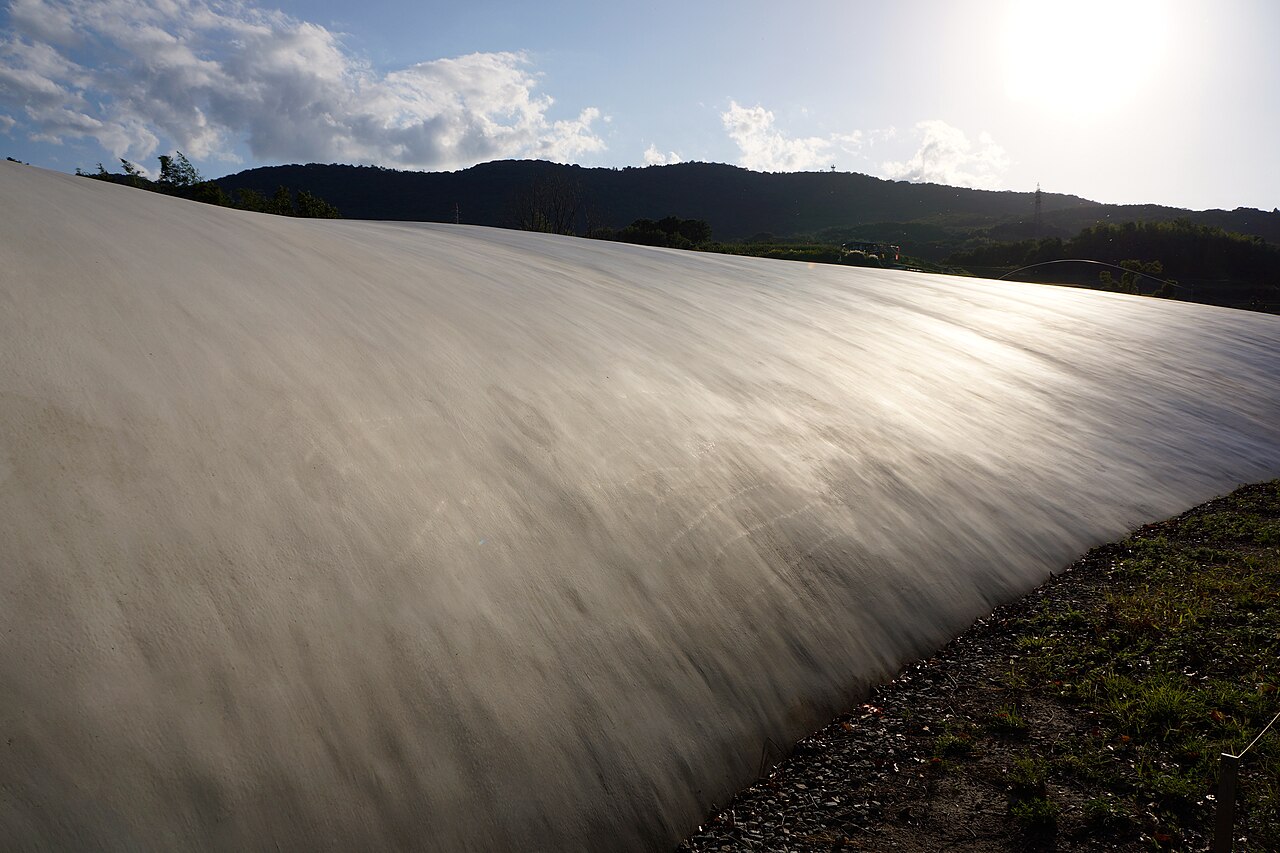
Itsukushima Shrine on Miyajima, with its great torii gate standing in the sea, is a UNESCO site. In Hiroshima, the Atomic Bomb Dome (UNESCO) stands as it was left on 6 August 1945. On Naoshima, the Benesse foundation and the architect Tadao Ando have created museums since the 1990s, including the Chichu Art Museum (2004), built mostly underground to show Monet’s Water Lilies and works by James Turrell and Walter De Maria in natural light. Yayoi Kusama’s yellow pumpkin sits on the pier; it was swept away by a typhoon in 2021 and reinstalled. On Teshima, the Teshima Art Museum (Ryue Nishizawa and Rei Naito, 2010) is a single concrete shell where water droplets move across the floor under two open skylights. Onomichi, on the mainland, is a temple town of hillside lanes and the setting of Ozu’s film Tokyo Story (1953).
03 Placemaking
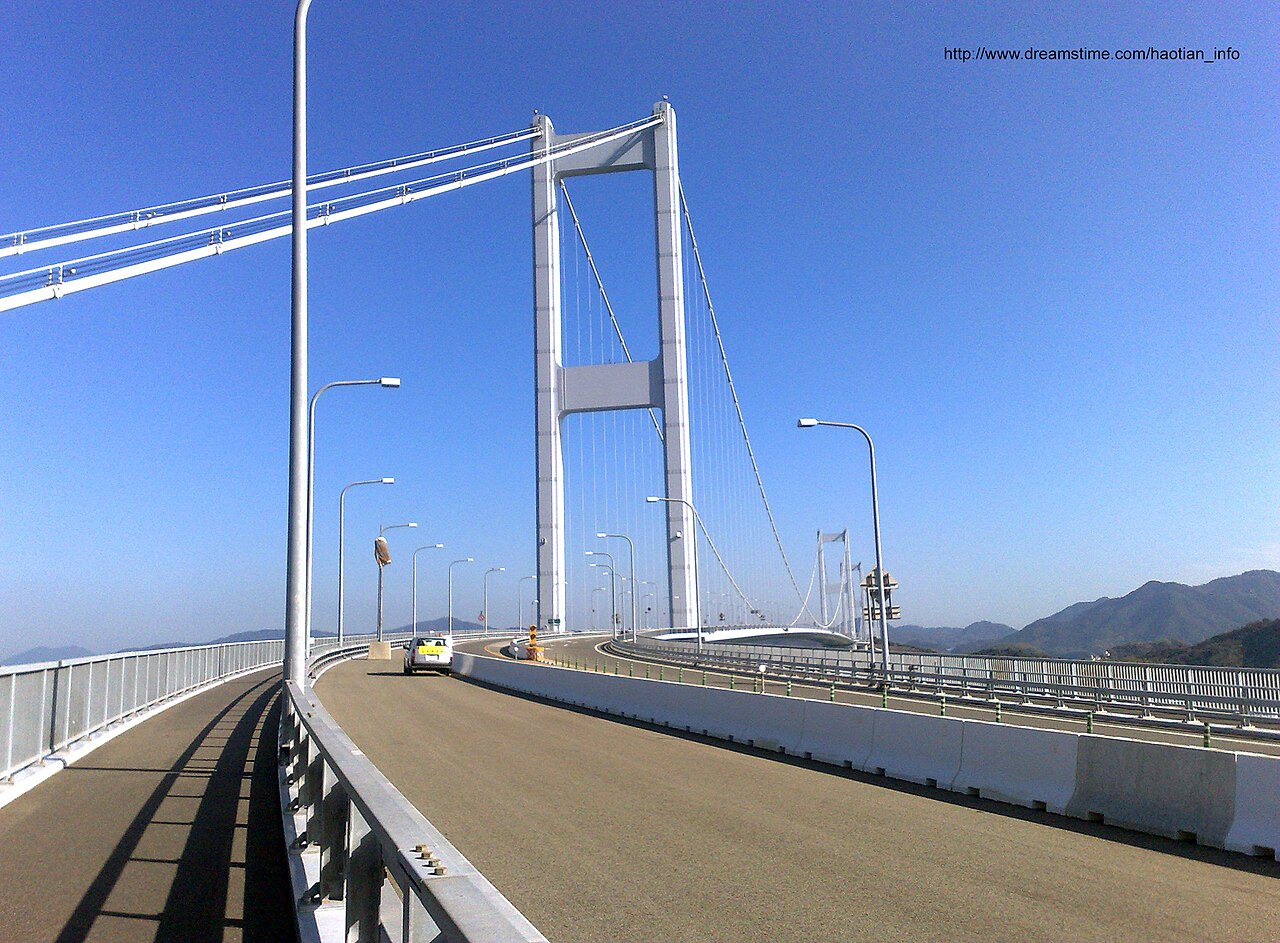
Kenzo Tange’s Hiroshima Peace Memorial Park (1949) aligns the cenotaph, the museum and the ruined dome on a single axis, one of the most influential pieces of post-war urban design. Naoshima’s Art House Project (from 1998) turned empty houses in Honmura village into artworks, bringing visitors and young residents back. On Teshima, abandoned rice terraces around the museum have been restored. In Onomichi, a volunteer group renovates vacant houses (akiya) for new residents, and ONOMICHI U2, a converted sea warehouse, is the base for the Shimanami Kaido, a 70 km cycling route across six islands and their bridges.
04 Diving and water
Little diving; this is a place for sailing, ferries and cycling.
05 Photography
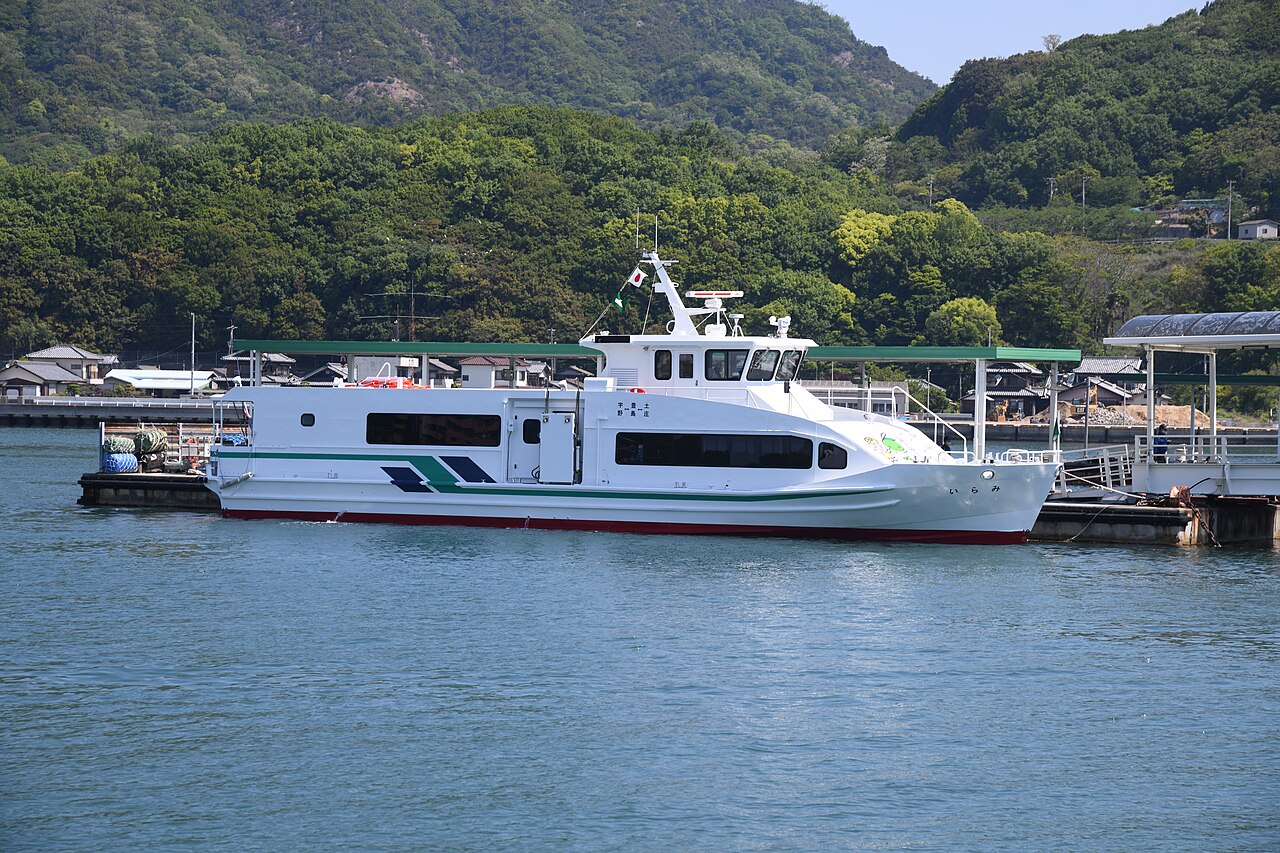
Miyajima’s torii floating at high tide and walkable at low tide; Ando’s concrete and light (photography is not allowed inside Chichu); the Shimanami bridges; island ferries at dusk.