01 Why it’s unique
A city of hills, light and tiles that was destroyed by the earthquake, tsunami and fire of 1755 and rebuilt as one of the first modern planned cities in Europe.
02 Culture and history
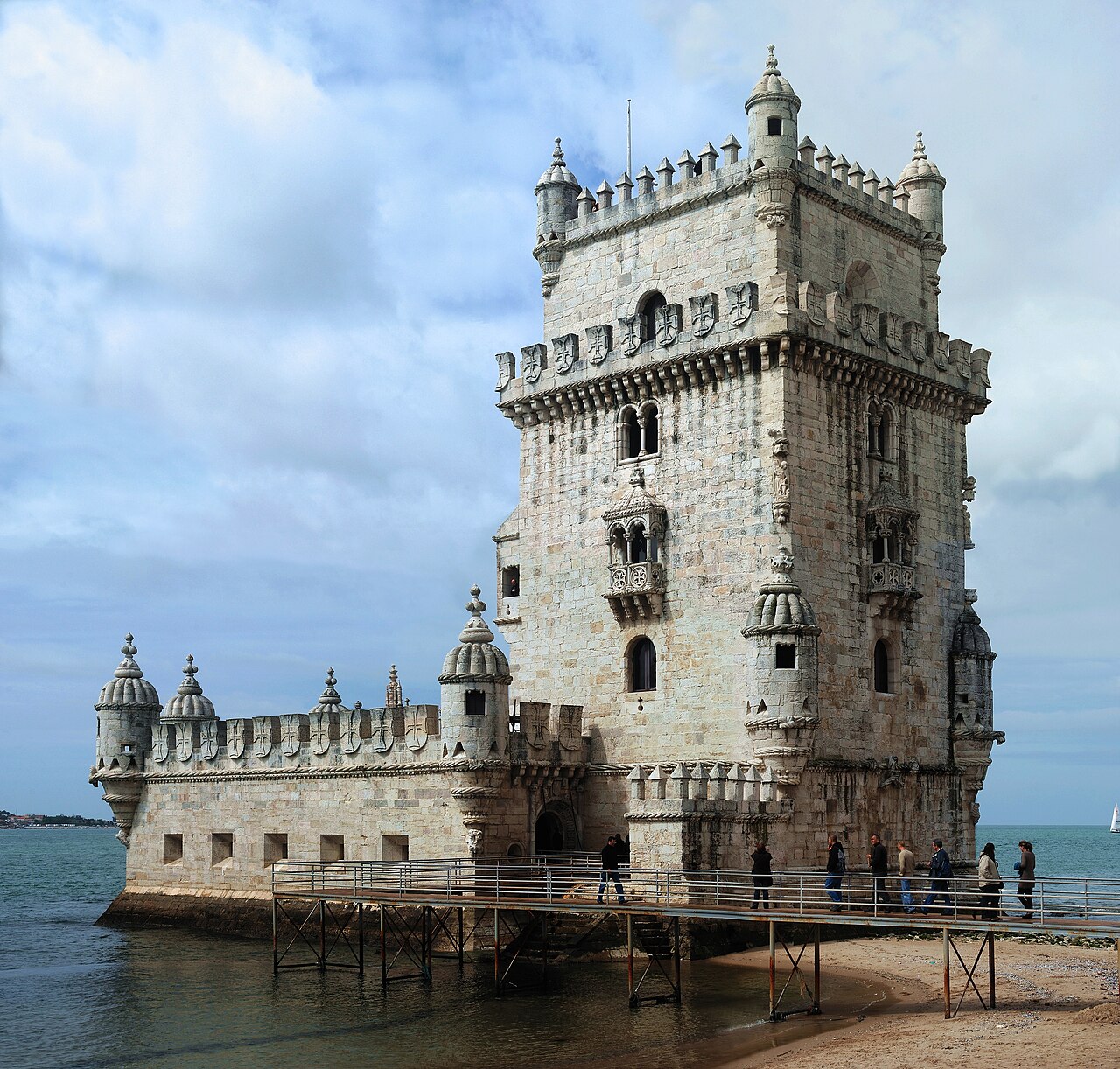
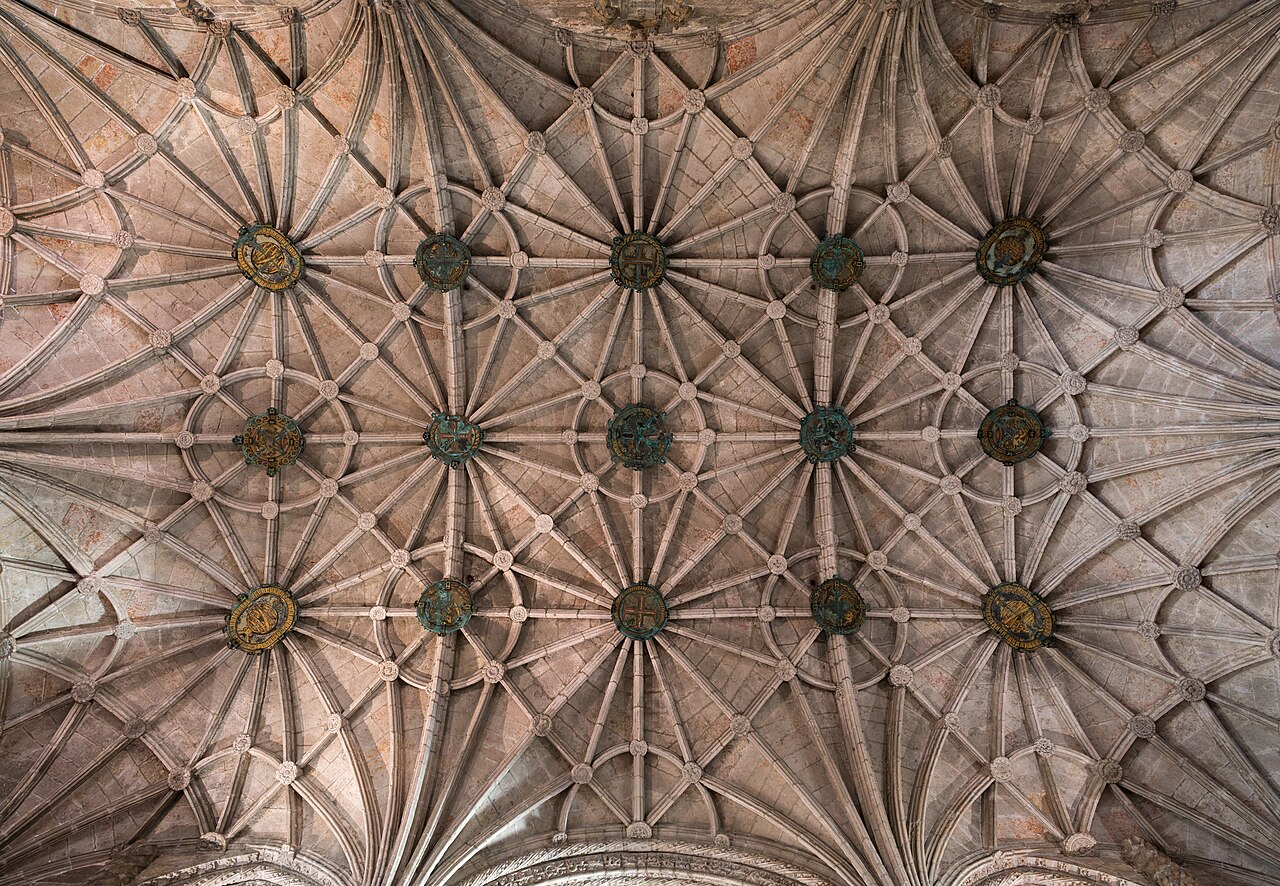
Vasco da Gama sailed from Belém in 1497 to open the sea route to India; the Jerónimos Monastery and the Belém Tower (UNESCO) celebrate that age in the Manueline style, carved with ropes, anchors and sea creatures. Fado, the song of longing, is heard in the taverns of Alfama (UNESCO, 2011). The National Tile Museum tells the story of azulejos. The Carnation Revolution of 25 April 1974 ended the dictatorship almost without bloodshed. In June, when RAW arrives, Lisbon celebrates its patron saint Santo António (12–13 June) with street parties, grilled sardines and decorated alleys in Alfama.
03 Placemaking
After 1755, the Marquis of Pombal rebuilt the Baixa as a grid of uniform buildings with an internal timber “cage” designed to resist earthquakes, opening onto the great riverside Praça do Comércio. The black-and-white limestone pavements (calçada portuguesa) and the miradouros (public viewpoints) are part of the city’s identity. LX Factory turned a former textile mill into a creative quarter, and Ribeira das Naus, a former royal shipyard, became a riverside promenade in 2014.
04 Diving and water
The Berlengas islands marine reserve, off Peniche, lies on the way north to Porto.
05 Photography
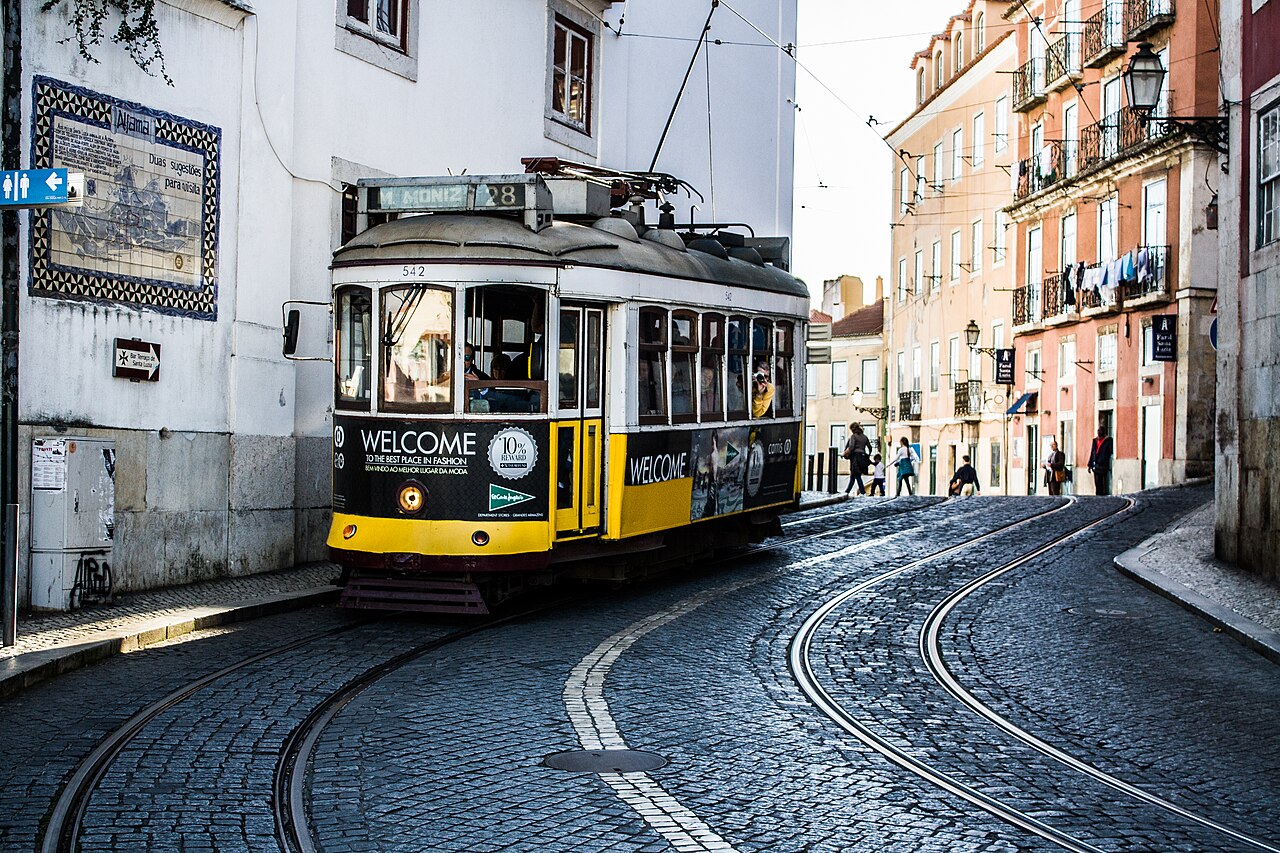
Tram 28 in Alfama’s narrow streets; sunset from the Miradouro da Senhora do Monte; Santo António street parties.