01 Why it’s unique
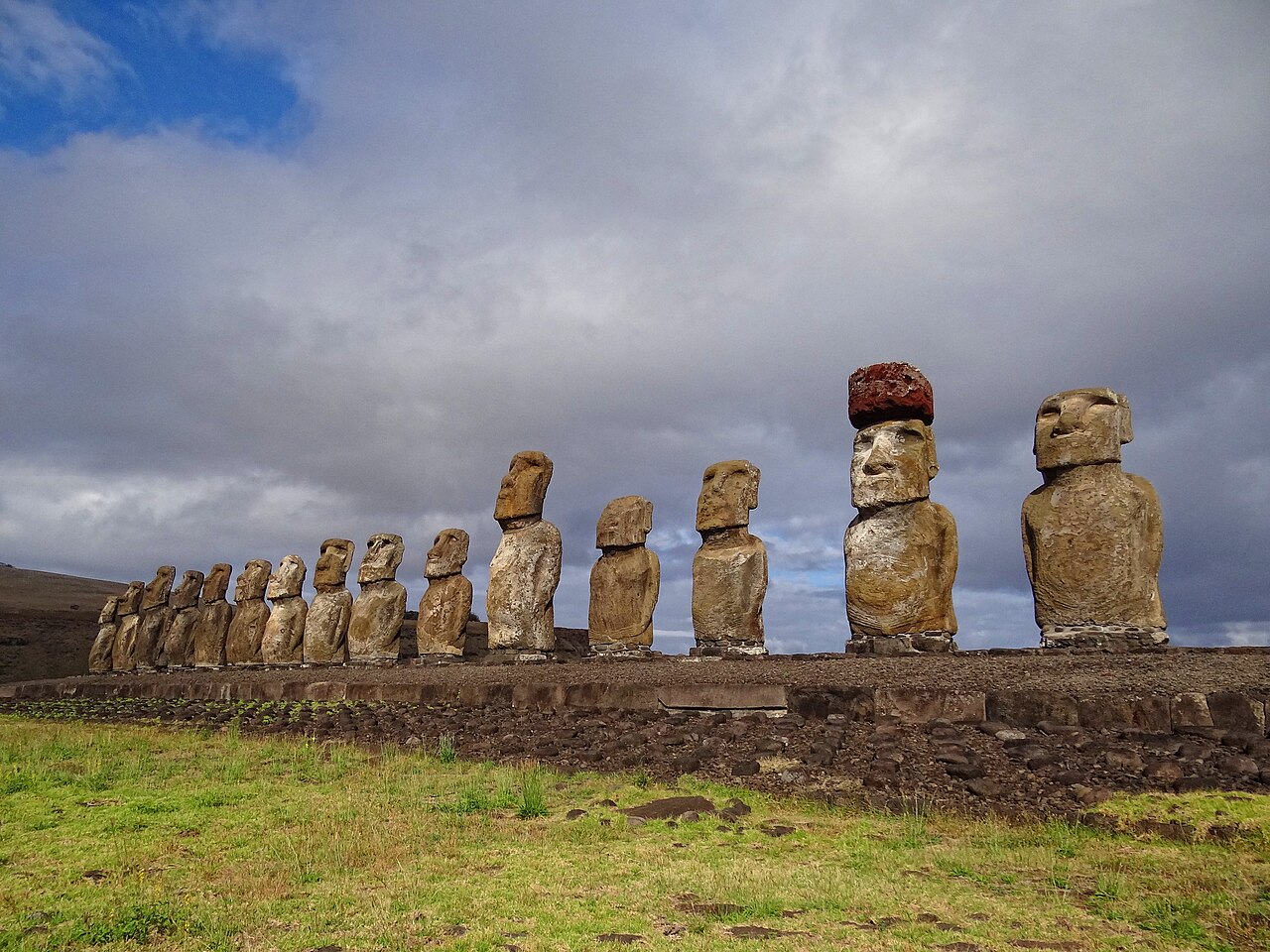
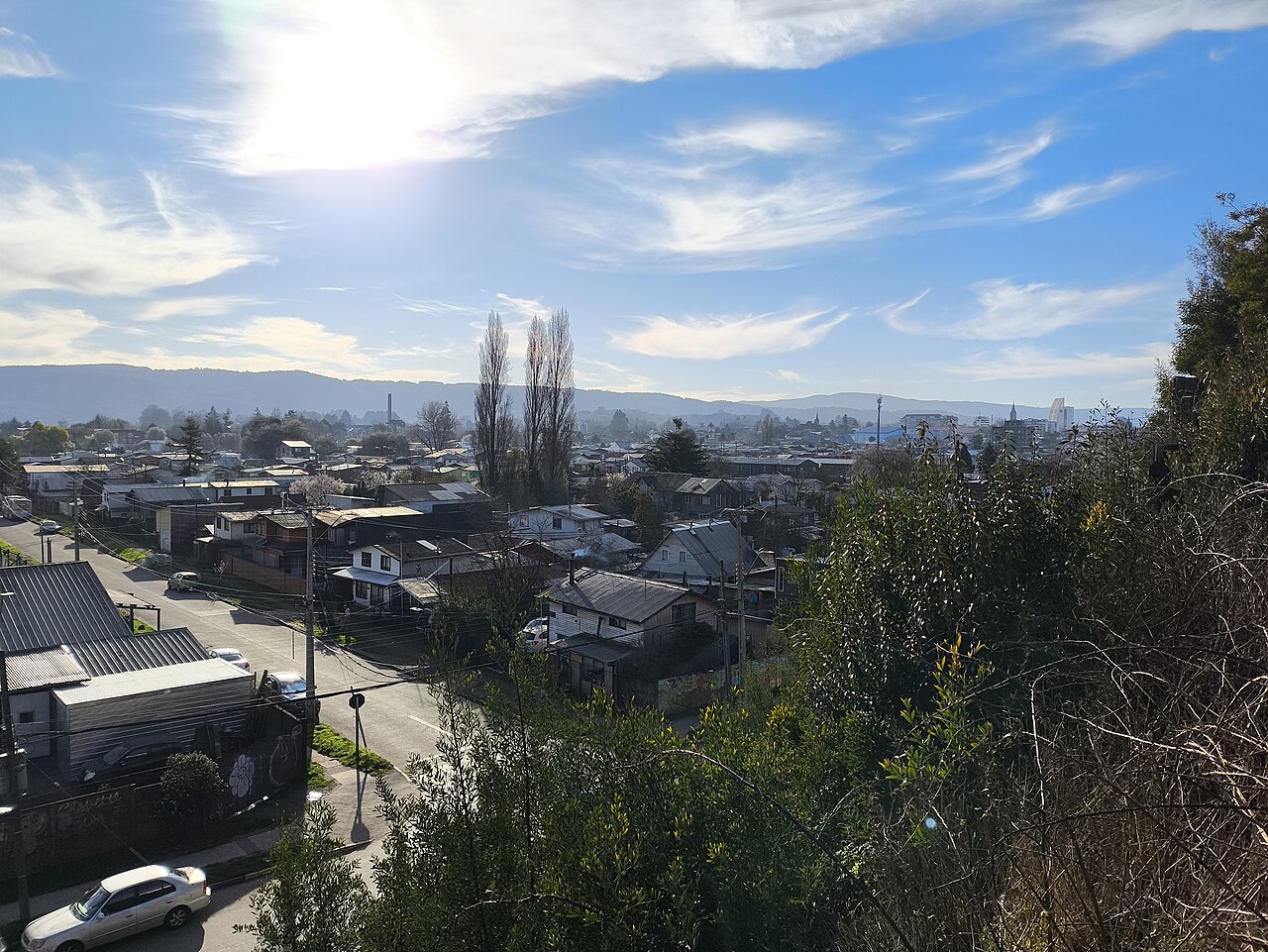
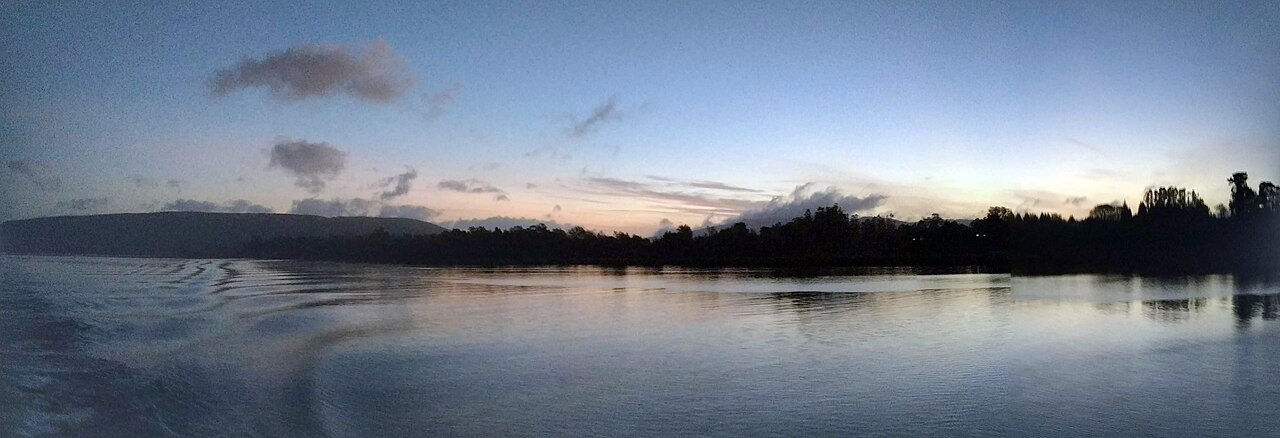
Valdivia, a river city in the southern rainforest, was struck in 1960 by the strongest earthquake ever recorded (magnitude 9.5). Easter Island (Rapa Nui), reached by plane from Santiago, is one of the most remote inhabited islands on earth, with about 900 moai (UNESCO, 1995).
02 Culture and history
Valdivia was founded in 1552, and Spanish forts at Niebla and Corral guard the river mouth. German settlers arrived from 1850, bringing breweries and timber houses. The region is part of the Mapuche-Huilliche homeland. On Rapa Nui, Polynesian settlers arrived around 1200 AD and carved the moai from the volcanic quarry of Rano Raraku. Later, the birdman cult at Orongo chose a leader each year through a dangerous race to collect the first sooty tern egg from an offshore islet. The island also developed rongorongo, a script still undeciphered.
03 Placemaking
Valdivia lives along its rivers: the Costanera riverfront and fish market, where sea lions wait for scraps, are the town’s main public space. The 1960 earthquake created wetlands that are now the Carlos Anwandter nature sanctuary, home to black-necked swans. On Rapa Nui, most moai stand on ahu platforms facing inland, watching over the villages that built them, a powerful way of placing ancestors at the centre of community life.
04 Diving and water
Rapa Nui’s water is exceptionally clear, often 40 m or more, with an underwater moai replica and dives around Motu Nui.
05 Photography
Sunrise behind the fifteen moai of Ahu Tongariki; the half-carved figures at Rano Raraku; sea lions at Valdivia’s market.