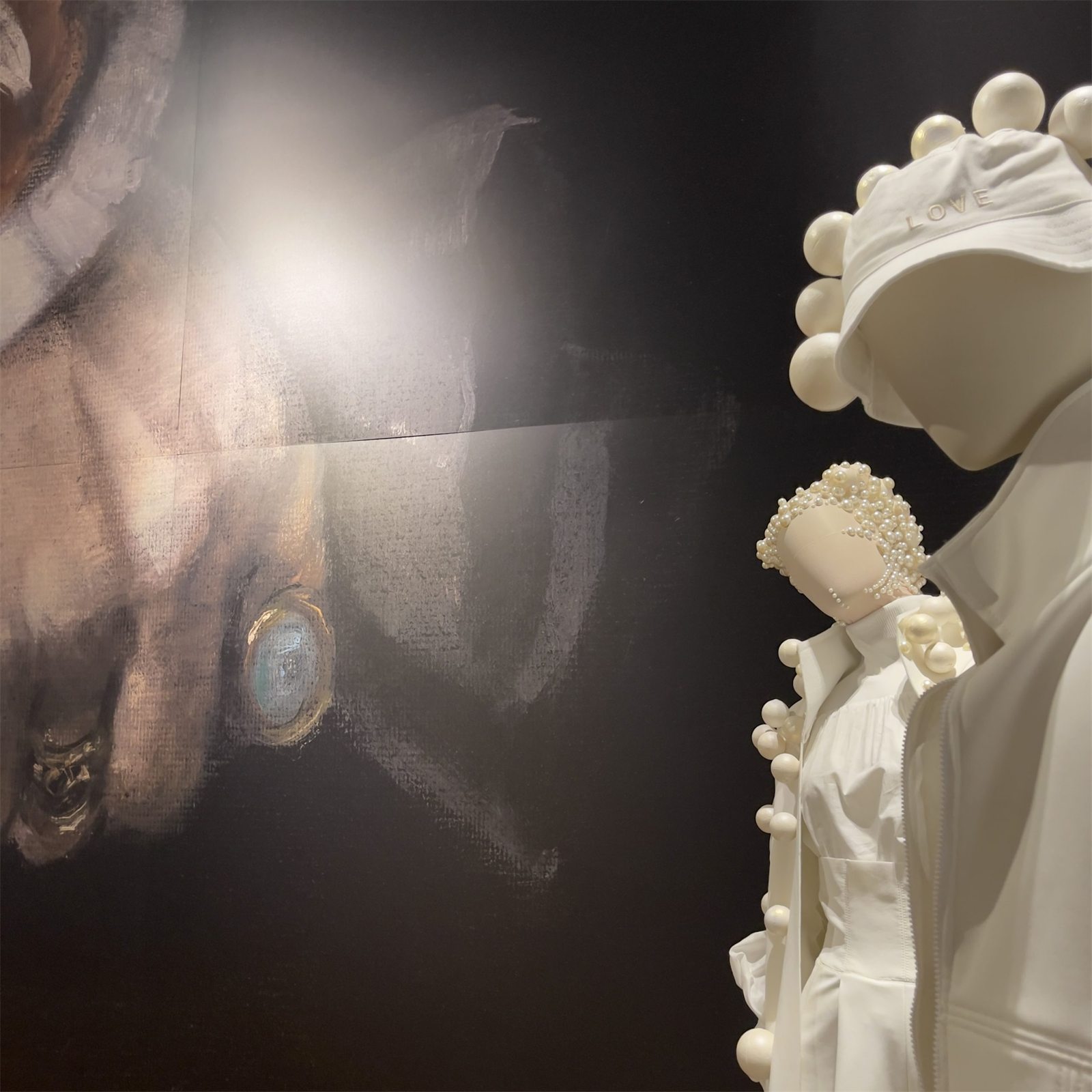
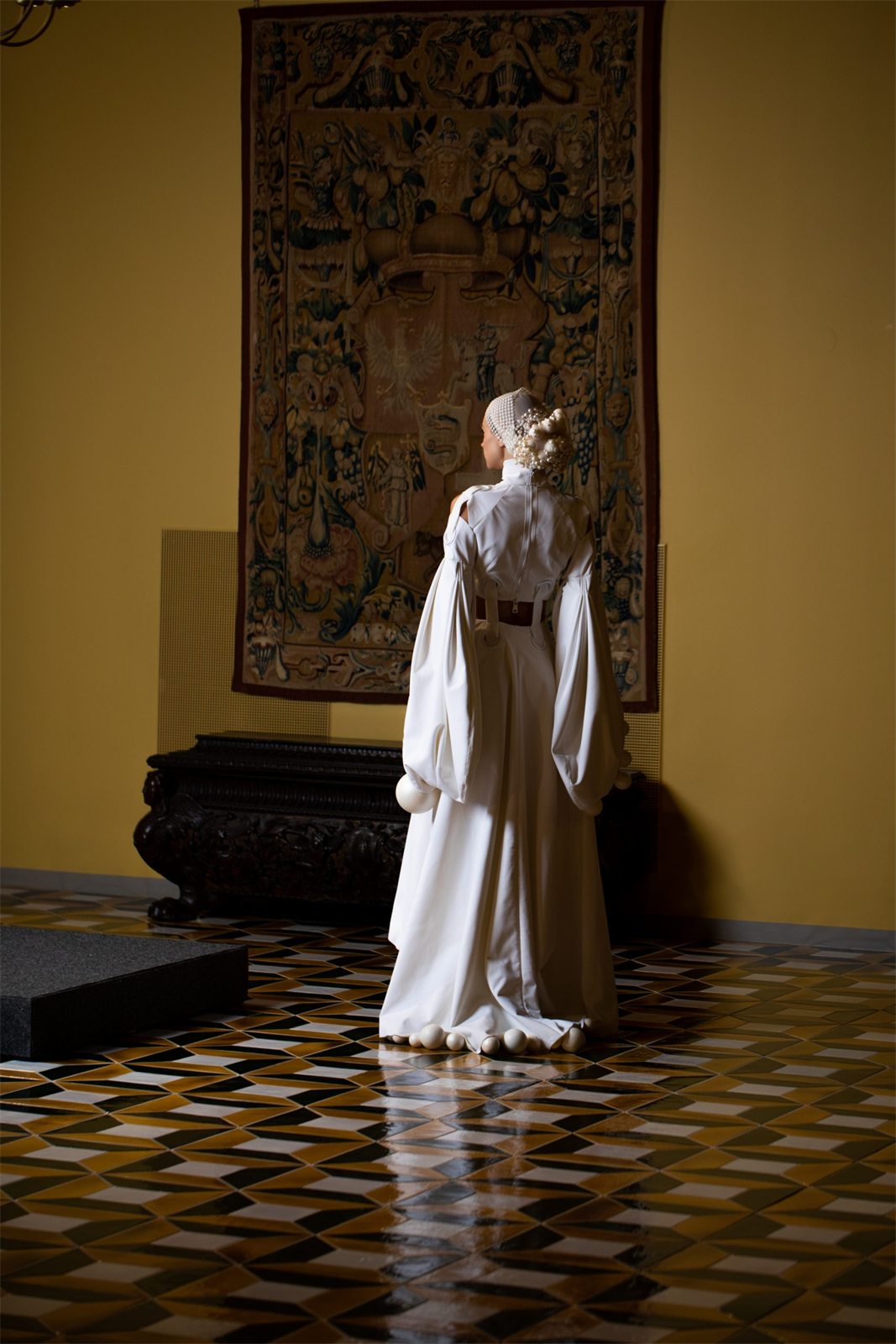
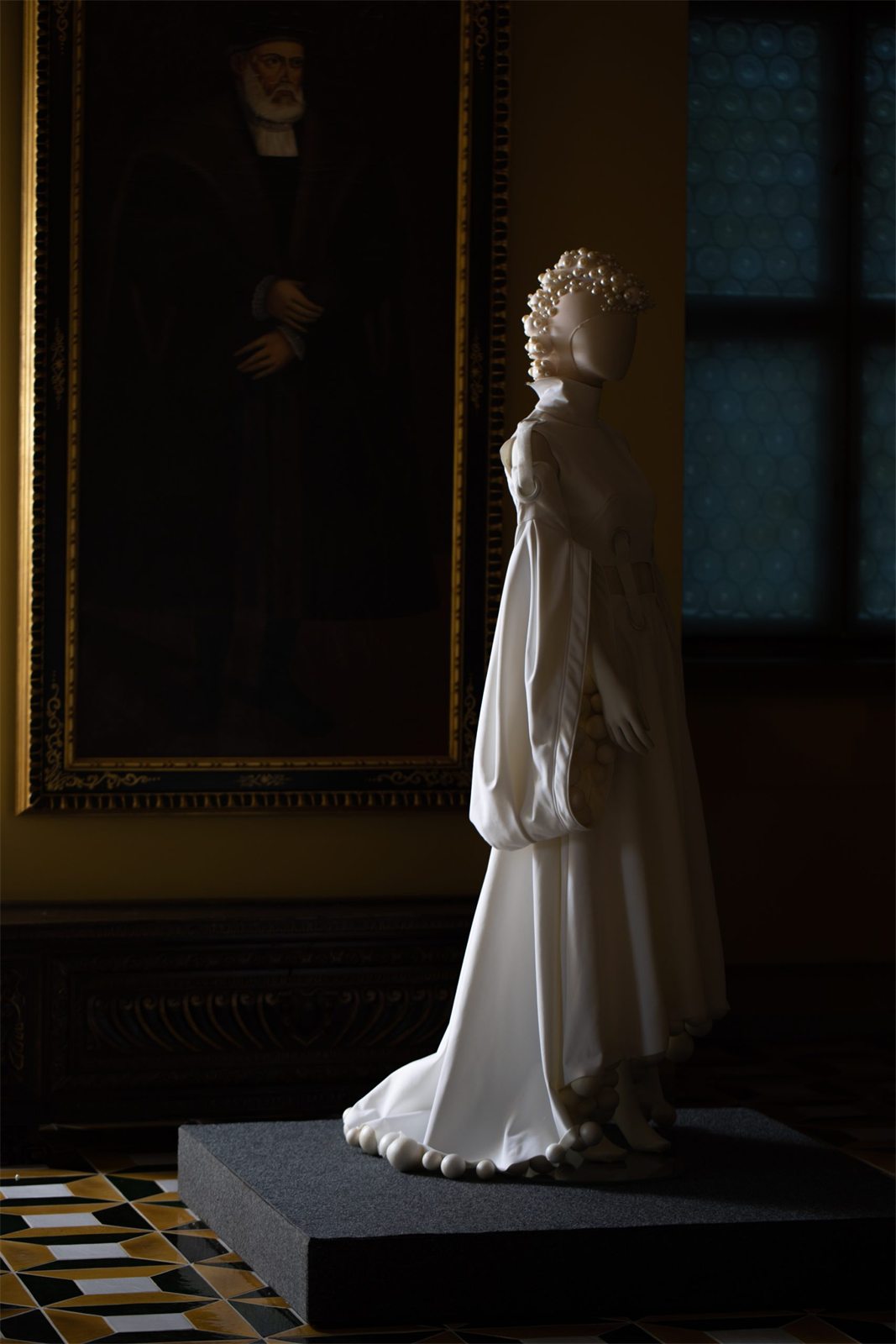
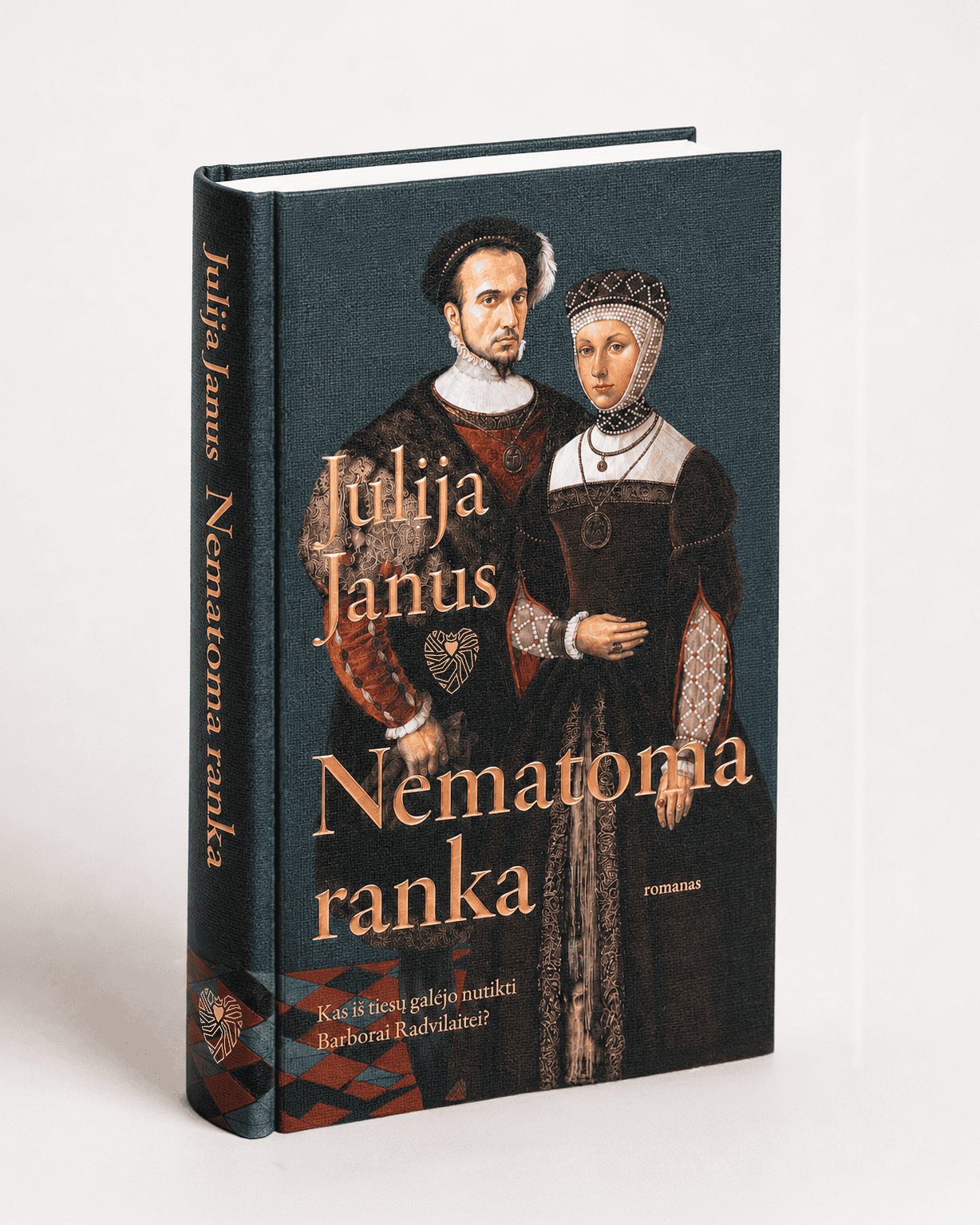
The idea was Julia’s from the first. The National Museum of Lithuania credits her as the author of the idea of Queen, Kingdom and Feelings, and she curated it with the museum’s historian Dr Milda Kvizikevičiūtė and the art historian Dr Vaida Ragėnaitė. Its subject is two women who, almost five hundred years ago, left Vilnius to become queens of foreign states: Barbara Radziwiłł in Poland and Catherine Jagiellon in Sweden. Both, as the exhibition tells it, understood this as their mission and duty: to represent their country, spread its culture and help their people; given an exceptional education, they carried on their families’ traditions while looking to new horizons, as far as their time allowed. Following their painful, changeable, majestic and breathtaking lives, the exhibition tells the story of their country’s existence and survival too: the influence of dynasties and families on the state, the history of women’s active work, five hundred years of geopolitical challenge, diplomacy and war, and personal tragedy, seen through works of art and design that have grown and fed the legends.
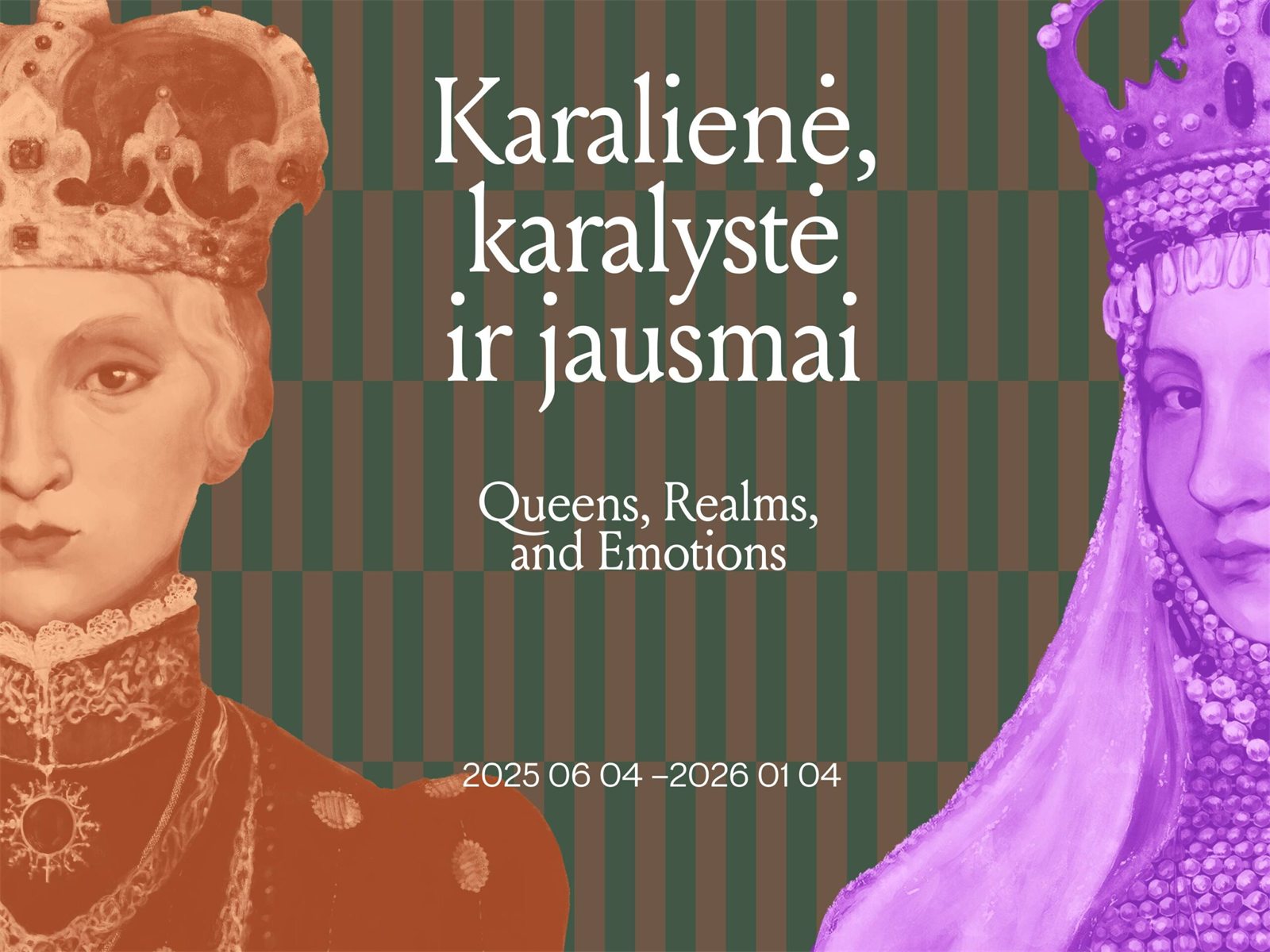
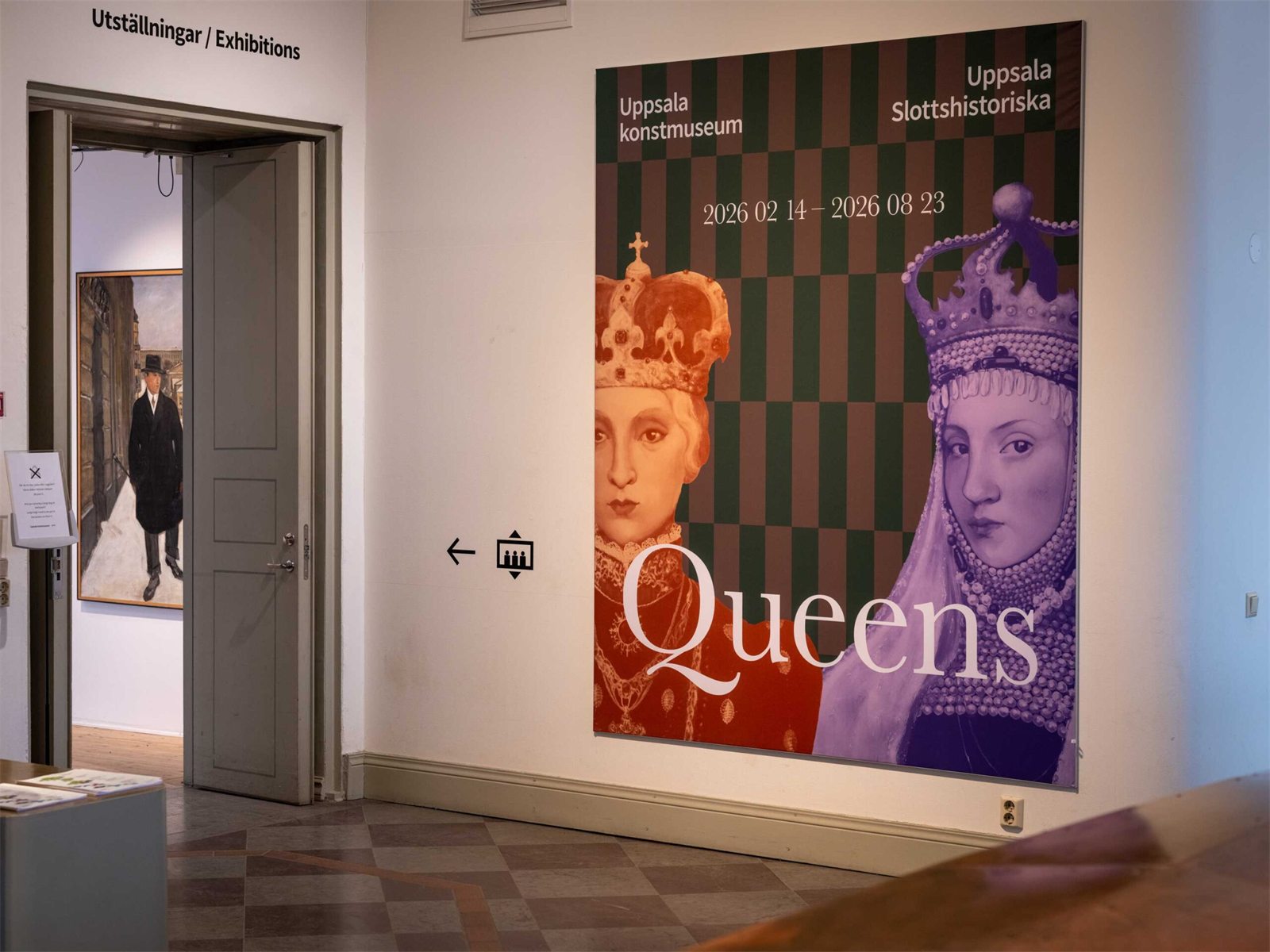
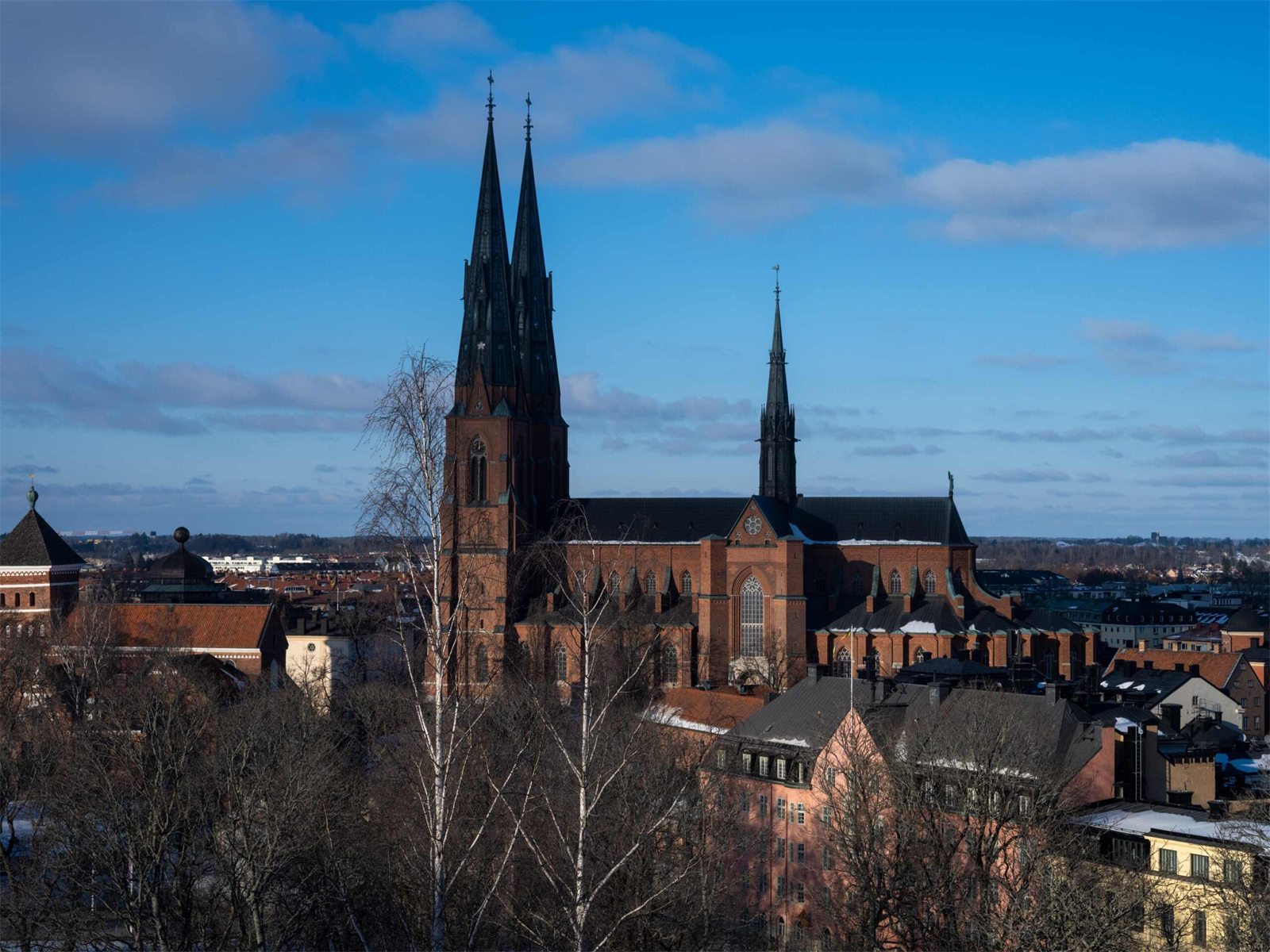
Other institutions had turned the idea down as superficial, and the Ministry of Culture refused to fund it; the National Museum took it on, and an Ambassadors’ Club of eighteen influential Lithuanian women stood behind it, with former President Dalia Grybauskaitė as the exhibition’s patron. It opened in the House of Histories on 4 June 2025, during Design Week, and ran until 4 January 2026. The museum listed its firsts: the first time treasures of the Radziwiłł and Jagiellon families came to Lithuania from Hungary, Sweden and Poland; Lithuania’s first hybrid exhibition of history, art and design, showing museum objects beside contemporary works inspired by the queens’ legacy; the first exhibition of its scale to travel on to Sweden, to the old royal capital near Catherine’s coronation and burial place; the first presentation in Lithuania of a contemporary monarchy, the lives and challenges of the women of the Swedish royal family; and the first exhibition with a cinematic soundtrack composed for it.
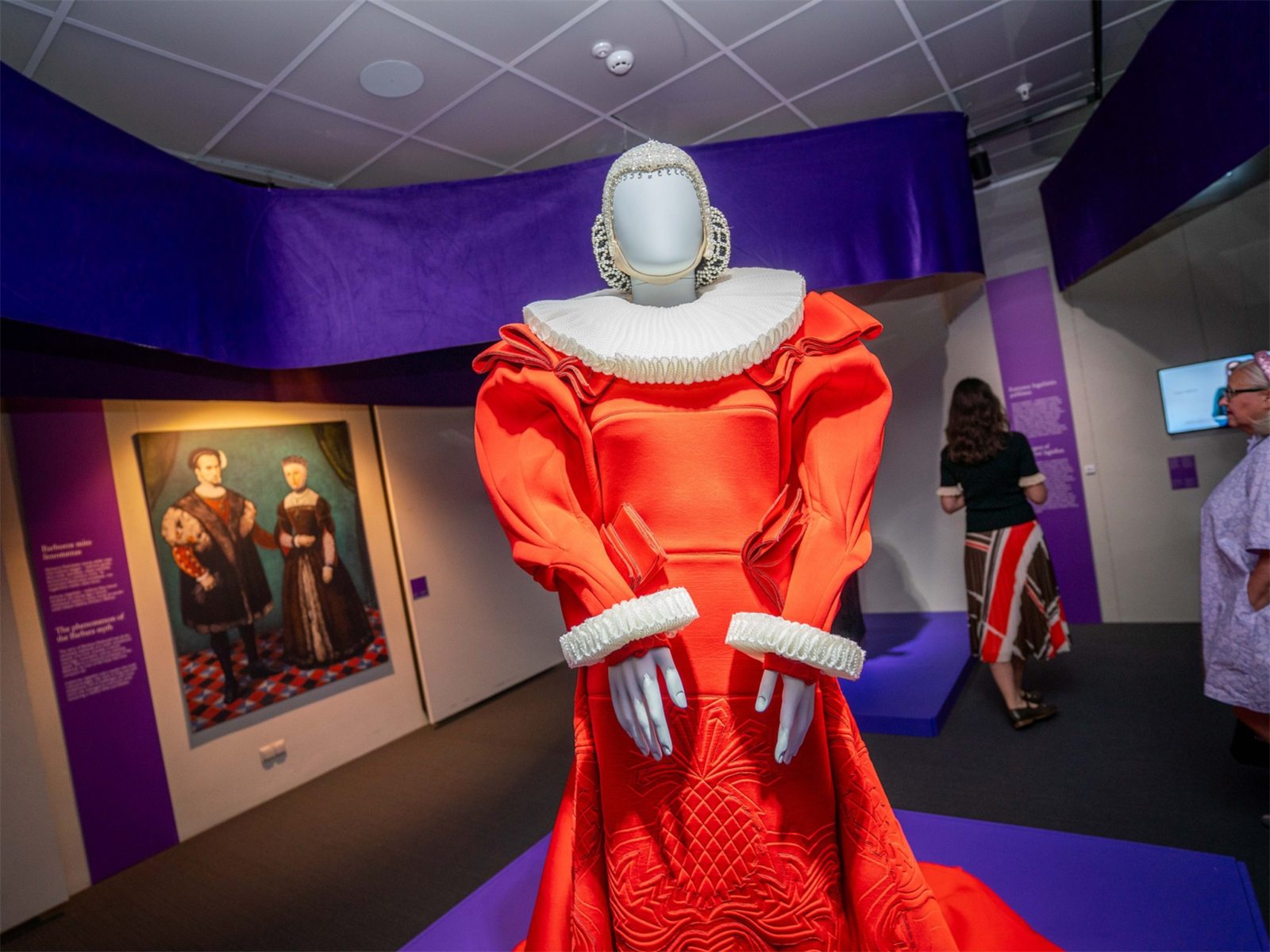
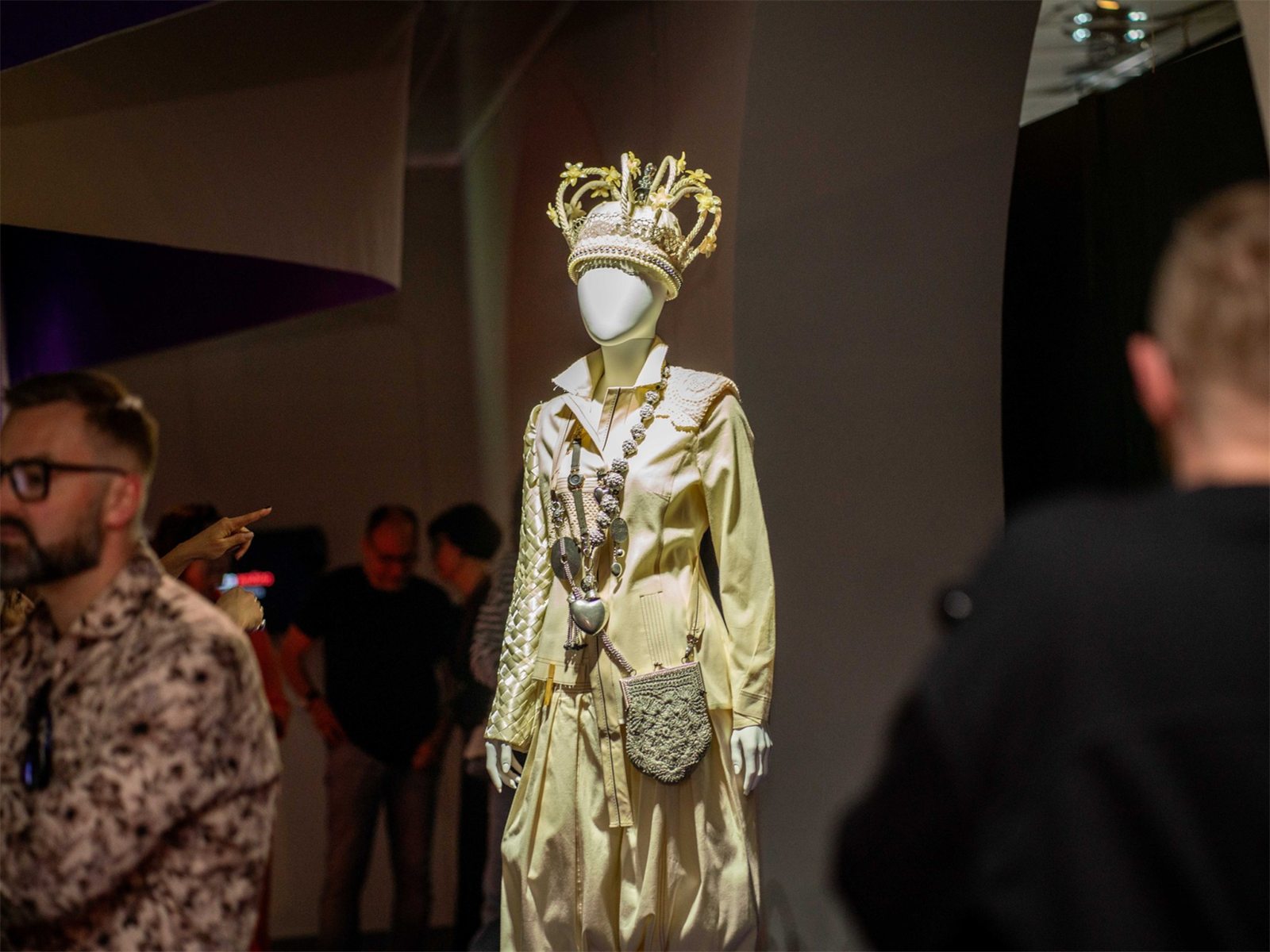
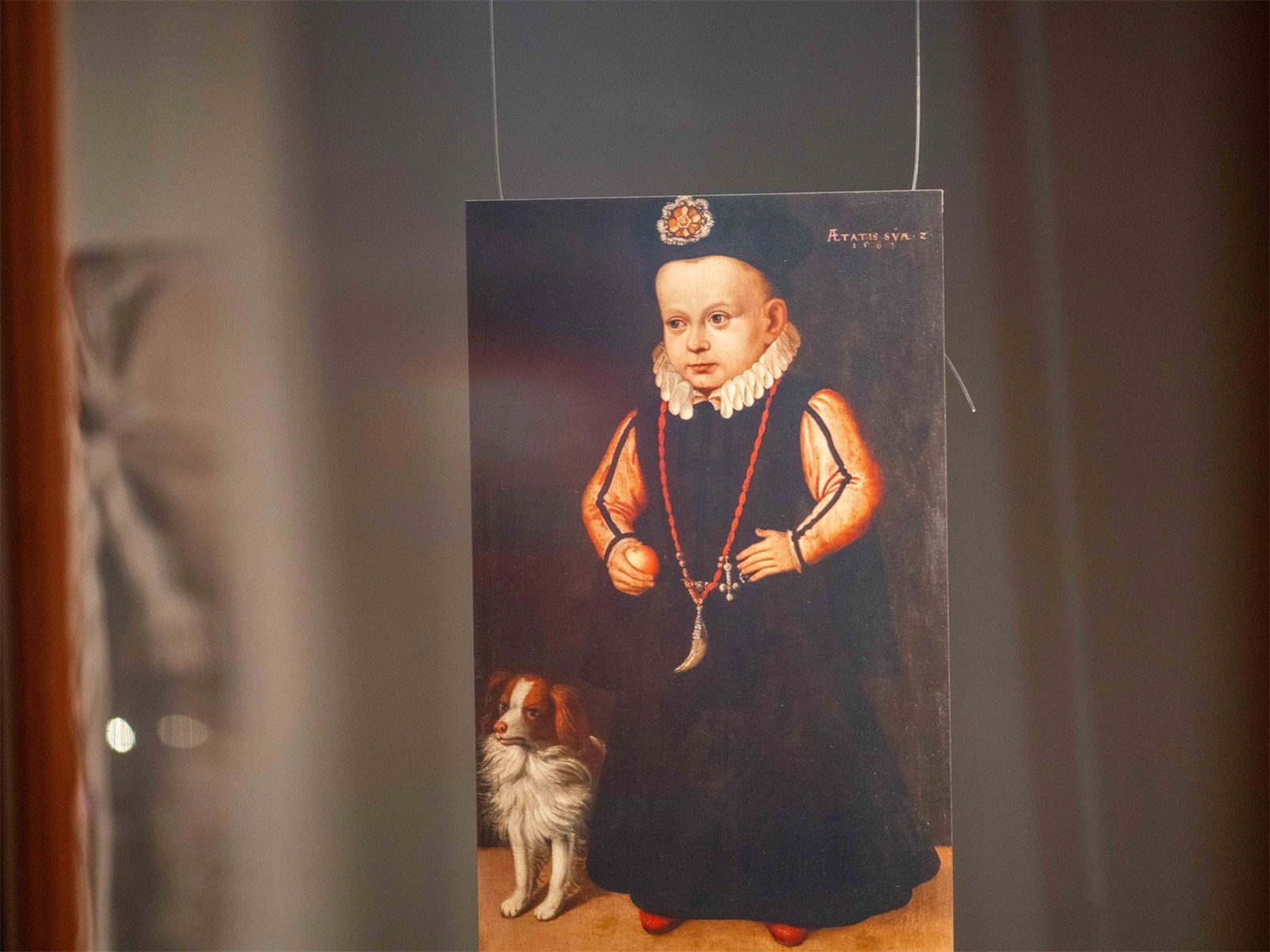
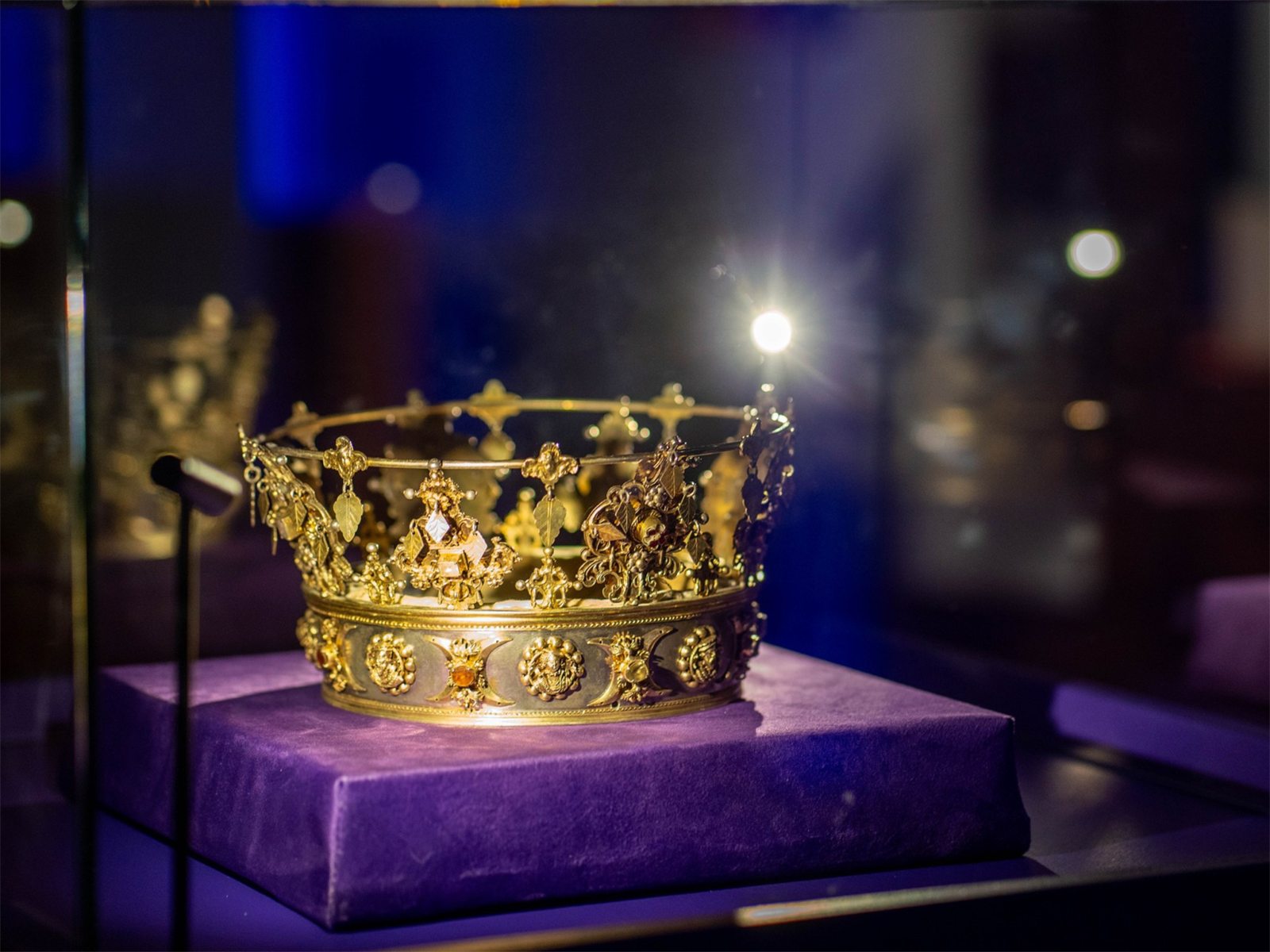
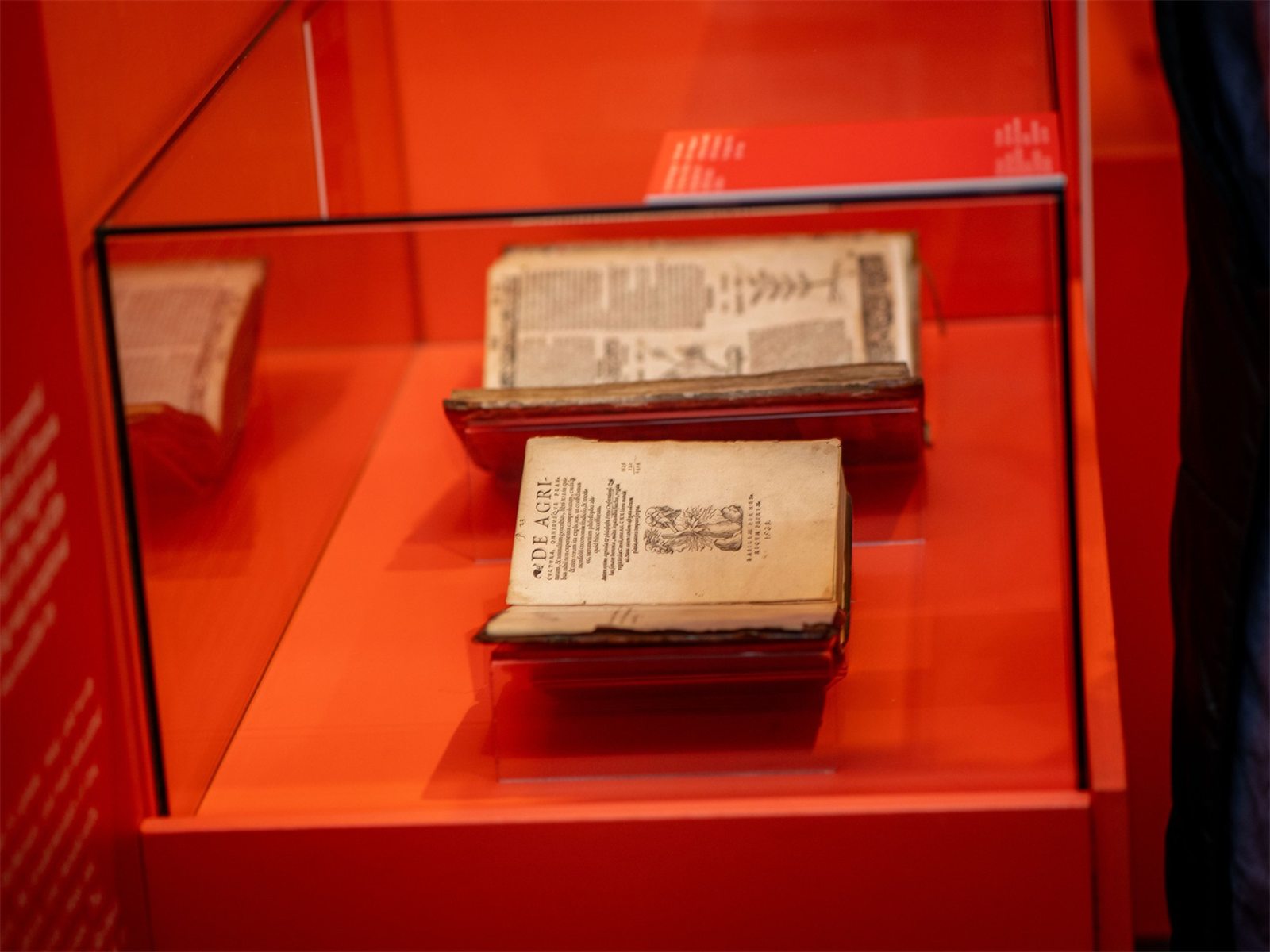
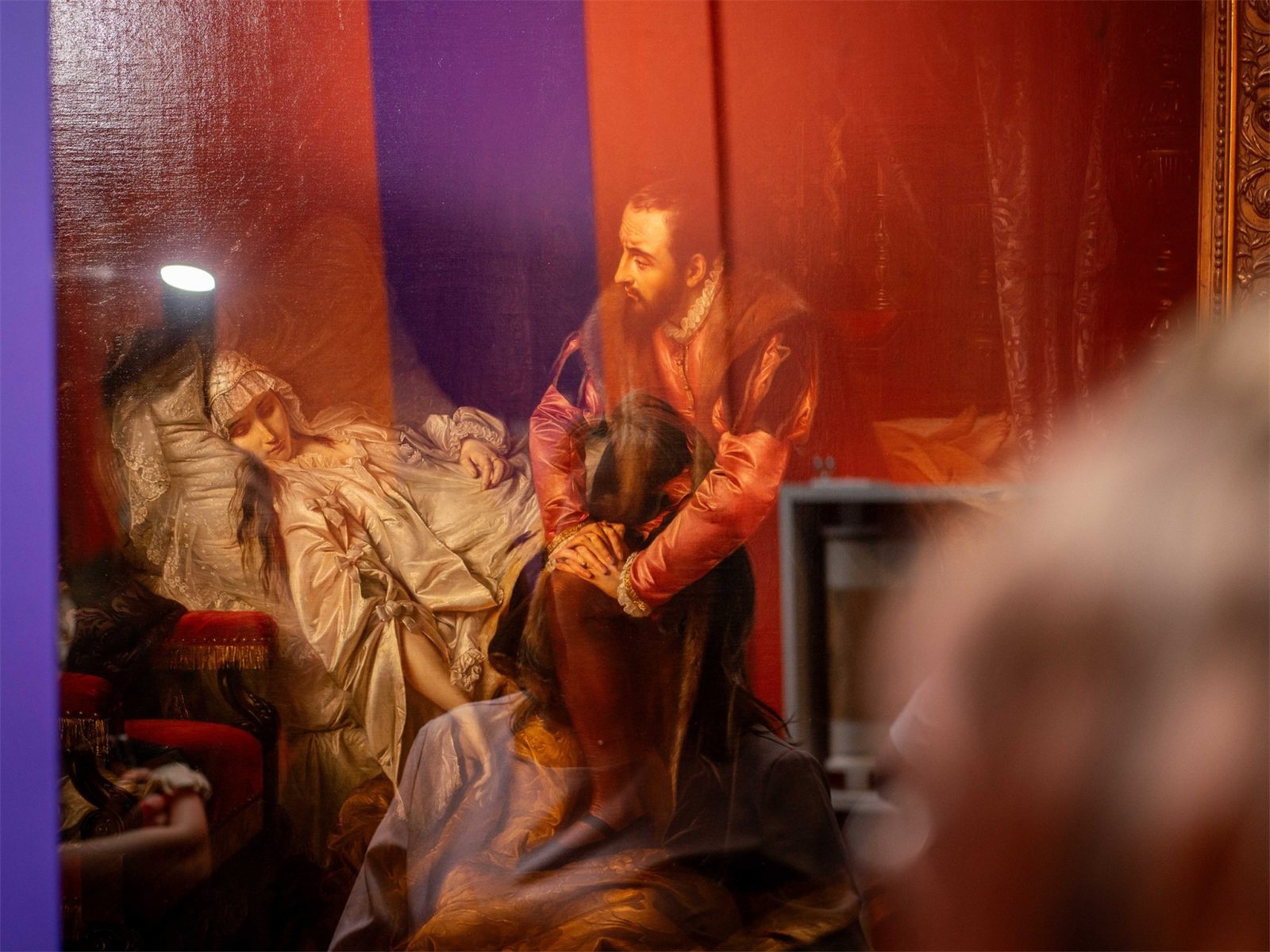
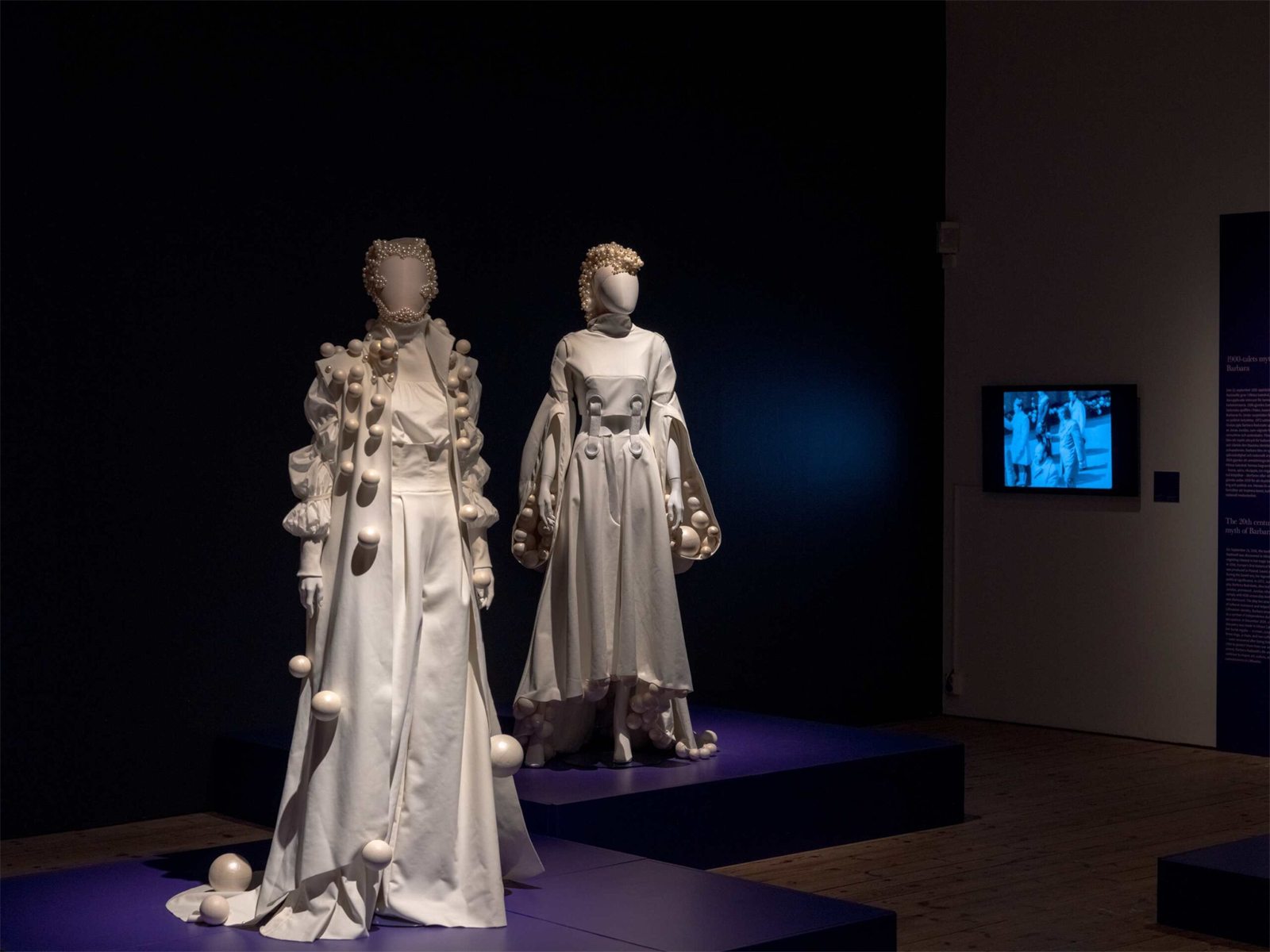
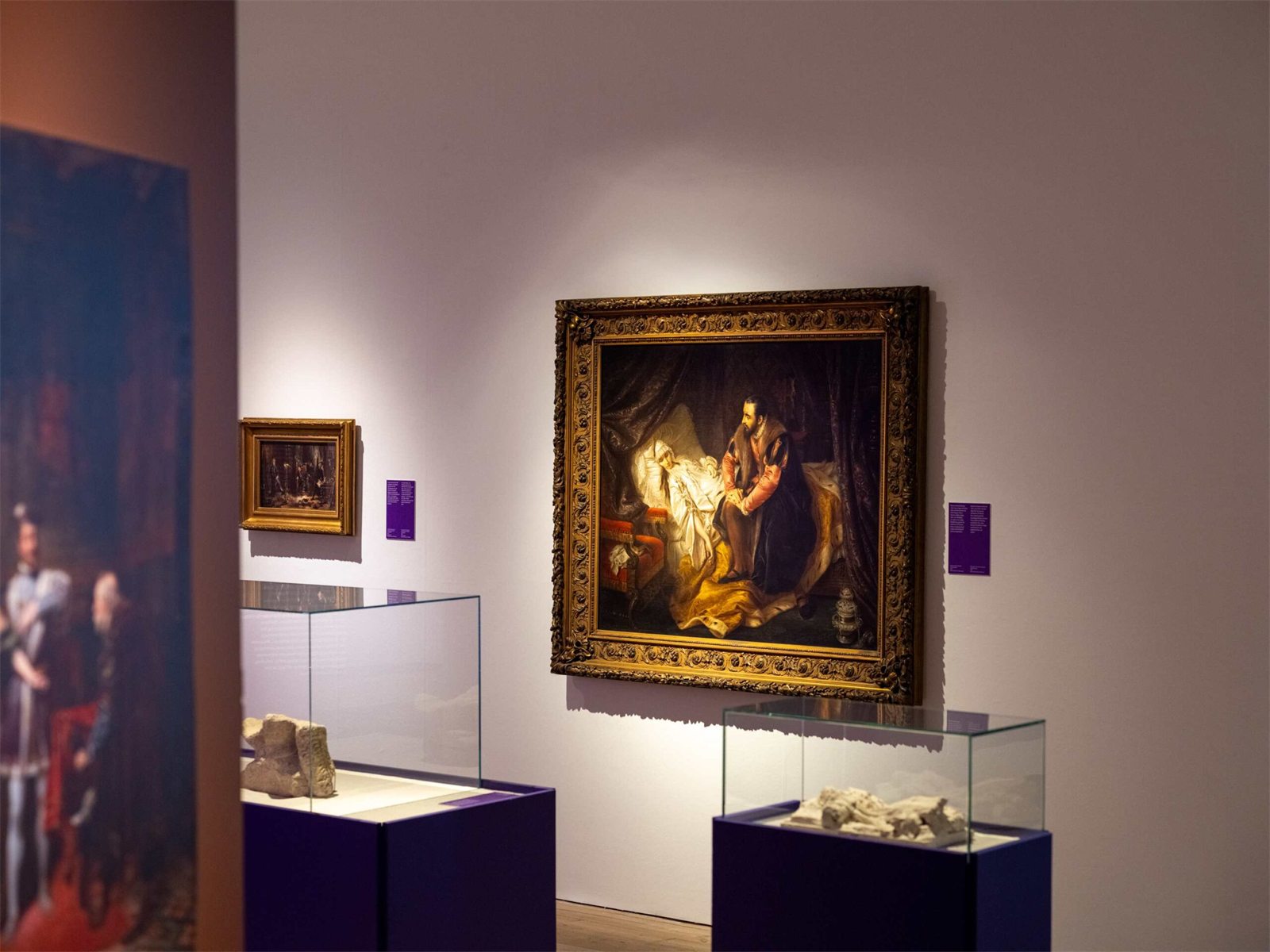
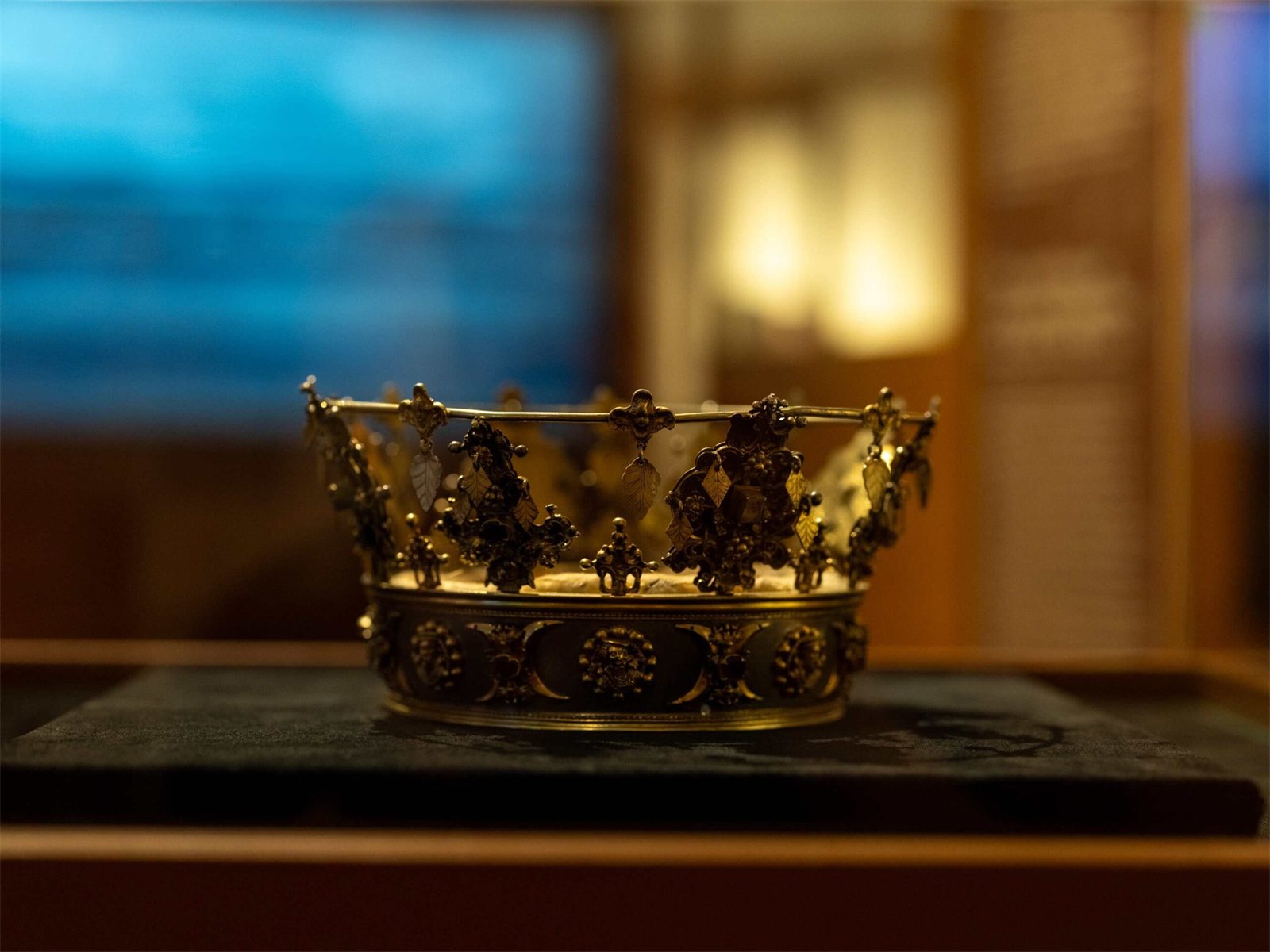
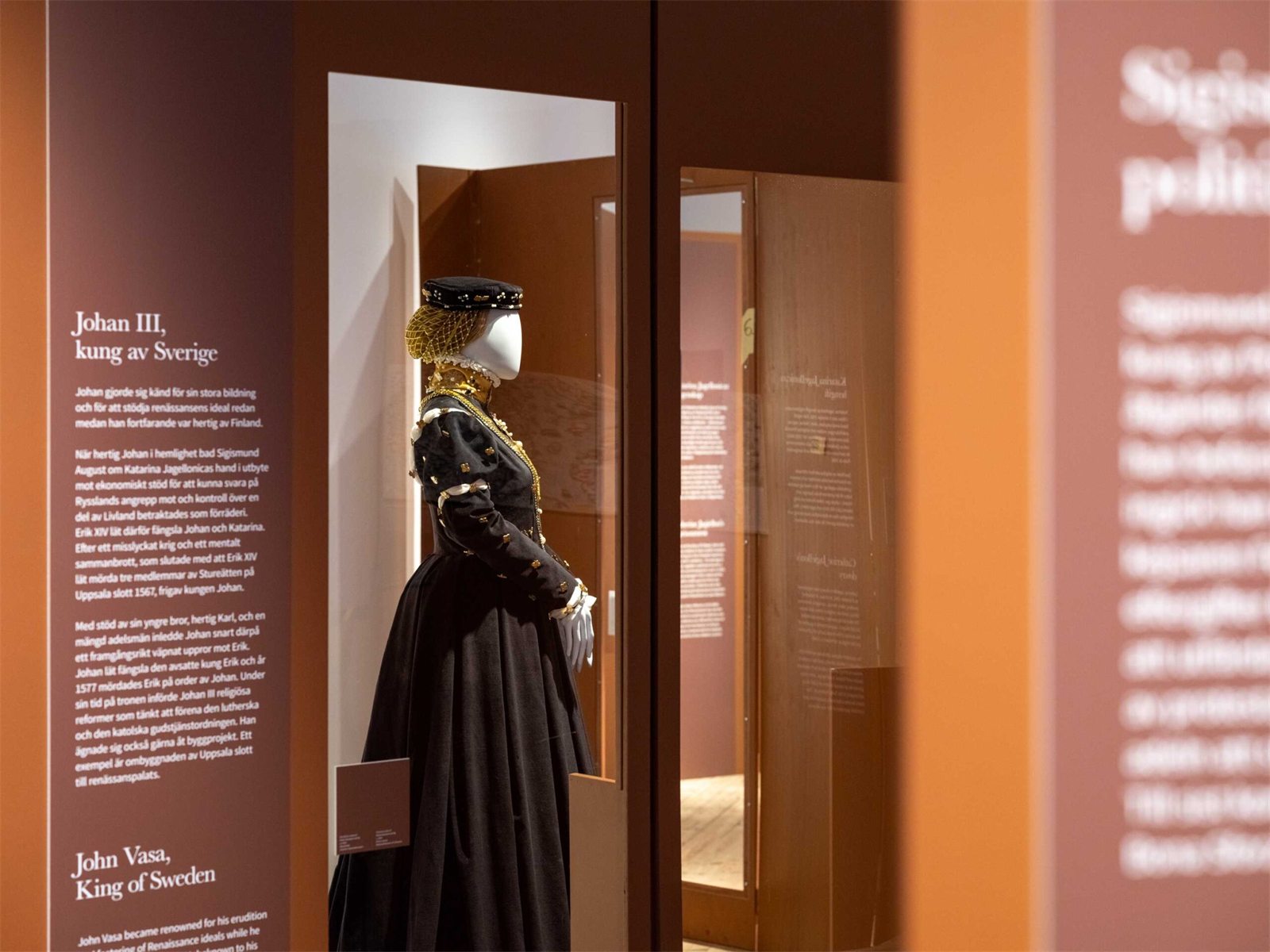
More than thirty institutions lent and supported it: the National Museums in Warsaw, Kraków and Poznań, the Hungarian National Museum, the Swedish National Archives and Nationalmuseum, Uppsala University Library, Turku City Museum, the Jagiellonian and Kórnik libraries, Baranów Sandomierski castle, the museum of the Karwacjan and Gładysz manors in Gorlice, the parish of St Anna in Söderköping, and in Lithuania the Palace of the Grand Dukes, the National Art Museum, the National Opera and Ballet Theatre, Vilnius University and the national libraries, among others. Visitors saw the painting of the Battle of Orsha from Warsaw, Barbara’s sceptre found in the crypts of Vilnius Cathedral, a bridal crown associated with Catherine, books, portraits and jewellery, set in an architecture that turned the queens’ changing fortunes into space, with an immersive audio guide read by eight actors.
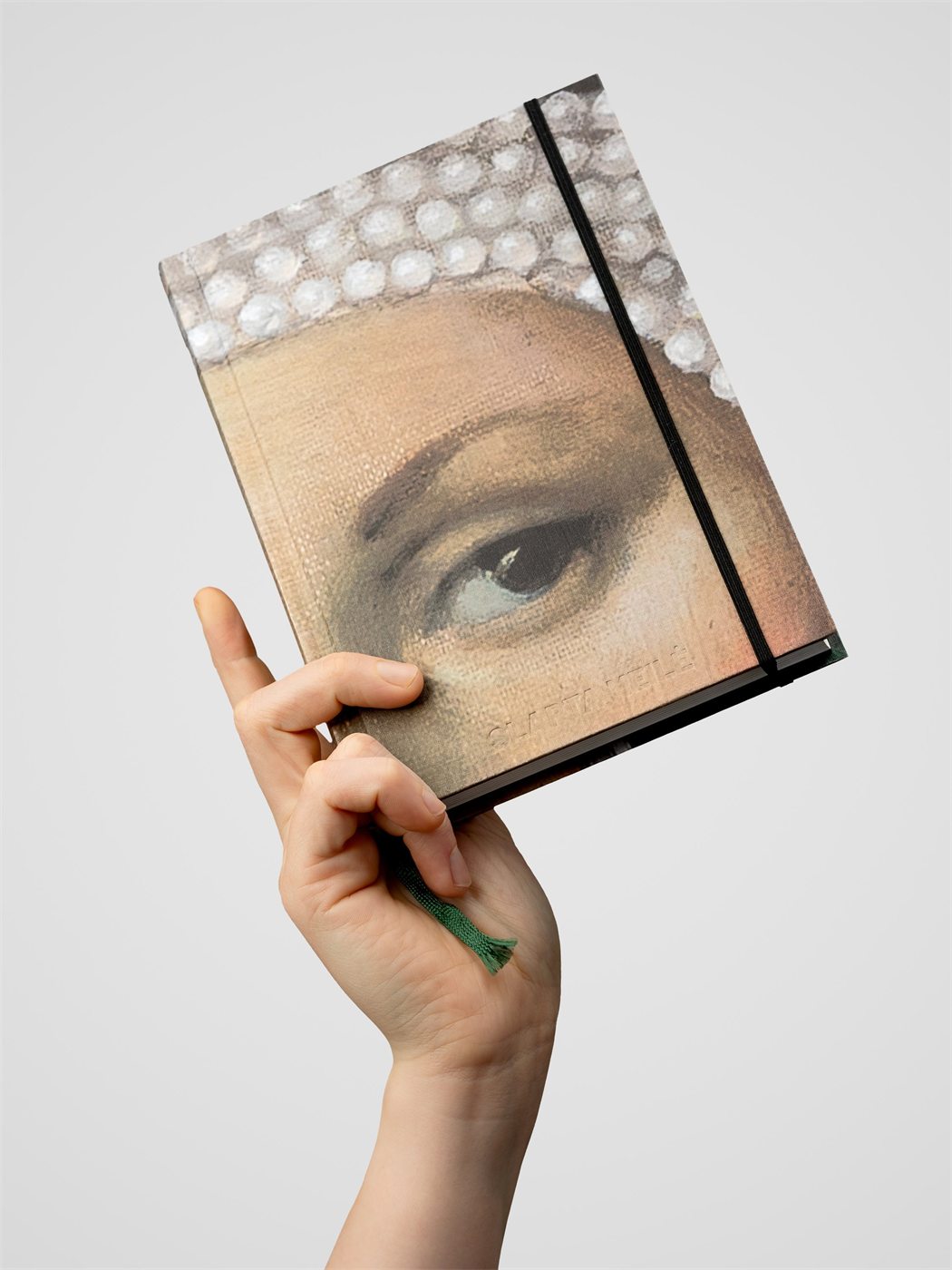
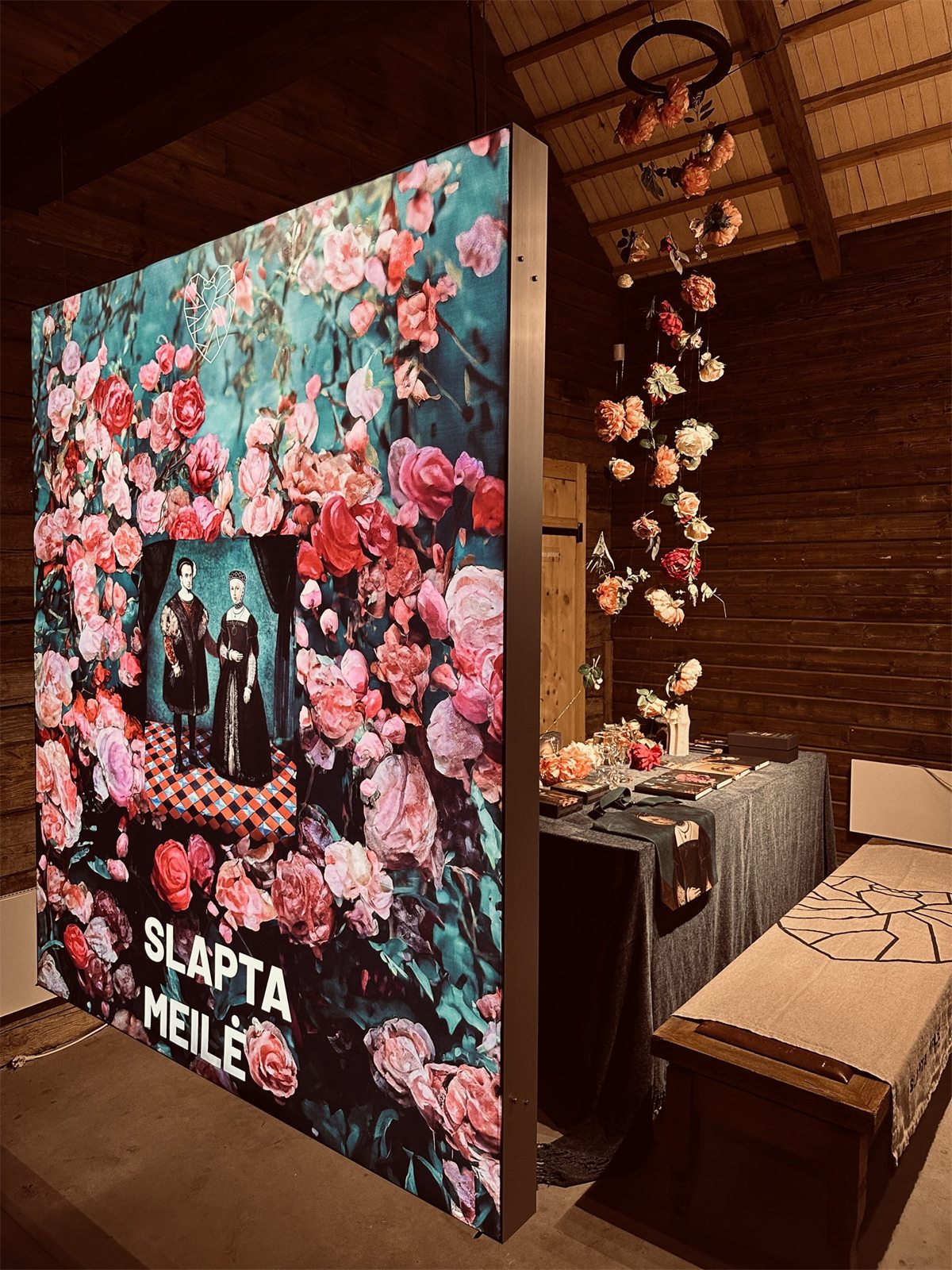
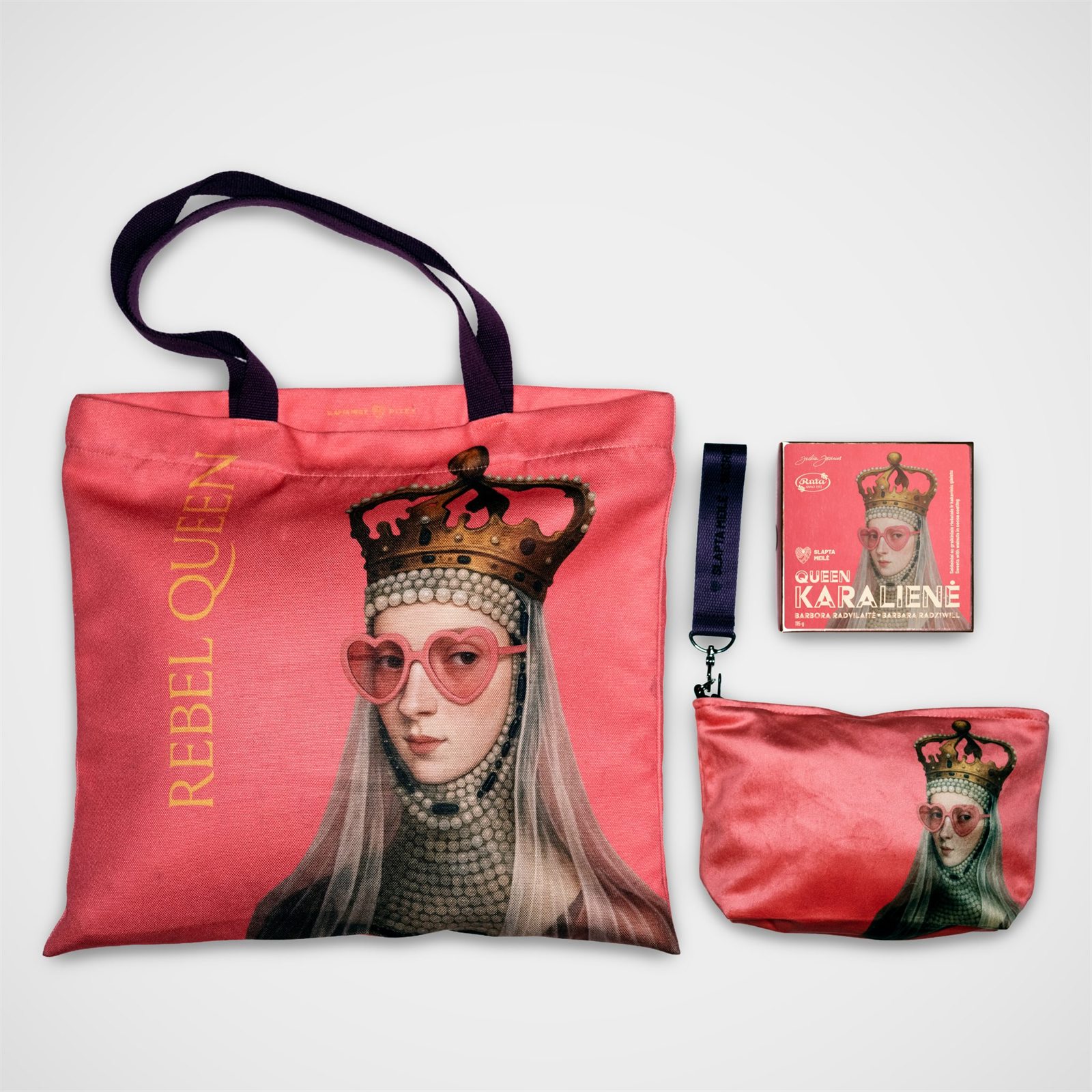
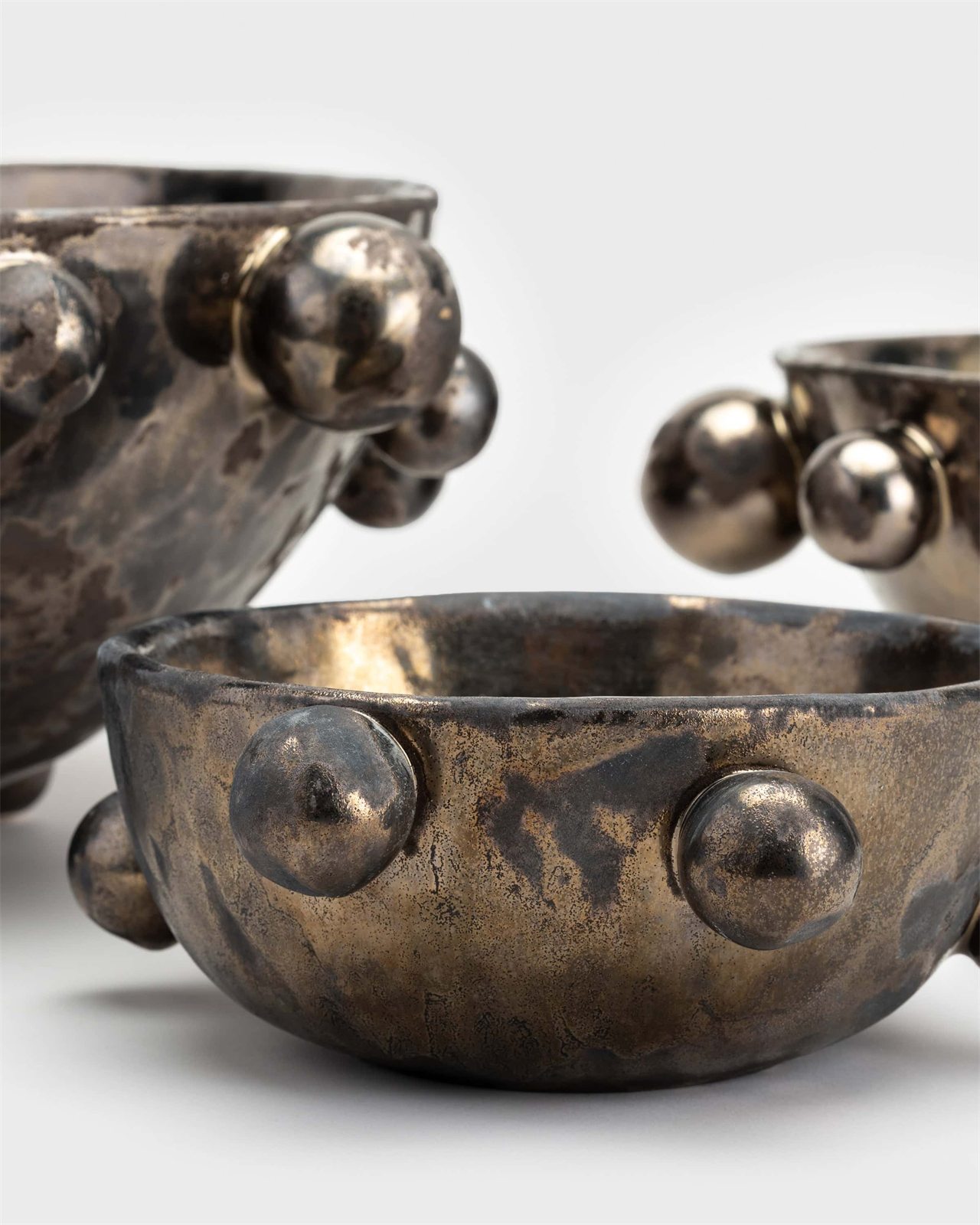
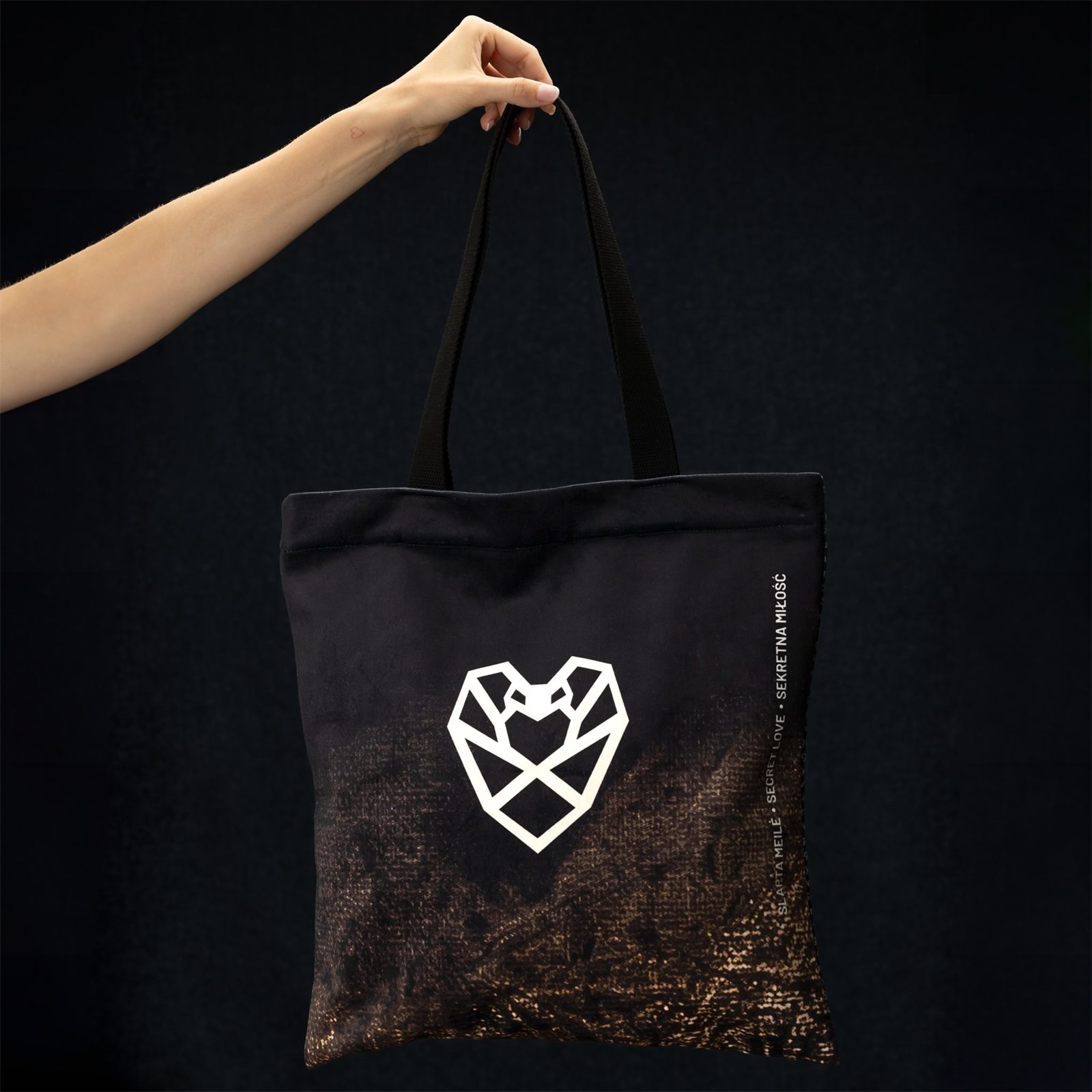
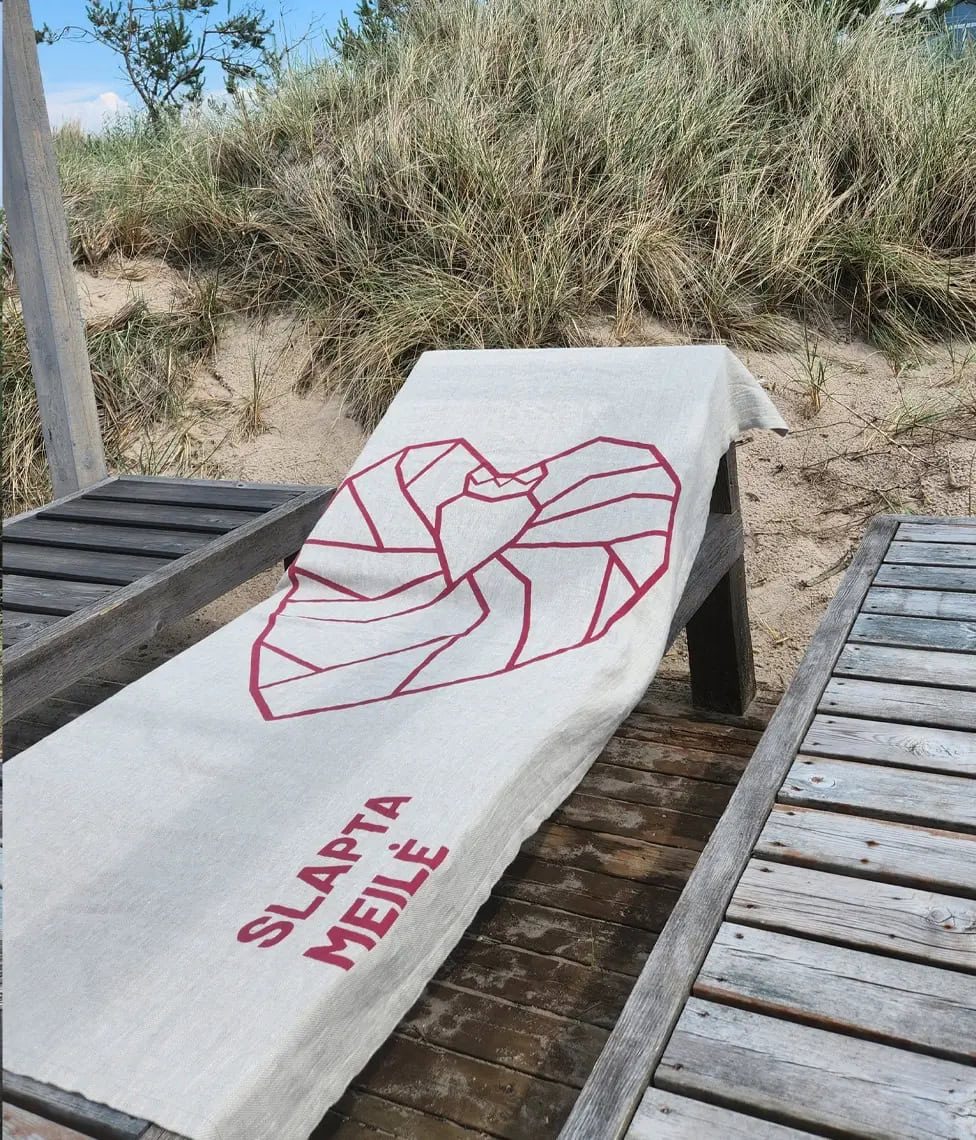
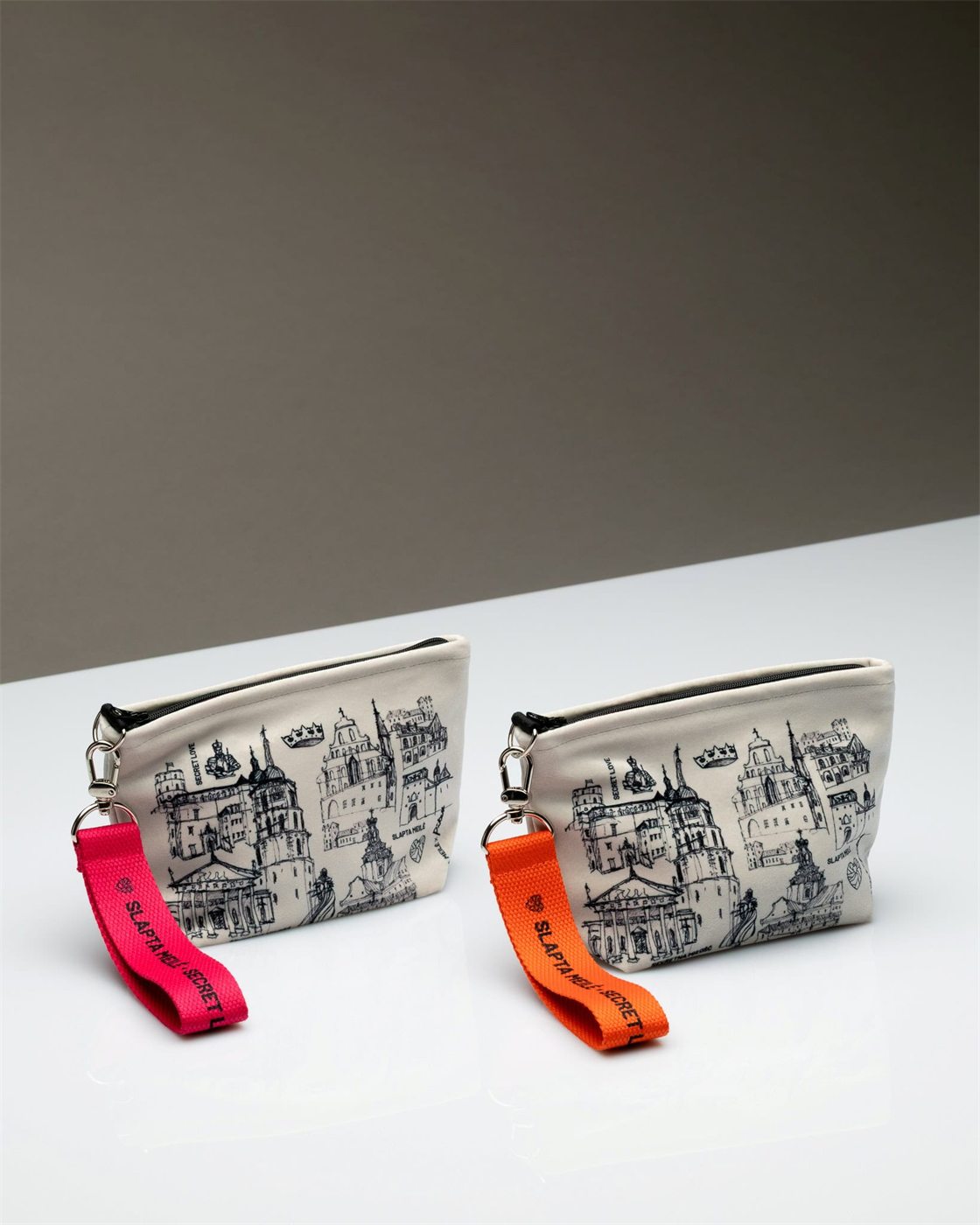
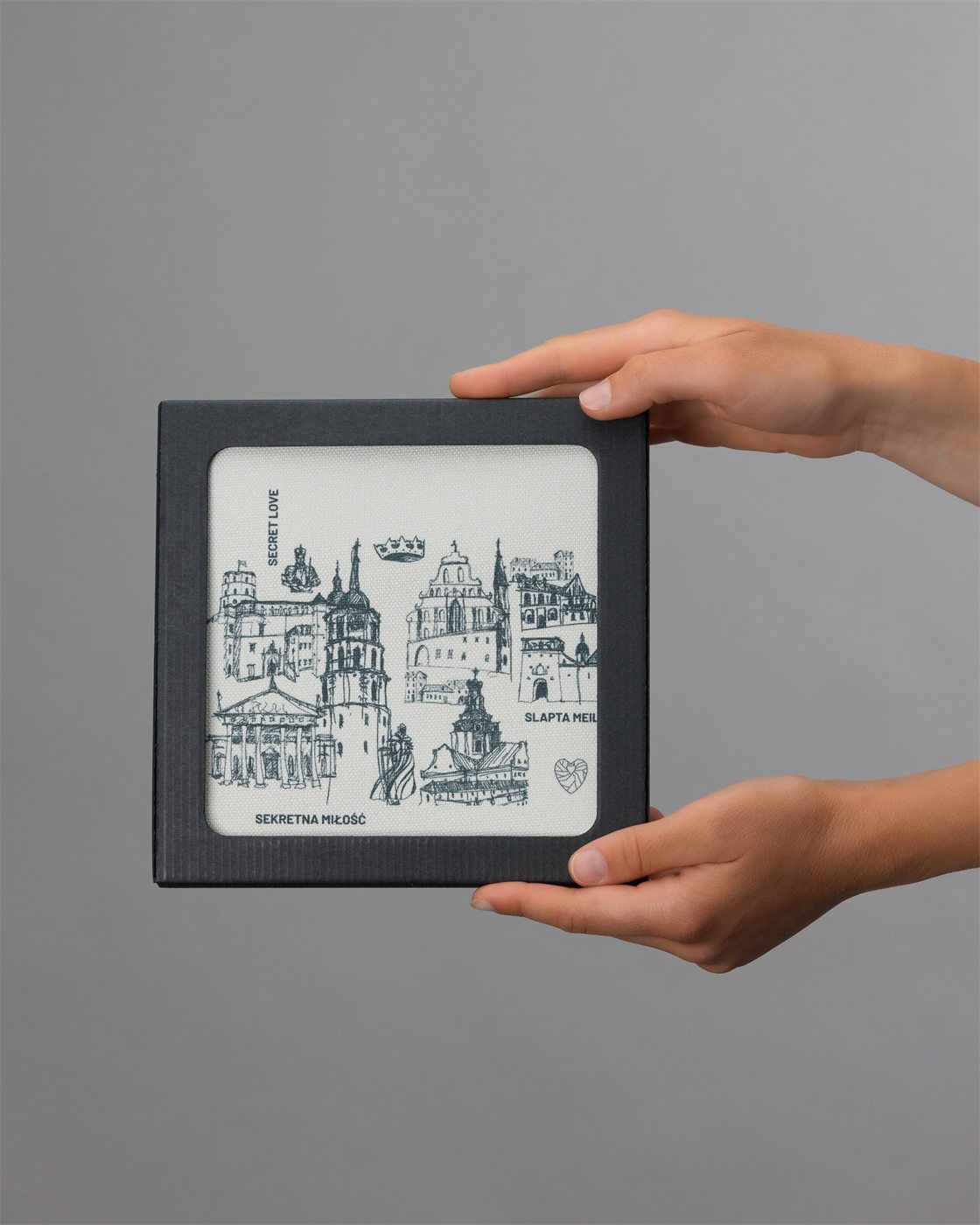
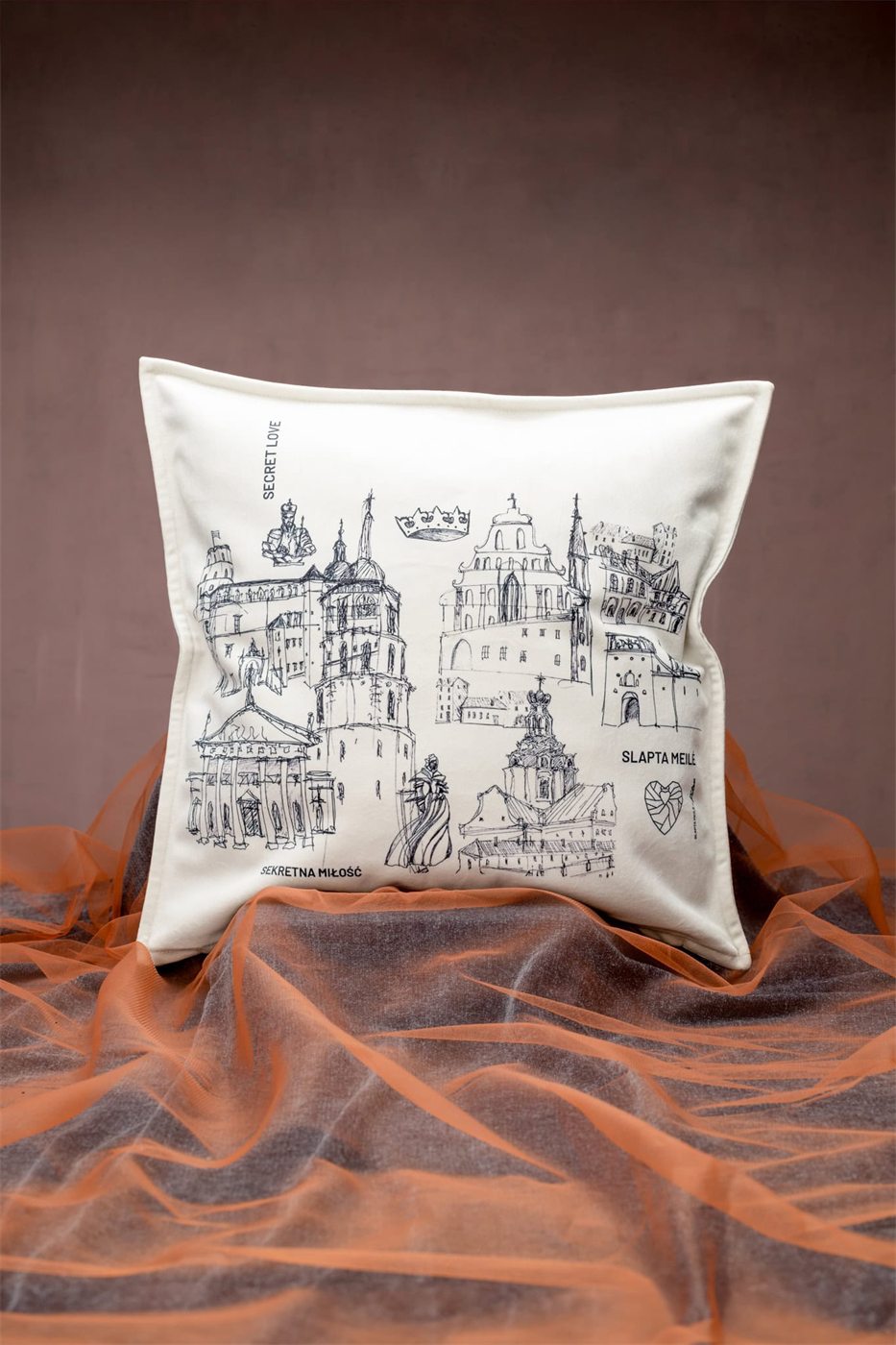
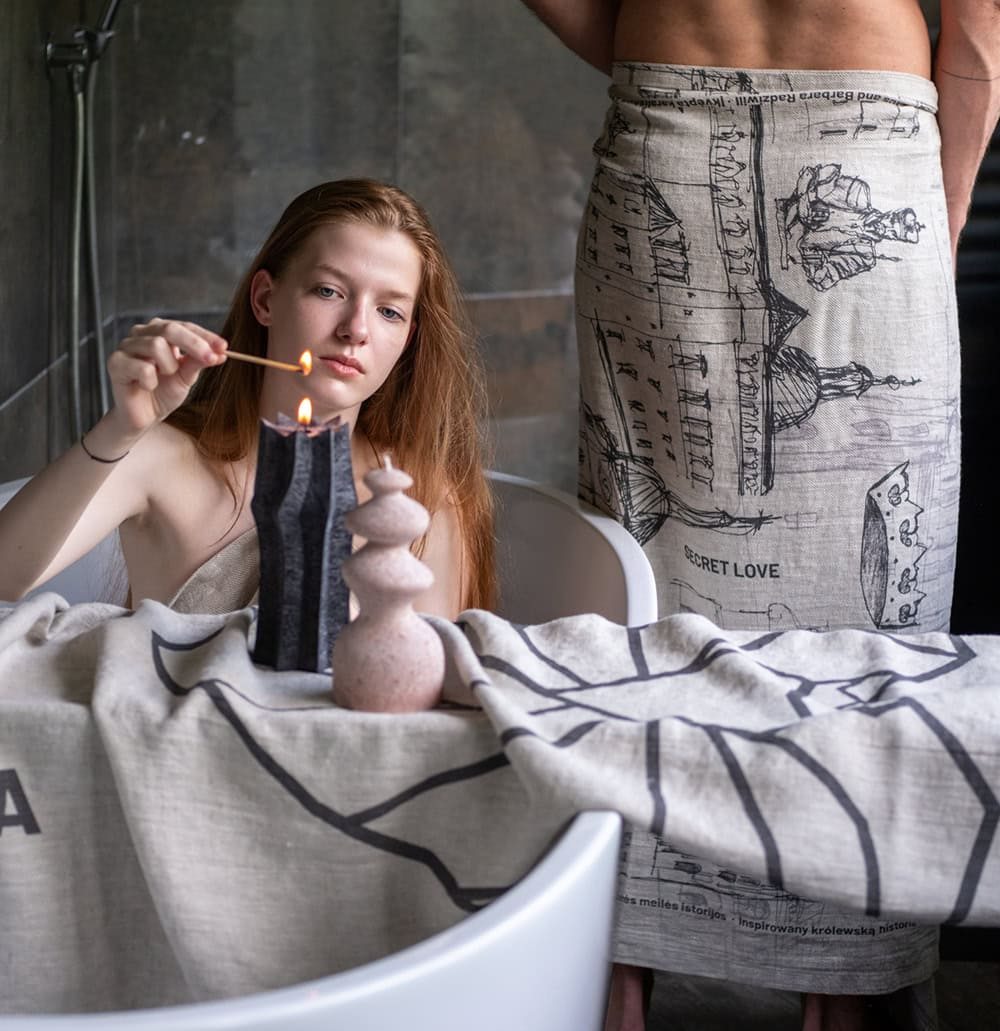
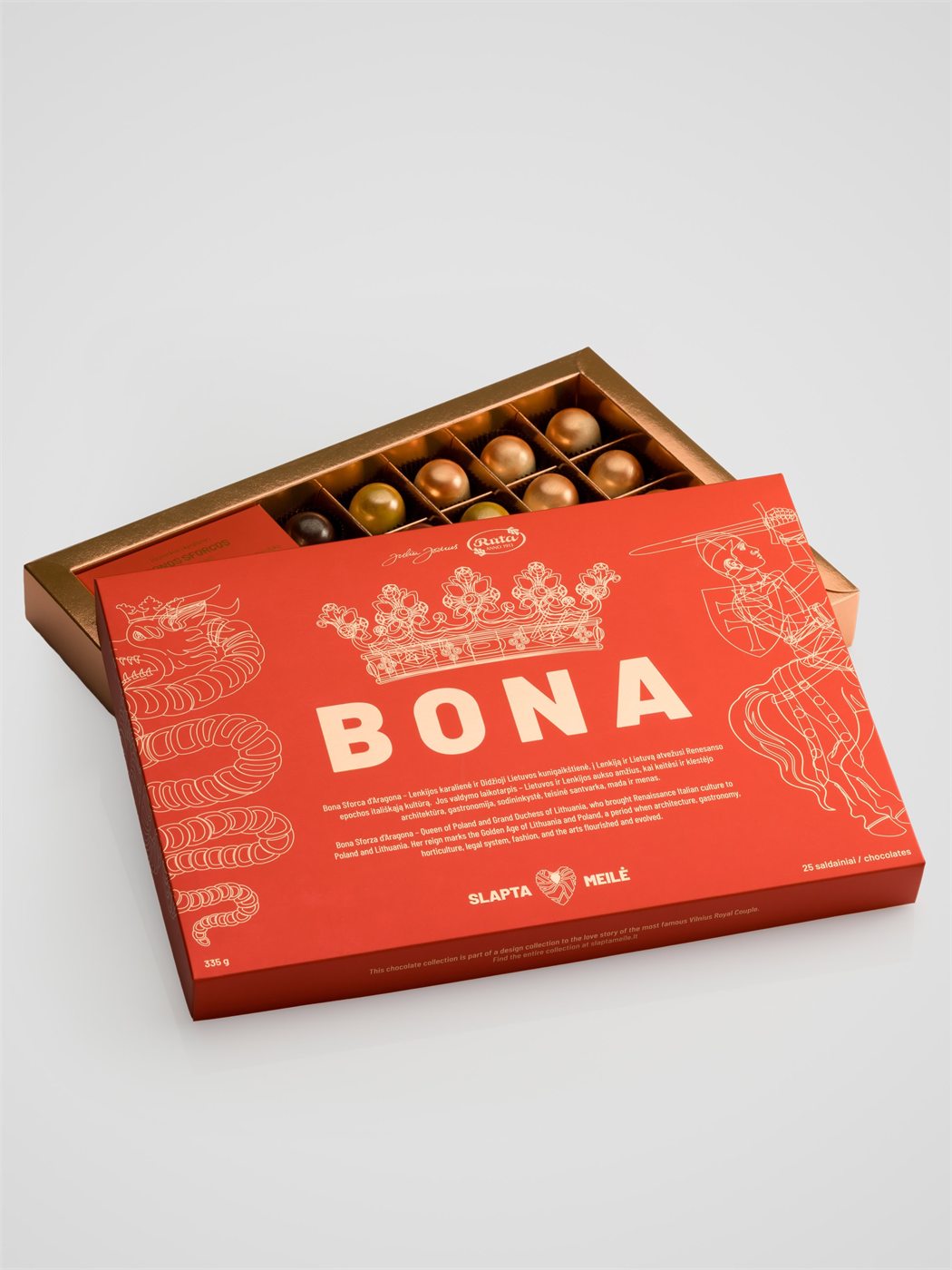
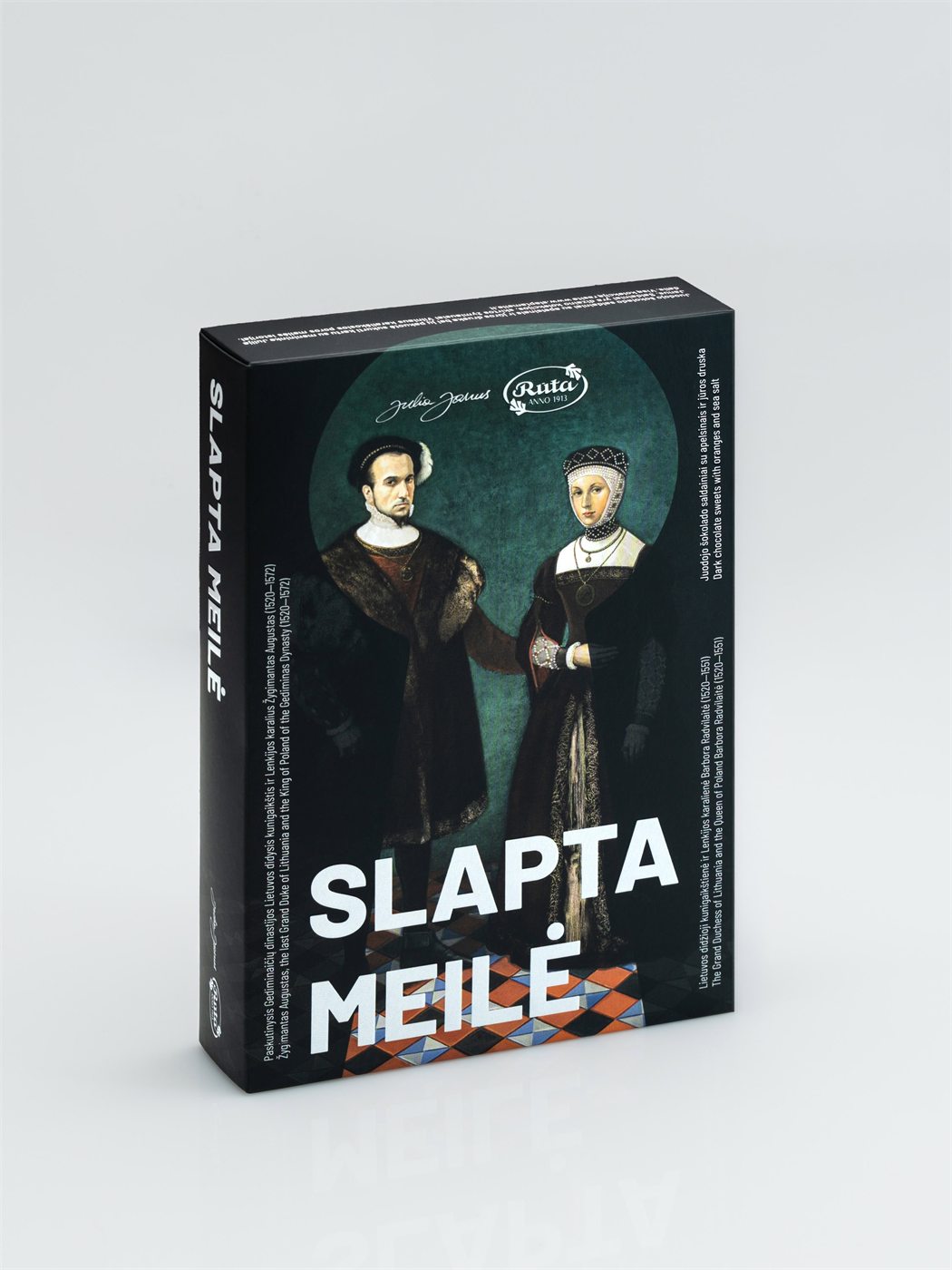
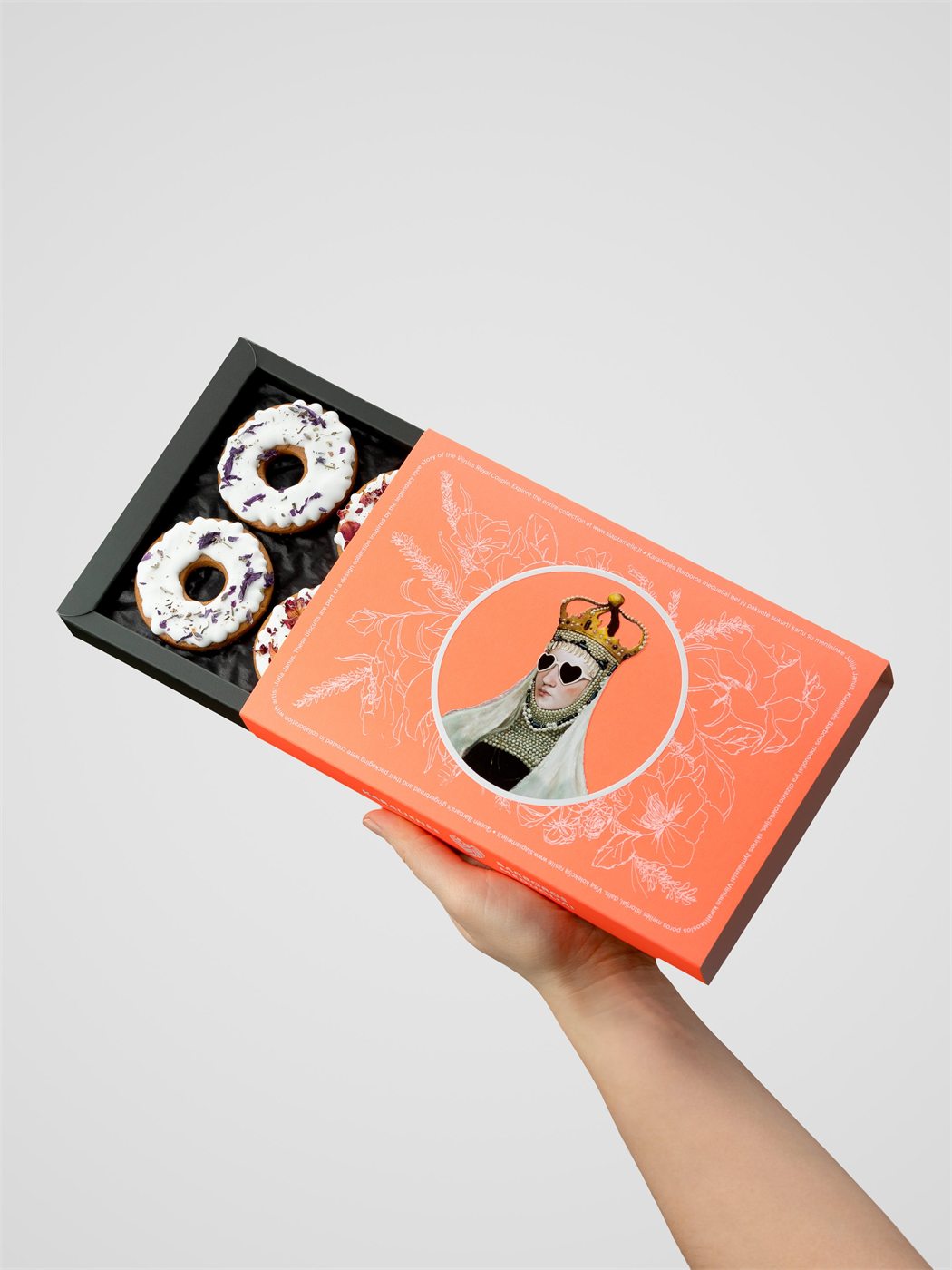
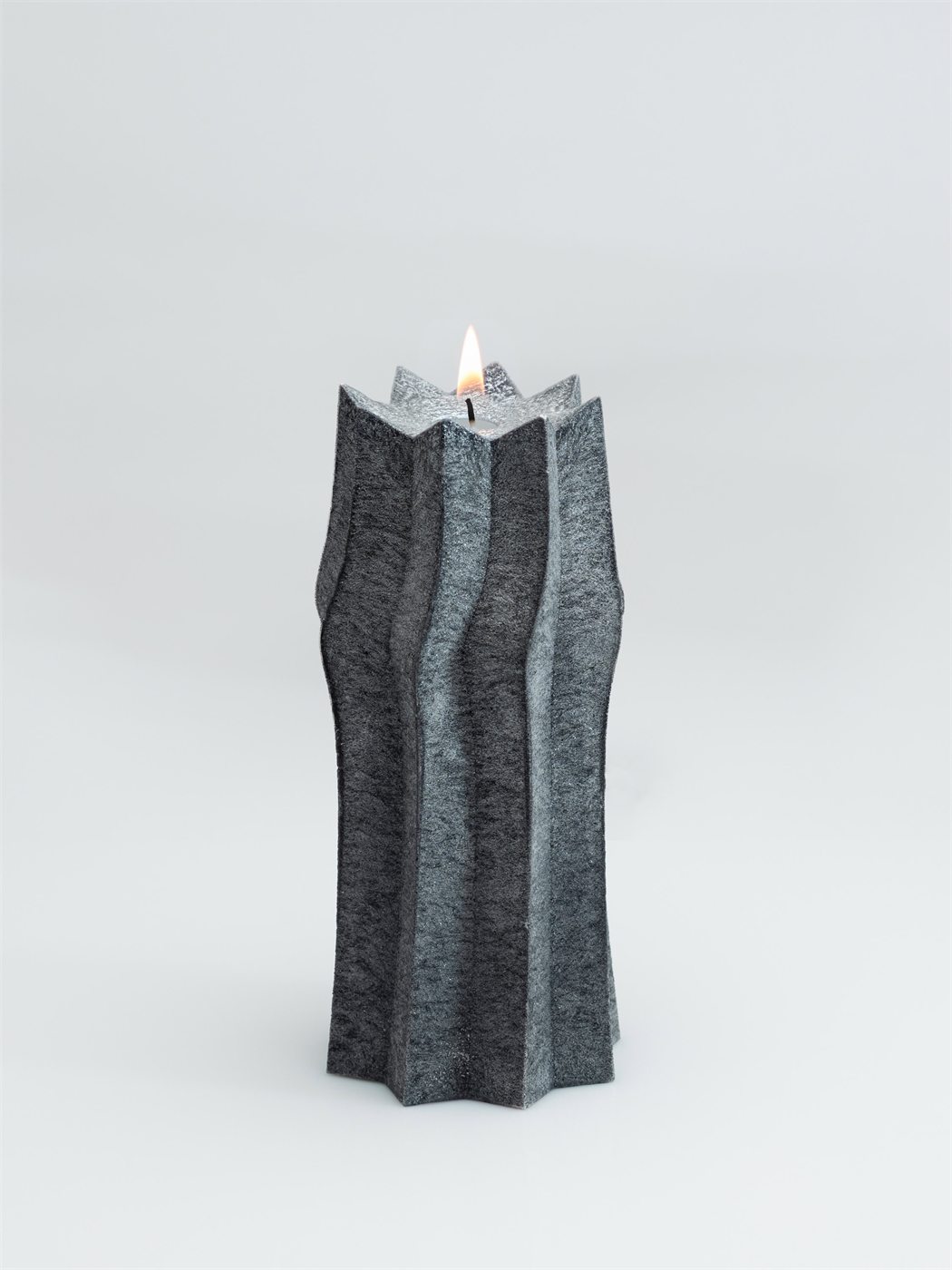
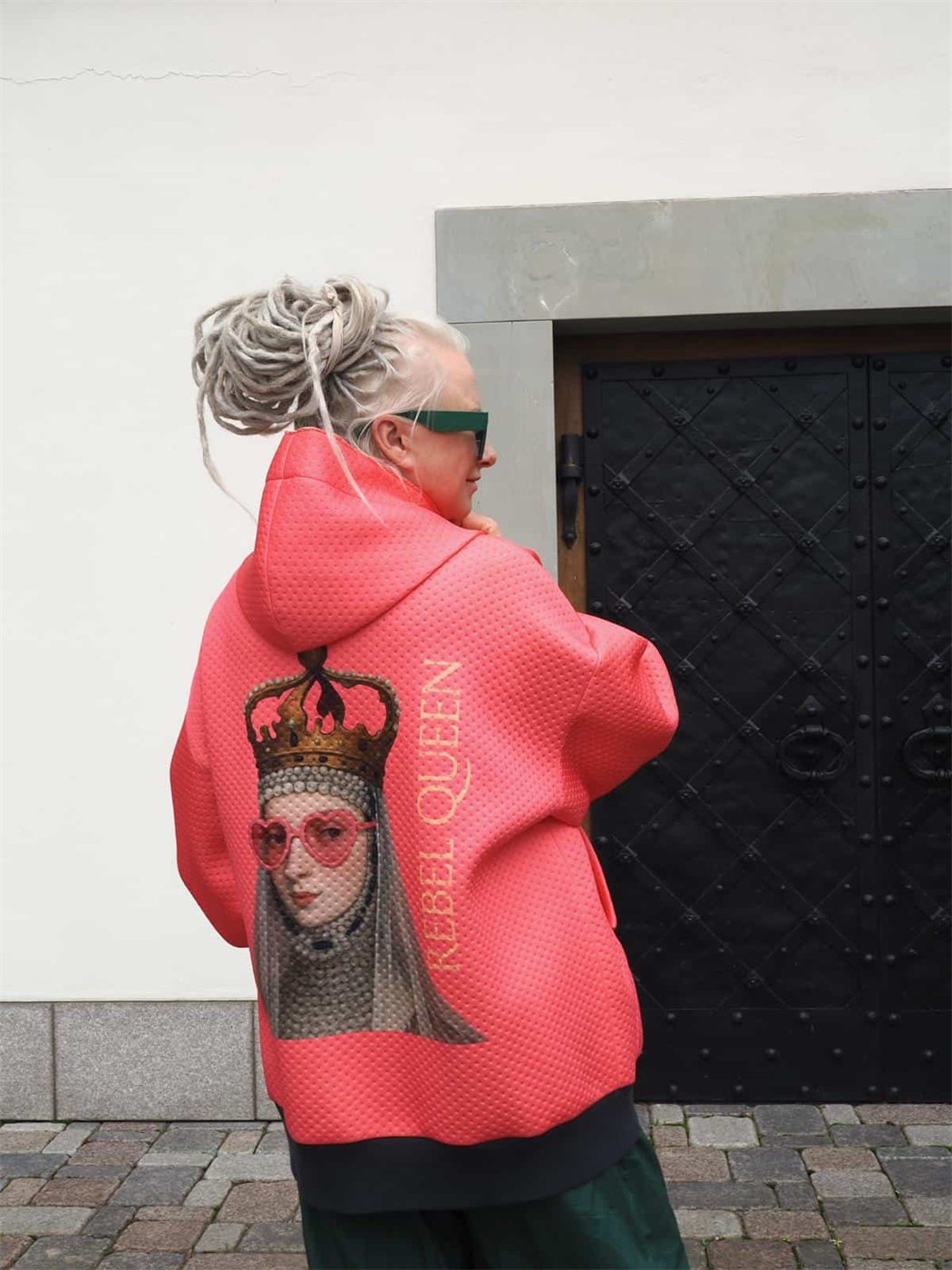
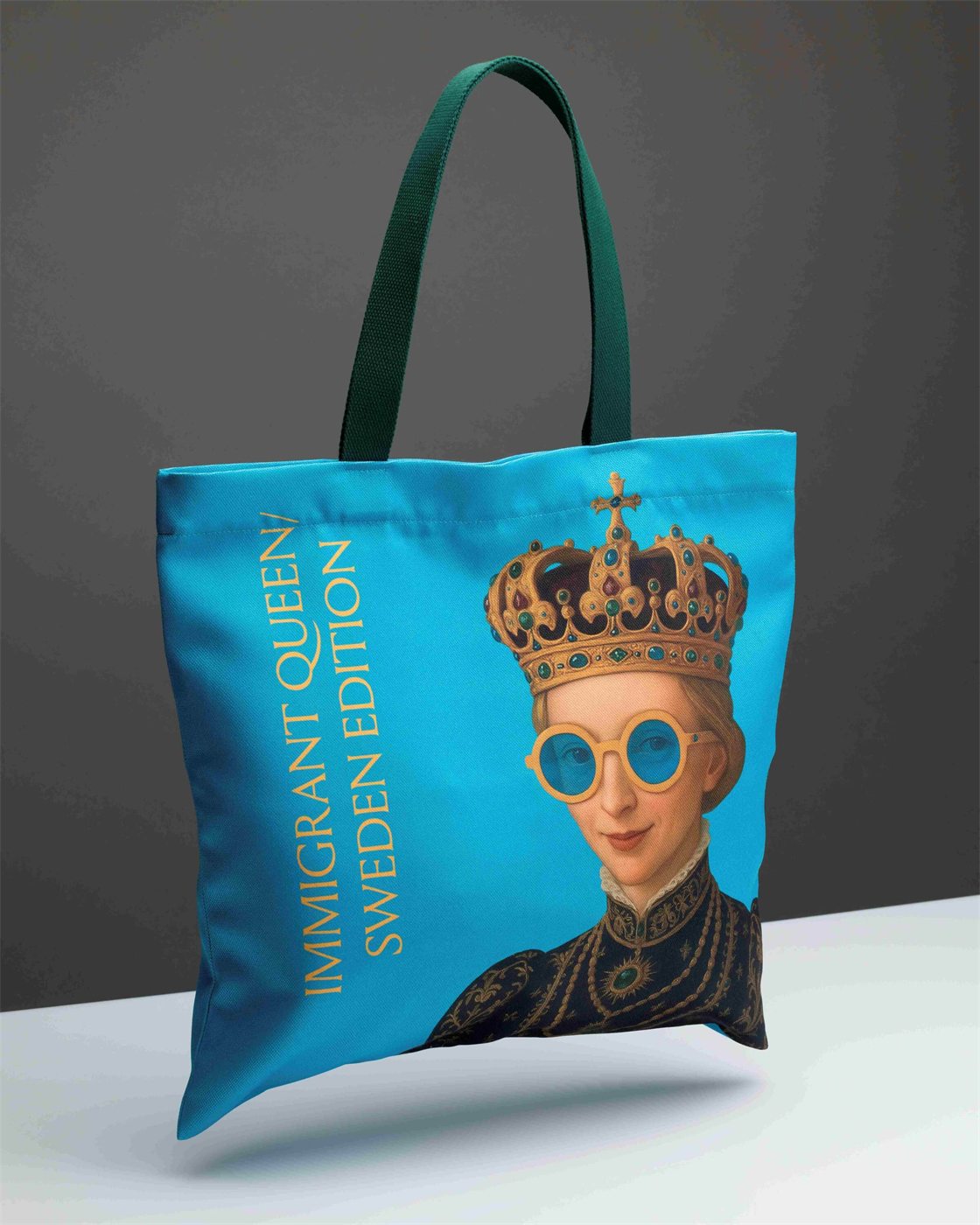
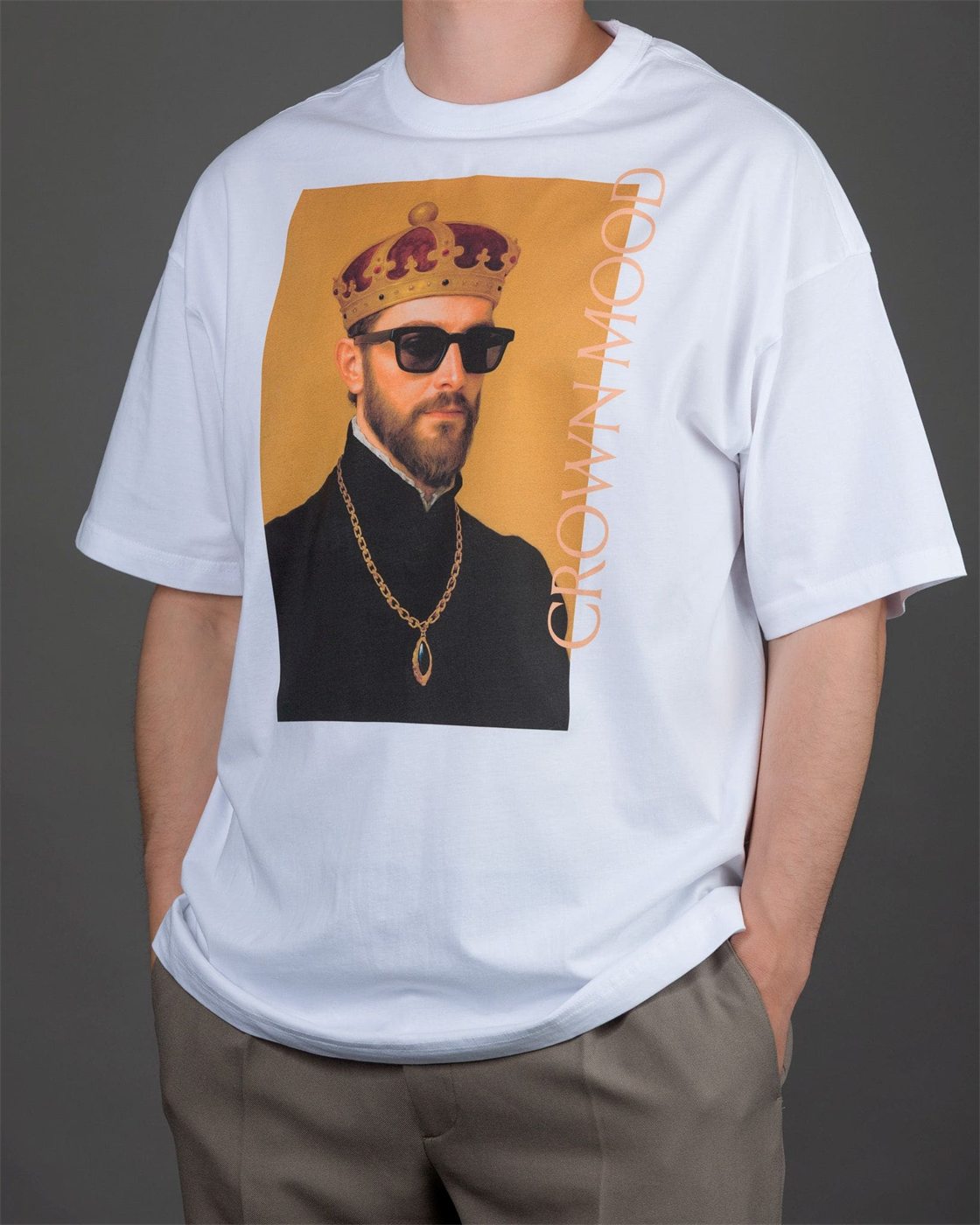
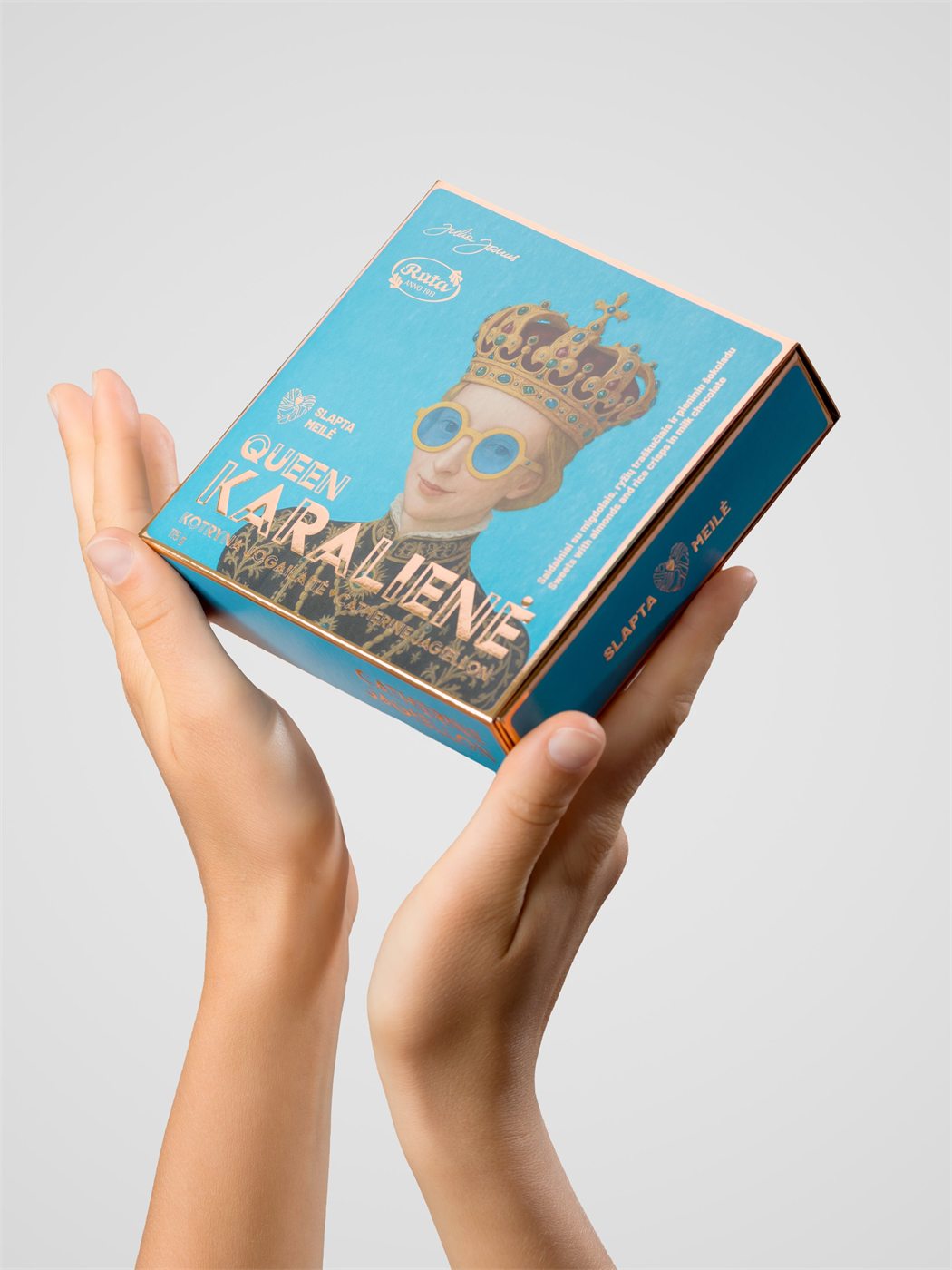
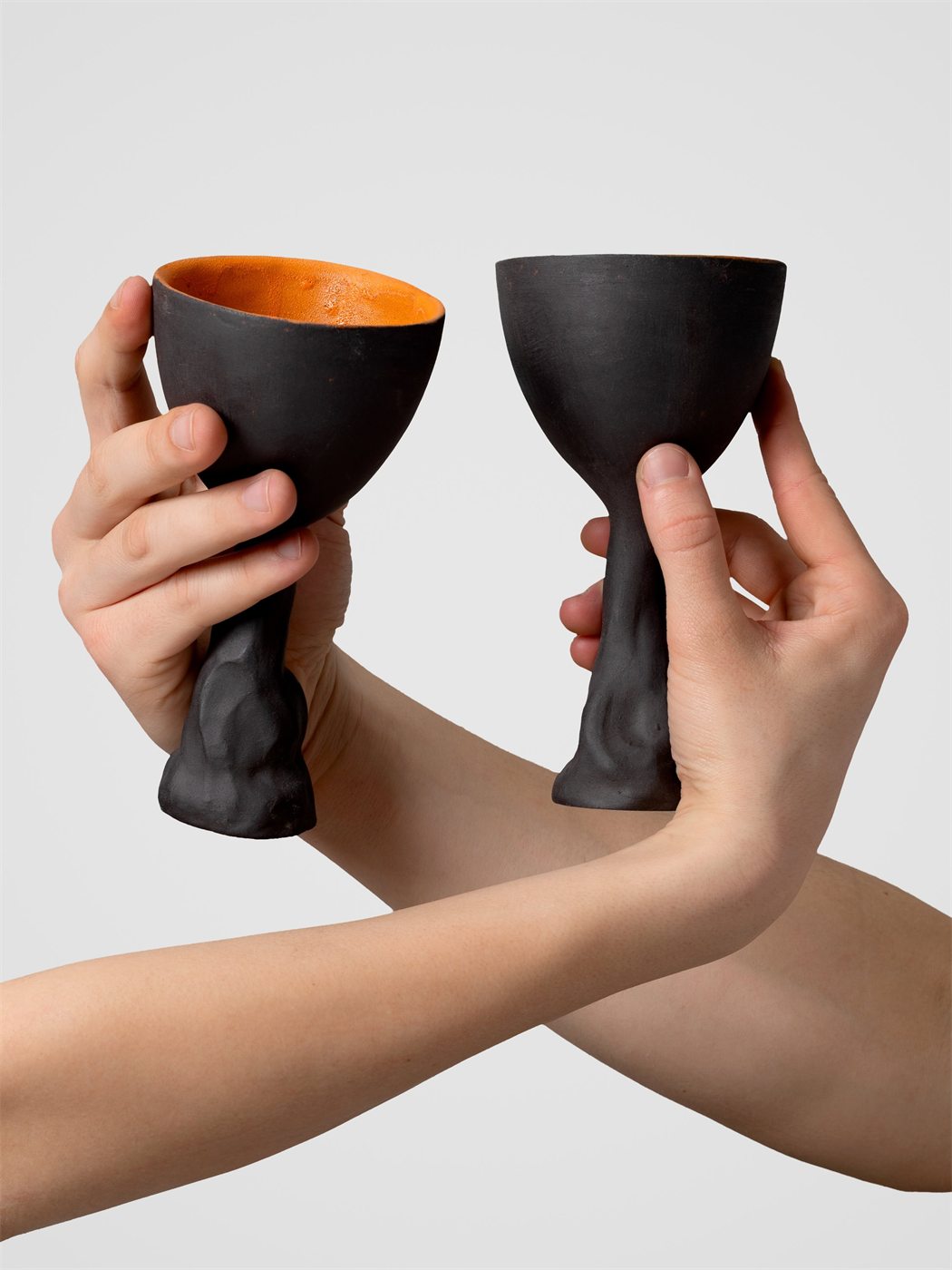
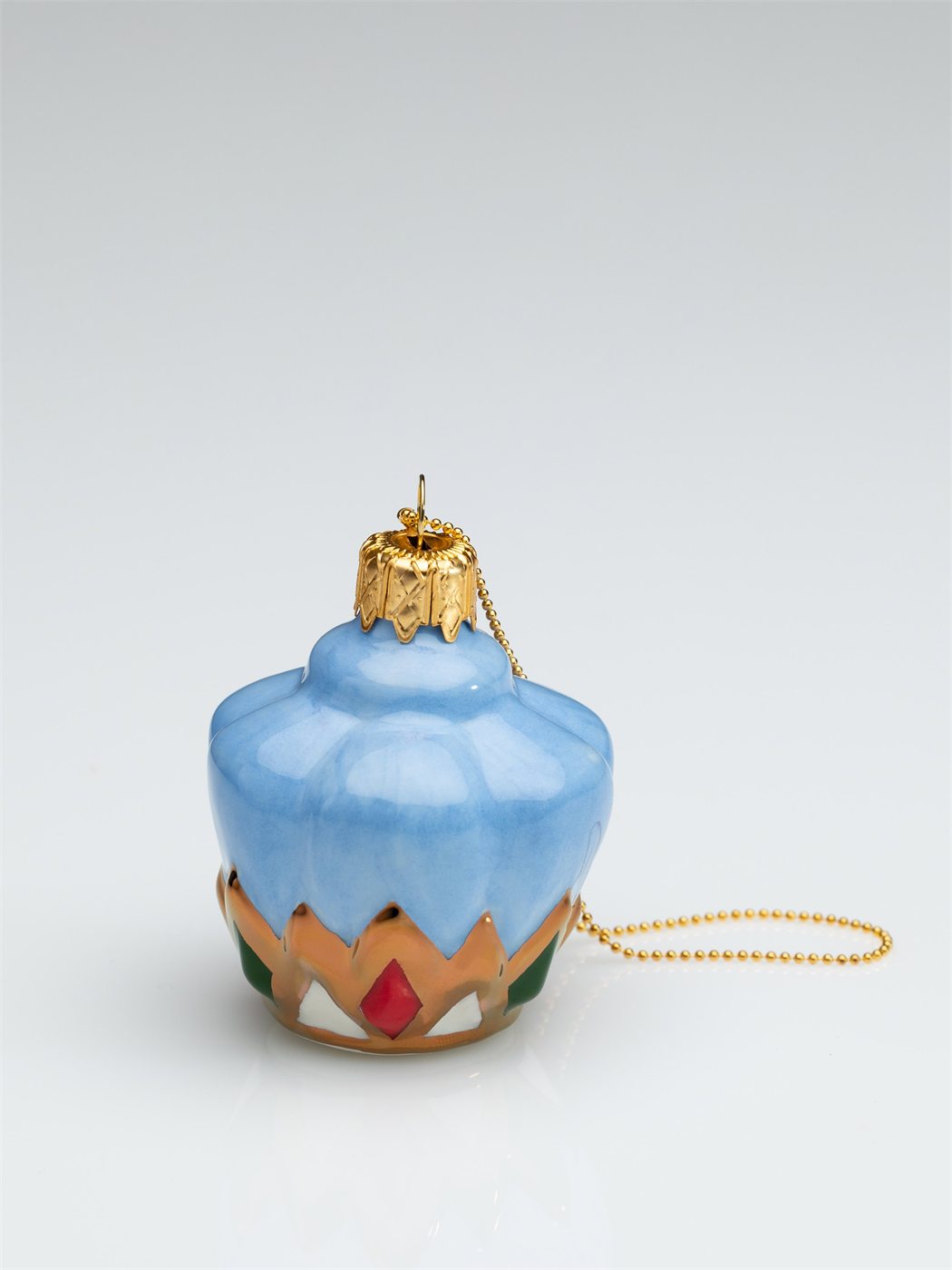
Around Julia worked the architect Sigita Simona Paplauskaitė, the coordinator Dominyka Verikaitė, the graphic designer Rokas Sutkaitis, the composer Matas Samulionis, who wrote the soundtrack, the illustrator Karolina Galvydytė and the lighting designer Vilius Vilutis, with the Swedish art historian Eva Mattsson and Daniel Werkmäster, director of the Uppsala Art Museum, as consultants; the artists Eglė Ganda Bogdanienė and Julia Peirone showed work. The exhibition’s souvenirs were designed by Secret Love. Its partners included the Uppsala Castle art museum, the Polish Institute in Vilnius, the Vilnius School of Automechanics and Business, whose students sewed costumes, Kazimieras Simonavičius University, Meduolių namai and the Vilnius potters’ guild, with LRT and JCDecaux as media partners.
A programme ran through the whole season: the opening on 4 June; a lecture by Eva Mattsson, author of the biography of Catherine published in Lithuanian in 2023, on the power and influence of a queen (5 June); curators’ tours with Julia (18 June and 8 October), with Dr Ragėnaitė on the anniversary of Catherine’s coronation (9 July) and in December, and with Dr Kvizikevičiūtė (10 September, and 5 November for Catherine’s birthday); a royal family Saturday and workshops of royal scents for children and adults (July); The Queen’s Code: Stories, Scents, Pearls and Tastes on 20 September, opening with a conversation between the three curators and continuing with talks on a crown of pearls for the queen, on reconstructing the scent of Barbara Radziwiłł, on gilded delicacies at the royal table, Renaissance court dances with the early-dance company Festa Cortese and a royal lunch; and on 28 November a scholarly conference on the continuity of women’s leadership in historic Lithuania, Between Stigma and Charisma.