The Mediterranean and home
The Mediterranean from east to west in one long summer: Crete and the Cyclades, the Corinth Canal, the Dalmatian coast, Venice in a Biennale year, Malta, Corsica, Marseille and Barcelona, Tangier and a winter up the river at Seville. In spring 2037 we go north by Lisbon, Ireland, the Caledonian Canal and Orkney, cross to Denmark, and come home to Klaipėda for the Sea Festival.
09.1
Chart
09.1a
Stops and stays
Klaipėda: home
140 nm · 260 km
09.2
Itinerary
Crete → Cyclades → Athens → Corinth Canal and Delphi → Ionian Greece~1,000 nm (~1,850 km)
Kotor → Dalmatia → Venice and Ravenna → Puglia and Matera → Sicily~1,350 nm (~2,500 km)
Malta → Tunisia → Sardinia → Corsica → Marseille, the Costa Brava and Barcelona~1,150 nm (~2,100 km)
Balearics → Andalusia → Gibraltar and Morocco → Andalusia → Lisbon~1,450 nm (~2,700 km)
Porto → Galicia → Ireland and the Isle of Man → Scotland → Orkney~1,500 nm (~2,800 km)
Denmark → The southern Baltic → Klaipėda~1,100 nm (~2,000 km)
~7,600 nm (14,100 km)
09.3
Places
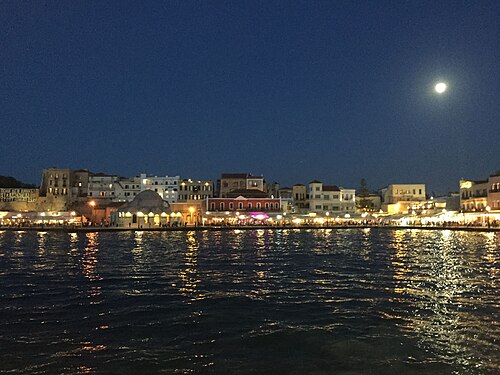 Crete
The largest Greek island, and the first land of Europe on the way home from the east.
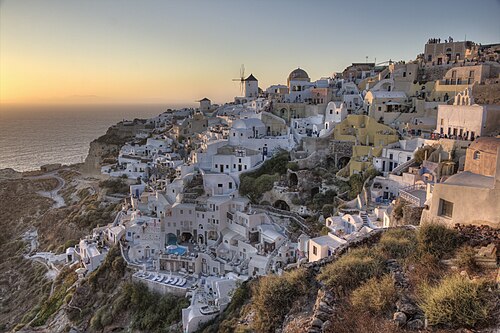 CycladesDelos, Mykonos, Naxos, Santorini
Delos, the mythical birthplace of Apollo, was a sanctuary and a huge free port; today it is uninhabited and nobody may stay overnight (UNESCO).
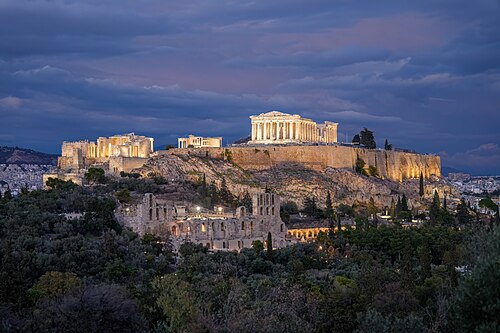 Athens and the Corinth Canal
The Acropolis (UNESCO) is the founding monument of Western architecture.
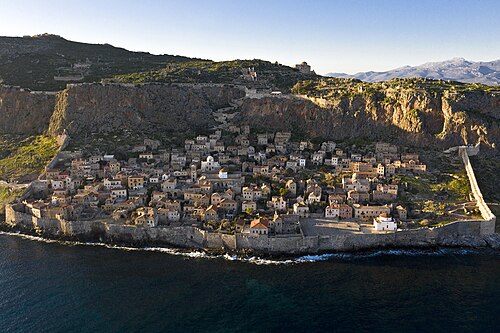 PeloponneseMonemvasia, Nafplio, Olympia
Monemvasia, whose name means “single entrance”, is a fortified Byzantine town on a rock island linked to the mainland by a causeway, with no cars inside its walls.
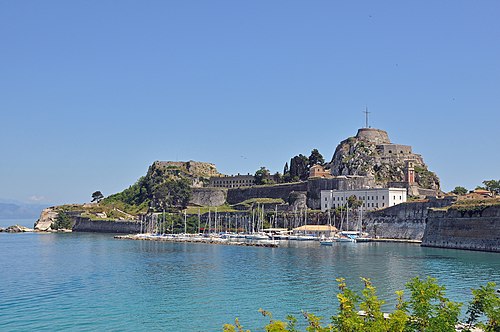 Corfu and the Ionian Islands
Corfu was ruled by Venice from 1386 to 1797 and never fell to the Ottomans, then passed through French and British hands.
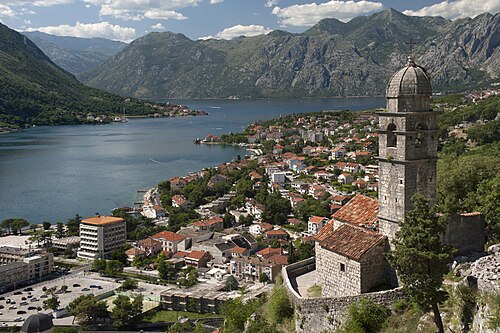 MontenegroKotor
The Bay of Kotor, a drowned river canyon often called Europe’s southernmost fjord, is a UNESCO site of mountains, walled towns and island churches.
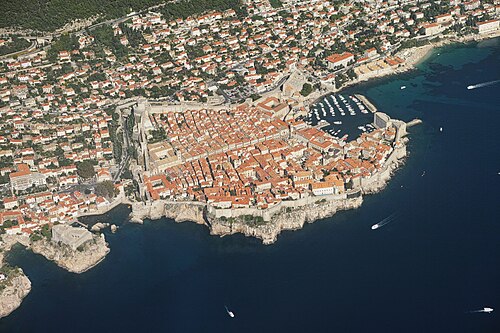 DalmatiaDubrovnik, Split and the islands
A coast of a thousand islands and stone towns, on the clearest water of the Mediterranean.
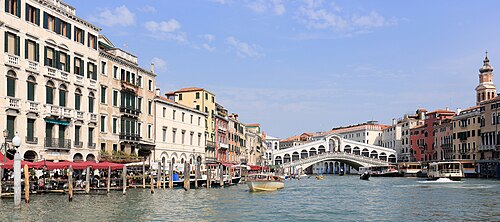 Venice and Ravenna
A city built on water by seafarers, to be reached from the sea.
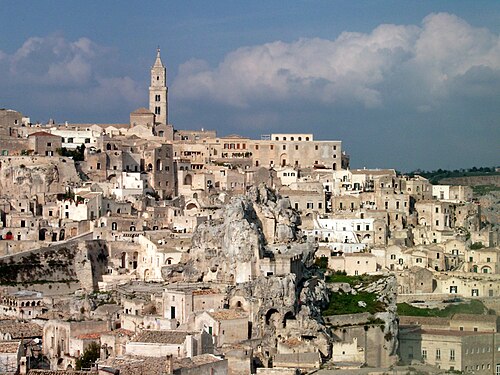 Puglia and Matera
Matera’s Sassi, cave dwellings carved into a ravine, are among the oldest continuously inhabited places in the world.
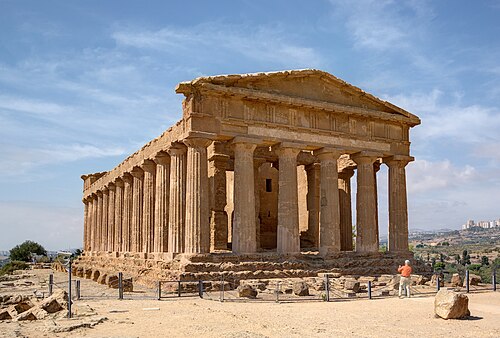 SicilySyracuse, Noto, Agrigento, Palermo
An island at the crossroads of the Mediterranean, where Greek, Roman, Arab, Norman and Spanish cultures each left masterpieces.
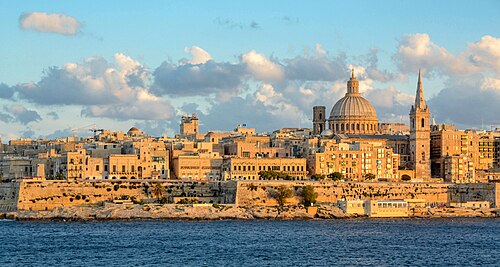 Malta and Gozo
Malta’s megalithic temples, such as Ġgantija on Gozo (around 3600 BC), are older than Stonehenge and the pyramids.
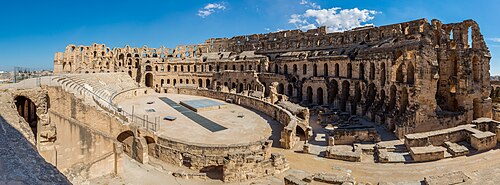 TunisiaMonastir, El Jem, Kairouan, Carthage, Sidi Bou Said
Carthage, founded by the Phoenicians in 814 BC, was Rome’s great rival until its destruction in 146 BC.
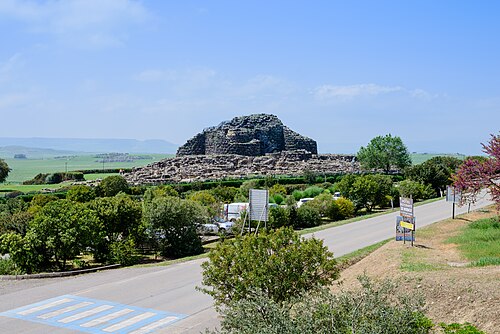 Sardinia
About 7,000 nuraghi, Bronze Age stone towers, cover the island.
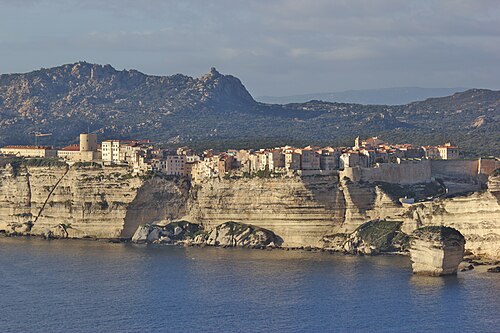 Corsica
A mountain in the sea, with peaks of two and a half thousand metres an hour from the beach.
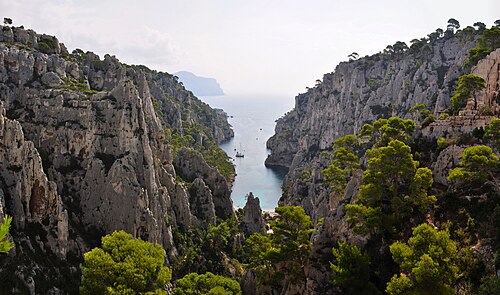 Marseille, the Costa Brava and Barcelona
The north-west corner of the Mediterranean, where the mistral blows: France’s oldest city and Spain’s most inventive one.
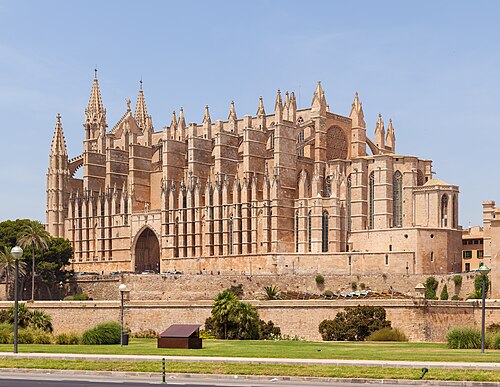 BalearicsPalma and Menorca
Menorca is a UNESCO biosphere reserve, and its Talayotic prehistoric sites were inscribed on the UNESCO list in 2023, including the taulas, T-shaped stone monuments found nowhere else.
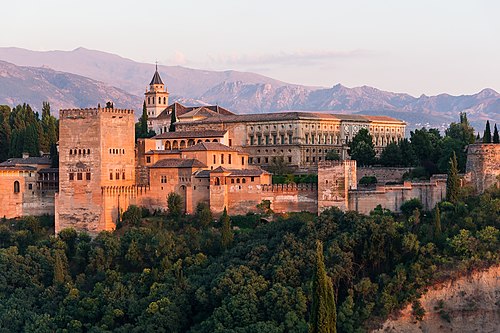 AndalusiaMálaga and Granada
The Alhambra (UNESCO) is the finest surviving palace of Al-Andalus, the Muslim civilisation that ruled much of Spain from 711 to 1492.
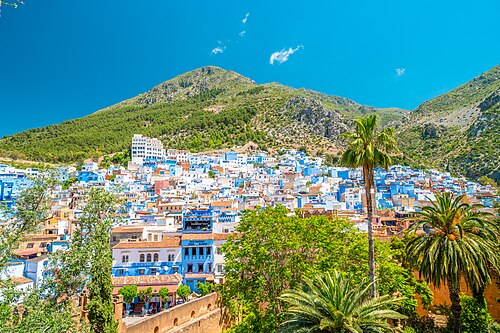 Gibraltar and northern MoroccoTétouan, Chefchaouen
At the Strait of Gibraltar, Europe and Africa are about 14 km apart, the ancient Pillars of Hercules.
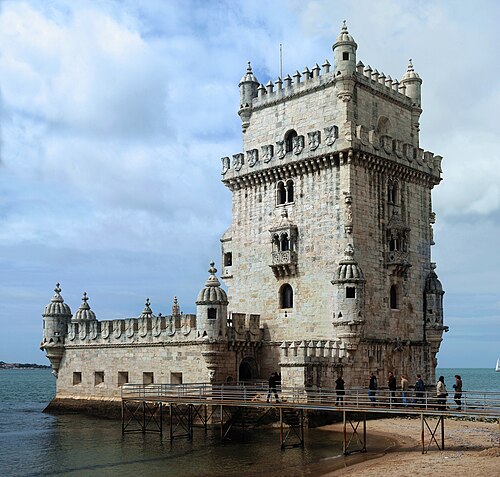 Lisbon
A city of hills, light and tiles that was destroyed by the earthquake, tsunami and fire of 1755 and rebuilt as one of the first modern planned cities in Europe.
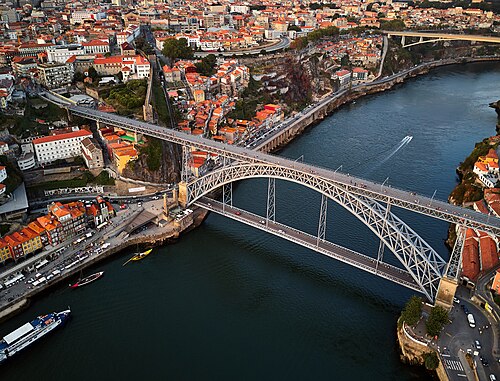 Porto and the Douro Valley
Porto’s historic centre (UNESCO) climbs steeply from the river, and the Douro Valley upstream is one of the oldest demarcated wine regions in the world (1756), a landscape of terraced vineyards (UNESCO).
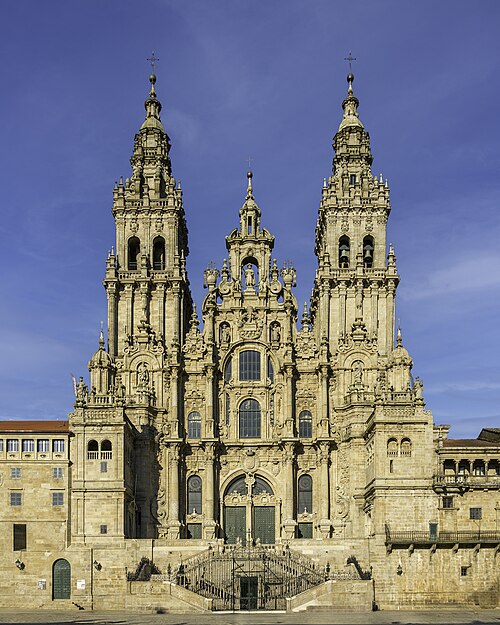 GaliciaA Coruña and Santiago de Compostela
A Coruña’s Tower of Hercules, from the 2nd century AD, is the oldest Roman lighthouse still in use (UNESCO).
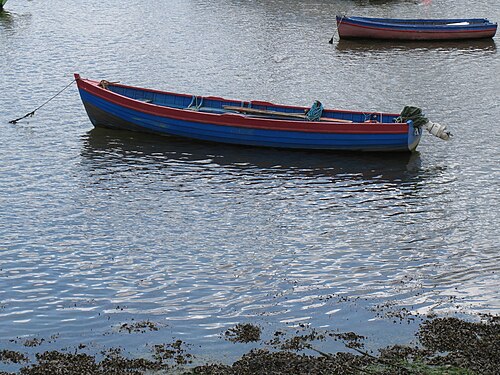 Ireland and the Isle of Man
An island of green fields behind grey cliffs.
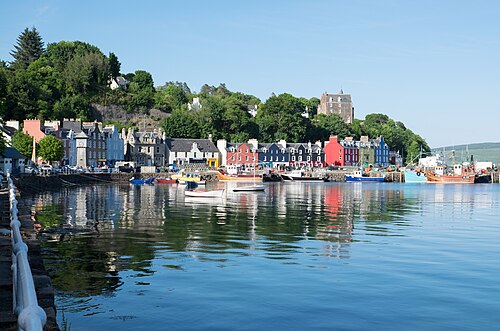 Scotlandthe Hebrides and the Great Glen
The west coast of Scotland: islands, sea lochs and tides, then a canal that crosses the country through its greatest valley.
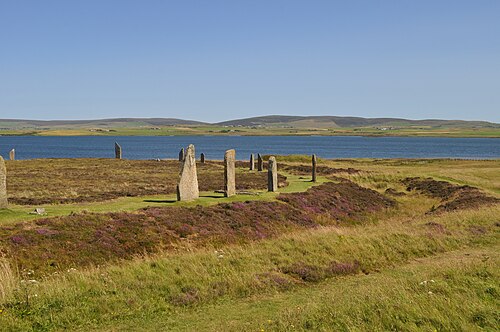 Orkney
The Heart of Neolithic Orkney (UNESCO) is one of the richest Stone Age landscapes in Europe, and current excavations at the Ness of Brodgar keep revealing more.
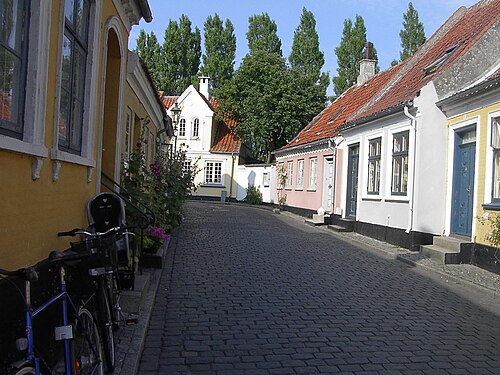 Denmarkthe Limfjord and the islands
A country of four hundred islands.
09.4
Along the way
Letters from aboard
We write when there is something to tell: from Vilnius now, later from aboard and from sea. On the day we leave, you hear first.