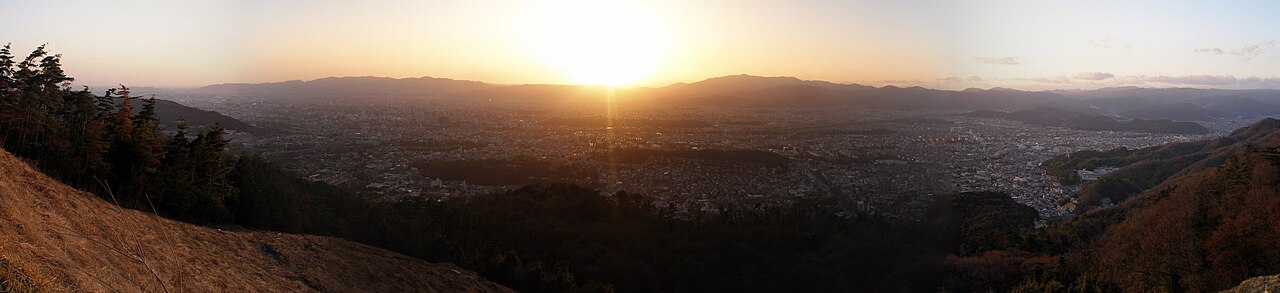
01 Why it’s unique
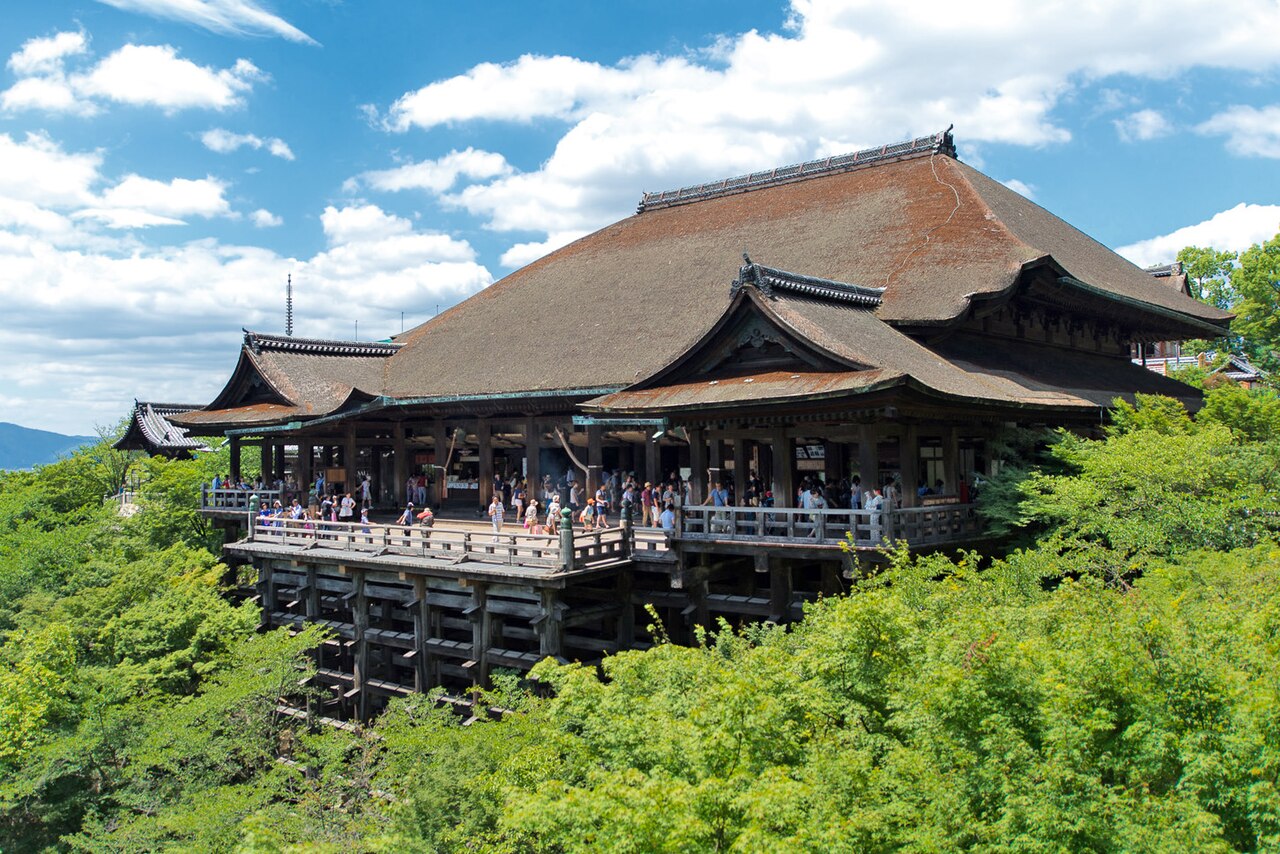
Kyoto was Japan’s imperial capital from 794 to 1868 and alone has 17 UNESCO sites. Nara, the capital before it (710–784), holds Todai-ji, whose Great Buddha Hall is one of the largest wooden buildings in the world.
02 Culture and history
Kyoto has about 1,600 Buddhist temples and hundreds of Shinto shrines. Geiko and maiko (apprentices) still train and perform in Gion and Pontocho. The tea ceremony schools, Nishijin silk weaving and Kiyomizu pottery keep centuries-old crafts alive. Kyoto was largely spared from wartime bombing, which is why so much survives. In Nara, deer roam the temple grounds as sacred messengers.
03 Placemaking
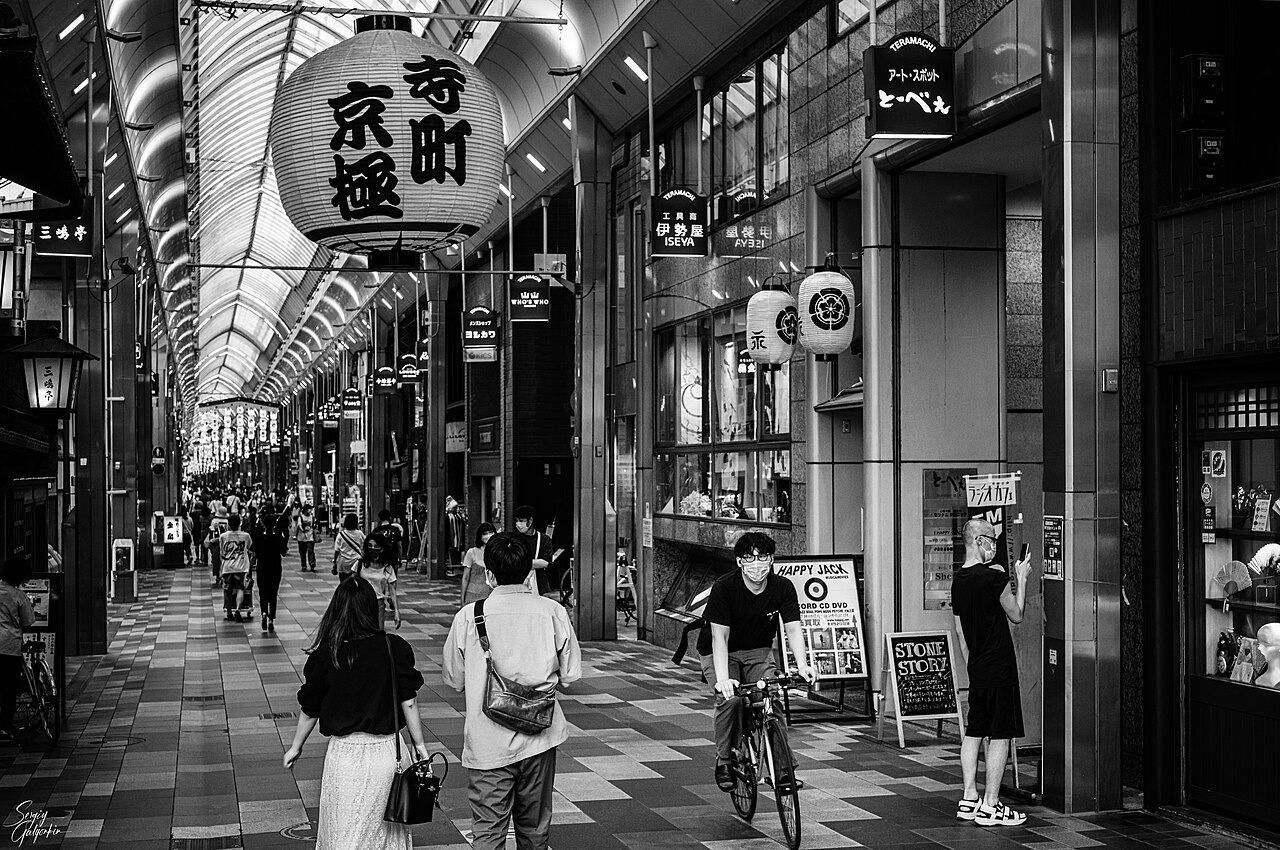
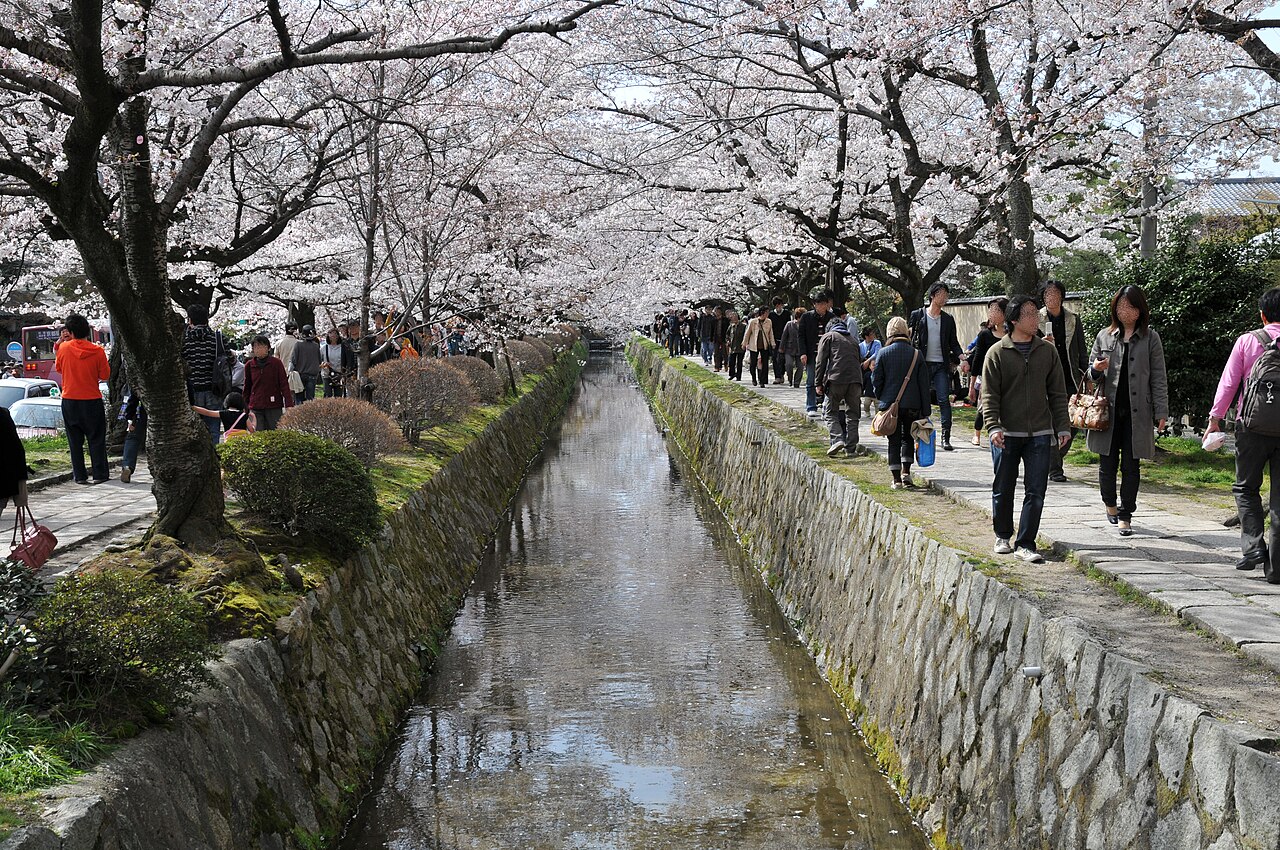
Kyoto was laid out on a grid modelled on the Chinese capital Chang’an. Its machiya townhouses, narrow and deep “eel beds” with small courtyard gardens (tsuboniwa), are the city’s basic building block. In 2007, Kyoto adopted landscape rules that cap building heights, control signs and protect views of the surrounding hills. The Philosopher’s Path follows a canal under cherry trees, and Nishiki Market is a covered food street five blocks long. Overtourism led Gion to ban photography on its private lanes in 2019.
04 Diving and water
None; this is a land excursion.
05 Photography
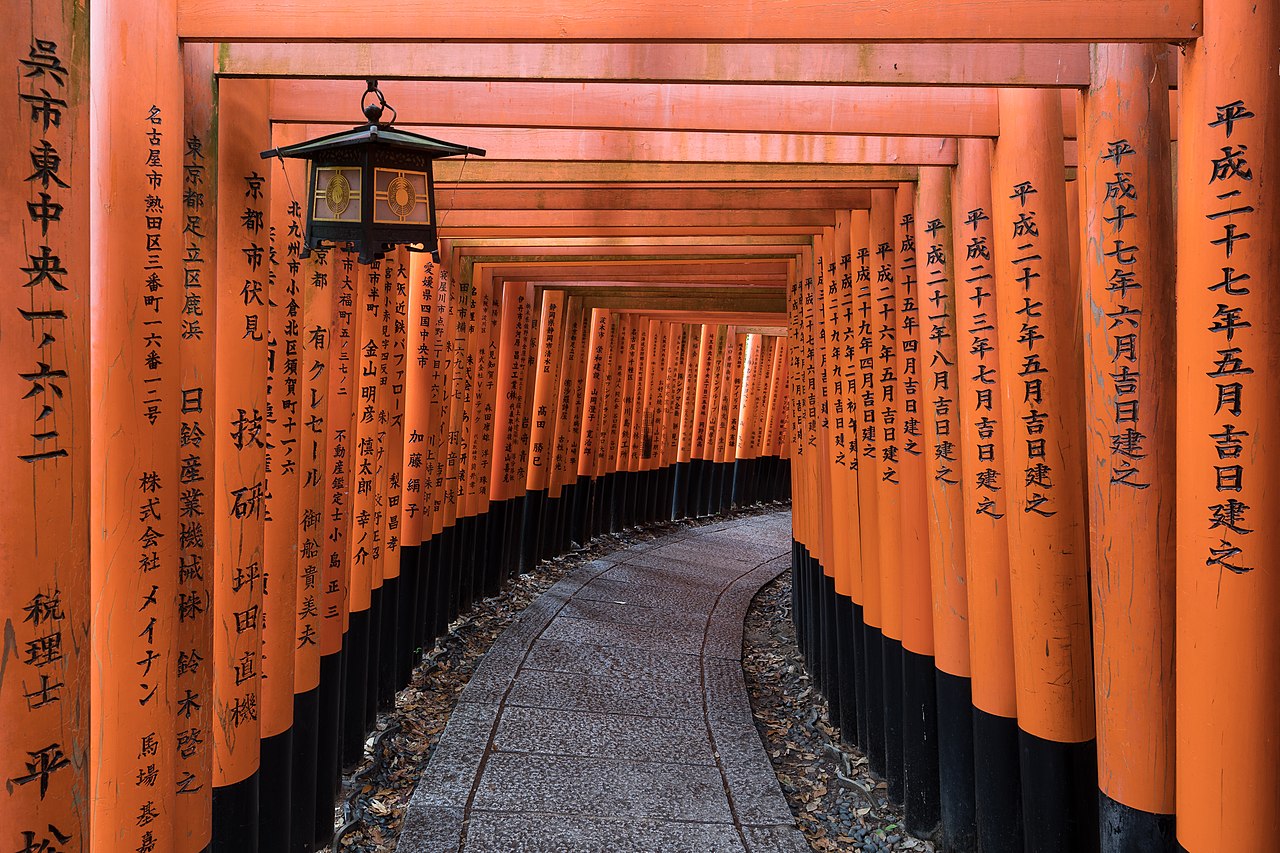
Fushimi Inari’s thousands of vermilion torii at dawn; the Arashiyama bamboo grove early in the morning; moss gardens such as Saiho-ji (by reservation); Nara’s deer at Todai-ji.