01 Why it’s unique
An island at the crossroads of the Mediterranean, where Greek, Roman, Arab, Norman and Spanish cultures each left masterpieces.
02 Culture and history
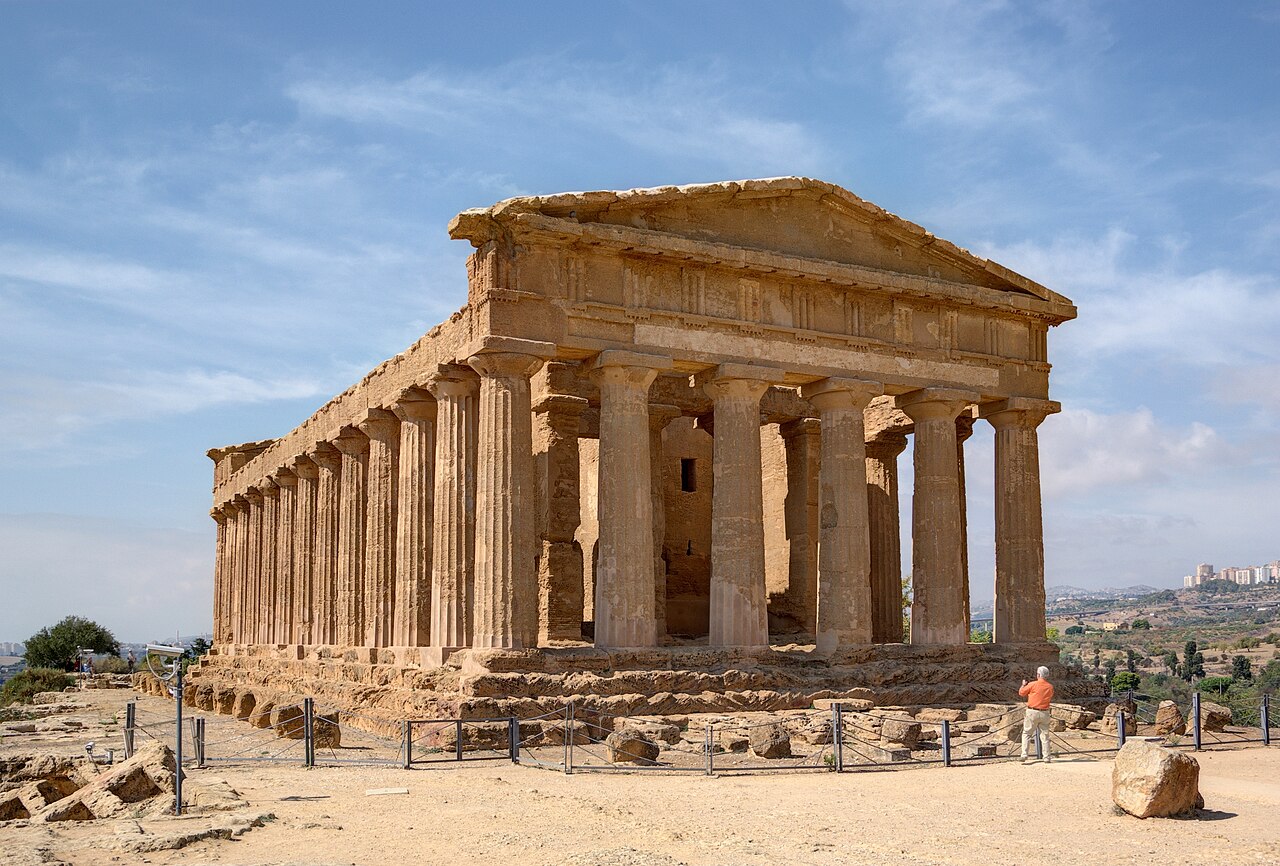
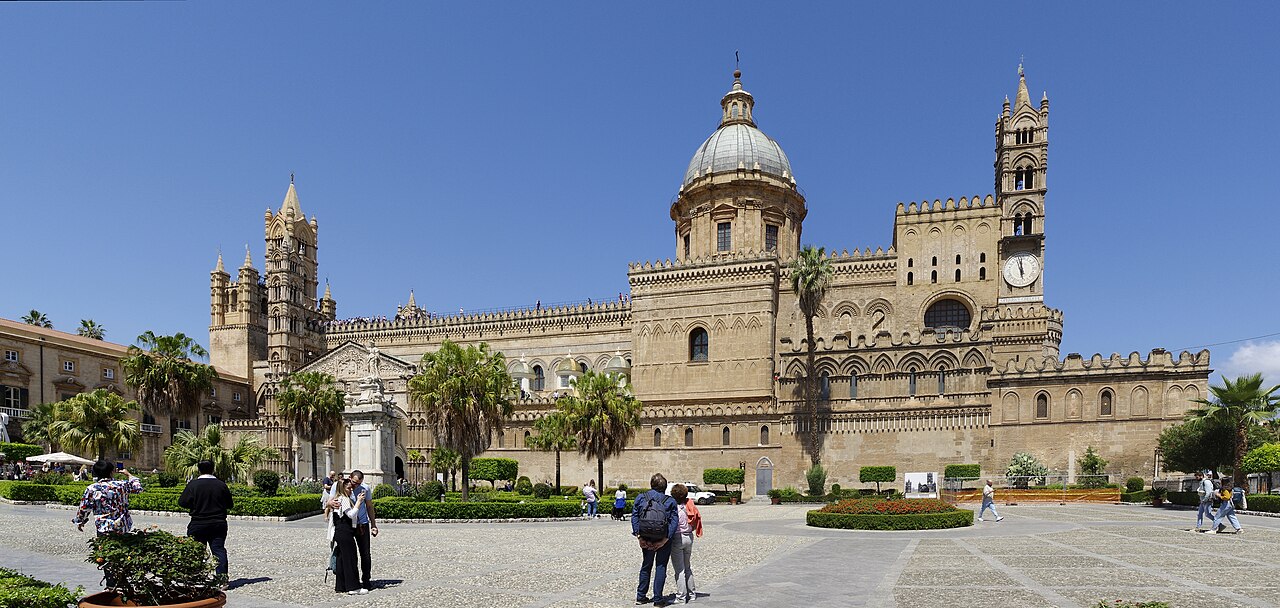
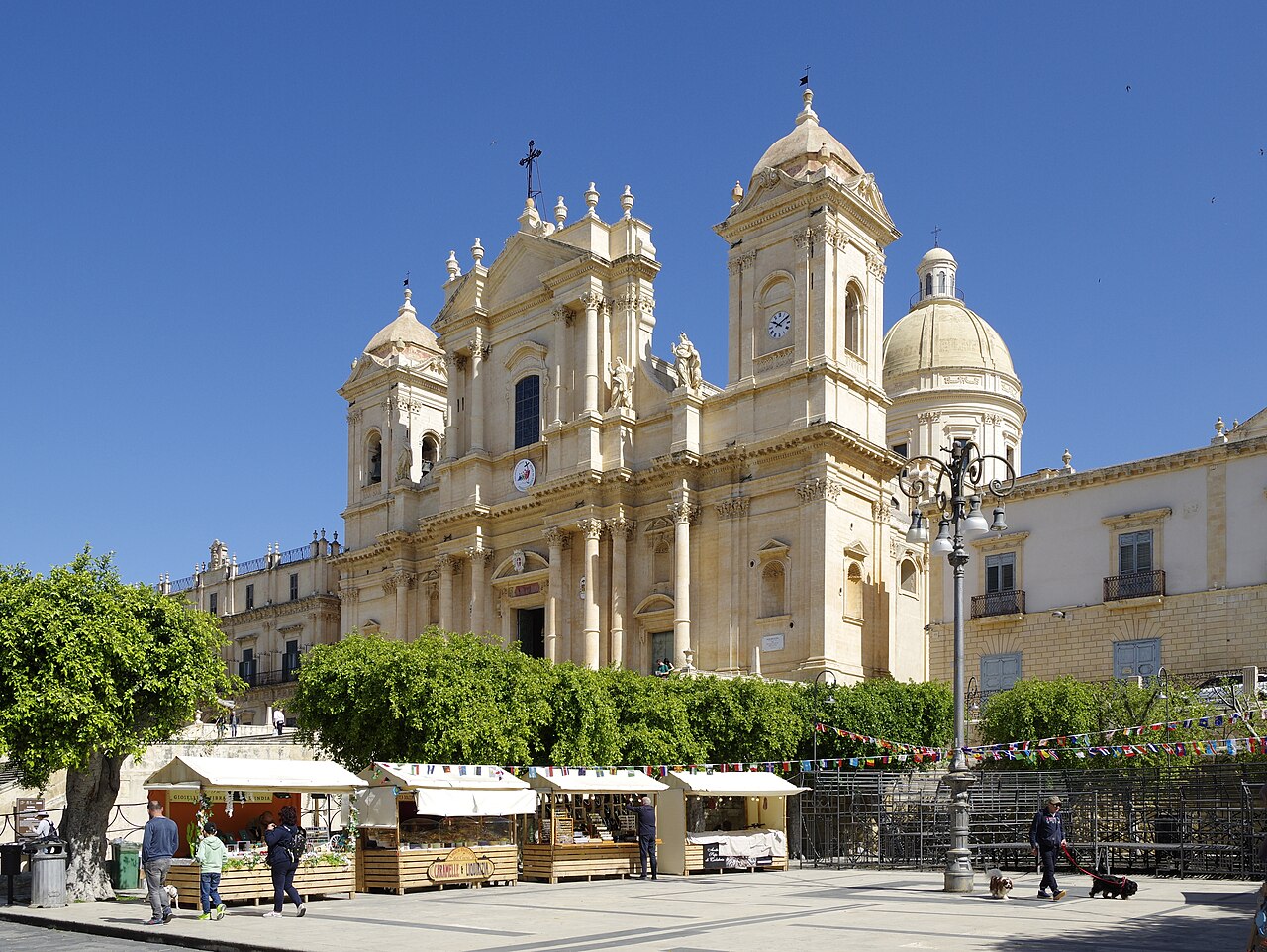
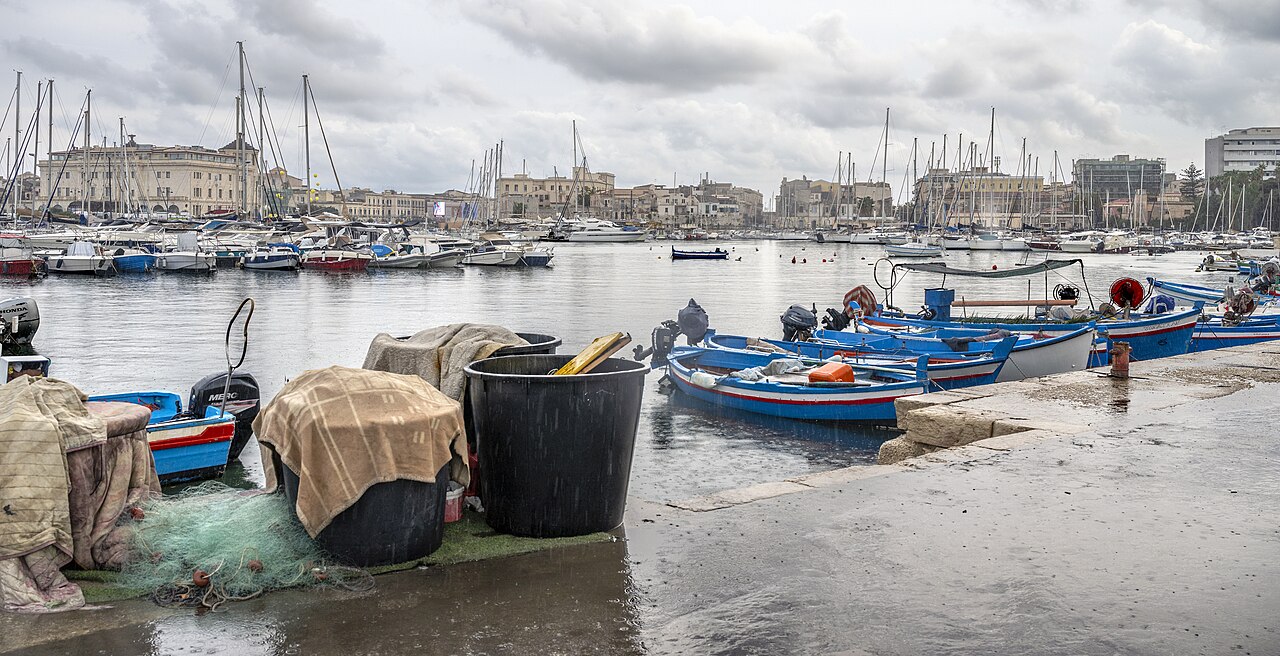
Syracuse, founded by Corinthian Greeks around 733 BC, was the home of Archimedes; its Greek theatre still stages classical plays each summer. Noto and the towns of the Val di Noto were rebuilt in late Baroque style after the 1693 earthquake (UNESCO). Agrigento’s Valley of the Temples has some of the best-preserved Greek temples anywhere. Palermo’s Arab-Norman churches, including the Cappella Palatina and Monreale’s mosaics (UNESCO), show Christian, Byzantine and Islamic art fused together; its street markets and street food are legendary.
03 Placemaking
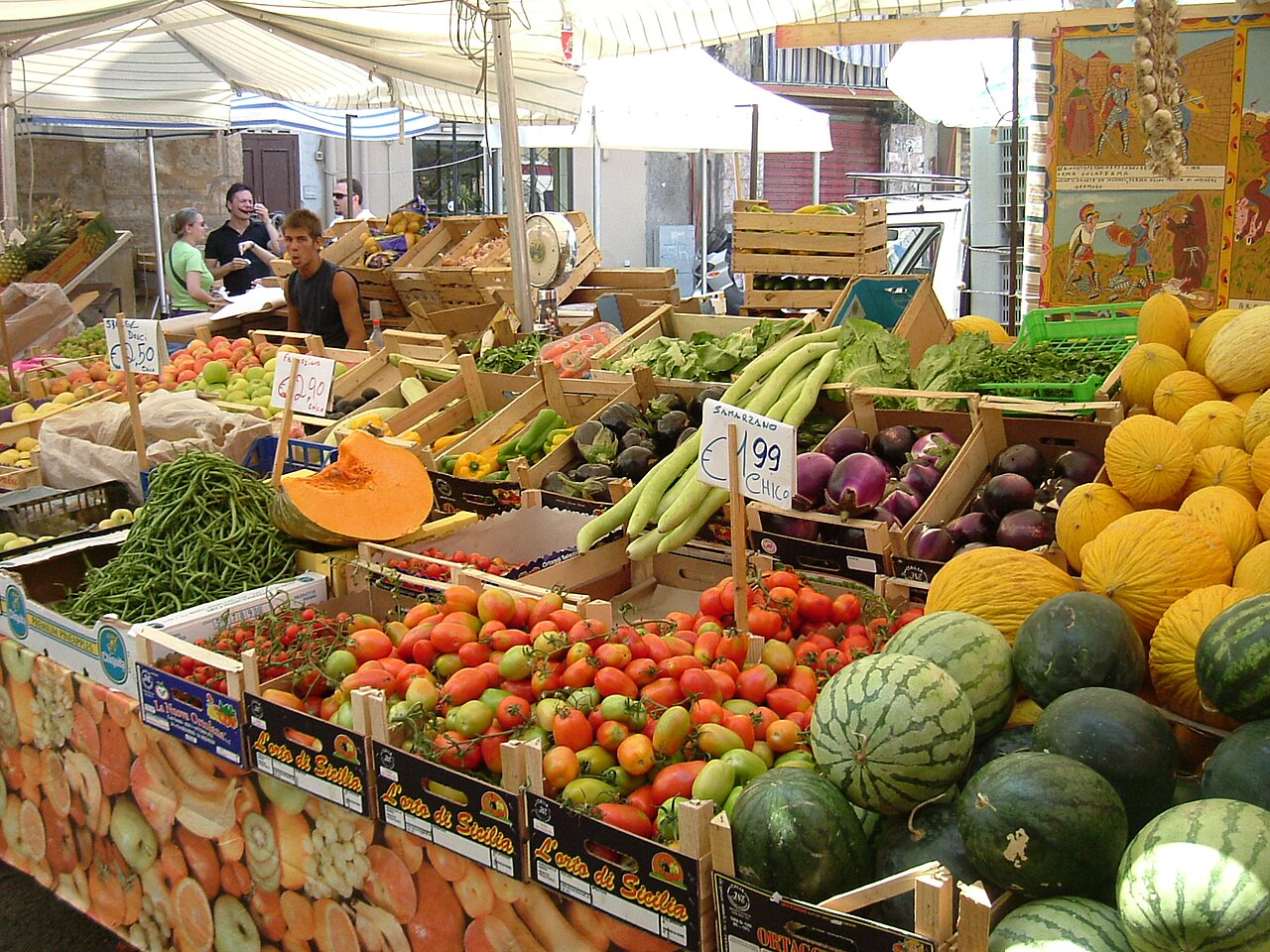
Noto was rebuilt on a new site with planned axes, staircases and church façades arranged like a stage set. In Syracuse, the cathedral on Ortigia incorporates the columns of a Greek temple of Athena into its walls. Palermo’s Quattro Canti crossroads and its markets, Ballarò and the Vucciria, work as open-air public rooms.
04 Diving and water
The Plemmirio marine reserve near Syracuse; Ustica, Italy’s first marine reserve, north of Palermo.
05 Photography
Noto’s honey-coloured stone at sunset; Ballarò market portraits; the temple columns inside Syracuse cathedral.