
01 Why it’s unique
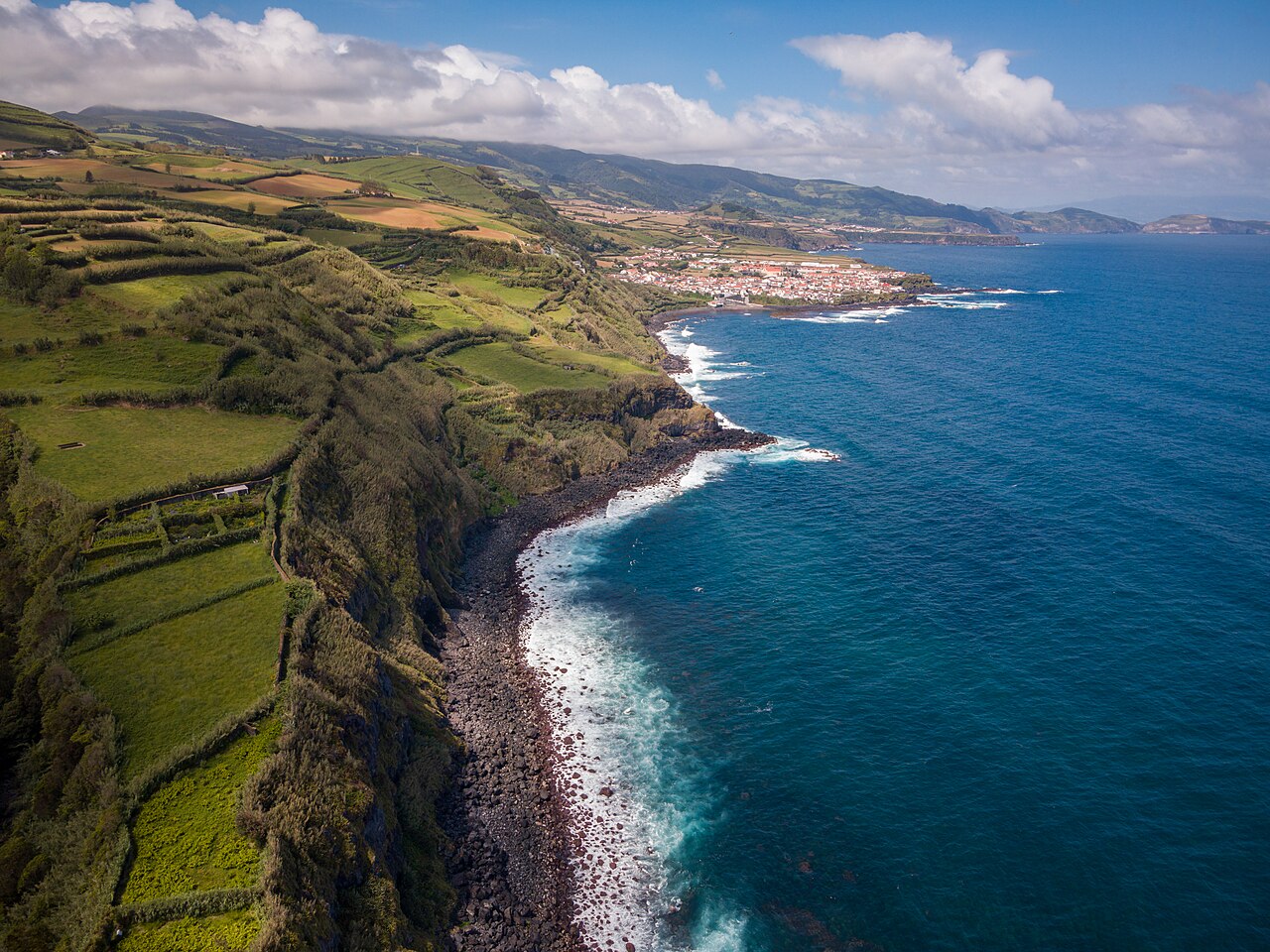
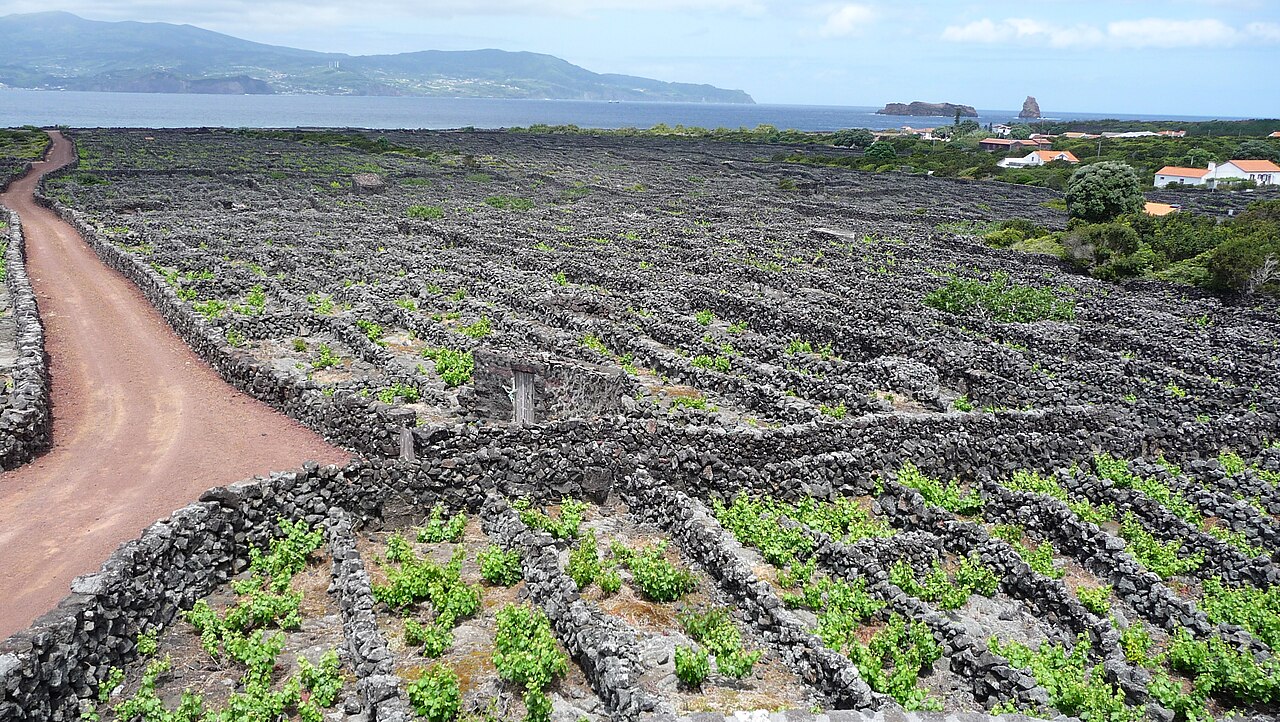
Nine volcanic islands where three tectonic plates meet in the middle of the Atlantic. Pico’s vineyards, grown in thousands of small plots walled with black lava against the wind (UNESCO, 2004), are one of the most remarkable farmed landscapes in Europe.
02 Culture and history
The Portuguese settled the islands from the 1430s. Angra do Heroísmo on Terceira was the stopping point for fleets returning from the Indies and the Americas; it was carefully rebuilt after a 1980 earthquake (UNESCO). Azoreans hunted sperm whales from open rowing boats until 1987, a tradition remembered in the museums of Lajes do Pico and the scrimshaw collection at Peter Café Sport in Horta. The Holy Spirit festivals (May to September) culminate in free communal meals of soup and bread shared with everyone, so RAW’s June visit falls right in the season.
03 Placemaking
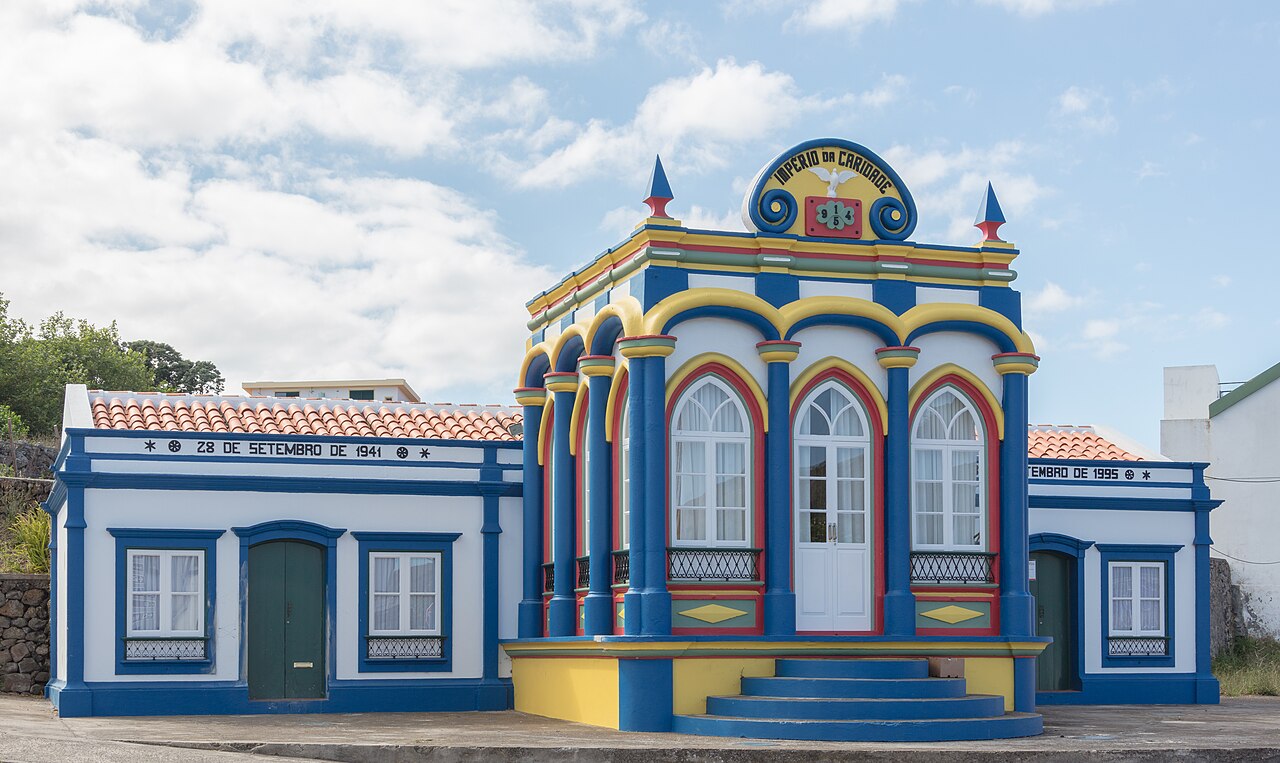
Horta’s marina walls are covered with paintings left by passing crews, a tradition said to bring luck to the next passage; RAW should add hers. On Terceira, small brightly painted chapels called impérios are the centres of the Holy Spirit festivals, buildings made for sharing food. Ponta Delgada is paved in black-and-white basalt calçada, with its old city gates on the waterfront.
04 Diving and water
Princess Alice Bank, far offshore, draws mobula rays in summer; blue sharks and makos are dived off Pico and Faial from July to September; sperm whales and dolphins are seen all year.
05 Photography
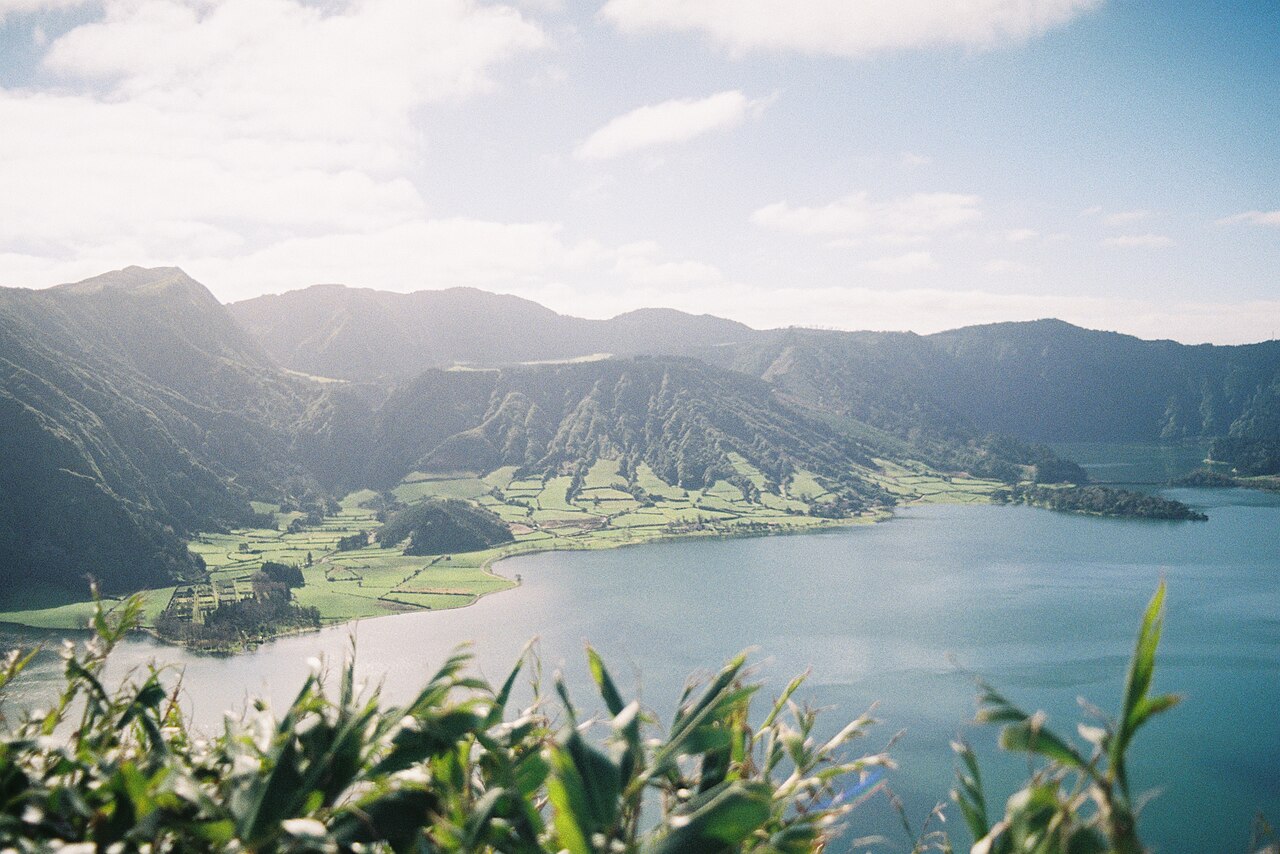
Pico’s lava-walled vineyards with the mountain behind; the twin blue and green lakes of Sete Cidades; the Capelinhos volcano on Faial, born in 1957–1958.