01 Why it’s unique
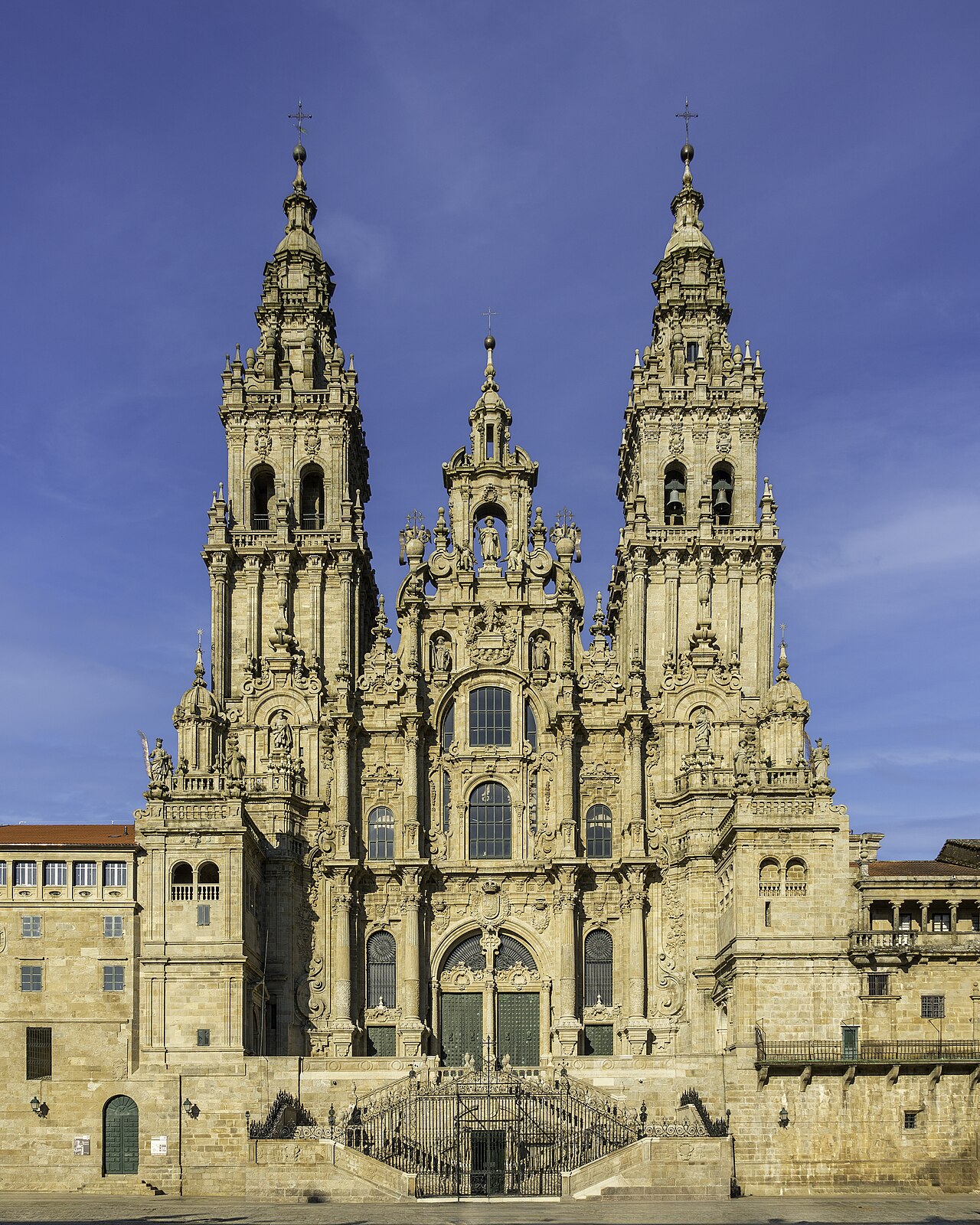
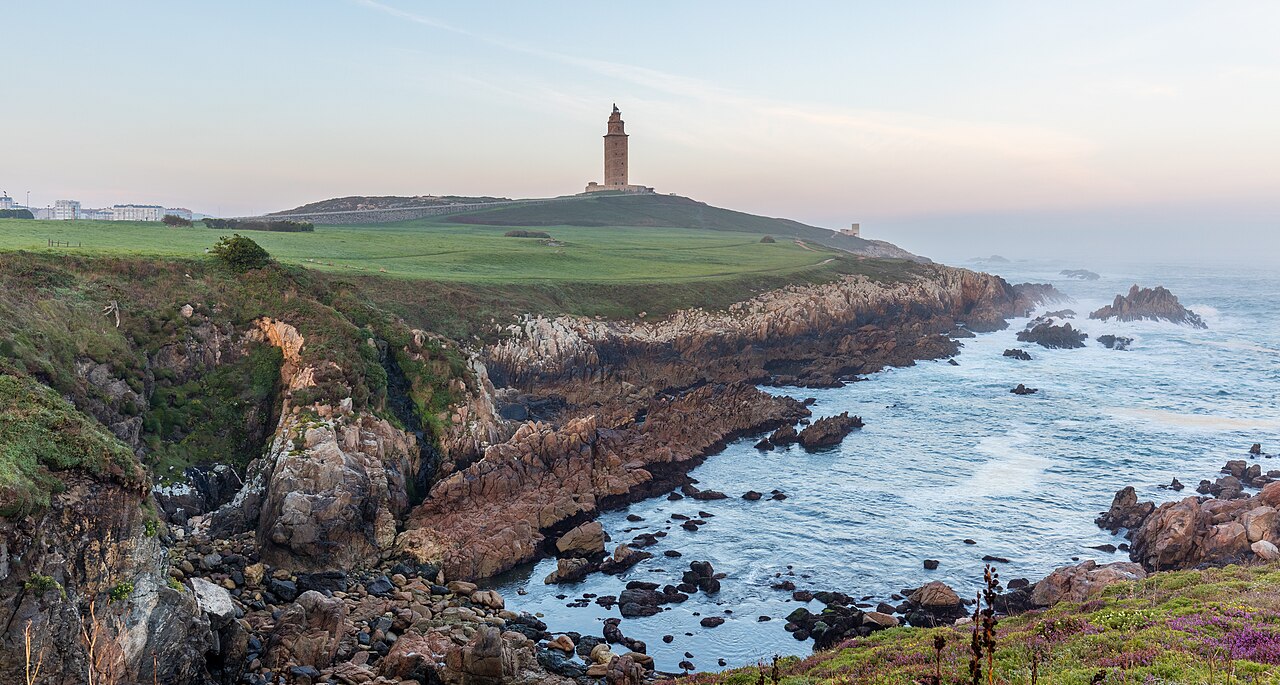
A Coruña’s Tower of Hercules, from the 2nd century AD, is the oldest Roman lighthouse still in use (UNESCO). Santiago de Compostela (UNESCO) is the end of the Camino de Santiago, Europe’s great pilgrimage route.
02 Culture and history
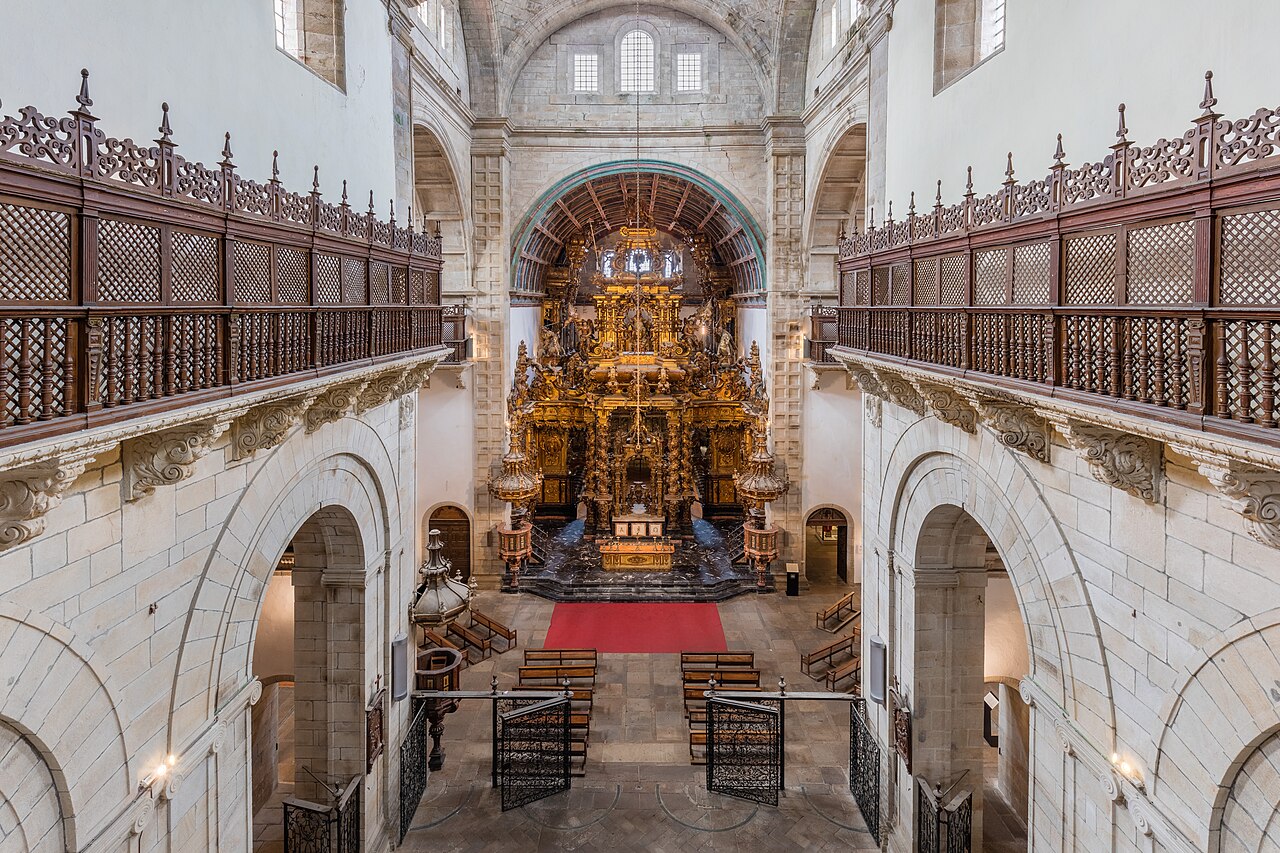
Galicia has its own language, a Celtic heritage and bagpipe (gaita) music. The Costa da Morte (“coast of death”) is named for its shipwrecks. In Santiago, the giant censer (botafumeiro) swings through the cathedral on special occasions. A Coruña honours María Pita, who led the town’s defence against Francis Drake in 1589, and the young Picasso lived here for several years.
03 Placemaking
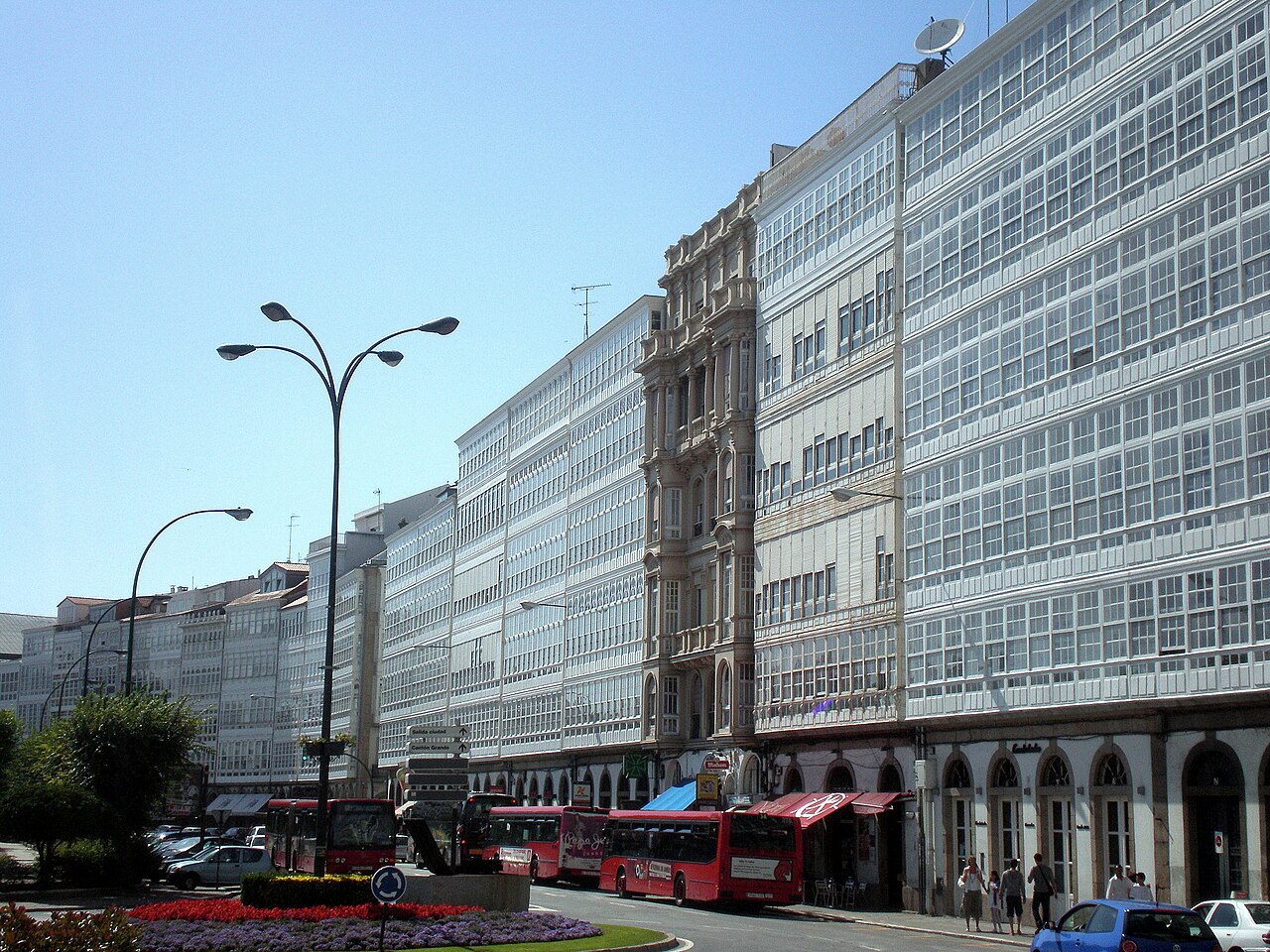
A Coruña is called the “city of glass” for the white-framed glazed galleries along its waterfront, enclosed balconies that capture light and keep out Atlantic wind. Its seafront promenade runs about 13 km around the peninsula. In Santiago, the Praza do Obradoiro is a great arrival space where pilgrims finish their journey in front of the cathedral.
04 Diving and water
The Cíes Islands, part of the Atlantic Islands of Galicia National Park, are passed on the way north. The Iberian orcas mentioned for Gibraltar are also seen off Galicia.
05 Photography
Pilgrims arriving in Obradoiro; the lighthouses of Finisterre and the Costa da Morte; A Coruña’s galleries at sunset.