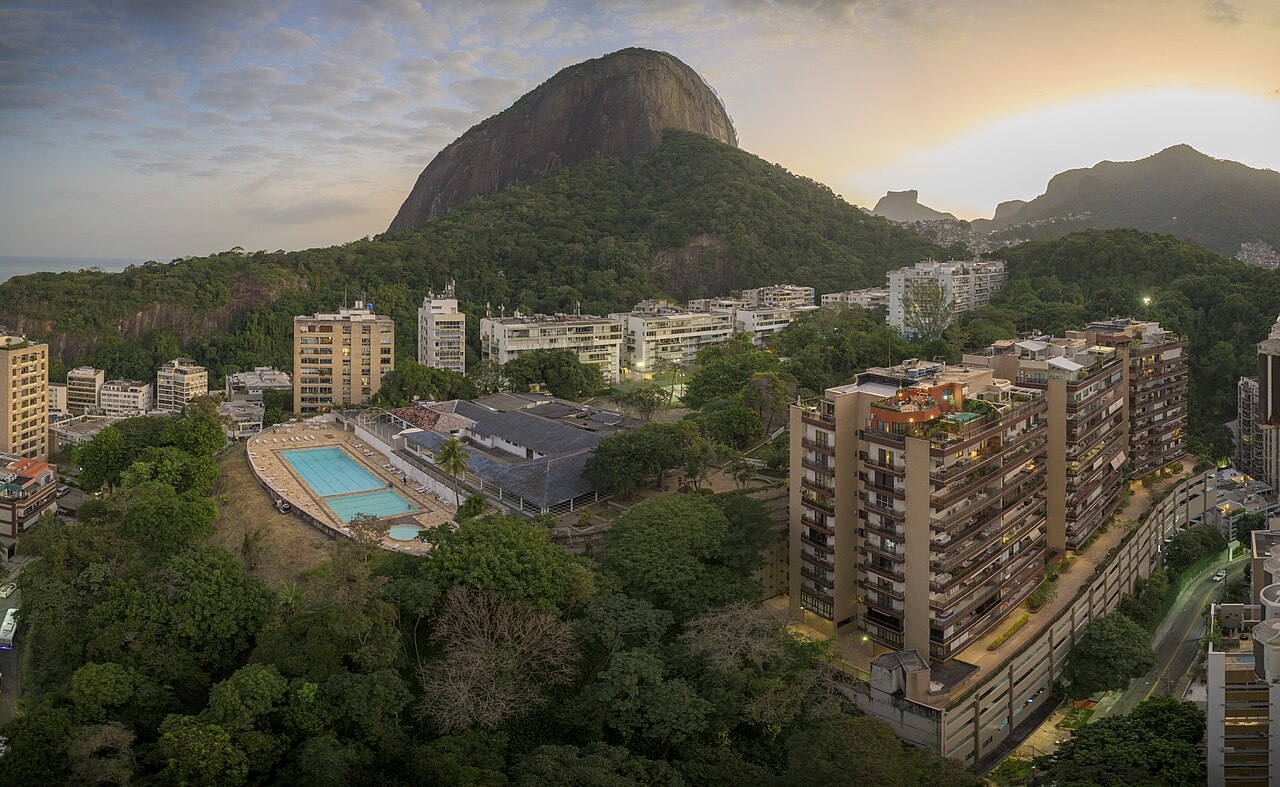
01 Why it’s unique
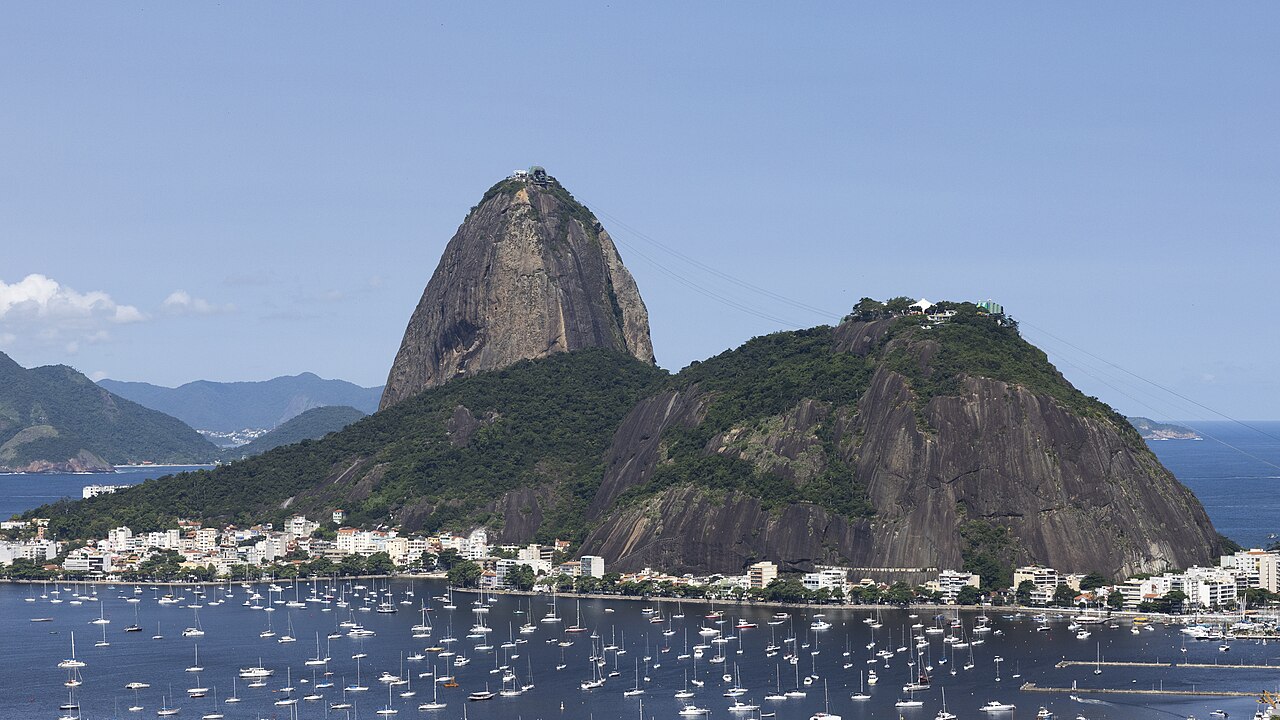
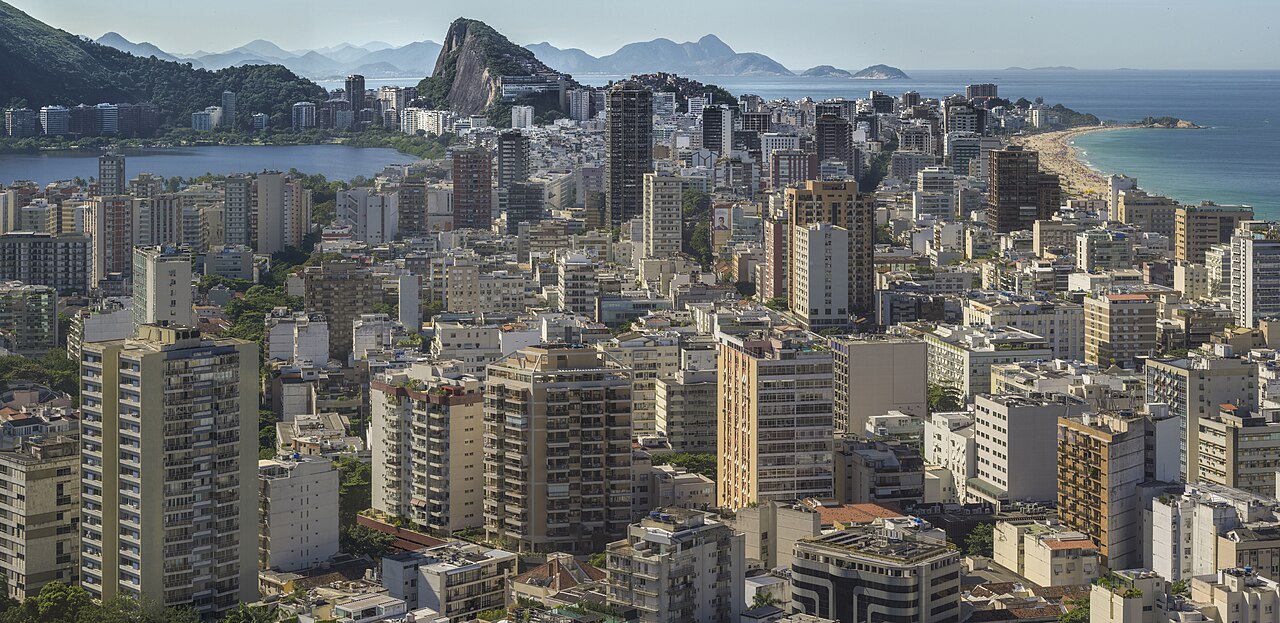
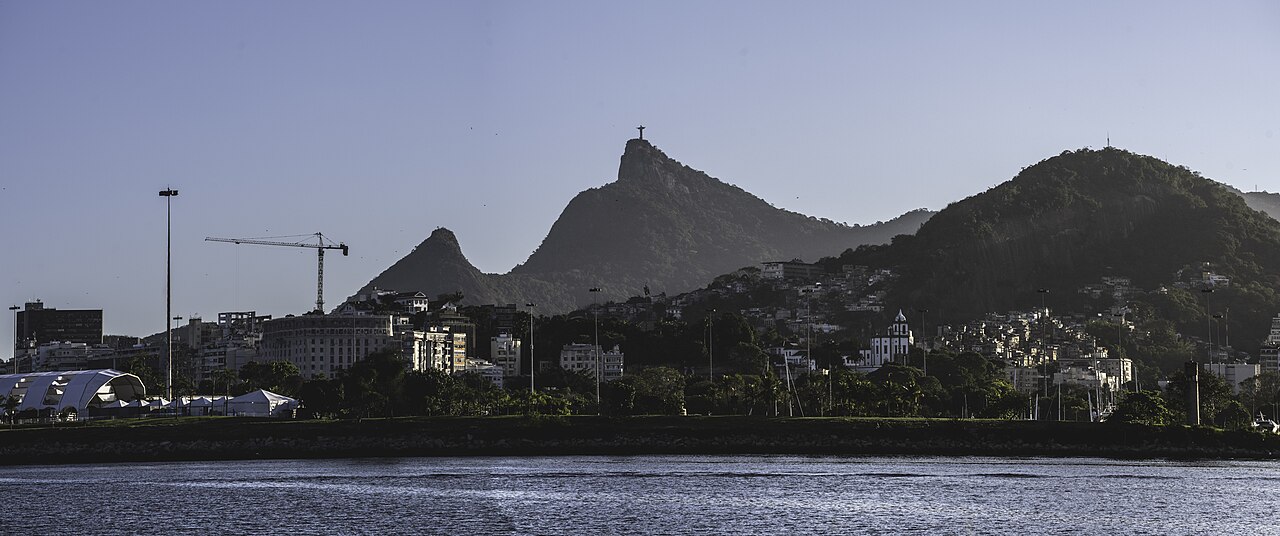
In 2012, Rio became the first city landscape on the UNESCO list, for the way mountains, forest and sea shape the city.
02 Culture and history
From 1808 to 1821 Rio was the capital of the Portuguese Empire, after the royal court fled Napoleon, making it the only European capital ever located outside Europe. The Valongo Wharf (UNESCO, 2017) was the main landing point for enslaved Africans in the Americas. Rio gave the world samba and bossa nova; samba schools rehearse for Carnival for most of the year. The old tram (bondinho) still climbs to bohemian Santa Teresa.
03 Placemaking
The landscape architect Roberto Burle Marx designed Copacabana’s promenade pavements (1970) and, with Lota de Macedo Soares, the Aterro do Flamengo, a park built on reclaimed land. On Sundays, beach roads close to cars and become promenades. The Selarón Steps were covered in tiles by the artist Jorge Selarón from 1990 until his death in 2013. The Porto Maravilha regeneration brought Santiago Calatrava’s Museum of Tomorrow (2015) and a waterfront boulevard of murals, including Eduardo Kobra’s huge “Etnias”.
04 Diving and water
Rio itself has little diving; Arraial do Cabo, east of the city, has Brazil’s best cold-upwelling dives.
05 Photography
Sugarloaf at sunset; samba school rehearsals; Copacabana’s pavement patterns from above. Visit favelas only with community guides.