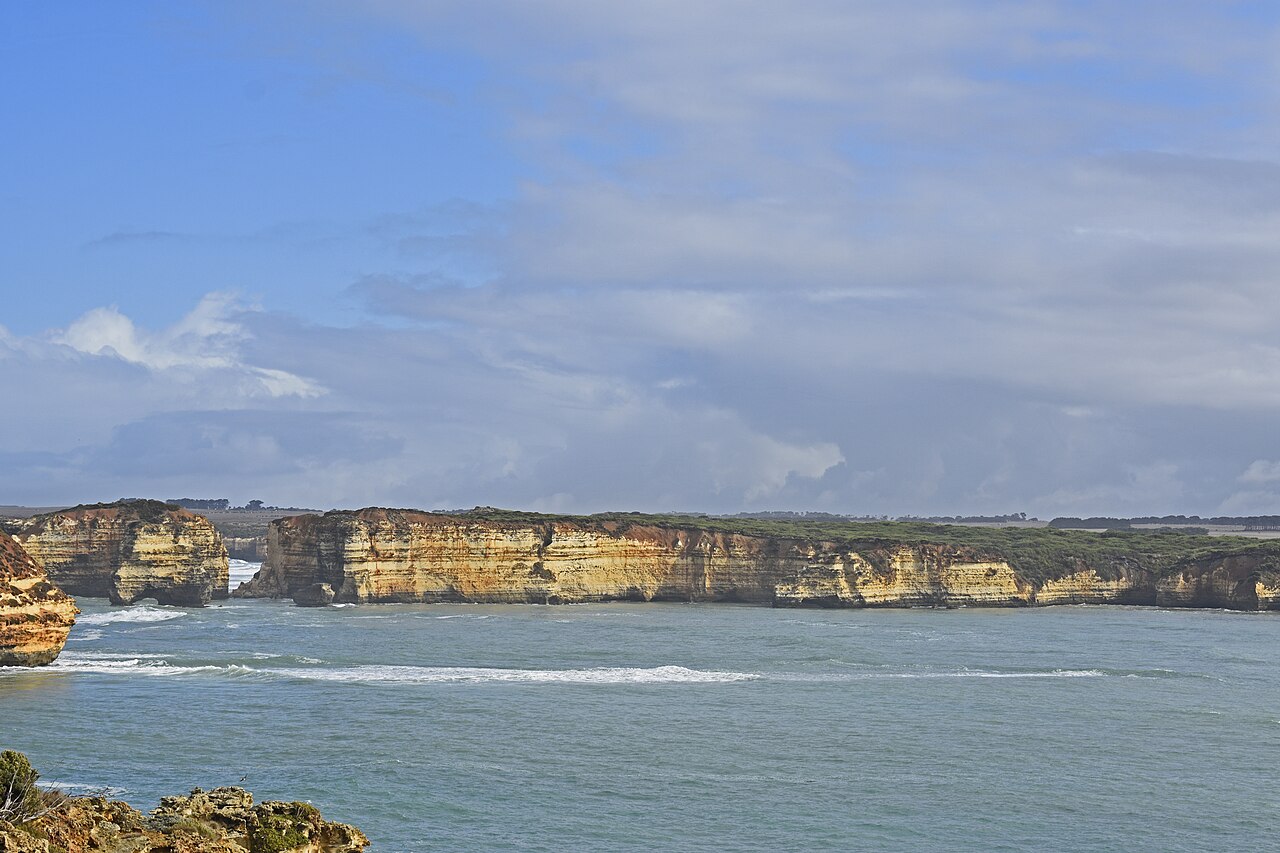
01 Why it’s unique
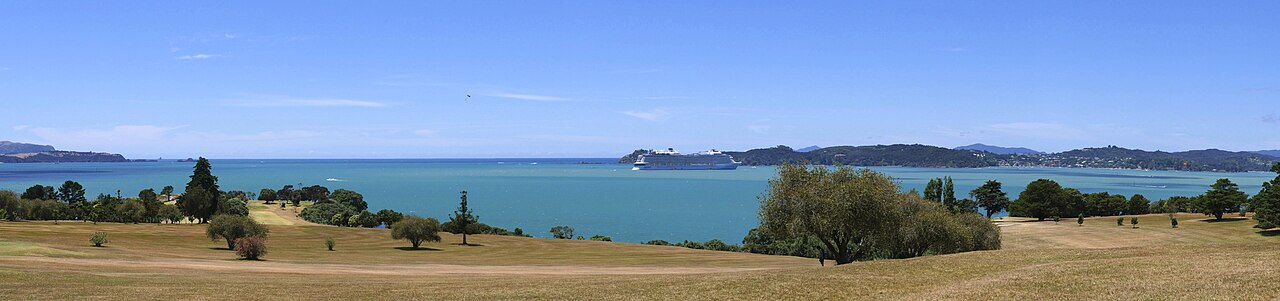
The voyage begins where modern New Zealand began. In this sheltered bay of about 144 islands, Māori and Europeans first met at scale, and on 6 February 1840 the country’s founding document, the Treaty of Waitangi (Te Tiriti o Waitangi), was signed on the lawn at Waitangi.
02 Culture and history
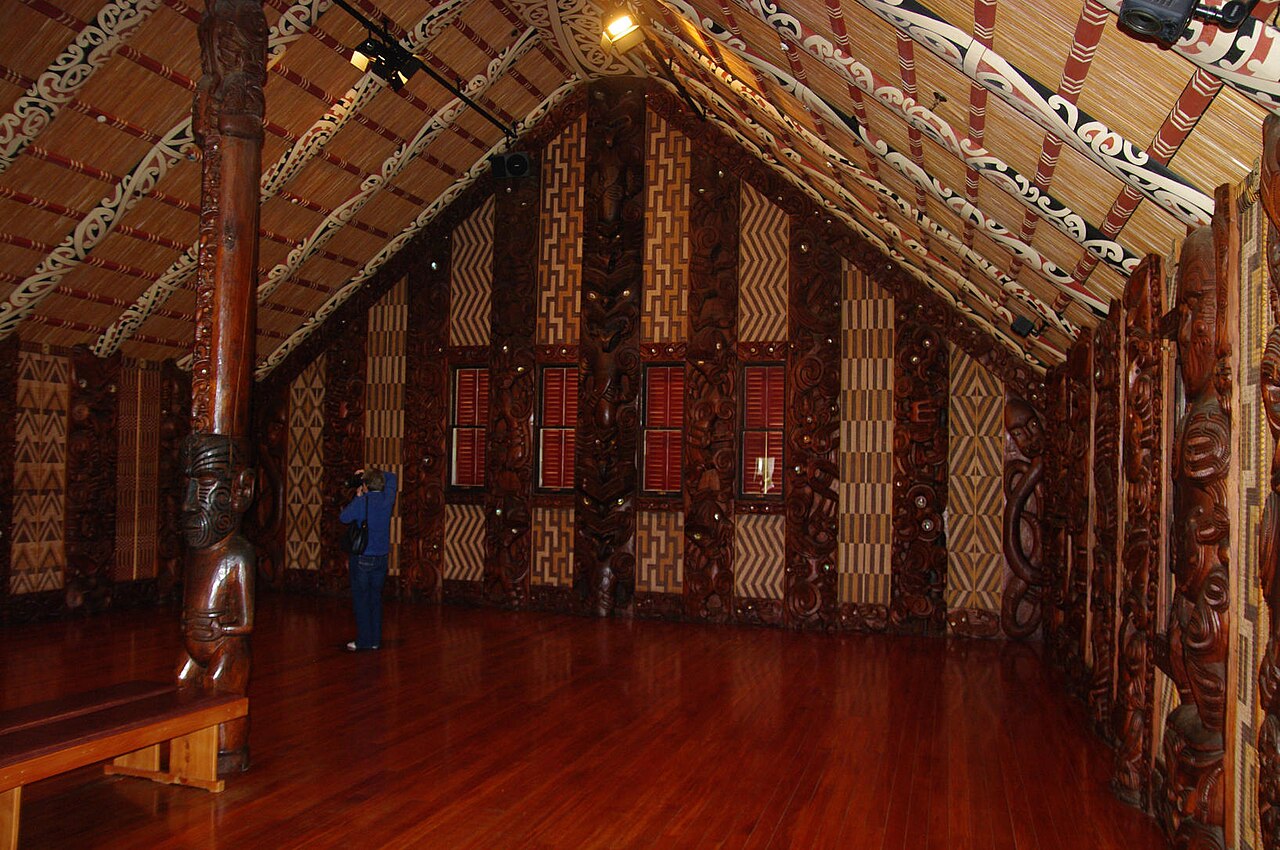
This is the homeland of Ngāpuhi, New Zealand’s largest iwi (tribe). Across the water, Kororāreka (today’s Russell) was the country’s first European settlement, a whaling port so lawless in the 1830s that it was called the “hell-hole of the Pacific”. In 1845 the chief Hōne Heke cut down the British flagstaff above the town four times, starting the Flagstaff War. Russell’s Christ Church (1836), still marked by musket-ball holes, is New Zealand’s oldest surviving church, and nearby Kerikeri has the oldest buildings in the country: Kemp House (1822) and the Stone Store (1830s). At Waitangi, the Treaty House stands beside Te Whare Rūnanga, a carved meeting house built for the 1940 centenary to represent all iwi, and Ngātokimatawhaorua, a 35 m ceremonial war canoe that is launched each Waitangi Day.
03 Placemaking
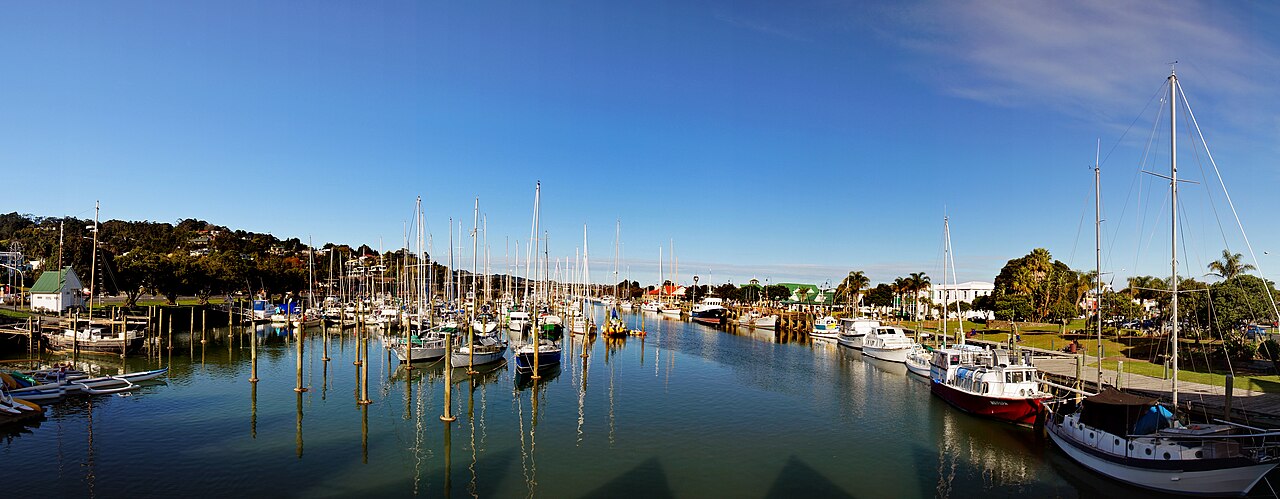
The Treaty Grounds are a national ceremonial landscape: a lawn sloping to the sea, with the Crown’s house and the Māori meeting house deliberately facing each other across it. In Whangarei, the Town Basin marina has been rebuilt around the Hundertwasser Art Centre (opened 2022), built to the Austrian artist’s late design with a planted roof and golden cupola, together with the Wairau Māori Art Gallery. Nearby Kawakawa reinvented itself around a public toilet Hundertwasser designed in 1999, a small lesson in how one building can give a town its identity.
04 Diving and water
The Poor Knights Islands, 23 km off Tutukaka, are a subtropical marine reserve warmed by the East Auckland Current, with arches, sponge gardens and Rikoriko Cave, one of the largest sea caves in the world. In the bay itself lies the ex-HMNZS Canterbury, scuttled as a dive wreck in 2007, and at the Cavalli Islands the Rainbow Warrior, the Greenpeace ship bombed by French agents in Auckland in 1985 and later sunk here as a reef.
05 Photography
Pōhutukawa trees flower red along the shore in December and January, while RAW is in New Zealand. Drive north to Cape Reinga (Te Rerenga Wairua), where the Tasman meets the Pacific and Māori tradition says the spirits of the dead depart. Waitangi’s carving rewards close detail work, and the Hole in the Rock at Cape Brett is best at first light.