01 Why it’s unique
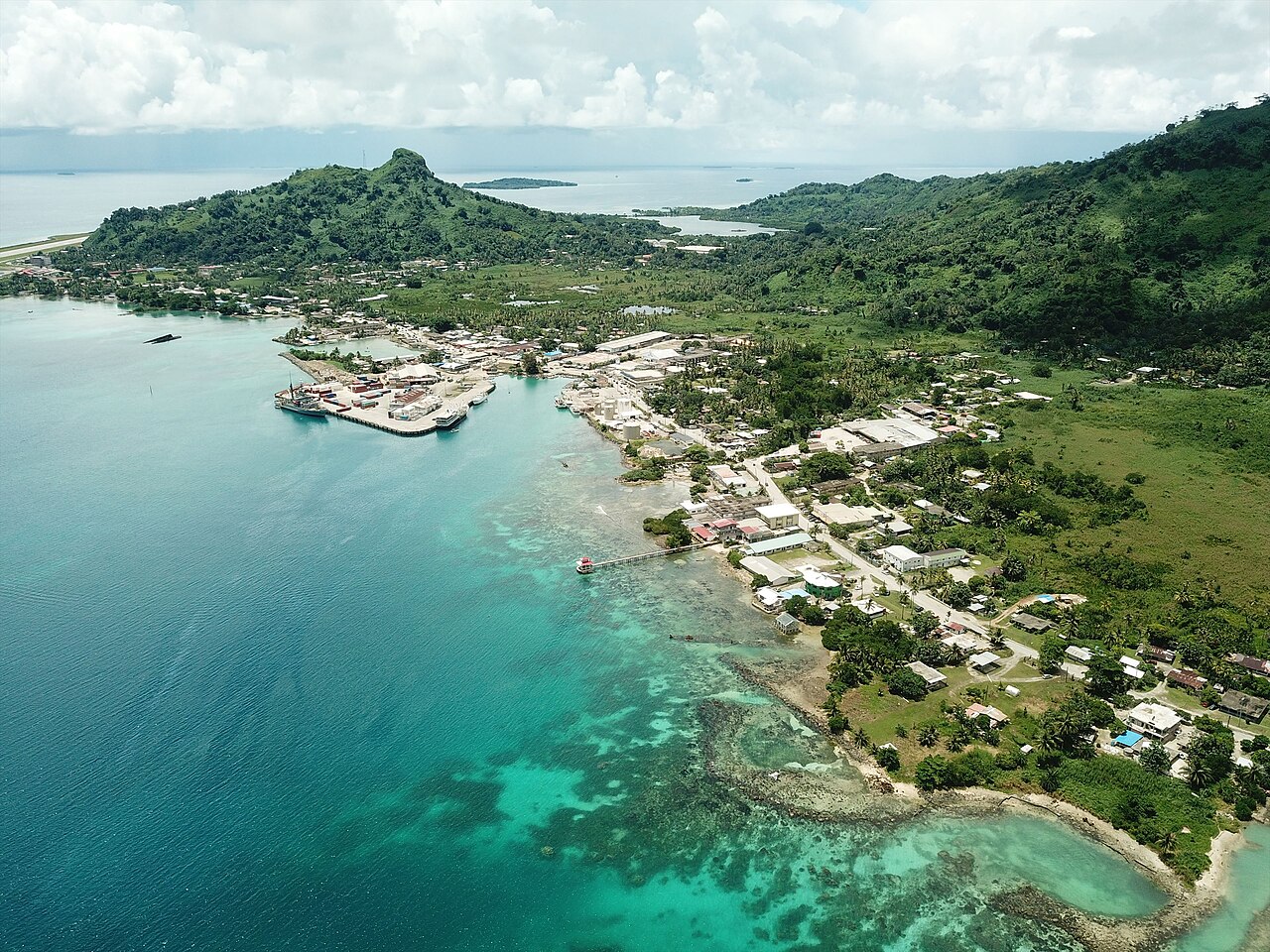
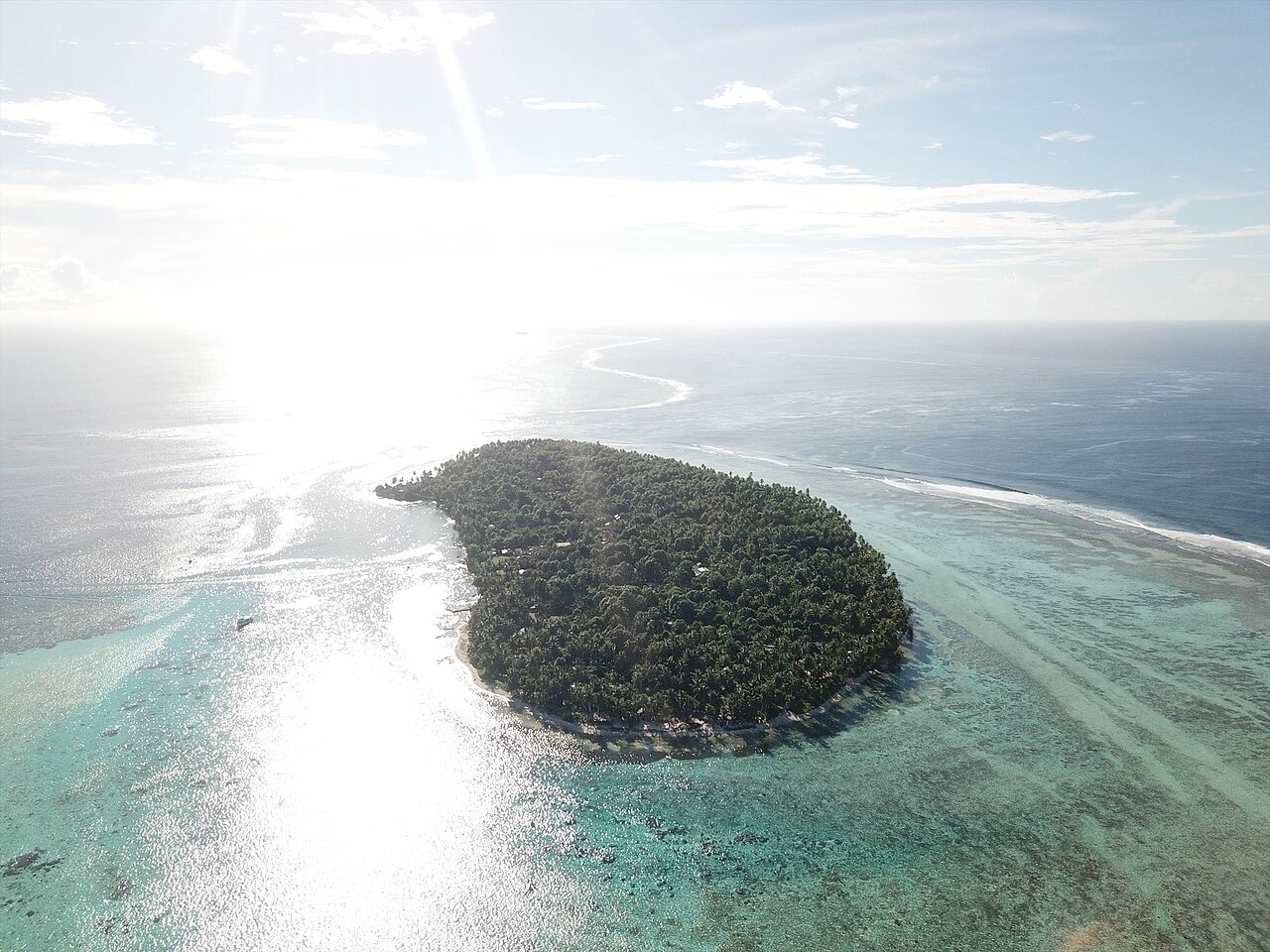
A lagoon of about 2,100 km² holding the world’s greatest concentration of Second World War wrecks. In 1944 it was the forward base of Japan’s Combined Fleet, sometimes called the “Gibraltar of the Pacific”.
02 Culture and history
On 17–18 February 1944, US carrier aircraft attacked in Operation Hailstone, sinking about 50 ships and destroying more than 250 aircraft. The lagoon became famous after Jacques Cousteau filmed there in 1969. Chuukese clan society, the Japanese mandate period and the war all overlap: many families have Japanese ancestors, and Japanese-era buildings still stand on the islands.
03 Placemaking
Tonoas (Dublon) was the Japanese administrative town, and ruins of its hospital, seaplane base and roads remain in the bush. On Weno, Xavier High School occupies a heavily fortified former Japanese communications building, a powerful example of a wartime structure turned to education.
04 Diving and water
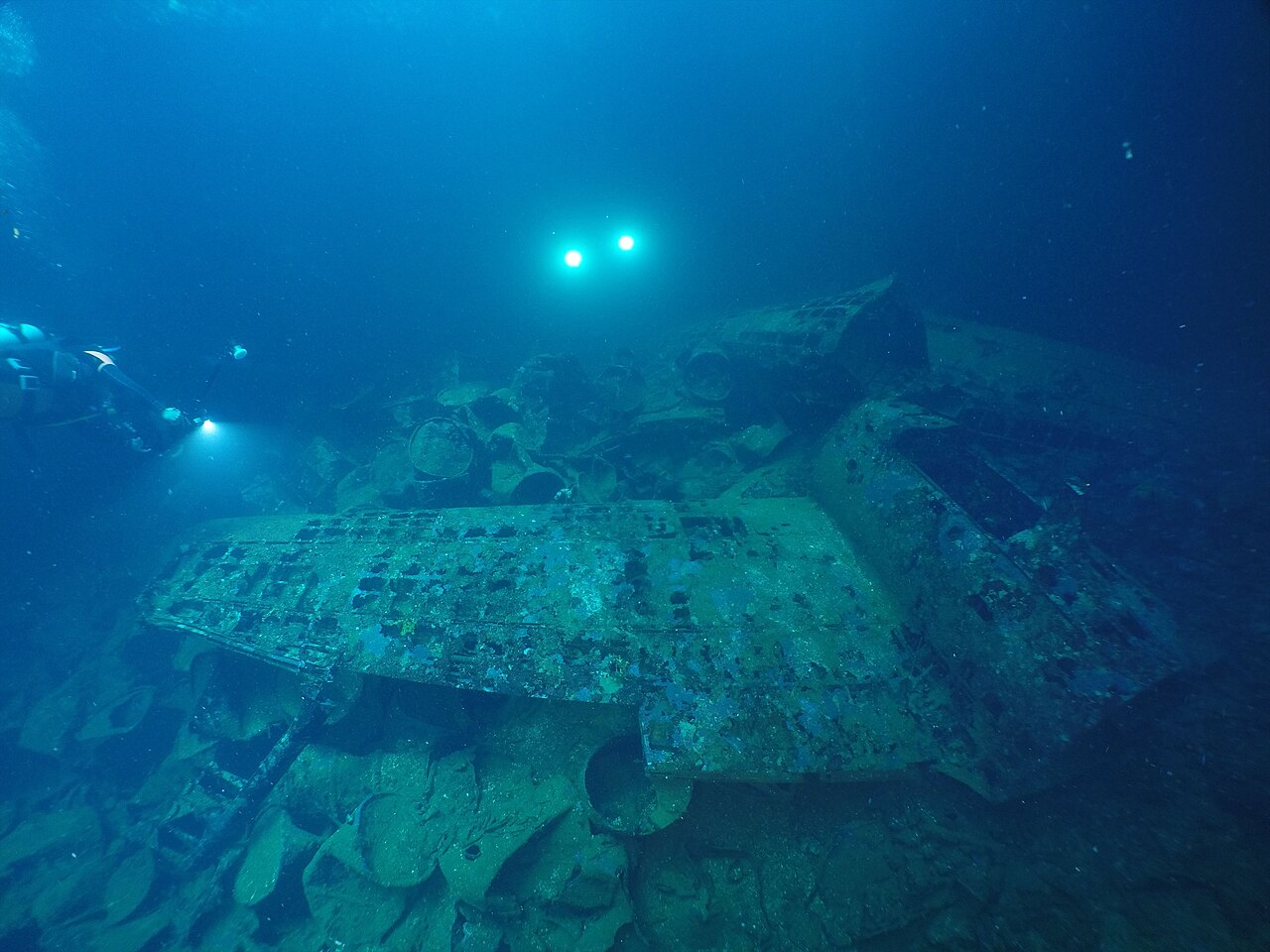
The Fujikawa Maru, with Zero fighter parts in its holds; the Shinkoku Maru, a tanker covered in coral; the Heian Maru, a submarine tender with periscopes still on board; and the deep San Francisco Maru (around 50 m) with tanks on its deck. There are also aircraft such as a Betty bomber. The wrecks are war graves: nothing may be taken.
05 Photography
Wide-angle interiors of holds and engine rooms; coral-covered gun mounts; aircraft cockpits. Bring strobes and plan for limited bottom times on the deeper wrecks.