01 Why it’s unique
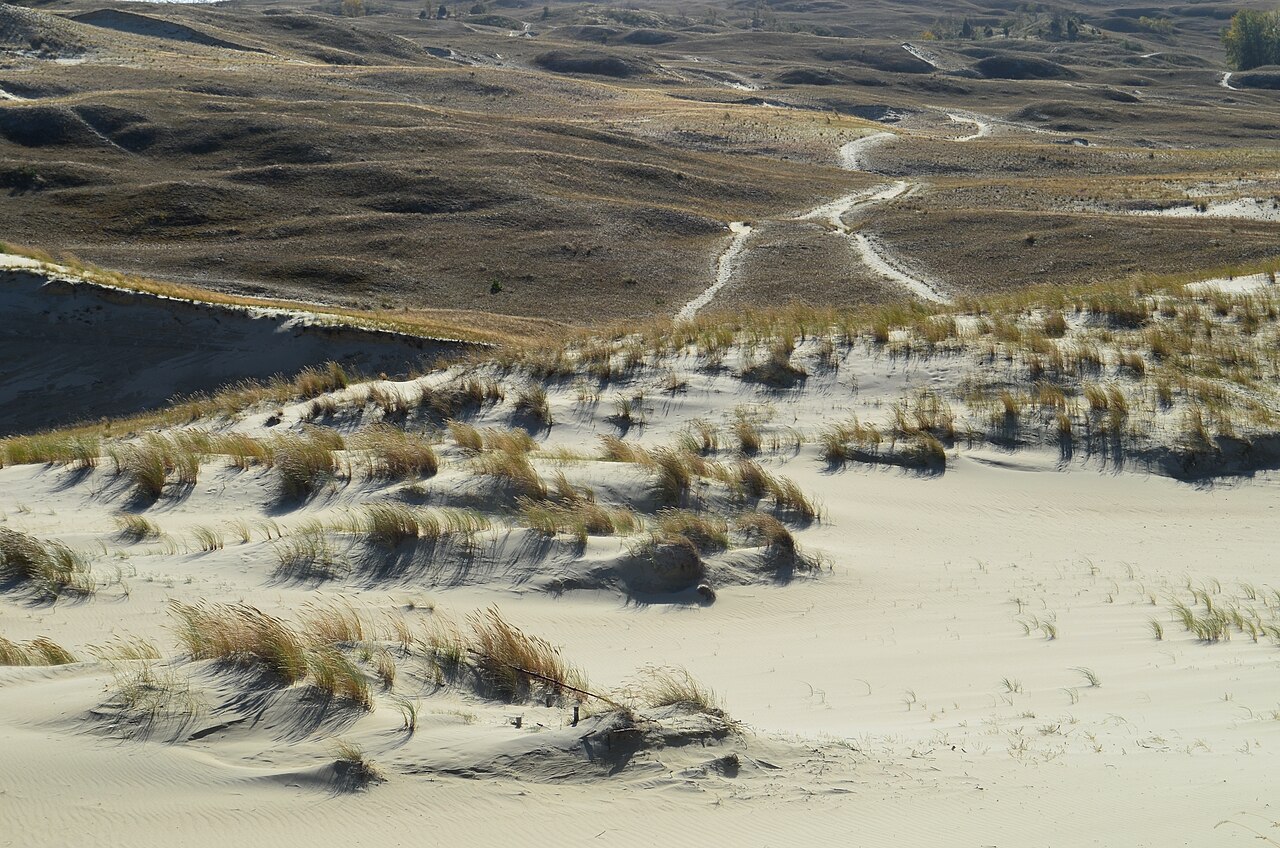
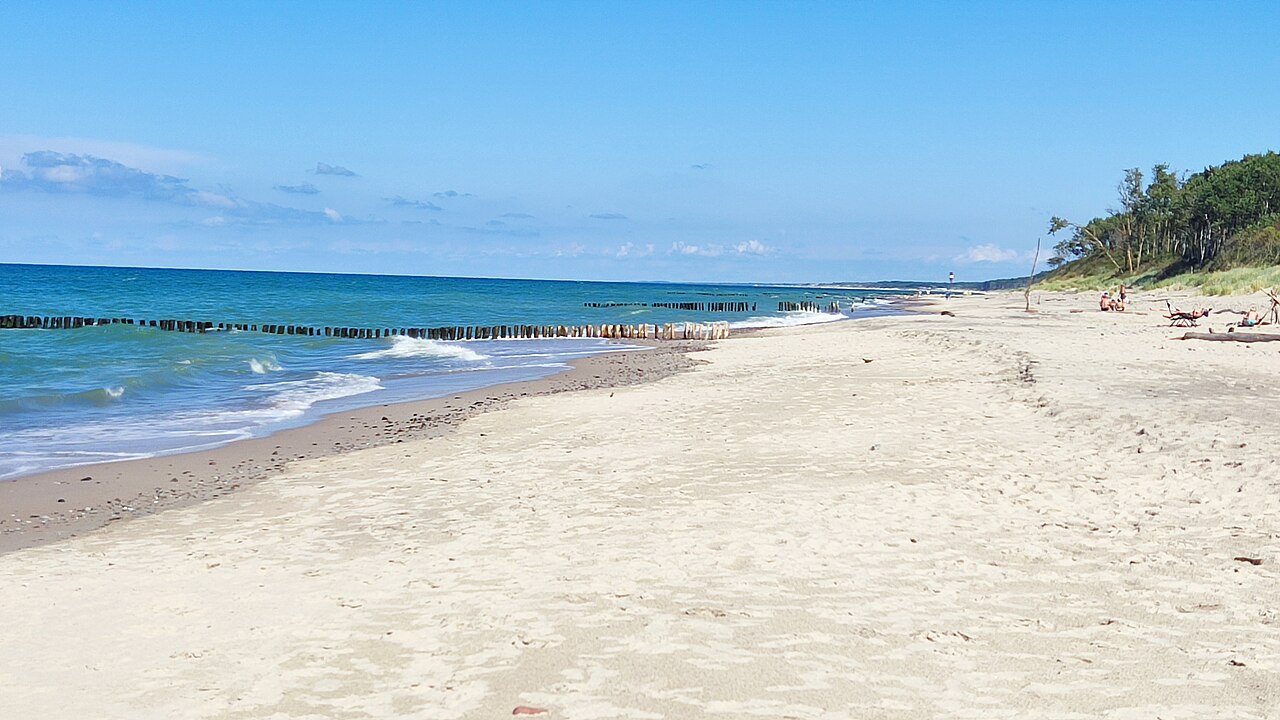
Lithuania’s only seaport and RAW’s home, at the gateway to the Curonian Spit (UNESCO), a 98 km sand peninsula of high dunes and pine forest shared with Russia’s Kaliningrad region.
02 Culture and history
The Livonian Order, a branch of the Teutonic Knights, founded the town as Memel in 1252. It was Prussian and later German until 1920, and became part of Lithuania in 1923. In Theatre Square, the Ännchen von Tharau fountain recalls a famous German folk song. On the spit, Nida has Thomas Mann’s summer house (1930–1932) and fishermen’s houses with carved weather vanes (vėtrungės), copies of the pennants that once showed which village a fishing boat came from. At Juodkrantė, the Hill of Witches is a forest trail of wooden sculptures from Lithuanian folklore, created since 1979. The Sea Festival (Jūros šventė) takes place on the last weekend of July, the week RAW is due home.
03 Placemaking
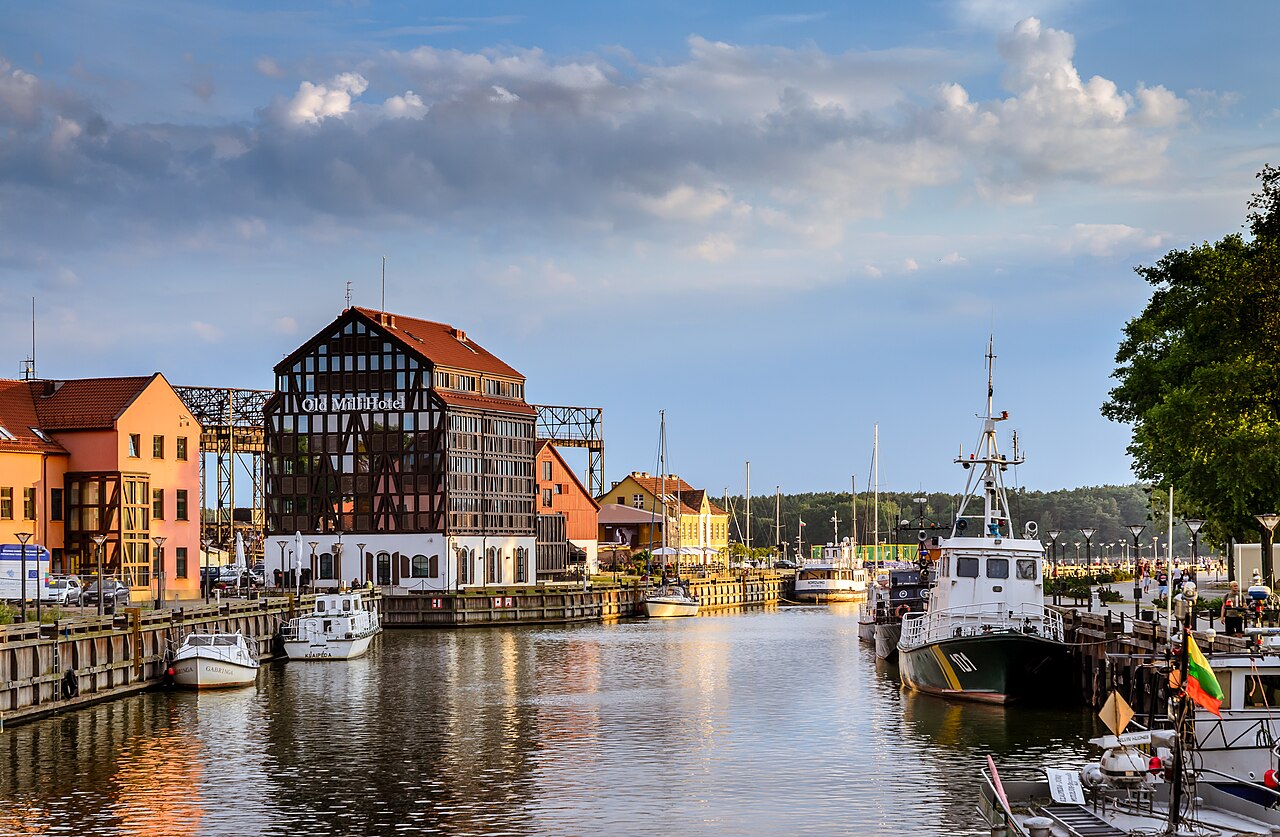
Klaipėda’s old town keeps its half-timbered warehouses and the Danė riverfront. The Hill of Witches shows how folk art can turn a forest path into a cultural landscape.
04 Diving and water
Baltic diving with limited visibility.
05 Photography
The Parnidis dune and its sundial at sunset; Nida’s weather vanes; the lagoon side of the spit at dawn. Stay on the Lithuanian side of the spit.