01 Why it’s unique
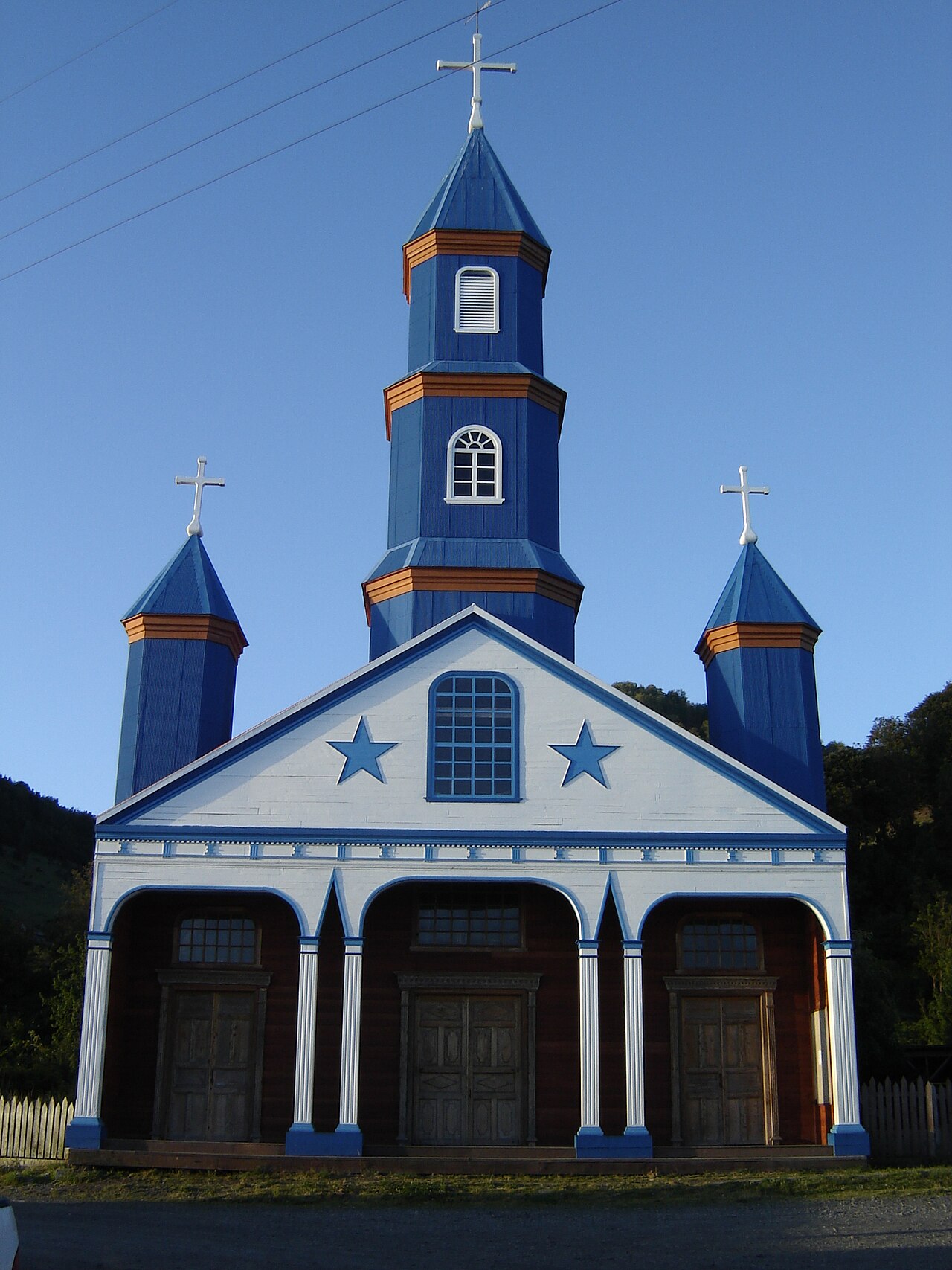
Chiloé is an island world with its own mythology, food and architecture. Its sixteen wooden churches, built with shipbuilding techniques and clad in wooden shingles, are a UNESCO site.
02 Culture and history
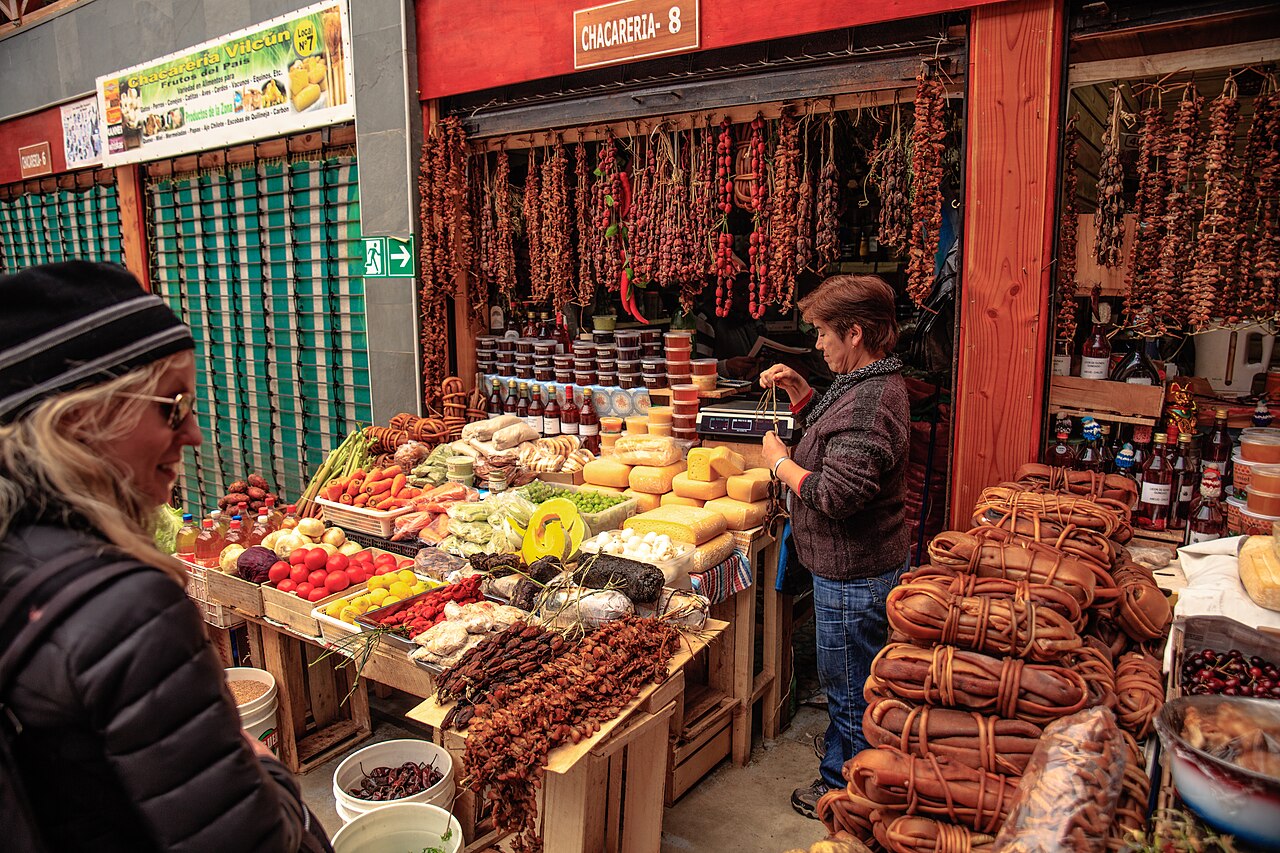
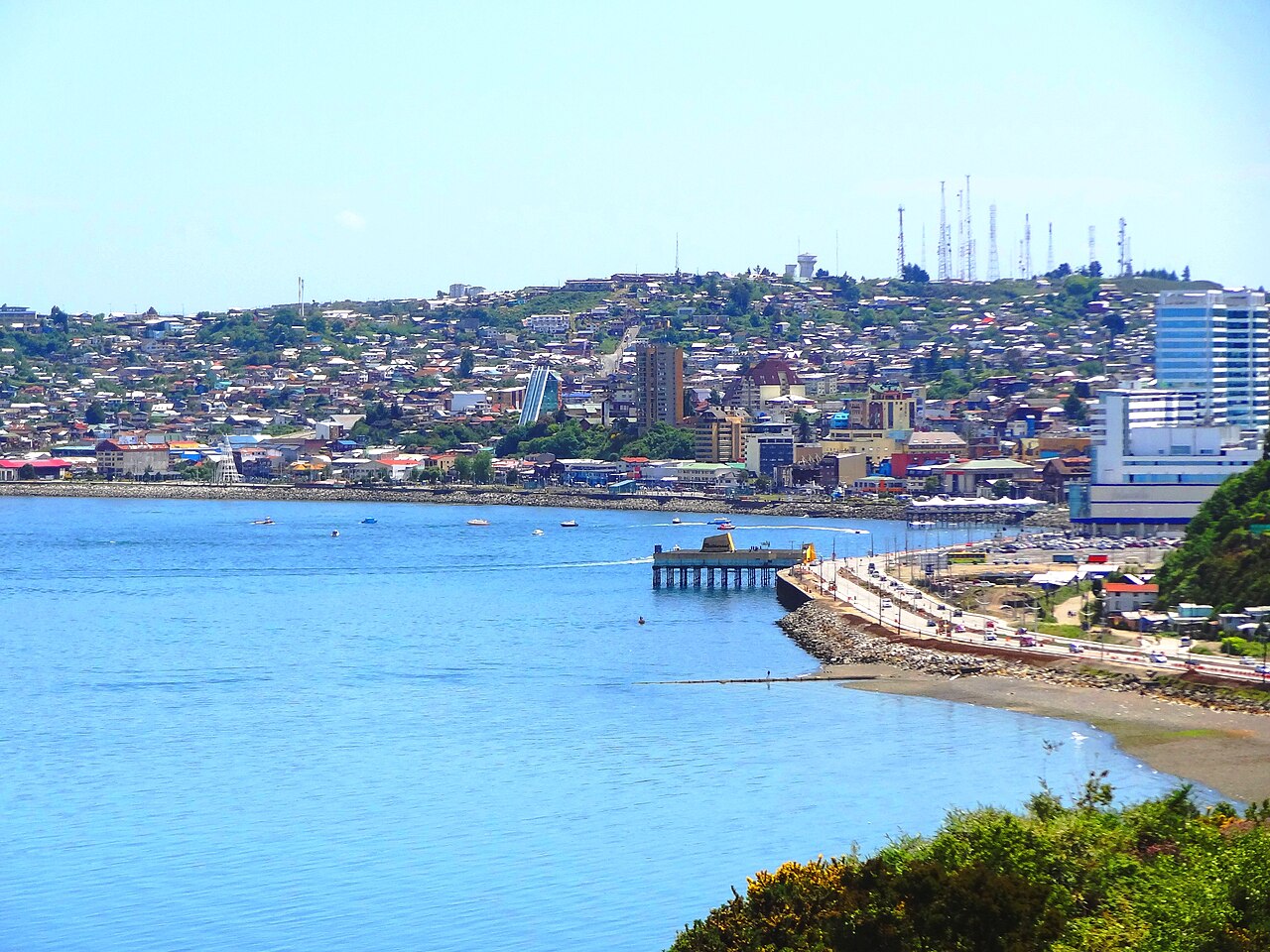
Chiloé’s culture blends the Indigenous Huilliche with Spanish settlers. From 1608, Jesuit priests ran a “circular mission”, travelling by boat from island to island while local lay leaders looked after the chapels in between. Chilote mythology is full of figures such as the Trauco, a forest spirit, and the Caleuche, a glowing ghost ship. Curanto is cooked in a pit of hot stones covered with leaves: shellfish, meat, potatoes and potato bread. Chiloé is also one of the world’s centres of potato diversity, with hundreds of native varieties. Castro, founded in 1567, is one of the oldest towns in Chile.
03 Placemaking
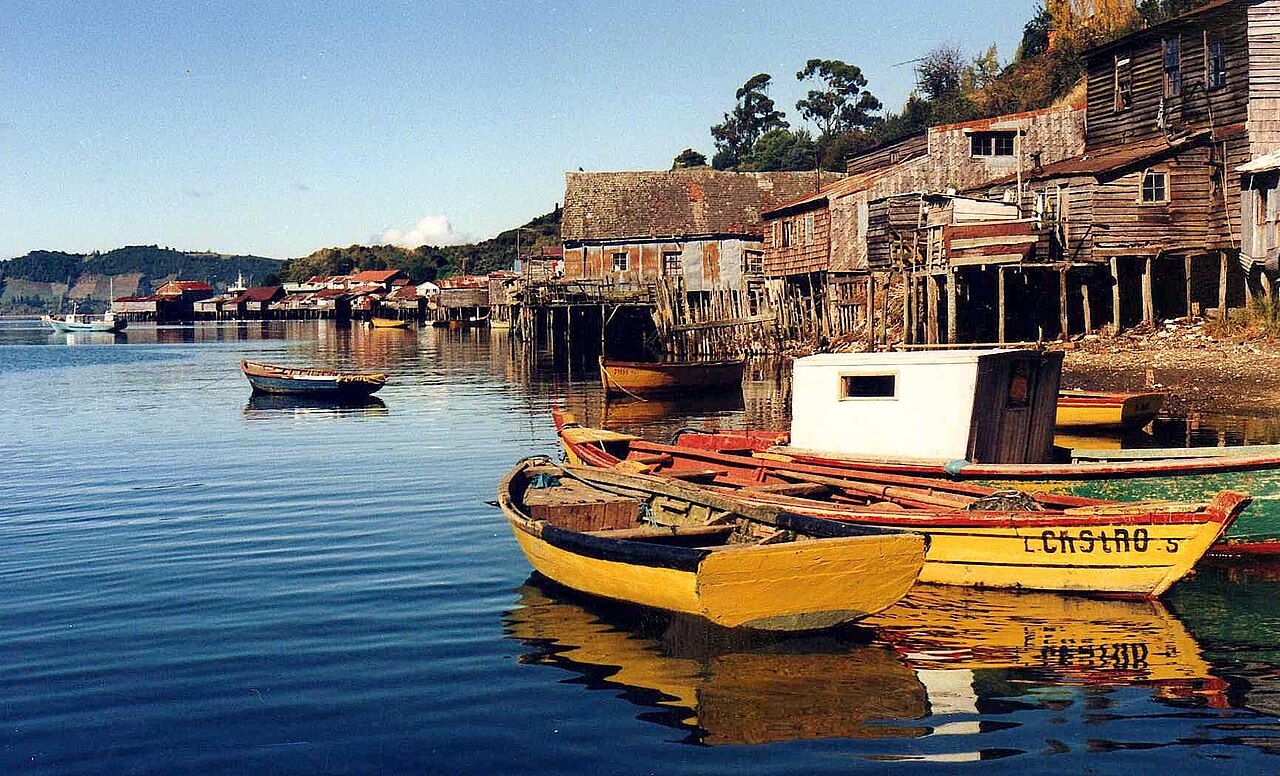
Castro’s palafitos are wooden houses on stilts over the estuary, with a street on one side and boats on the other; once poor fishermen’s homes, many are now cafés and guesthouses. The minga is a tradition of shared work: neighbours move a whole house across land with oxen, or float it across the water, then celebrate together. Each church faces the sea across an open esplanade, the meeting place of its village.
04 Diving and water
Cold, plankton-rich water and mussel farms; diving is limited.
05 Photography
Palafitos at high tide in the Gamboa district; the yellow and lilac church in Castro; shingle patterns; Humboldt and Magellanic penguins at Puñihuil.