01 Why it’s unique
The Ryukyu Kingdom (1429–1879) was an independent trading state between China, Japan and Southeast Asia, with a culture distinct from mainland Japan. Okinawa is also known worldwide for the longevity of its people.
02 Culture and history
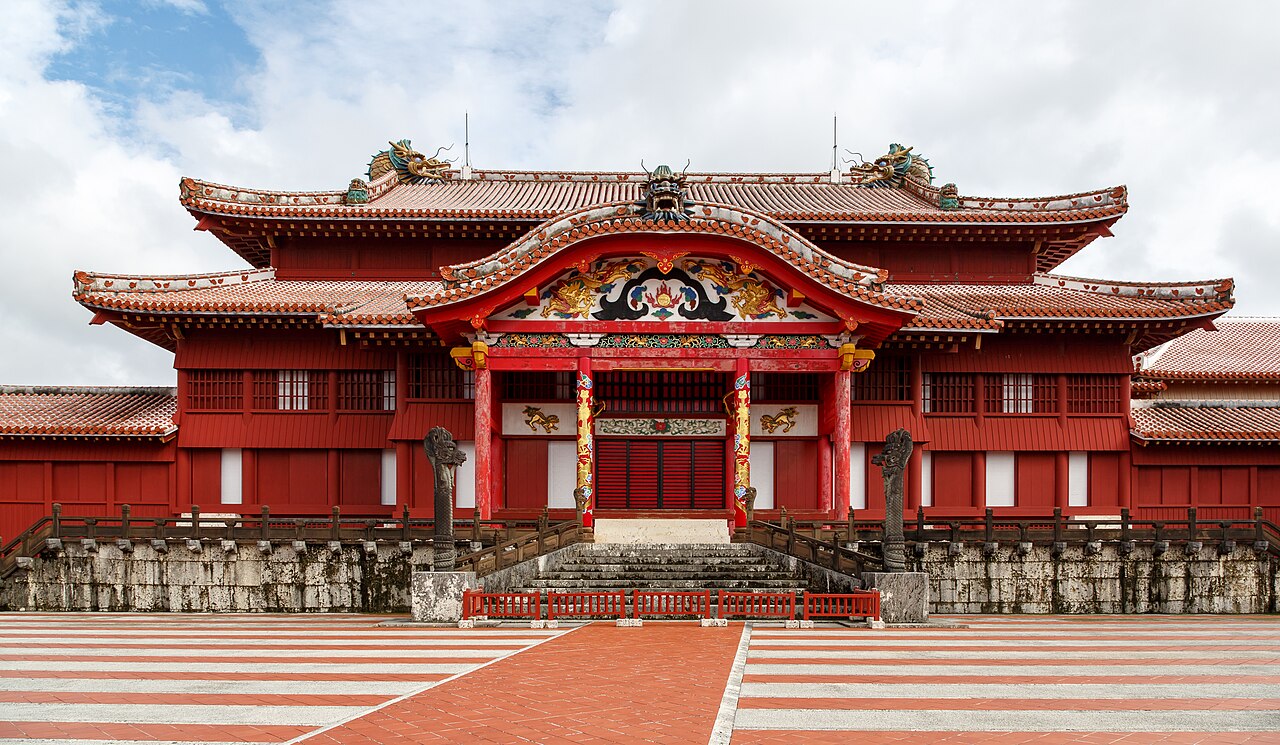
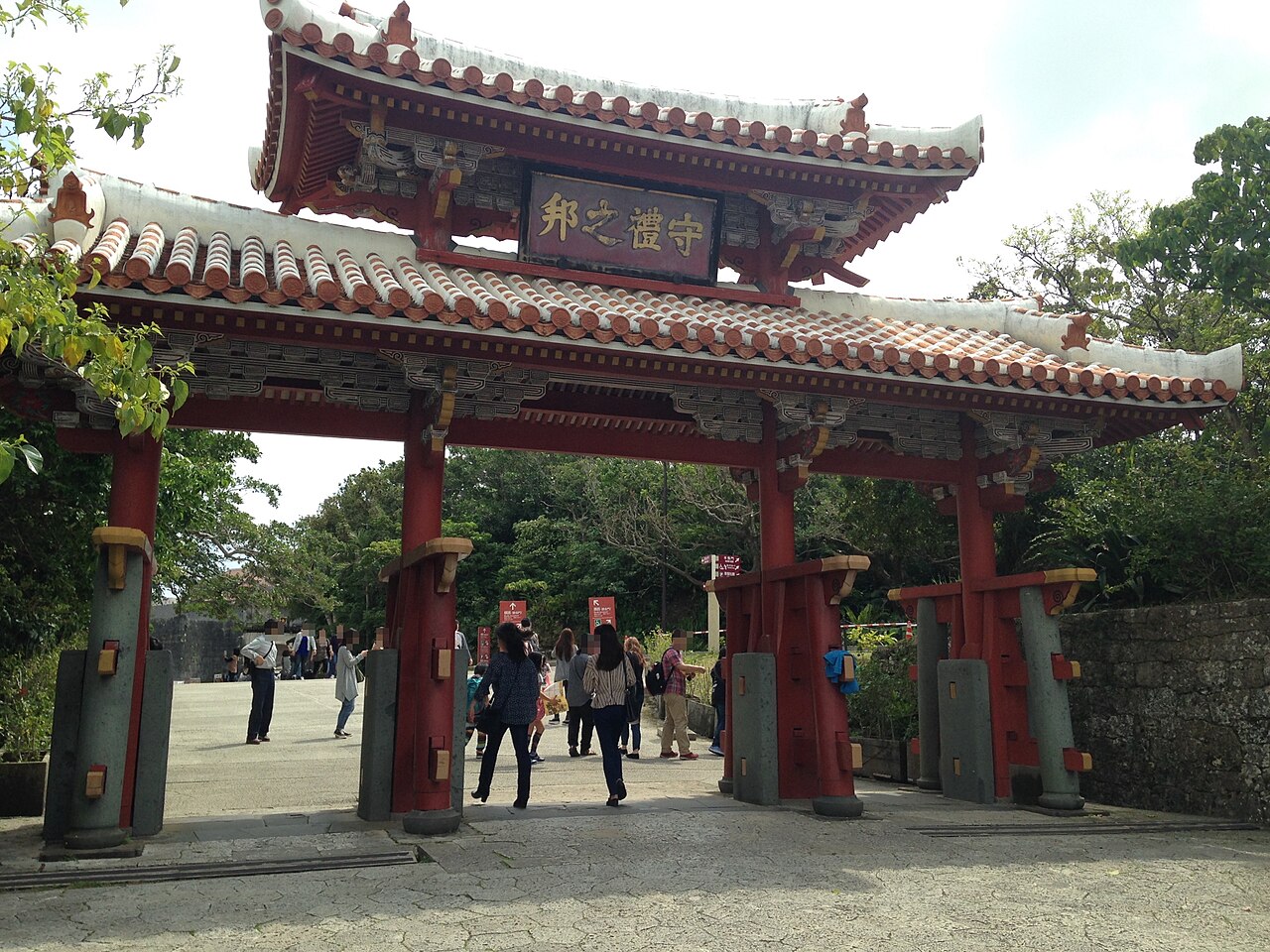
Ryukyu castles (gusuku) are a UNESCO site, and Shuri Castle, the royal palace, is being rebuilt after a fire in 2019. Karate began here, sanshin (a three-stringed lute covered in snakeskin) carries the islands’ songs, and bingata stencil-dyed textiles are a royal craft. Japan annexed the kingdom in 1879. The Battle of Okinawa in 1945 killed more than 200,000 people, including a large share of the civilian population, and the US governed the islands until 1972; American bases are still a central political issue.
03 Placemaking
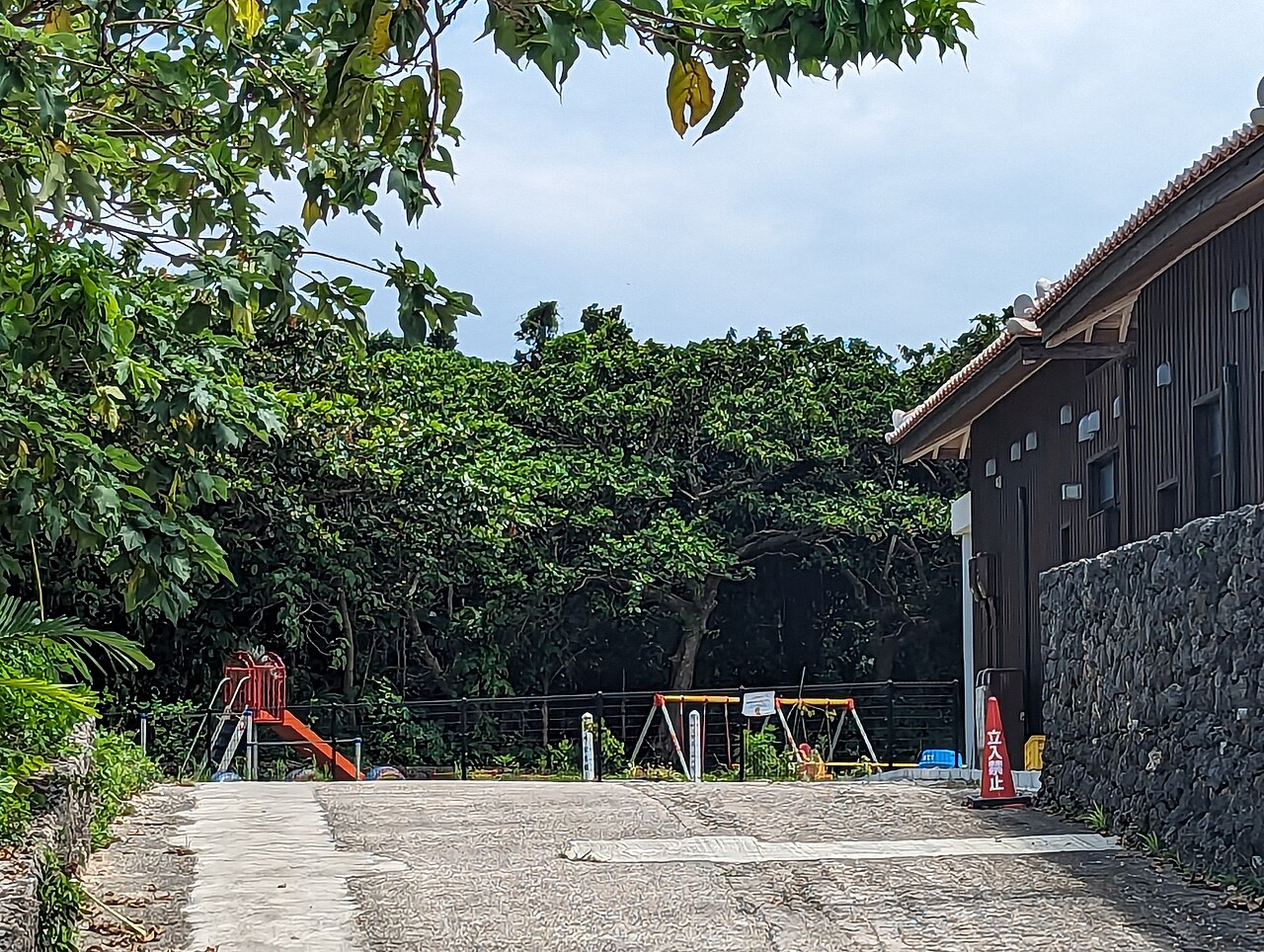
On Taketomi, a small island near Ishigaki, residents agreed a village charter in 1986 to protect their red-tiled houses, coral-stone walls and white-sand streets, which are swept daily; shisa (lion-dog guardians) sit on every roof. It is one of the best-preserved villages in Japan. In Naha, the Tsuboya pottery quarter keeps stone-paved lanes and old climbing kilns. The Cornerstone of Peace in the Peace Memorial Park lists the names of everyone who died in the battle, regardless of nationality, in a design that radiates towards the sea.
04 Diving and water
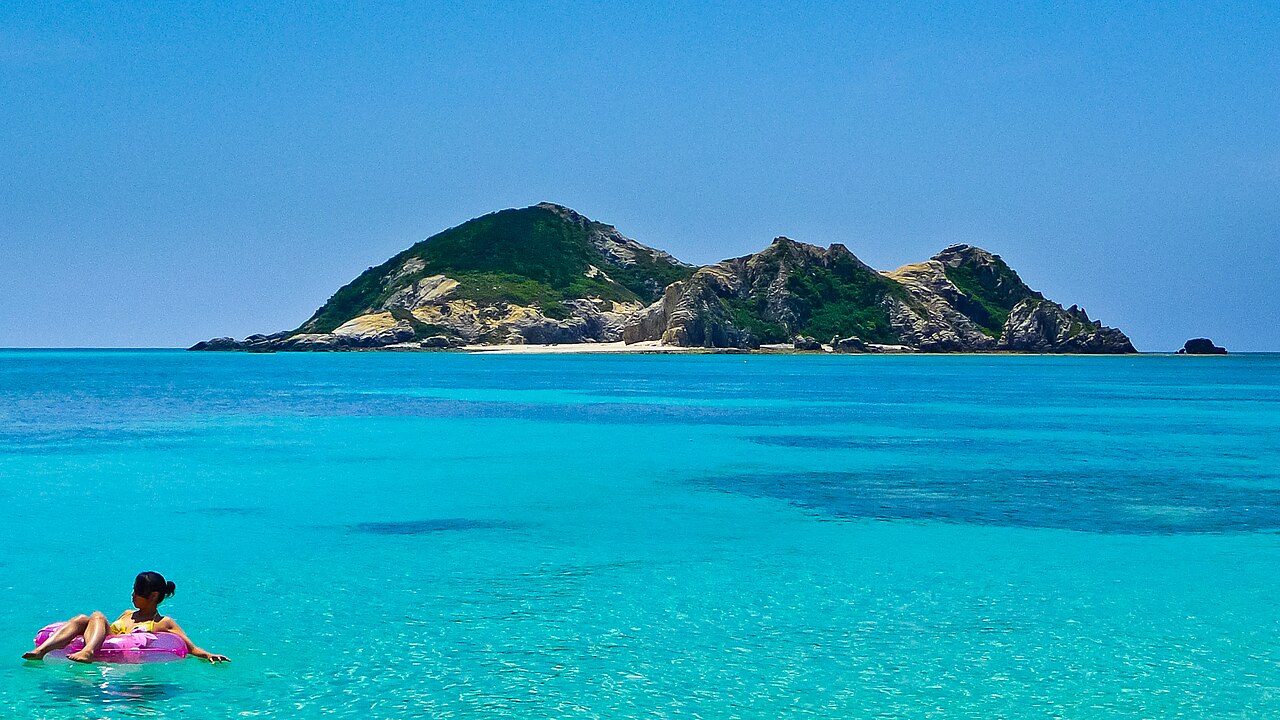
The Kerama Islands National Park is famous for “Kerama blue” water, turtles and soft corals. Off Ishigaki, manta rays gather at a cleaning station known as Manta Scramble.
05 Photography
Taketomi at dawn, before the day-trippers; water-buffalo carts in the village; Kabira Bay on Ishigaki; Tsuboya’s kilns.