
01 Why it’s unique
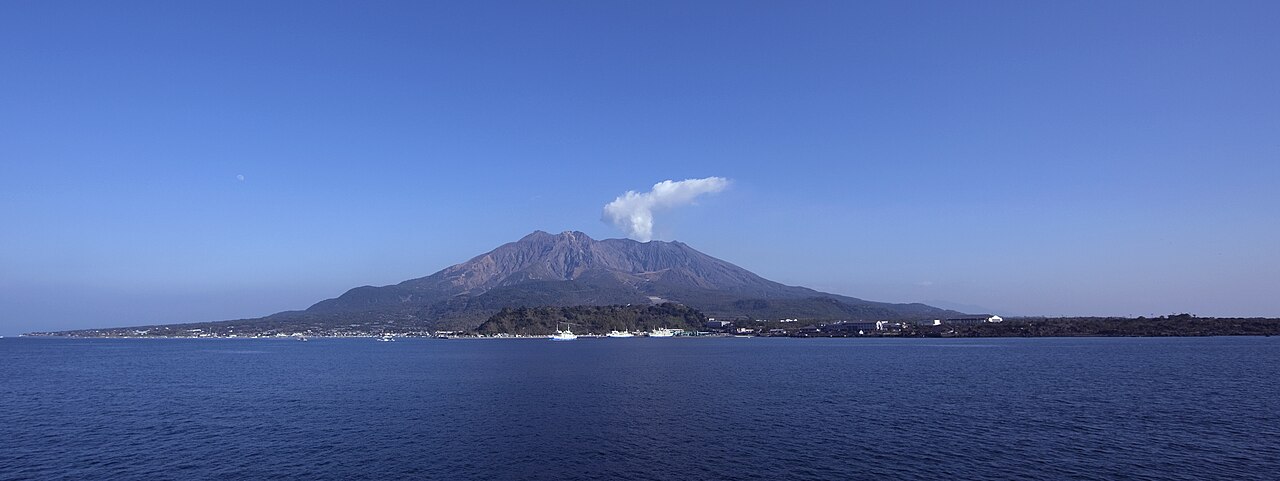
Sakurajima, one of Japan’s most active volcanoes, erupts many times a year across the bay from Kagoshima, a city of about 600,000 people where the weather forecast includes the direction of the ash.
02 Culture and history
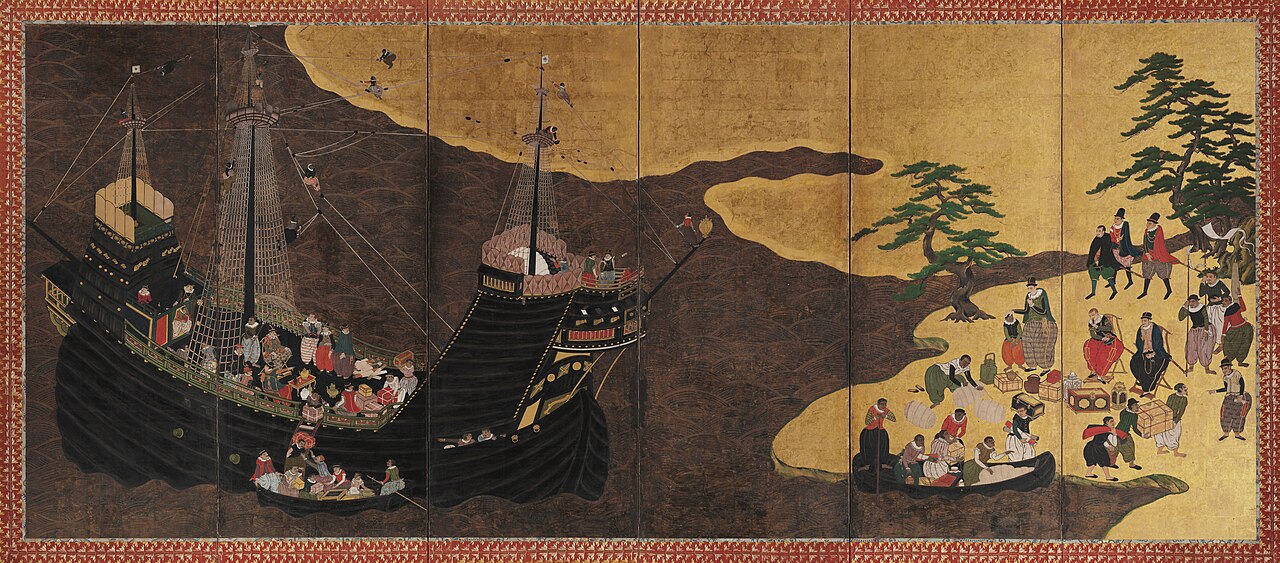
Kagoshima was the Satsuma domain, which led the overthrow of the shoguns in the Meiji Restoration of 1868. The Sengan-en garden “borrows” Sakurajima as its backdrop. Nagasaki was Japan’s only window to the West during two centuries of isolation, through Dejima, a fan-shaped artificial island for Dutch traders (1641–1859). Japan’s Hidden Christians practised in secret for 250 years; their villages are a UNESCO site. The city was destroyed by the atomic bomb on 9 August 1945. Offshore, Gunkanjima (Hashima), a coal-mining island abandoned in 1974, is part of a UNESCO site on Japan’s industrial revolution, with an ongoing debate about the Korean and Chinese forced labour used there.
03 Placemaking
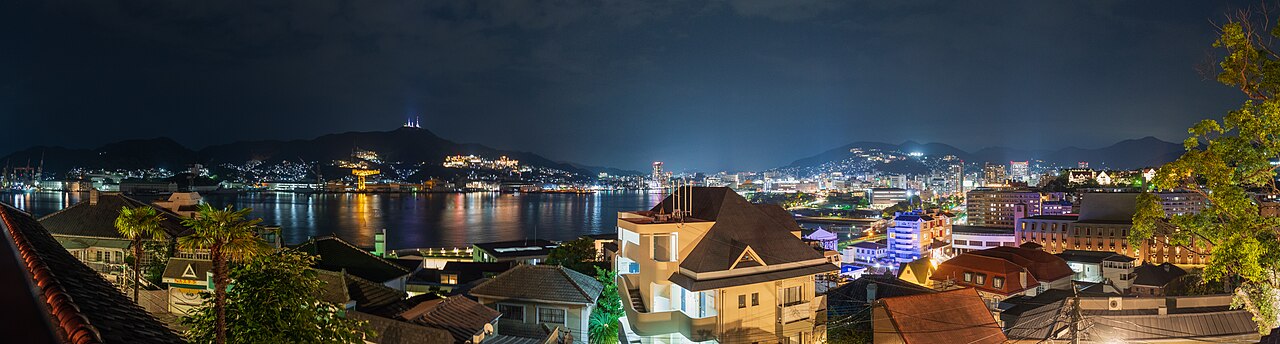
Dejima is being reconstructed building by building, with plans to restore water around it. Nagasaki’s hillside neighbourhoods climb on stairways from a historic streetcar line. Sengan-en shows shakkei (borrowed scenery), where a garden frames a distant view as part of its design.
04 Diving and water
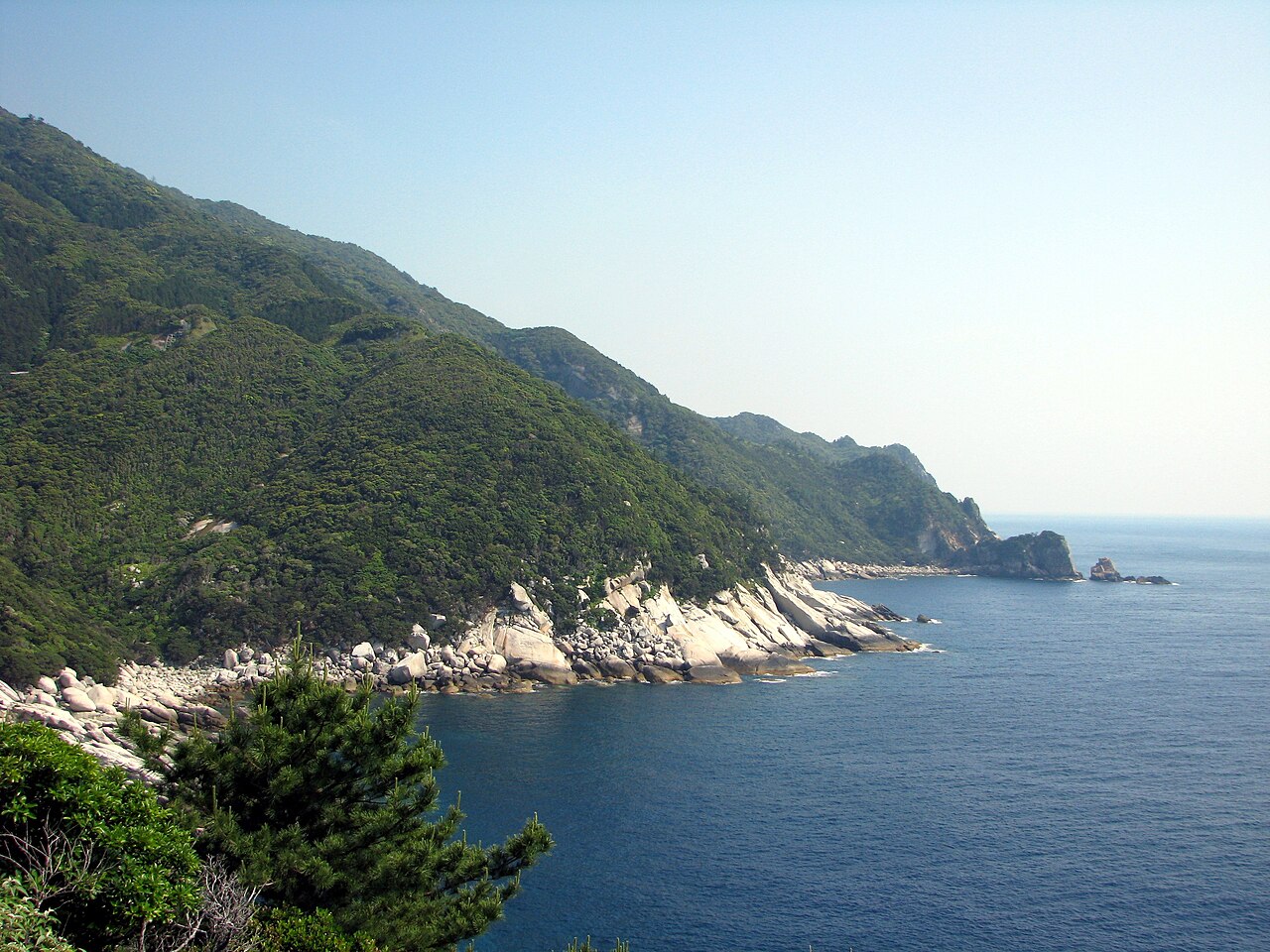
Yakushima, an island of ancient cedar forest (UNESCO) about 60 nm south, also offers turtle dives.
05 Photography
Sakurajima erupting at night, sometimes with volcanic lightning; Gunkanjima from the tour boat; Nagasaki’s night view from Mount Inasa.