01 Why it’s unique
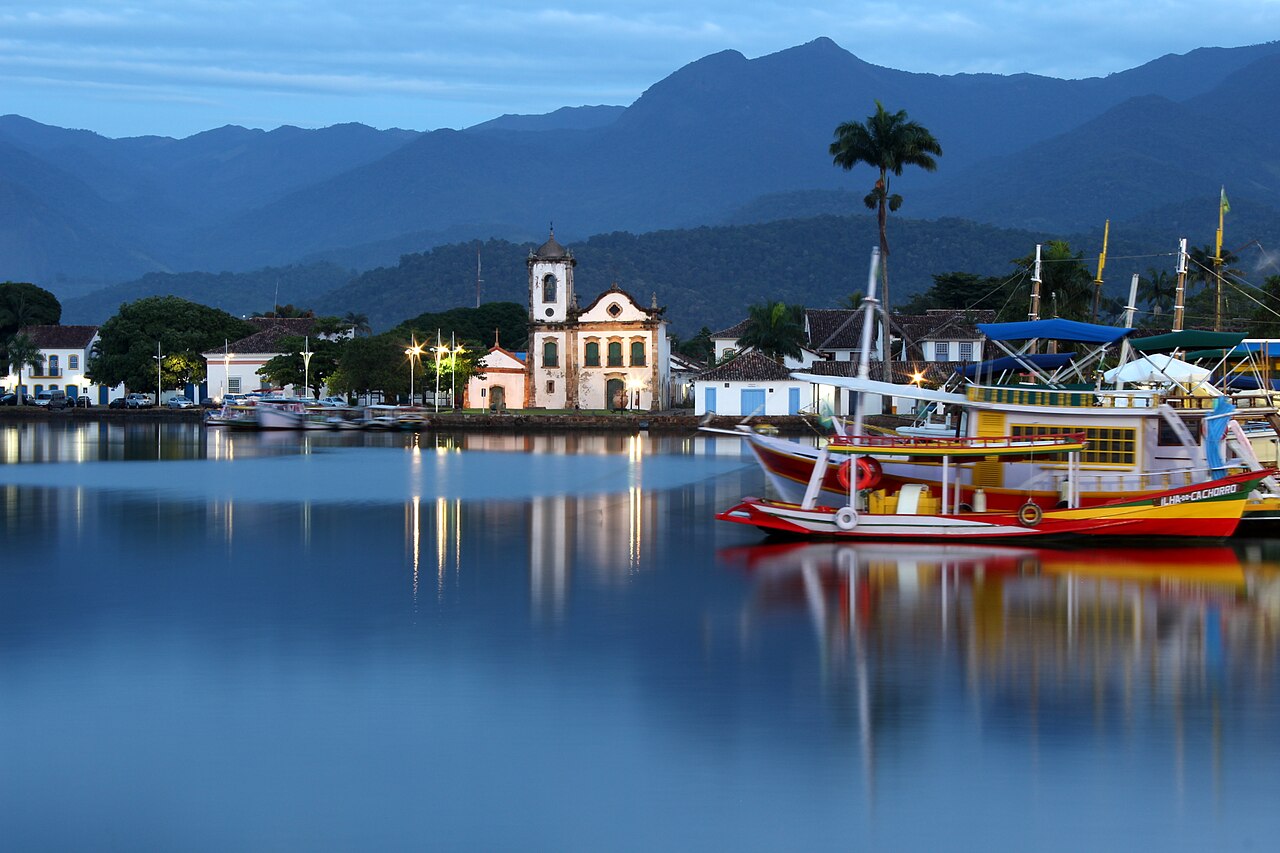
Paraty and Ilha Grande were Brazil’s first mixed cultural and natural UNESCO site (2019), joining a colonial town with Atlantic rainforest and islands.
02 Culture and history
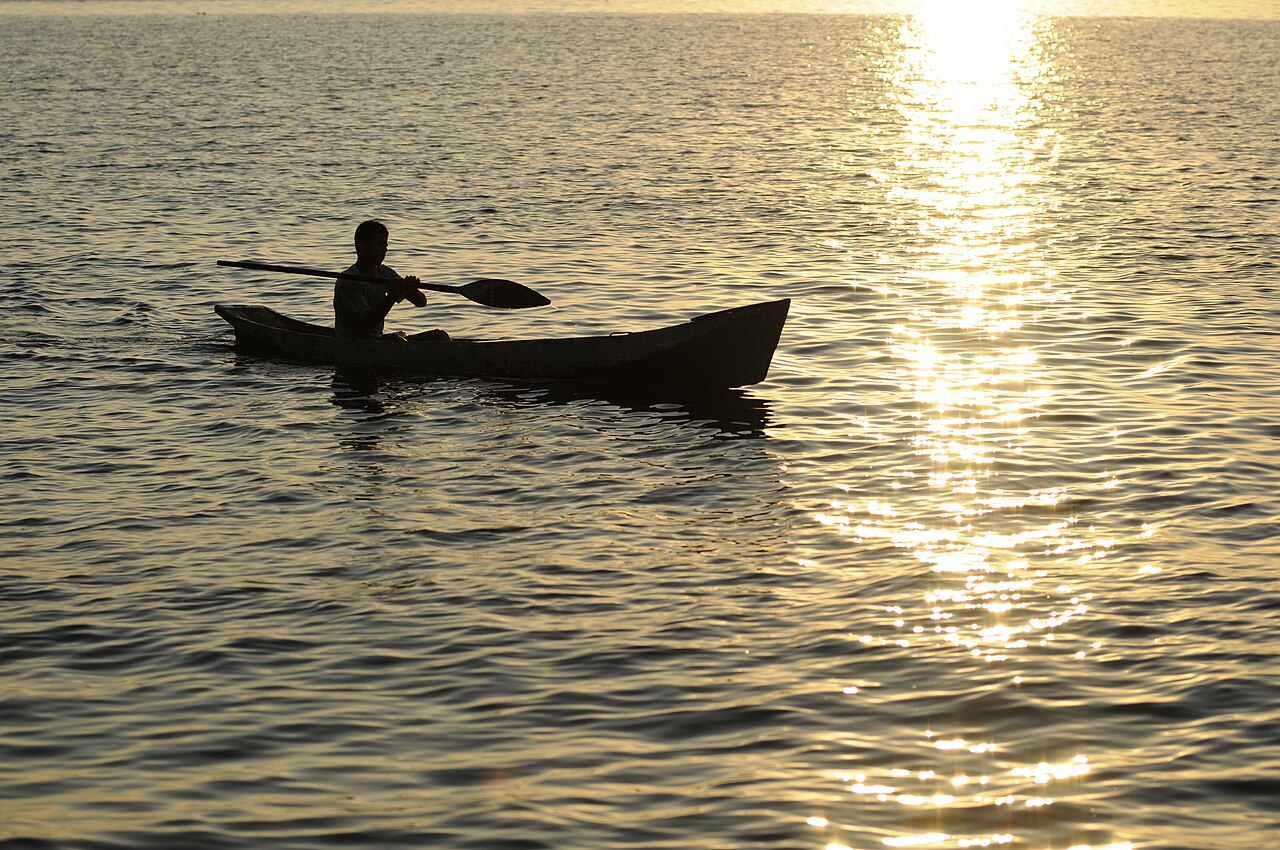
Paraty was the port of the Gold Road, which carried gold from the mines of Minas Gerais to ships bound for Portugal in the 18th century. It is also known for cachaça distilleries and for FLIP, a major literary festival. The coast is home to caiçara fishing communities, of mixed Indigenous, Portuguese and African ancestry, and to quilombola communities descended from people who escaped slavery. Ilha Grande was a leper colony and then a notorious prison until 1994; with no cars, it is now one of Brazil’s best walking islands.
03 Placemaking
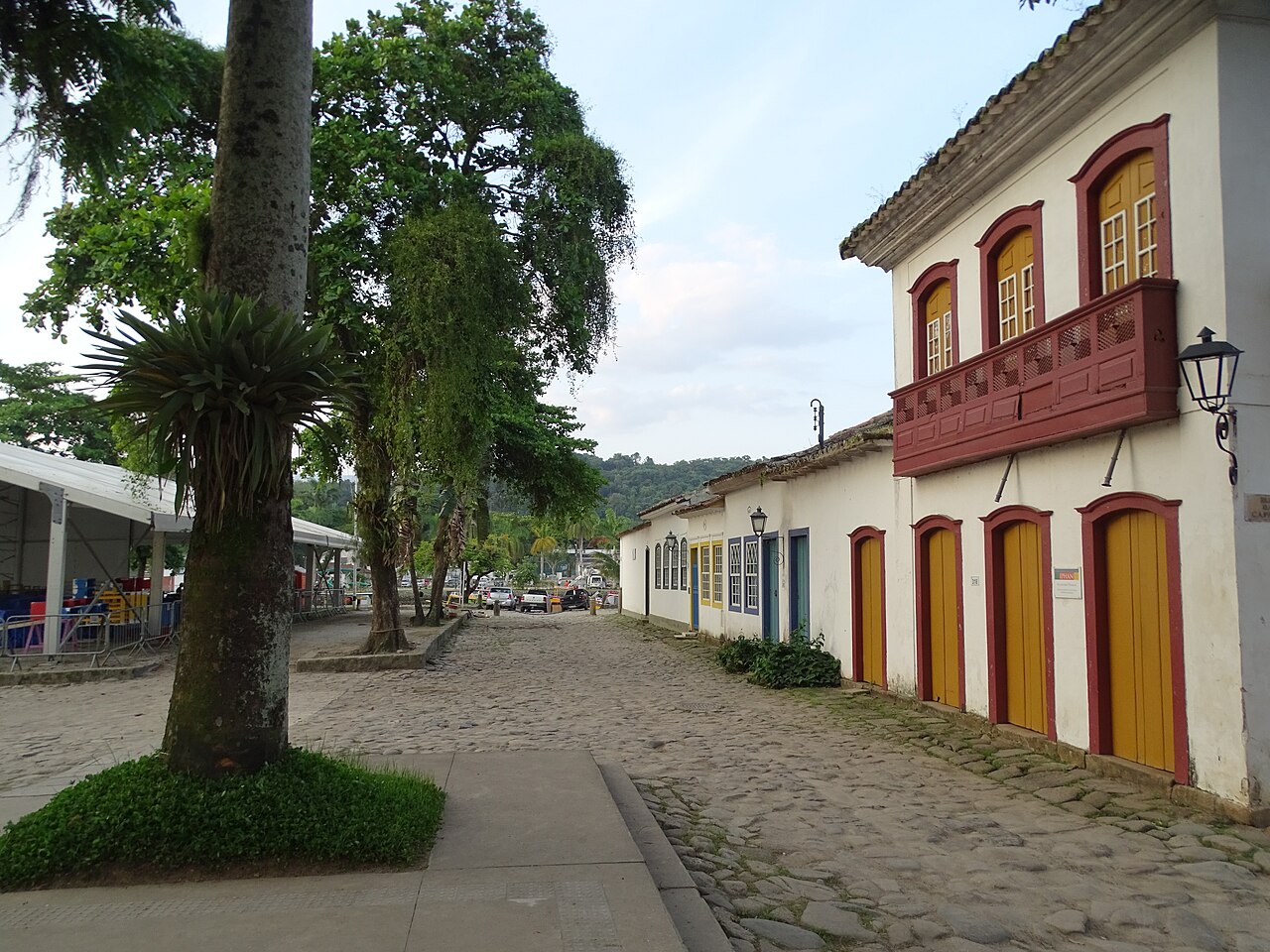
Paraty’s historic centre is closed to cars. Its irregular stone streets slope slightly towards the sea so that spring tides flow in and wash them clean. The white houses with coloured doors and window frames make one of the most harmonious colonial townscapes in Brazil.
04 Diving and water
Clear-water dives, wrecks and snorkelling around Ilha Grande, including the Blue Lagoon.
05 Photography
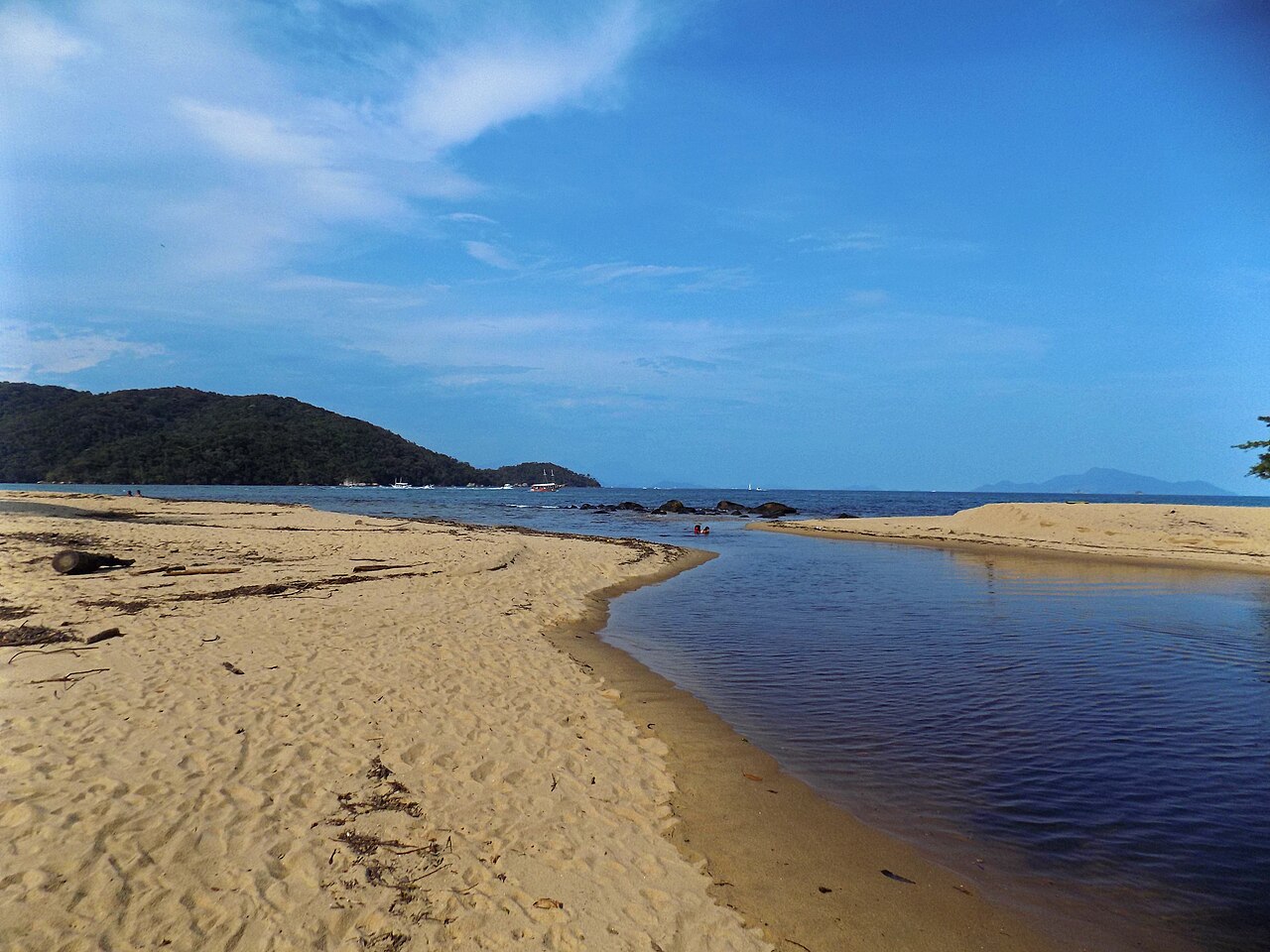
Paraty’s streets reflecting the sky at high tide; Lopes Mendes beach on Ilha Grande; fishing canoes at dawn.