01 Why it’s unique
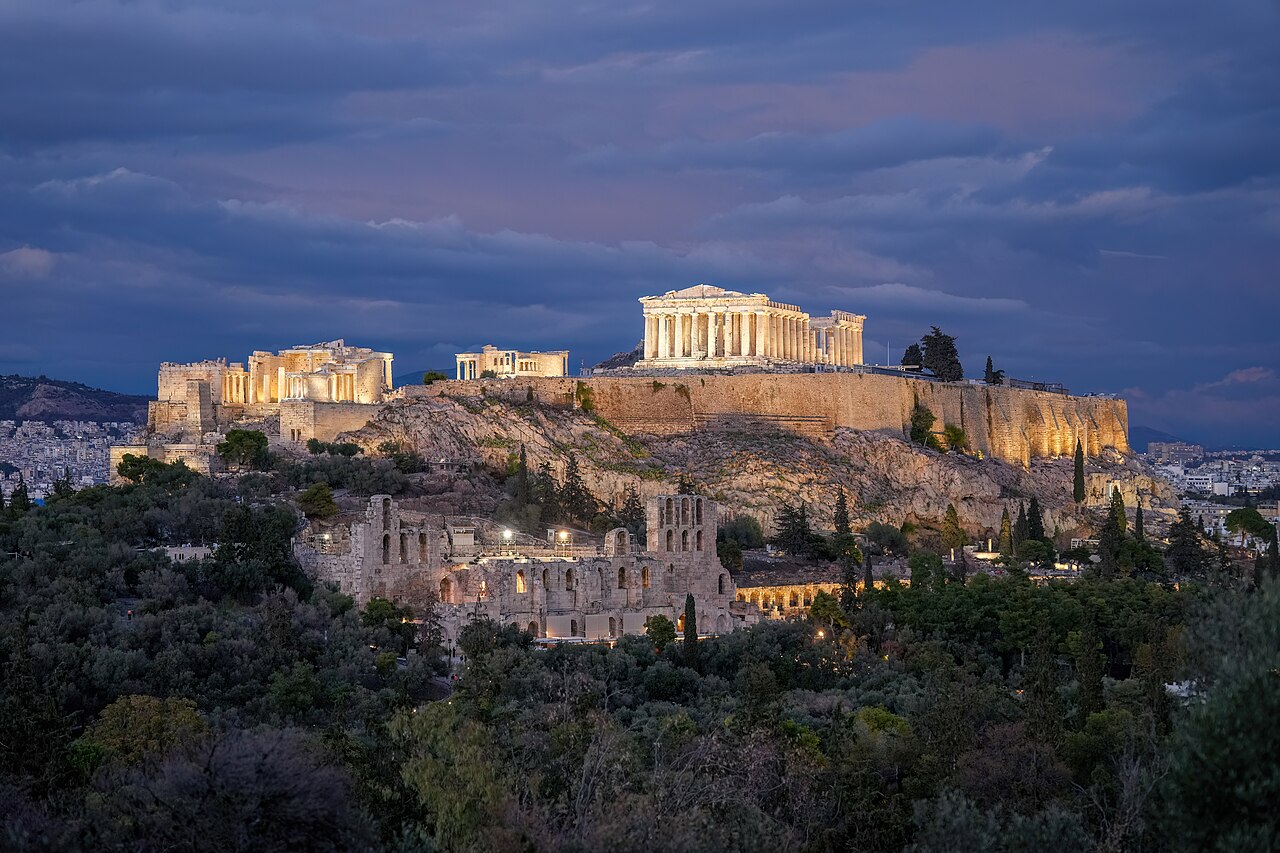
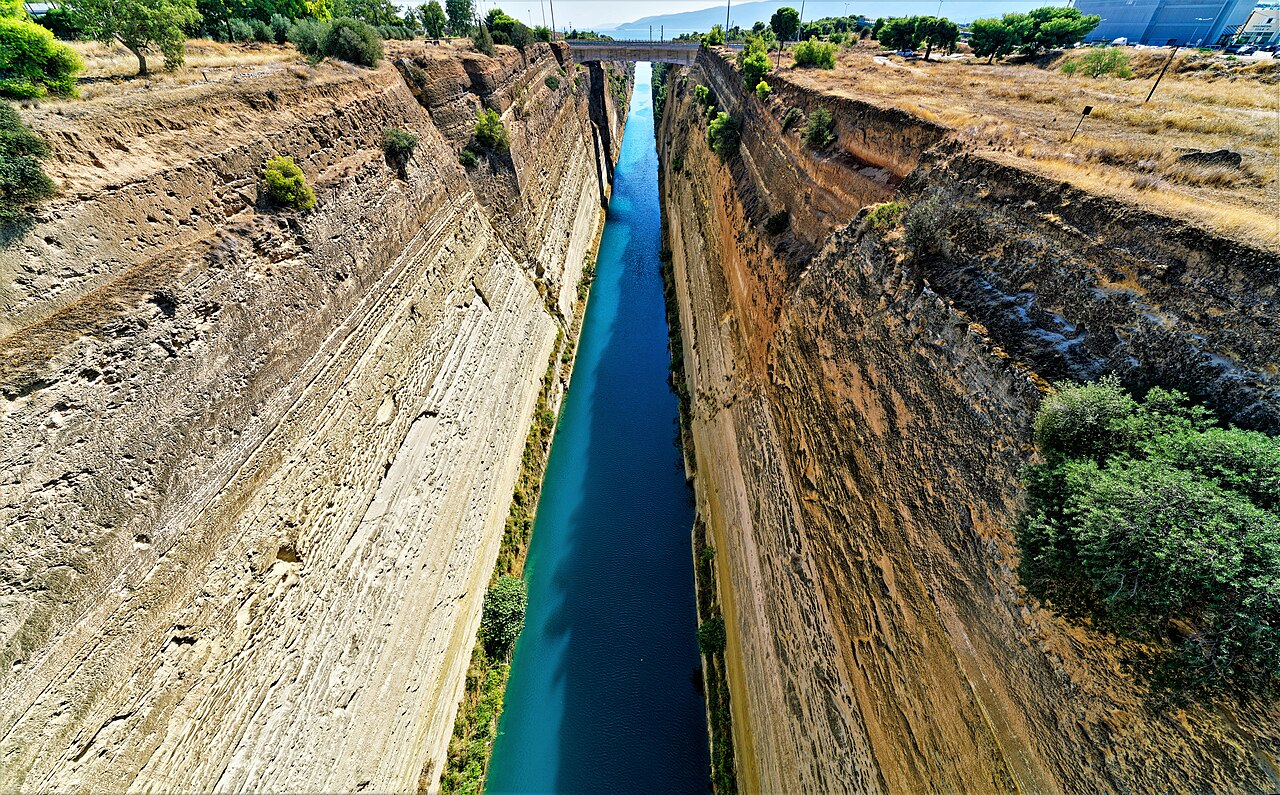
The Acropolis (UNESCO) is the founding monument of Western architecture. The Corinth Canal (1893), 6.4 km long and about 21 m wide, is cut straight through rock between sheer walls.
02 Culture and history
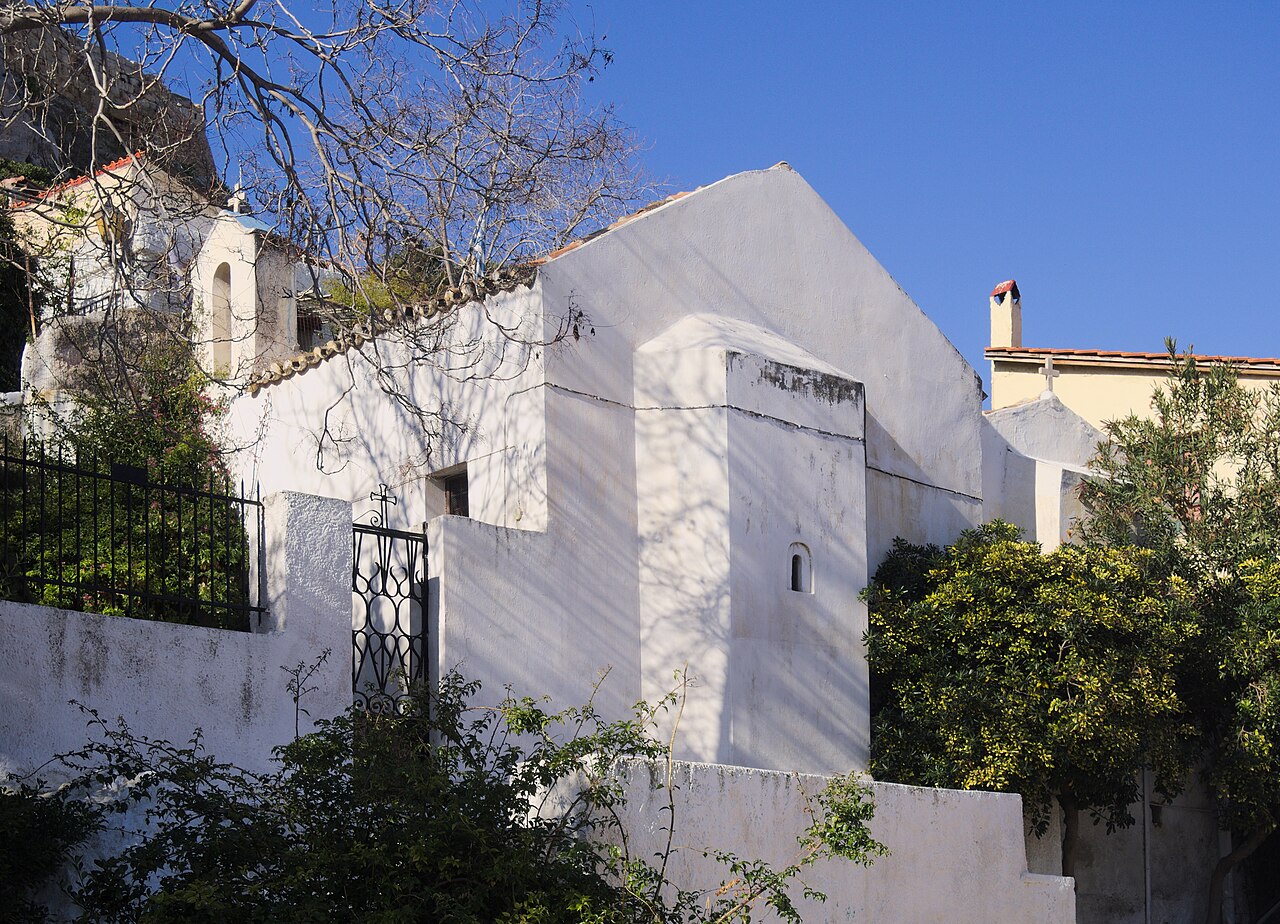
The Parthenon was built between 447 and 432 BC. Bernard Tschumi’s Acropolis Museum (2009) has glass floors over excavated streets and a top-floor gallery aligned with the Parthenon. Below the Acropolis, Anafiotika is a tiny Cycladic-style village built in the 19th century by builders from the island of Anafi. Renzo Piano’s Stavros Niarchos Foundation Cultural Center (2016) houses the national library and opera beneath a park on its roof.
03 Placemaking
In the 1950s the architect Dimitris Pikionis laid stone paths around the Acropolis and Filopappou Hill, a landmark of landscape architecture. Later, the pedestrianised Dionysiou Areopagitou street linked the archaeological sites into a single walking promenade. Anafiotika shows how island builders recreated their village in the middle of a capital.
04 Diving and water
None of note.
05 Photography
The Acropolis from Filopappou Hill at sunset; Anafiotika’s lanes; the canal walls from the deck.