RAW Logbook Preparation · Marsden Cove Marina35°50′S 174°28′E 21:06 UTC+13 178 days to go // Members

Work in progress We prepare and add to this site every day. A lot is still missing, but it will be finished before we set sail.

Place 008 / 115

Yap

Chapter
01 · The South Pacific and Micronesia
When
Jan–Feb 2028
Position
9°31′N 138°08′E
Status
Planned
Yap
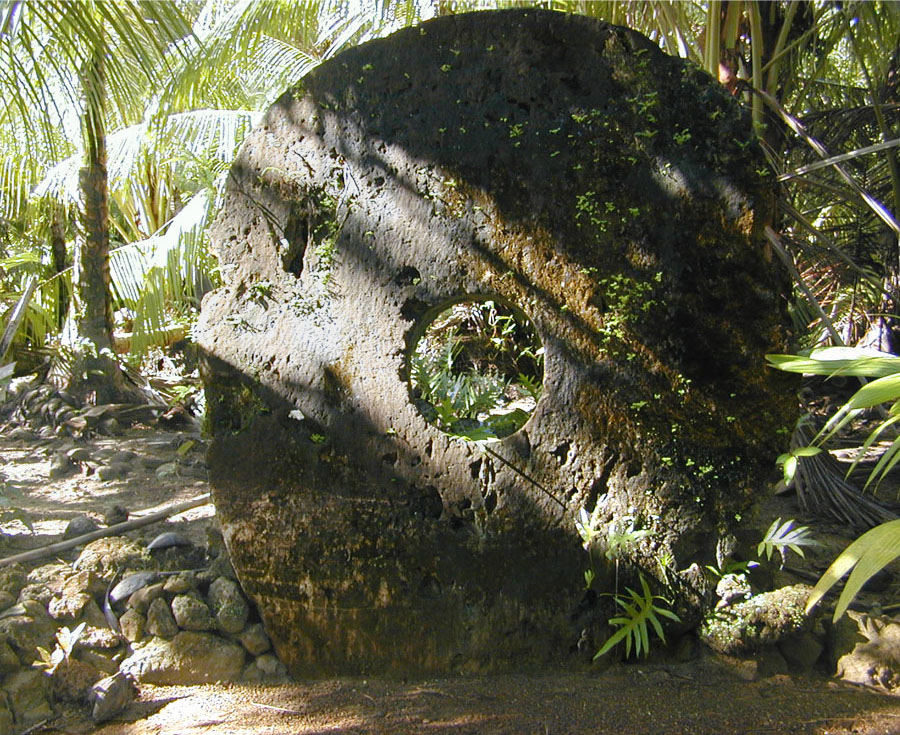
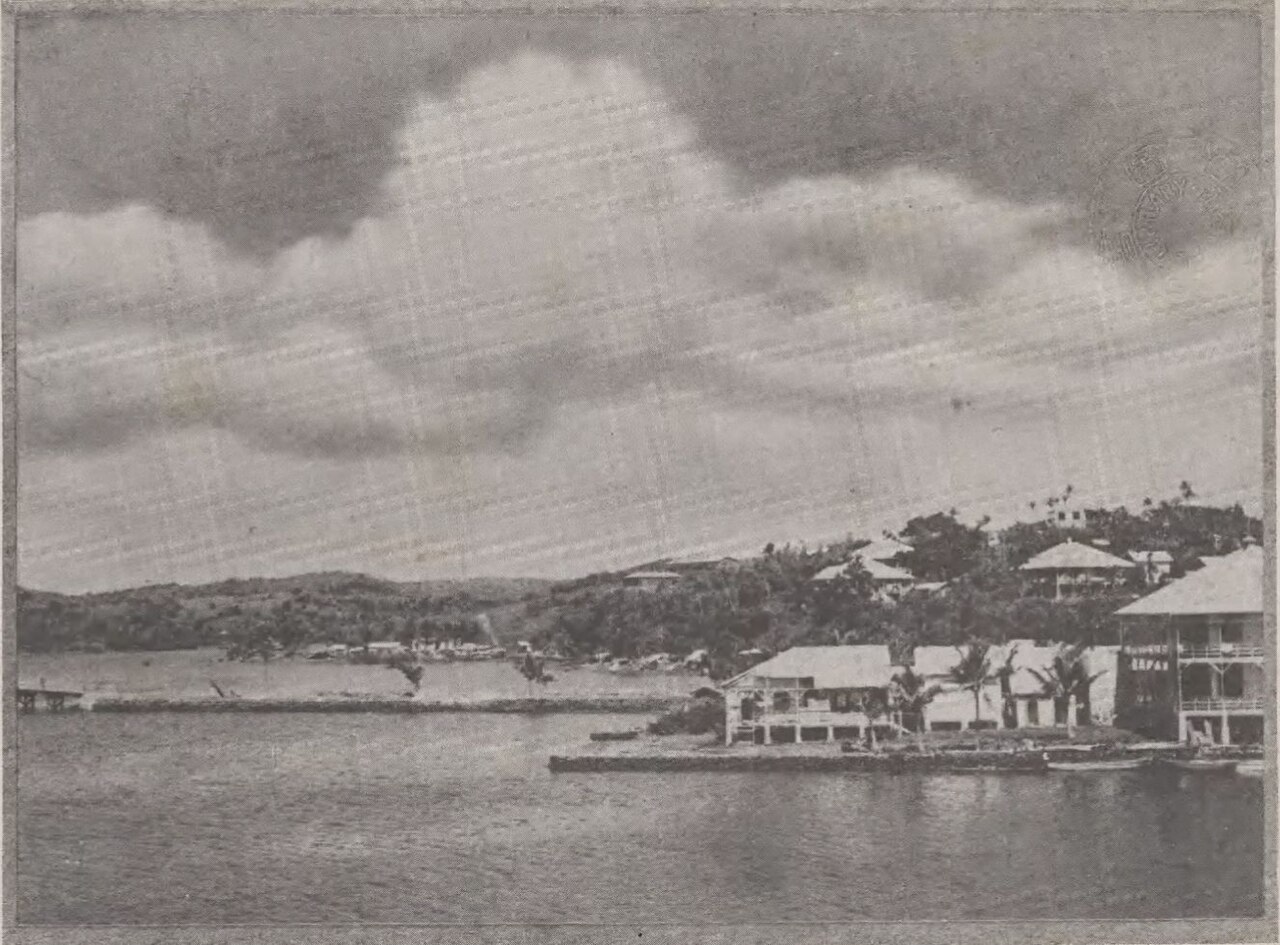
Fig. 008.1 Yap Reference photograph, before RAW arrives. Photo: Eric Guinther · CC BY-SA 3.0 · Wikimedia Commons
Why it’s unique01
Culture and history02
Placemaking03
Diving and water04
Photography05

01 Why it’s unique

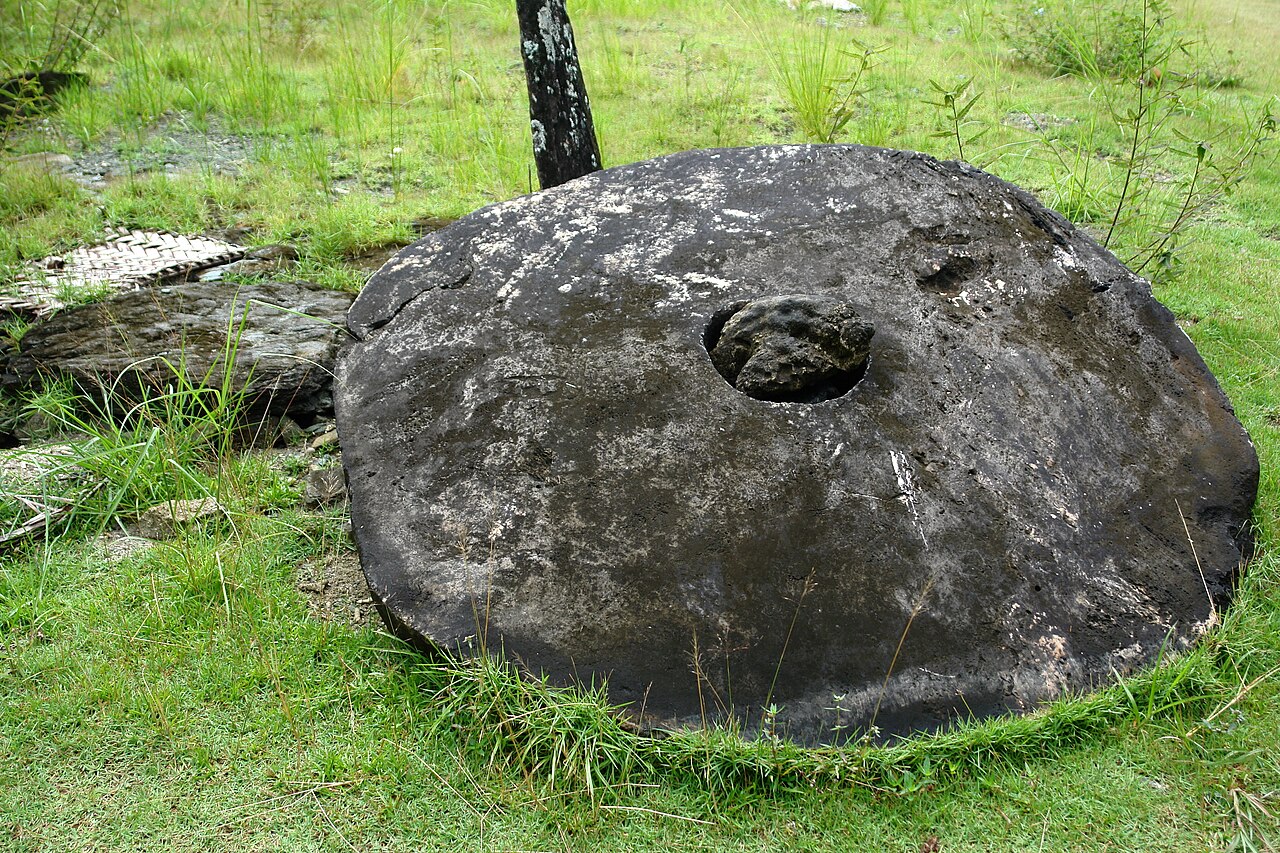
The home of rai, stone money: limestone discs up to about 3.5 m across, quarried in Palau and carried 400 km by canoe and raft. A stone’s value depends on its history, and ownership can change without the stone ever moving, which has made Yap a favourite example for economists.

02 Culture and history

Culture and history: Yap
Fig. 008.2 Photo: Scot Nelson · CC0 · Wikimedia Commons

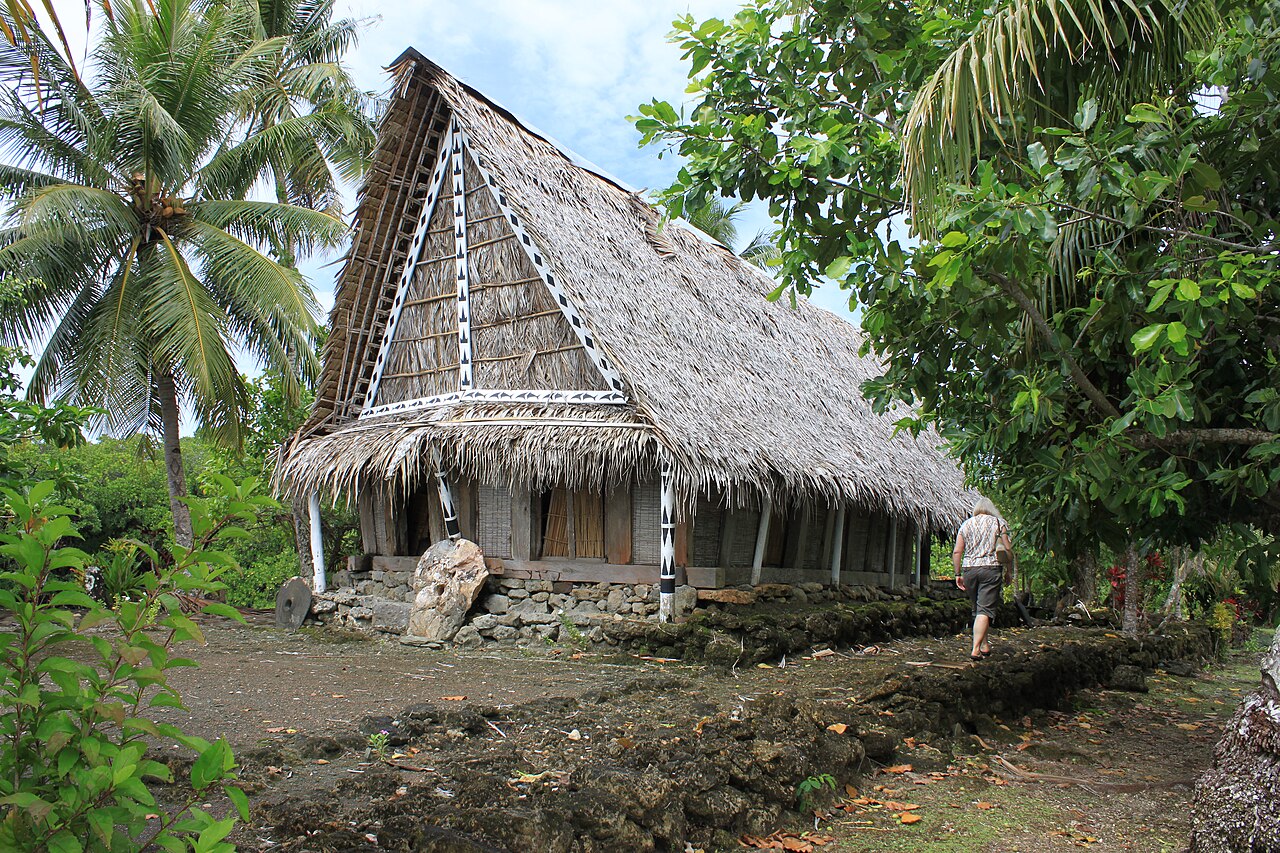
Yap is one of the most traditional societies in Micronesia, with a strict village hierarchy and customary dress (loincloths and grass skirts) still worn. Men’s houses (faluw) and community houses (pebai) stand by the water. The outer islands produced great navigators: Mau Piailug of Satawal guided the Hawaiian voyaging canoe Hōkūle’a to Tahiti in 1976 by traditional methods, reviving Polynesian wayfinding. Yap Day, in early March, brings dance and traditional sports; RAW’s February–March visit can be timed for it.

03 Placemaking

Placemaking: Yap
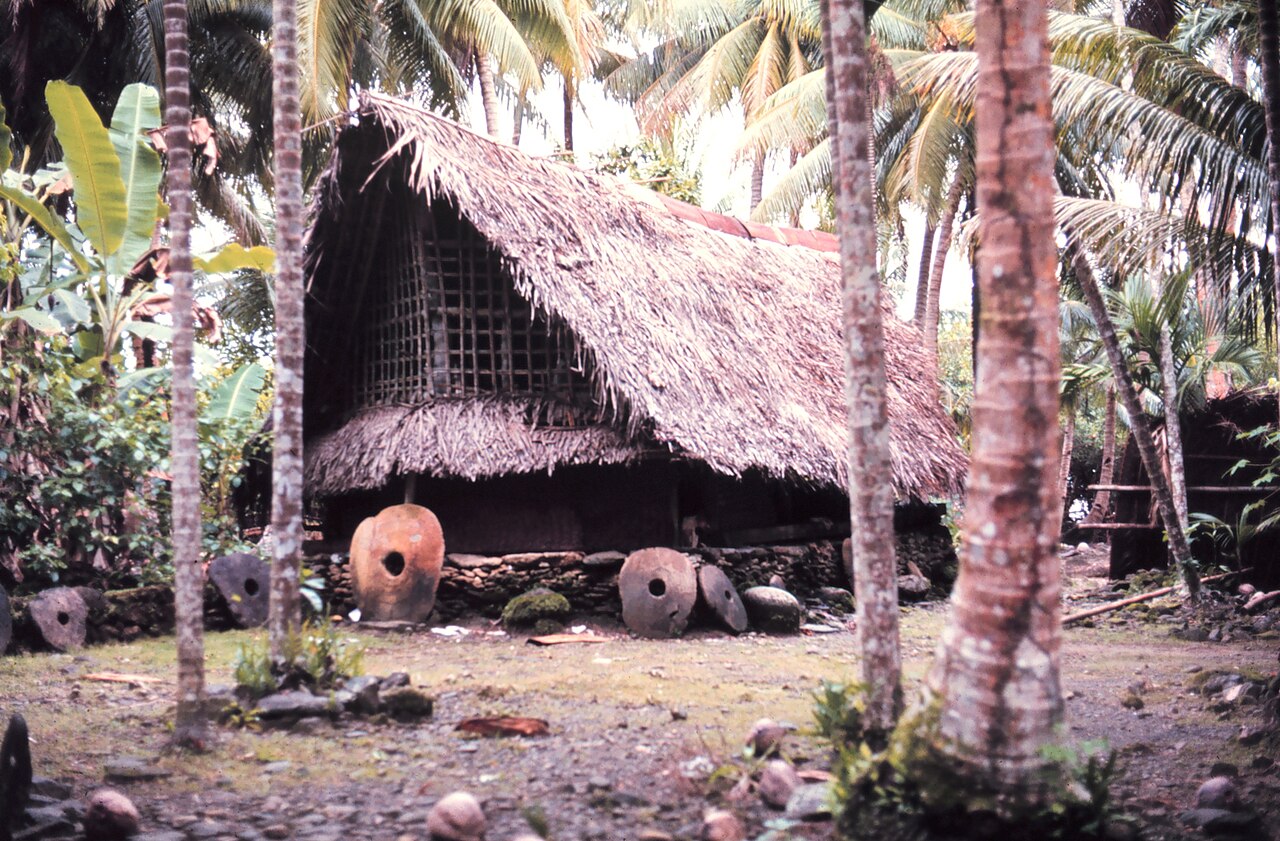
Fig. 008.3 Photo: Dr. James P. McVey, NOAA Sea Grant Program · Public domain · Wikimedia Commons

Villages are linked by ancient stone-paved footpaths, and stone money is displayed in “banks” along the paths and around dance grounds (malal), turning wealth into public landscape. Visitors ask permission before walking through a village, a reminder that these paths are private community space.

04 Diving and water

Diving and water: Yap
Fig. 008.4 Photo: stevenson_john · CC BY-SA 2.0 · Wikimedia Commons

Resident manta rays visit cleaning stations in Mi’l and Goofnuw channels all year; from December to April they gather in mating “trains”.

05 Photography

Photography: Yap
Fig. 008.5 Photo: 松尾陸一 · Public domain · Wikimedia Commons

Stone money banks in dappled forest light; dancers on Yap Day (ask first); mantas hovering over cleaning stations.

Text: the voyage plan, last updated 04.11.2026. Places and timings may change with the weather and circumstances.

Are you here?

Meet us in Yap

We plan to be here in Jan–Feb 2028. If you live here, sail nearby or know this place well, we would like to hear from you before we arrive.

Local knowledge

From people who know Yap

No tips yet. If you know this place, tell others what not to miss: a person, a workshop, an anchorage, a festival, a walk.

Share what you know

A small task before sending, so we know you are a person.

We read each tip before it appears here. Privacy