
01 Why it’s unique
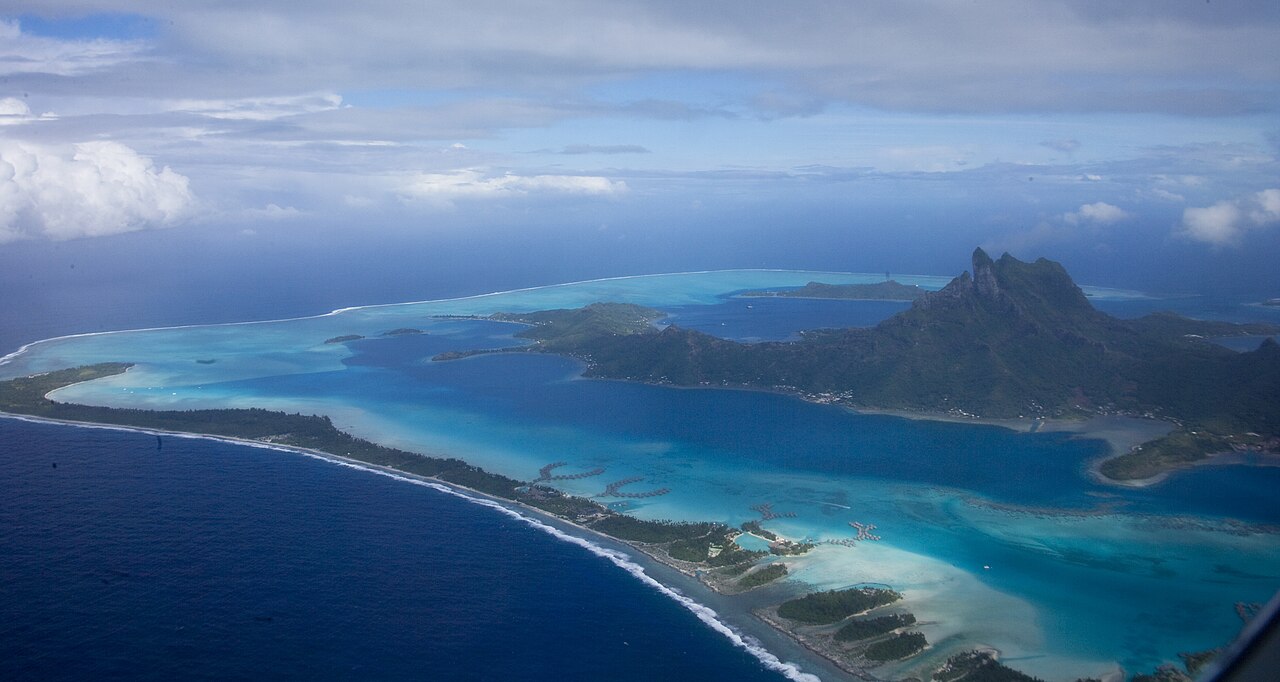
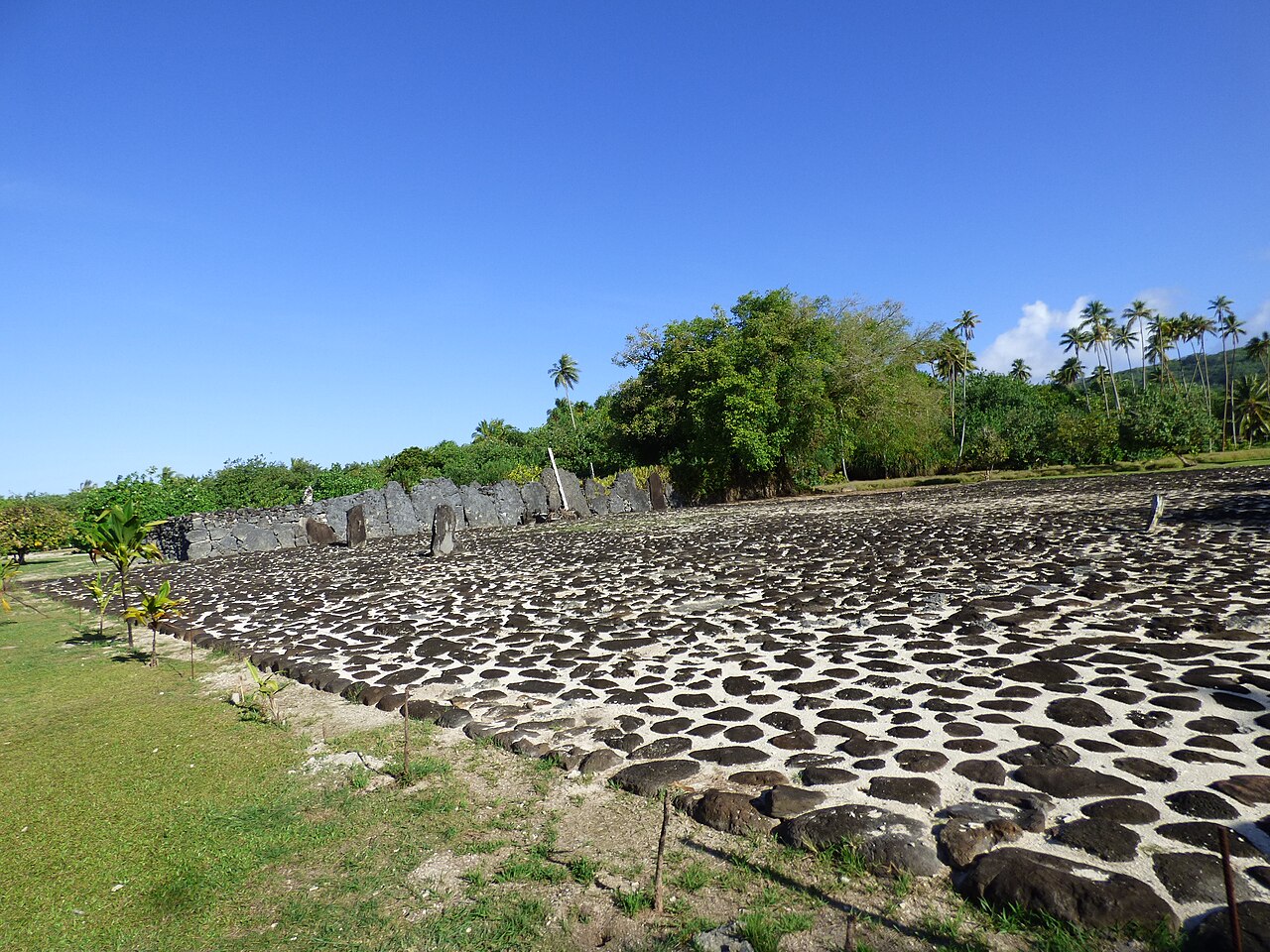
High volcanic islands ringed by lagoons, and the cultural heart of East Polynesia. Taputapuātea on Raiatea (UNESCO, 2017) was the most important religious centre of the Polynesian triangle, where navigators from distant islands gathered.
02 Culture and history
Wallis arrived in 1767, Bougainville in 1768 and Cook in 1769, when he observed the transit of Venus from Point Venus on Tahiti. The Bounty’s crew lived here before the 1789 mutiny. France made Tahiti a protectorate in 1842 and a colony in 1880, and Paul Gauguin painted here from 1891. The English word “tattoo” comes from the Tahitian tatau, and the art has had a strong revival. Outrigger canoe (va’a) racing is the national passion; the Hawaiki Nui Va’a race across the open sea between Huahine, Raiatea, Taha’a and Bora Bora is held in November, around when RAW leaves. In 1995 traditional voyaging canoes from across Polynesia met again at Taputapuātea, renewing ties broken for centuries.
03 Placemaking
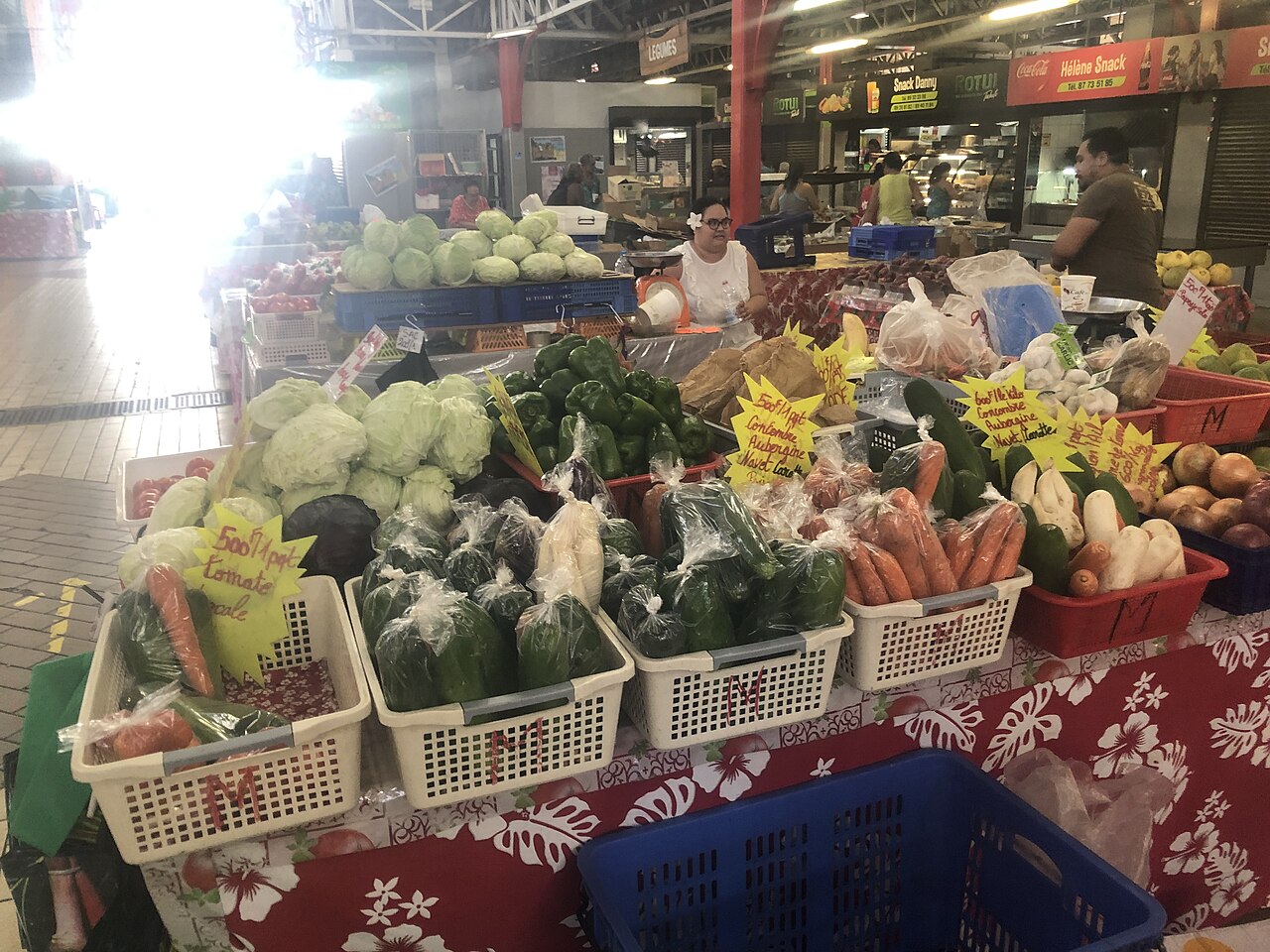
Papeete’s covered market is the city’s social centre, with flower and fish sellers from dawn. On Huahine, the village of Maeva sits among restored marae along a lagoon edge where V-shaped stone fish traps, centuries old, are still used. Taputapuātea itself is a lesson in sacred landscape: a paved stone platform aligned between the mountain, the reef pass and the sea. On Taha’a, family vanilla farms produce most of Tahitian vanilla.
04 Diving and water
Moorea for reef sharks and stingrays; Bora Bora for manta rays at Anau and lemon sharks at Tapu; on Taha’a, a gentle drift snorkel through the “coral garden” between two motu. Tahiti’s Teahupo’o wave hosted the 2024 Olympic surfing.
05 Photography
The Belvedere viewpoint over Moorea’s Cook’s and Opunohu bays at sunrise; tattoo artists at work; va’a crews training at dusk; Huahine’s marae and fish traps; Teahupo’o’s wave from a boat.