01 Why it’s unique
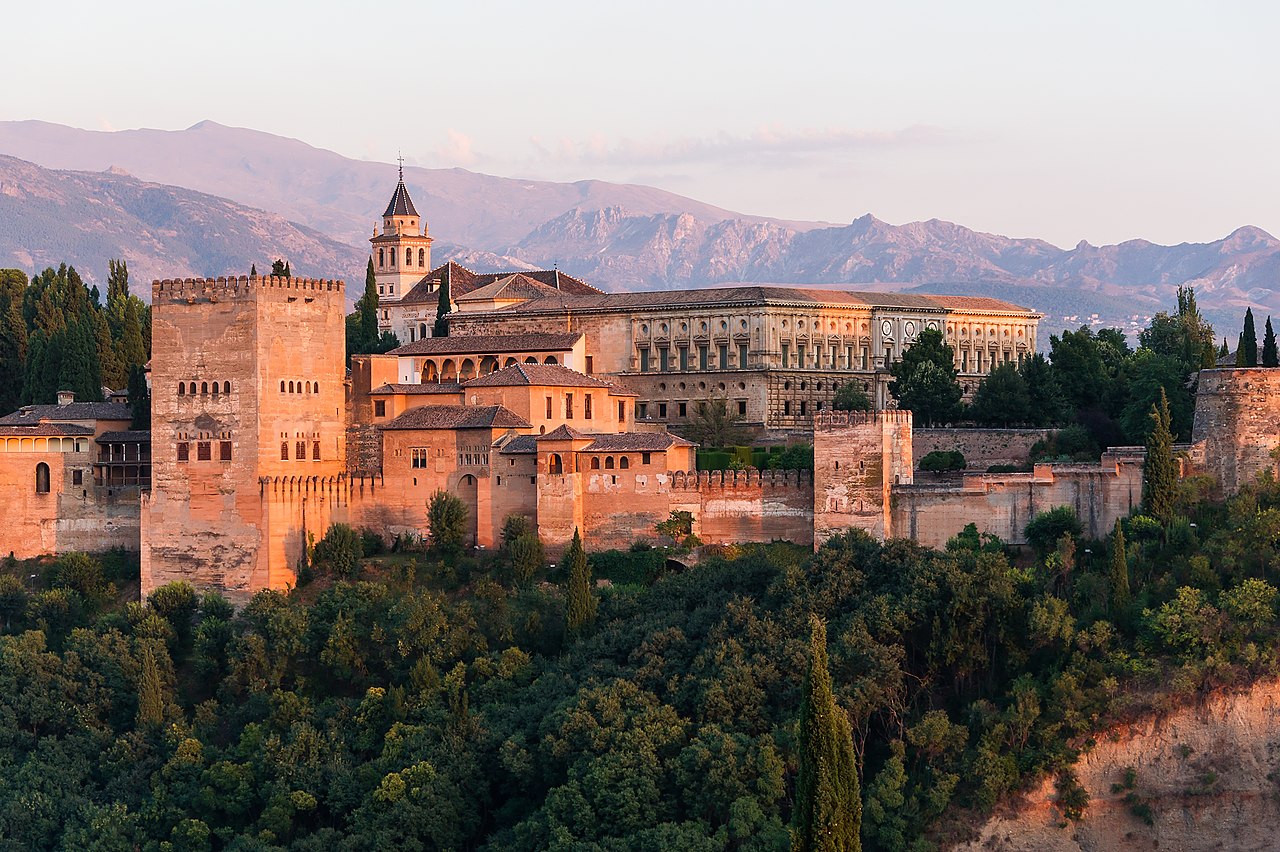
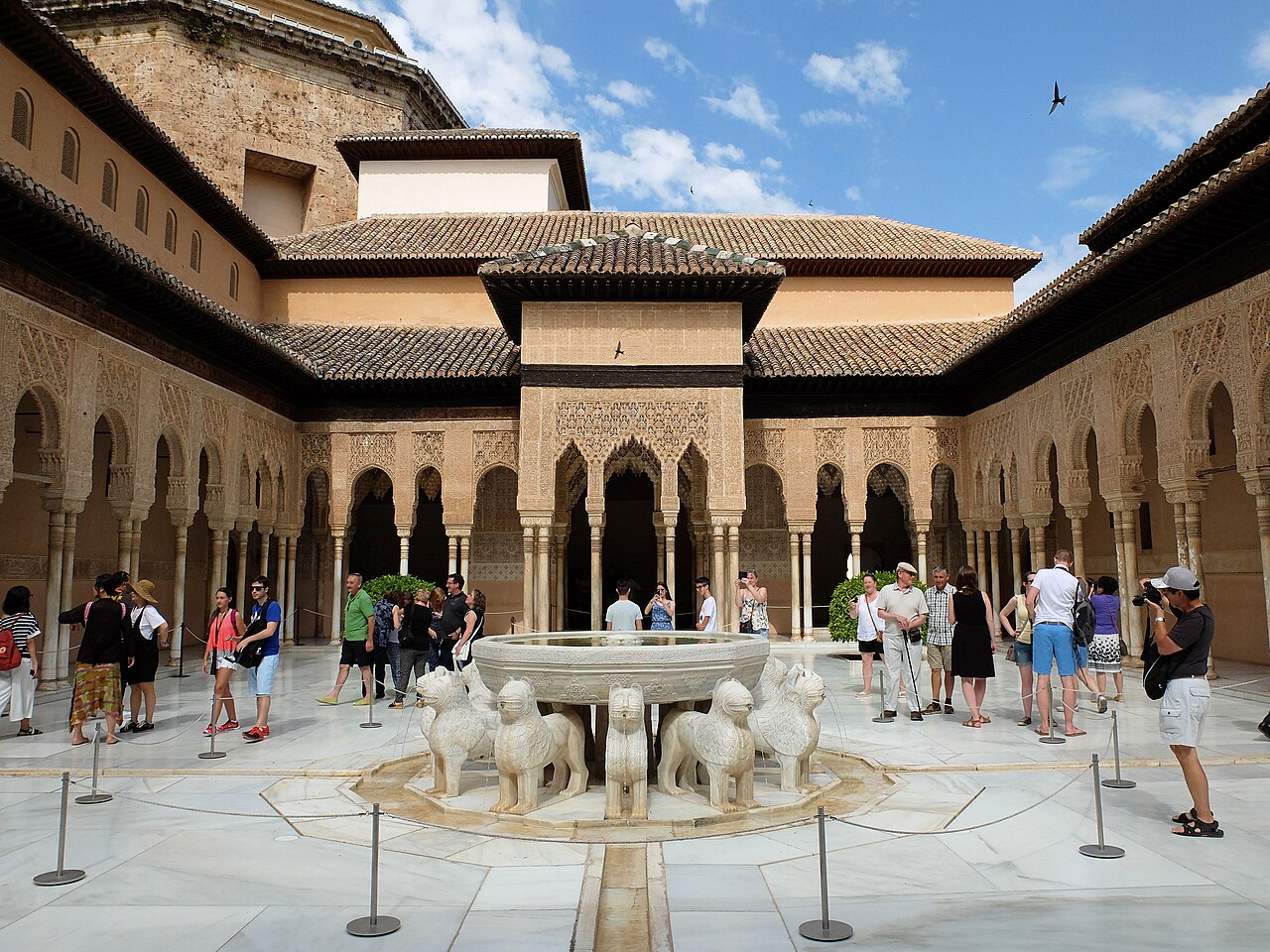
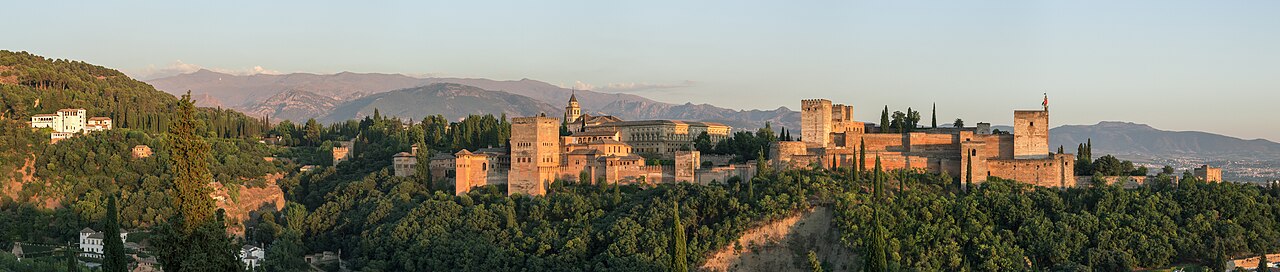
The Alhambra (UNESCO) is the finest surviving palace of Al-Andalus, the Muslim civilisation that ruled much of Spain from 711 to 1492.
02 Culture and history
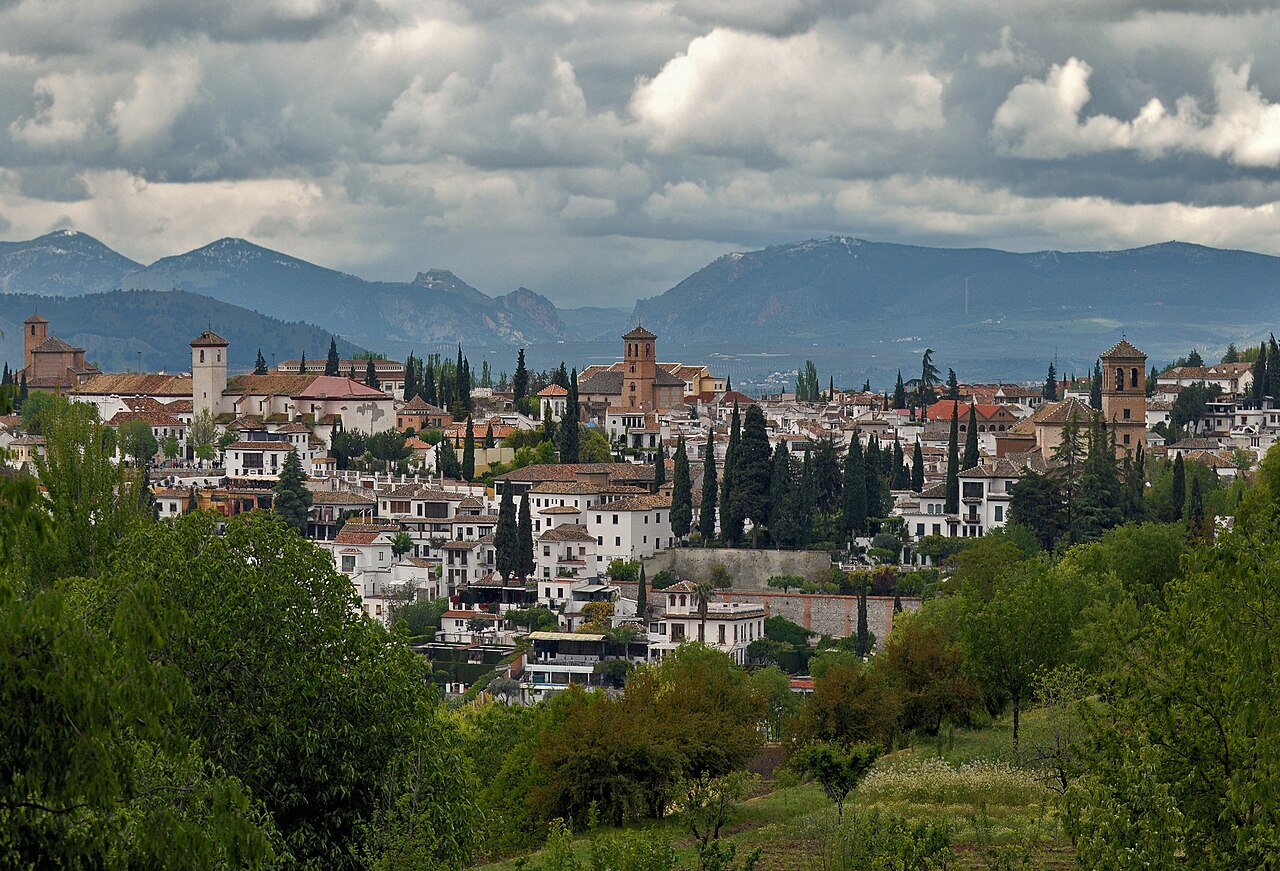
Granada was the last Muslim kingdom in Spain, surrendering in 1492. The Albaicín, the old Moorish quarter facing the Alhambra, is part of the UNESCO site, and the caves of Sacromonte are a home of flamenco. Málaga, where Picasso was born in 1881, has reinvented itself as a museum city with the Picasso Museum, the Carmen Thyssen collection and the Centre Pompidou Málaga in a glass cube by the port.
03 Placemaking
The Alhambra and the Generalife gardens show how Islamic design uses water, shade and courtyards open to the sky to make outdoor rooms. In the Albaicín, the carmen is a typical walled house with a garden, turning the hillside into a patchwork of private paradises. Málaga reconnected the city to its port with the Muelle Uno promenade and the Palmeral de las Sorpresas, and pedestrianised Calle Larios.
04 Diving and water
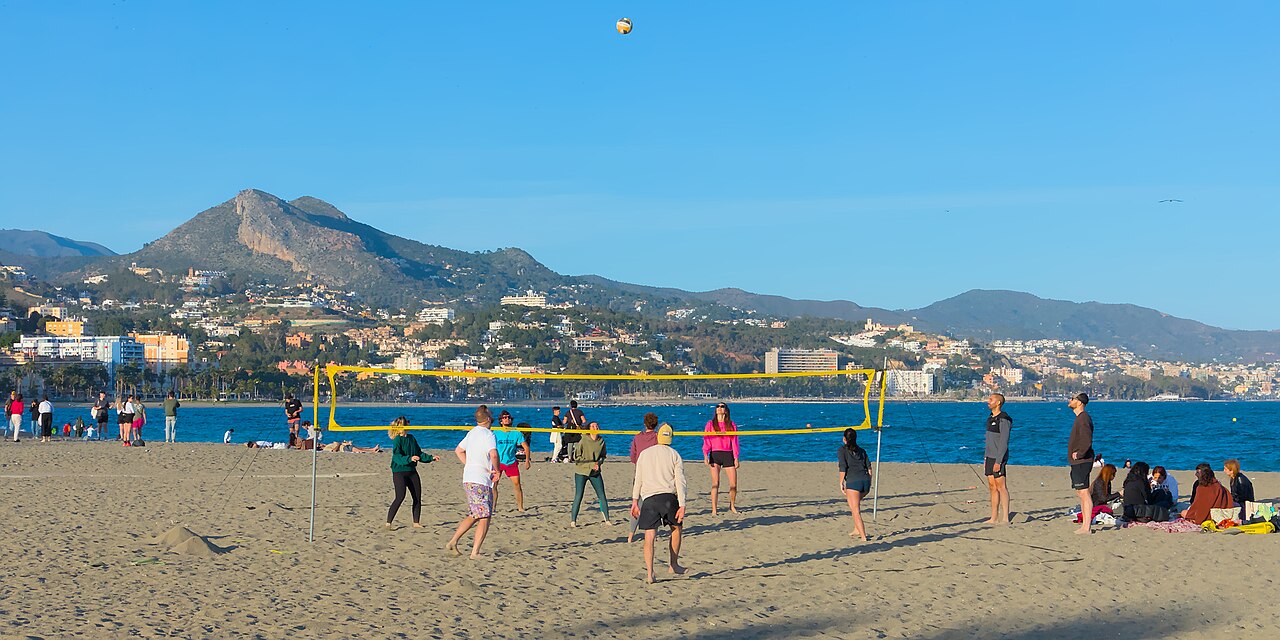
The Maro-Cerro Gordo cliffs east of Málaga have good snorkelling.
05 Photography
The Alhambra from the Mirador de San Nicolás at sunset; Sacromonte’s caves; Moorish tilework and stucco up close.