
01 Why it’s unique
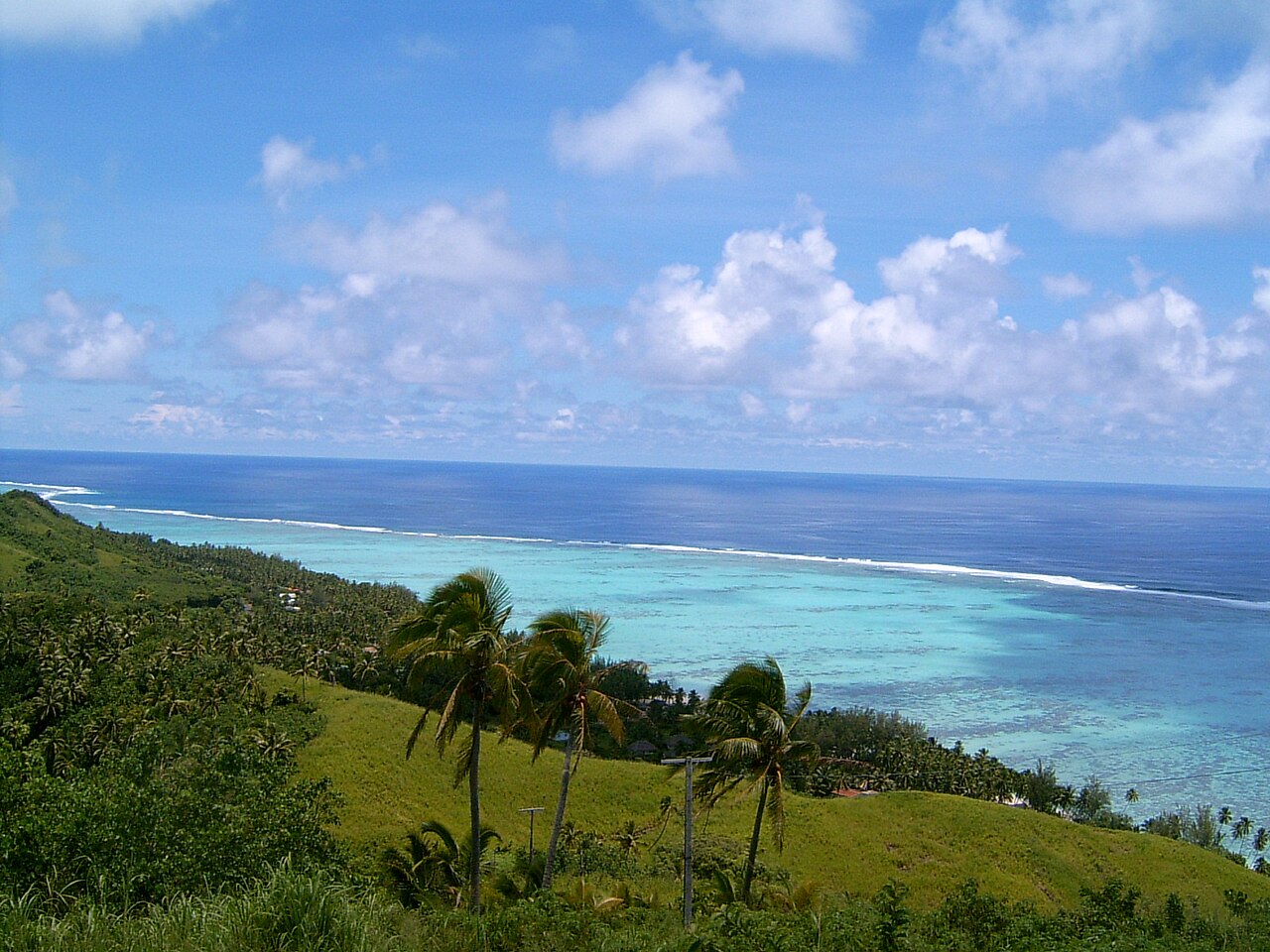
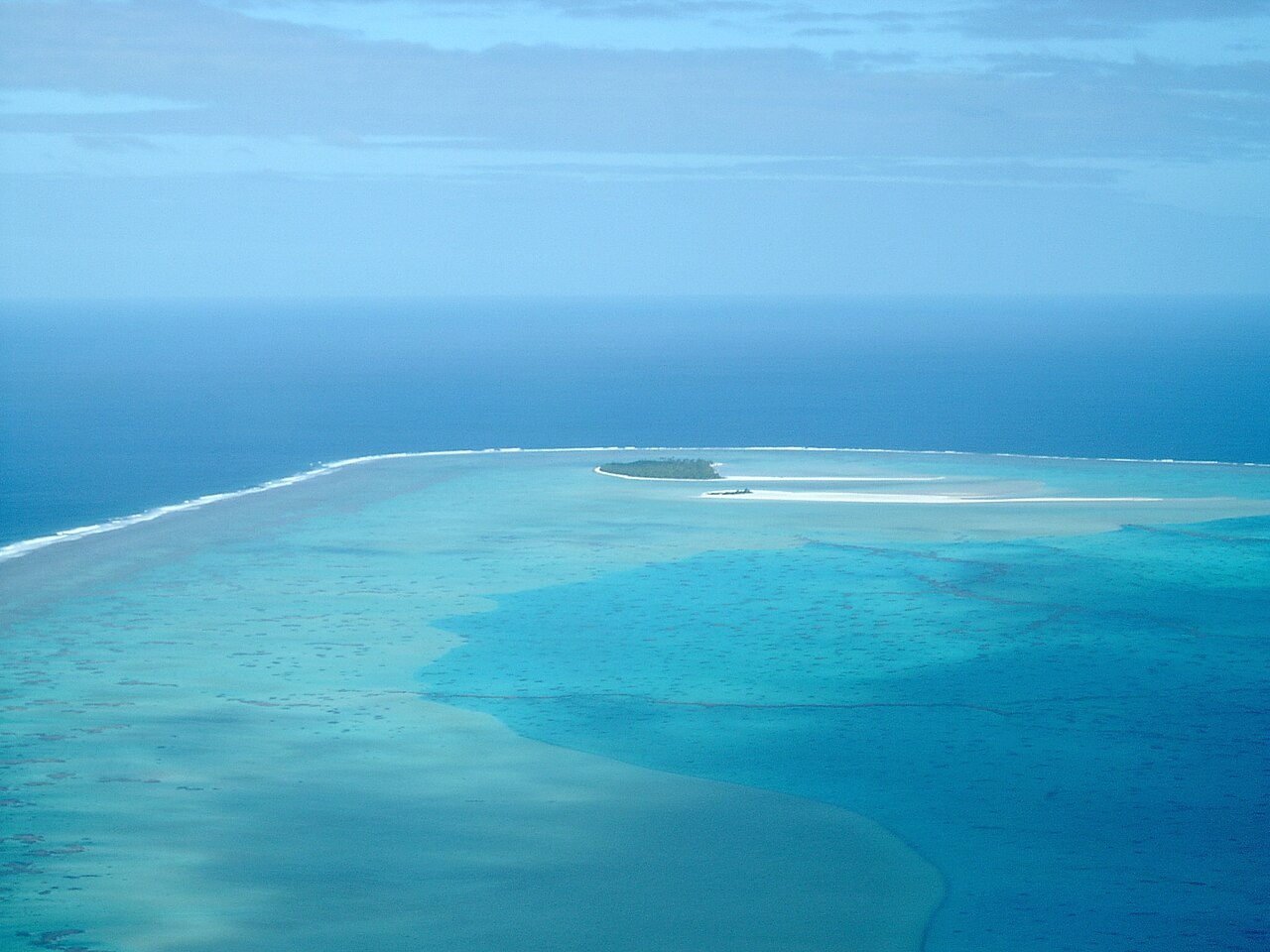
Fifteen islands scattered across about 2 million km² of ocean, self-governing in free association with New Zealand. Aitutaki’s turquoise lagoon is one of the most beautiful in the Pacific.
02 Culture and history
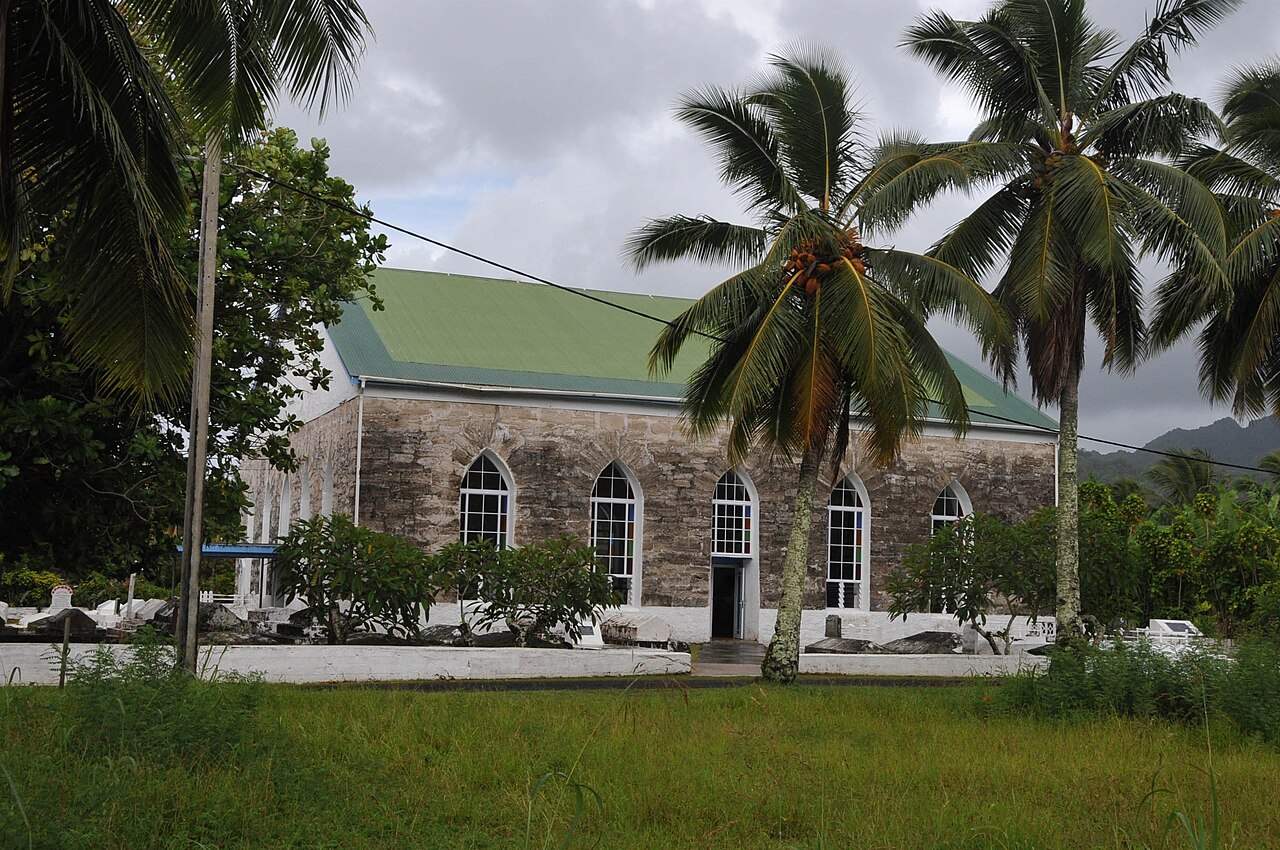
New Zealand Māori tradition holds that some of the great voyaging canoes left for Aotearoa from Avana harbour on Rarotonga. The islands’ churches, built by the London Missionary Society from coral lime in the mid-1800s, are full on Sundays with unaccompanied hymn singing. Cook Islands drum dancing (ura) is considered among the most energetic in Polynesia, and women’s groups make tivaevae, large appliqué and patchwork quilts given at weddings and birthdays. The Te Maeva Nui festival around Constitution Day (4 August) brings dance and drumming teams from every island to Rarotonga, so RAW’s August visit may coincide with it.
03 Placemaking
Rarotonga has two roads: the coastal Ara Tapu and the inland Ara Metua, a coral-paved road said to be about 1,000 years old that links the old marae (ceremonial sites) and taro gardens. Land cannot be sold to outsiders, only leased, which keeps the islands’ character local. Saturday’s Punanga Nui market in Avarua is the island’s weekly meeting place.
04 Diving and water
Aitutaki’s lagoon has giant clams, trevally and sandbanks such as One Foot Island. Rarotonga’s outer reef has walls and the wreck of the SS Maitai (1916), and humpbacks pass in winter.
05 Photography
Aitutaki’s lagoon from Maunga Pu, the island’s highest point, or from a small plane; drum dancers at a village night; tivaevae colours; church interiors lit by the morning sun.