01 Why it’s unique
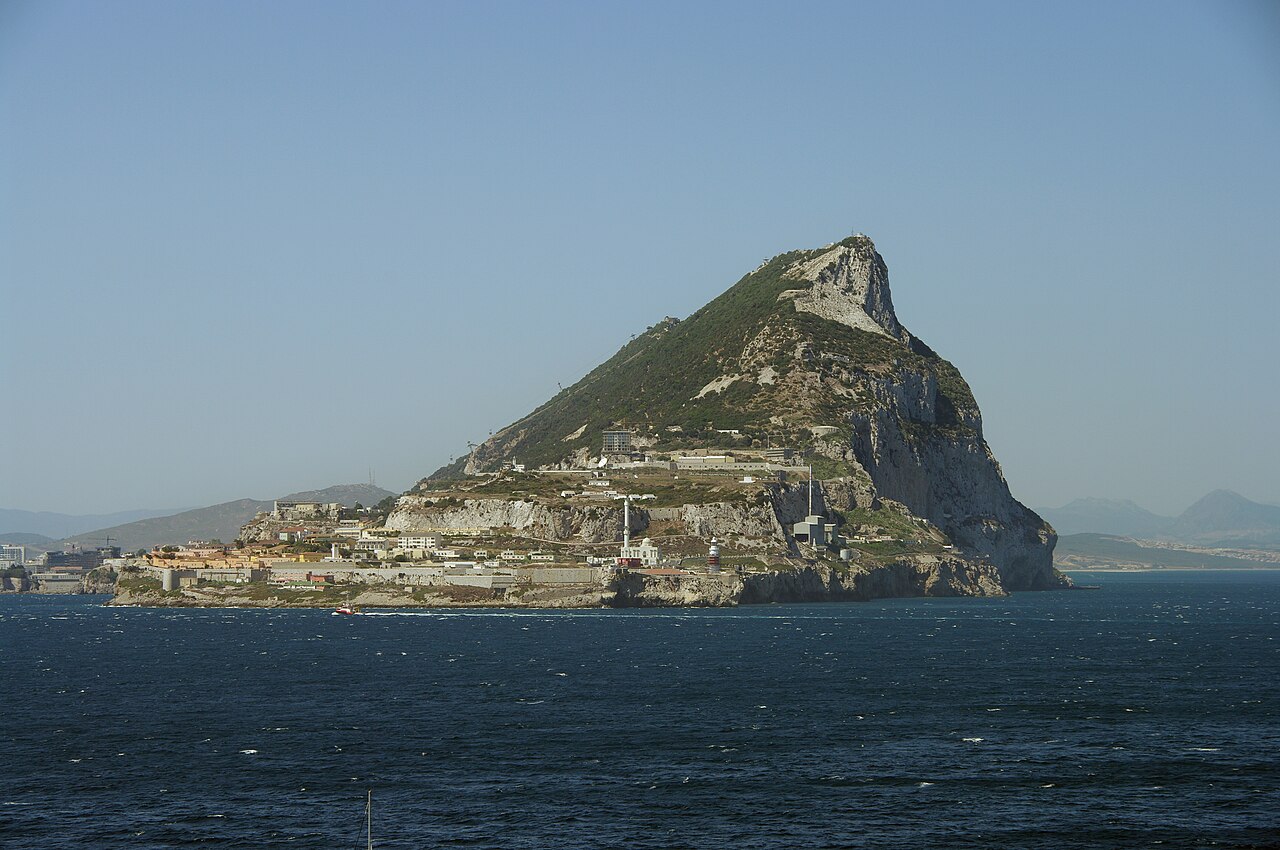
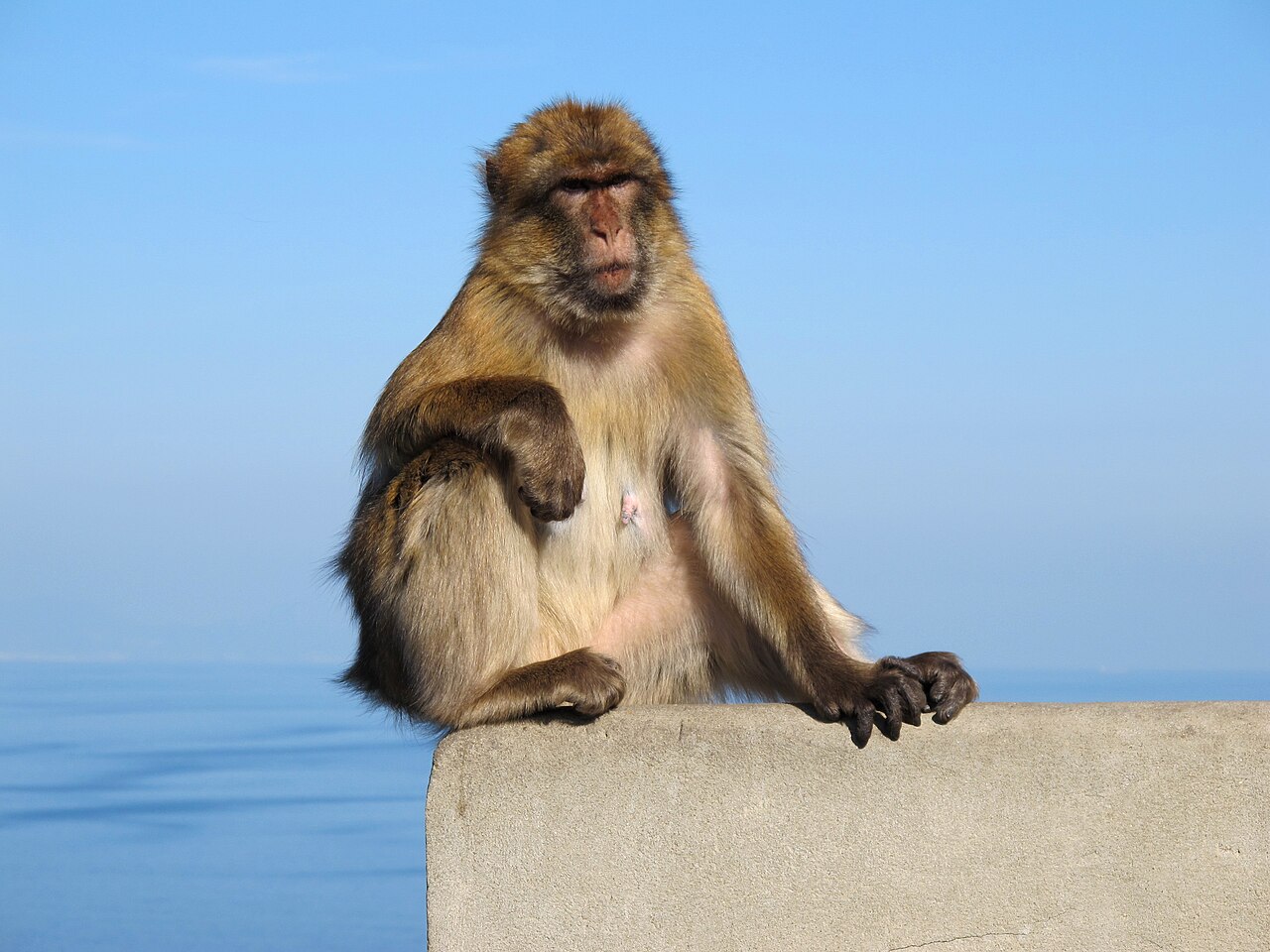
At the Strait of Gibraltar, Europe and Africa are about 14 km apart, the ancient Pillars of Hercules. Gibraltar has been British since 1713, and its Barbary macaques are Europe’s only wild monkeys.
02 Culture and history
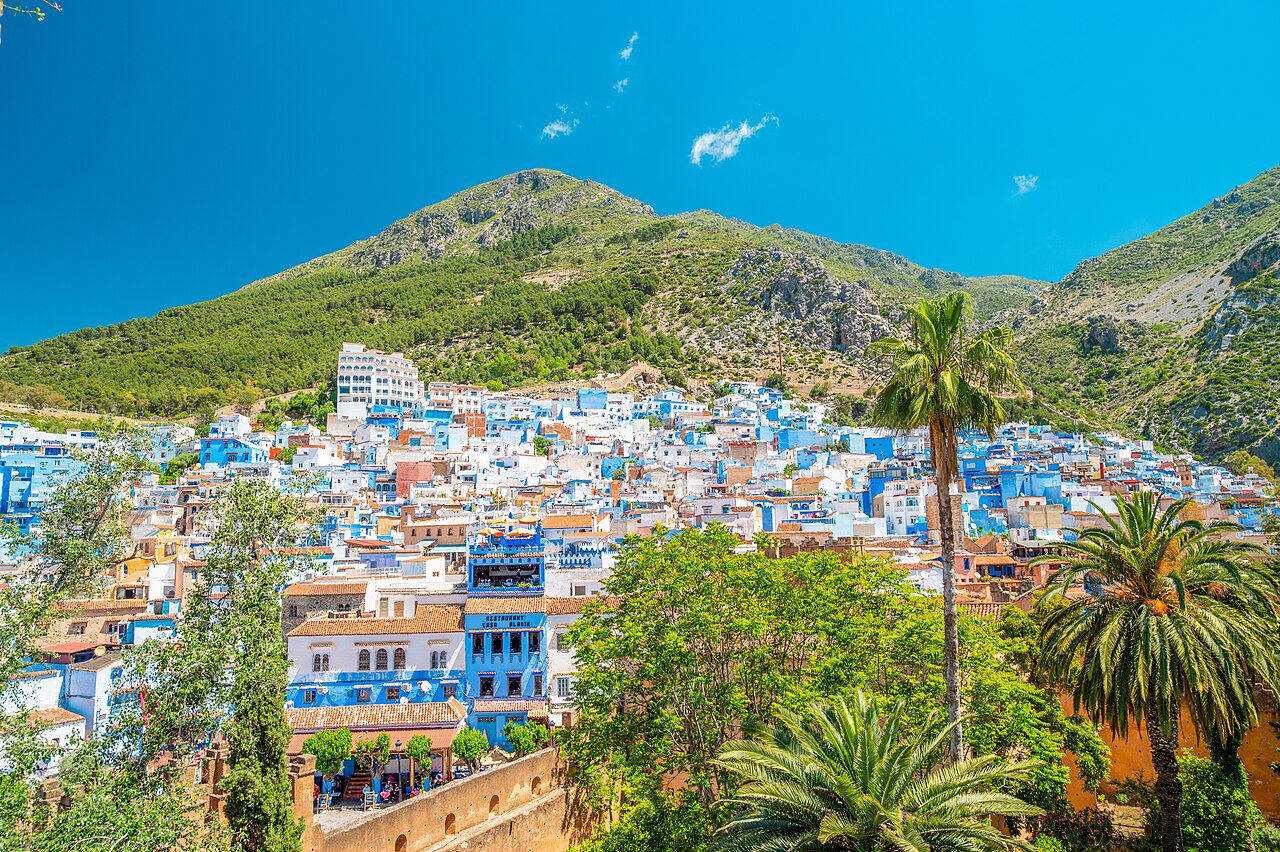
Gibraltar takes its name from Jabal Tariq, “Tariq’s mountain”, after the Arab commander who landed here in 711 and began the Muslim conquest of Spain. The tunnels dug during the Great Siege of 1779–1783 still run through the Rock, and its people speak Llanito, a mix of English and Andalusian Spanish reflecting Genoese, Maltese, Jewish and British roots. Across the strait, Tétouan’s medina (UNESCO) was rebuilt by Muslim and Jewish refugees from Granada after 1492, and later became the capital of the Spanish protectorate (1913–1956). Chefchaouen, founded in 1471 in the Rif mountains, is famous for its blue-washed walls, a custom with several competing explanations.
03 Placemaking
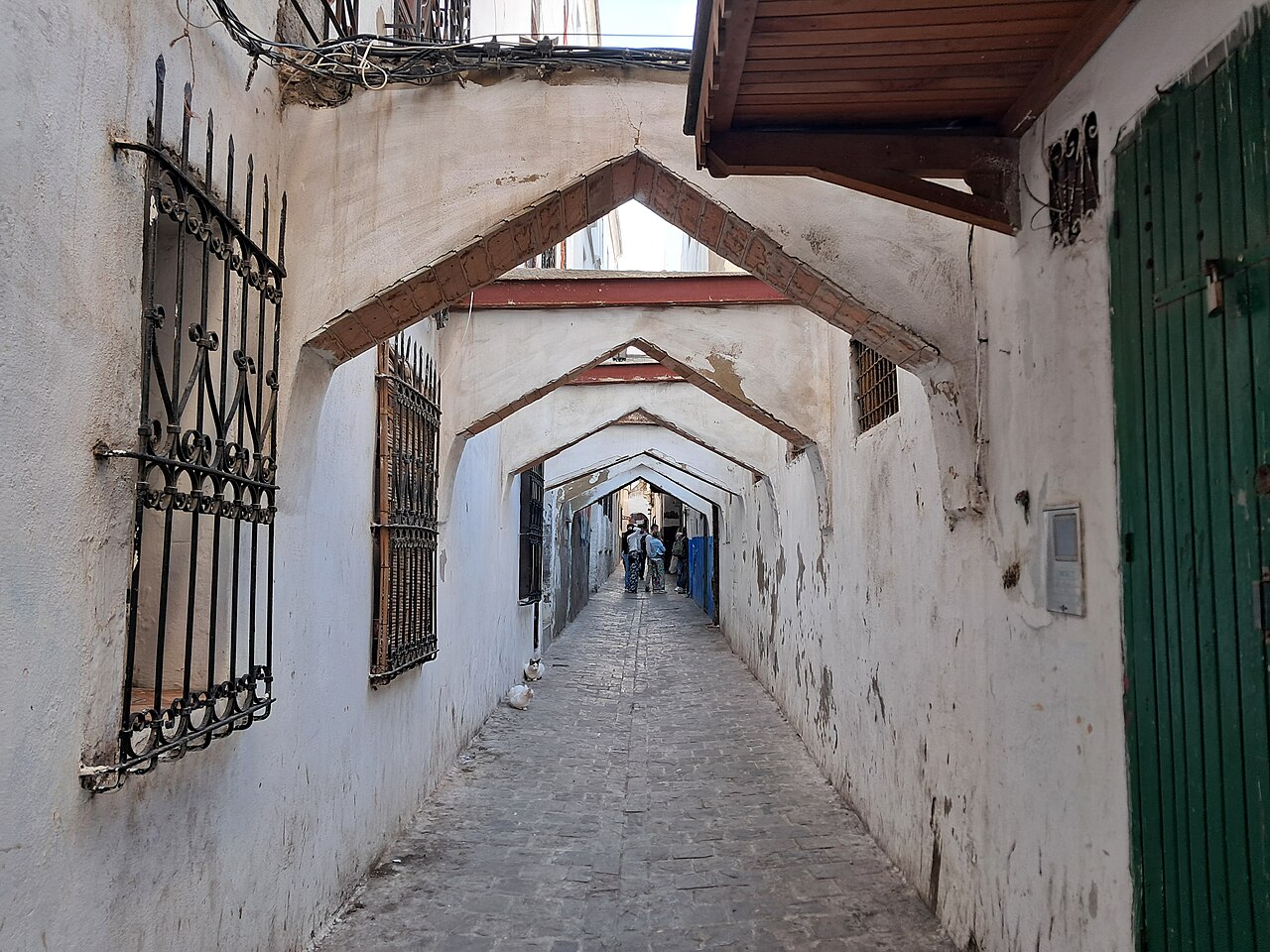
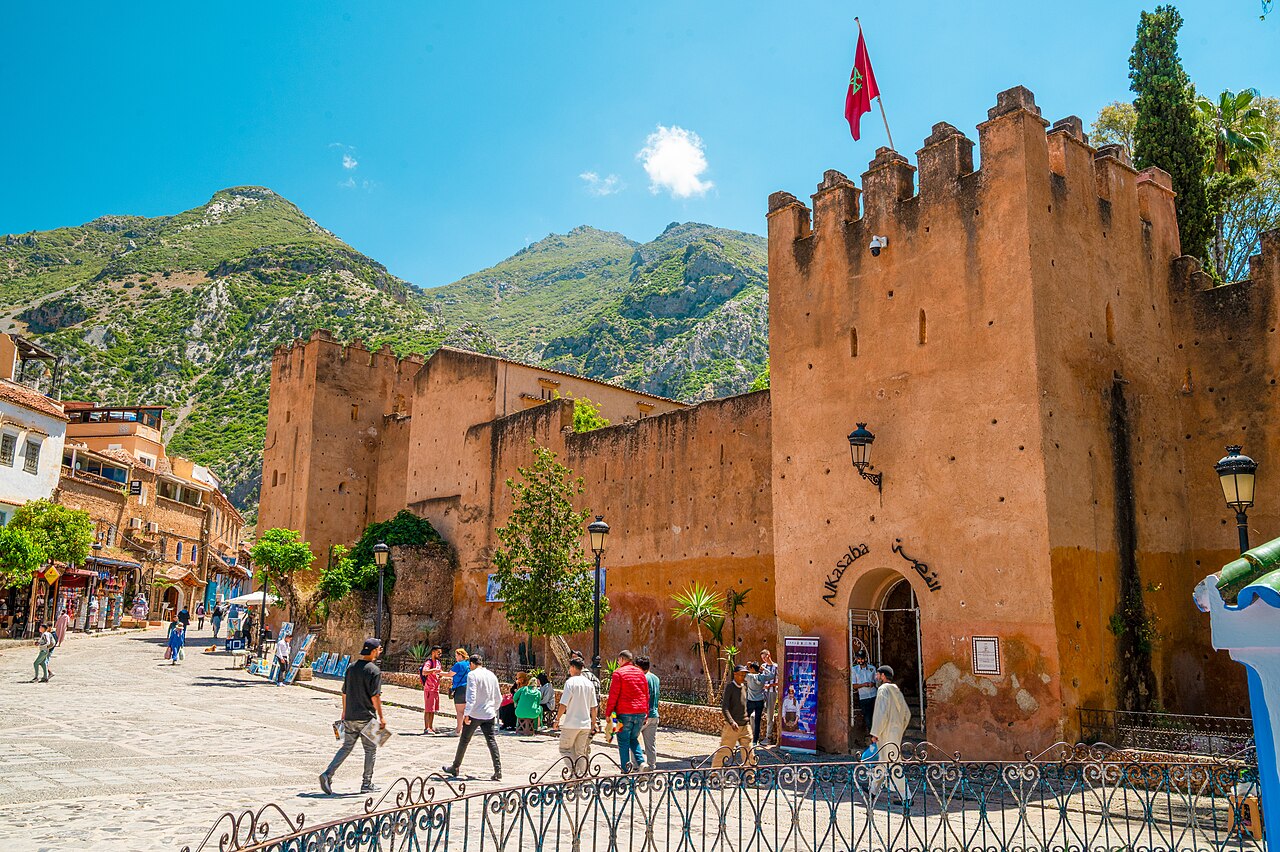
Tétouan’s medina is organised by trade, with souks for leather, metal and textiles and old fondouks (caravan inns) around courtyards, while the Spanish-built Ensanche next door has whitewashed boulevards: two urban models side by side. In Chefchaouen, the blue lanes open onto the Plaza Uta el-Hammam beside the kasbah. Gibraltar’s Casemates Square, once a barracks yard, is now its main public square.
04 Diving and water
Gibraltar has wreck dives such as the SS Rosslyn and artificial reefs, and dolphins in the bay. Be aware that since 2020 a group of Iberian orcas has been interacting with boats, mostly sailing yachts, between Gibraltar and Galicia, sometimes damaging rudders; check the latest reports before passing.
05 Photography
Chefchaouen’s blue lanes early in the morning; the Rock from the sea; macaques on the Upper Rock.