01 Why it’s unique
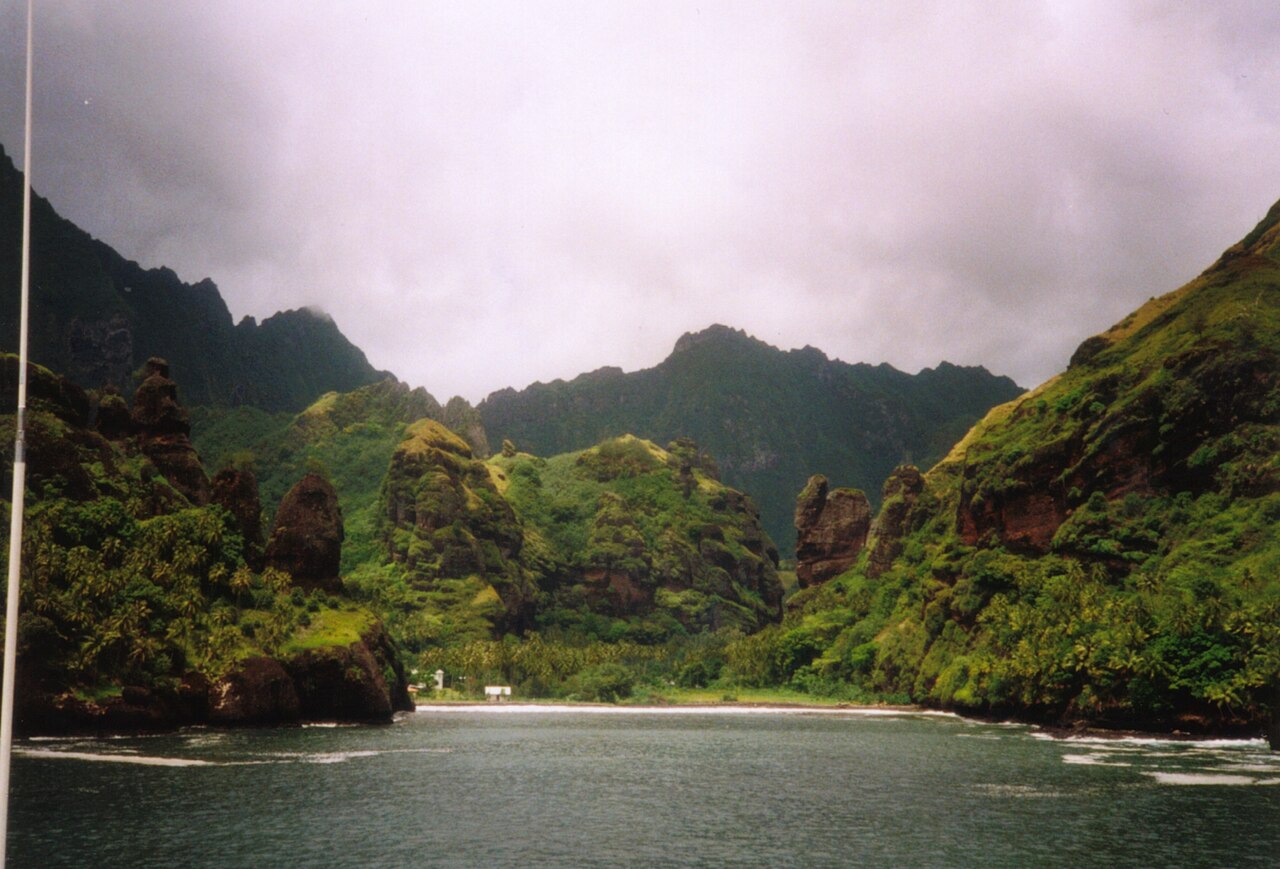
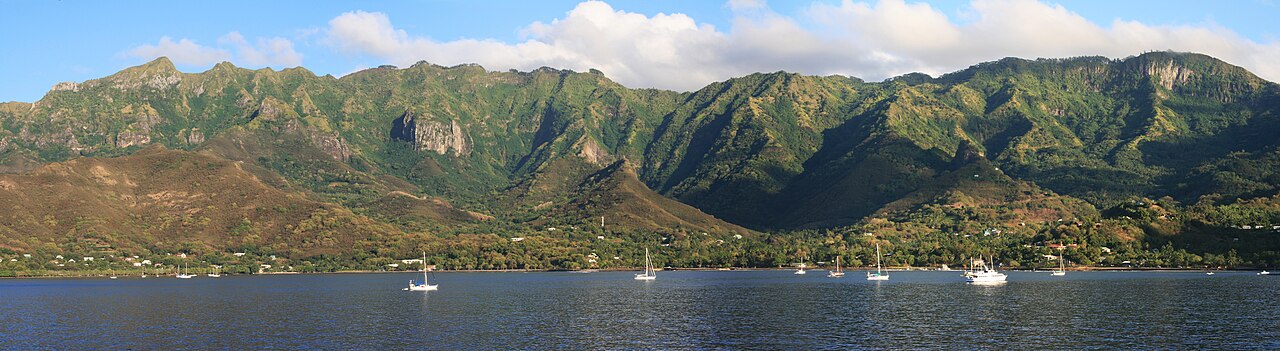
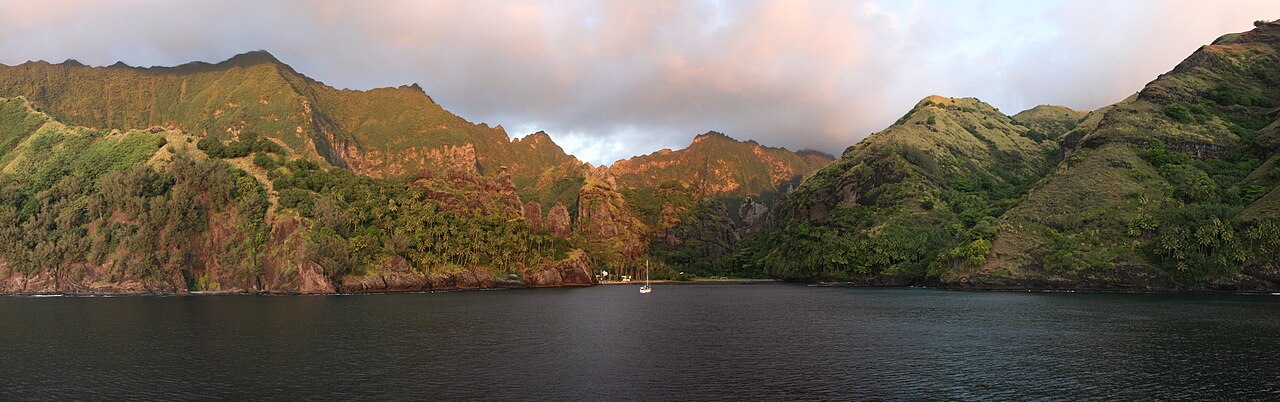
Steep volcanic islands with almost no fringing reef, among the most remote in the world. The Marquesas were inscribed on the UNESCO World Heritage list in 2024 for both their landscapes and their culture.
02 Culture and history
The Marquesas, known to their people as Te Henua ’Enana (“the land of men”), were among the first islands settled in East Polynesia, and voyagers from here are thought to have reached Hawaii and Easter Island. European contact brought disease that cut a population of tens of thousands to about 2,000 by the 1920s. Herman Melville’s novel Typee (1846) is based on his weeks in Nuku Hiva’s Taipivai valley. Paul Gauguin spent his last years in Atuona on Hiva Oa and is buried there, as is the Belgian singer Jacques Brel, who lived there in the 1970s. Marquesan tattooing, carving and dance have been revived with great pride.
03 Placemaking
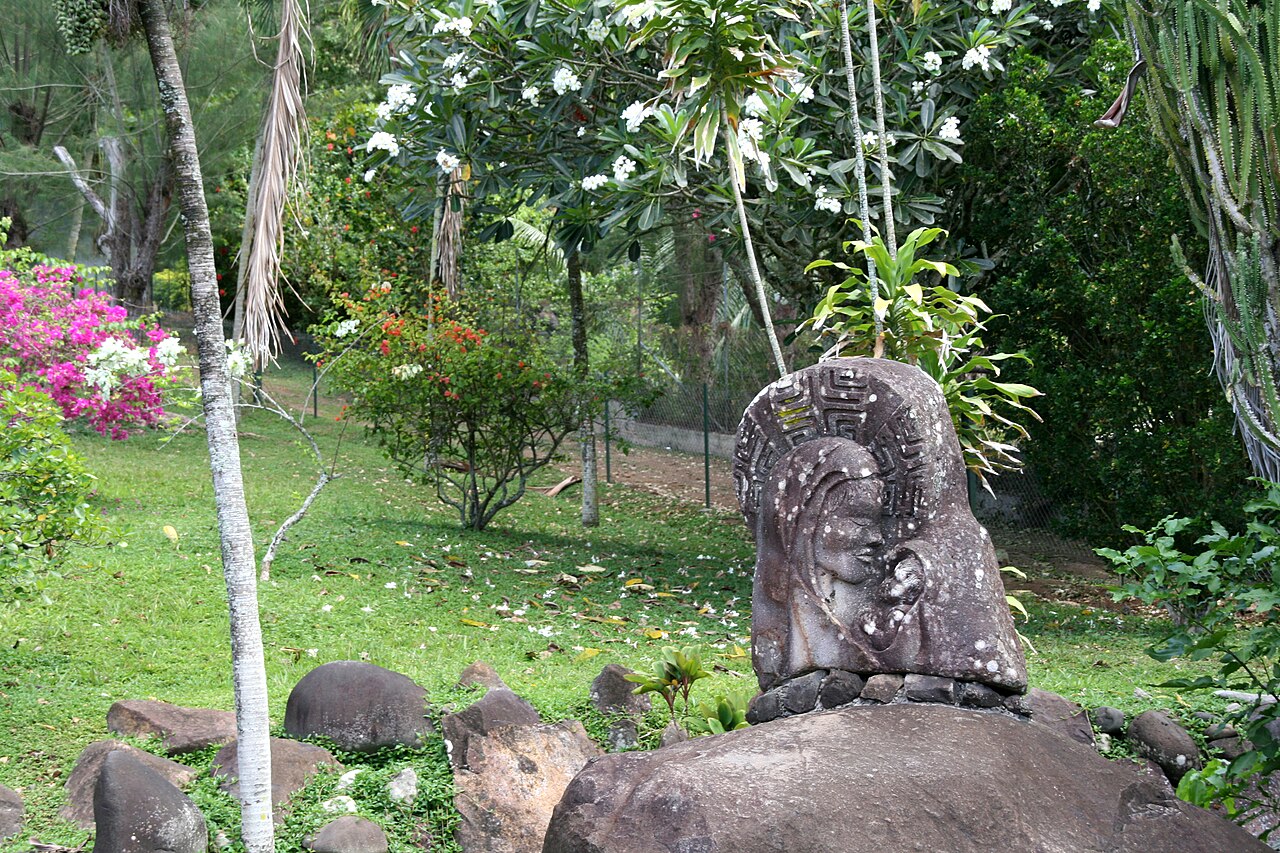
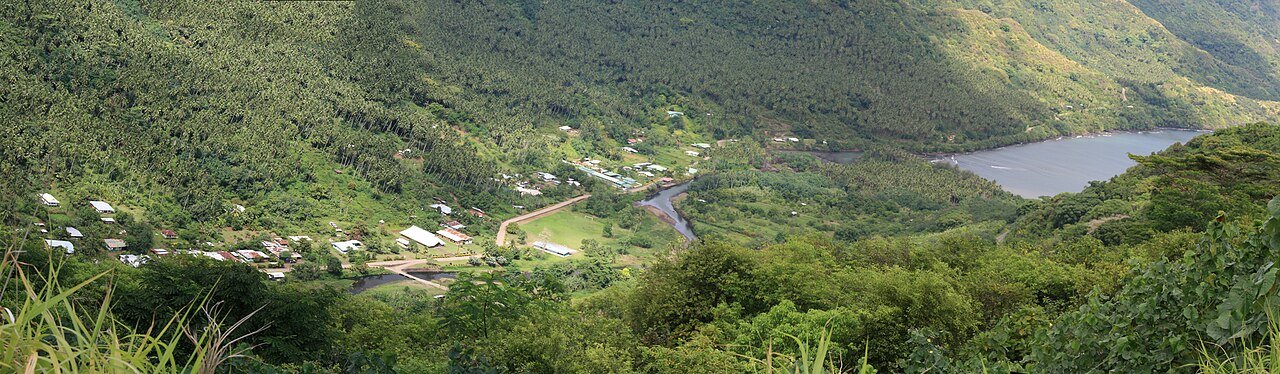
The old Marquesan settlement was built around the tohua, a large paved plaza for feasts and dance surrounded by paepae, raised stone platforms for houses, with me’ae (sacred sites) nearby. The restored tohua of Kamuihei and Hikokua in the Hatiheu valley show this public-space system clearly. At Puamau on Hiva Oa, the I’ipona site holds Takai’i, at about 2.7 m the largest stone tiki in French Polynesia.
04 Diving and water
Plankton-rich water means poor visibility but big animals: scalloped hammerheads, manta rays, and gatherings of hundreds of melon-headed whales off Nuku Hiva.
05 Photography
Hanavave, the Bay of Virgins on Fatu Hiva, with its stone pinnacles at sunset; the basalt spires of Ua Pou; carvers and tattoo artists; wild horses on the ridges.